


1 Michelin Star · Black Pearl 1 Diamond
Our verdict
A Michelin-starred Cantonese address in Chaoyang that draws its visual language from the 18th-century novel Dream of the Red Chamber and its culinary identity from the coastal city of Zhanjiang. Signature dishes such as jackfruit wood roast pork and sand ginger sautéed lobster place it in a small tier of Beijing restaurants making a serious argument for southern Chinese cooking far from its home waters. Rated 4.6 on Google from verified diners.

Pearl is the En Primeur Club membership app, where members save venues, book tables and use the concierge.
The menu
What to order
- Liu Luo Pastry
- Double-boiled duck
- Zhanjiang-style sautéed lobster
Where Classical Chinese Literature Meets a Coastal Kitchen
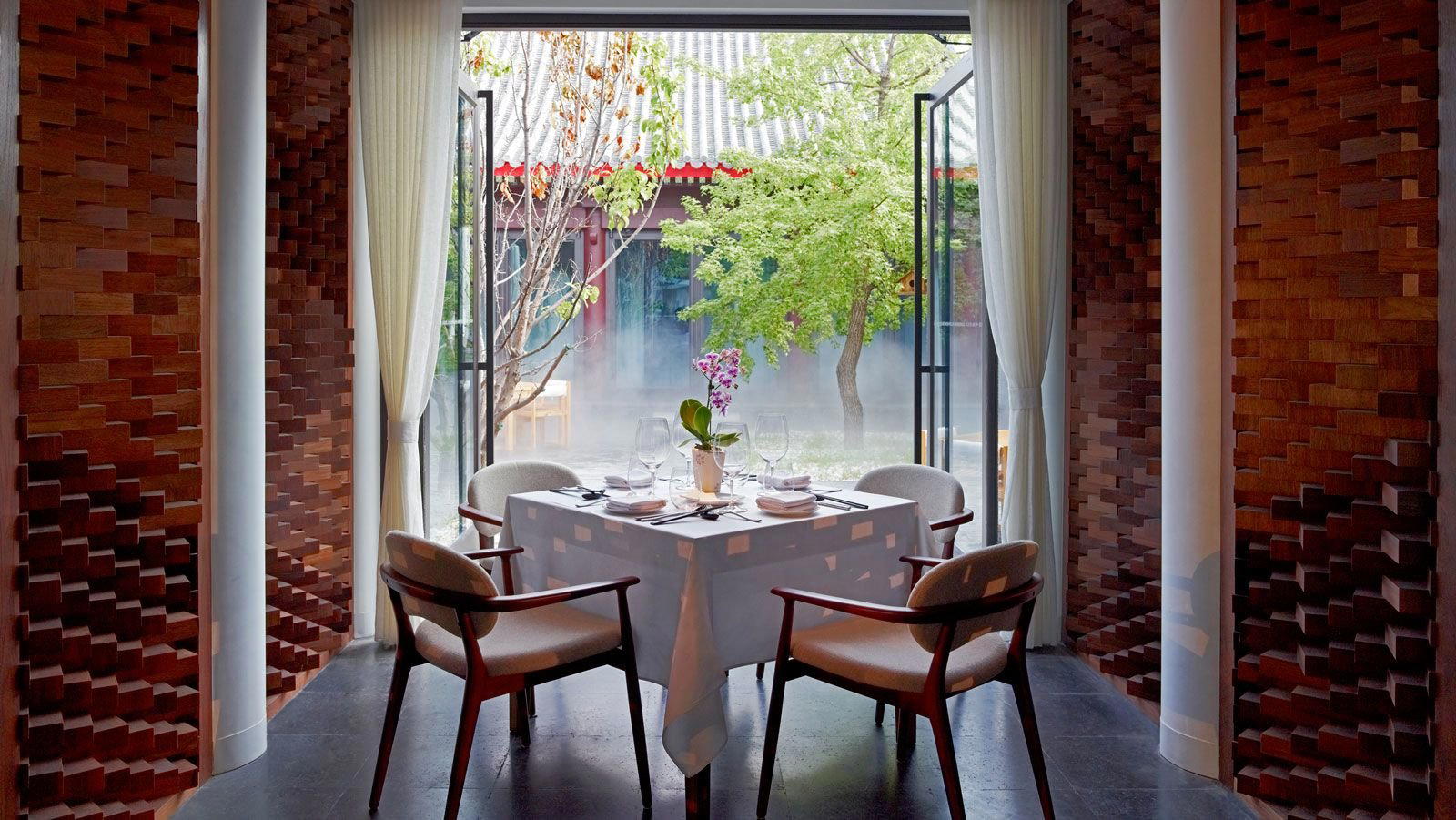
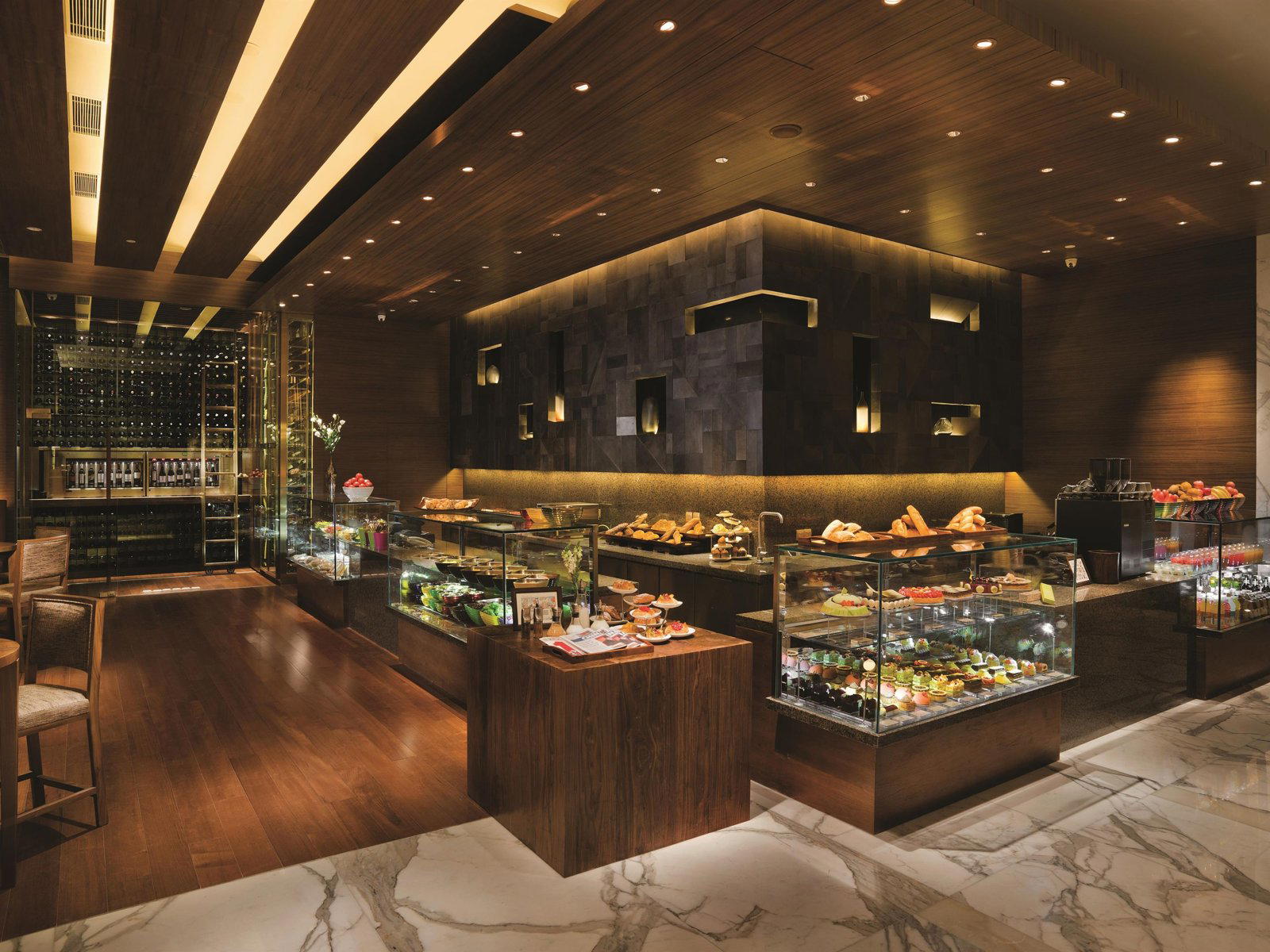
The dining rooms of Beijing's Chaoyang district tend toward one of two registers: the sleek international-hotel restaurant or the large-format Cantonese banquet hall aimed at business entertaining. The House of Dynasties, located on the fourth floor of the Jing Guang Centre on Chaoyangmen Outer Street, occupies a more considered position between those poles. Its interior draws directly from Dream of the Red Chamber, the 18th-century Qing dynasty novel widely regarded as one of the four great classical works of Chinese literature. The visual references are not decorative afterthoughts; the decor is built around the material culture of that era, layered textile patterns, period-appropriate furniture forms, and a palette that reads as studied rather than costumed. Entering the space, the effect is closer to stepping into a scholarly reconstruction than to the theme-restaurant shorthand the concept might suggest in less careful hands.
That anchoring in a specific historical and literary moment is worth noting because it sets an expectation the kitchen is asked to meet. Beijing has several Michelin-recognised addresses where the room does more work than the food. The House of Dynasties earned its 2024 Michelin one-star rating against that backdrop, which means the cooking is carrying its share of the argument.
Zhanjiang Cooking in a Northern Capital
Cantonese cuisine in mainland China's northern cities occupies an interesting position. Beijing diners have access to the broad Cantonese idiom through large hotel restaurants and Guangdong-native chains, but the specific regional variants within Guangdong province are less well represented. Zhanjiang, a port city on the southwestern tip of Guangdong facing the Gulf of Tonkin, has its own coastal cooking tradition: emphasis on minimally processed seafood, wood-fire techniques that build char without masking the ingredient, and a spice vocabulary that incorporates sand ginger and fermented black beans in ways that distinguish it from the Pearl River Delta mainstream.
The chef at The House of Dynasties carries that Zhanjiang formation into the menu. The approach is not to translate the style into something more palatably northern, but to present Zhanjiang specialities with the technical discipline required to earn a Michelin star in a competitive field. For context, Beijing's 2024 Michelin Guide covers a crowded ¥¥¥ tier that includes French contemporary addresses like Jing and regional Chinese specialists across multiple provincial traditions. A Cantonese restaurant from this specific coastal lineage holding a star in that company is a meaningful credential.
Lei Garden (Jinbao Tower) represents the international Cantonese banquet tradition, while Fu Chun Ju anchors the classical Jiangsu end of refined Chinese dining. The House of Dynasties sits in neither of those lanes: it is making a case for a specific Cantonese regional identity that rarely gets this level of platform in the capital. Elsewhere in China, comparable positioning appears at Xin Rong Ji in Chengdu, which has built a reputation for Taizhou cooking far from its origins, and at Ru Yuan in Hangzhou, where the commitment to a specific regional tradition sustains the editorial interest.
The Menu as Regional Document
The double-boiled duck and fish maw soup represents the slow-cooking tradition central to Cantonese restorative cooking. Double-boiling, in which the ingredients are sealed inside a ceramic vessel and cooked inside a larger vessel of simmering water, produces a broth of concentrated clarity without the cloudiness of direct-heat simmering. Fish maw, the dried swim bladder of large fish, contributes collagen and a soft, yielding texture. This is old technique applied carefully, and its presence on a starred menu in Beijing signals that the kitchen is not editing out the ingredients that require sourcing discipline and technical patience.
Jackfruit wood roast pork makes a different argument. Jackfruit wood is used in Zhanjiang for smoking and roasting because of its specific aromatic profile, which produces a sweetness distinct from the lychee wood more commonly associated with Cantonese roasting. The choice of wood is not incidental: it is a regional specificity that connects the dish to a place and a practice. Sourcing and using jackfruit wood in Beijing, where it has no local supply chain, represents a logistical commitment to authenticity that sits comfortably within a sustainability and provenance framing. This is not a kitchen substituting convenient alternatives; it is maintaining the integrity of the original technique through deliberate sourcing.
The jackfruit puff pastry, which pairs the same ingredient in a different register, shows the chef working across sweet and savoury applications of a single regional product. This kind of internal menu coherence, where an ingredient appears in multiple preparations that illuminate different facets of it, is a marker of considered menu-building rather than assembled greatest hits. For readers comparing across Cantonese starred restaurants in China, Chef Tam's Seasons in Macau and Imperial Treasure Fine Chinese Cuisine in Guangzhou operate at higher price points with broader Cantonese range; The House of Dynasties is making a more focused, regionalist case.
Zhanjiang-style sautéed lobster with sand ginger and black beans brings the coastal identity into clearest focus. Sand ginger (sha jiang), a rhizome with a camphor-adjacent spice note, is a Zhanjiang kitchen staple that functions differently from common ginger: it introduces a mild, aromatic warmth without the sharpness of fresh ginger root. Combined with fermented black beans, the result builds in savoury depth and a mild caramelised bitterness. The lobster is the vehicle; the flavouring system is the regional argument.
Provenance and Technique as Editorial Threads
The sustainability framing that runs through serious food criticism in 2024 applies to The House of Dynasties in a specific way. The restaurant's commitment to Zhanjiang ingredients and methods, jackfruit wood, sand ginger, regionally specific fermented condiments, implies a sourcing practice that runs counter to the substitution logic of high-volume restaurant operations. Kitchens that maintain regional specificity at this level are, by necessity, operating shorter and more intentional supply chains than restaurants that treat ingredients as interchangeable commodities. That is not a marketing position; it is a structural consequence of the cooking style.
The broader Cantonese restaurant world in China is moving in two directions: large-format banquet restaurants competing on scale and event capacity, and smaller, more focused addresses competing on technique and provenance. Dai Yuet Heen in Nanjing and 102 House in Shanghai represent different points on that spectrum. The House of Dynasties, within Beijing's more limited Cantonese field, belongs in the focused-technique cohort. For a broader international comparison, Forum in Hong Kong and Le Palais in Taipei illustrate how Cantonese cooking earns sustained recognition outside Guangdong; The House of Dynasties is doing the equivalent work in the mainland north.
Among other Beijing options in adjacent territory, The Beijing Kitchen (Jianguo Road) and Zijin Mansion offer contrasting approaches to Chinese regional cooking at the same price tier, and Café Zi operates in a related but lighter register.
For readers building a fuller Beijing itinerary, see our full Beijing restaurants guide, our full Beijing hotels guide, our full Beijing bars guide, our full Beijing wineries guide, and our full Beijing experiences guide.
Know Before You Go
- Location: 4/F, Jing Guang Centre, 1 Chaoyangmen Outer Street, Chaoyang, Beijing (Postcode 100020)
- Price tier: ¥¥¥, mid-to-upper range for Beijing; comparable to peer Cantonese and regional Chinese addresses in Chaoyang
- Recognition:
- Cuisine: Cantonese, with specific Zhanjiang regional focus
- Signature dishes: Double-boiled duck and fish maw soup; jackfruit wood roast pork; jackfruit puff pastry; Zhanjiang-style sautéed lobster with sand ginger and black beans
- Booking: Contact details not publicly listed at time of publication, check current booking channels directly or via concierge
- Hours: Not confirmed at time of publication, verify before visiting
Frequently asked questions
Is The House of Dynasties good for families?
At ¥¥¥ pricing in central Beijing, this is a considered-occasion restaurant rather than a casual family outing. The literary interiors drawn from Dream of the Red Chamber and the Michelin-starred kitchen's focus on technique-driven dishes like double-boiled duck and fish maw soup suit adults with an appetite for regional Cantonese cooking. Families with older children who eat seriously will find it rewarding; those with younger children will likely find the setting and price point a mismatch.
What's the vibe at The House of Dynasties?
The dining rooms draw directly from the aesthetic of Dream of the Red Chamber, the 18th-century Chinese novel, so expect an interior that reads as scholarly and historically grounded rather than sleek or contemporary. In Beijing's Chaoyang district, that positions this squarely as a destination for a deliberate dinner rather than a walk-in meal. The Michelin recognition in 2024 confirms the kitchen matches the room's ambition.
What's The House of Dynasties known for in terms of accolades?
The House of Dynasties has received recognition including: Inspired by Dream of the Red Chamber, an 18C Chinese novel, the decor embodies that era's charm. With well-honed skills, the Cantonese chef from Zhanjiang reinvents his hometown favourites, presenting specialities such as double-boiled duck….
What should I order at The House of Dynasties?
The Michelin inspectors and the kitchen's Zhanjiang lineage both point to the same core dishes: the double-boiled duck and fish maw soup for its slow-cooked depth, jackfruit wood roast pork for the kitchen's regional identity, and the Zhanjiang-style sautéed lobster finished with sand ginger and black beans for a caramelised, mildly spiced result. The jackfruit puff pastry rounds out the Zhanjiang thread on the menu.
What's the pricing like at The House of Dynasties?
Pricing at The House of Dynasties is listed as ¥¥¥.
At-a-Glance Comparison
A quick peer list to put this venue’s basics in context.
| Venue | Cuisine | Price | Awards | Notes |
|---|---|---|---|---|
| The House of DynastiesThis venue (the venue you are viewing) | Modern Cantonese Dim Sum & Zhanjiang Cuisine | $50–100 | 1 Michelin Star · Black Pearl 1 Diamond | Not listed |
| Jing | Modern French with Asian Influences | $300–500 | 1 Michelin Star · Black Pearl 1 Diamond | French Contemporary |
| Xin Rong Ji (Xinyuan South Road) | Taizhou Chinese Fine Dining | $300–500 | 3 Michelin Stars · World's 50 Best #84 | Taizhou |
| Chao Shang Chao (Chaoyang) | Modern Teochew (Chaoshan) Fine Dining | $200–300 | Michelin Plate · La Liste Top Restaurants | Chao Zhou |
| Lamdre | Modern Plant-Based Chinese Vegetarian | Not listed | 2 Michelin Stars · World's 50 Best #17 | Vegetarian |
| Jingji | Imperial Beijing Royal Cuisine | $200–300 | 2 Michelin Stars · La Liste Top Restaurants | Beijing Cuisine |
Recognition history
Dated appearances from independent guides and award organizations, with the underlying list record or original source where available.
Michelin 1 Star
Michelin
Black Pearl 1 Diamond
Black Pearl
Chinese Restaurant Awards — Elite 15 Asia: Elite 15 Asia #14
Chinese Restaurant Awards
Full recognition history (5 entries)
Chinese Restaurant Awards — Top 30 Honouree Asia: Top 30 Honouree Asia
Chinese Restaurant Awards
Michelin 1 Star
Michelin
Continue exploring
More in Beijing
Restaurants in Beijing
All restaurants in Beijing →
Bars in Beijing
All bars in Beijing →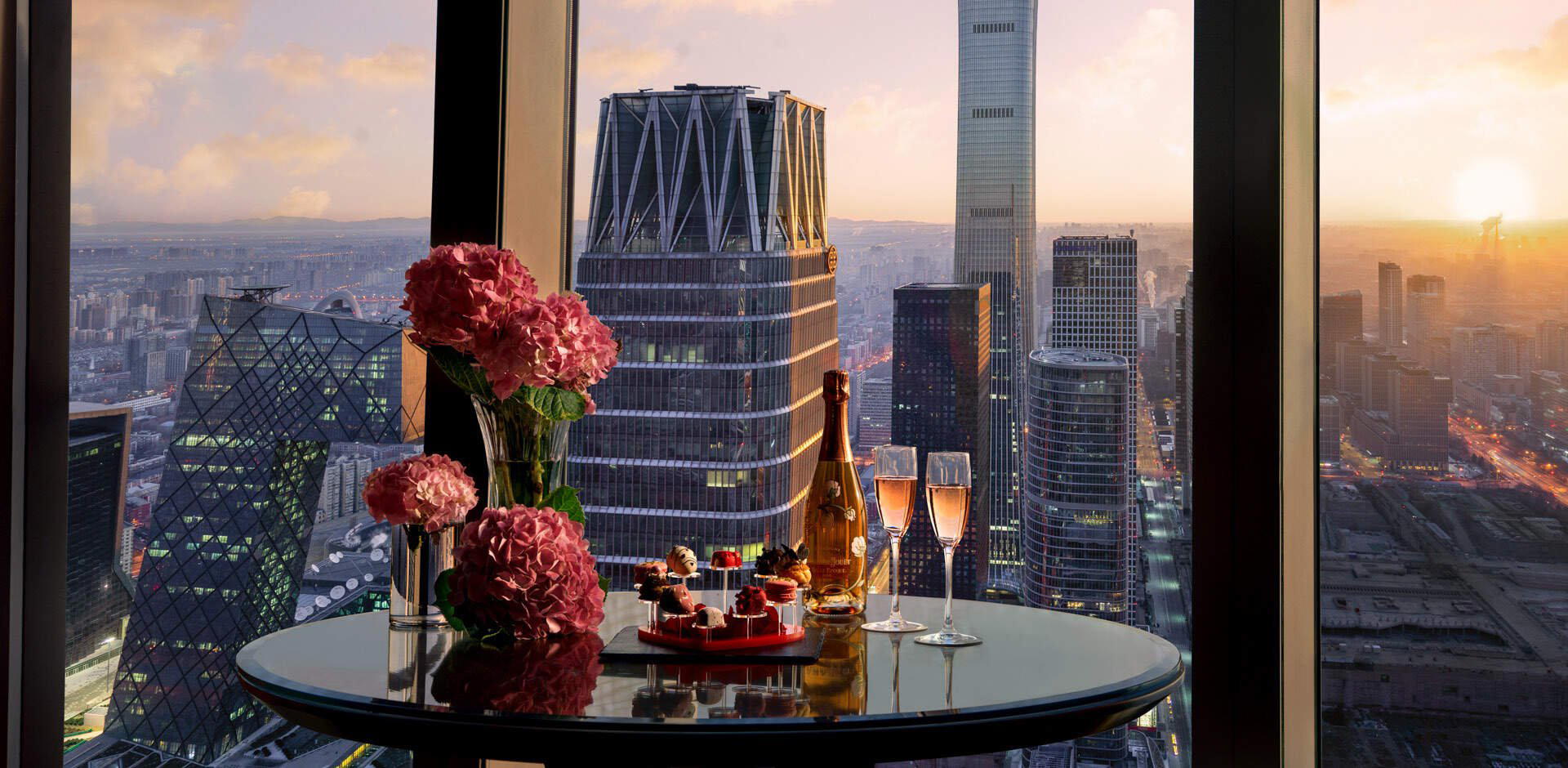



Details
- Elegant
- Sophisticated
- Ornate
- Classic
- Business Dinner
- Celebration
- Special Occasion
- Group Dining
- Private Dining
- Open Kitchen
- Historic Building
- Hotel Restaurant
- Panoramic View
- Farm To Table
- Local Sourcing
- Skyline
- A La Carte
- Small Plates
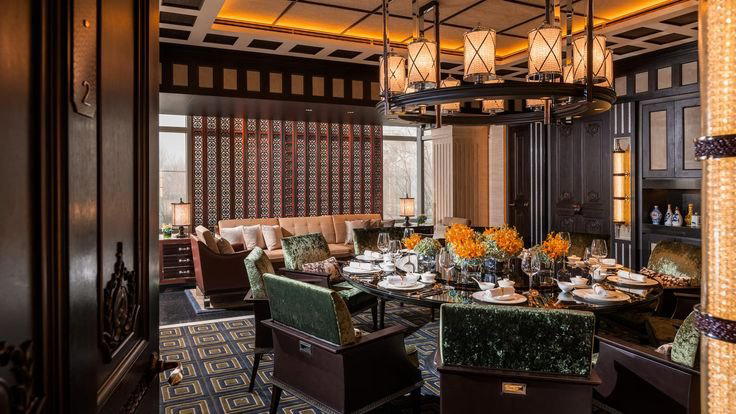
Elegant surroundings inspired by Dream of the Red Chamber with imperial grandeur, cultural richness, and panoramic Beijing views through floor-to-ceiling windows.