
Na Jia Xiao Guan brings Manchu imperial cooking to Beijing's Chaoyang district, drawing consistent recognition from Opinionated About Dining's Asia rankings, ranked 211th in 2024 and 244th in 2025. The kitchen works within a culinary tradition rarely represented at this level of critical attention, making it one of the few places in China where Manchu heritage cuisine receives serious treatment.
Pearl is the En Primeur Club membership app — saves, bookings, and concierge access live there. Same editors, same standards.
- Address
- XFQV+2GR, Jiuxianqiao N Rd, Chaoyang, Beijing, China, 100102
- Phone
- +86 10 5978 9333
- Website
- thebeijinger.com
 Saves & bookings on Pearl
Where Imperial Manchu Cooking Holds Ground in Modern Beijing
Chaoyang's restaurant strip along Jiuxianqiao North Road skews contemporary: creative Chinese tasting menus, imported-concept dining, a fair number of Japanese counters. Against that backdrop, Na Jia Xiao Guan occupies an unusual position. It specialises in Manchu cuisine, the cooking tradition of the Qing dynasty court, at a moment when most Beijing restaurants trafficking in imperial heritage have drifted toward spectacle or simplified themselves into tourist-friendly approximations. The critical record here tells a different story.
Opinionated About Dining has tracked Na Jia Xiao Guan through three consecutive recognition cycles: a Recommended listing in 2023, a ranking of 211th among leading restaurants in Asia in 2024, and a position of 244th in the 2025 rankings. The consistency of that signal matters more than the precise ranking number.
A Culinary Tradition Rarely Seen at Serious Dining Level
Manchu cuisine occupies a specific and underrepresented corner of Chinese culinary history. The cooking traditions of the Manchu people, who founded the Qing dynasty in 1644 and ruled China for nearly three centuries, drew on northeastern steppe ingredients and preparation methods quite distinct from Han Chinese cooking. Game meats, preserved vegetables, dairy-based preparations, and slow-braised technique sit at its core. The Manchu Han Imperial Feast, a multi-day banquet format blending Manchu and Han dishes that originated under the Qing court, is among the more documented but least-practised formal dining traditions in Chinese culinary history.
In contemporary Beijing, serious engagement with Manchu cooking is rare. Most restaurants that invoke imperial heritage use it as a branding frame rather than a genuine culinary programme. The sustained OAD recognition for Na Jia Xiao Guan places it in a different category, alongside peers like Jingji, which works within the Beijing cuisine tradition, and King's Joy, which takes a vegetarian-Chinese approach to formal dining. All three represent depth within historically rooted culinary frameworks rather than contemporary fusion formats.
Reading the Critical Reception
The OAD model is worth understanding as context for what the restaurant ranking actually measures. Unlike Michelin, which sends anonymous inspectors trained to evaluate against a fixed rubric, OAD aggregates scores from a self-selected community of serious diners and food professionals who eat out frequently across Asia. A restaurant that accumulates ranking position in this system has been visited repeatedly, scored consistently, and kept pace with a competitive field that includes tasting-menu counters in Tokyo, Hong Kong, and Singapore, alongside serious regional Chinese houses across the mainland.
For a Manchu specialist in a Chaoyang address that sits outside Beijing's traditional dining cluster in Dongcheng, the 2024 position at 211 represents meaningful standing. To compare the range: Xin Rong Ji (Xinyuan South Road) and Chao Shang Chao (Chaoyang) are among Beijing's more prominent OAD-recognised addresses, with the former representing Taizhou cuisine's formal end and the latter anchoring Chaoyang's Cantonese-leaning serious dining tier. The restaurant's consistent appearance in the same ranking cohort signals it is being measured against that peer group, not against casual heritage-themed dining.
Beyond Beijing, the OAD Asia field includes addresses like 102 House in Shanghai and Ru Yuan in Hangzhou, both recognised within the framework of serious regional Chinese cooking. Internationally recognised Chinese addresses such as Imperial Treasure Fine Chinese Cuisine in Guangzhou and Dai Yuet Heen in Nanjing illustrate how wide the competitive field is. The restaurant holding position within it for a cuisine category with almost no peer representation at this level is a meaningful indicator. For reference of how different the OAD recognition model feels by comparison, the restaurant sits in an entirely different critical register from Michelin-oriented tasting formats like Chef Tam's Seasons in Macau or technically driven Western programmes such as Le Bernardin in New York City or Atomix in New York City.
The Kitchen and Format
Chef Ishiba Masaki is listed as the chef at the restaurant, a Japanese name in a kitchen focused on Manchu imperial cooking, a combination that speaks to a broader pattern in serious Chinese dining, where Japanese-trained precision or cross-cultural technical rigour increasingly informs heritage-cuisine kitchens. The kitchen is led by chef Ishiba Masaki.
The restaurant opens daily from 11 am to 10 pm. Lamdre, another OAD-recognised Beijing address, follows a similar broad-hours format, which is consistent with how serious Chinese restaurants in the city structure access.
Positioning Within Beijing's Serious Dining Scene
Beijing's critical dining tier has consolidated around a handful of cuisine frameworks: the capital's own formal Beijing cooking tradition (represented by addresses like Jingji), imported regional Chinese formats (Taizhou, Cantonese, Chao Zhou), and vegetarian-focused fine dining. Manchu cuisine sits outside all of those categories, and finding a kitchen that works within it at the level OAD recognises is genuinely unusual. The Chaoyang address, while not in the historical core of Beijing dining, places the restaurant in a district where serious food investment has been growing, a pattern visible across the neighbourhood and reflected in the broader Beijing restaurant scene.
For those interested in Chinese culinary heritage beyond the well-documented Sichuan and Cantonese tracks, the Manchu tradition at this level of critical endorsement is worth seeking out.
Know Before You Go
- Address: Jiuxianqiao North Road, Chaoyang, Beijing 100102
- Hours: Monday to Sunday, 11 am – 10 pm
- Cuisine: Manchu
- Awards: Opinionated About Dining Leading Restaurants in Asia, Recommended (2023), Ranked 211th (2024), Ranked 244th (2025) 6
- Booking: Reservations recommended
- Neighbourhood: Chaoyang, northeast Beijing; accessible from the Jiuxianqiao area
Comparable Spots
Comparable venues nearby, for context on price, style, and recognition.
| Venue | Cuisine | Price | Notes |
|---|---|---|---|
| Na Jia Xiao GuanThis venue — the venue you are viewing | Modern Imperial Manchu Cuisine | $$$ | Not listed |
| Liqun Roast Duck | Traditional Peking Roast Duck | $$$ | Zhengyilu |
| Howard's Gourmet (Beijing) | Modern Chaozhou Chinese Fine Dining | $$$ | Zhengyilu |
| San Qing Tan (Sanlitun Road) | Refined Cantonese Roast Goose & Dim Sum | $$$ | Sanlitun |
| Qiao Dong Bei (Dongcheng) | Modern Dongbei | $$$ | Chungshu |
| Yue Jie (Qi Yang Road) | Cantonese Classics | $$$ | Dashanzi |
Recognition history
Dated appearances from independent guides and award organizations, with the underlying list record or original source where available.
Opinionated About Dining Top Restaurants in Asia Recommended
Opinionated About Dining
Opinionated About Dining Top Restaurants in Asia Ranked #244
Opinionated About Dining
Opinionated About Dining Top Restaurants in Asia Ranked #211
Opinionated About Dining
Opinionated About Dining Top Restaurants in Asia Recommended
Opinionated About Dining


At a Glance
- Elegant
- Intimate
- Classic
- Cozy
- Sophisticated
- Business Dinner
- Special Occasion
- Date Night
- Private Dining
- Extensive Wine List
Current opening hours
- Monday
- 11 AM–10 PM
- Tuesday
- 11 AM–10 PM
- Wednesday
- 11 AM–10 PM
- Thursday
- 11 AM–10 PM
- Friday
- 11 AM–10 PM
- Saturday
- 11 AM–10 PM
- Sunday
- 11 AM–10 PM
Hours can change for holidays and private events. Last verified .
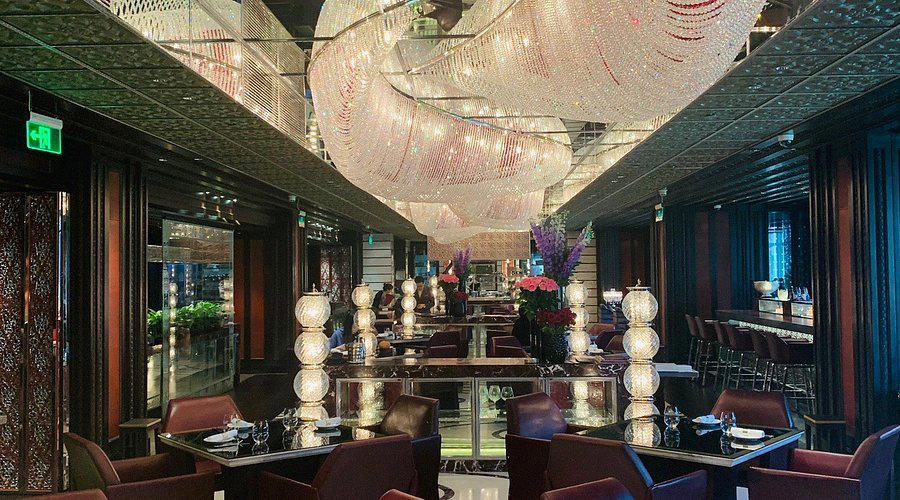
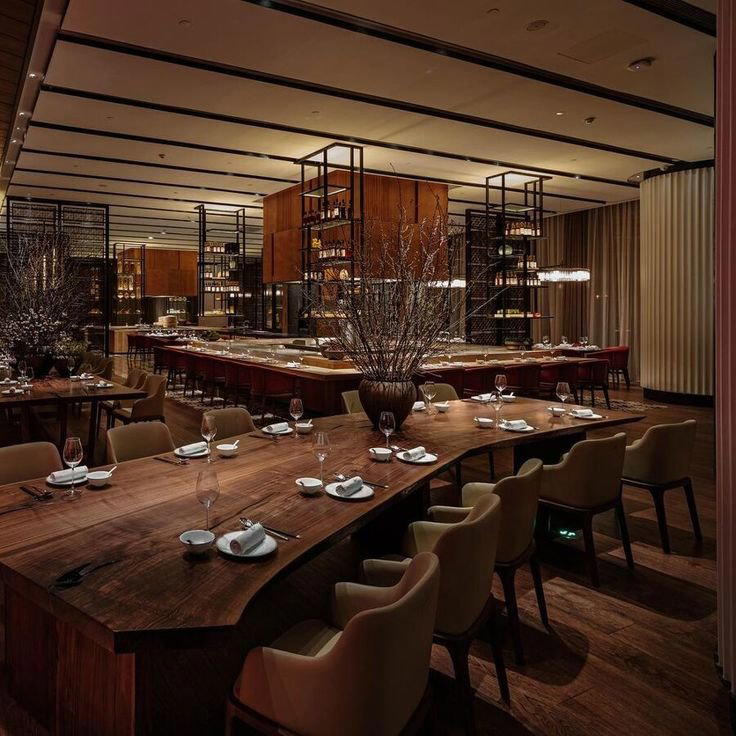
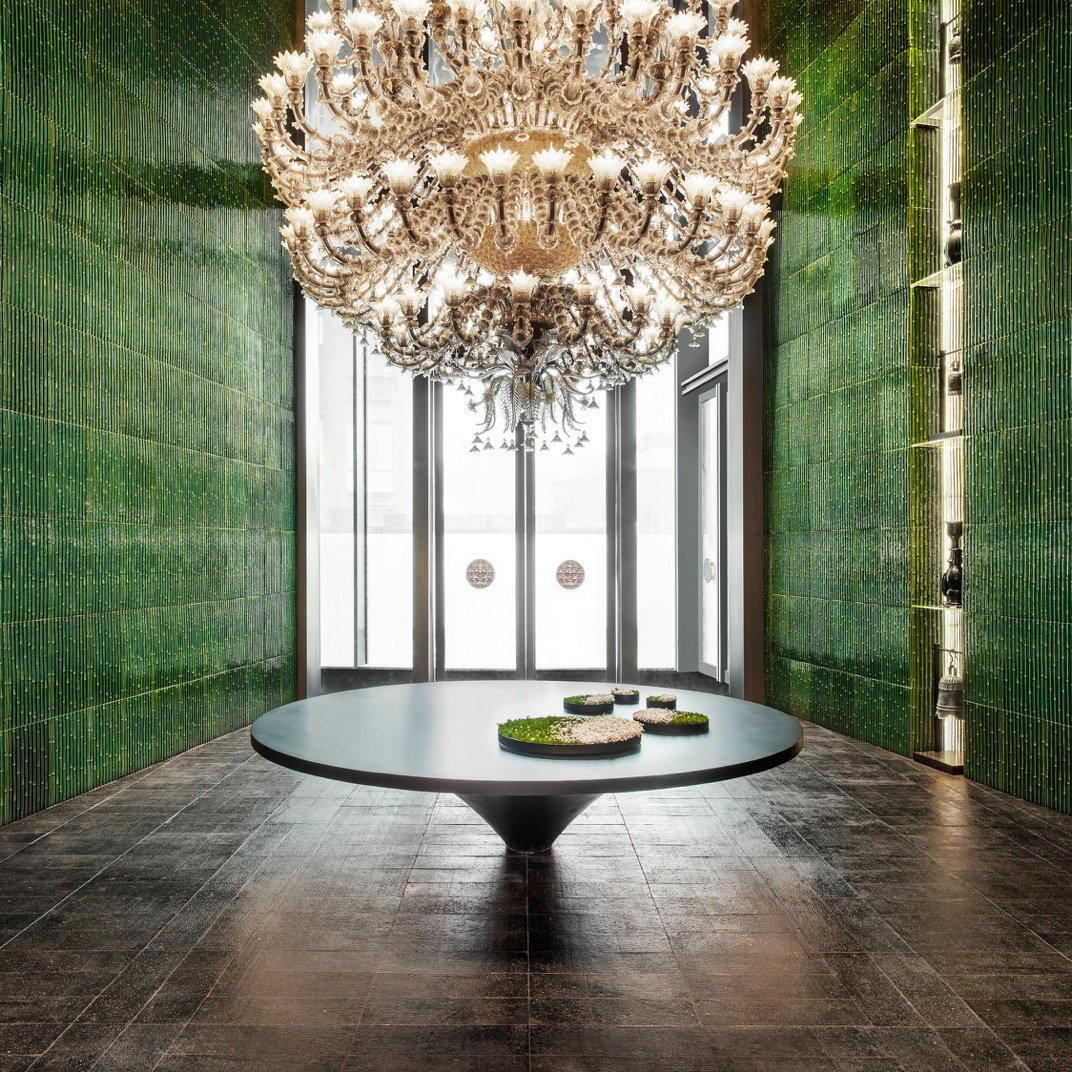
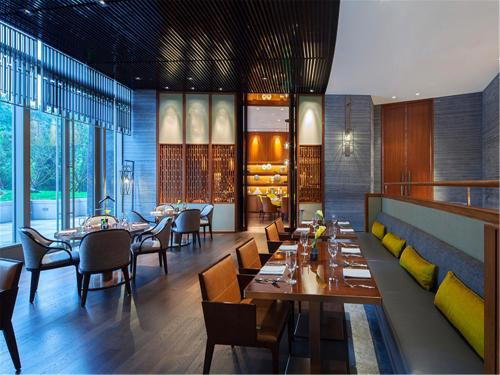
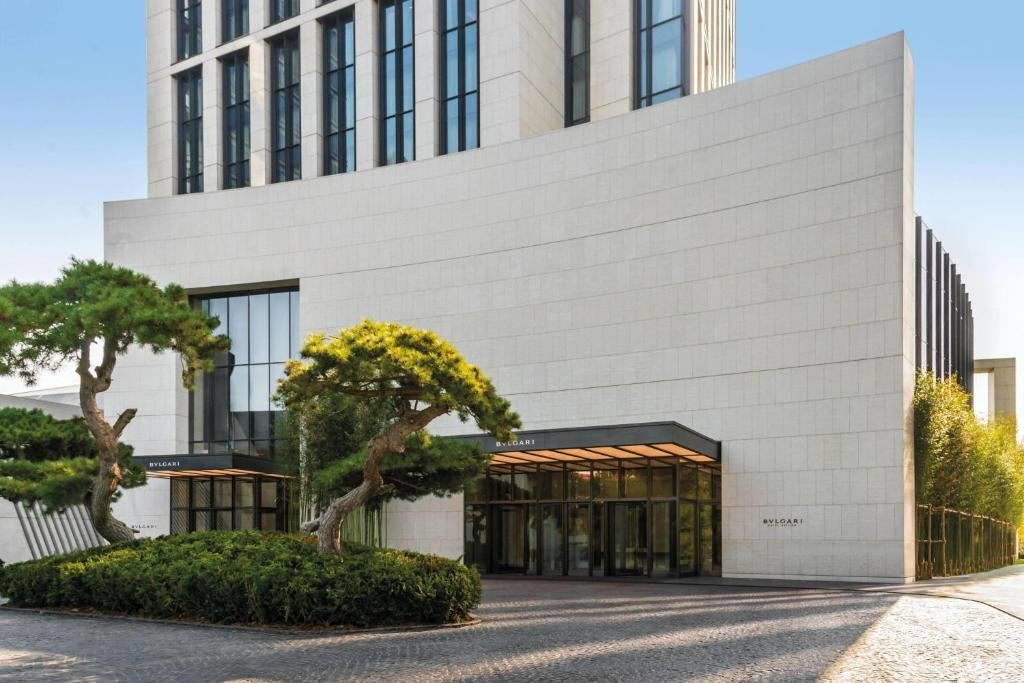
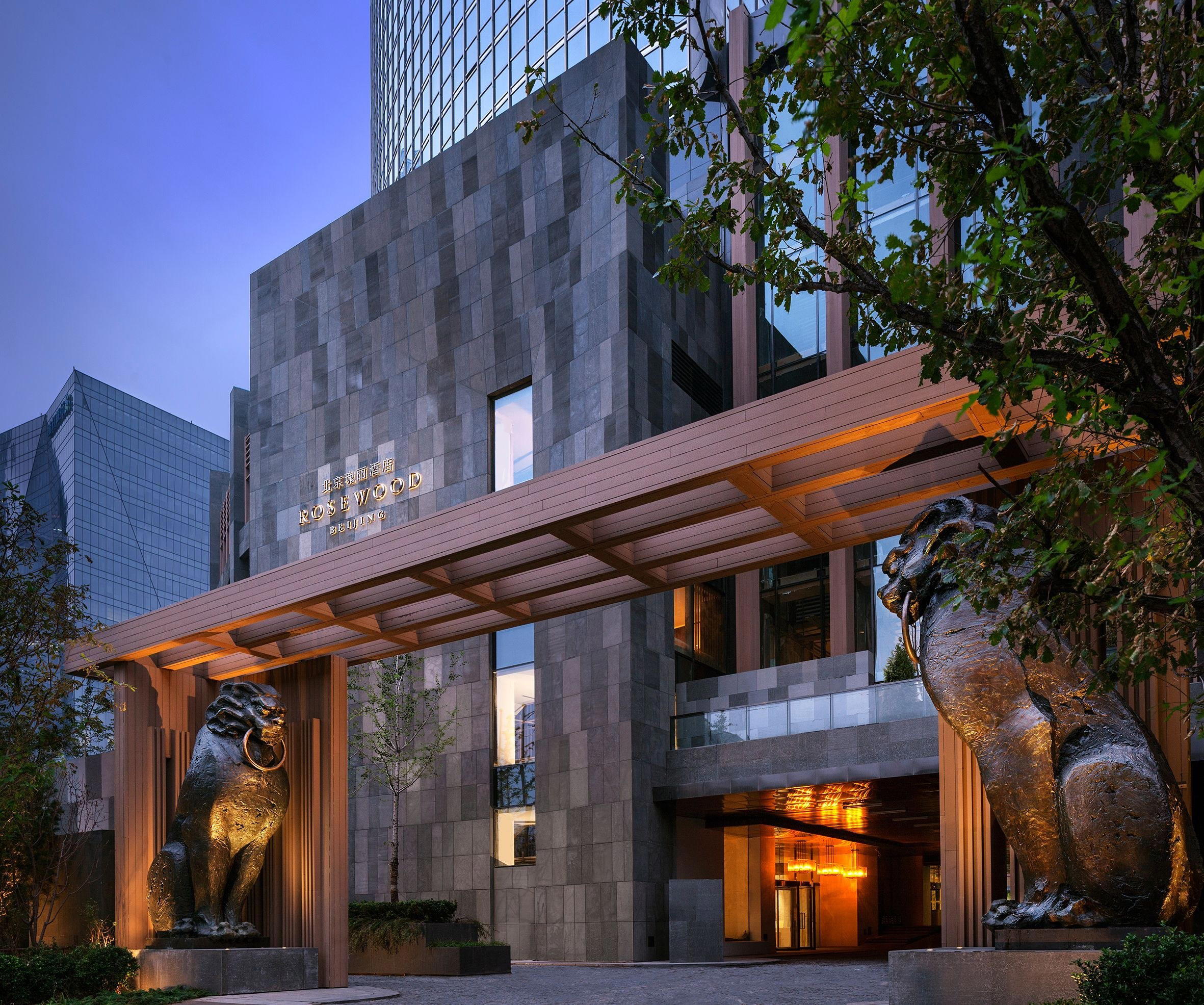
Slate-toned woods, warm lamplight, and fine porcelain create a calm sanctuary; beautifully decorated like an old Chinese house with classic, traditional elements.