
Cantonese cooking holds a specific tier in Beijing's dining scene, and San Qing Tan at Sanlitun Taikoo Li earns its Michelin Plate recognition (2024 and 2025) in the mid-range bracket where the cuisine rarely gets serious treatment. Located in the basement of the North Zone, it sits at an accessible price point without the compromises that usually come with it.
Pearl is the En Primeur Club membership app — saves, bookings, and concierge access live there. Same editors, same standards.
- Address
- China, CN 北京市 朝阳区 三里屯路 11 11号三里屯太古里北区B1楼NLG-09A号 邮政编码: 100027
- Phone
- +86 10 6468 6432
- Directions
- Get directions
 Saves & bookings on Pearl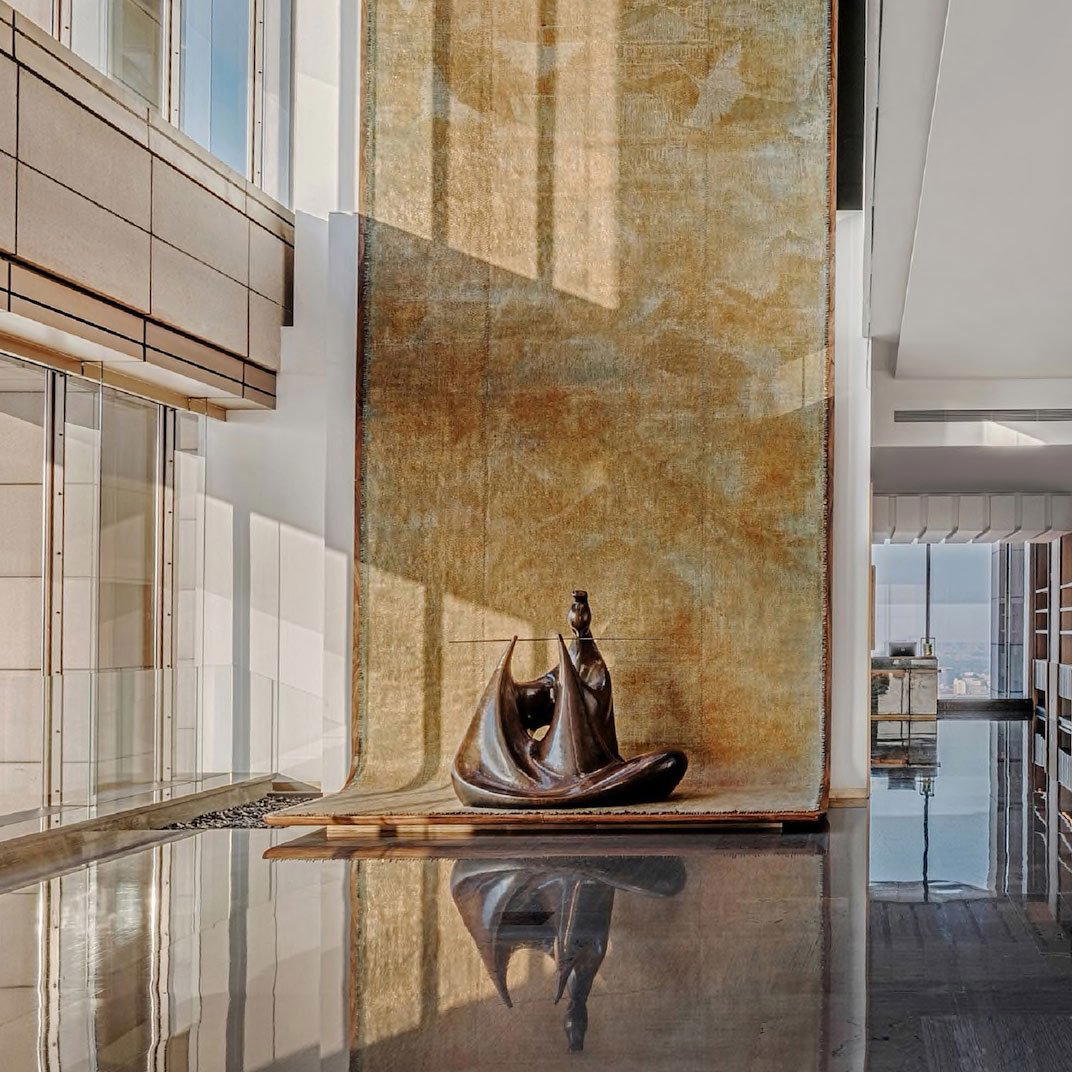
Cantonese in Sanlitun: What the Location Tells You
Sanlitun is Beijing's most international commercial district, the kind of address that attracts multinational brands, expat dining, and tourists moving between flagship stores and rooftop bars. That context matters when a Cantonese kitchen earned Michelin Plate recognition in 2024 and 2025. The recognition signals something more deliberate than the average mall-basement restaurant, even if the surrounding retail energy might suggest otherwise.
San Qing Tan occupies unit NLG-09A on the B1 level of Taikoo Li North, the northern block of the Sanlitun Taikoo Li complex on Sanlitun Road, Chaoyang District. Taikoo Li North skews toward dining and lifestyle tenants, with less of the luxury fashion traffic that dominates the southern block. That separation matters: the basement level here functions more like a dedicated food destination than a retail afterthought, and its recognition across two cycles positions it as a committed address rather than a convenience stop.
Cantonese at the Mid-Range Tier
Beijing's serious Chinese dining scene clusters at a wide spread of price points. At the high end, operations like Lei Garden (Jinbao Tower) and Zijin Mansion anchor the premium Cantonese tier, where full formal service and multi-course menus push the bill well beyond the ¥¥ bracket. At the other extreme, casual Cantonese teahouses prioritise volume over precision. San Qing Tan's ¥¥ pricing places it in a middle tier where Cantonese cooking is genuinely underrepresented in Beijing, a city whose culinary identity is rooted in northern and court traditions rather than Guangdong province's lighter, technique-dependent style.
Recognition at the ¥¥ tier in a cuisine not native to the city is a specific kind of accomplishment. The Michelin Plate, distinct from star recognition, signals food quality the inspectors consider worth noting, a floor of credibility rather than a ceiling of ambition. For a Cantonese kitchen in Sanlitun operating in the mid-price bracket, the kitchen is not cutting corners on the ingredients and technique that Cantonese cooking demands.
For comparison, Cantonese kitchens operating at much higher price points across China's major cities, such as Chef Tam's Seasons in Macau, Imperial Treasure Fine Chinese Cuisine in Guangzhou, or Forum in Hong Kong, operate in environments where the cuisine is deeply embedded in local culture. Beijing's Cantonese operations work against a different grain, serving a clientele that may not bring the same baseline familiarity with the canon. That San Qing Tan's recognition across two years suggests the kitchen is meeting a demanding standard.
Cantonese Beyond Beijing
The broader trend for Cantonese restaurant formats across mainland Chinese cities outside Guangdong reflects a recurring pattern: high-end Cantonese often arrives through Hong Kong or Singapore-linked brand expansions, while mid-range Cantonese struggles to maintain kitchen discipline without the supply chains and culinary culture that sustain the food in its home territory. Venues like Dai Yuet Heen in Nanjing or Ru Yuan in Hangzhou operate in similar contexts, cities where Cantonese is a transplant cuisine rather than a foundation, requiring active effort to source and cook with the fidelity the cuisine demands. Xin Rong Ji in Chengdu and 102 House in Shanghai reflect how premium Chinese dining in these cities often gravitates toward regional Chinese traditions rather than Cantonese specifically. Against that backdrop, a Michelin-recognised Cantonese kitchen at accessible pricing in Beijing occupies a specific gap in the market.
For readers comparing across Beijing's broader fine and near-fine Chinese dining circuit, Fu Chun Ju, The Beijing Kitchen (Jianguo Road), and The House of Dynasties offer different points on the capital's Chinese dining map, most of them rooted in northern or imperial traditions rather than Cantonese. Le Palais in Taipei provides a useful reference point for what Cantonese at the highest tier looks like in another major Chinese-speaking city, offering context for what San Qing Tan is working toward at a considerably lower price point.
The Sanlitun Factor
Location shapes what a restaurant needs to be. Sanlitun draws a cosmopolitan crowd, international residents, younger affluent Beijingers, tourists from outside the city, that differs markedly from the clientele at a neighbourhood Cantonese canteen in Guangzhou or the corporate lunch crowd at a Jinbao Tower address. That audience tends to prize recognisable quality signals (Michelin recognition being an obvious one) and accessible price points, while being less likely to scrutinise the menu against a deeply held understanding of authentic Cantonese tradition.
That dynamic cuts both ways. It gives a kitchen some margin on authenticity while raising the bar on presentation, consistency, and the overall experience of eating in a busy commercial environment.4 across five reviews suggests generally favorable early feedback. The Michelin recognition carries substantially more weight as a consistency signal.
For visitors already planning time in Sanlitun, for the retail, the bars, or the surrounding hutong-adjacent neighbourhoods, San Qing Tan offers a direct case: Michelin-recognised Cantonese at the ¥¥ tier, in a location where you are already likely to be. It does not require a special trip across the city in the way that the capital's more destination-specific dining addresses do. But it is not a fallback option either. Two years of Michelin Plate recognition is a deliberate result, not an accident of proximity to foot traffic.
Know Before You Go
- Address: B1, NLG-09A, Taikoo Li North, 11 Sanlitun Road, Chaoyang District, Beijing 100027
- Cuisine: Cantonese
- Price range: ¥¥ (mid-range)
- Awards: Michelin Plate 2024; Michelin Plate 2025 4/5
Credentials Lens
Comparable venues nearby, for context on price, style, and recognition.
| Venue | Cuisine | Price | Awards | Notes |
|---|---|---|---|---|
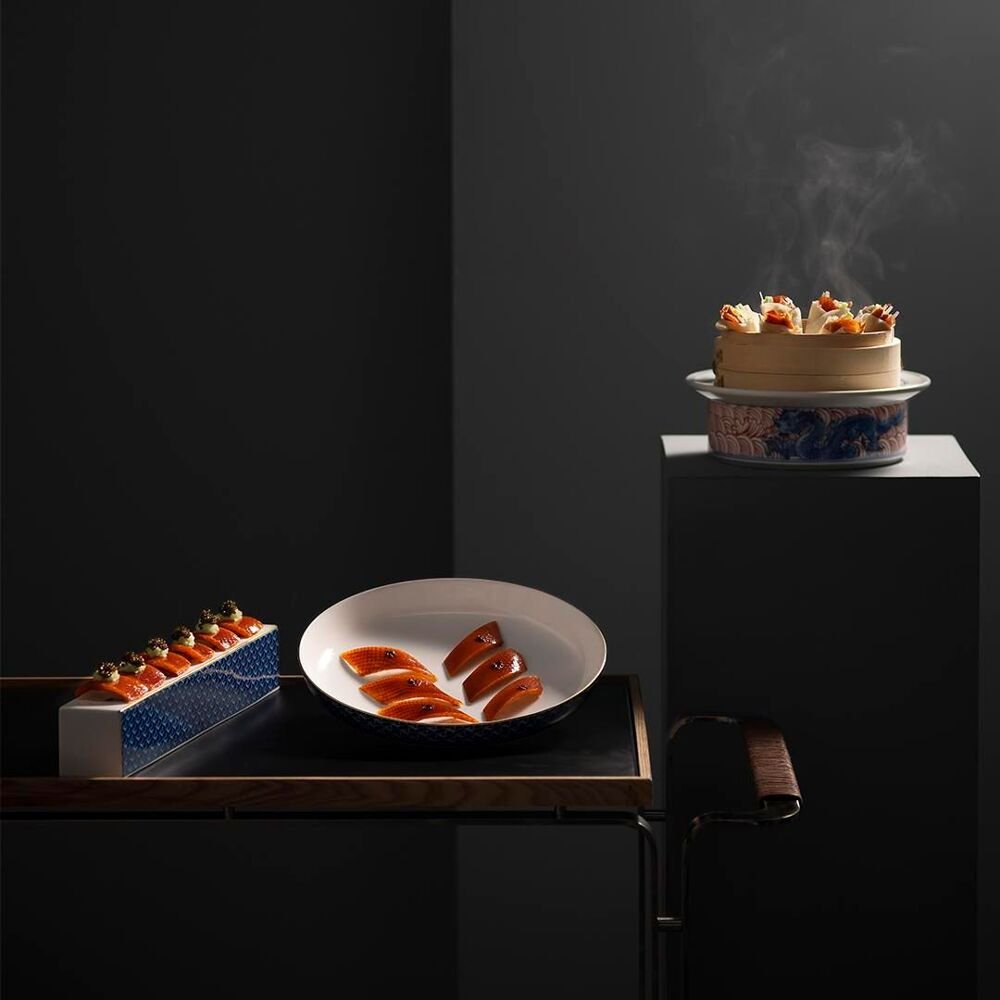
| San Qing Tan (Sanlitun Road)This venue — the venue you are viewing | Refined Cantonese Roast Goose & Dim Sum | $$$ | Michelin Plate | Not listed |
| Meng Du Hui | New Huizhou Cuisine | $$$ | Michelin Plate | Chaowai |
| Beef & Dumplings (Chaoyang) | Beef & Dumplings | $$ | Michelin Plate | Xiangheyuan |
| Country Kitchen | Traditional Northern Chinese (Beijing & Shandong) | $$$ | Michelin Plate | Dashanzi |
| Café Zi | Contemporary Cantonese | $$$ | Michelin Plate | Dashanzi |
| Yue Jie (Qi Yang Road) | Cantonese Classics | $$$ | Michelin Plate | Dashanzi |
Recognition history
Dated appearances from independent guides and award organizations, with the underlying list record or original source where available.
Michelin Plate
Michelin
Michelin Plate
Michelin

At a Glance
- Elegant
- Sophisticated
- Serene
- Cozy
- Special Occasion
- Business Dinner
- Group Dining
- Private Dining
- Open Kitchen
- Extensive Wine List
- Local Sourcing
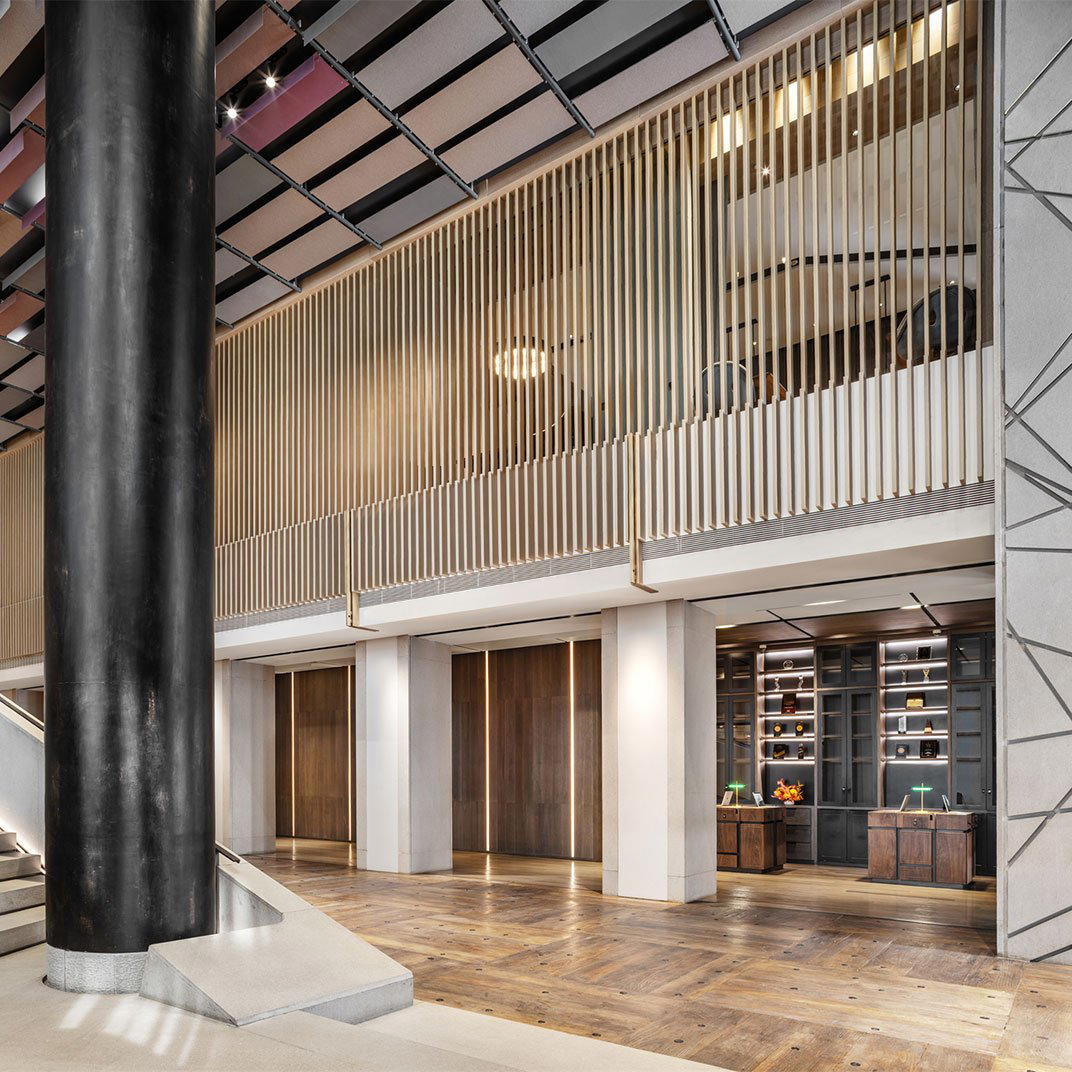
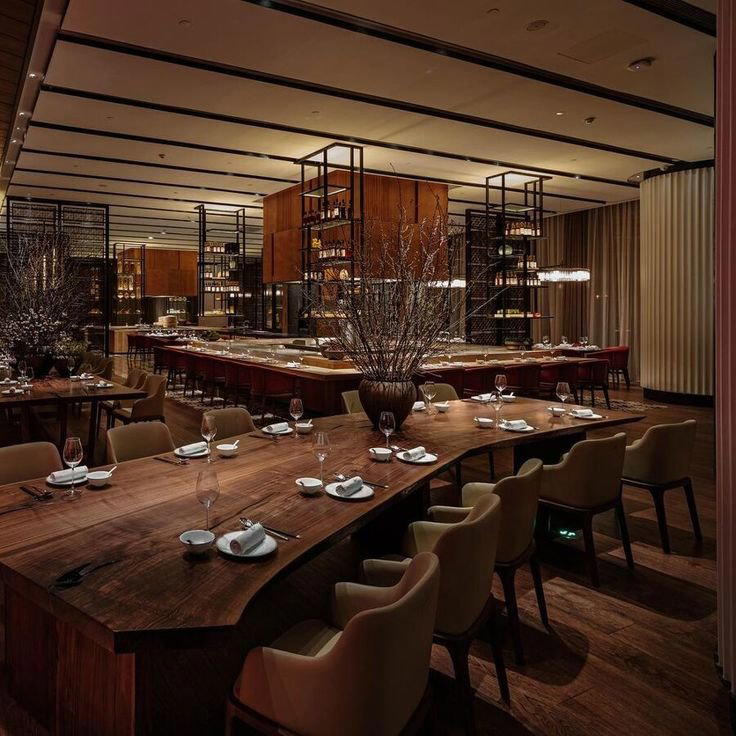
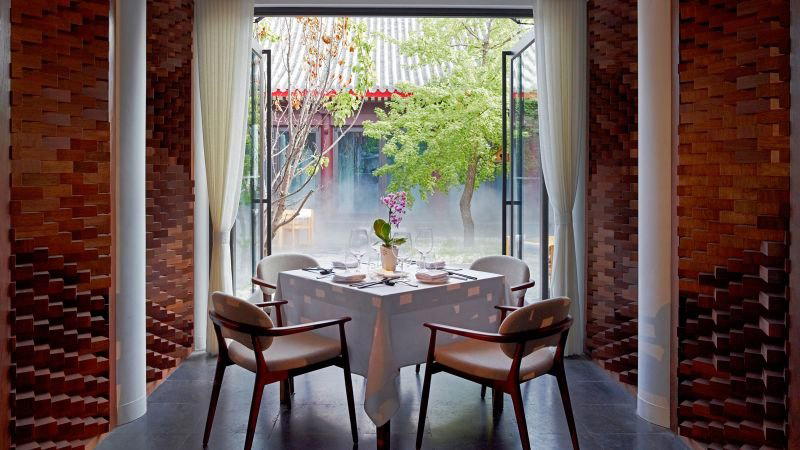
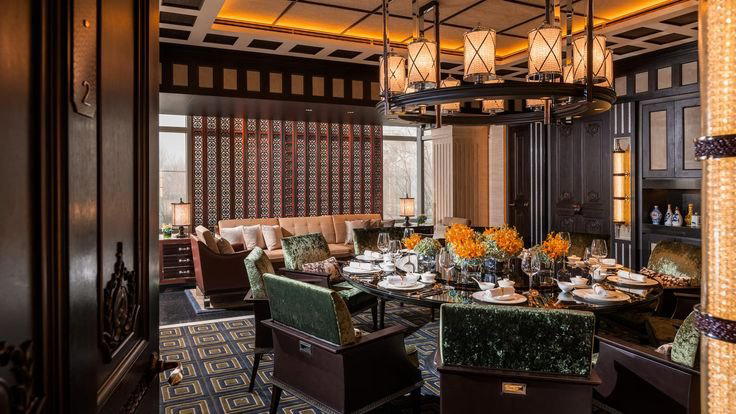
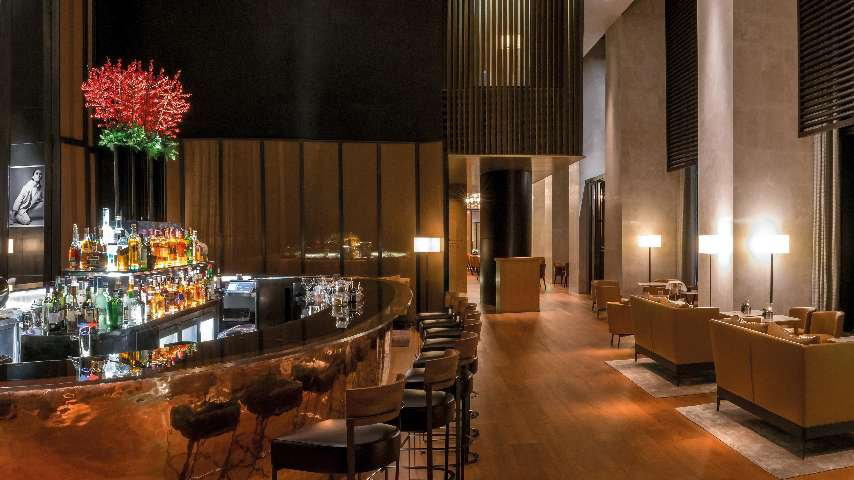
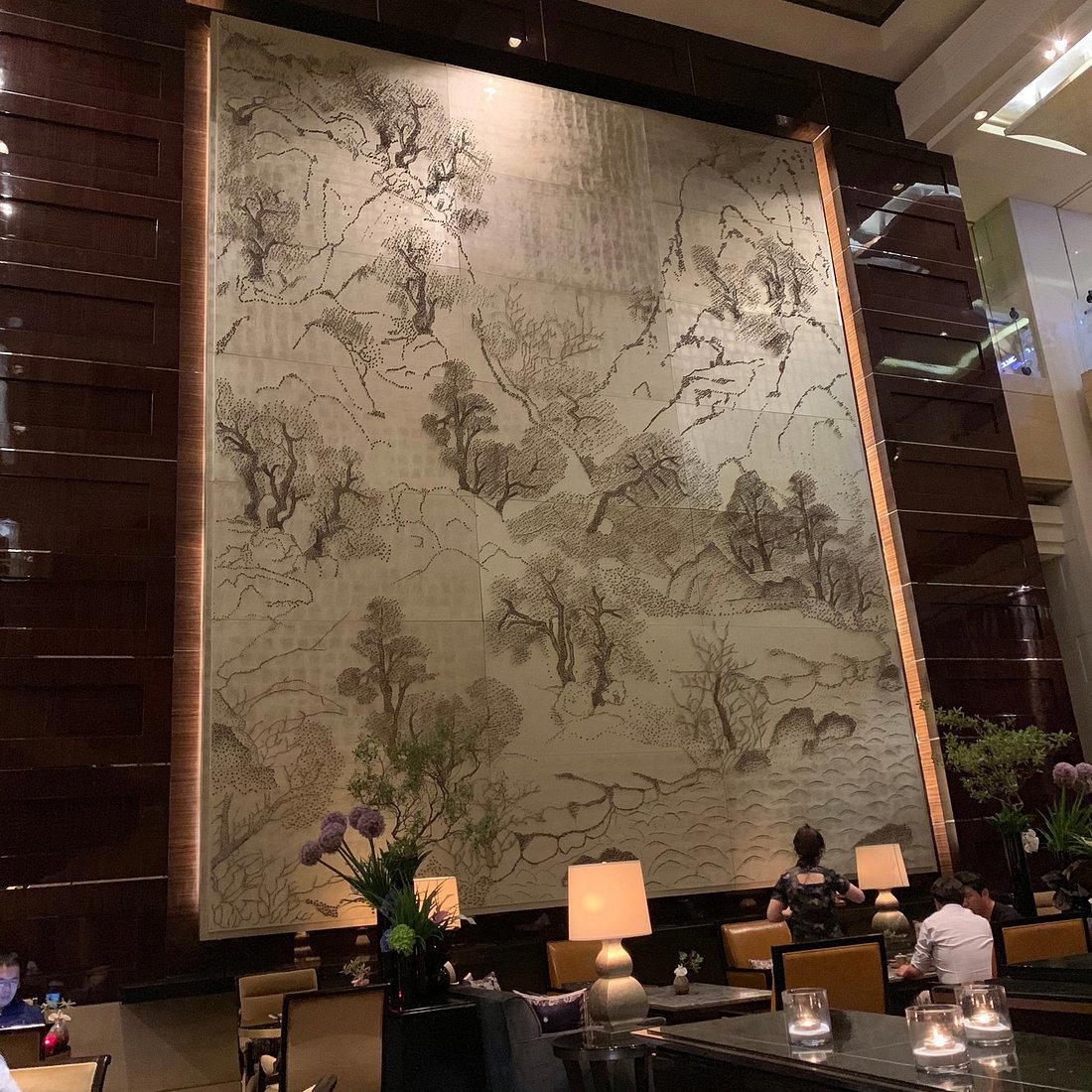
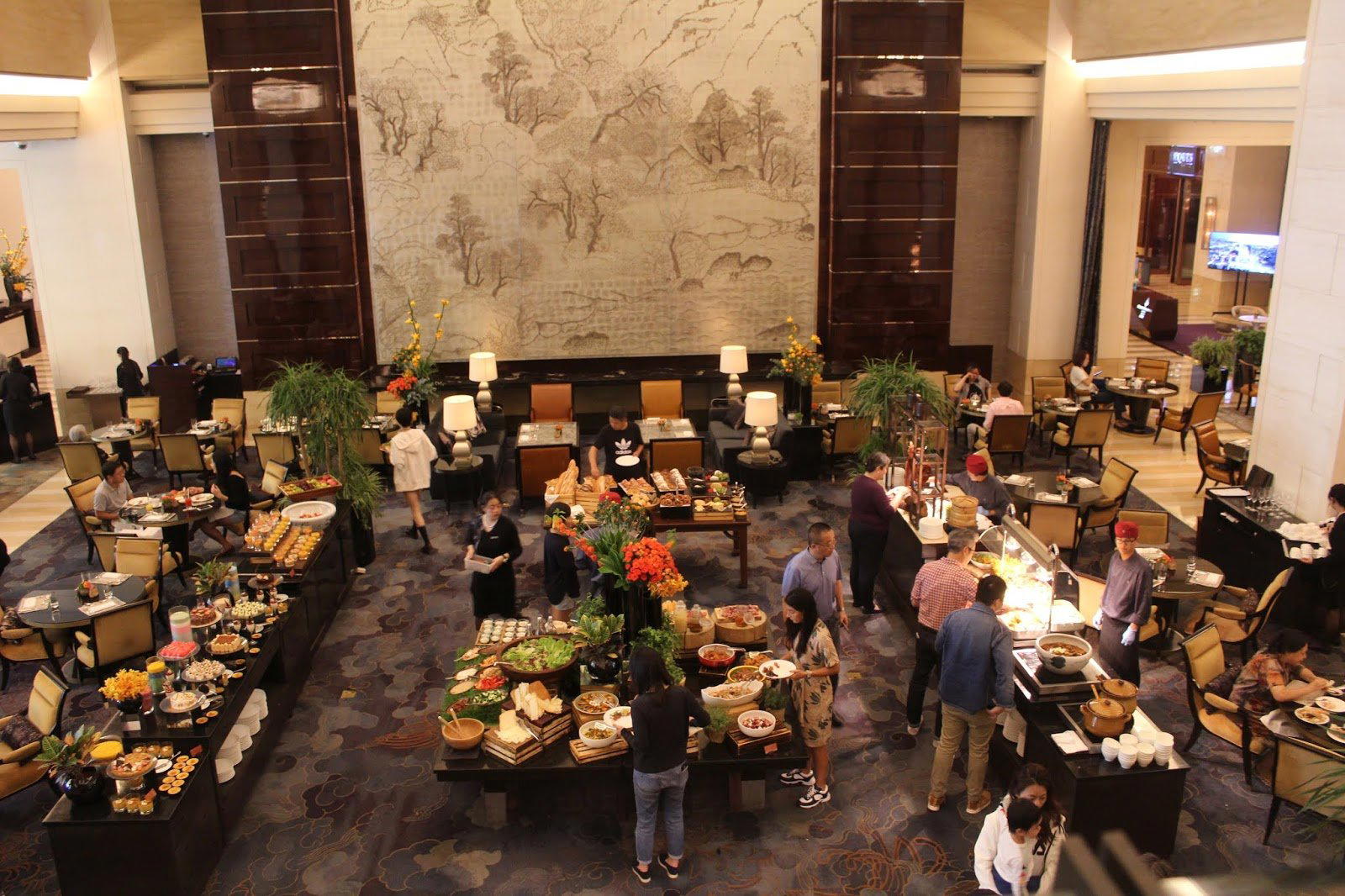
Serene contemporary dining room with ink-brush neutrals, carved wood screens, soft stone, polished warm service, and Cantonese calm.