
Tabelog 100 #13
Our verdict
Yoyogi Imahan occupies basement-level space in Shibuya's Yoyogi district, placing one of Tokyo's storied sukiyaki and shabu-shabu traditions within reach of the city's busiest transit hub. The restaurant belongs to a long-running Imahan lineage that helped codify Kanto-style beef hot pot for urban diners. For those tracking Tokyo's washoku continuum from kaiseki to casual, this is a reference-point address.

Pearl is the En Primeur Club membership app, where members save venues, book tables and use the concierge.
Kanto Beef Culture and the Long Arc of Tokyo Hot Pot
Sukiyaki's place in Japanese dining history is more contested than its current reputation suggests. The dish arrived in its recognisably modern form during the Meiji era, when beef consumption, suppressed for centuries under Buddhist dietary codes, became not merely permitted but fashionable. Tokyo's version, the Kanto style, developed its own grammar: beef seared directly in the pan, seasoned with warishita sauce from the start, eggs used as a cooling dip at the table. This is a different tradition from the Kansai approach, where broth is added progressively and the cook manages the liquid balance throughout. Yoyogi Imahan, tracing its lineage to the broader Imahan house that has operated in Tokyo since the Meiji period, is one of the addresses where that Kanto grammar has been maintained and transmitted across generations.
The Imahan name in Tokyo carries the kind of institutional weight that comes from more than a century of continuous operation. It is not a heritage brand deployed for nostalgia; it is a functioning reference point in a city where beef hot pot still occupies serious dining real estate alongside RyuGin's kaiseki and the omakase counters of the capital's sushi belt. The Yoyogi branch, situated on basement level in a building in Yoyogi 1-chome, Shibuya, positions the tradition inside one of the city's most accessible districts without diluting the format.
What Kanto-Style Sukiyaki Actually Involves
Understanding what Yoyogi Imahan represents requires understanding what Kanto sukiyaki demands as a practice. The warishita, a seasoned sauce combining soy, mirin, sake, and sugar, is prepared before service and applied to the pan once the beef begins to colour. The sequencing matters: the sauce caramelises around the meat before vegetables, tofu, and wheat gluten enter the pan. Diners beat raw egg in a small bowl and use it as a dip, which drops the temperature of each piece and adds a richer, unctuou texture. The ritual is as important as the ingredient quality, and establishments like Yoyogi Imahan are measured partly on how faithfully and how precisely that ritual is executed at table.
Shabu-shabu, the lighter alternative on most Imahan menus, operates on a different logic. Thin slices of beef are swirled briefly in a dashi or kombu broth, the name is onomatopoeic, mimicking the sound of the motion, and paired with ponzu or sesame dipping sauces. Where sukiyaki concentrates flavour through reduction and caramelisation, shabu-shabu isolates the beef's own character against a relatively neutral base. Restaurants that do both formats seriously occupy a specific niche: they are not generalist Japanese restaurants, and they are not specialist wagyu counters. They are custodians of a particular mid-to-formal dining ritual that Japan exports poorly and executes leading at home.
Tokyo's Washoku Continuum: Where Hot Pot Sits
Tokyo's high-end dining map is largely narrated through its omakase counters and its kaiseki rooms. Harutaka in Ginza anchors the premium sushi tier; L'Effervescence and Sézanne represent the French-in-Tokyo conversation at its most considered; Crony signals where French-inflected innovation sits in the current moment. Hot pot traditions, including sukiyaki and shabu-shabu, occupy a different register, less frequently cited in international criticism, but no less technically exacting and considerably more participatory. The diner at a sukiyaki counter is not a passive recipient of a chef's sequence. They are managing their own bowl, timing their dips, building the meal incrementally. That interactivity is central to the format's cultural function.
Compared to the exclusively chef-driven formats at RyuGin, the hot pot tradition places a different kind of trust in the diner. The kitchen's contribution is in the sourcing, the sauce preparation, and the table guidance; the diner's contribution is attention and engagement. This makes venues like Yoyogi Imahan harder to evaluate by conventional critical metrics, and arguably more interesting for what they reveal about how Japanese dining distributes agency between kitchen and guest.
For broader context on how Tokyo's restaurants distribute across styles and price points, the EP Club Tokyo restaurants guide maps the full range. Japan's regional dining depth extends well beyond the capital: HAJIME in Osaka, Gion Sasaki in Kyoto, akordu in Nara, and Goh in Fukuoka each represent distinct regional registers that reward attention. Further afield within Japan, addresses like 一本木 能川制 in Nanao, 夕付山乃 in Sapporo, 湖辺居酒 in Takashima, 庭羽屋 in Nishikawa Machi, Birdland in Sakai, and Bistro Ange in Toyohashi illustrate how far the country's dining culture extends beyond its headline cities. For international comparison, Le Bernardin in New York City and Atomix in New York City represent how technically demanding restaurant traditions translate into Western markets, a different trajectory, but a useful reference point for readers tracking where culinary precision lands globally.
Planning a Visit: Location, Format, and Expectations
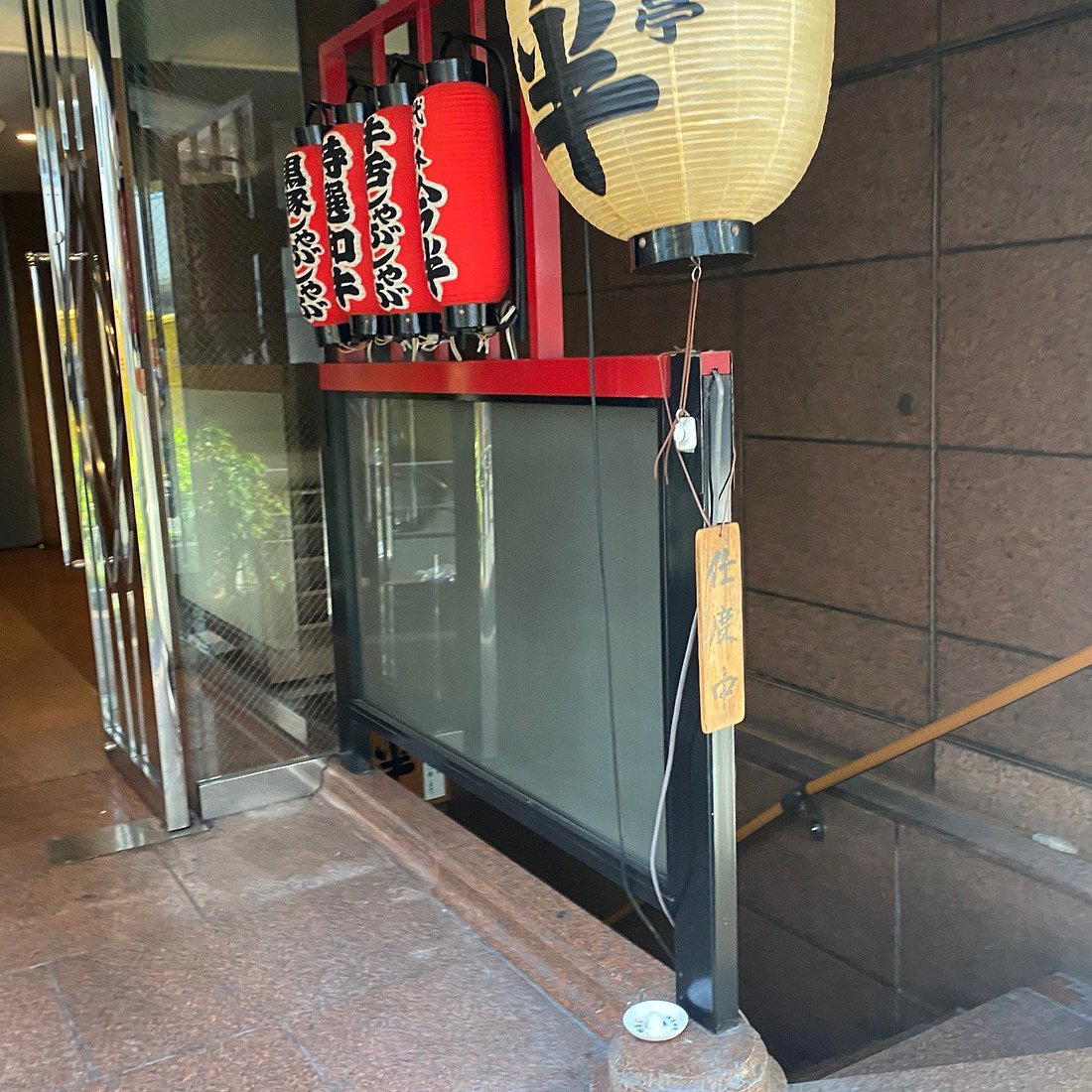
The Yoyogi branch is located at 1-45-4 Yoyogi, Shibuya, on basement level, a common placement for traditional Japanese restaurants in Tokyo, where basement dining rooms often carry a quieter, more deliberate atmosphere than street-level spaces. Yoyogi sits between Shinjuku and Harajuku on the Yamanote Line, making the address genuinely accessible from most parts of the city without requiring a special journey. Visitors arriving by rail from Shinjuku Station face a short walk. For practical details including current hours, reservation procedures, and pricing, the restaurant's own channels should be consulted directly, as these specifics are subject to change and were not available at the time of this editorial.
The format, table-based hot pot, cooked at table with staff guidance, is suited to groups of two or more. Solo diners can eat at traditional hot pot establishments in Japan, but the social architecture of sukiyaki is designed for shared engagement. A party of four has more flexibility in ordering range and in managing the pacing of the meal. The Yoyogi Imahan experience is calibrated around that rhythm.
Frequently asked questions
What dish is Yoyogi Imahan famous for?
What's the vibe at Yoyogi Imahan?
Does Yoyogi Imahan work for a family meal?
How does Yoyogi Imahan compare to other Tokyo beef hot pot options at a similar tier?
Where It Fits
Comparable venues nearby, for context on price, style, and recognition.
| Venue | Cuisine | Price | Awards | Notes |
|---|---|---|---|---|
| Yoyogi ImahanThis venue (the venue you are viewing) | Shabu-shabu | $200–300 | Tabelog 100 #13 | Not listed |
| Sushi Sho | Traditional Edomae Sushi Omakase | $300–500 | Not listed | Nishiazabu |
| Mikawa | Edomae Tempura Omakase | $200–300 | Not listed | Minato |
| Ebihara | Traditional Japanese Kaiseki | $100–150 | Michelin Plate | Shinjuku |
| 鮨処いし原 | Traditional Omakase Sushi | $200–300 | Not listed | Chūō |
| 喰善あべ | Kyoto-style Kaiseki | $150–200 | 1 Michelin Star · Tabelog 100 #90 | Chūō |
Recognition history
Dated appearances from independent guides and award organizations, with the underlying list record or original source where available.
Tabelog 100 #13 · No. 13
Tabelog · Tabelog 100 - Hot Pot - 2024
Continue exploring
More in Tokyo
Restaurants in Tokyo
All restaurants in Tokyo →




Bars in Tokyo
All bars in Tokyo →







Details
- Elegant
- Sophisticated
- Classic
- Intimate
- Special Occasion
- Business Dinner
- Standalone
- Sake Program
- A La Carte
- Sake
- Shochu
- Wine
Current opening hours
- Monday
- 5–10 PM
- Tuesday
- 5–10 PM
- Wednesday
- 5–10 PM
- Thursday
- 5–10 PM
- Friday
- 5–10 PM
- Saturday
- 5–10 PM
- Sunday
- 5–10 PM
Hours can change for holidays and private events. Hours as of .
Quietly elegant with a minimalist expression of tradition, offering a ritual of simplicity and grace in an underground cozy setting.