Tabelog 100 #82
Our verdict
Yoroniku Ebisu sits at the upper end of Tokyo's yakiniku scene, holding a Tabelog Silver rating in 2025 and drawing a loyal crowd to its eighth-floor room in Ebisu's GEMS building. The format centres on premium sourced beef, grilled with the precision and ceremony that separates high-end yakiniku from its casual counterparts. It earns a place on any serious meat-focused itinerary in the city.

Pearl is the En Primeur Club membership app, where members save venues, book tables and use the concierge.
The menu
What to order
- Silk Loin
- Fried chateaubriand cutlet sando
- Wagyu sushi with caviar
If you eat one thing in Tokyo this trip, make it yakiniku done at this level
Tokyo's fine-dining conversations tend to orbit sushi, kaiseki, and the French-influenced houses that have dominated international rankings for two decades. Venues like Harutaka, RyuGin, and L'Effervescence represent that consensus, and they deserve the attention. But the category that rewards the most curious visitors is premium yakiniku, a tradition that combines the sourcing rigour of Japan's leading beef-producing regions with a tableside ritual that asks as much of the diner as it does the kitchen.
Where yakiniku's ingredient logic begins
The case for high-end yakiniku rests almost entirely on provenance. Japan's beef culture is built around regional designation, the Kuroge Wagyu breed and its prefecture-level branches (Kobe, Matsusaka, Ohmi, Kagoshima) represent a supply chain that has been cultivated over generations, with marbling grades assessed under the Japan Meat Grading Association's BMS system. At the premium tier, venues source specific grades, typically A4 or A5, and often maintain direct supplier relationships that affect which cuts are available on a given evening. This is not a category where an undifferentiated menu of sliced beef sits behind a glossy cover. The cut selection, the fat distribution, and the temperature at which each piece leaves the kitchen are variables that a serious yakiniku operation controls deliberately.
Yoroniku Ebisu operates within this framework. The Tabelog Silver designation, awarded in 2025, positions it inside a peer group that Tokyo's most attentive domestic diners consult, Tabelog Silver is not a newcomer's badge; it reflects sustained scoring above the threshold that separates the city's upper tier from its middle market.
The Ebisu setting and what it signals
Ebisu occupies an interesting position in Tokyo's dining geography. It sits east of Daikanyama and south of Shibuya, with a neighbourhood character that leans residential and mid-to-upper income, less the tourist circuit of Shinjuku or the hyperactive density of Ginza, more the kind of ward where Tokyo professionals return repeatedly to a short list of trusted rooms. Premium yakiniku fits this context: it is not a format that performs well for walk-in crowds. It rewards regulars who know how to pace a meal, manage the grill, and communicate with staff about preferences and progression.
The address is the eighth floor of GEMS Ebisu, a dining-focused building format that concentrates multiple restaurants across stacked floors, a delivery system common in Tokyo's denser wards where ground-floor restaurant space commands a premium that most independent operators cannot absorb. The format has no bearing on the quality inside; some of the city's more focused operations run from exactly these positions.
How the format compares across Tokyo's premium dining tiers
Placing Yoroniku Ebisu inside Tokyo's broader high-spend dining picture requires separating it from the omakase-heavy conversation. The city's leading sushi counters, of which Harutaka is one, and its kaiseki rooms, including RyuGin, operate on a chef-directed, course-by-course logic where the diner surrenders control of pacing and composition. High-end yakiniku is structurally different: the sequence is more flexible, the interaction with the grill is participatory, and the evening tends to feel less ceremonial and more intimate in its engagement. That is not a lesser experience, it is a different contract between kitchen and table.
Within the yakiniku category itself, the Tabelog Silver cohort occupies roughly the same price-and-quality tier as the ¥¥¥¥ French and Japanese houses that appear across EP Club's Tokyo coverage, including Sézanne and Crony. The comparison is not about cuisine type but about the seriousness of sourcing, the precision of execution, and the kind of evening a diner is being offered. Yoroniku Ebisu sits in that tier, not below it.
What makes sourcing the argument here
The editorial angle on yakiniku at this level is always the supply chain, because without it the format collapses into something closer to a steakhouse. Japan's domestic beef system has produced a small number of cattle breeds and regional designations with internationally recognised grading outcomes, the A5 grade, representing the highest marbling and quality score under Japanese standards, has become a shorthand that has travelled well beyond Japan's borders, though its meaning is often flattened in export contexts. Inside Japan, at a venue operating within the Tabelog Silver tier, the specificity goes further: which farm, which prefecture, which cut, and whether the sourcing changes seasonally or stays fixed.
This is the information that matters at a yakiniku counter. It distinguishes the operations in this tier from mid-market competitors in ways that a single line on a menu cannot communicate. Comparable sourcing rigour in other formats is visible at venues like Gion Sasaki in Kyoto, where ingredient selection drives the kaiseki calendar, or at HAJIME in Osaka, which frames its entire identity around provenance and seasonality. Yakiniku at Yoroniku Ebisu's tier operates on a parallel logic, applied to beef.
Tokyo in the context of Japan's dining map
Tokyo is the operational centre of Japan's dining scene, but the country's most compelling eating arguments often involve the contrast between the capital and its regional counterparts. Akordu in Nara, Goh in Fukuoka, and 1000 in Yokohama each represent different nodes in a network that rewards travellers willing to move beyond Tokyo. But for the yakiniku category specifically, Tokyo concentrates the density of high-tier operations in a way that no other Japanese city matches, partly because of the income base and partly because the supply chains for premium Wagyu have increasingly oriented their premium-cut distribution toward the capital's leading accounts. Visiting Yoroniku Ebisu is as much an engagement with that supply chain as it is a dinner reservation.
For travellers building a broader Japan itinerary, 6 in Okinawa and venues covered in our full Tokyo restaurants guide offer further reference points across cuisine types and price tiers. Our Tokyo hotels guide, Tokyo bars guide, Tokyo wineries guide, and Tokyo experiences guide cover the full planning picture. For reference points outside Japan entirely, the precision and sourcing rigour at this tier has parallels at Le Bernardin in New York City and the focused tasting formats at Atomix, both of which operate with the same philosophy that the ingredient is the argument.
Planning your visit
Yoroniku Ebisu is located on the eighth floor of GEMS Ebisu at 1 Chome-11-5, Ebisu, Shibuya, Tokyo. Reservations are recommended given the venue's rating and neighbourhood demand. Ebisu Station is served by the JR Yamanote Line and the Tokyo Metro Hibiya Line, making access from most central Tokyo locations direct.
Quick reference: GEMS Ebisu 8F, 1-11-5 Ebisu, Shibuya, Tokyo | Tabelog Silver 2025 | Reservations advised.
Frequently asked questions
Is Yoroniku Ebisu suitable for children?
Yoroniku Ebisu is a Tabelog Silver-rated yakiniku restaurant pitched squarely at adult diners with a serious interest in premium Wagyu beef. The format, table-grilled cuts at this calibre and price point, is better suited to older teenagers and adults than young children. Families with young kids would likely find the setting and pace a mismatch.
How would you describe the vibe at Yoroniku Ebisu?
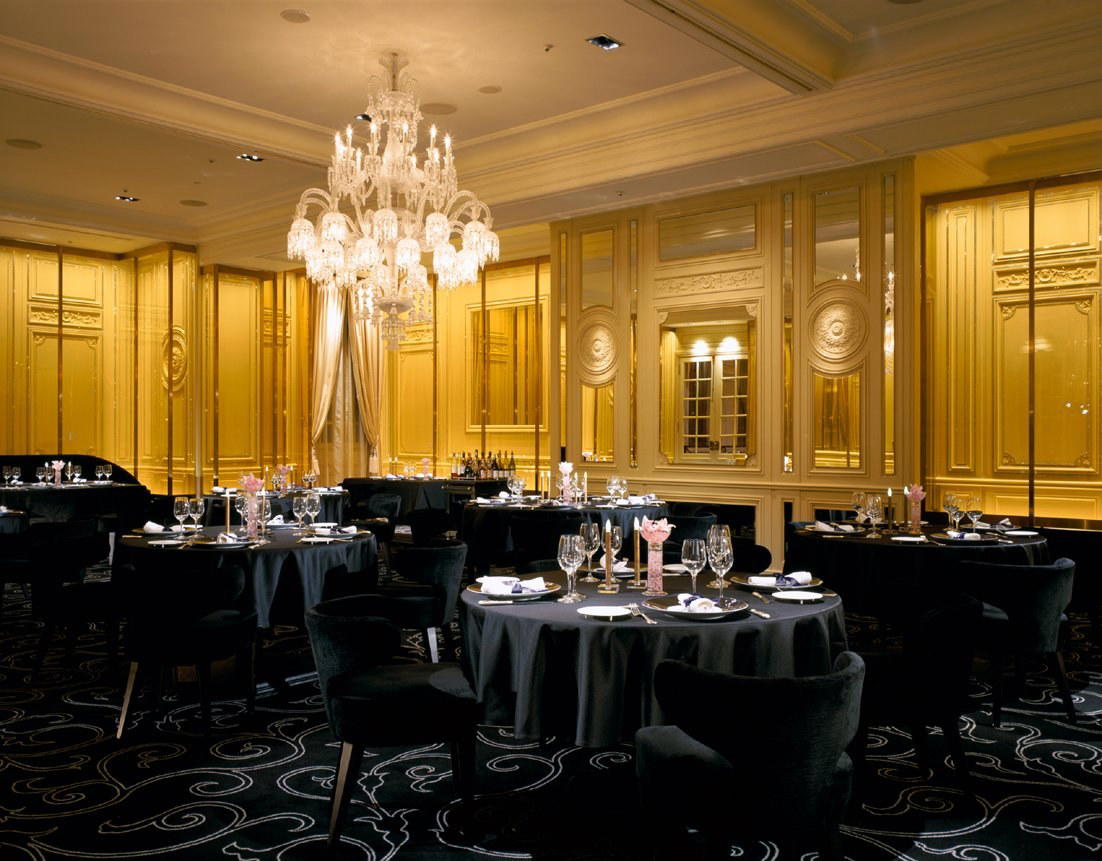
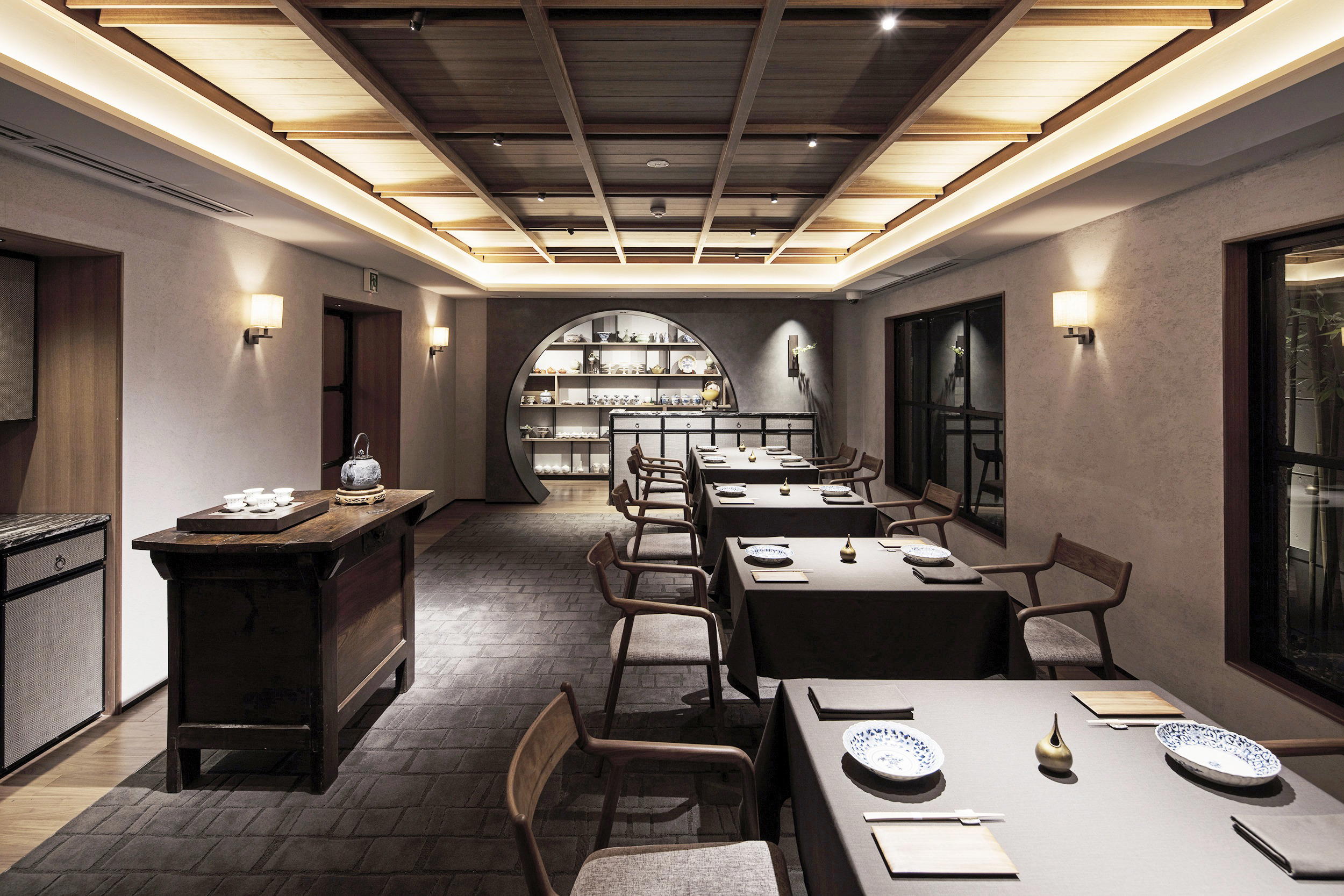
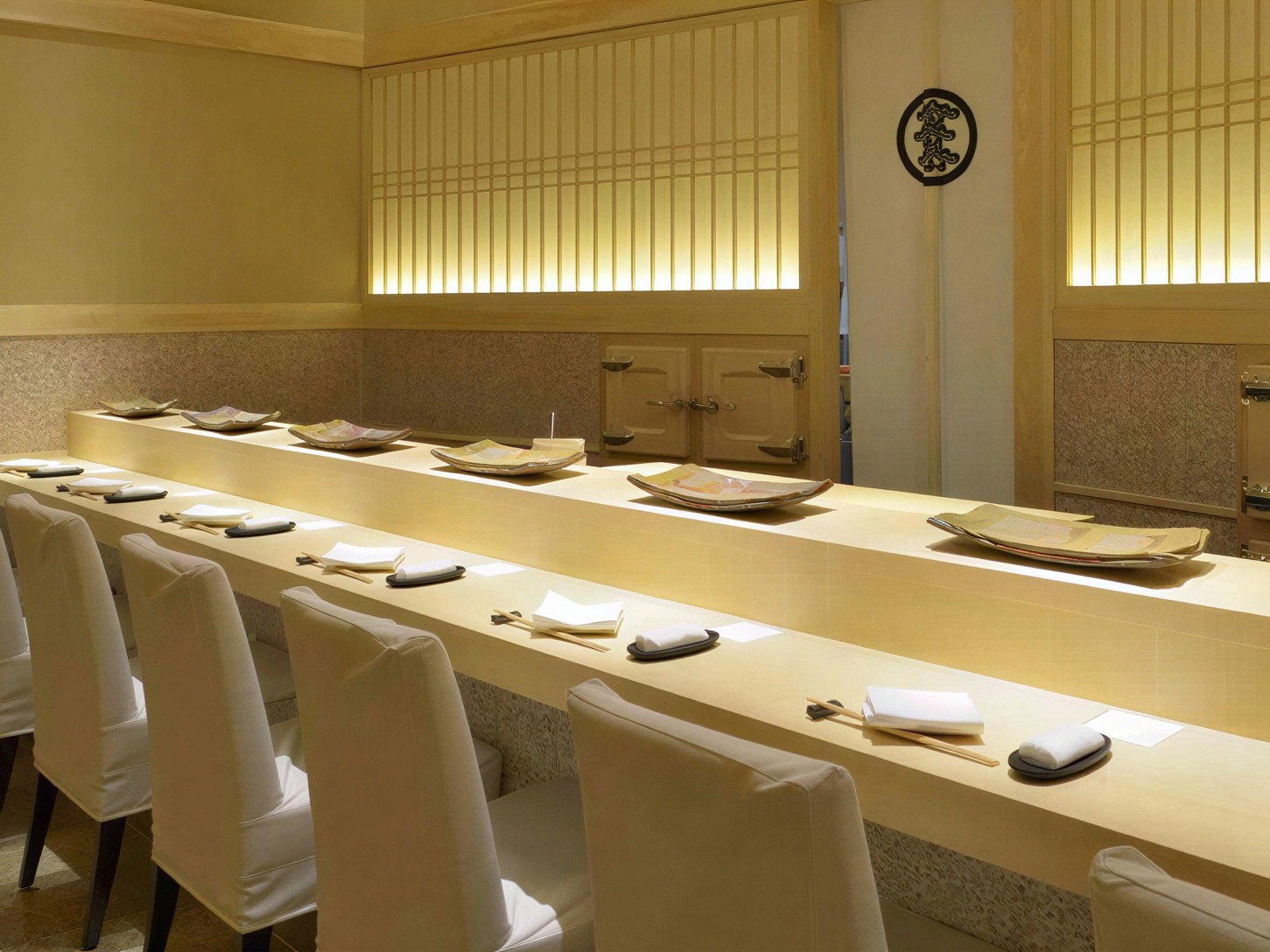
The restaurant sits on the eighth floor of GEMS Ebisu in Shibuya, a building that houses several destination dining operations, which sets a certain composed, grown-up tone before you arrive. Ebisu itself runs quieter than Shibuya or Shinjuku, and that neighbourhood register tends to carry through into the room: focused rather than festive, with guests there to eat seriously rather than to be seen.
Is Yoroniku Ebisu Michelin-listed?
Yoroniku Ebisu has received recognition including: Tabelog Silver (2025).
What should I order at Yoroniku Ebisu?
At this tier of yakiniku, the sourcing argument is the menu, which cuts are being offered on any given service, and from which regional Wagyu designation, is what the kitchen controls most deliberately. Defer to whatever the house is leading with that evening rather than arriving with a fixed order in mind. The Tabelog Silver rating (2025) reflects consistency across that supply-driven format.
How would you describe the cuisine at Yoroniku Ebisu?
Quick Comparison
| Venue | Cuisine | Price | Awards | Notes |
|---|---|---|---|---|
| Yoroniku EbisuThis venue (the venue you are viewing) | Japanese Yakiniku Omakase | Not listed | Tabelog 100 #82 | Not listed |
| Harutaka | Edo-Style Omakase Sushi | $200–300 | 3 Michelin Stars · World's 50 Best #76 | Sushi |
| RyuGin | Modern Kaiseki | $500+ | 3 Michelin Stars · World's 50 Best #41 | Kaiseki, Japanese |
| L'Effervescence | Modern French with Japanese Influences | $200–300 | 3 Michelin Stars · World's 50 Best #69 | French |
| HOMMAGE | Modern French with Japanese Influences | $150–200 | 2 Michelin Stars · World's 50 Best #78 | Innovtive French, French |
| MAZ | Innovative Peruvian-Japanese Fusion | $150–200 | 2 Michelin Stars · World's 50 Best #28 | Innovative |
Recognition history
Dated appearances from independent guides and award organizations, with the underlying list record or original source where available.
Opinionated About Dining Top Restaurants in Japan Ranked #44
Opinionated About Dining
Tabelog 100 #82 · No. 82
Tabelog · Tabelog 100 - Yakiniku - TOKYO - 2025
Full recognition history (3 entries)
Tabelog Silver
Tabelog