
Tabelog 100 #92
Our verdict
Yasuke sits in Sakai Ward, a city whose industrial identity tends to obscure a quietly serious dining scene. The address places it within reach of Osaka's restaurant corridor while operating at a remove from its noise. For travellers willing to cross the prefectural boundary, Sakai's table count is small enough that individual rooms carry real weight.

Pearl is the En Primeur Club membership app, where members save venues, book tables and use the concierge.
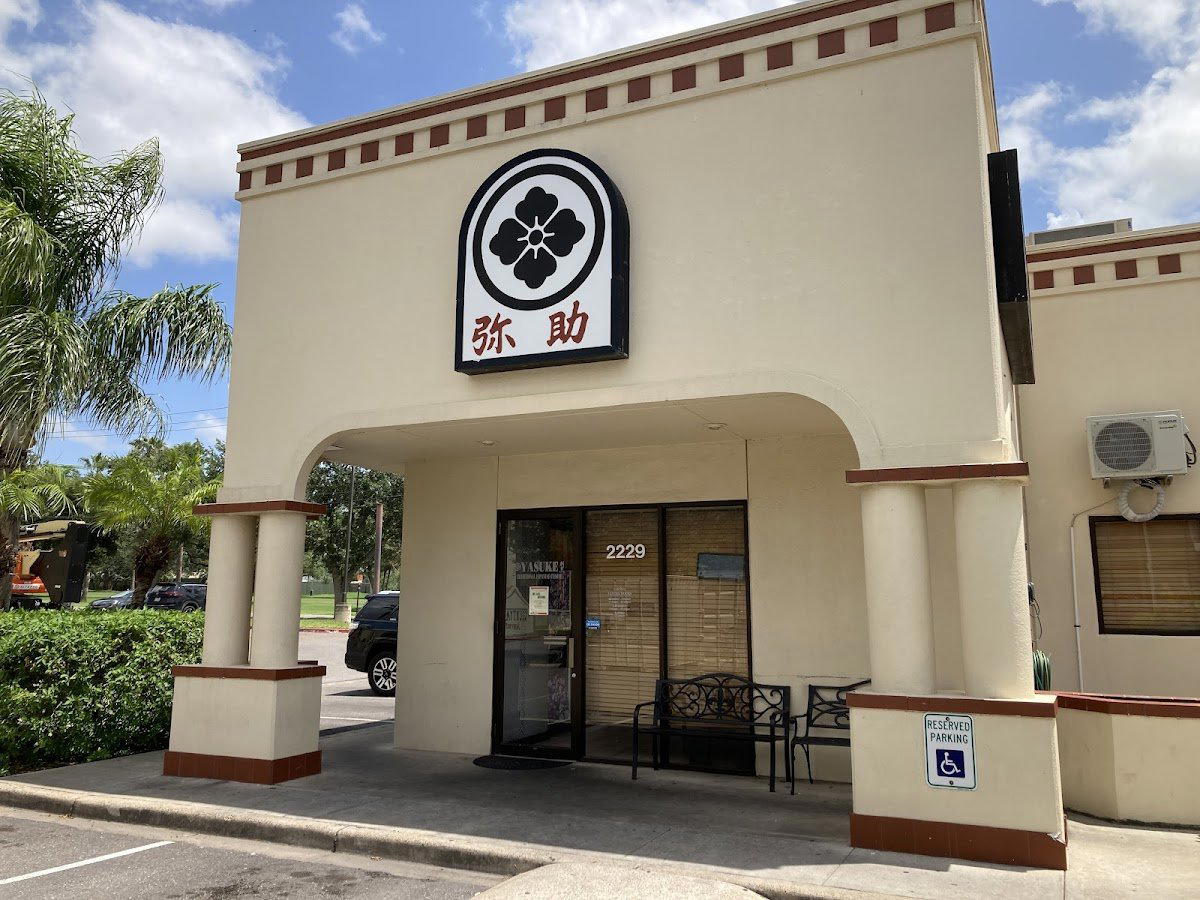
Approaching the Table in Sakai Ward
Sakai is not the city most travellers picture when they plan a serious meal in the Osaka region. The ward carries a manufacturing reputation, most associated with traditional knife-making, and its dining scene has developed quietly alongside that identity rather than against it. That restraint shapes the character of restaurants here: fewer rooms compete for attention, which means the ones that earn a following tend to hold it through discipline rather than exposure. Yasuke, addressed at 1 Chome-1-18 Ochohigashi in Sakai Ward, sits within that context. The address is specific; the surrounding scene provides the frame.
The Ritual of the Japanese Meal
Across Japan's more considered dining rooms, the structure of a meal is itself a form of communication. Pacing, sequencing, and the tempo at which a server moves through the room are all intentional decisions, not variables left to chance. This is particularly true in kaiseki and counter-format dining, where the kitchen and the guest operate in a kind of choreographed exchange. The meal does not arrive; it proceeds. Each course marks a stage, and the interval between courses carries as much meaning as the food itself.
This tradition of dining-as-ritual distinguishes Kansai restaurants from many of their counterparts elsewhere. In cities like Kyoto, this discipline has been codified over centuries. In Osaka, it coexists with a more commercially energetic food culture. Sakai occupies a different register still: close enough to Osaka to absorb its ingredient access, but removed enough from the tourist circuit that its restaurants tend to serve a local customer who already understands the protocol. Gion Sasaki in Kyoto and HAJIME in Osaka represent the more internationally visible end of that Kansai tradition; Sakai's rooms operate further from that spotlight.
Sakai's restaurant list is shorter than Osaka's by a considerable margin, which changes the decision logic for travellers. Choices are fewer, but that also means less noise to work through. Within the city, Kawaki anchors the seafood end of the spectrum, drawing on the coastal access that defines Osaka Bay produce. Oga and Ootoku represent different points in the local range, while Birdland and Domani extend the city's format variety. Together, these rooms form a scene compact enough to survey on a single trip. See the full Sakai restaurants guide for the broader picture.
For context on how this regional tier compares to more decorated addresses, Harutaka in Tokyo and akordu in Nara sit in a different competitive bracket but share the same underlying premise: smaller rooms, deliberate menus, and guests who arrive with some prior investment in the format. Goh in Fukuoka offers a further regional comparison for travellers building a Japan itinerary across multiple cities.
Format, Pacing, and What to Expect
Japanese dining rituals place specific obligations on the guest as much as the kitchen. Arriving on time is not a courtesy; in counter-format restaurants especially, it is structural, because the kitchen calibrates its sequencing to the seated party. Late arrivals disrupt a rhythm that cannot easily be reset. This is a point worth understanding before booking at any serious Japanese room, and Sakai's restaurants are no exception to that expectation.
The wider Kansai tradition also tends toward restraint in how diners engage with the meal: detailed questions are welcomed at appropriate moments, but the expectation in most rooms is that the sequence speaks for itself. Ingredient provenance, seasonal alignment, and the relationship between courses are embedded in the menu's design. Guests who understand this tend to get more from the experience, not because of insider knowledge, but because they are reading the room rather than consuming it.
For international travellers less familiar with this format, comparable experiences exist at both ends of the formality scale. Atomix in New York City operates a structured Korean tasting format with some procedural parallels, while Le Bernardin in New York City represents the Western version of a kitchen-controlled sequence. Neither is identical to a Japanese kaiseki room, but both provide a useful frame of reference for what deliberate pacing feels like at the table.
Japan's regional rooms outside the major tourist cities also differ in one practical way: English-language information is often thinner, and booking processes may require Japanese-language communication or local intermediaries. This is worth factoring into planning time, particularly for visitors coming from outside Japan. Details on Yasuke specifically, including hours, booking method, and current format, are best confirmed through direct contact or a concierge with local knowledge, as these specifics change and cannot be assumed from address data alone.
Broader Japan Context for Serious Diners
Japan's secondary cities have become increasingly significant to travellers who have already covered the major Michelin addresses in Tokyo, Osaka, and Kyoto. Rooms in cities like Nanao, Sapporo, Takashima, and Nishikawa Machi serve a different appetite: less international traffic, tighter ingredient sourcing rooted in local supply, and a guest list that skews toward domestic regulars. Bistro Ange in Toyohashi represents a Western-format version of the same logic applied to a smaller Japanese city.
Sakai sits in this secondary tier relative to Osaka, though the proximity means ingredient quality is not compromised by distance. The Osaka wholesale markets that supply some of Japan's most awarded kitchens are accessible from Sakai, and the city's knife-making tradition suggests a relationship with precision craftsmanship that extends, at least culturally, into how its serious restaurants approach their work.
Planning Your Visit
Sakai Ward is accessible from central Osaka by rail, making it a realistic addition to an Osaka-based stay rather than a standalone destination requiring overnight accommodation. Travel time from Namba or Tennoji is short enough that the city functions as a dining extension of the Osaka circuit for visitors with a full itinerary. Confirming reservation details, format, and language availability in advance is advisable for any Sakai room, and particularly for visitors whose Japanese is limited. The dining scene here is built for regulars; arriving prepared to engage with its conventions is part of what makes the visit work.
Frequently asked questions
Where is Yasuke in Sakai?
Yasuke is located at 1 Chome-1-18 Ochohigashi, Sakai Ward, Sakai, Osaka 590-0954, Japan, Sakai.
Is Yasuke worth visiting as a day trip from central Osaka?
Sakai Ward is accessible from central Osaka by rail, making Yasuke a practical addition to an Osaka-based itinerary rather than a trip requiring separate accommodation. The address at 1 Chome-1-18 Ochohigashi places it within Sakai's urban core. Travellers who have already worked through Osaka's main dining addresses increasingly look to wards like Sakai precisely because the options are fewer but the choices carry more deliberate intent.
What do regulars order at Yasuke?
The most reliable approach is to arrive without fixed expectations and let the kitchen lead the sequence. In Japan's counter-format restaurants, regulars typically defer to the chef's judgement entirely.
Do I need a reservation for Yasuke?
Yasuke is located at 1 Chome-1-18 Ochohigashi, Sakai Ward, and no booking contact or direct website is listed in public records. For counter-format restaurants in Japan's regional dining scene, reservations are almost always required and often made through a hotel concierge or local intermediary. Arriving without one at a Sakai dining address of this type carries real risk of being turned away.
What is Yasuke known for?
Yasuke occupies a specific position in Sakai Ward, a district better known for its manufacturing history than its restaurant culture, which makes a serious dining address here a deliberate choice for travellers moving beyond Osaka's central corridor. Its location in Sakai alone signals a departure from the well-trafficked Namba and Kitashinchi dining circuit.
Can Yasuke handle vegetarian requests?
In Japan's more structured dining formats, particularly omakase or set-menu kitchens, dietary modifications often require advance notice communicated at the time of booking. If vegetarian requirements are a priority, confirm directly before arrival, ideally through whoever facilitates the reservation.
Cuisine-First Comparison
Comparable venues nearby, for context on price, style, and recognition.
| Venue | Cuisine | Price | Awards | Notes |
|---|---|---|---|---|
| YasukeThis venue (the venue you are viewing) | Traditional Sakai Sushi | $150–200 | Tabelog 100 #92 | Not listed |
| Oga | Premium Bluefin Tuna Omakase | $300–500 | Tabelog Bronze #331 | Sakai |
| Ootoku | Seafood Japanese with Sea Views | $30–50 | Not listed | Mikuni Minato |
| 日本料理 味所望 | Japanese Restaurant | Not listed | Not listed | Sakai |
| 魚志楼 | Traditional Japanese Kaiseki | $50–100 | Not listed | Sakai |
| Kawaki | Echizen Crab Specialist | $500+ | Not listed | Mikunicho Chuo |
Recognition history
Dated appearances from independent guides and award organizations, with the underlying list record or original source where available.
Tabelog 100 #92 · No. 92
Tabelog · Tabelog 100 - Sushi - WEST - 2025
Continue exploring
More in Sakai
Restaurants in Sakai
All restaurants in Sakai →


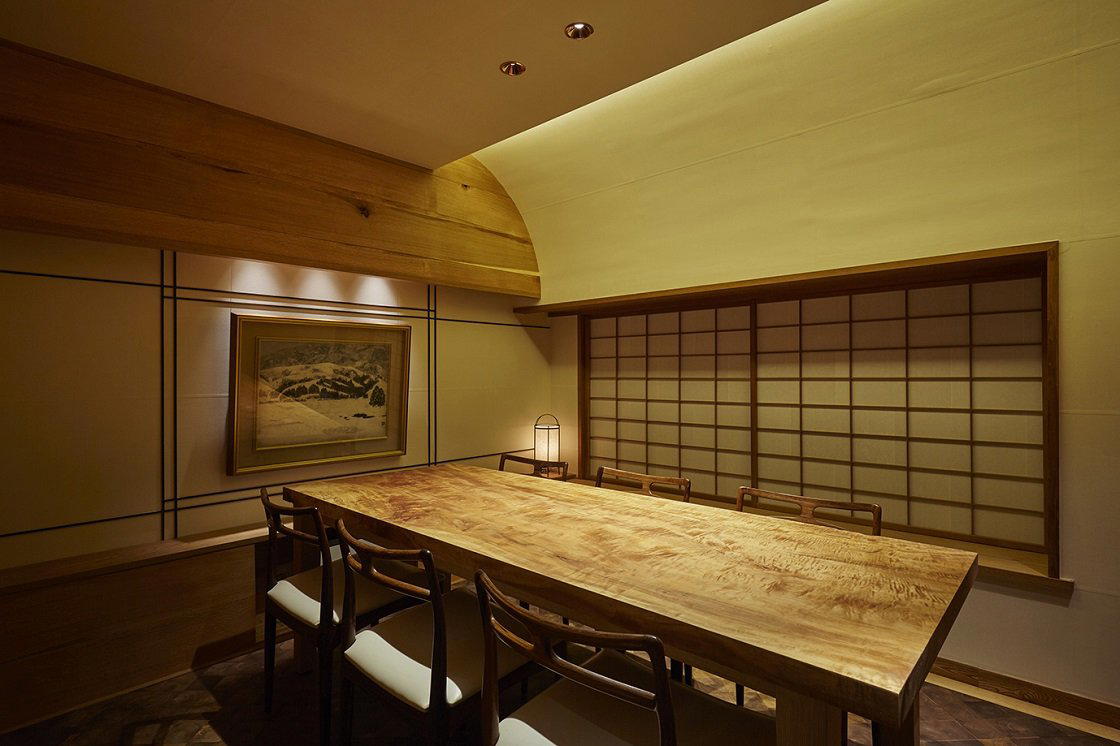

Bars in Sakai
Browse all →
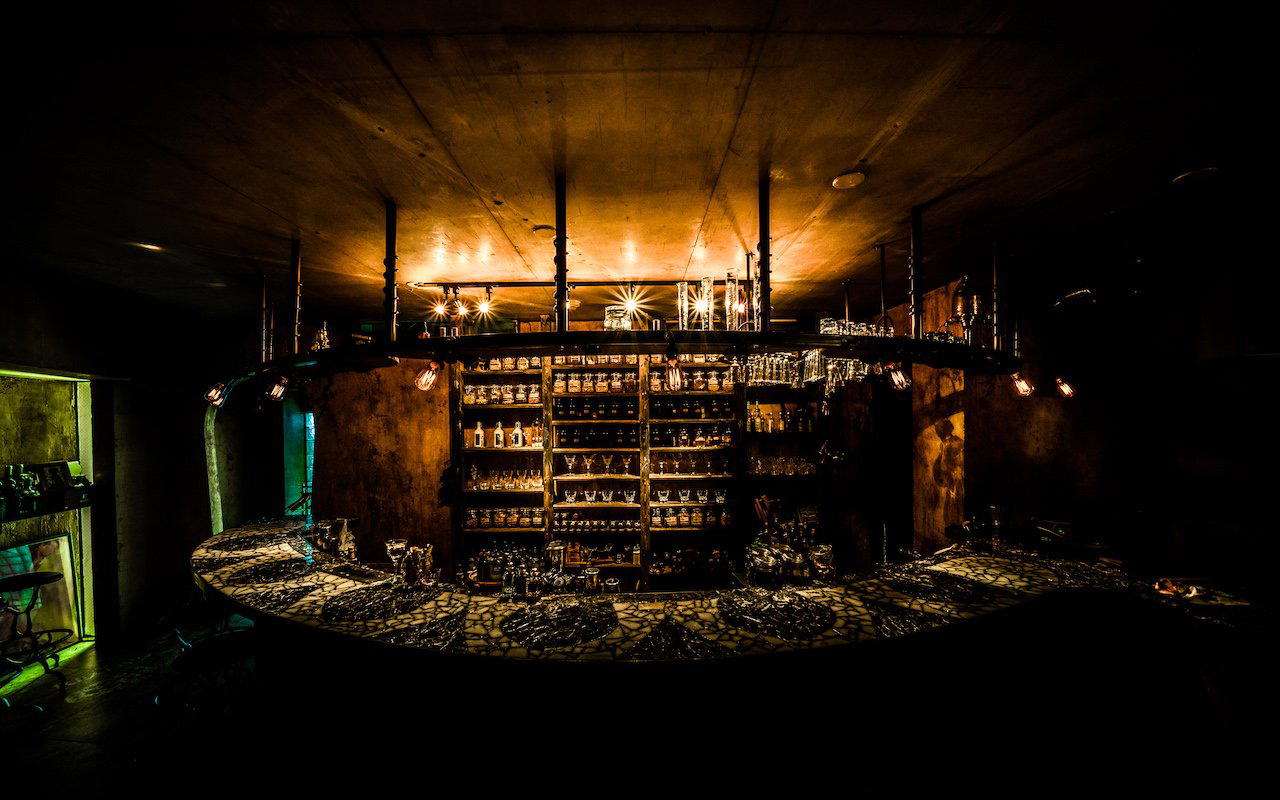
Hotels in Sakai
All hotels in Sakai →



Wineries in Sakai
Browse all →
Details
- Classic
- Cozy
- Intimate
- Date Night
- Special Occasion
- Standalone
- Sake Program
- Local Sourcing
- A La Carte
Current opening hours
- Monday
- 12–1:30 PM, 5:30–9:30 PM
- Tuesday
- 12–1:30 PM, 5:30–9:30 PM
- Wednesday
- 12–1:30 PM, 5:30–9:30 PM
- Thursday
- Closed
- Friday
- 12–1:30 PM, 5:30–9:30 PM
- Saturday
- 12–1:30 PM, 5:30–9:30 PM
- Sunday
- 12–1:30 PM, 5:30–9:30 PM
Hours can change for holidays and private events. Hours as of .
Old-fashioned cozy atmosphere with heartfelt hospitality.