
Tabelog Bronze #343
Our verdict
Osamuchan puts Sakai’s yakiniku culture into a small counter format, with horumon and grilled beef treated as a serious ingredient conversation rather than a casual add-on. Its Tabelog Award Bronze recognition from 2019 through 2026 and repeated Yakiniku WEST 100 selections place it in a narrow Kansai bracket where sourcing, trimming, and pacing matter as much as the grill.

Pearl is the En Primeur Club membership app, where members save venues, book tables and use the concierge.
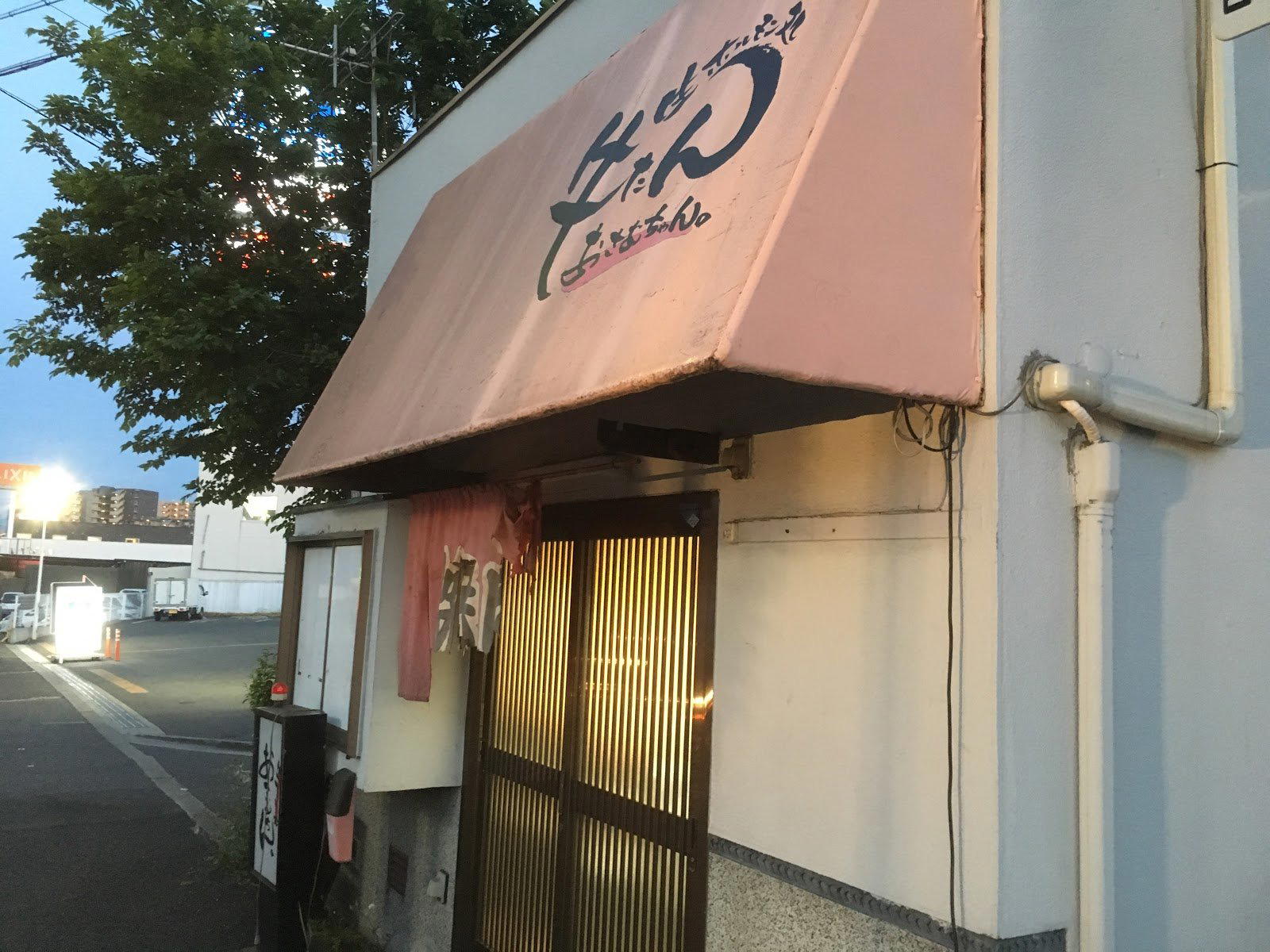
Approaching a house restaurant in Sakai changes the register of yakiniku before the first grill is lit. The format is domestic in scale, counter-led rather than banquet-led, and that matters: horumon is at its strongest when the room is small enough for careful handling, quick pacing, and close attention to texture. Osamuchan belongs to that compact Kansai tradition, where beef offal is not a supporting order but the point of the meal.
Western Japan has a long, serious relationship with yakiniku, but the category splits sharply. At one end are larger rooms built for groups and volume; at the other are specialist counters where sourcing, butchery, and timing carry the experience. The latter asks more of the diner. Cuts arrive with less margin for distraction, and the cooking rhythm rewards people who pay attention rather than simply fill a table. In Sakai, that puts Osamuchan closer to a craft-counter argument than a conventional barbecue night.
Horumon as the measure of the grill
Ingredient sourcing is the quiet test of a yakiniku restaurant, especially when tripe and other offal are central to the identity. Prime beef can flatter a kitchen; horumon exposes it. Freshness, cleaning, portioning, and heat control all show quickly, which is why restaurants built around these cuts tend to develop a sharper local following than their category label suggests. The cuisine listed here is yakiniku and tripe, a combination that signals a narrower brief than general wagyu theatre.
That narrowness is also why the awards record carries weight. The restaurant has been a Tabelog Award Bronze winner each year from 2019 through 2026, and it appears in the Yakiniku WEST 100 selections across multiple years, including 2025. Those are not decorative badges for a room of this size; they indicate sustained diner attention in a region with deep grill culture. A 2026 Tabelog score of 4.27 places it well above the casual yakiniku mainstream, while the 2025 Yakiniku WEST listing recorded a 4.19 score. For a house-format counter focused on meat and offal, that consistency is the signal.
Sakai’s dining scene does not behave like central Osaka’s. It is less driven by hotel concierges and international foot traffic, more by neighbourhood loyalty and regional specialists. That makes comparisons inside the city useful. Oga and Kawaki (Seafood) point to the city’s serious end of Japanese dining, while Birdland, CARNA, and Domani show how varied the local table can be outside a single genre. Osamuchan’s role is different: it concentrates the meal around grill technique and meat selection rather than course architecture or a broader dining-room performance.
The counter format changes the social contract
An eight-seat counter compresses everything. There is less room for spectacle, less tolerance for vague pacing, and far more pressure on each piece of meat to justify its place. In yakiniku, that intimacy can be decisive. The grill becomes a shared focus rather than background heat, and the conversation tends to follow the sequence of cuts. This is why small-format meat restaurants in Japan often feel closer to sushi counters than to Western steakhouse culture: the meal depends on a controlled progression, not a single centerpiece.
The drinks list follows the category with sake, shochu, and wine, which gives the meal a more flexible profile than beer-only yakiniku. Sake and shochu can sharpen the offal side of the table; wine makes sense when richer beef cuts dominate. None of that requires ceremony, but it does reward diners who treat the meal as a progression. The restaurant’s no-smoking policy also matters in a compact room, since grill smoke and tobacco compete badly in small spaces.
The better Sakai itinerary treats the city as more than a satellite of Osaka. A meat-focused evening here can sit alongside sushi, seafood, and casual local dining without repeating the same idea. For wider planning, our full Sakai restaurants guide gives the clearest food-first map of the city, while our full Sakai hotels guide, our full Sakai bars guide, our full Sakai wineries guide, and our full Sakai experiences guide help frame the rest of the trip.
How to place it within a Japan dining itinerary
Osamuchan is not the choice for diners chasing a broad menu or a leisurely family spread. It is for people who understand that yakiniku becomes more interesting when the kitchen narrows the field and treats offal as a craft ingredient. Within the Kansai context, that makes it a specialist stop: more focused than a general meat restaurant, less formal than a grand tasting counter, and dependent on appetite for the parts of beef that show the hand of the preparer.
Travelers building a meat-led route through Japan can use it as a contrast point. -Grilled beef Sukiyaki- KAMAKURA TANUKIAN 鎌倉 たぬき庵 in Kamakura frames beef through sukiyaki, while. 鮪と炭火焼き うお炭 秋葉原店 in Tokyo connects charcoal cooking with a different urban tempo. The comparison is not about ranking; it is about category literacy. Grilled beef, sukiyaki, seafood over coals, and horumon all ask different questions of sourcing and heat.
That broader route can stretch beyond meat without losing coherence.cafe in Osaka.know in Kumamoto, (Shoku) Vietnam in Kawasaki, [Curry Senmon Ten] Maruyama Kyoju. in Sapporo, Jōdo Saké Bar in Los Angeles, and Onigiri Time in Pasadena all point to how Japanese dining culture travels across formats, from counter food to drinking rooms to diaspora comfort. Against that spread, Sakai’s small horumon counter offers a specific lesson: serious sourcing is not always announced through luxury signals. Sometimes it is measured by how confidently a restaurant handles the cuts that leave no room for disguise.
Frequently asked questions
Does Osamuchan work for a family meal?
Not especially. Osamuchan has 8 counter seats, a maximum party size of 8 people, and reservation-only access, so it suits small groups better than a family spread. The format is focused on yakiniku and tripe rather than a wide family menu.
Is Osamuchan better for a quiet night or a lively one?
It reads as a quiet, tightly managed night out. The 8-seat counter, non-smoking room, and house-restaurant setting in Sakai point to a compact dining room rather than a high-energy scene. Hours run Monday to Saturday from 16:30 to 00:00.
When can I go to Osamuchan?
Hours at Osamuchan: Mon, Tue, Wed, Thu, Fri, Sat 16:30 - 00:00.
Where is Osamuchan in Sakai?
Osamuchan is located in Sakai.
What do critics highlight about Osamuchan?
Critics have consistently singled out Osamuchan through The Tabelog Award Bronze from 2019 through 2026, plus repeated selection for Tabelog 100 lists. The focus is yakiniku and tripe, with an 8-seat counter and reservation-only policy giving it a precise, specialist profile in Sakai.
A Quick Peer Check
Comparable venues by cuisine and price in the same metro.
| Venue | Cuisine | Price | Awards | Notes |
|---|---|---|---|---|
| OsamuchanThis venue (the venue you are viewing) | Yakiniku Omakase | $100–150 | Tabelog Bronze #343 | Not listed |
| 日本料理 味所望 | Japanese Restaurant | Not listed | Not listed | Sakai |
| 魚志楼 | Traditional Japanese Kaiseki | $50–100 | Not listed | Sakai |
| Oga | Premium Bluefin Tuna Omakase | $300–500 | Tabelog Bronze #331 | Sakai |
| 越前 蟹の坊 | Echizen Crab & Japanese Seafood | $30–50 | Not listed | Mikuni |
| Kawaki | Echizen Crab Specialist | $500+ | Not listed | Mikunicho Chuo |
Recognition history
Dated appearances from independent guides and award organizations, with the underlying list record or original source where available.
Tabelog Bronze #343
Tabelog
Full recognition history (3 entries)
Tabelog Bronze
Tabelog
Tabelog 100 #86 · No. 86
Tabelog · Tabelog 100 - Yakiniku - WEST - 2025
Continue exploring
More in Sakai
Restaurants in Sakai
All restaurants in Sakai →


Bars in Sakai
Browse all →
Hotels in Sakai
All hotels in Sakai →
Wineries in Sakai
Browse all →
Details
- Lively
- Intimate
- Trendy
- Special Occasion
- Group Dining
- Open Kitchen
- Sake Program
- Omakase
- Counter Dining
Current opening hours
- Monday
- 4:30 PM–12 AM
- Tuesday
- 4:30 PM–12 AM
- Wednesday
- 4:30 PM–12 AM
- Thursday
- 4:30 PM–12 AM
- Friday
- 4:30 PM–12 AM
- Saturday
- 4:30 PM–12 AM
- Sunday
- Closed
Hours can change for holidays and private events. Last verified .
Lively and entertaining atmosphere in a compact counter-only house setting.