Our verdict
Located in Sakai, Fukui, 東龍 sits in a prefectural dining tradition shaped by proximity to the Japan Sea coast and mountain produce. The address places it well outside the major Kansai metros, positioning it among a small group of destination restaurants in Fukui that draw visitors specifically for regional cooking rather than urban convenience.

Pearl is the En Primeur Club membership app, where members save venues, book tables and use the concierge.
Sakai, Fukui, and the Logic of Destination Dining
There is a particular kind of Japanese restaurant that only makes sense at a distance. Not the multi-starred urban counters of Osaka or Tokyo, where proximity to ingredient markets and a dense reservation economy drive the model, but restaurants rooted in provincial settings where the produce is the point and the journey is built into the meal. Sakai, in Fukui Prefecture, operates on this logic. The town sits in a part of Fukui that faces the Japan Sea, a coastline with a documented reputation for seafood of a different register than what reaches the cities: snow crab, yellowtail, and mackerel that benefit from the cold, nutrient-dense waters. Inland, the mountains supply vegetables and mountain greens through growing seasons that remain largely outside national distribution chains. Restaurants in this geography are not competing with HAJIME in Osaka or Harutaka in Tokyo. They are operating in a different system entirely.
東龍 is located at 252-14 Sakaicho Shimohyogo in this precise context. The address sits outside the prefectural capital of Fukui city, in a town where the dining options are concentrated and locally oriented rather than tourist-facing in the conventional sense. That positioning shapes what a visit to 東龍 means in practice: you are not passing through on a larger itinerary but making a deliberate decision to come here, the same way a traveller might plan around Gion Sasaki in Kyoto or akordu in Nara.
Fukui's Culinary Position Within the Kansai and Hokuriku Corridor
Fukui Prefecture occupies a distinctive position in Japan's regional food map. Administratively part of the Hokuriku region, it sits close enough to Kansai that culinary influence flows in both directions, yet far enough from Kyoto and Osaka that its food culture retains a character shaped more by local produce than by metropolitan taste. The prefecture is one of Japan's documented sources of Echizen crab, the brand designation for snow crab landed at Fukui ports, which carries premium pricing across Japan's high-end restaurant market. The same waters supply flatfish and squid that appear at counters as far as Tokyo. The mountain interior supplies soba, root vegetables, and river fish. What distinguishes dining in places like Sakai from the prefectural capital or from the better-known cities to the south is the shorter supply chain: produce moves from source to kitchen with minimal intermediary handling, which changes what a kitchen can plausibly do with it.
Within Sakai's own dining options, 東龍 sits alongside a small cohort of addresses that the town's culinary geography supports. Kawaki, which focuses on seafood, operates in an adjacent space. Domani and Ootoku extend the options for visitors spending time in the area rather than passing through.
The Architecture of a Fukui Restaurant Experience
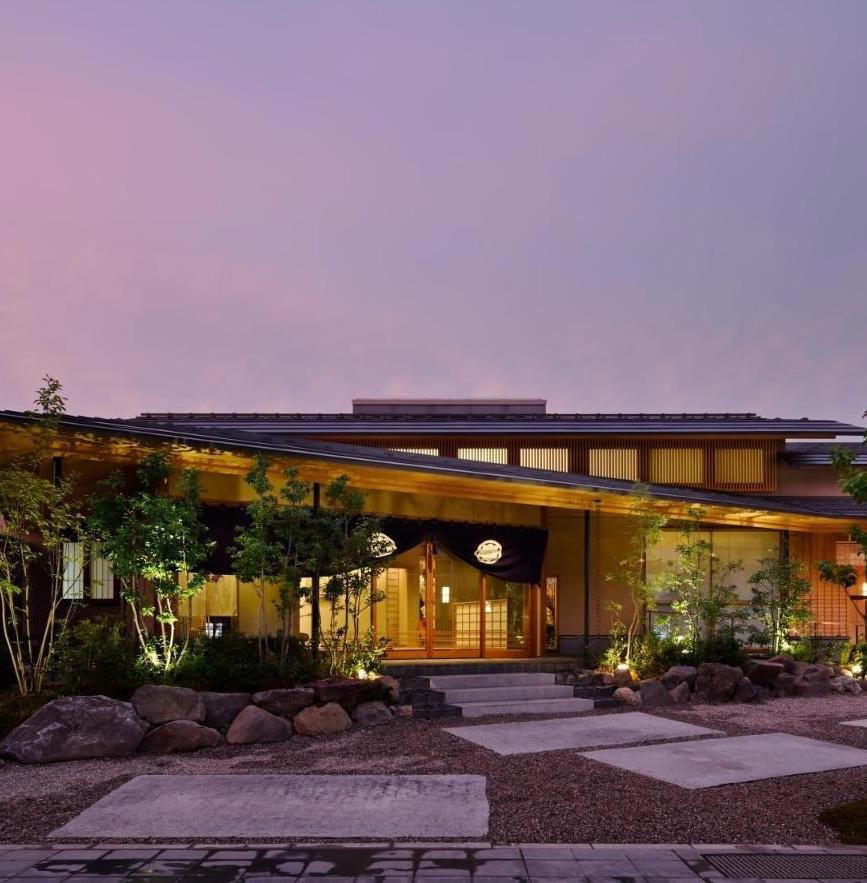
The physical approach to a restaurant in a town like Sakai carries different cues than urban dining. The surrounding environment is quiet in the way that Japanese provincial towns are quiet: functional, unhurried, with a visual register shaped by daily life rather than by commercial hospitality. The building at the Sakaicho Shimohyogo address fits this context. There is no designed approach sequence of the kind you find at destination restaurants that have been conceived with photographer access in mind. The experience begins at the door and moves inward from there.
This kind of setting tends to produce a particular dynamic between kitchen and guest. In the major metros, even tasting menu restaurants operate with a degree of performance calibrated to competitive markets and critic attention. In provincial settings, the calibration is different. The room tends to be smaller, the service more direct, and the connection between what is on the table and where it came from more explicit, because the producer relationships are geographically immediate rather than logistical. This is the culinary tradition that restaurants in Sakai inherit, whether they make it explicit or not.
Japan's regional restaurant culture has attracted increasing attention in recent years as critics and travellers look beyond the concentration of stars in Tokyo and Osaka. Destinations that were previously considered peripheral, from Kyushu south to Kagoshima or north through Tohoku, are being reassessed as the broader system catches up to what was already there. Goh in Fukuoka represents one model of regional restaurant ambition; Abon in Ashiya another. Fukui sits in this broader reappraisal, with its seafood credentials providing a clear entry point for visitors approaching from the restaurant angle rather than the tourism angle.
How 東龍 Fits the Sakai Context
The Sakaicho Shimohyogo address places it in a residential-commercial zone of Sakai, a setting that in Japanese provincial dining almost always signals a local institution rather than a purpose-built destination. These are restaurants that accumulate a following over years through consistency with seasonal produce and a stable relationship with the community they serve. The model is different from the allocation-list tasting counter in Tokyo's Ginza or the internationally marketed ryokan kaiseki in Kyoto, but it is not a lesser version of those things. It is a different axis of seriousness.
For visitors approaching Sakai from outside the prefecture, the town is most directly reachable from Fukui city, which connects to the Shinkansen network at Tsuruga and via the Hokuriku Shinkansen corridor that links to Kanazawa and ultimately to Tokyo. The journey requires planning rather than impulse. That is consistent with how the leading provincial Japanese restaurants function: they reward the decision to come specifically, rather than the decision to eat somewhere nearby.
Wider explorations of Japan's regional dining scene, beyond the Fukui corridor, are covered in EP Club's profiles of affetto akita in Akita, Aji Arai in Oita, Ajidocoro in Yubari District, and Akakichi in Imabari. For context on how Japanese regional cooking compares to international tasting-menu formats, Le Bernardin in New York City and Lazy Bear in San Francisco offer useful reference points on how produce-driven menus operate in different cultural registers. Our full Sakai restaurants guide covers the town's options in greater depth.
Planning a Visit
For provincial restaurants in Fukui, the standard practice is to telephone or arrange a booking through a local hotel concierge, particularly for visitors whose Japanese is limited. The address at 252-14 Sakaicho Shimohyogo, Sakai, Fukui 919-0527 is fixed and confirmed. Given the restaurant's location outside the prefectural capital, building in adequate travel time from Fukui city or from accommodation in the Sakai area is advisable.
Frequently asked questions
What's æ±é's location?
æ±é is located at 252-14 Sakaicho Shimohyogo, Sakai, Fukui 919-0527, Japan, Sakai.
What do regulars order at 東龍?
Confirmed menu data for 東龍 is not on public record at the time of writing, so specific dish recommendations require verification on-site or by contacting the restaurant directly. What the Sakai, Fukui context reliably signals is that local restaurants in this corridor lean on Hokuriku seafood, particularly crab and mackerel from the Sea of Japan, alongside Fukui's own Echizen soba tradition. Regulars at destination restaurants in towns of this scale typically orient around whatever the kitchen is running that day, not a fixed order.
Can I walk in to æ±é?
Reservations are recommended for æ±é in Sakai. Confirm current policy via the venue's official channels.
Can I walk in to 東龍?
Walk-in availability at 東龍 is unconfirmed given that current hours and booking policy are not on public record for the Sakai, Fukui address at 252-14 Sakaicho Shimohyogo. Restaurants operating in smaller Fukui towns of this type frequently run limited seatings and may close without prior reservation. Contacting the venue directly before arriving is the practical approach, particularly for visitors travelling from outside the prefecture.
A Pricing-First Comparison
| Venue | Cuisine | Price | Awards |
|---|---|---|---|
| æ±éThis venue (the venue you are viewing) | Japanese Restaurant | Not listed | Not listed |
| Kawaki | Echizen Crab Specialist | $500+ | Not listed |
| Oga | Premium Bluefin Tuna Omakase | $300–500 | Tabelog Bronze #331 |
| Osamuchan | Yakiniku Omakase | $100–150 | Tabelog Bronze #343 |
| æ¥æ¬æç å³ææ | Japanese Restaurant | Not listed | Not listed |
| Birdland | Authentic Neapolitan Pizza | $30–50 | Tabelog 100 #74 |
Continue exploring
More in Sakai
Restaurants in Sakai
All restaurants in Sakai →
Details
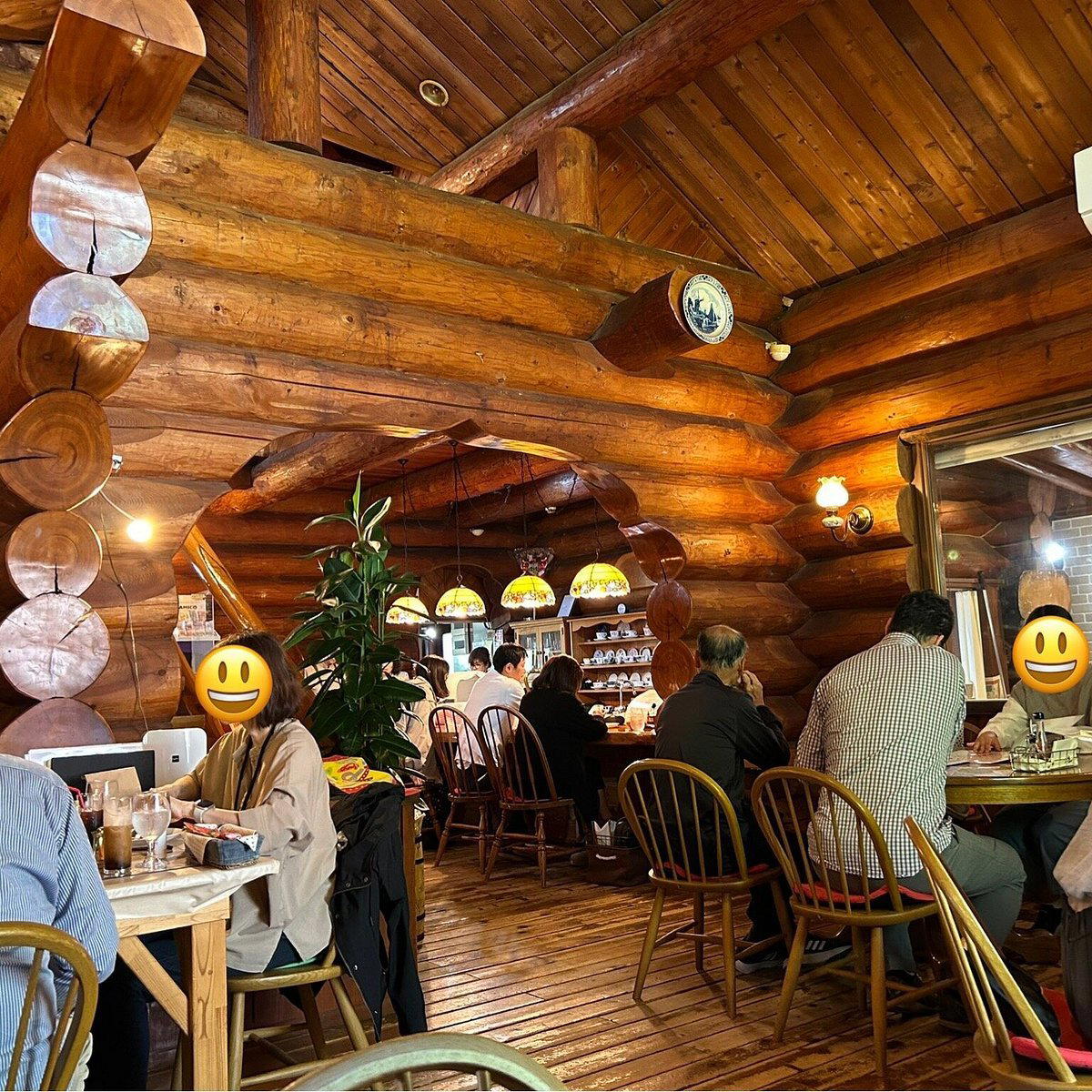
Traditional Japanese dining atmosphere