

Tabelog 100 #44
Our verdict
Yakiniku Ginza Cobau occupies the fifth floor of a Ginza tower on Namiki-dori, bringing premium beef cookery to one of Tokyo's most competitive dining corridors. Recognised by Opinionated About Dining in its 2023 Japan rankings, the restaurant operates evenings only on weekdays and extends to lunch service on weekends, making it a reference point for considered yakiniku in the Chuo district.

Pearl is the En Primeur Club membership app, where members save venues, book tables and use the concierge.
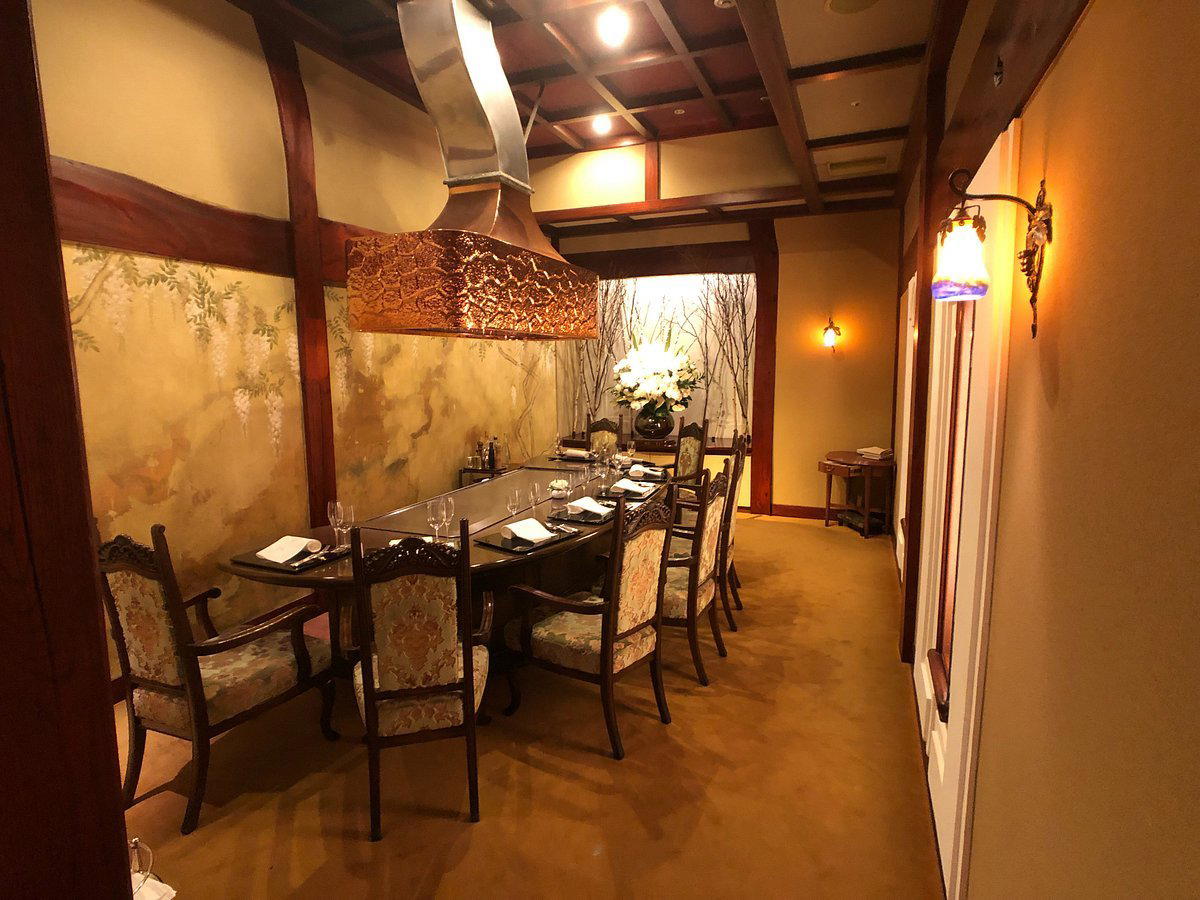
If you're spending serious time in Tokyo and have not yet committed an evening to high-grade yakiniku, Ginza is where that omission should be corrected. The district has long attracted the kind of beef-focused restaurant that treats grilling as a discipline rather than a casual format, and Yakiniku Ginza Cobau, recognised by Opinionated About Dining in its 2023 Japan restaurant rankings, sits comfortably inside that tradition.
Yakiniku in Ginza: What the Address Signals
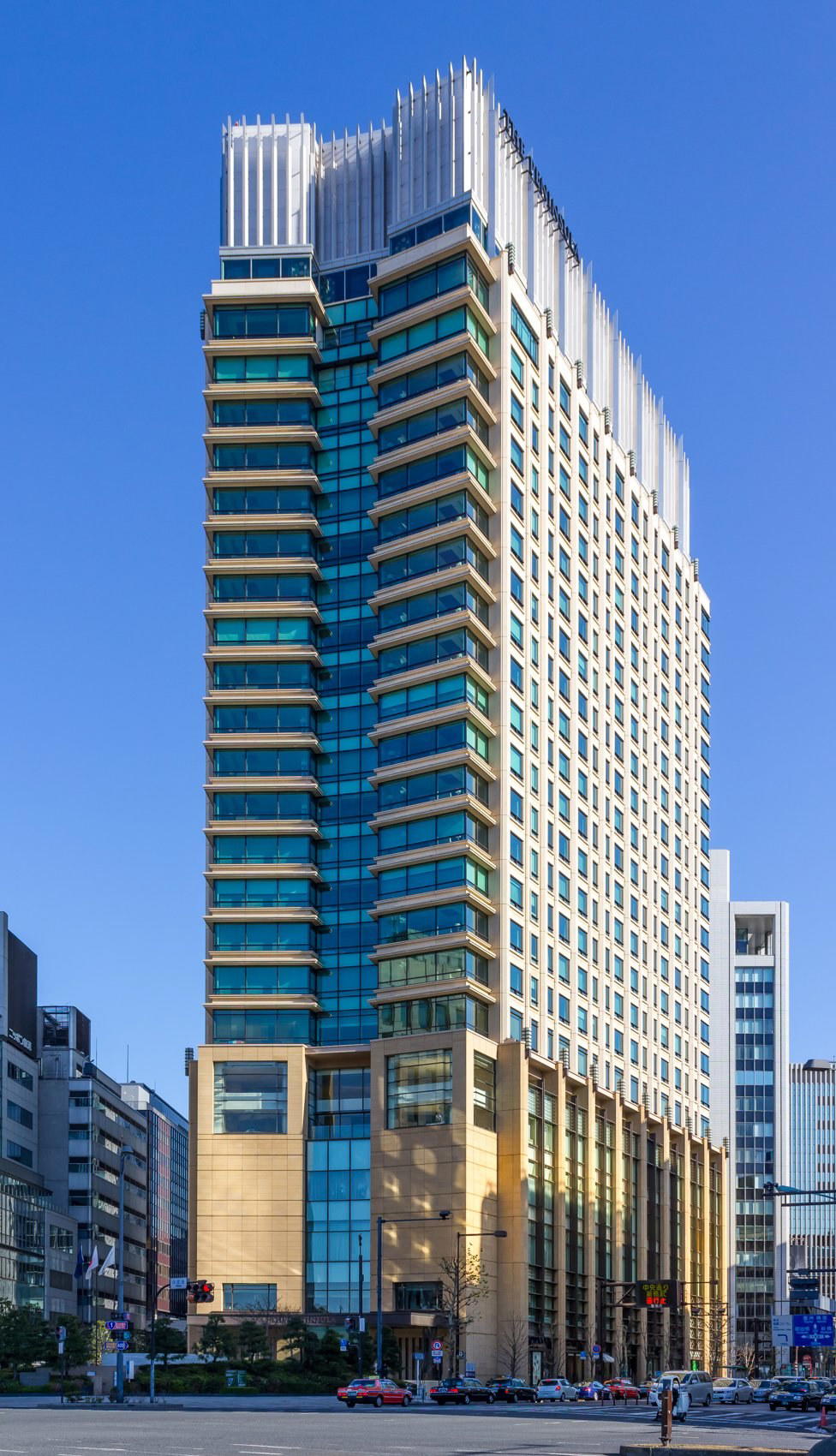
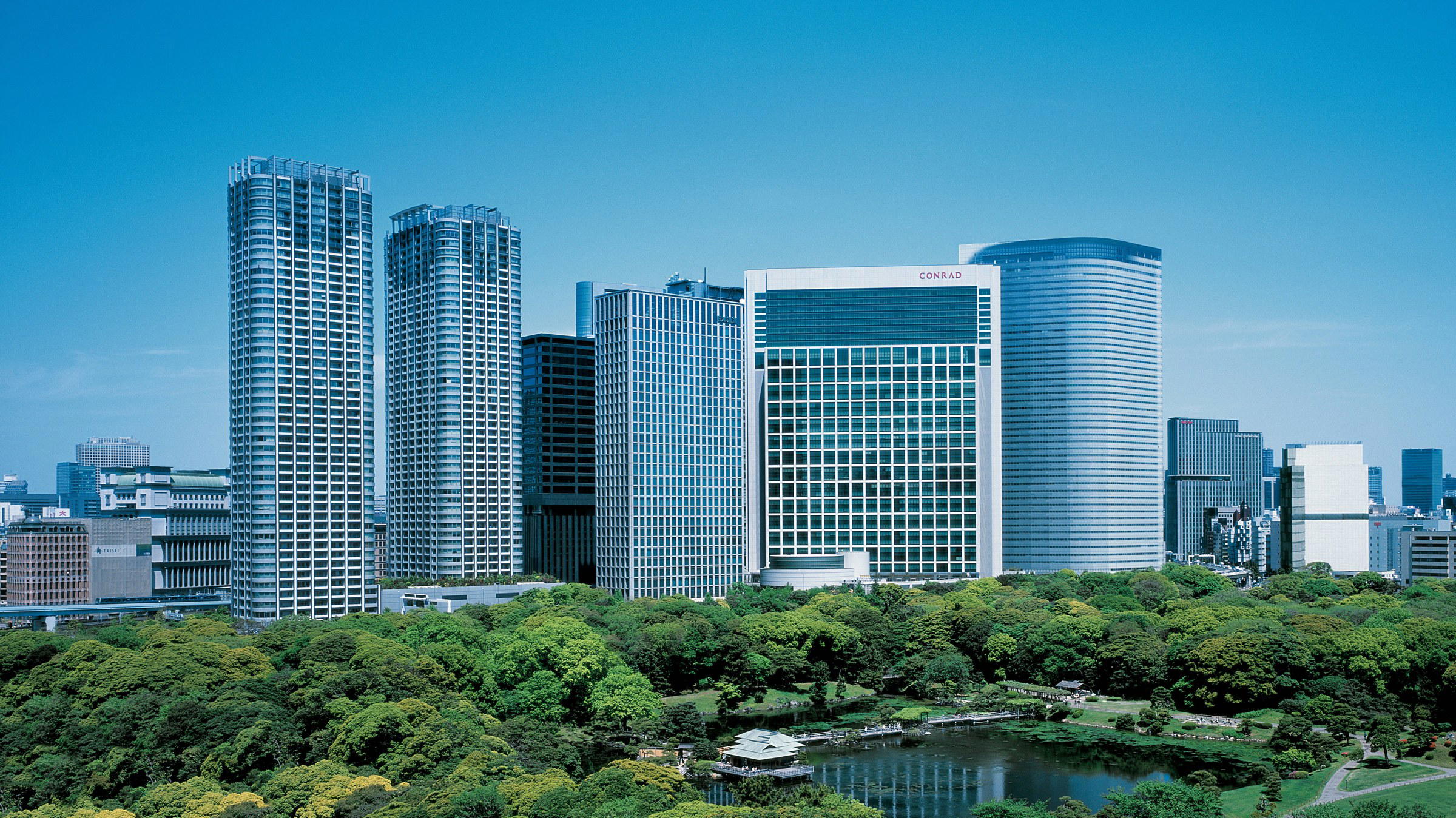
Ginza's dining scene operates under a different set of pressures than, say, Shinjuku or Ebisu. Rents are among the highest in the city, which means the restaurants that survive here have either the volume to sustain them or the margin to justify the address. Yakiniku in Ginza typically skews toward the latter: curated cuts, attentive tableside service, and a room designed to handle the combination of smoke, heat, and expensive upholstery that good yakiniku requires. Cobau's address in the HULIC & new GINZA NAMIKI6 building on 6-chome places it in a cluster of destination restaurants, not a neighbourhood that runs on foot traffic alone.
The broader yakiniku format, marinated and unmarinated beef and offal cuts grilled over charcoal or gas at the table, has its origins in postwar Japan, shaped significantly by the Korean-Japanese community and codified into a recognisable restaurant genre over the following decades. By the time it reached Ginza in its premium iteration, the format had shed most of its casual associations. What remains is a meal structure built around progression: lighter cuts first, working toward richer marbled pieces, with the grill temperature and timing dictating pacing as much as any tasting menu would. For a comparative sense of how yakiniku has been interpreted at the premium end internationally, consider Nikushou, Yakiniku in Hong Kong or the approachable chain-format benchmark set by Gyu-Kaku Japanese BBQ, Yakiniku in Los Angeles; both illustrate how far the format stretches across price tiers and geographies.
The OAD Recognition and What It Means Here
Opinionated About Dining operates on a crowdsourced model weighted toward frequent, knowledgeable diners rather than anonymous inspectors. An OAD recommendation in Japan carries weight precisely because the Japan list draws on a base of respondents who eat seriously and regularly in the country's most demanding dining environment. Being listed in the 2023 cohort places Cobau alongside restaurants that meet a threshold of consistency and quality that casual visitors rarely test.
It is worth noting what OAD recognition does not confirm: it is not a Michelin star, and the scoring methodology differs substantially. Michelin awards tend to reward technical precision and classical formality; OAD lists are more sensitive to value, personality, and whether a room delivers for the kind of diner who eats there twice a year rather than once in a lifetime. For a yakiniku restaurant in Ginza, landing on that list suggests the quality of the beef and the execution of service have satisfied repeat visitors, not merely first-timers drawn in by the address.
Tokyo's most decorated restaurants in adjacent formats, kaiseki counters like RyuGin, sushi rooms like Harutaka, or French-influenced tables like L'Effervescence, tend to carry three-star Michelin recognition and operate at ¥¥¥¥ price points. For a broader view of how Tokyo's restaurant categories sit relative to one another, see our full Tokyo restaurants guide.
How the Format Works
Yakiniku service follows a logic that rewards some preparation from the diner. Unlike omakase formats where the kitchen controls pacing entirely, a yakiniku meal requires engagement: you are grilling your own cuts, and the quality of that process depends on knowing when to move pieces and when to let them rest. At restaurants operating at Cobau's recognised level, staff involvement typically bridges that gap, guiding unfamiliar diners, managing grill conditions, and sequencing cuts across a meal that can run two to three hours if taken seriously.
The weekday evening hours (5:00 pm to 11:30 pm) allow for either an early seating that pairs well with pre-dinner drinks along Ginza's bar corridor, or a later arrival that suits the post-theatre or post-business dinner pattern common in the neighbourhood. Saturday and Sunday lunch service from noon opens the format to a pace that suits visitors more than weekday evenings typically allow. For context on what else Ginza and Chuo offer around those timings, our full Tokyo bars guide and our full Tokyo experiences guide are useful reference points.
Tokyo Yakiniku in Context
Within Tokyo's premium beef category, yakiniku occupies a specific position: more interactive than a steakhouse, less choreographed than kaiseki, and more accessible in format than an omakase counter. That accessibility has its own quality ceiling, though. The leading yakiniku restaurants in Tokyo source from named prefectures and specific producers, presenting cuts that reflect the same sourcing rigour applied to sushi-grade fish or dashi-grade kombu. The discipline is different, but the underlying approach, traceability, seasonality, respect for the primary ingredient, connects to a broader Japanese culinary ethic.
For diners building a more extensive Tokyo itinerary, the city's serious restaurant options extend well beyond beef. Cossott'e and Kiraku-Tei represent different points on the city's dining spectrum, while Kinryuzan adds another reference in the broader Japanese tradition. For those extending into other Japanese cities, HAJIME in Osaka, Gion Sasaki in Kyoto, akordu in Nara, Goh in Fukuoka, 1000 in Yokohama, and 6 in Okinawa each map a different regional register worth knowing. Accommodation and orientation resources are available through our full Tokyo hotels guide and our full Tokyo wineries guide.
Planning Your Visit
| Detail | Yakiniku Ginza Cobau | Typical Ginza Yakiniku Peer | Budget Yakiniku Reference |
|---|---|---|---|
| Location | Ginza 6-chome, 5F tower | Ginza / Marunouchi | Shinjuku / Shibuya |
| Recognition | OAD Recommended 2023 | OAD / Tabelog 3.5+ | Tabelog 3.0–3.4 |
| Weekday hours | 5:00 pm – 11:30 pm | 5:00 pm – 11:00 pm | 11:30 am – 11:00 pm |
| Weekend hours | Noon – 11:30 pm | Noon – 11:00 pm | 11:00 am – 11:00 pm |
| 3.8–4.3 | 3.5–3.8 |
The fifth-floor position means the room avoids street noise while remaining within a short walk of Ginza Station (Ginza Line, Marunouchi Line, Hibiya Line). Advance reservations are advisable, particularly for Friday and Saturday evenings, when Ginza's dining demand peaks.
Frequently asked questions
What kind of setting is Yakiniku Ginza Cobau?
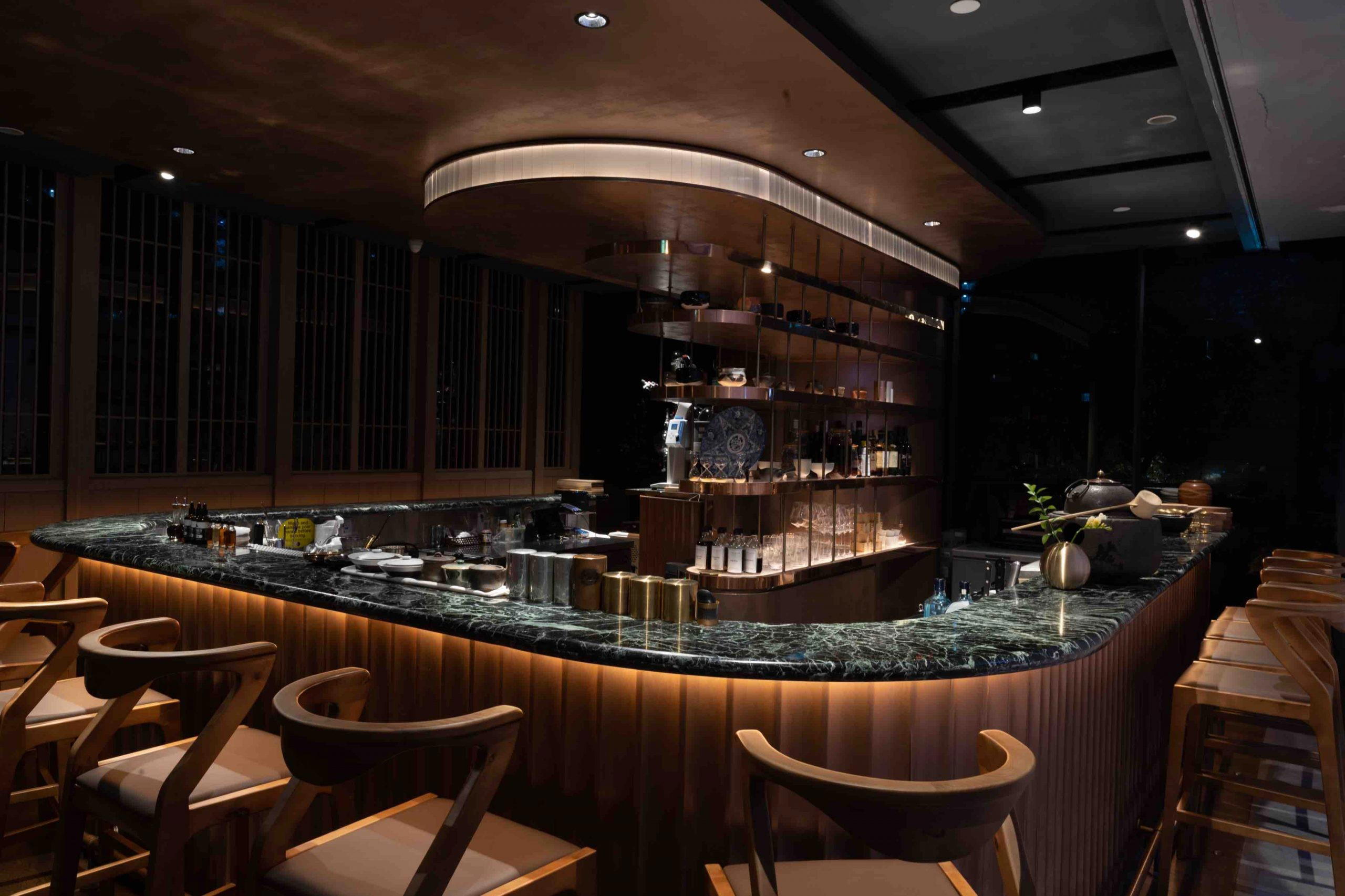
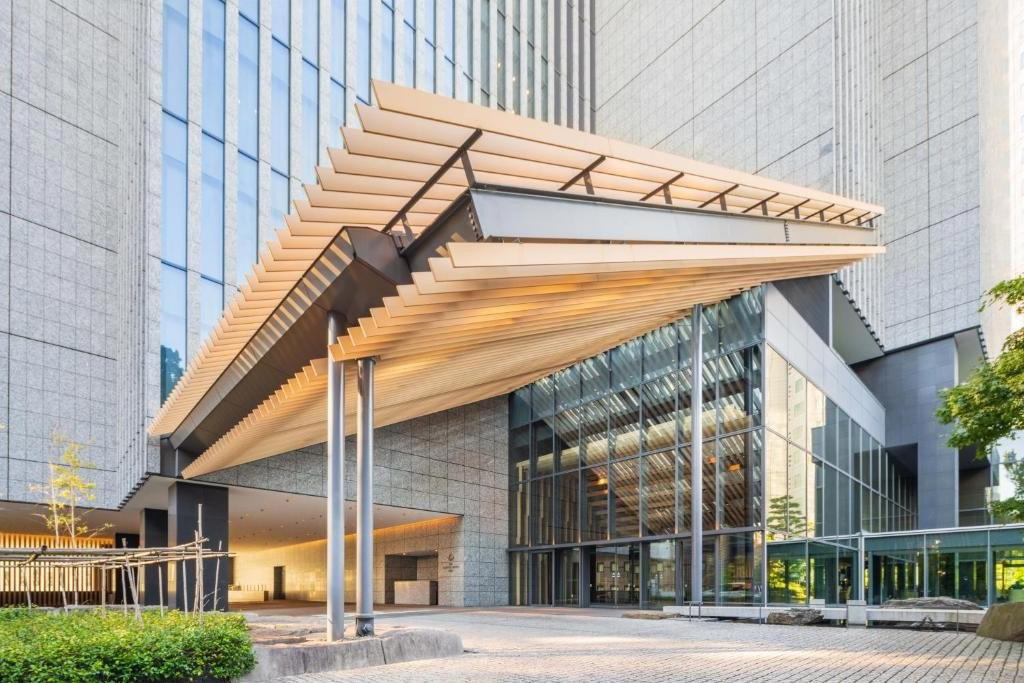
The restaurant occupies a fifth-floor position in a contemporary Ginza commercial building on Namiki-dori, one of the district's more considered dining and retail streets. The format is tableside grilling, which means the room is designed around individual grill stations rather than a communal or counter arrangement. Given the Ginza address and the OAD recognition the restaurant carries, the setting sits in the considered mid-to-upper tier of Tokyo's yakiniku category: more formal than a neighbourhood grill house, less ceremony-driven than a kaiseki or omakase room.
Would Yakiniku Ginza Cobau be comfortable with kids?
Yakiniku as a format has a practical consideration for families: open-flame or high-heat grill stations at the table require supervision, and that element alone changes the calculus compared to a standard restaurant setting. At the price point and formality level suggested by a Ginza address and OAD recognition, the room is likely oriented toward adult diners and business dining rather than family groups with young children. Saturday and Sunday lunch service would be the more appropriate timing if a family visit were being considered, as midday slots in Tokyo's premium restaurants tend to carry a slightly more relaxed atmosphere than evening service. That said, EP Club's database does not confirm a specific policy, so direct confirmation with the restaurant is recommended before booking with children.
What do people recommend at Yakiniku Ginza Cobau?
EP Club's database does not include confirmed dish descriptions or specific menu recommendations for Cobau. What the OAD 2023 recognition does indicate is that the restaurant meets the standards of a knowledgeable, repeat-diner audience in Japan's most scrutinised dining environment. In the context of premium yakiniku broadly, the cuts that tend to define a restaurant's reputation are the marbled wagyu preparations, particularly those sourced from named Japanese prefectures, and the quality of offal cuts, which require both careful sourcing and confident execution.
Side-by-Side Snapshot
Comparable venues nearby, for context on price, style, and recognition.
| Venue | Cuisine | Price | Awards | Notes |
|---|---|---|---|---|
| Yakiniku Ginza CobauThis venue (the venue you are viewing) | Yakiniku | $10–20 | Tabelog 100 #44 | Not listed |
| Savoy Pizza | Neapolitan Pizza | $20–30 | Not listed | Meguro |
| Amandier | Dining | Not listed | Tabelog Bronze | Tokyo |
| Tonkatsu Aoki | Traditional Tonkatsu | $10–20 | Not listed | Ōta |
| Iyoshi Cola | Craft Cola Specialty | $1–10 | Not listed | Jingumae, Shibuya |
| 銀座寿司幸本店 | Traditional Edomae Sushi | $300–500 | Not listed | Chūō |
Recognition history
Dated appearances from independent guides and award organizations, with the underlying list record or original source where available.
Tabelog 100 #44 · No. 44
Tabelog · Tabelog 100 - Yakiniku - TOKYO - 2025
Opinionated About Dining Top Restaurants in Japan Recommended
Opinionated About Dining
Continue exploring
More in Tokyo
More from Chef Various
Browse all →
Restaurants in Tokyo
All restaurants in Tokyo →

Bars in Tokyo
All bars in Tokyo →

Details
- Elegant
- Sophisticated
- Modern
- Intimate
- Date Night
- Business Dinner
- Celebration
- Special Occasion
- Private Dining
- Standalone
- Set Menu
- A La Carte
Current opening hours
- Monday
- 5–11:30 PM
- Tuesday
- 5–11:30 PM
- Wednesday
- 5–11:30 PM
- Thursday
- 5–11:30 PM
- Friday
- 5–11:30 PM
- Saturday
- 12–11 PM
- Sunday
- 12–11 PM
Hours can change for holidays and private events. Hours as of .
Polished, chic, and beautiful with a refined, intimate atmosphere.