Ginza Sushi Yukimotoya sits in one of Tokyo's most demanding sushi neighbourhoods, where counter dining at this level is measured against a tight field of long-established omakase houses. The address places it squarely in the 6-chome stretch of Ginza where pricing, lineage, and format matter as much as the fish itself. Expect the austere focus of a serious counter, where the room recedes and the sequence of courses carries the evening.
 Discover on Pearl
Pearl is the En Primeur Club membership app — saves, bookings, and concierge access live there. Same editors, same standards.
- Address
- 6 Chome-3-8 Ginza, Chuo City, Tokyo 104-0061, Japan
- Phone
- +81335711968
- Website
- autoreserve.com
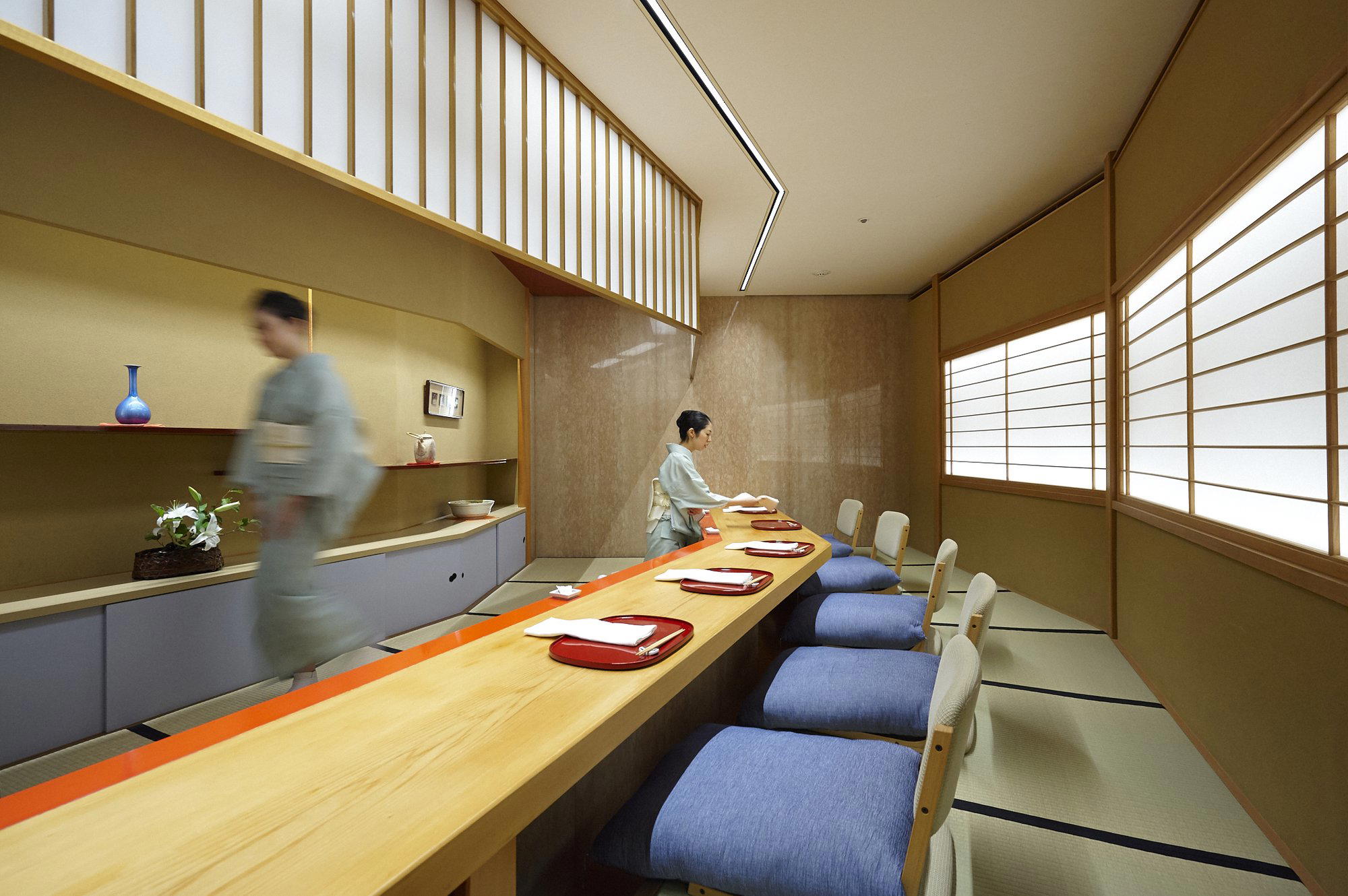
What a Ginza Sushi Counter Actually Signals
Ginza's sushi scene operates on a different axis from the rest of Tokyo. The neighbourhood has historically concentrated the city's highest-price, highest-expectation omakase counters, and that reputation has compounded over decades. A Ginza address is not incidental, it places any sushi counter in direct comparison with a peer group that includes some of Japan's most scrutinised dining rooms. Harutaka, operating nearby, represents the kind of benchmark that defines this tier: reserved, technically precise, and priced to reflect sustained critical attention. Ginza Sushi Yukimotoya occupies that same postcode and, by extension, that same competitive conversation.
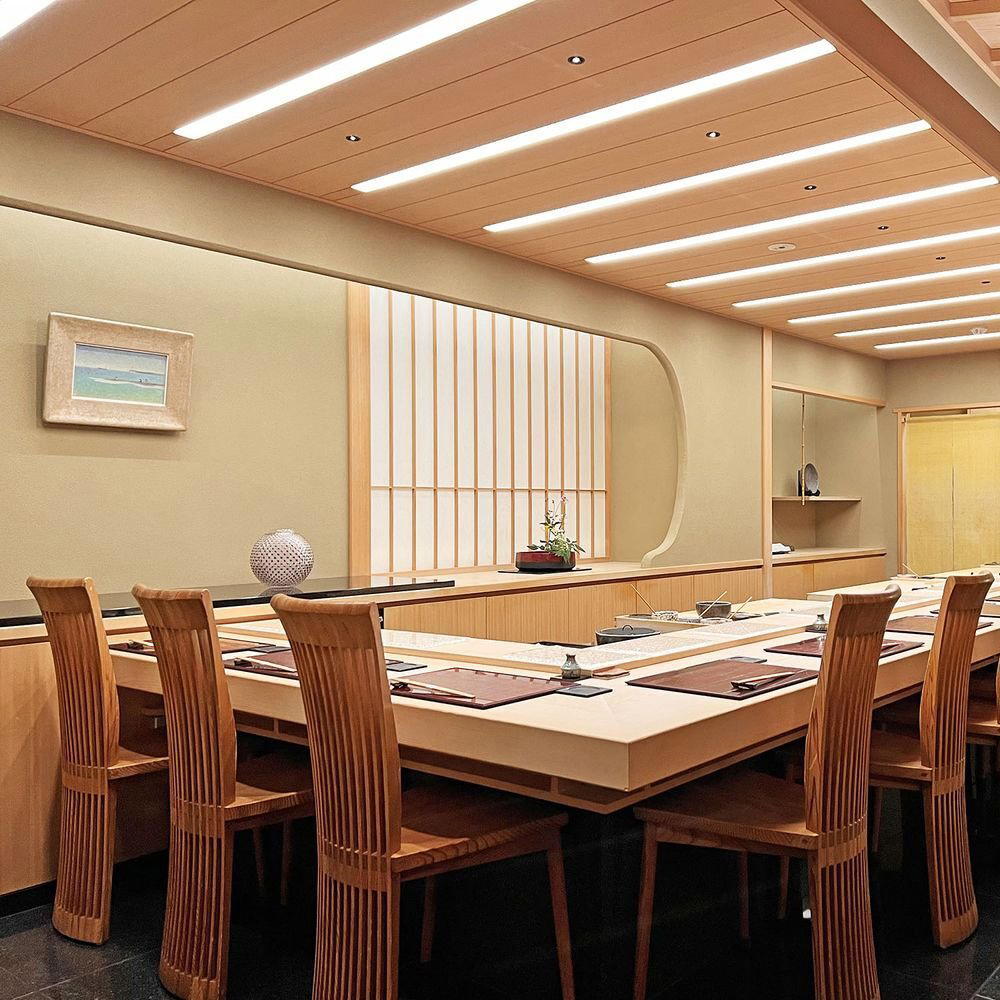
For visitors arriving from other cities or countries, it is worth understanding what a Ginza omakase counter means as a format before considering any single address. The counter itself is the architecture of the experience, a narrow, lacquered or hinoki-wood surface, a chef working at close range, no à la carte option, and a sequence that moves from lighter, vinegared pieces toward richer, fattier cuts as the session progresses. The room is typically small. Conversation is often quiet.
The Counter Environment at 6-chome
The address, 6 Chome-3-8 Ginza, Chuo City, places 銀座寿司幸本店 in the denser, quieter southern section of Ginza's main grid, away from the department-store traffic of 4-chome and closer to the side streets where many of the neighbourhood's more serious dining rooms have settled. This part of Ginza tends toward discretion. Building facades are unmarked or minimally signed. Elevators open directly into dining rooms. The physical transition from street to counter is often abrupt in the leading sense: one moment you are on a lit commercial street; the next, you are in a room that has been built for a single purpose.
In omakase dining at this level, the sensory register shifts almost immediately upon entering. The smell of freshly prepared shari, the seasoned rice that is central to Edomae technique, is often the first signal that the session has begun before the chef has said a word. Temperature and humidity are managed carefully in serious counters because both affect the texture of the fish and the behaviour of the rice. These are not incidental details; they are the medium through which the meal is communicated.
Tokyo's concentration of high-calibre sushi restaurants is without parallel globally. The city holds more Michelin-starred sushi restaurants than any other, and Ginza has historically hosted a disproportionate number of them. Peers operating in this district, including counters with decades of operation and documented Michelin recognition, set the reference point against which newer or less-publicised addresses are inevitably read. For context on how this tier of Tokyo dining compares with other high-precision Japanese formats, RyuGin's kaiseki approach and Gion Sasaki in Kyoto represent the same level of technical discipline applied through different culinary languages.
Edomae Tradition and What It Demands of the Diner
Edomae sushi, the style that emerged in Edo (now Tokyo) during the nineteenth century, is defined by its use of curing, marinating, and aging techniques applied to seafood sourced from Tokyo Bay and, by extension, Japan's wider coastal waters. The tradition developed as a way of extending the shelf life of fish before refrigeration, and the techniques it produced (kobujime, zuke, searing) remain the vocabulary of serious Tokyo sushi even where refrigeration has long since changed the underlying logistics.
What this means for the diner is that the experience at a counter like Ginza Sushi Yukimotoya is not primarily about novelty. The satisfaction comes from recognising how the chef interprets a shared technical inheritance, how the shari temperature is calibrated, how the neta (topping) is cut, how much wasabi is placed and where. First-time visitors to this format sometimes misread the quiet efficiency of the session as coldness. It is, more accurately, concentration. The chef's attention during the session is an extension of that preparation.
For comparison, the French-influenced counters operating at similar price points in Tokyo, L'Effervescence and Sézanne, use a different kind of theatrical disclosure, where technique is often made visible and dishes are explained in detail. Edomae sushi counters typically work in the opposite register: the technique is present but rarely narrated. You are expected to taste the result, not be guided through the process.
Placing Yukimotoya in the Broader Tokyo Picture
Tokyo's dining scene has diversified considerably over the past decade, with innovative hybrid formats, represented by restaurants like Crony, gaining critical traction alongside traditional Japanese disciplines. Sushi counters in Ginza have largely held their position in the upper tier, but the definition of that tier has sharpened. A Ginza omakase counter now competes not just on fish quality but on format coherence, rice technique, service calibration, and the clarity of its relationship to Edomae tradition.
For those building a broader picture of serious Japanese dining beyond Tokyo, the comparison field extends to HAJIME in Osaka, Goh in Fukuoka, and akordu in Nara, each operating at a comparable level of ambition within different regional and culinary contexts.
Planning Your Visit
Reservations are essential. Reservations are essential, with lunch seatings often easier to secure than dinner and weekday availability generally wider than weekends. Timing matters: lunch seatings at Ginza counters, where offered, often represent better value than dinner within the same price tier, and weekday availability is generally wider than weekends.
| Venue | Cuisine | Price Tier | Format |
|---|---|---|---|
| Ginza Sushi Yukimotoya | Sushi (Edomae) | Unconfirmed | Counter omakase |
| Harutaka | Sushi | ¥¥¥¥ | Counter omakase |
| RyuGin | Kaiseki | ¥¥¥¥ | Multi-course kaiseki |
| L'Effervescence | French | ¥¥¥¥ | Tasting menu |
| Crony | Innovative French | ¥¥¥¥ | Counter tasting |
Standing Among Peers
Comparable venues nearby, for context on price, style, and recognition.
| Venue | Cuisine | Price | Awards | Notes |
|---|---|---|---|---|
| 銀座寿司幸本店This venue — the venue you are viewing | Traditional Japanese Sushi Omakase | , | ||
| Teuchi Soba Narutomi | Traditional Ginza soba & tempura | $$ | , | Chūō |
| Kusa Makura | Japanese Kissaten / Coffee Shop | $$ | , | Minato |
| M & C Cafe Marunouchi oazo | Yoshoku-style cafe in a bookstore | $$ | , | Chiyoda |
| Yakiniku Horumon Kinju | Japanese Yakiniku BBQ | $$ | , | Minato |
| Toda Wataru no Okonomiyaki Santekan | Osaka-style Okonomiyaki & Teppanyaki | $$ | , | Minato |
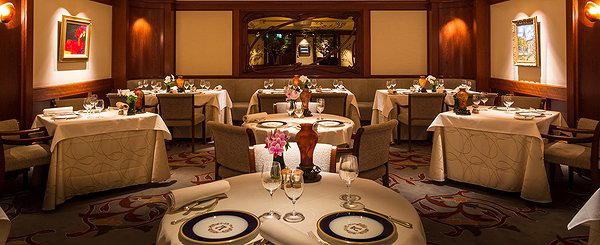
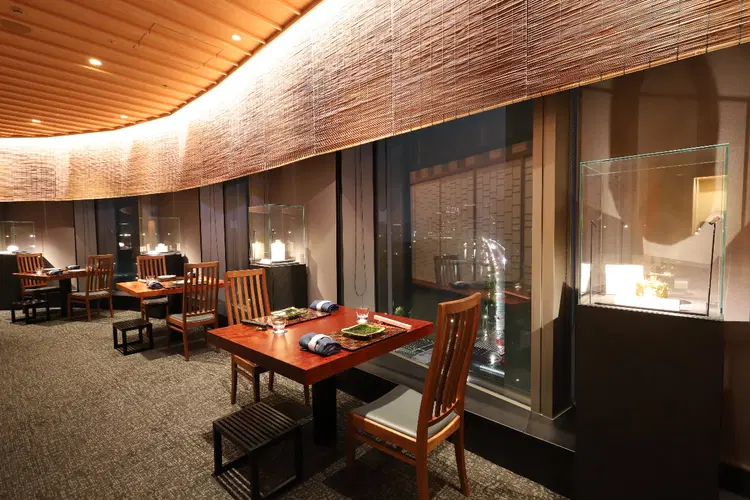
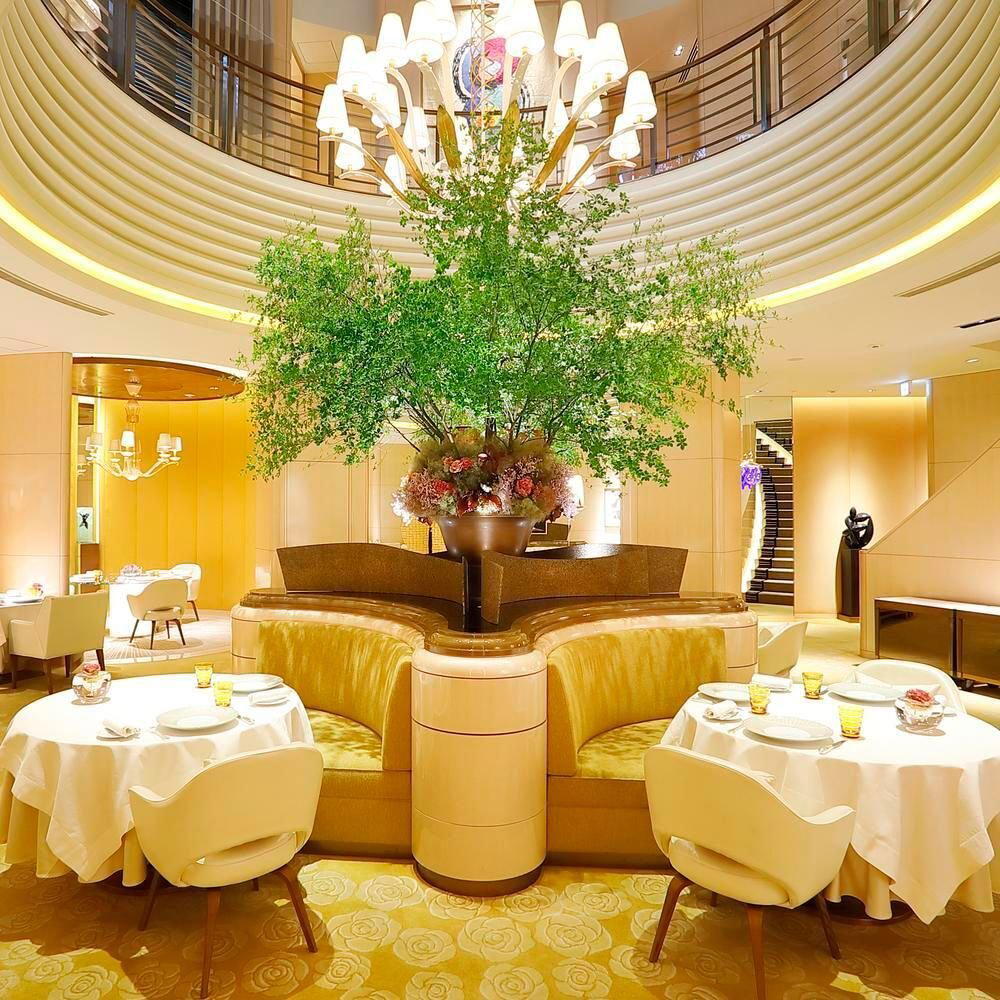


At a Glance
- Date Night
- Special Occasion
- Chefs Counter
- Sake Program
Classic sushi bar atmosphere.