Our verdict
Wuhou District sits at the cultural and culinary core of Chengdu, the city that defines Sichuan cooking for the rest of the world. From street-level mapo tofu to Michelin-calibre tasting menus, the district spans the full price spectrum — and carries the historical weight of the Shu Kingdom alongside it. For any serious engagement with Sichuan food culture, Wuhou is the starting point.

Pearl is the En Primeur Club membership app — saves, bookings, and concierge access live there. Same editors, same standards.
- Address
- Chengdu, Sichuan, China
- Directions
- Get directions
The menu
What to order
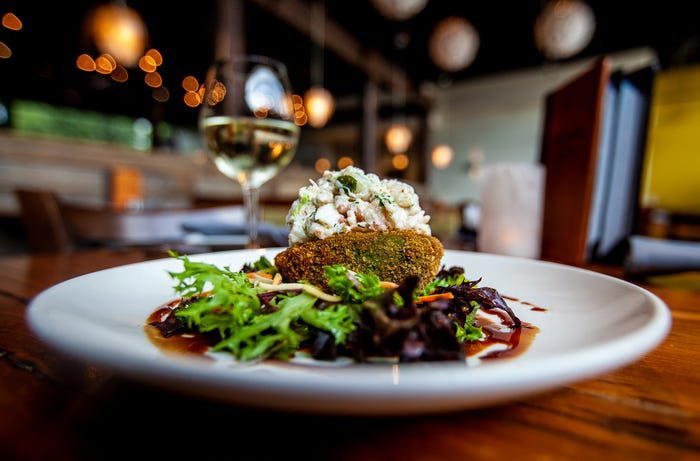
- Braised eel with eggplant
- Sticky rice pork ribs
- Meatball soup
Where Sichuan Cooking Takes Its Fullest Form
Chengdu earns its reputation as one of China's defining food cities not through a single restaurant or chef, but through the density and consistency of what its streets, teahouses, and formal dining rooms collectively produce. Wuhou District, covering the southwest quadrant of the city and anchoring landmarks from the Wuhou Shrine to Jinli Ancient Street, concentrates that argument into a single walkable area. The cuisine here is not a regional curiosity. Sichuan cooking — with its calibrated use of doubanjiang, its dried chillis, its tongue-numbing huajiao peppercorn — has been listed by UNESCO as an Intangible Cultural Heritage of Humanity, and Chengdu itself holds UNESCO Creative City of Food status, one of the few cities in Asia to carry that designation. Wuhou is where that credential has the most visible day-to-day expression.
The Architecture of Heat and Numbness
Understanding Sichuan food as simply spicy is the category error most visitors make before they arrive. The cuisine operates on a matrix of heat and mala (麻辣), the particular combination of chilli burn and Sichuan peppercorn numbness that creates a sensation no other culinary tradition quite replicates. That mala quality comes from hydroxyl-alpha sanshool, the active compound in the huajiao peppercorn, which triggers tactile receptors rather than pain receptors. The effect is closer to light electrical fizz than raw heat. When the two elements are in proportion, the result is something that balances richness against brightness in ways that have made Sichuan dishes among the most replicated across Chinese diaspora cooking globally.
Wuhou's dining scene maps across that complexity. At the accessible end, classic preparations like mapo tofu, silken tofu in a fermented black bean and chilli oil sauce, finished with ground pork and Sichuan peppercorn, appear on practically every street corner, with Chen Mapo Tofu on Qinghua Road representing one of the most cited traditional versions in the city. Moving up the price register, venues like Yu Zhi Lan operate at the ¥¥¥¥ tier and reframe Sichuan technique within a more formal tasting structure, a pattern that has accelerated across Chengdu's premium dining sector as the city's international profile has grown. For the Taizhou-influenced take on Chengdu's refined dining scene, Xin Rong Ji offers a comparable price bracket with a distinct regional orientation.
Beyond the Spice: Breadth in the District's Kitchens
Wuhou's kitchens are not monolithic. Sichuan cuisine itself has 24 officially recognised flavour profiles, from the garlic-forward yuxiang (fish-fragrant) preparations to the vinegar-led suancai dishes, and the district holds examples of most of them. Restaurants like Fang Xiang Jing and Fu Rong Huang sit within the Sichuan category at the higher price tier, each approaching the tradition from a different formal angle. For a departure from the dominant regional style, Hokkien Cuisine in the district offers Fujian-rooted cooking, a reminder that Chengdu's dining population is diverse enough to sustain distinct regional Chinese cuisines within the same postal boundary.
The teahouse tradition also runs through Wuhou in a way that is inseparable from its food culture. Chengdu's gaiwan tea culture, where the lidded bowl becomes both vessel and theatre, is not a tourist performance but an ingrained social ritual. The city has more teahouses per capita than almost any other in China, and Wuhou's proximity to the Wuhou Shrine area means that the slower, contemplative pace associated with teahouse sitting shapes the rhythm of eating here. Meals are not rushed. Sharing plates arrive in waves. The assumption is that you will stay.
Placing Wuhou in the Broader Chinese Fine Dining Conversation
The upward movement in Chengdu's formal dining tier mirrors what has happened across major Chinese cities over the past decade, but Sichuan cuisine presents a specific challenge: its boldness of flavour does not easily accommodate the restraint that often defines high-end Chinese cooking elsewhere. The solution adopted by Chengdu's leading kitchens has generally been to intensify technique rather than moderate flavour, to use premium ingredients and precise temperature control while preserving the assertive character that defines the tradition. This approach positions Chengdu's top tier differently from, say, the Cantonese-influenced formality of Imperial Treasure Fine Chinese Cuisine in Guangzhou, or the vegetable-led innovation of Fu He Hui in Shanghai, or the southern coastal register of Chef Tam's Seasons in Macau.
For context across other Chinese regional capitals, Ru Yuan in Hangzhou and Dai Yuet Heen in Nanjing represent the premium tier in their respective cities. Pingjiangsong in Suzhou, Wenru No.9 in Fuzhou, Shang Palace in Yangzhou, and Fleurs Et Festin in Xiamen each operate within distinct regional food cultures that share the same broad ambition: to give a local culinary tradition formal expression. What Chengdu and Wuhou specifically offer is a tradition strong enough, and idiosyncratic enough, to resist being smoothed into a generic luxury register. For comparisons outside China entirely, the commitment to technique and place at venues like Le Bernardin in New York City or the collaborative tasting format at Lazy Bear in San Francisco offer useful reference points for how local culinary identity can be sustained at high formality, even if the traditions themselves are entirely distinct. Similarly, Xin Rong Ji on Xinyuan South Road in Beijing shows how the same brand operates in a different urban register.
Planning a Visit to Wuhou
Wuhou District is accessible from central Chengdu via metro lines 3 and 4, with Gaosheng Bridge and Wuhou Temple stations serving the core of the area. The district rewards multiple visits across different price tiers rather than a single definitive meal, the gap in experience between a ¥ street lunch and a ¥¥¥¥ tasting dinner is substantial, and both are worth doing on the same trip. Autumn (October to November) and spring (March to April) offer the most comfortable visiting conditions; Chengdu's summers are humid and winters overcast, though neither season shuts the city down. Advance booking at the district's higher-end venues is advisable, particularly at weekends, when local demand is the primary driver of availability. Our full Chengdu restaurants guide maps the broader city context and provides reservation intelligence across price tiers.
Frequently asked questions
Does Wuhou District work for a family meal?
Wuhou suits family dining well. Sichuan cuisine's 24 officially recognised flavour profiles mean the table can be anchored around milder garlic-forward dishes like yuxiang alongside the mala options that spice-tolerant adults prefer. Many of the district's established teahouses and hotpot halls are built around large round tables designed for shared ordering, which makes group pacing straightforward.
What is the atmosphere like at Wuhou District?
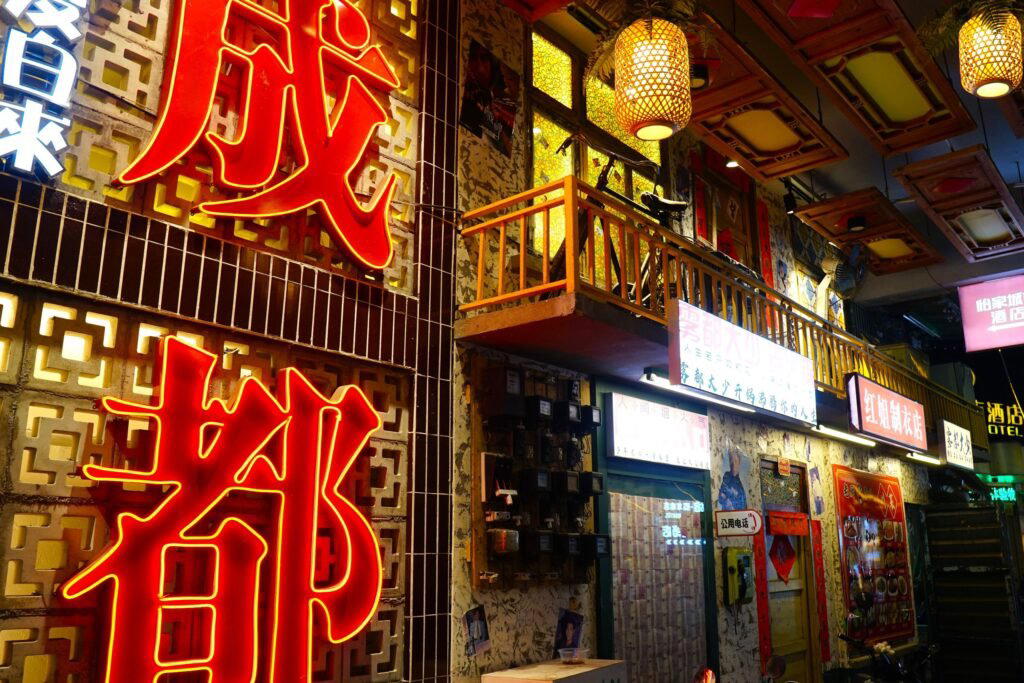
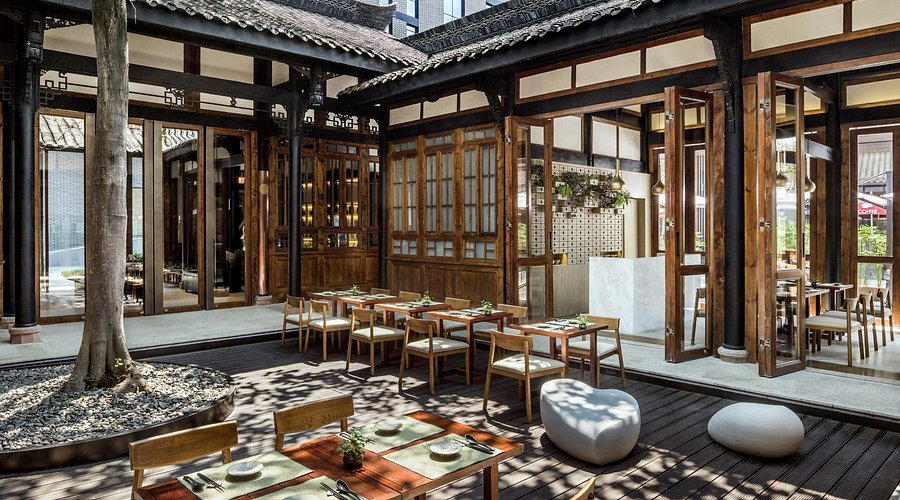
The district runs at two speeds. Around Wuhou Temple and Jinli Ancient Street, the pace is pedestrian and unhurried, with teahouses setting chairs out into open courtyards. Move further into the residential grid and the atmosphere shifts to working neighbourhood — smaller storefronts, neon signage, and kitchens that open early and close late. Chengdu's broader reputation as a UNESCO Creative City of Gastronomy shapes the expectation visitors arrive with, and Wuhou mostly delivers on it.
How does Wuhou District fit into Chengdu's UNESCO Creative City of Gastronomy status?
Chengdu was designated a UNESCO Creative City of Gastronomy in 2010, one of the first cities in Asia to receive the designation, and Wuhou District sits at the cultural and geographic centre of the claim. The area around Wuhou Temple contains some of the oldest documented food establishments in the city, and its kitchen ecosystem spans street stalls, teahouses, and formal dining rooms that together illustrate the full scope of Sichuan cuisine's 24 flavour profiles. For visitors using the UNESCO designation as a navigation tool, Wuhou is the district where that credential has the most visible grounding.
What should I order at Wuhou District?
Sichuan cuisine officially recognises 24 distinct flavour profiles, so the honest answer is that the order depends on which profile you are working through. Mapo tofu and dan dan noodles are the most documented dishes internationally, but yuxiang (fish-fragrant, garlic-forward) and fuqi feipian (offal in chilli oil) represent the cuisine's range more completely. Wuhou's density of specialist kitchens means most profiles have at least one dedicated address in the area.
What's the address for Wuhou District?
Wuhou District is located at Chengdu, Sichuan, China, Chengdu.
Is Wuhou District reservation-only?
Reservation requirements vary by format. Chengdu's formal dining tier has moved upward alongside other major Chinese cities, and the upper end of Wuhou's restaurant scene includes counters and tasting menus that book ahead. Street-level and teahouse dining operates on a walk-in basis, often with queues at peak hours rather than reservation systems.
What do critics highlight about Wuhou District?
The consistent editorial point across coverage of Chengdu's food scene is density and consistency rather than a single flagship address. Wuhou functions as the geographic and cultural centre of that argument, with Wuhou Temple providing the historical frame and the surrounding streets providing the operational evidence. Chengdu holds UNESCO Creative City of Gastronomy designation, which gives that claim an institutional anchor beyond editorial opinion.
Budget Reality Check
| Venue | Cuisine | Price | Awards | Notes |
|---|---|---|---|---|
| Wuhou DistrictThis venue — the venue you are viewing | Home-style Sichuanese | $10–20 | Not listed | Not listed |
| Xin Rong Ji | Chinese | Not listed | 2 Michelin Stars · World's 50 Best #56 | Taizhou |
| Yu Zhi Lan | Modern Sichuan Fine Dining | $200–300 | 2 Michelin Stars · La Liste Top Restaurants | Sichuan |
| Mi Xun Teahouse | Modern Vegetarian Sichuan Chinese | $30–50 | 1 Michelin Star | Vegetarian |
| Chen Mapo Tofu (Qinghua Road) | Authentic Sichuan Mapo Tofu | $10–20 | Michelin Bib Gourmand | Not listed |
| Co- | Modern French Tasting Menu | $150–200 | 1 Michelin Star · World's 50 Best #69 | Not listed |
Details
- Classic
- Cozy
- Casual Hangout
- Family
- A La Carte
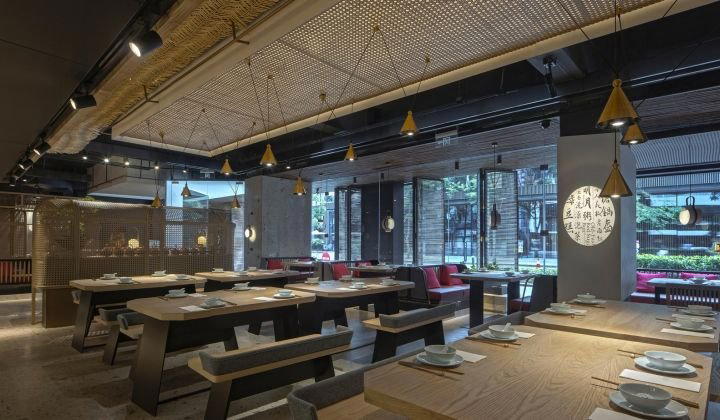
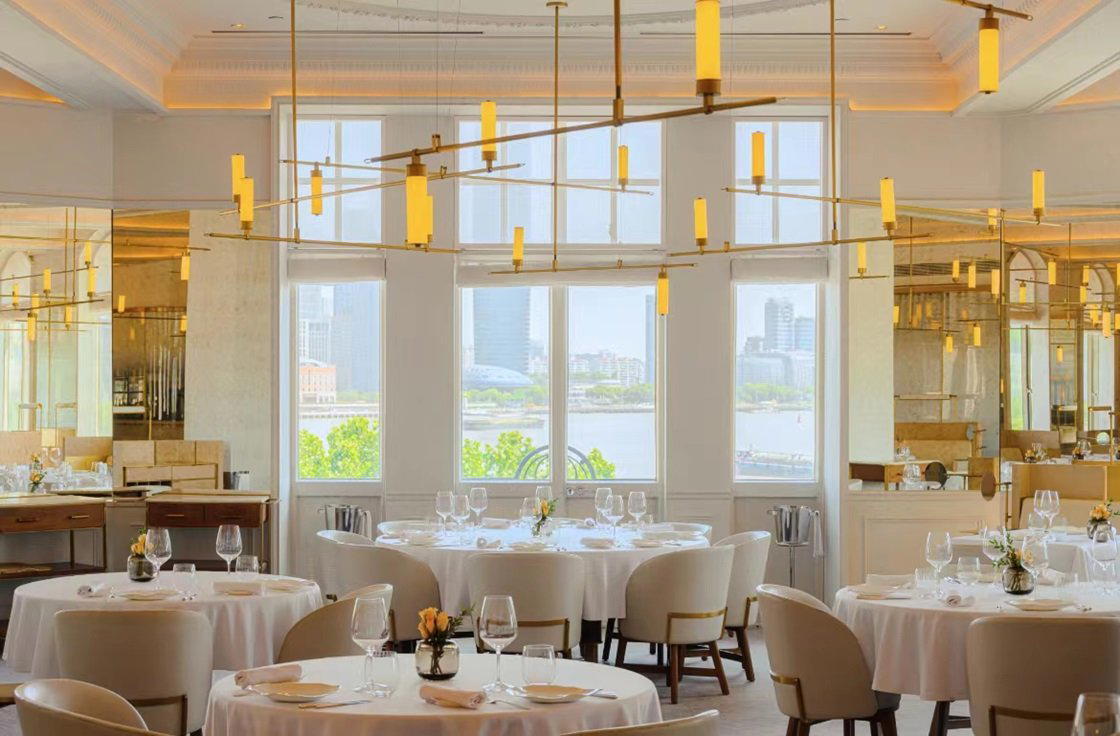
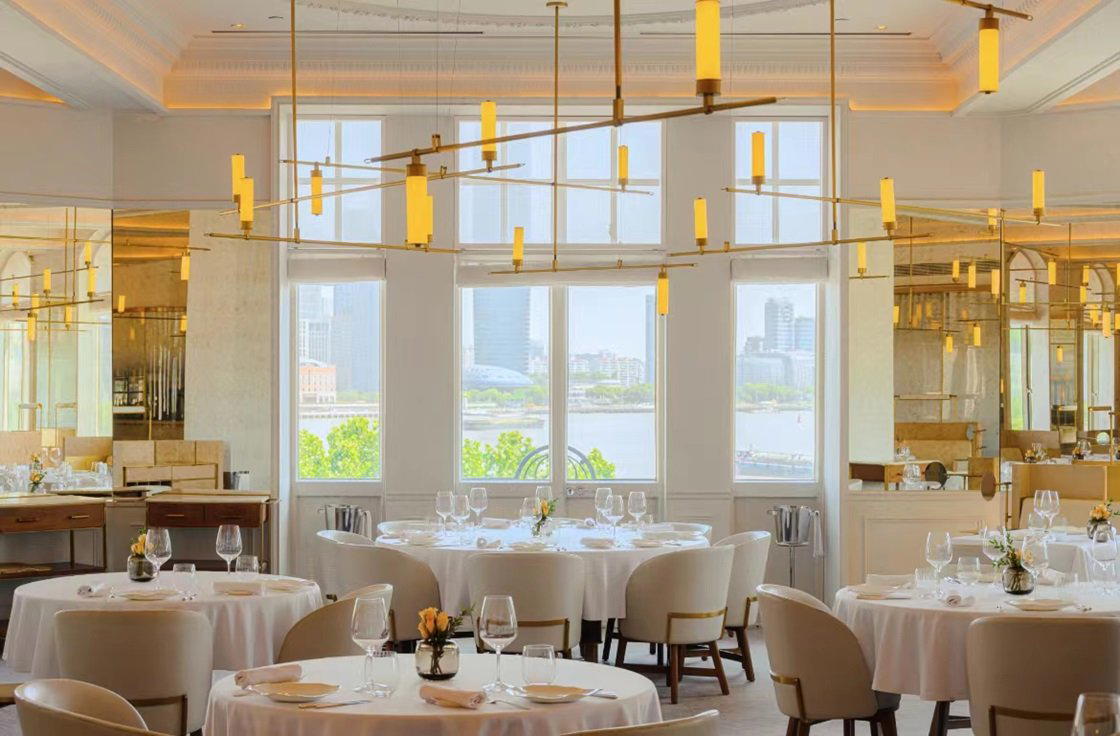
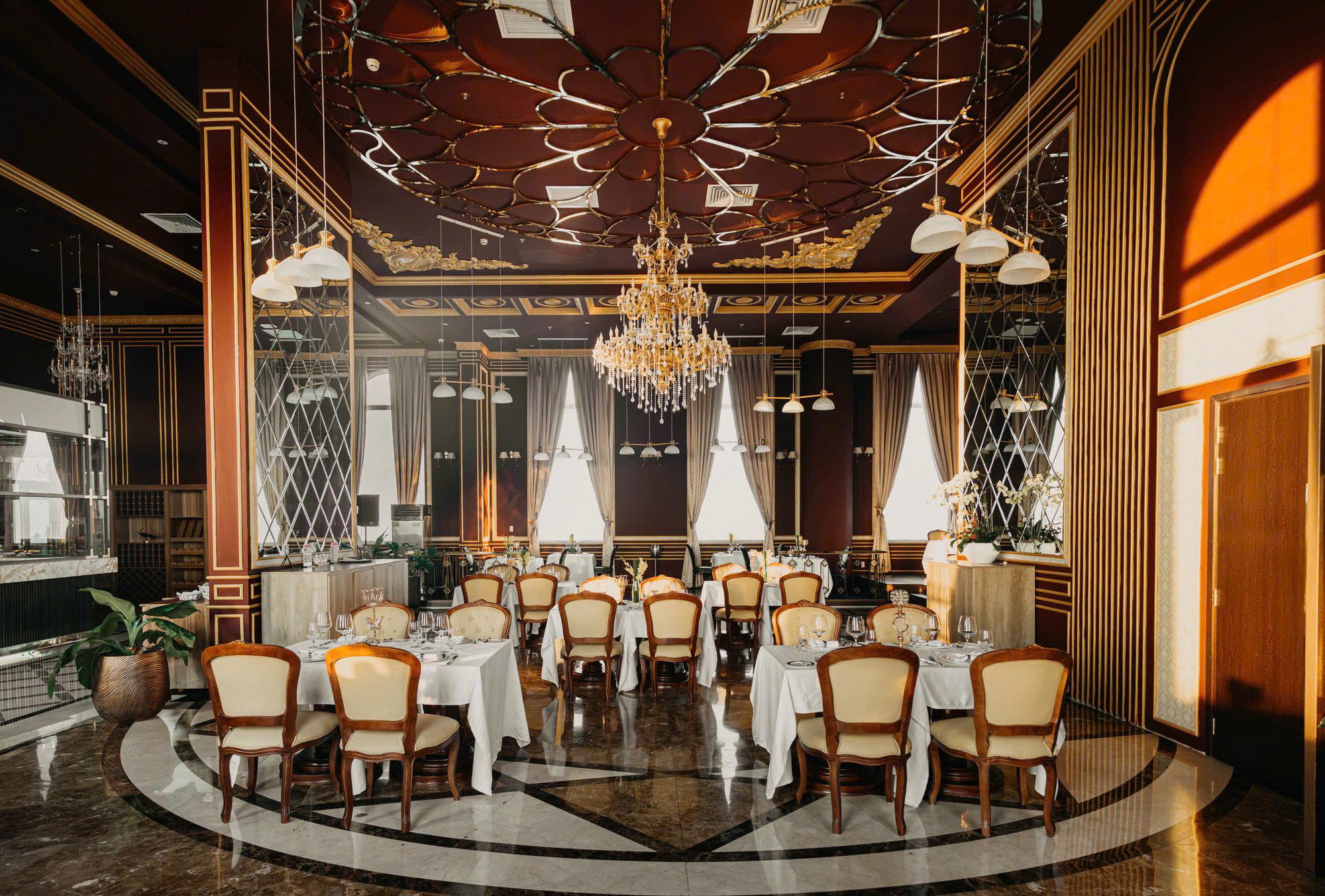
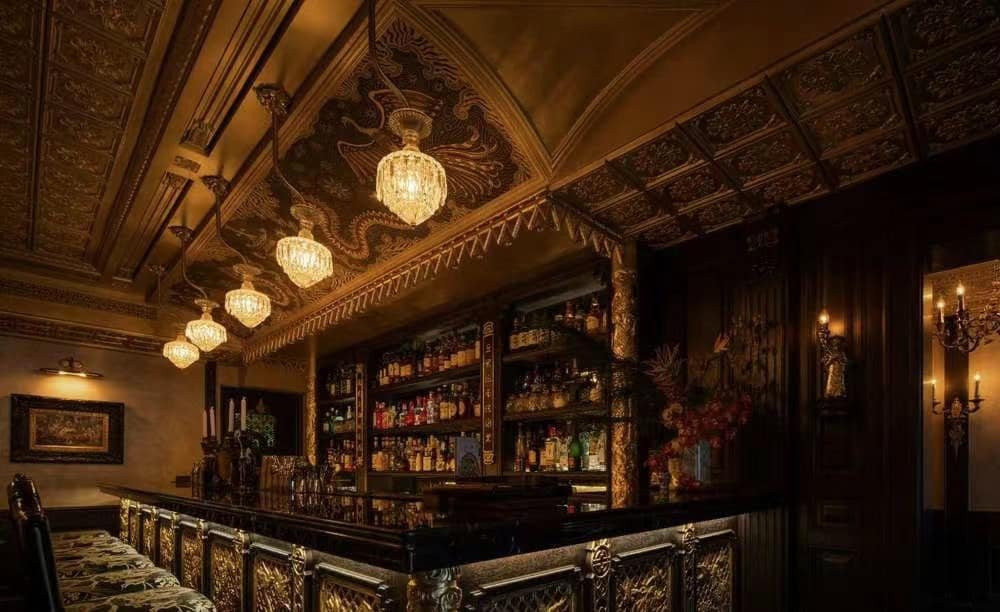
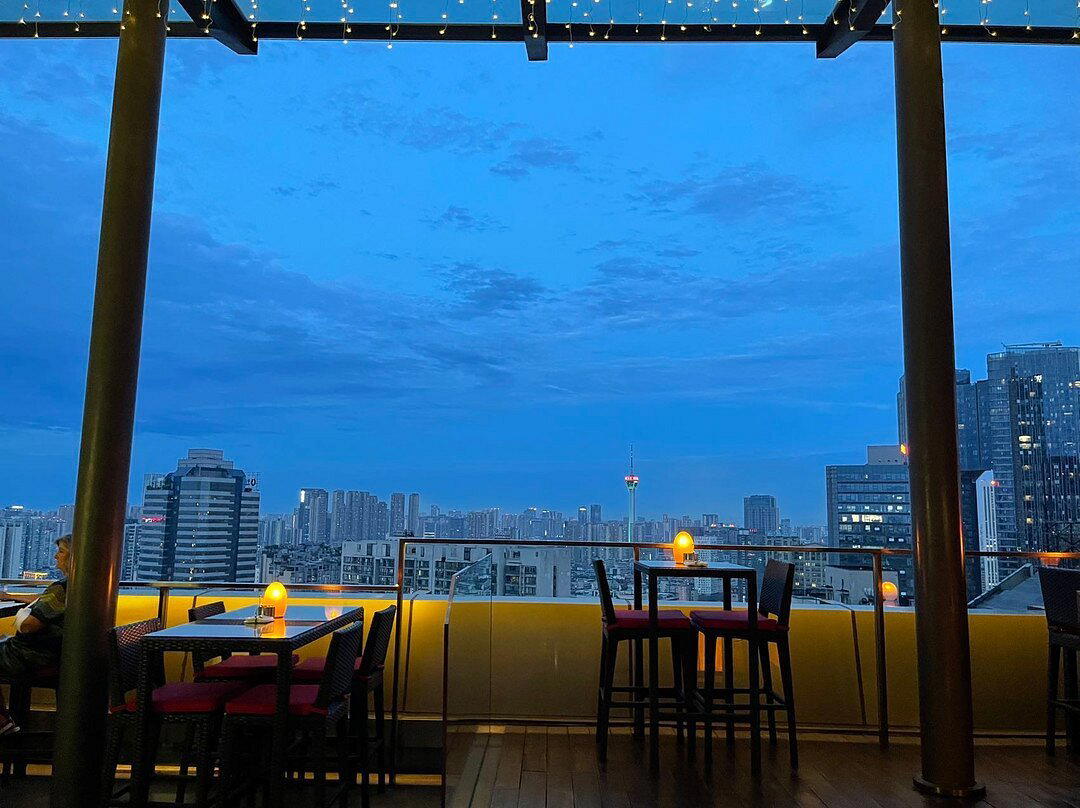
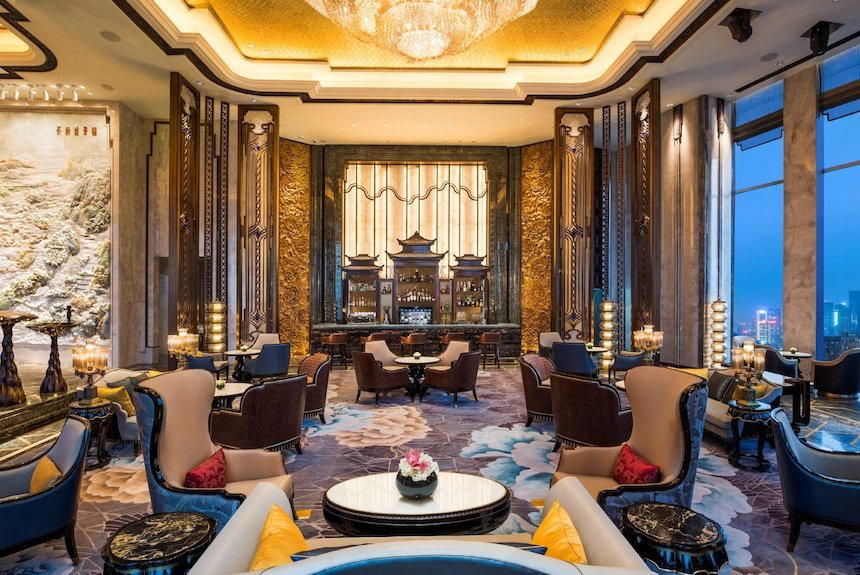
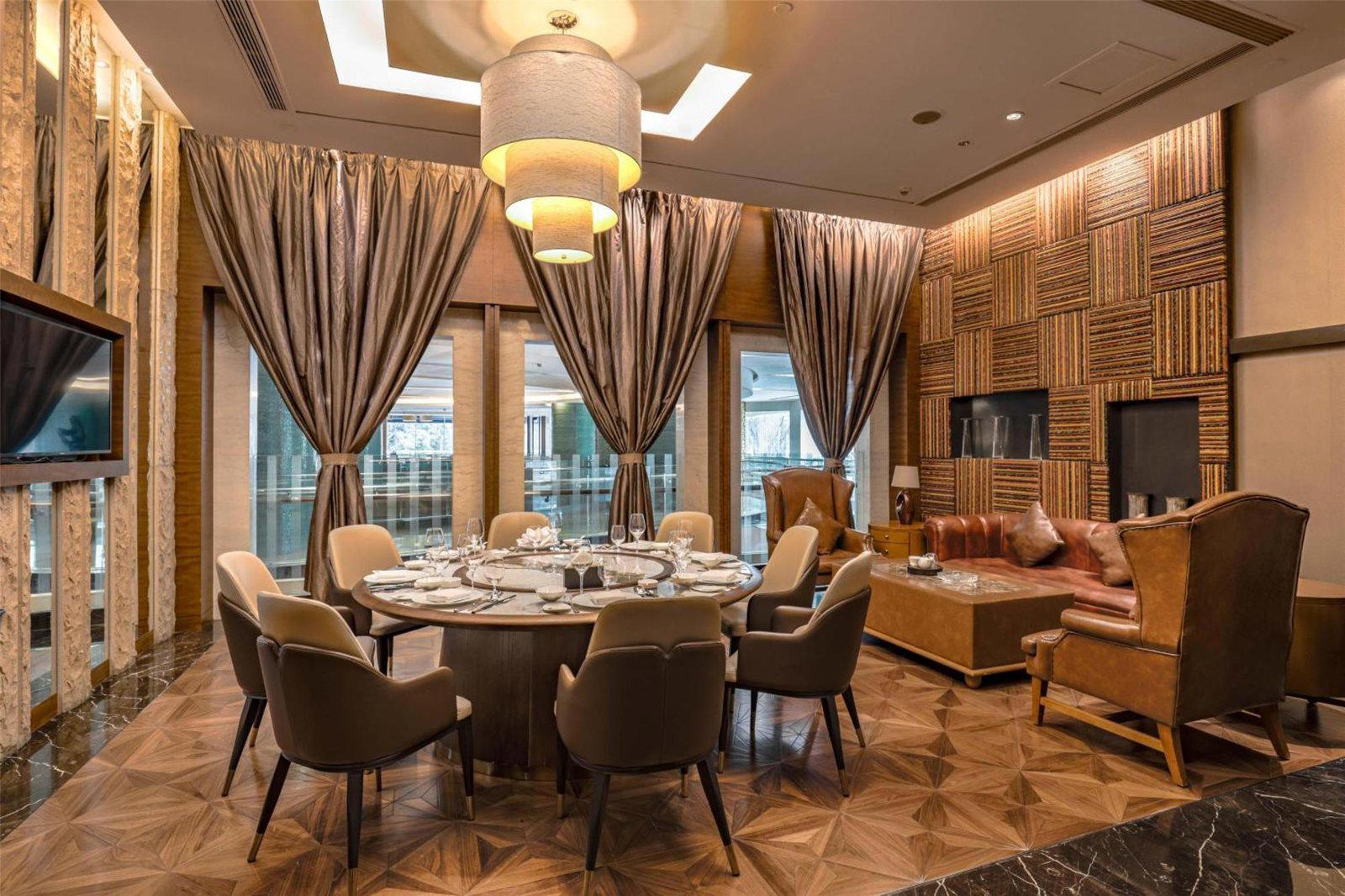
traditional with red lanterns and perforated wood windows, relaxed Chengdu style