


Among Chengdu's handful of Western fine dining addresses, The River House operates at the upper end of the price tier, pairing American-inflected European cooking with a wine list of 2,200 selections and 6,400 bottles in inventory. A 2025 Black Pearl Diamond and 2024 Michelin Plate place it in a credentialed comparable set that few of the city's European restaurants can match.
Pearl is the En Primeur Club membership app — saves, bookings, and concierge access live there. Same editors, same standards.
- Address
- 55 Renmin South Rd 2 Section, Luomashi, Jinjiang District, Chengdu, Sichuan, China, 610093
- Phone
- +86 28 8558 7927
- Website
- montagehotels.com
- Directions
- Get directions
 Saves & bookings on Pearl
European Cooking in a Sichuan City
Chengdu's dining identity is defined by chilli and numbing pepper, by street-level mapo tofu and multi-course Sichuan banquet traditions that have accumulated Michelin recognition in recent years. Against that backdrop, a European restaurant operating at the ¥¥¥ price point occupies a deliberately narrow position. The city has few Western fine dining rooms that hold credentialed awards, and The River House, on Renmin South Road in the Jinjiang District, is one of them. Its 2025 Black Pearl 1 Diamond is not common credentials for this category in this city, and it signals a level of kitchen discipline and front-of-house consistency that most of the competition in that Western dining niche does not reach.
That context matters because Chengdu's European fine dining scene functions differently from the equivalent in Beijing or Shanghai. Where those cities have larger expatriate communities and longer histories of imported dining formats, Chengdu's Western restaurant market is smaller and more selective. Diners who sit down at The River House are choosing against an extraordinarily strong local alternative, Yu Zhi Lan and Xin Rong Ji operate at ¥¥¥¥ and represent the upper tier of Chinese fine dining in the city, so the decision to come here is a considered one. For comparable European positioning in other Chinese cities, Stiller in Guangzhou and Aroma in Guangzhou offer points of reference on format and price tier.
The Sourcing Question in a Landlocked Province
Running a European kitchen in Sichuan raises a question that does not arise in coastal cities: where does the ingredient supply come from? The province is landlocked, and while Sichuan's agricultural output is substantial, it is one of China's major producers of pork, poultry, mushrooms, and preserved vegetables, it is not a natural source of the proteins and dairy that European cooking depends on. What a kitchen in this position does with that constraint defines its character more than any single dish.
The American inflection of the cooking at The River House is relevant here. American-style European cooking, as practised at the upper end of the market, has historically been less rigid about classical French sourcing hierarchies and more willing to work with strong regional produce when it performs. That pragmatism, applied in a Sichuan context, creates the possibility of a kitchen that draws on local market depth for vegetables, aromatics, and secondary proteins while importing where the cooking genuinely requires it. Chef Daniel Vesey leads the kitchen; Wine Director P.J. Myers and Sommelier Elena Syrovatkina run the wine program; General Manager Todd Phillips oversees the floor. That is a fully structured senior team by any measure, and in Chengdu's Western dining category, a kitchen-and-wine leadership structure of this depth is not the norm.
For diners who want to track the broader question of ingredient sourcing and regional produce use across Chinese fine dining rooms, the contrast with purely Chinese fine dining addresses is instructive. Fang Xiang Jing and Fu Rong Huang both operate in Sichuan cuisine at serious price points and draw on the province's indigenous ingredient traditions as a feature rather than a constraint. The River House operates from a different set of inputs and answers to a different tradition.
A Wine List That Changes the Conversation
The wine program here is not incidental. With 2,200 selections and 6,400 bottles in inventory, priced at the $$$ tier, this is a collection built for serious engagement. The strengths run across California, Burgundy, Bordeaux, Tuscany, Piedmont, Champagne, the Rhône, and broader France, Italy, and Spain. That coverage is wide rather than deep in any single region, which suggests a list designed to serve a range of dining preferences rather than to function as a specialist cellar in one tradition.
To place this in context: a 2,200-selection list in a European restaurant in China is substantial. Most Western fine dining rooms in second-tier Chinese cities operate with lists that are a fraction of that depth. The restaurant's wine program is a differentiating credential in Chengdu's market, and it positions the restaurant in a comparable set that includes wine-serious European rooms in Shanghai and Beijing.
The Champagne and Burgundy strengths are worth noting specifically. Those two categories draw collector interest in China's premium wine market, and a list with documented depth there is making a statement about its intended audience. The California strength adds a dimension that aligns with the American culinary direction of the kitchen.
Where It Sits in the Chengdu Picture
Chengdu's credentialed dining scene is heavily weighted toward Chinese formats. The Black Pearl and Michelin programs in the city have recognised Sichuan cooking far more than Western styles, which reflects the actual distribution of serious cooking in this market. The restaurant's Black Pearl Diamond in 2025 places it in a small cohort of Western restaurants that have cleared that bar. For comparison, Hokkien Cuisine in Chengdu addresses a different regional Chinese tradition, and the broader spread of Chengdu's recognised dining can be mapped through the Chengdu restaurants guide.
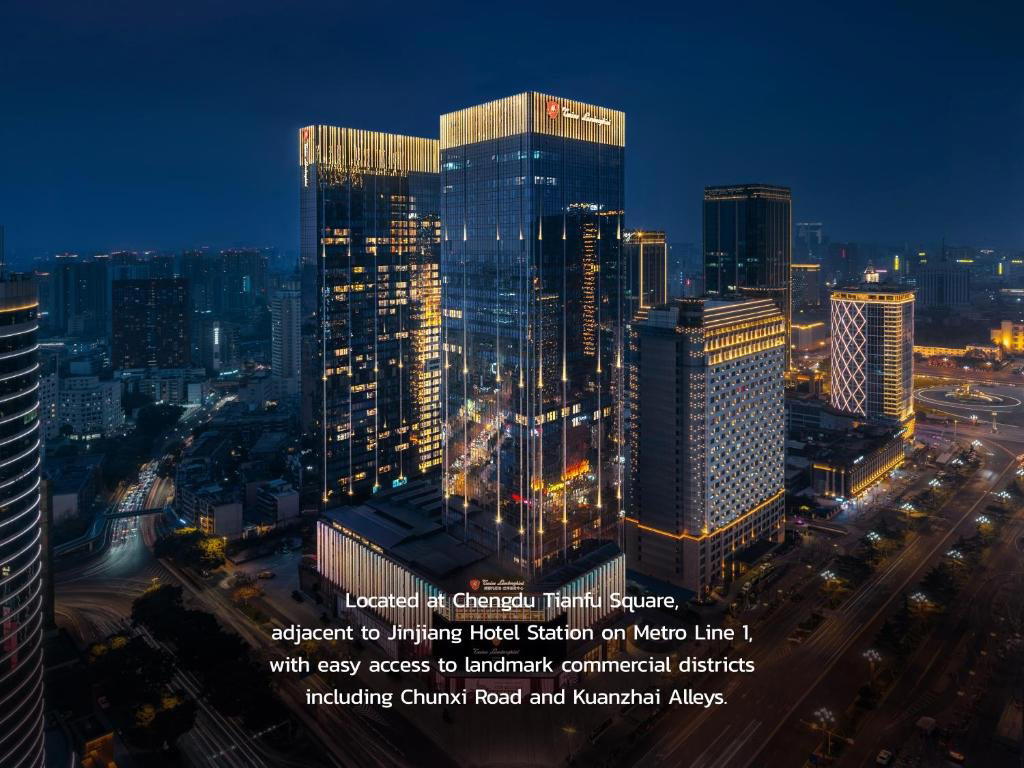
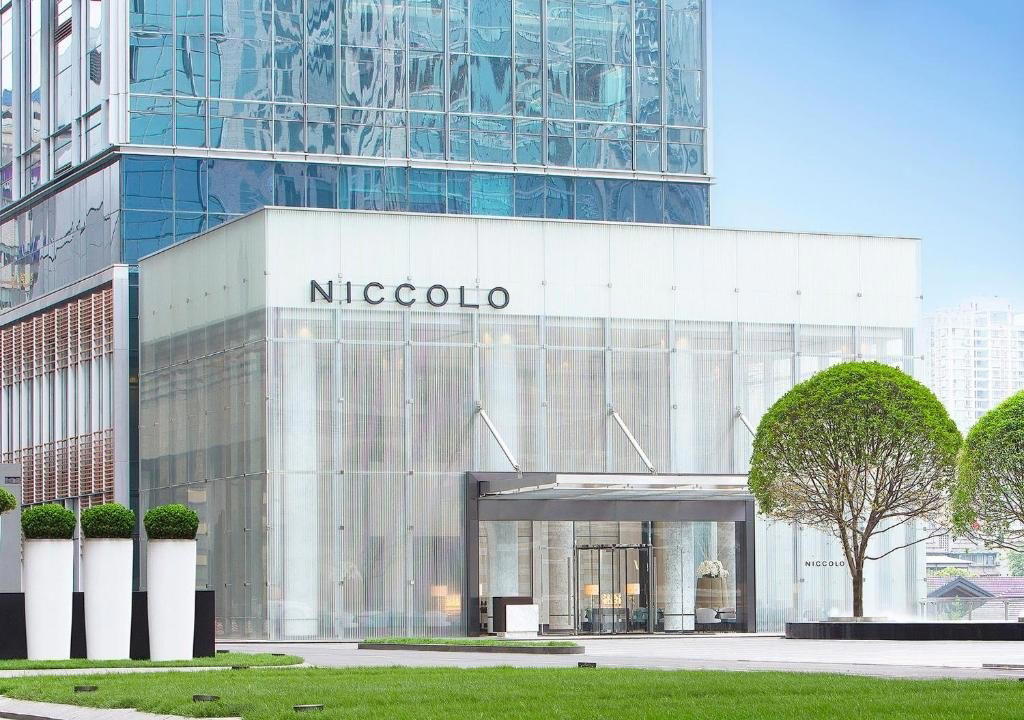
The address on Renmin South Road, in Jinjiang District, places it in a central, accessible part of the city rather than in a hotel corridor or peripheral development zone. That location matters for a Western fine dining room: it means the restaurant functions as a destination in its own right rather than as a convenience for hotel guests. Comparable European fine dining in other Chinese cities, including Chef Tam's Seasons in Macau, Imperial Treasure in Guangzhou, and Dai Yuet Heen in Nanjing, mostly operate inside hotel structures. The restaurant's standalone positioning in a central district gives it a different relationship with its neighbourhood and its local clientele.
And for the Chinese fine dining comparison at the city's upper end, Xin Rong Ji on Xinyuan South Road in Beijing provides a useful reference on what the same group does at a different address and price point.
Know Before You Go
- Address: 55 Renmin South Road, Section 2, Luomashi, Jinjiang District, Chengdu, Sichuan 610093
- Cuisine: European (American-inflected)
- Price tier: ¥¥¥ (dinner, two courses excluding wine)
- Meals served: Dinner
- Awards: Black Pearl 1 Diamond (2025); Michelin Plate (2024)
- Wine list: 2,200 selections, 6,400 bottles in inventory; strengths in California, Burgundy, Bordeaux, Tuscany, Piedmont, Champagne, Rhône
- Wine pricing: $$$ (many bottles over $100)
- Corkage fee: $35
- Key staff: Chef Daniel Vesey; Wine Director P.J. Myers; Sommelier Elena Syrovatkina; General Manager Todd Phillips
A Tight Comparison
Comparable venues nearby, for context on price, style, and recognition.
| Venue | Cuisine | Price |
|---|---|---|
| The River HouseThis venue — the venue you are viewing | European | $$$ |
| Art Yinba | Suangliuxian, Modern Sichuan | $$$ |
| Cloud Arise (Chenghua) | Chengdushi, Traditional Sichuanese | $$$ |
| Yanyu (Wuhou) | Chengdushi, Fujian with Sichuan Twist | $$$ |
| Chengdu Restaurant | Chengdushi, Sichuan Cuisine | $$ |
| Song Chuan | Chengdushi, Sichuanese | $$$ |
Recognition history
Dated appearances from independent guides and award organizations, with the underlying list record or original source where available.
Black Pearl 1 Diamond
Black Pearl
Black Pearl 1 Diamond
Black Pearl
Wine Spectator Best of Award of Excellence
Wine Spectator
Michelin Plate
Michelin
At a Glance
- Elegant
- Romantic
- Scenic
- Sophisticated
- Date Night
- Special Occasion
- Celebration
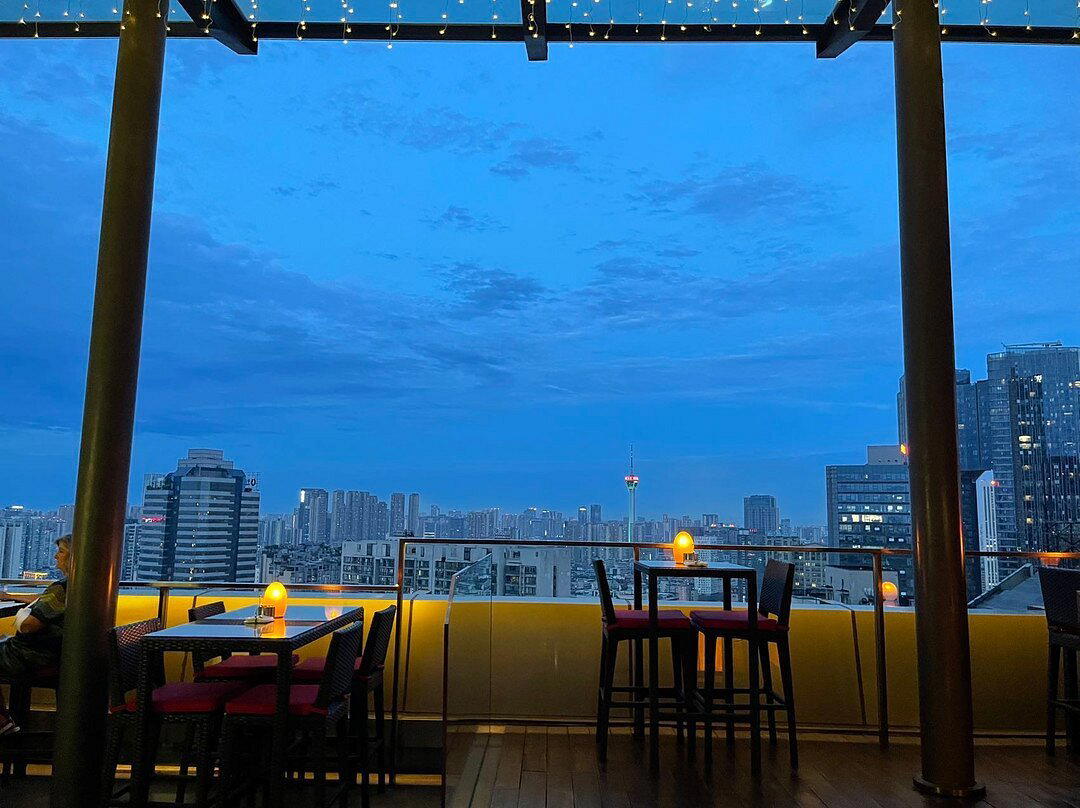
- Panoramic View
- Hotel Restaurant
- Corkage Allowed
- Skyline
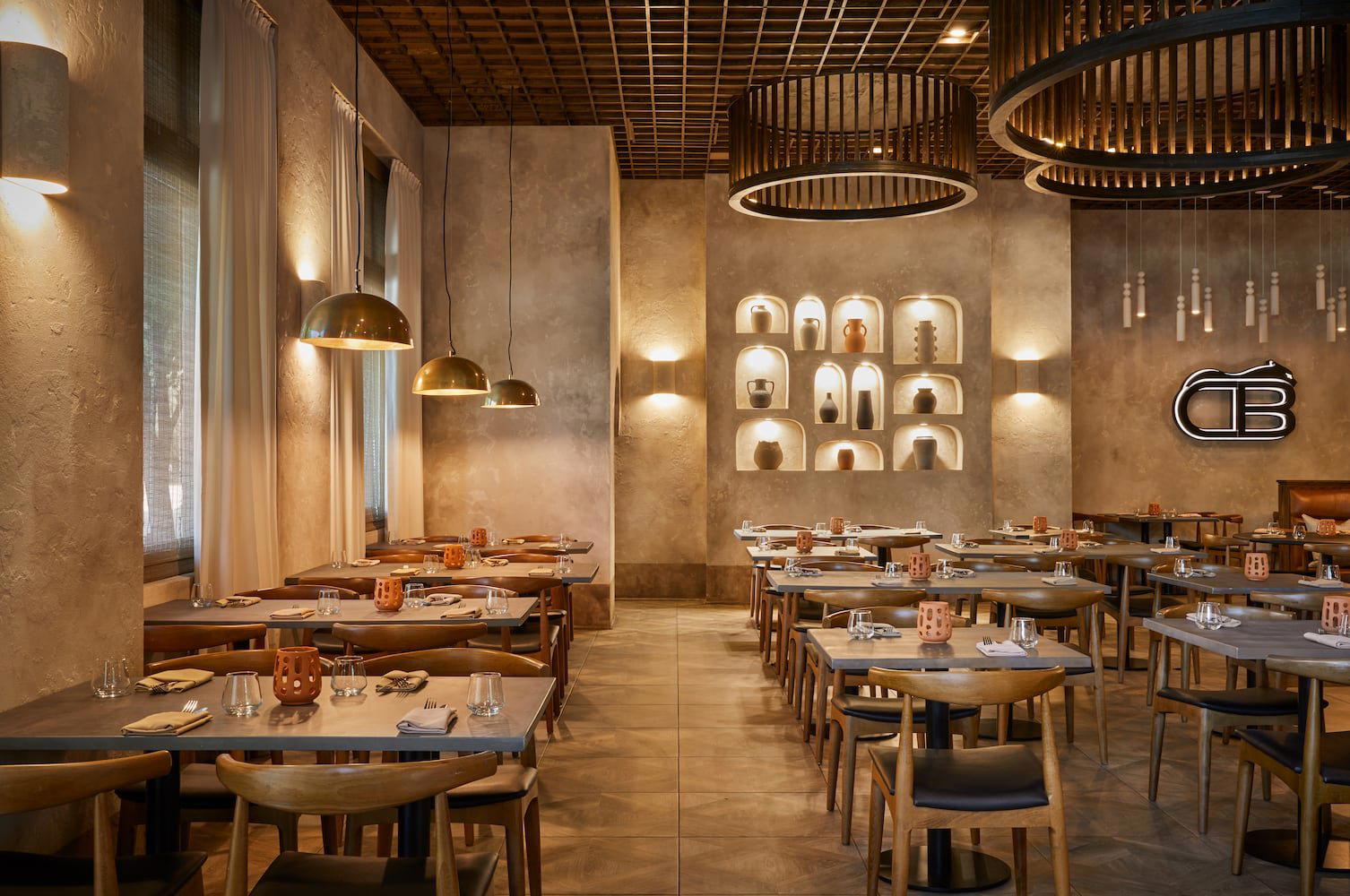
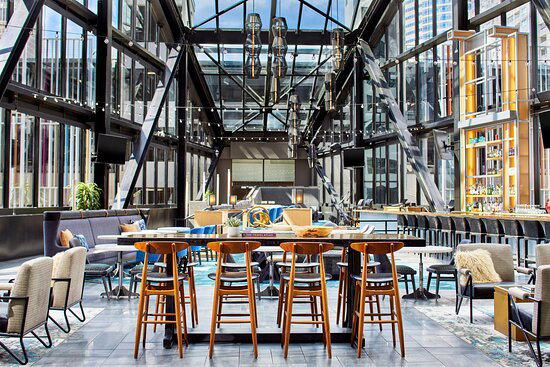
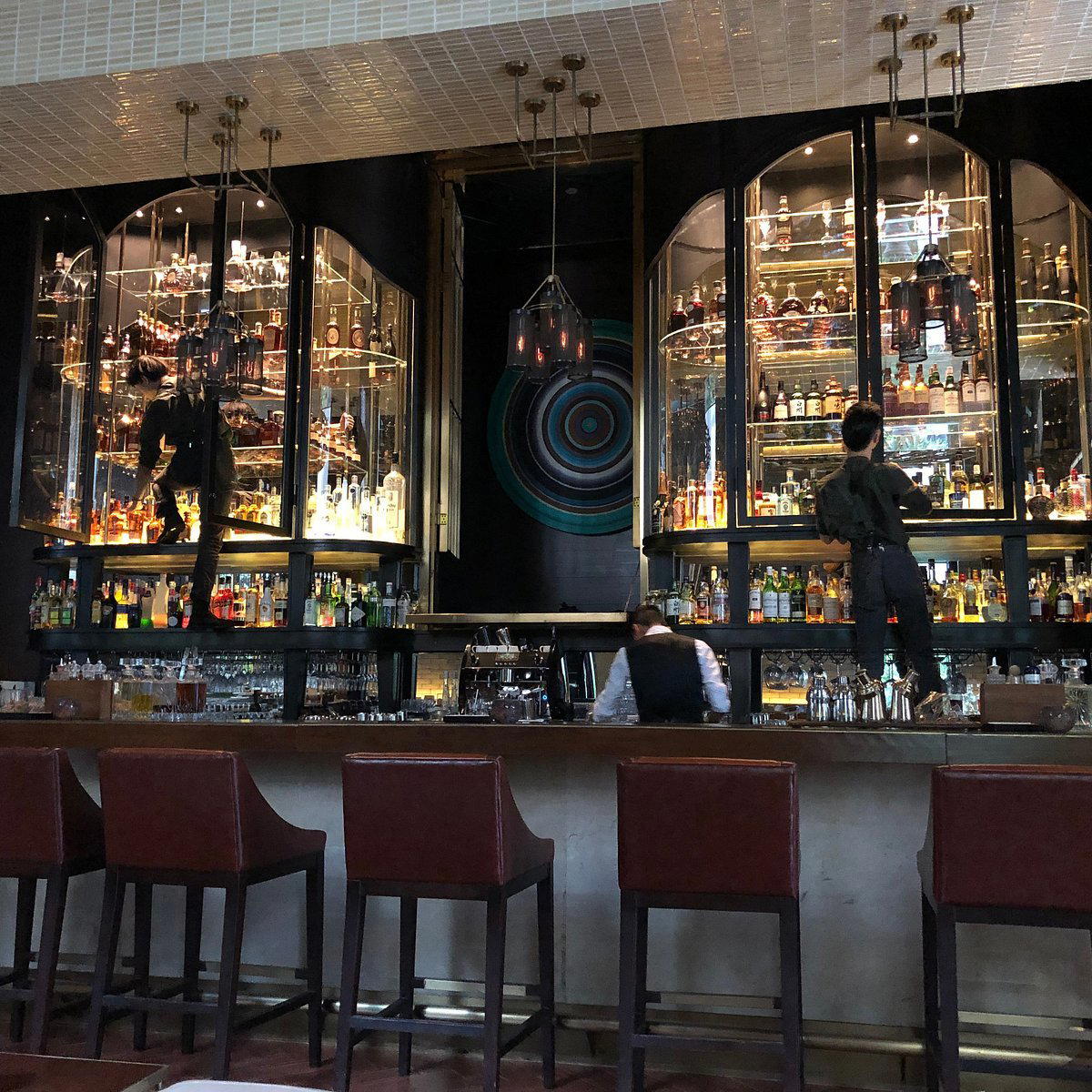
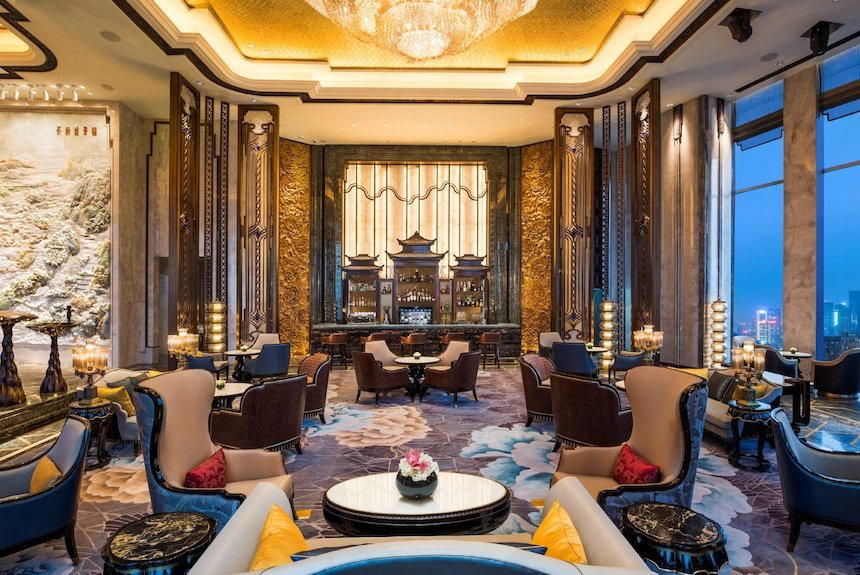
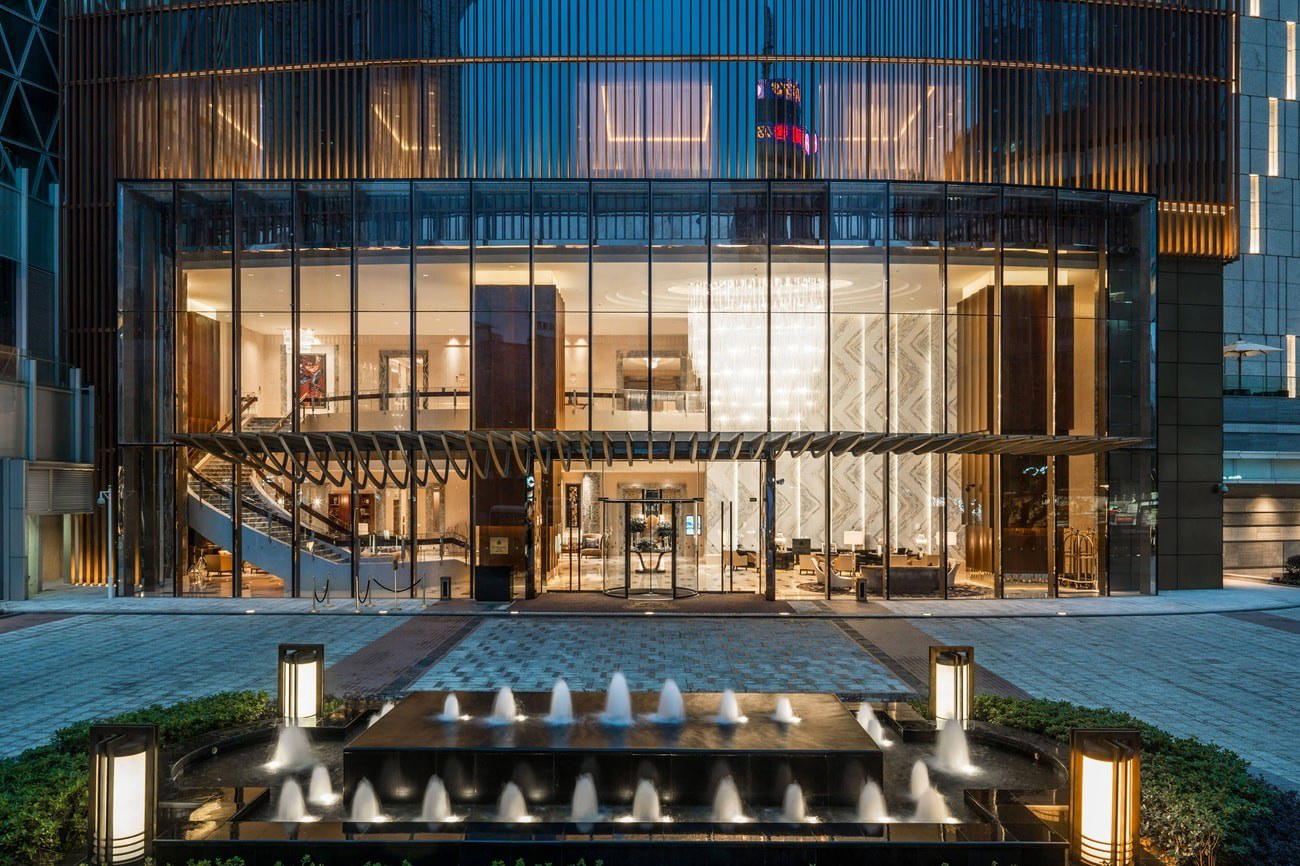
Clean modern interior with romantic atmosphere enhanced by good music and attentive service.