Rhombus Park Aura Chengdu Hotel sits inside Chengdu’s hotel conversation as a city-stay option where the guest experience matters more than resort theatre. With, it is best read through its urban context: a Chengdu base for travellers comparing central convenience, service rhythm, and access to the city’s restaurants, bars, and cultural circuits.

Pearl is the En Primeur Club membership app, where members save venues, book tables and use the concierge.
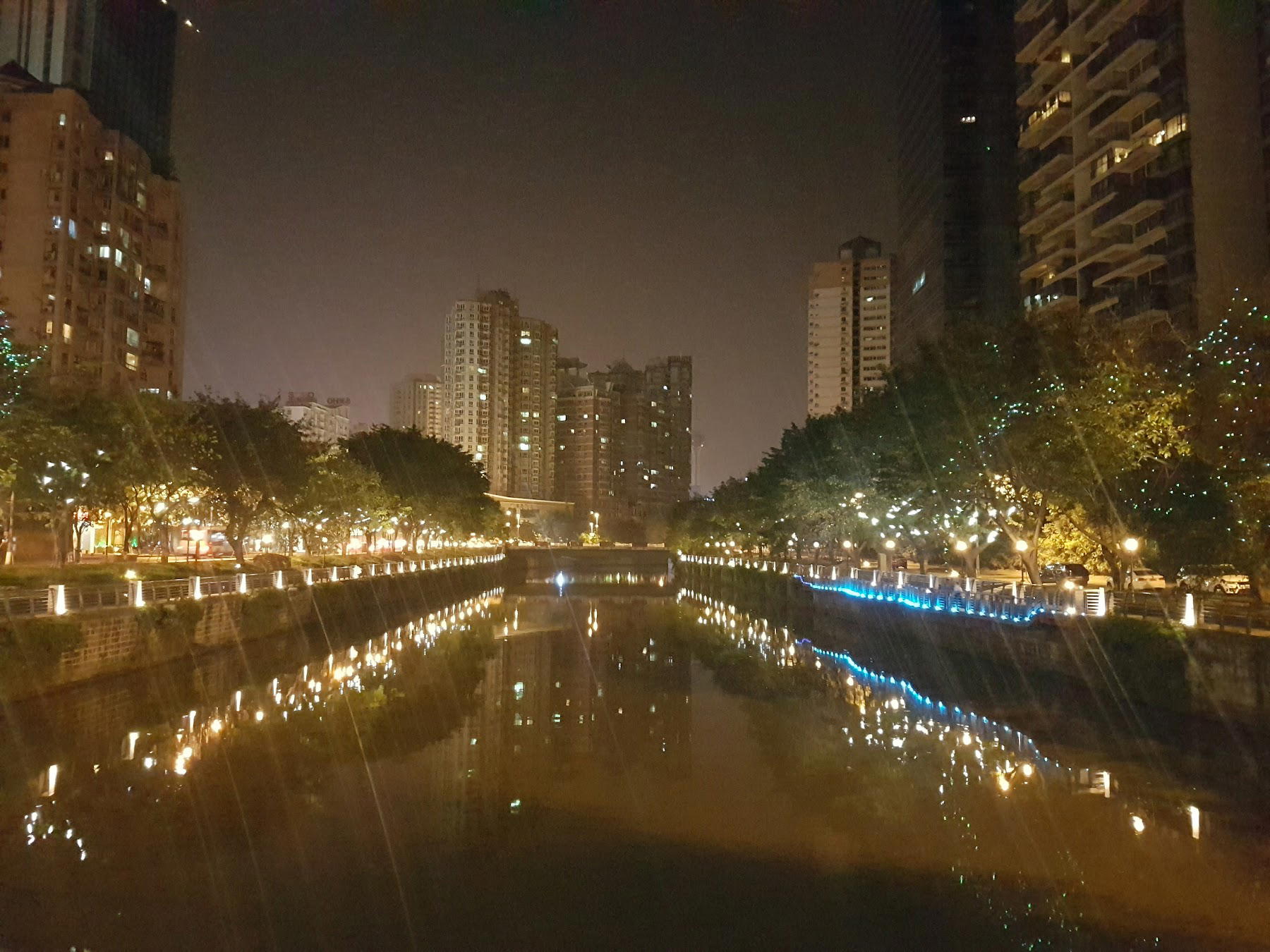
Chengdu hospitality begins before the room key
Chengdu has a particular tempo at street level: tea houses opening into the morning, traffic pressing around commercial districts, and a dining culture that can turn an ordinary evening into a serious scheduling exercise. Hotels here are judged less by grand statements than by how they soften that city rhythm for the guest. The arrival sequence, lobby pacing, staff readiness, and ability to help visitors read Chengdu’s food-and-neighbourhood map become part of the stay, especially for travellers using the city as a base rather than a resort stop.
Rhombus Park Aura Chengdu Hotel belongs to that urban-hotel category. It suits readers who care about the city’s service culture, access, and planning clarity, and who prefer to compare it against other Chengdu hotels rather than treat it as a self-contained destination.
That distinction matters in this city. Chengdu’s premium travel scene splits between international-brand scale, design-led urban properties, hot-spring or mountain retreats, and practical city hotels designed for movement. A property such as Niccolo Chengdu reads differently from Six Senses Qing Cheng Mountain; one belongs to the urban retail-and-business circuit, the other to a resort grammar shaped by Qingcheng Mountain and slower itineraries. Rhombus Park Aura Chengdu Hotel should be placed in the former conversation unless a traveller has confirmed otherwise through direct booking details.
Service culture is the real measure
Chengdu does not reward passive hotel service. Visitors often arrive with questions that are specific and time-sensitive: how early to leave for a restaurant across town, which district fits a tea-house afternoon, how to pace a spicy dinner before a late bar, or whether a cultural stop belongs before or after lunch. In a city where hospitality is interwoven with eating, drinking, and lingering, anticipatory service is less about ceremony and more about useful timing.
That is the service-philosophy test for Rhombus Park Aura Chengdu Hotel. A strong Chengdu city hotel should help translate local complexity into workable plans: restaurant timing, taxi expectations, neighbourhood sequencing, and a realistic sense of how much can fit into one day. Polished greetings matter, but practical fluency matters more.
This is also where peer comparison helps. Larger international hotels in Chengdu often offer systems: loyalty infrastructure, broad staffing, recognisable breakfast and concierge procedures. InterContinental Century City Chengdu and InterContinental Chengdu Global Center sit within that scale-driven end of the market, where predictable operations are part of the appeal. Hotel Chengdu carries another form of brand familiarity. A smaller or less documented city property has a different burden: it must prove itself through responsiveness, clear communication, and the ability to make a stay feel managed rather than merely accommodated.
The hotel as a Chengdu base, not a closed world
Some cities ask travellers to stay inside the hotel. Chengdu asks them to leave it. The city’s pleasure lies in transitions: lunch moving into tea, tea into a walk, dinner into a second stop, and the next morning resetting with noodles, coffee, or a park visit. Hotel choice should therefore be judged by how well it supports movement. The practical point remains: confirm the exact location against the day’s dining and cultural plans before treating it as convenient.
For food-focused travellers, the hotel decision should sit beside the restaurant plan rather than after it. Chengdu’s dining identity is built on Sichuan depth, from casual noodle shops and hotpot rooms to more formal interpretations of regional technique. The smartest itinerary starts with the meals that require timing, then works accommodation around those movements. Our full Chengdu restaurants guide is the correct companion when judging whether this property’s location fits the eating schedule. If a traveller is building evenings around drinks as well, Our full Chengdu bars guide helps map the late-night layer.
The same principle applies beyond dining. Chengdu’s appeal is not limited to restaurants; its hotel scene supports museum days, tea-house afternoons, opera or performance plans, temple visits, business meetings, and excursions beyond the centre. Our full Chengdu experiences guide is useful for deciding whether a city hotel should function as a tight overnight base or a slower headquarters. For travellers comparing accommodation broadly, Our full Chengdu hotels guide gives the wider field, while Our full Chengdu wineries guide covers the beverage-focused end of the local travel map.
How to read the missing data
Absence of public detail is not a flaw by itself, but it changes the decision-making standard. That means travellers should avoid assuming luxury tier, dining ambition, service inclusions, or room category depth from the name alone. In a city with a wide accommodation spread, unverified assumptions are where trips become inefficient.
The useful comparison is by evidence. A hotel without those markers should be handled as a candidate that requires confirmation. Ask what matters for the trip: late arrival handling, English-language communication where needed, breakfast timing, luggage storage, transport support, restaurant help, invoice requirements, and cancellation terms. These are not glamorous questions, but they are the questions that separate a smooth Chengdu stay from one that consumes time at the front desk.
This is especially relevant for service-led travel. Anticipatory service depends on information. Staff cannot personalise well when guest priorities are vague, and guests cannot judge service clearly when expectations are unspoken. If the hotel provides clear answers on arrival timing, payment, transport, and local assistance, that is a stronger signal than decorative language. If answers are thin, compare against better-documented Chengdu alternatives.
Where it sits among Chengdu hotel choices
Chengdu’s hotel field is broader than the conventional business-versus-leisure split. There are city-centre properties for shopping and dining, large conference-oriented hotels, leisure compounds tied to water parks or resort facilities, and quieter stays shaped around landscape or cultural proximity. Chengdu Expo Waterfall - MGallery and Ocean Spring Chengdu - MGallery signal a different style of stay from a compact urban base. Guanyin Yiyuntai Hotel belongs to another comparison set again, where the traveller is likely weighing character and setting more carefully than chain familiarity.
Rhombus Park Aura Chengdu Hotel is most sensibly considered by travellers who already know their Chengdu days will happen outside the property. That does not make the hotel secondary. In a city with heavy food itineraries, variable traffic, and district-by-district differences in mood, the hotel acts as the hinge. The right one makes the day legible; the wrong one turns every plan into a negotiation with time. Service philosophy, in this context, is not abstract. It shows up in whether staff understand that a dinner reservation across town needs a departure buffer, whether luggage handling is efficient, and whether local guidance is specific rather than generic.
For travellers deciding between Rhombus Park Aura Chengdu Hotel and more documented peers, the question is not which property carries louder claims. The question is which evidence matches the trip. Brand-led travellers may prefer the predictability of the InterContinental or options. Design-focused travellers may compare against Niccolo. Resort-minded visitors should look toward Qingcheng Mountain or MGallery-style alternatives. A practical city traveller can keep Rhombus Park Aura Chengdu Hotel on the list, provided the missing operational details are confirmed before arrival.
China comparisons for service-minded travellers
Chengdu is part of a wider Chinese hotel culture in which service expectations shift sharply by city. Beijing properties often carry a stronger heritage-and-diplomacy frame, visible in choices such as Mandarin Oriental Qianmen in Beijing. Shanghai leans toward vertical city luxury and corporate polish, a register that makes JW Marriott Hotel Shanghai at Tomorrow Square in Shanghai a useful reference point. Guangzhou, Macau, Xiamen, Urumqi, Chongqing, Suzhou, and rural Guangxi each speak a different hotel language.
That broader map matters because travellers often combine Chengdu with other Chinese stops. LN Hotel Five in Guangzhou belongs to a river-city hospitality setting; Star Tower at Studio City Macau in Macau sits inside an entertainment-driven market; Tian Ranju Inn in Tian Tou Zhai points toward a slower rural stay; Conrad Urumqi in Urumqi and Conrad Xiamen in Xiamen show how the same country can demand different service assumptions. InterContinental Chongqing Raffles City in Chongqing is useful for travellers comparing western China’s major urban hubs, while The Hanyu Garden Reserve Suzhou in Suzhou sits closer to garden-city refinement.
International comparisons sharpen the point. The Fifth Avenue Hotel in New York City, Hôtel de Paris Monte-Carlo in Monte Carlo, and Badrutt's Palace Hotel in St. Moritz operate in markets where heritage, address, and public reputation carry enormous weight. Rhombus Park Aura Chengdu Hotel, by contrast, has to be read through available practical evidence. That is not a lesser category; it is a different editorial standard.
Planning the stay
Confirm the exact address, check current rates for the travel dates, review cancellation rules, and ask about arrival time, payment methods, breakfast, luggage storage, and transport support. If restaurant reservations are central to the trip, share the schedule with the hotel in advance and ask how long transfers usually take at the relevant hour. Do not rely on a generic city estimate.
For Chengdu, timing carries weight. Peak dining periods, rain, business traffic, and cross-city movement can change the feel of a stay. The service-led traveller should judge the hotel not only by room presentation but by how well it helps protect the day’s structure. A hotel that answers logistics cleanly before arrival is already doing part of the work. A hotel that leaves basic details uncertain belongs lower on the shortlist, no matter how appealing the name sounds.
Comparable venues nearby, for context on price, style, and recognition.
| Venue | Cuisine | Price | Awards | Notes |
|---|---|---|---|---|
| Rhombus Park Aura Chengdu HotelThis venue (the venue you are viewing) | Urban all‑suite luxury hotel combining understated elegance with contemporary comforts in the heart of Chengdu’s main shopping and business district. | $1–100 | Not listed | Not listed |
| Kempinski Hotel Chengdu-City Center | Large international luxury city hotel catering to both corporate and leisure guests with extensive meeting space and full resort‑style facilities. | $1–100 | Not listed | Wuhou District |
| InterContinental Chengdu Global Center | Contemporary luxury resort within mega-structure | $100–200 | Michelin Selected · World Luxury Hotel Awards WLHA Country Winner | Chengdushi |
| Niccolo Chengdu | Contemporary luxury hotel in the heart of Chengdu's business and retail district. | $200–300 | Michelin Selected · La Liste Top Hotels | Chengdushi |
| Shangri-La Hotel Chengdu | Contemporary luxury tower blending modern elegance with Sichuan cultural influences | $100–200 | Michelin Selected | Chengdushi |
| Ocean Spring Chengdu - MGallery | contemporary water village resort integrated with natural hot springs | Not listed | Michelin Selected | Chengdushi |
Continue exploring
More in Chengdu
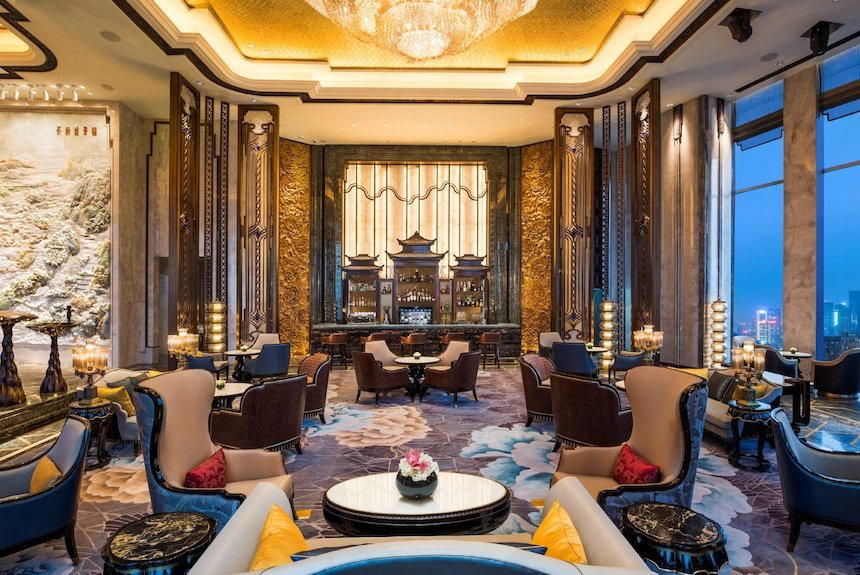
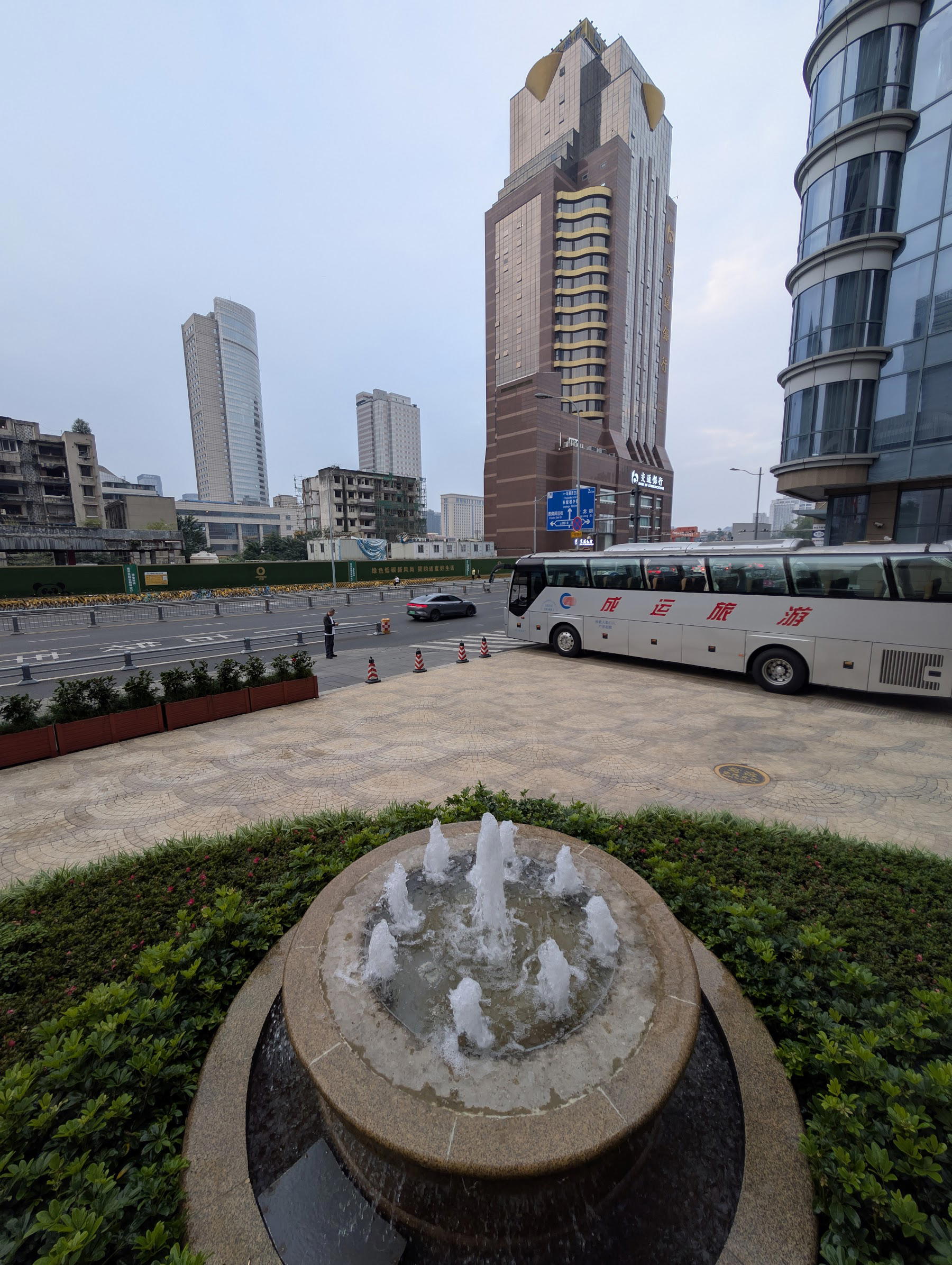
Hotels in Chengdu
All hotels in Chengdu →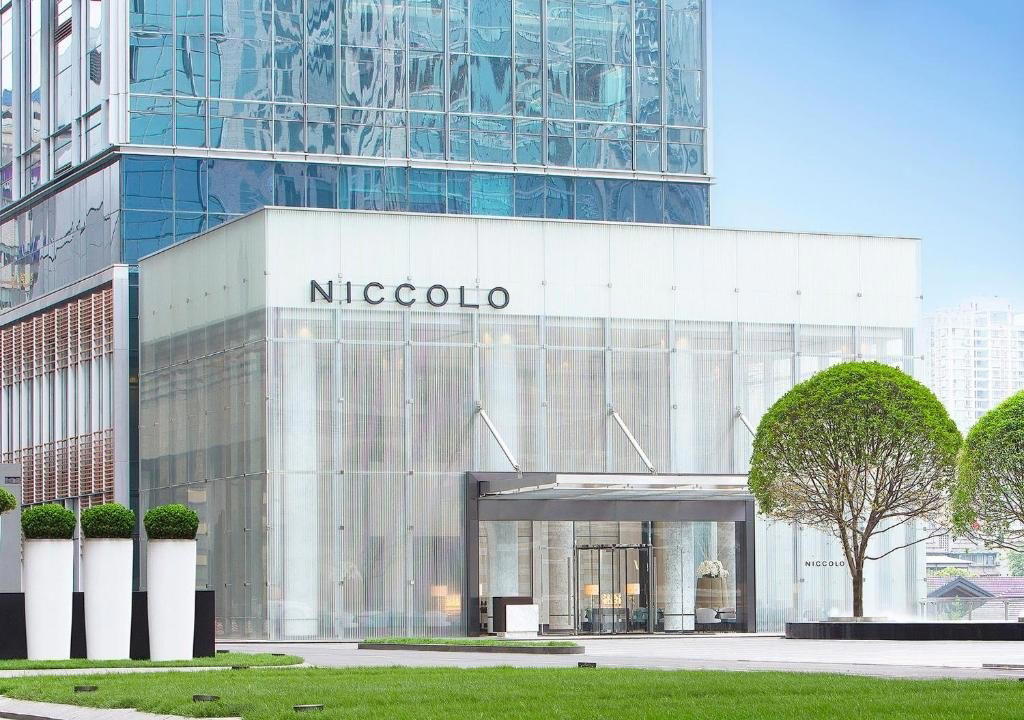
Bars in Chengdu
All bars in Chengdu →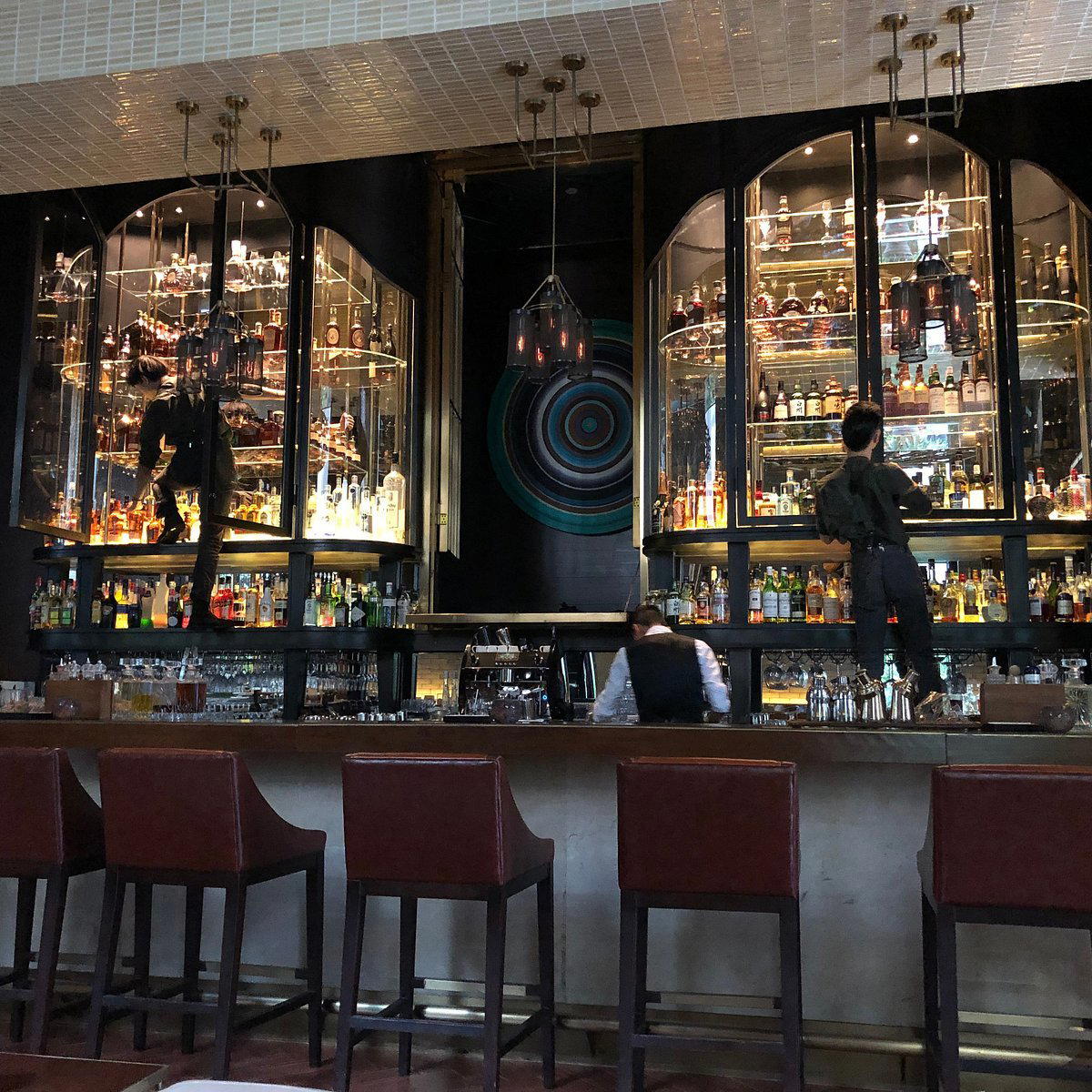
Details
- Modern
- Elegant
- Sophisticated
- Romantic
- Quiet
- Business Trip
- Family Vacation
- Romantic Getaway
- Weekend Escape
- Group Retreat
- Rooftop Pool
- Design Destination
- Panoramic View
- Terrace
- Wi Fi
- Pool
- Fitness Center
- Spa
- Room Service
- Concierge
- Business Center
- Valet Parking
- Skyline
- Street Scene
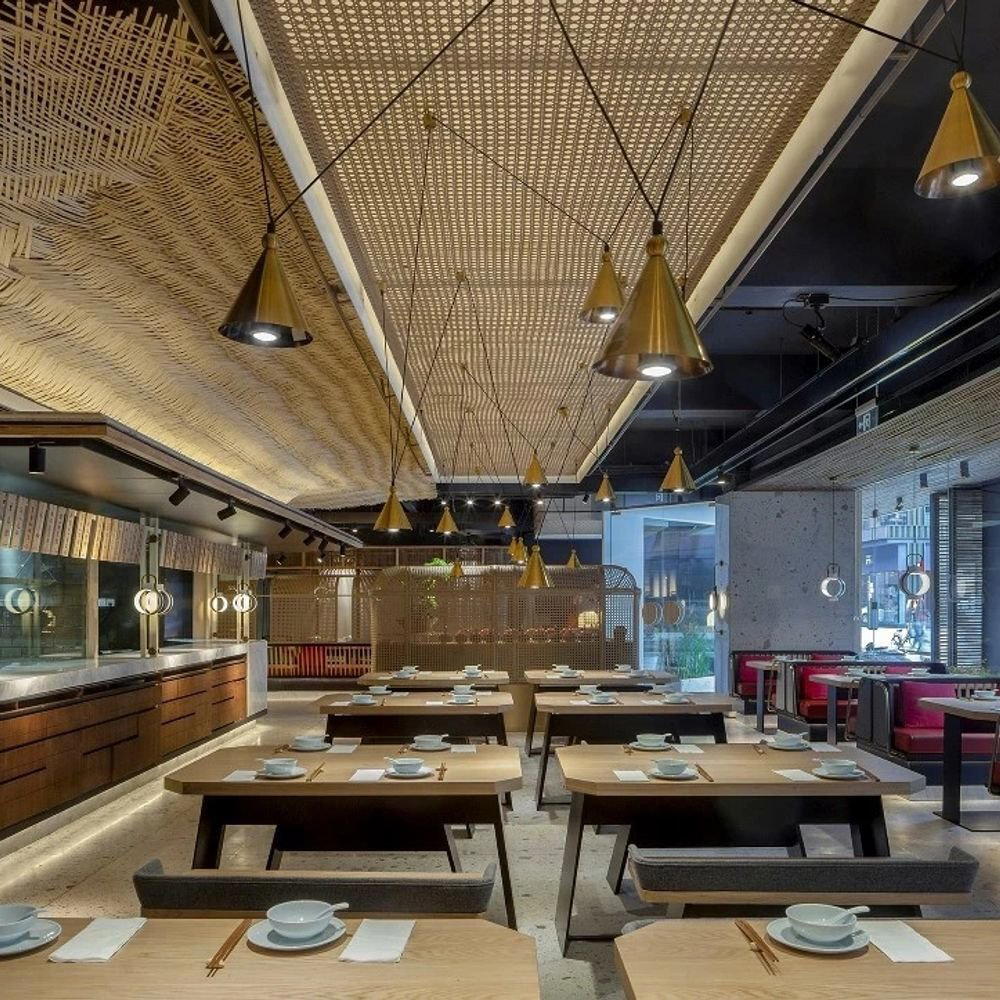
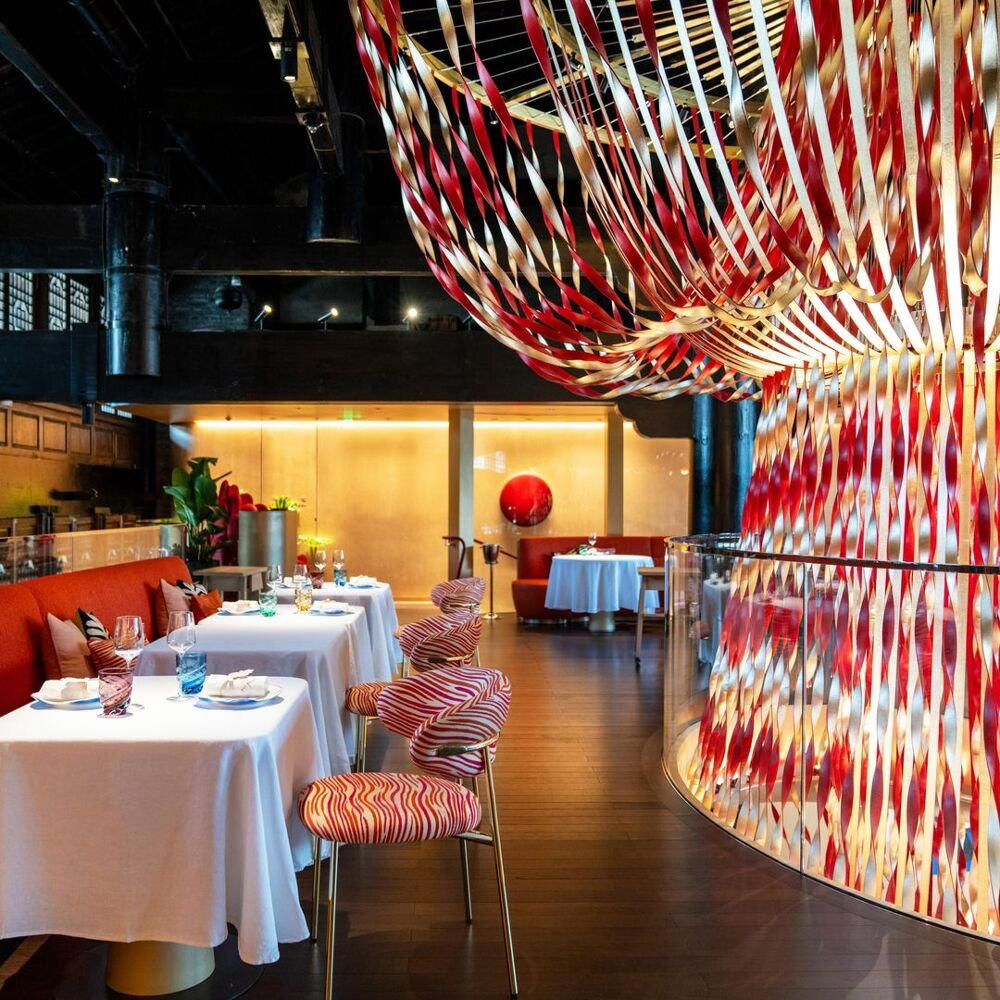
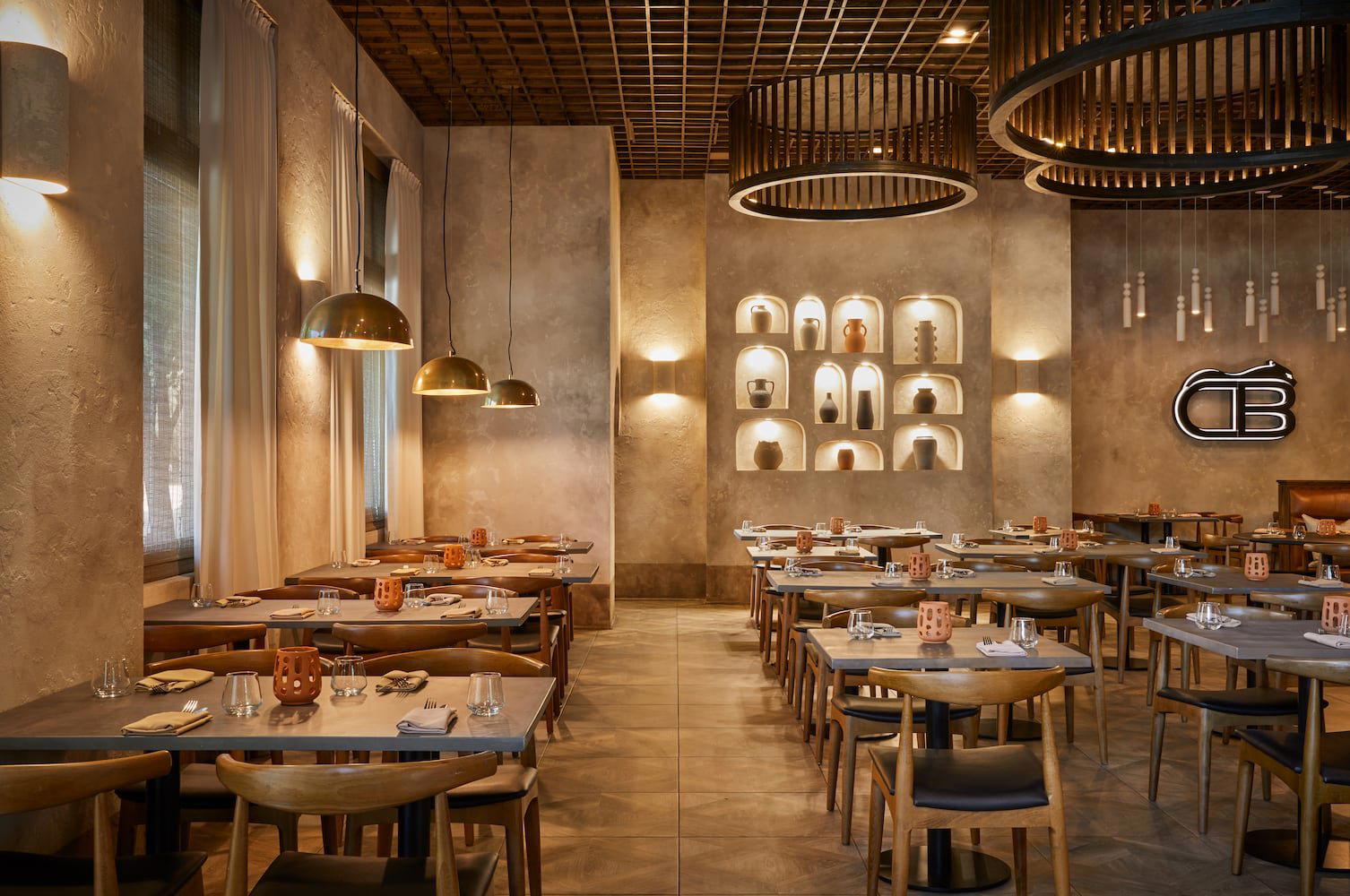
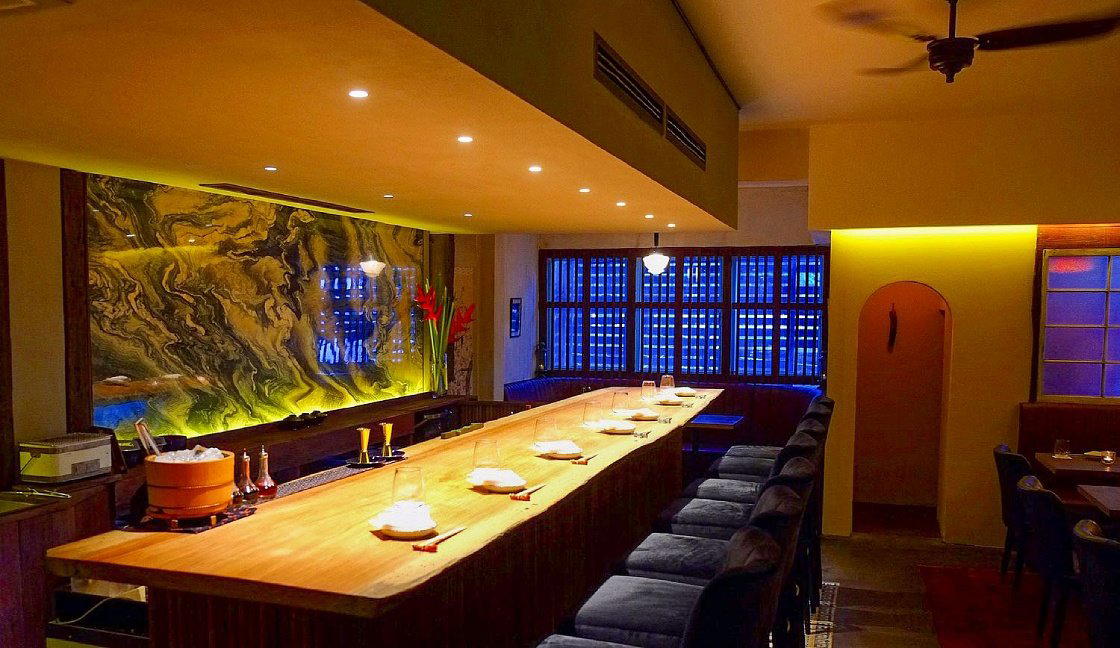
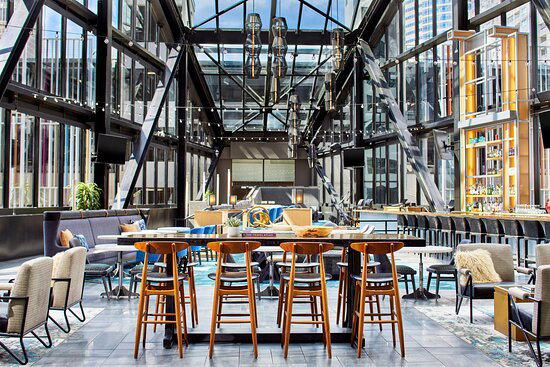
Low‑key luxury with cool-toned, contemporary interiors and a strong sense of design; public spaces and suites feel spacious, calm, and businesslike yet comfortable, suiting both upscale leisure and corporate travelers.