
Michelin Plate
Our verdict
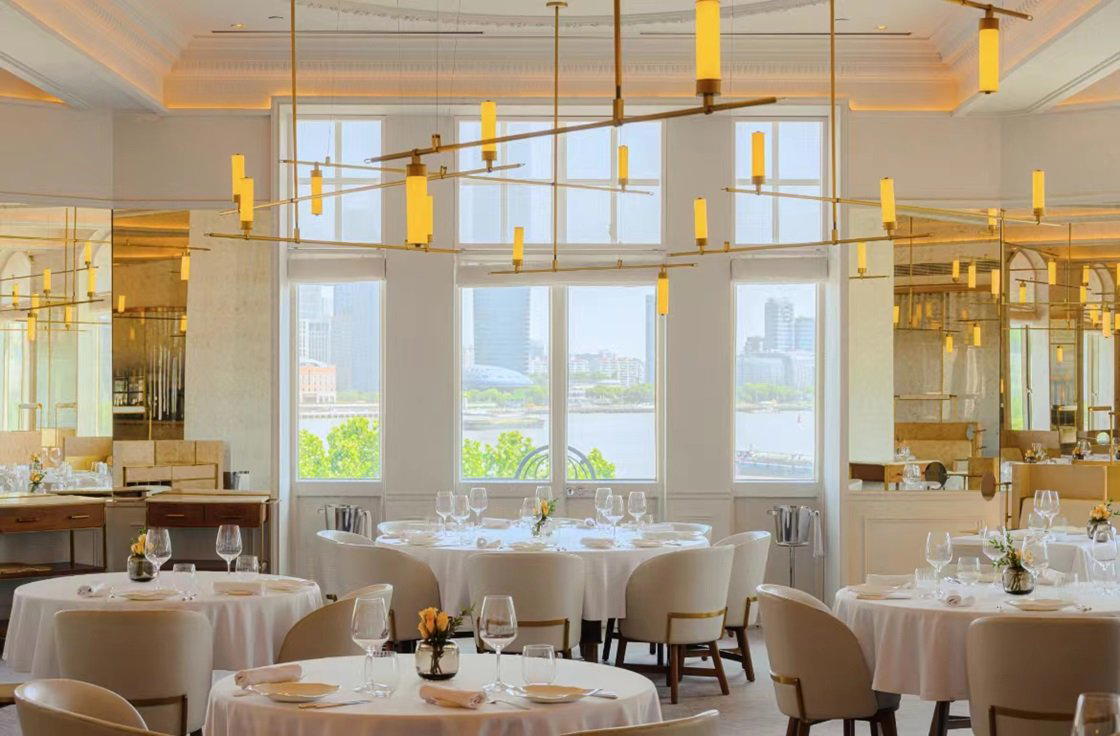
Inside a historic courtyard house in Chengdu's Qingyang District, Wu Yue Gong has operated as a private dining concept since 2018, accepting parties of two to ten by reservation only. Menus are composed to order, drawing on Sichuanese technique alongside Cantonese, Guanfu, Huaiyang, and Western references. At the ¥¥ price point, it represents one of the city's more considered approaches to contemporary cross-regional Chinese cooking.

Pearl is the En Primeur Club membership app — saves, bookings, and concierge access live there. Same editors, same standards.
- Address
- 28 Wuyuegong St, 草市街 Qingyang District, Chengdu, Sichuan, China, 610084
- Phone
- +86 28 8733 2523
- Directions
- Get directions
The menu
What to order
- Kung Pao Prawns
- Chargrilled Beef Ribs
- Dragon Soars Across the Seas Lobster
- Marbled Beef Rib
A Courtyard Address in Qingyang
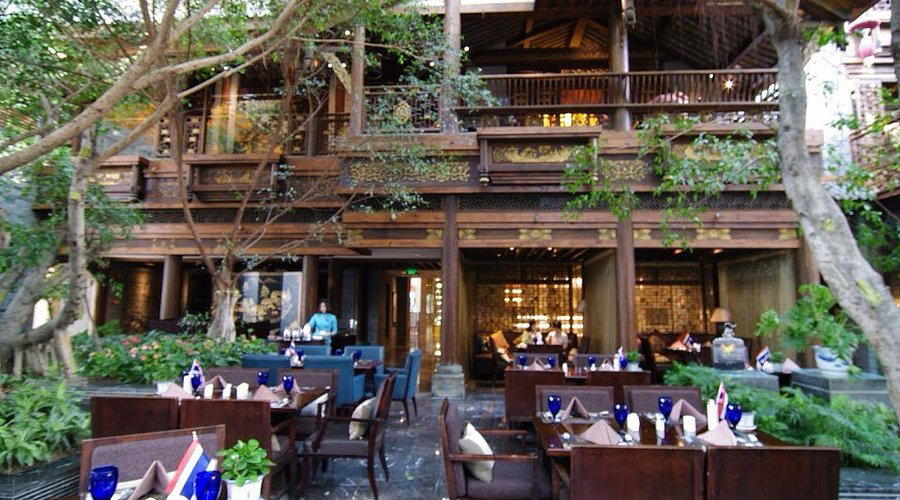
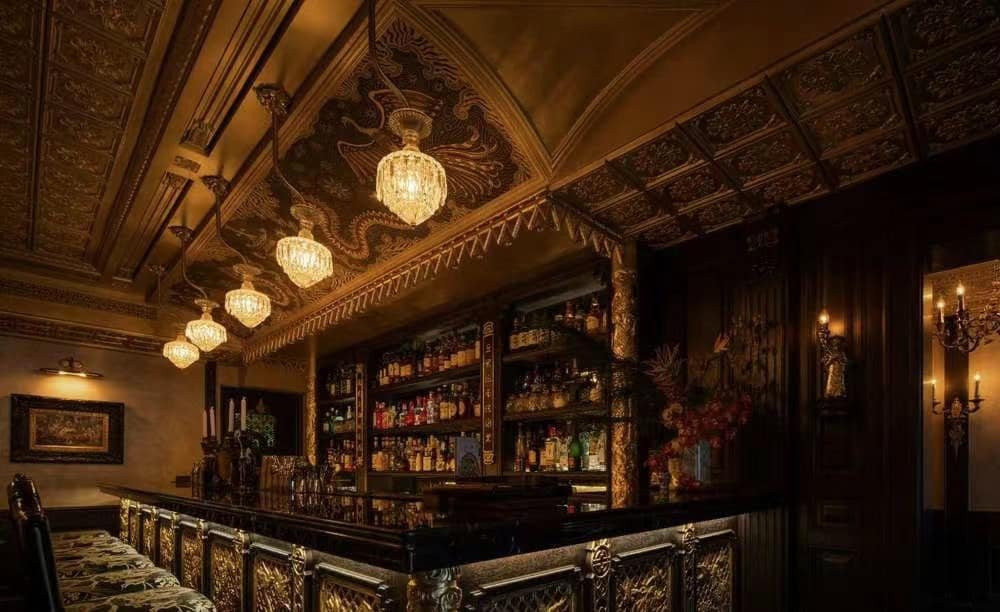
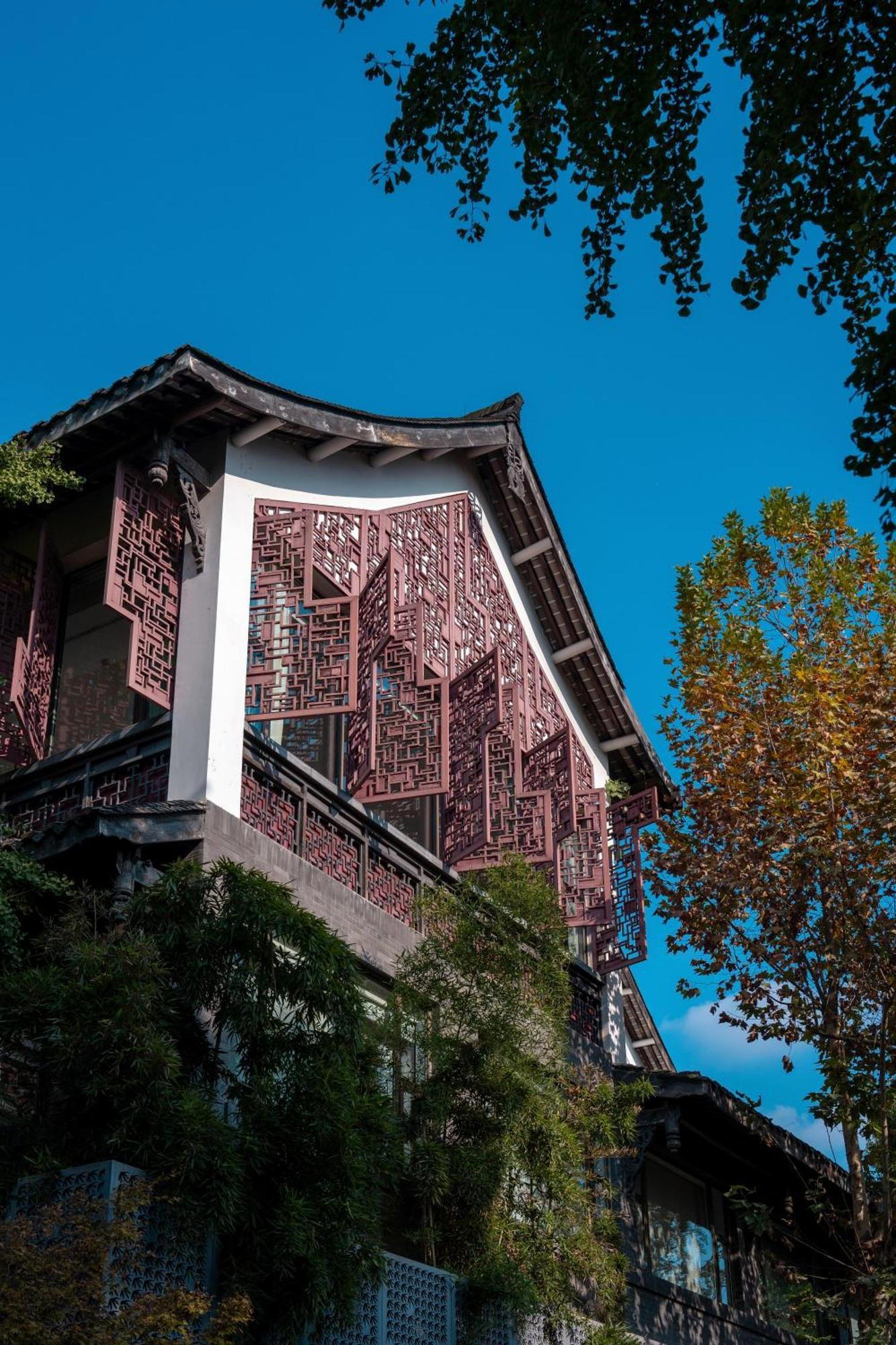
Chengdu's dining scene has long operated on two registers: the loud, communal heat of street-level Sichuan and a quieter tier of private rooms and courtyard addresses that trade on discretion rather than volume. Wu Yue Gong, on Wuyuegong Street in the Qingyang District, belongs to the second category. The venue occupies a historic courtyard house that was converted into a hotel before the private dining concept opened within it in 2018. That physical setting does significant work before a single dish arrives: arrival through a traditional courtyard in one of Chengdu's older neighbourhoods signals a different contract with the diner than a restaurant that fronts a modern boulevard.
Qingyang is one of the city's central districts, close enough to landmarks like the Qingyang Temple and the Du Fu Thatched Cottage to carry genuine historical weight. The area's older fabric, where lane-side architecture survives alongside newer development, makes it a reasonable home for a concept that explicitly frames itself around heritage while pushing its menu in a more experimental direction.
How Private Dining Works at This Price Point
Private dining in Chengdu covers an enormous price range. At the leading end, venues like Yu Zhi Lan and Xin Rong Ji operate at the ¥¥¥¥ tier with menus that run to multiple courses and price points that place them firmly in the special-occasion bracket. Wu Yue Gong sits at ¥¥, which within this format is a meaningful distinction. A tailor-made menu at a mid-range price point, hosted inside a historic property, positions the venue as accessible private dining rather than the ultra-premium tier — the kind of reservation that suits a group dinner without requiring a budget recalibration.
The format accepts parties of two to ten, and menus are composed according to guests' preferences rather than a fixed rotation. That model is more demanding operationally than a set tasting menu, and it shifts some of the planning work onto the guest: arriving with a sense of what you want to eat, or communicating dietary preferences clearly at the point of booking, gets better results than leaving the choice entirely open. For parties with a mix of dietary requirements or strong regional preferences, the flexibility is genuinely useful.
The Menu's Logic: Sichuan at the Centre, Other Traditions at the Edges
Contemporary Chinese cooking in mainland China has developed its own version of the fusion debate. For decades, regional identity was treated as nearly inviolable in serious restaurant contexts: Sichuanese food used Sichuan peppercorn and doubanjiang; Cantonese food focused on precise technique and restraint; Huaiyang cooking prized knife work and clear broths. The idea of a kitchen that moved fluidly between these traditions, adding Western technique at the margins, was treated with some suspicion by traditionalists.
That position has shifted. Across Chinese cities, a generation of chefs trained in multiple regional traditions, and sometimes in European kitchens, has produced a body of work that is less concerned with categorical purity. Da Dong in Shanghai and Gastro Esthetics at DaDong represent one version of that shift at the high end. In Chengdu, Wu Yue Gong represents a more mid-market iteration: Sichuanese technique as the foundation, with Cantonese, Guanfu, Huaiyang, and Western elements treated as legitimate reference points rather than concessions.
The kung pao prawns and chargrilled beef ribs in black pepper sauce cited in descriptions of the menu illustrate the approach. Kung pao is one of the most recognisable preparations in Sichuanese cooking, built on a balance of heat, sweetness, and the numbing quality of Sichuan peppercorn; applying it to prawns rather than the more conventional chicken is a small but telling adjustment that shows the kitchen's willingness to shift the classic template. Black pepper beef ribs speak to a Cantonese-inflected sensibility, where the sauce is measured and the char carries flavour rather than heat alone. Together, they suggest a menu that uses Sichuan as its primary grammar while drawing vocabulary from other traditions.
The emphasis on plating — described as precise and considered, connects Wu Yue Gong to a broader movement within Chinese contemporary dining where visual presentation has become a communicative tool rather than an afterthought. Venues like 102 House in Shanghai and Ru Yuan in Hangzhou have made careful plating central to their identity; at Wu Yue Gong, it operates as a signal that the kitchen is working to a standard that takes presentation seriously within a mid-range price bracket.
Where This Fits in Chengdu's Broader Dining Scene
Chengdu holds UNESCO Creative City of Gastronomy status, and the city's dining conversation is more varied than its global reputation for spice suggests. The cheapest end of the Sichuan spectrum, represented by places like Chen Mapo Tofu, is the entry point most visitors encounter first. The premium tier, anchored by venues like Fu Rong Huang and Fang Xiang Jing, is where the city's formal dining identity is constructed. Wu Yue Gong occupies the middle band, where private format and architectural setting lift the experience above casual dining without pushing into fine dining territory on price.
For visitors who have already covered the obvious Sichuanese ground, the hot pot, the street-level mapo tofu, the spiced skewers, a meal at Wu Yue Gong offers a different register: quieter, more composed, and more explicitly engaged with what Chinese contemporary cooking can look like when it is freed from the obligation to be purely regional. Cross-regional Chinese dining concepts also exist in other cities, including Hokkien-influenced kitchens in Chengdu itself, but the combination of courtyard setting, tailor-made format, and multi-regional scope at this price point is a relatively specific niche.
Comparisons further afield are instructive. At the high end, venues like Chef Tam's Seasons in Macau, Imperial Treasure Fine Chinese Cuisine in Guangzhou, and Dai Yuet Heen in Nanjing represent what Chinese contemporary cooking looks like when premium budgets are applied. Wu Yue Gong sits well below that bracket, which means the range of ingredients and the depth of the menu will differ, but the underlying ambition to work across regional traditions rather than within a single one connects it to the same broader conversation. Xin Rong Ji in Beijing offers another reference point for Taizhou-origin Chinese contemporary dining in a different city context.
Planning a Reservation
Wu Yue Gong is at 28 Wuyuegong Street in the Qingyang District, a central location that is reachable by metro or taxi from most parts of the city. The venue operates on a reservations-only basis for groups of two to ten, and menus are built around guests' stated preferences, which means booking requires some communication about what you want rather than simply securing a table. At ¥¥ pricing across a group, the per-head cost is manageable by Chengdu standards, particularly given the private setting. For a fuller picture of dining options across the city's price tiers and neighbourhoods, see our full Chengdu restaurants guide. If you are organising a longer stay, our Chengdu hotels guide, bars guide, and experiences guide cover the wider city.
Frequently asked questions
What should I eat at Wu Yue Gong?
The kitchen draws on Sichuanese technique as its foundation, with Cantonese, Guanfu, Huaiyang, and Western elements in the mix. The kung pao prawns and chargrilled beef ribs in black pepper sauce are specifically noted as dishes worth ordering. Because menus are tailored to guest preferences, communicating what you want to eat at the time of booking allows the kitchen to build the meal around your priorities rather than a fixed rotation.
What is the atmosphere like at Wu Yue Gong?
The venue is set inside a historic courtyard house in Qingyang District, which gives it a quieter, more enclosed character than Chengdu's open-dining restaurant culture. At ¥¥ pricing with a private-only format, it sits between the city's casual street-level Sichuan and its premium fine dining tier. The setting is suited to group dinners and occasions where conversation and setting matter as much as the food on the table. For reference, the Chengdu contemporaries at the ¥¥¥¥ end, such as Yu Zhi Lan, operate with a more formal register.
Is Wu Yue Gong a family-friendly restaurant?
Private format accommodates parties of two to ten, and menus are composed to guest preferences, which makes dietary requirements and food preferences across age groups easier to accommodate than a fixed tasting menu. At ¥¥ pricing in Chengdu, the cost is accessible relative to the city's premium options. The courtyard setting and quieter atmosphere make it a more comfortable environment for a family group than a loud, communal-format Sichuan restaurant would be.
Awards and Standing
Comparable venues nearby, for context on price, style, and recognition.
| Venue | Cuisine | Price | Awards | Notes |
|---|---|---|---|---|
| Wu Yue GongThis venue — the venue you are viewing | Sichuanese Fusion Fine Dining | $50–100 | Michelin Plate | Not listed |
| Xiang Shang Xiang | Refined Hunan Cuisine | Not listed | Michelin Plate | Chengdushi |
| Nantang Wang | Authentic Sichuan | $20–30 | 1 Michelin Star | Chengdushi |
| Long Sen Yuan (Qingyang) | Authentic Chengdu Hotpot | $20–30 | Michelin Plate | Chengdushi |
| Xue Tao · In the Yard | Refined Sichuan Home Cooking | $50–100 | Michelin Plate | Chengdushi |
| Qian Li | Taizhou Seafood | $30–50 | Michelin Plate | Chengdushi |
Recognition history
Dated appearances from independent guides and award organizations, with the underlying list record or original source where available.
Michelin Plate
Michelin
Details
- Elegant
- Sophisticated
- Intimate
- Classic
- Date Night
- Celebration
- Special Occasion
- Family
- Private Dining
- Historic Building
- A La Carte
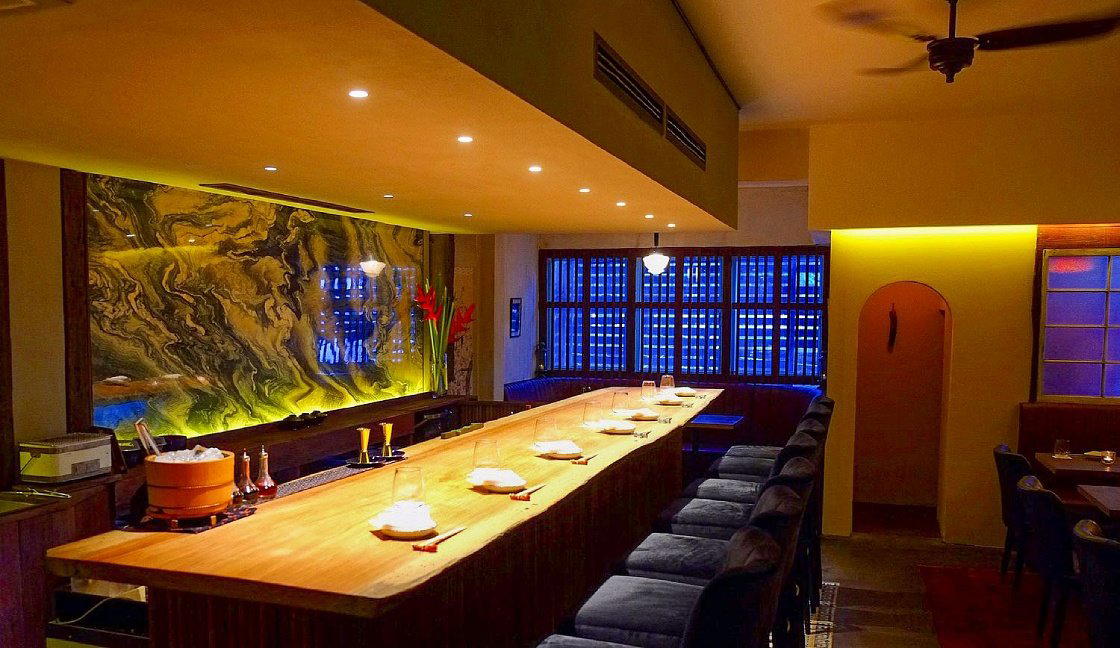
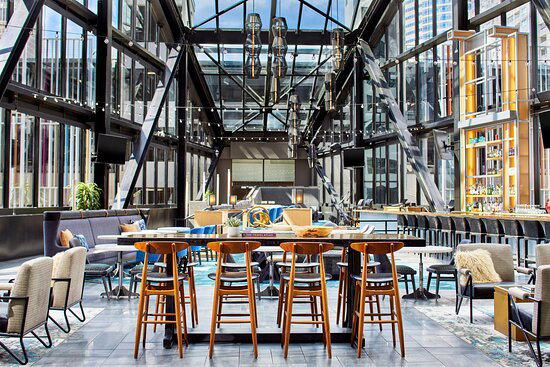
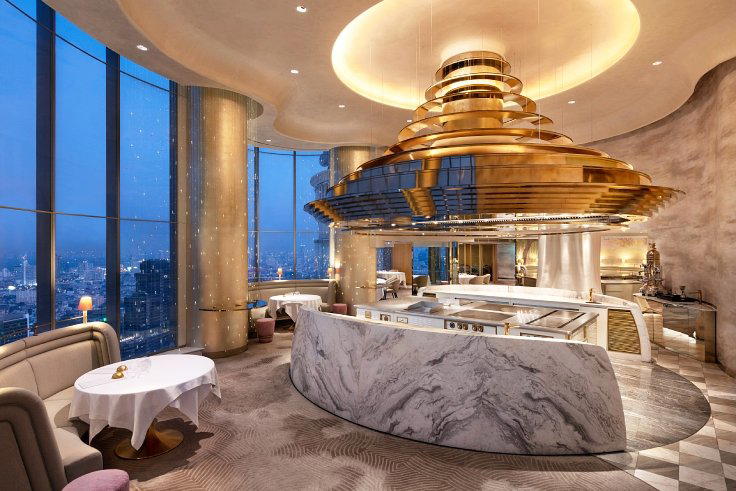
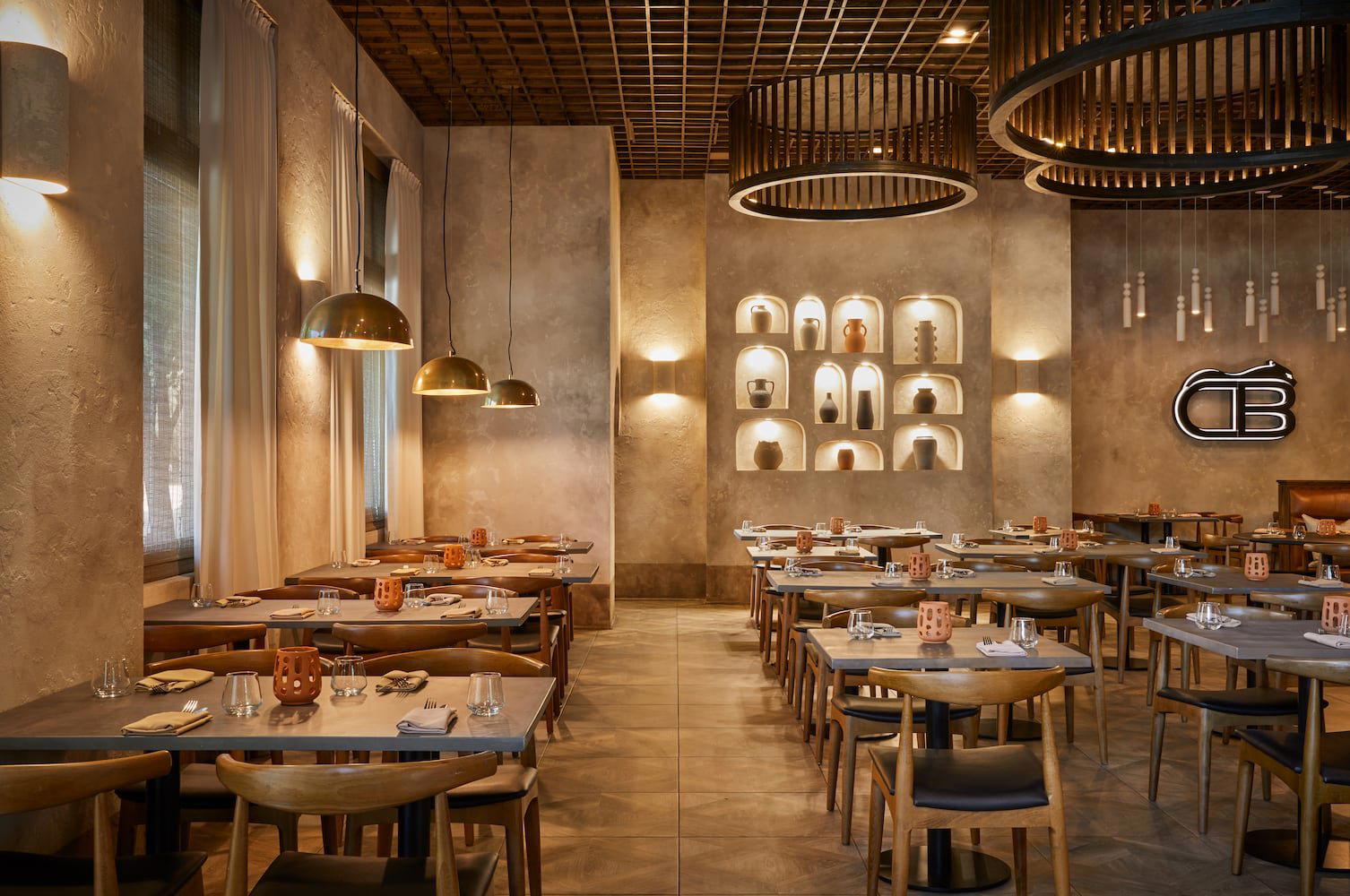
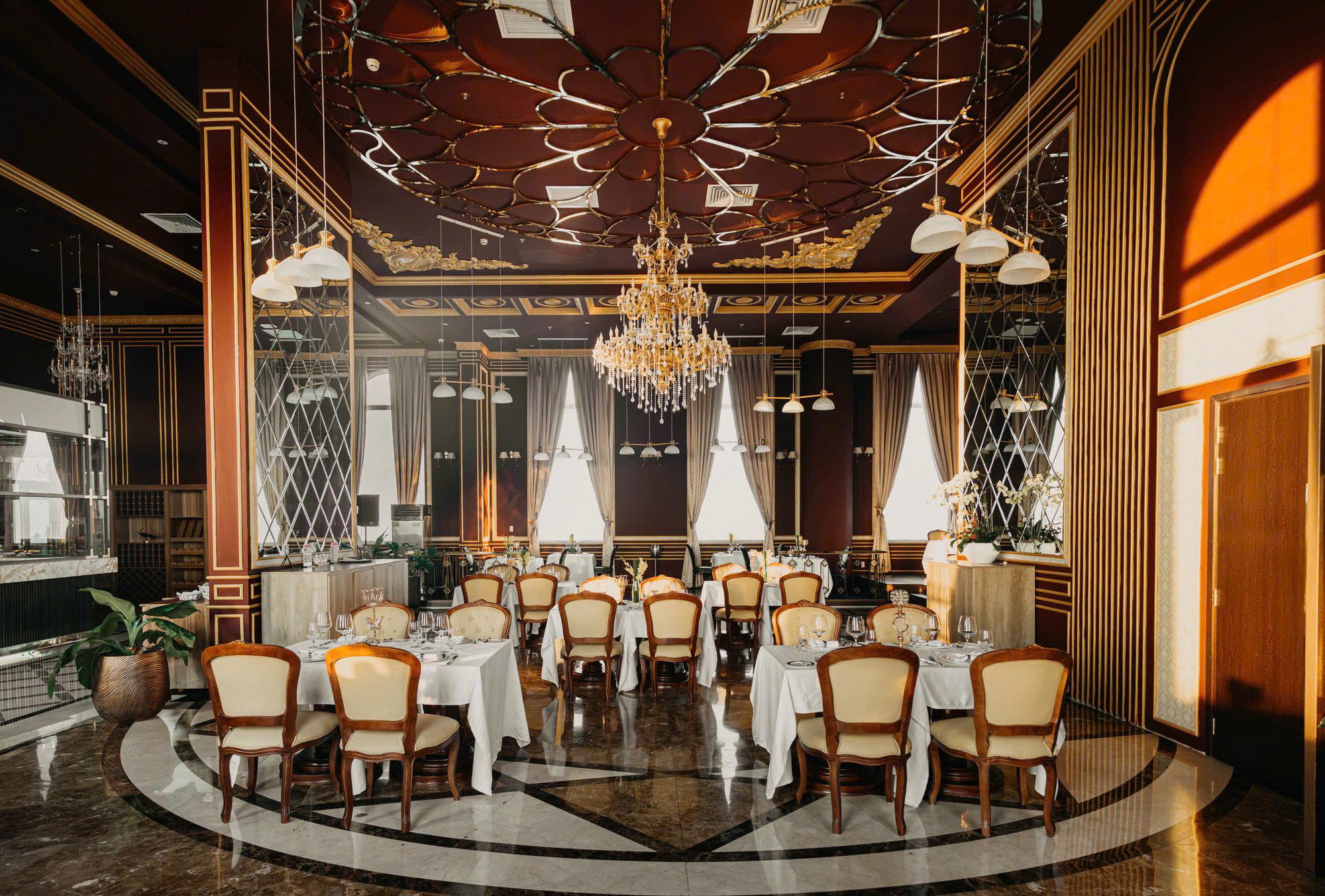
Refined and elegant with soft lantern light, timeworn timber, intricate carvings, and a serene palatial atmosphere evoking Ming and Qing dynasties.