


The Bridge holds a Black Pearl 1 Diamond (2025), a Michelin Plate (2024), and back-to-back Opinionated About Dining recognition for its Sichuan cooking at 22 Jinjiaba Street in Qingyang District. It occupies the mid-to-upper tier of Chengdu fine dining, serious enough to rank #308 across Asia in 2024, priced at ¥¥¥ and positioned below the city's rarified ¥¥¥¥ omakase-style rooms while outperforming the casual Sichuan crowd on every available metric.
Pearl is the En Primeur Club membership app — saves, bookings, and concierge access live there. Same editors, same standards.
- Address
- 22 Jinjiaba St, Luomashi, Qingyang District, Chengdu, Sichuan, China, 610015
- Phone
- +86 28 8444 6888
- Website
- thebridge.com.cn
- Directions
- Get directions
 Saves & bookings on Pearl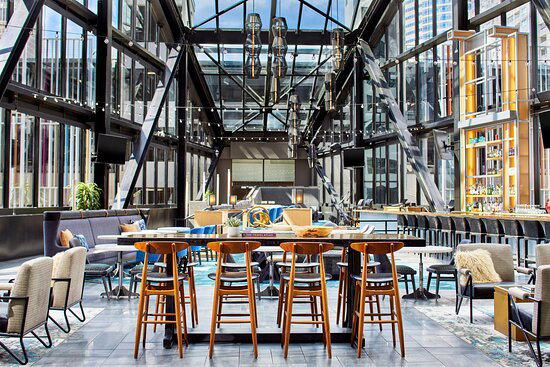
Luomashi and the Sichuan Fine-Dining Tier
Qingyang District holds much of the civic and cultural weight of old Chengdu, teahouses along the Jinjiang tributaries, the Qingyang Temple compound, the kind of streetscapes that have changed shape but not rhythm over decades. Jinjiaba Street sits inside that context, and the restaurants that have chosen it as an address tend to signal a certain seriousness: proximity to tradition without the tourist-density pressure of the Kuanzhai Alley zone. The Bridge operates from number 22.
Sichuan cuisine in its formal register is one of the more technically demanding cooking traditions in China. The flavour architecture, the layering of mala heat, doubanjiang depth, and the floral-electric charge of Sichuan pepper, requires both precision and restraint in a fine-dining context. Strip back the heat for international palates and you lose authenticity; amplify it without discipline and the food becomes spectacle. The restaurants in Chengdu that have earned sustained critical attention are, broadly, those that have resolved that tension rather than dodged it.
Where The Bridge Sits in the Market
Chengdu's credentialled dining scene spans a wide price and format range. At the upper end, Yu Zhi Lan operates in the ¥¥¥¥ bracket with a tasting-menu format that has drawn Michelin attention and a different kind of international diner. Further along the spectrum, Silver Pot and Fu Rong Huang occupy their own comparable venues. The Bridge prices at ¥¥¥, a tier where the expectation is serious cooking and a composed room, without the ceremony and allocation dynamics of the city's leading tables.
That positioning matters for context. A Black Pearl 1 Diamond from the Black Pearl Restaurant Guide, awarded in 2025, places the restaurant in a peer group defined by quality consistency rather than maximum formality. Black Pearl recognition, produced by Meituan, applies a distinct set of criteria from Michelin, weighting local culinary identity and accessible prestige alongside technique, and a 1 Diamond represents a meaningful threshold within that framework. The Michelin Plate designation, awarded in 2024, adds a separate credentialling layer: the plate category signals that Michelin inspectors have found the cooking worth noting, even without ascending to starred status. Opinionated About Dining recognition, ranked #308 across Asia in 2024 and recommended in 2023, rounds out a picture of consistent, cross-system validation. Across four distinct evaluation frameworks, the restaurant has held its position. That is not coincidence; it is evidence of a stable kitchen.
Comparison outside Chengdu adds further calibration. In Guangzhou, Song and Yong represent how Sichuan cooking translates into a southern Chinese context. In Shanghai, 102 House operates within a different fine-dining ecosystem altogether. What these cross-city comparisons illustrate is how context-specific credentialled Sichuan cooking remains: the discipline that earns recognition in Chengdu is rooted in a local ingredient supply and a local palate tradition that does not travel in simplified form. The restaurant's recognition carries particular weight precisely because it comes from within that tradition's home city.
The Drinks Program in a Sichuan Context
The editorial angle that rewards attention here is the wine and drinks positioning. Sichuan cooking presents one of the harder pairing problems in Chinese gastronomy. The mala profile, the compound numbing-heat quality produced by the combination of chilli and Sichuan pepper, disrupts tannin structure in red wines and can make heavily oaked whites taste metallic. The conventions that apply in European fine dining largely do not transfer. What works tends to involve textural and aromatic compensation: off-dry whites with residual sweetness to counter heat, high-acid sparkling wines for palate reset, and lower-tannin reds, Pinot Noir, lighter Syrah, where red wine is served at all. Chinese baijiu, particularly lighter-style qingxiang variants, has an established role in Sichuan banqueting tradition, and the better formal Sichuan rooms have started to treat it with the same programme depth that sake receives at Japanese counters.
The restaurant's approach to these pairing dynamics is not detailed in the record. What can be said is that at the ¥¥¥ price point with Black Pearl and Michelin Plate credentials, the expectation is a drinks programme that has been considered rather than assembled by default. Comparable rooms in this tier, across Chinese cities including Ru Yuan in Hangzhou, Dai Yuet Heen in Nanjing, and Chef Tam's Seasons in Macau, have consistently moved toward drinks lists that treat Chinese spirits and regional teas as serious selections alongside imported wine. That shift is now an expectation signal within the credentialled Chinese dining tier rather than an anomaly.
Dining in Context: The Broader Chengdu Scene
Any reading of Chengdu's restaurant hierarchy benefits from knowing what surrounds the restaurant in its neighbourhood tier. Fang Xiang Jing and Ma's Kitchen represent different points on the local dining spectrum; the full picture of where serious Sichuan cooking is happening across the city is covered in the full Chengdu restaurants guide.
Across the broader Chinese fine-dining picture, Imperial Treasure Fine Chinese Cuisine in Guangzhou and Xin Rong Ji in Beijing illustrate how different regional Chinese cuisines approach formal dining. Sichuan's position within that national conversation is distinct: no other major Chinese regional cuisine carries the same international profile while remaining so embedded in a single city's identity. The restaurant's sustained recognition across 2023, 2024, and 2025 suggests a kitchen that has understood what it means to execute within that tradition at a credentialled level.
Getting There and Planning a Visit
The restaurant sits at 22 Jinjiaba Street in the Luomashi area of Qingyang District. The ¥¥¥ price point positions it as a considered dinner rather than a casual meal, the kind of booking that warrants advance planning, particularly given its cross-platform recognition drawing both local and visiting diners to the address.
Price Lens
Comparable venues nearby, for context on price, style, and recognition.
| Venue | Cuisine | Price | Awards | Notes |
|---|---|---|---|---|
| The BridgeThis venue — the venue you are viewing | Chengdushi, Modern Sichuan | $$$$ | Michelin Plate | Not listed |
| Li Xuan | Not listed | $$$$ | Michelin Plate | Chengdushi, Refined Cantonese and Sichuan |
| Mind | Chengdushi, Sichuan Noodles | $$ | Bib Gourmand | Not listed |
| The Woo's (Jinjiang) | Chengdushi, Modern Sichuan | $$$ | Bib Gourmand | Not listed |
| Qian Li | Chengdushi, Taizhou Seafood | $$$ | Michelin Plate | Not listed |
| Brustin | Chengdushi, Modern Sichuan Fine Dining | $$$$ | Michelin Plate | Not listed |
Recognition history
Dated appearances from independent guides and award organizations, with the underlying list record or original source where available.
Black Pearl 1 Diamond
Black Pearl
Opinionated About Dining Top Restaurants in Asia Recommended
Opinionated About Dining
Black Pearl 1 Diamond
Black Pearl
Michelin Plate
Michelin
Opinionated About Dining Top Restaurants in Asia Ranked #308
Opinionated About Dining
Opinionated About Dining Top Restaurants in Asia Recommended
Opinionated About Dining
At a Glance
- Modern
- Elegant
- Scenic
- Sophisticated
- Date Night
- Business Dinner
- Special Occasion
- Historic Building
- Panoramic View
- Extensive Wine List
- Waterfront
- Street Scene
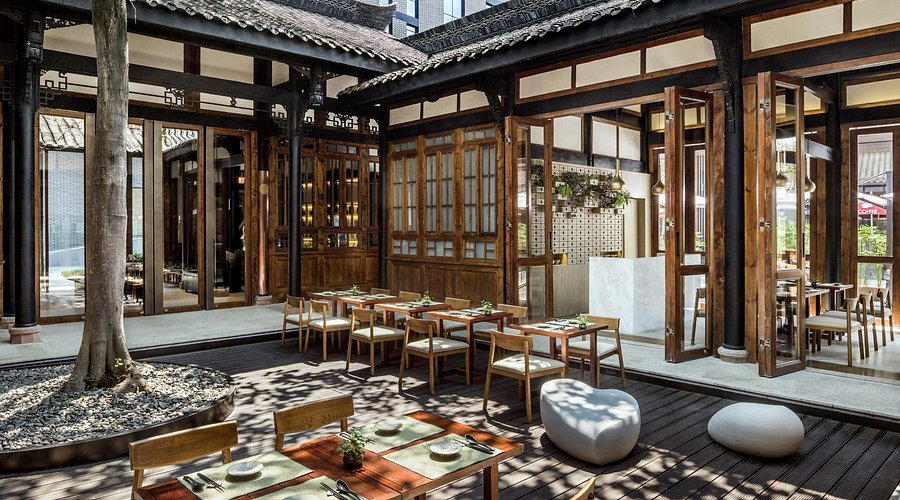
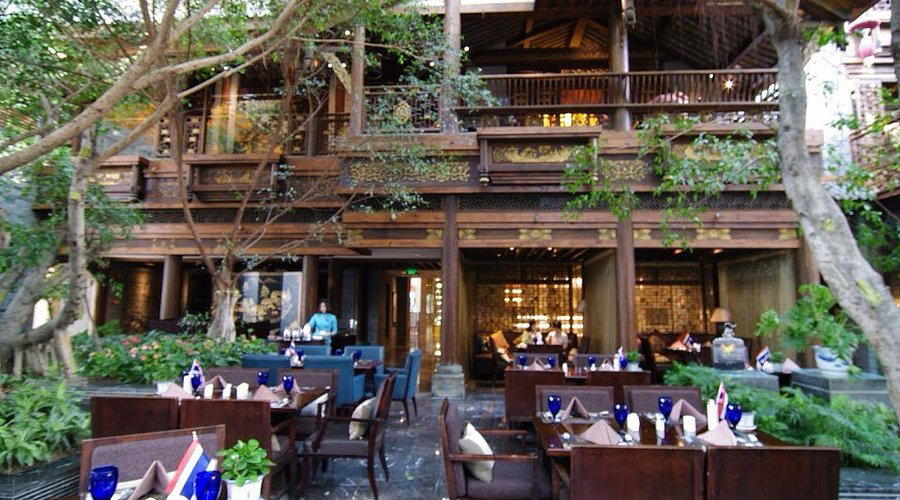
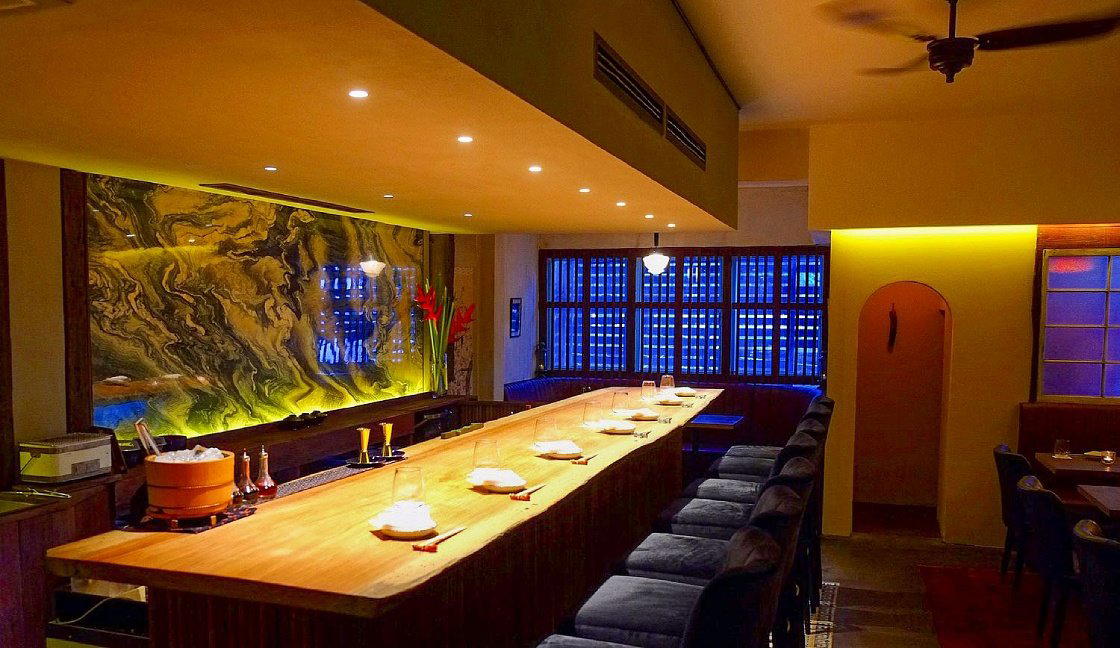
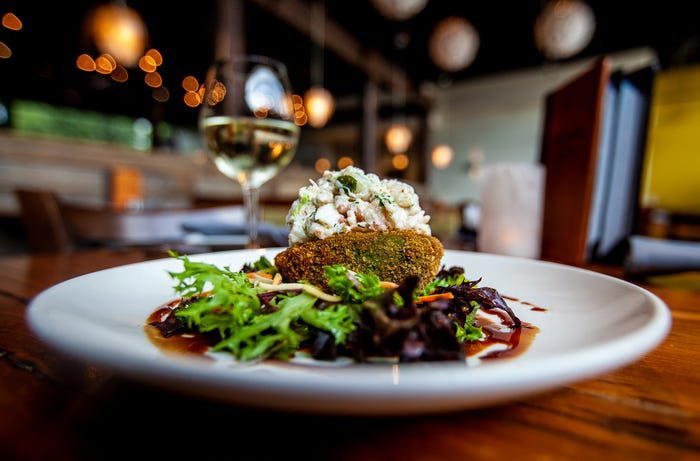
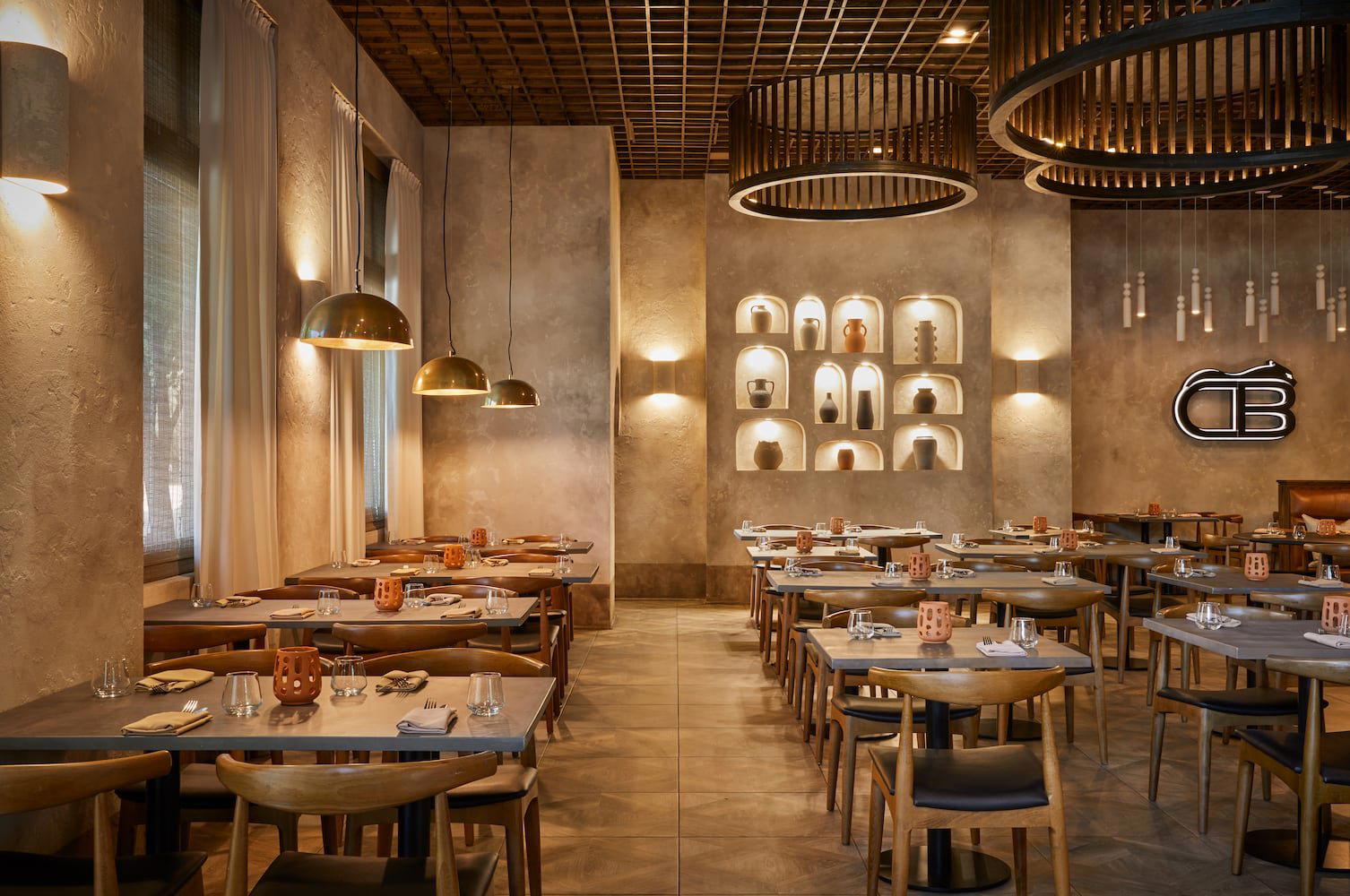
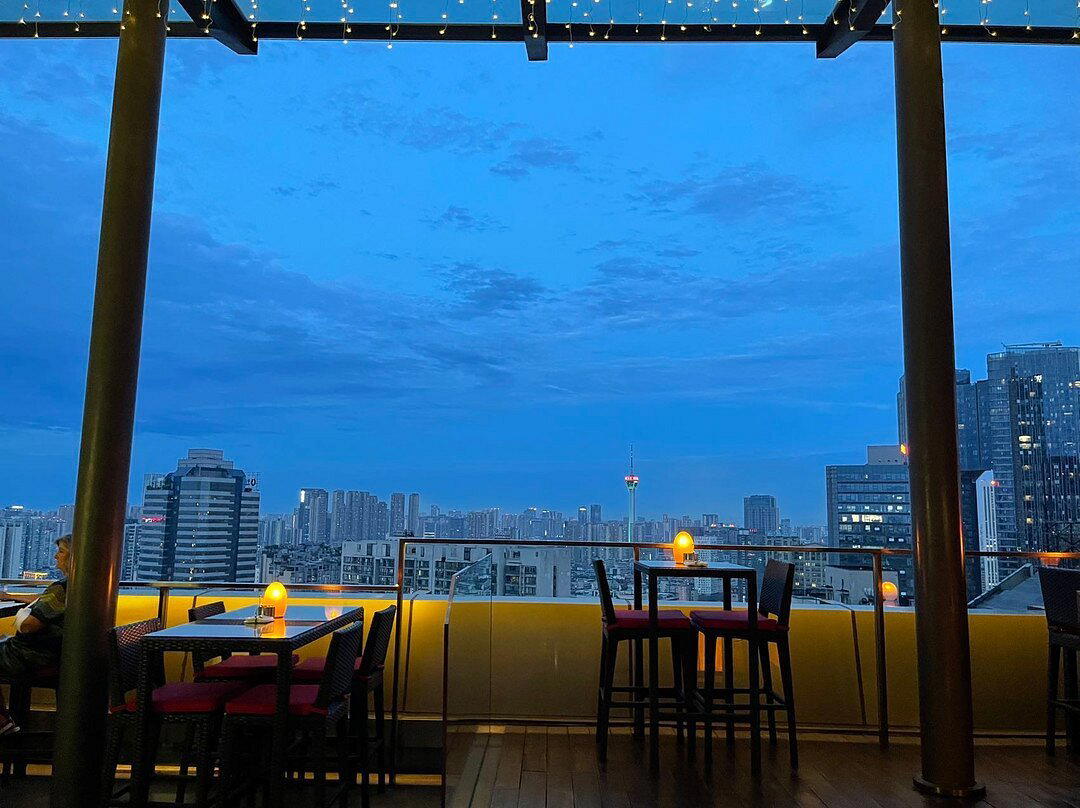
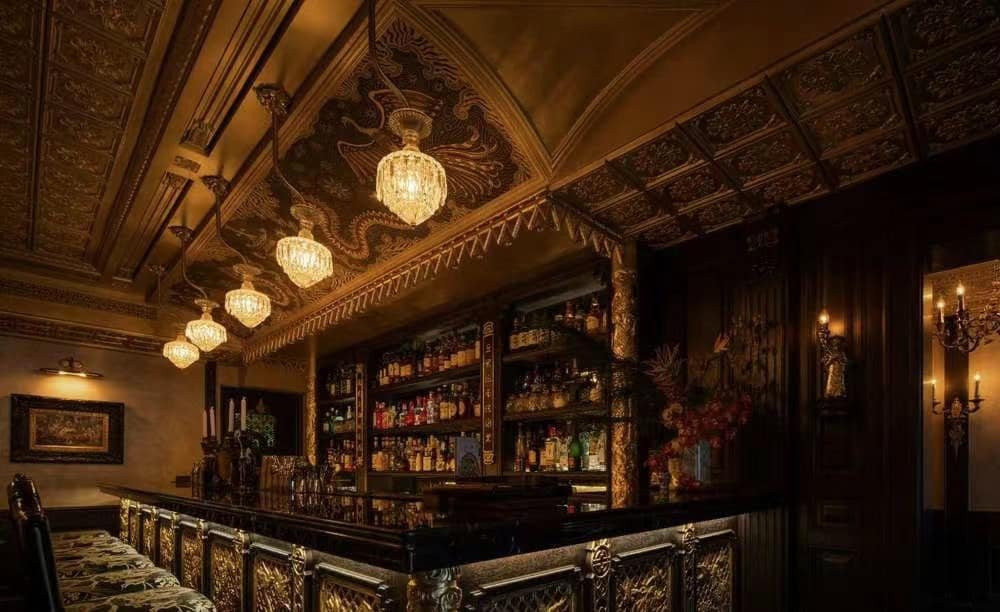
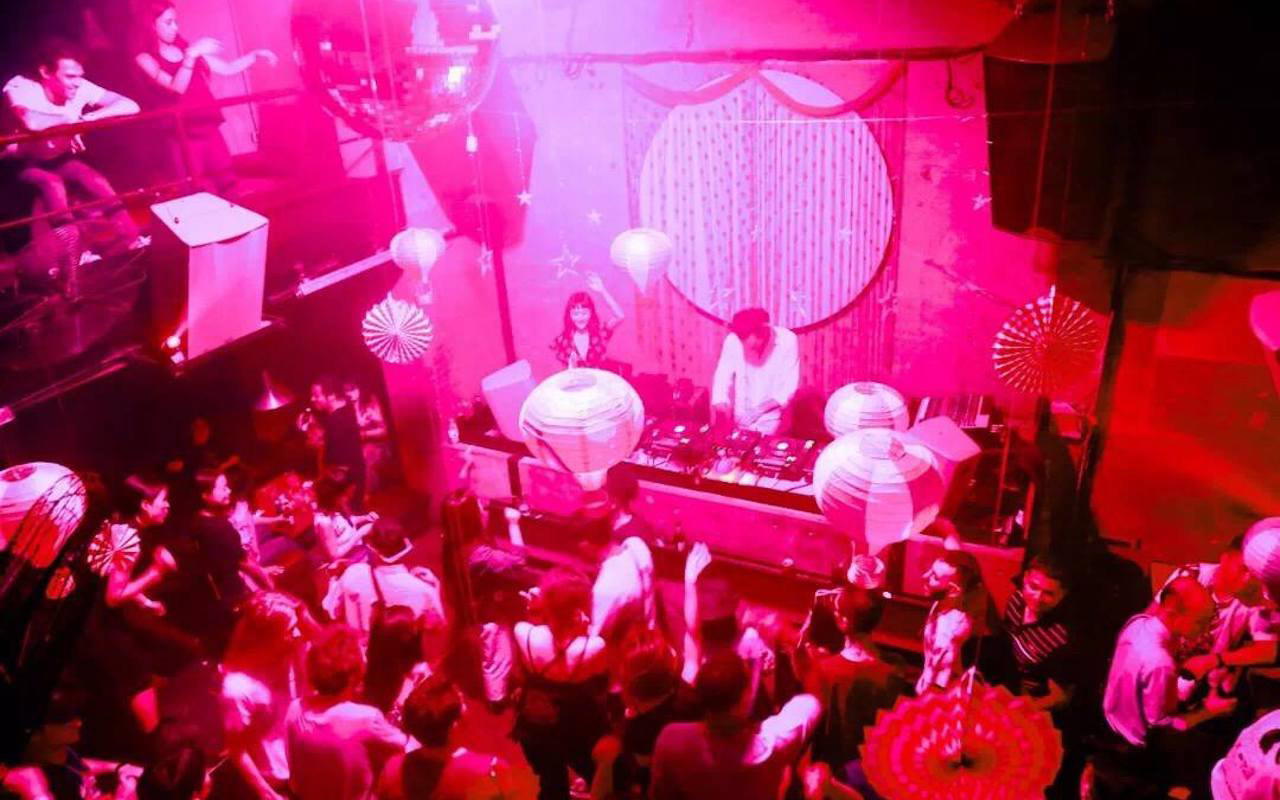
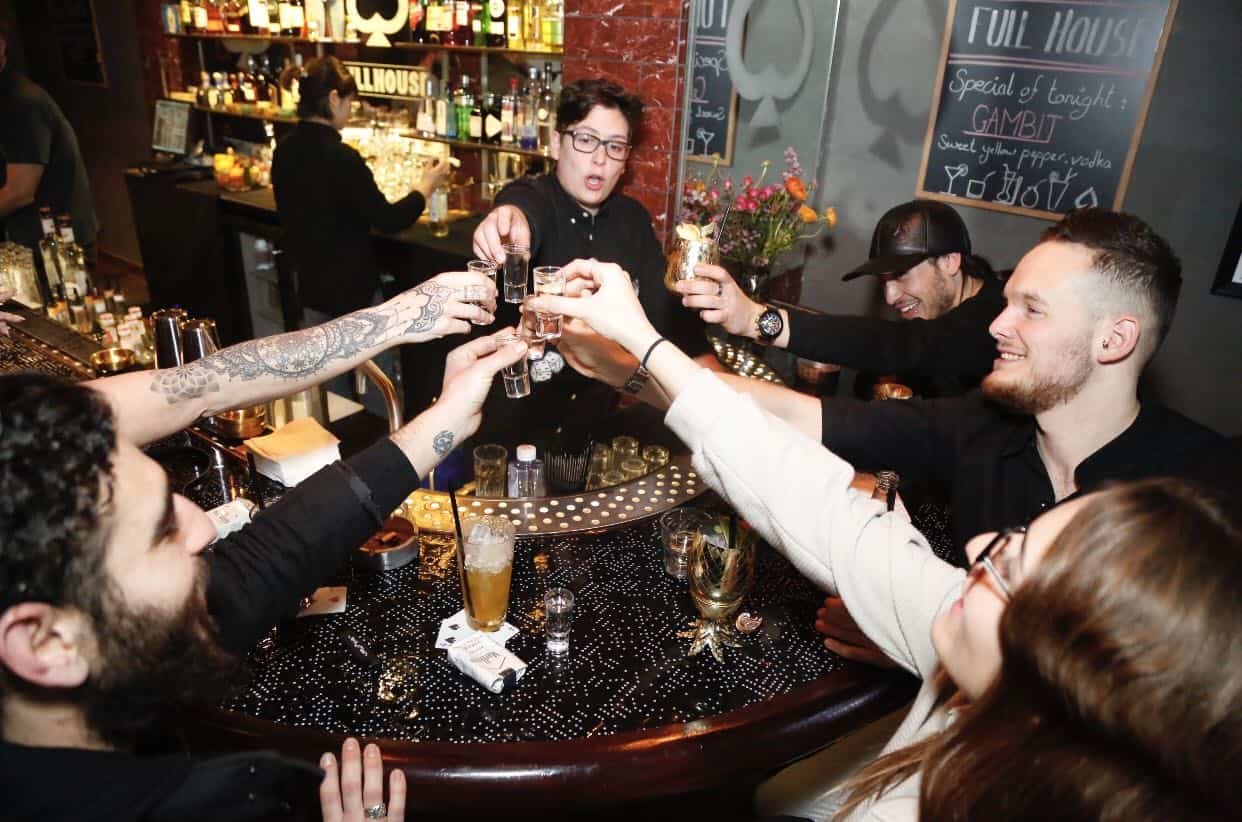
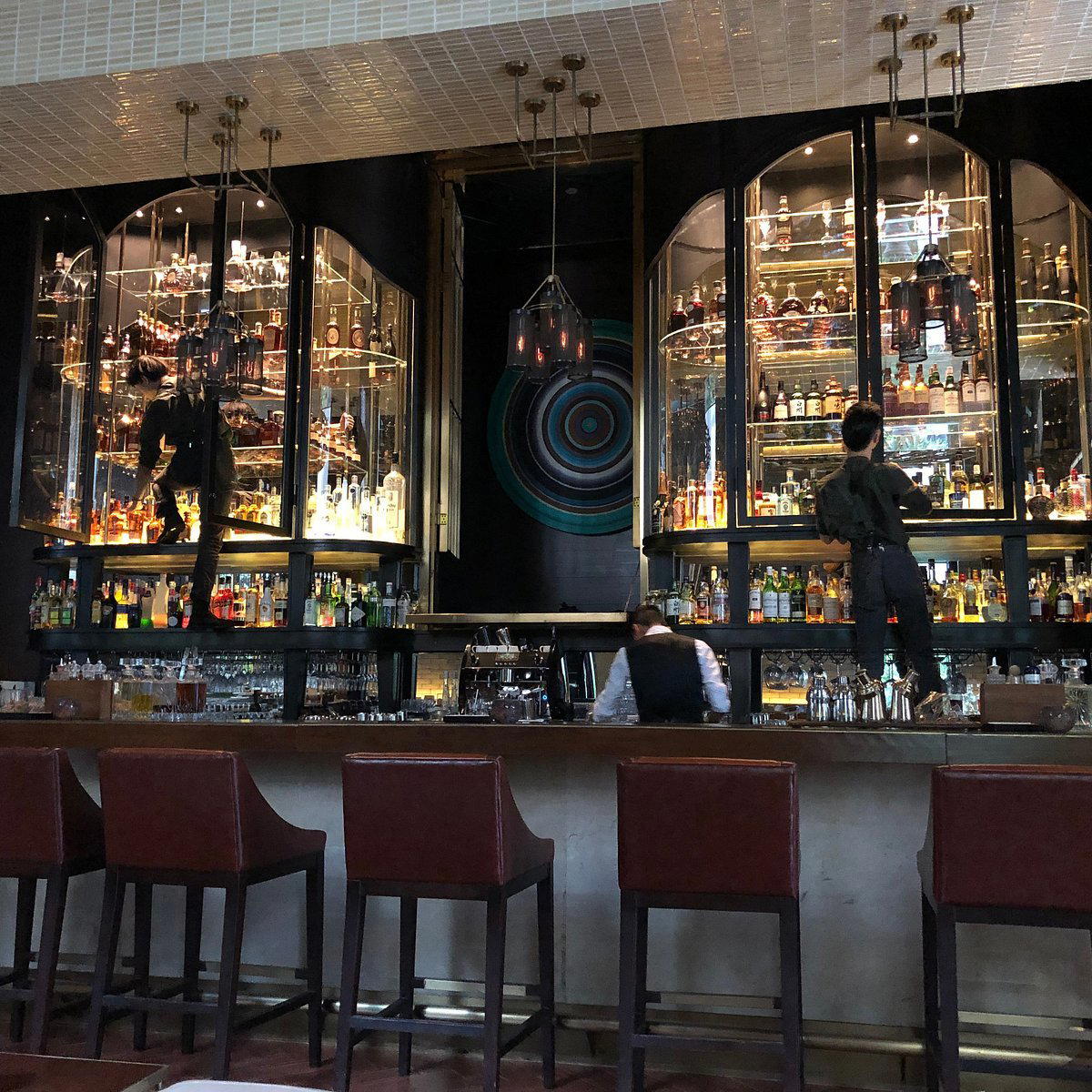
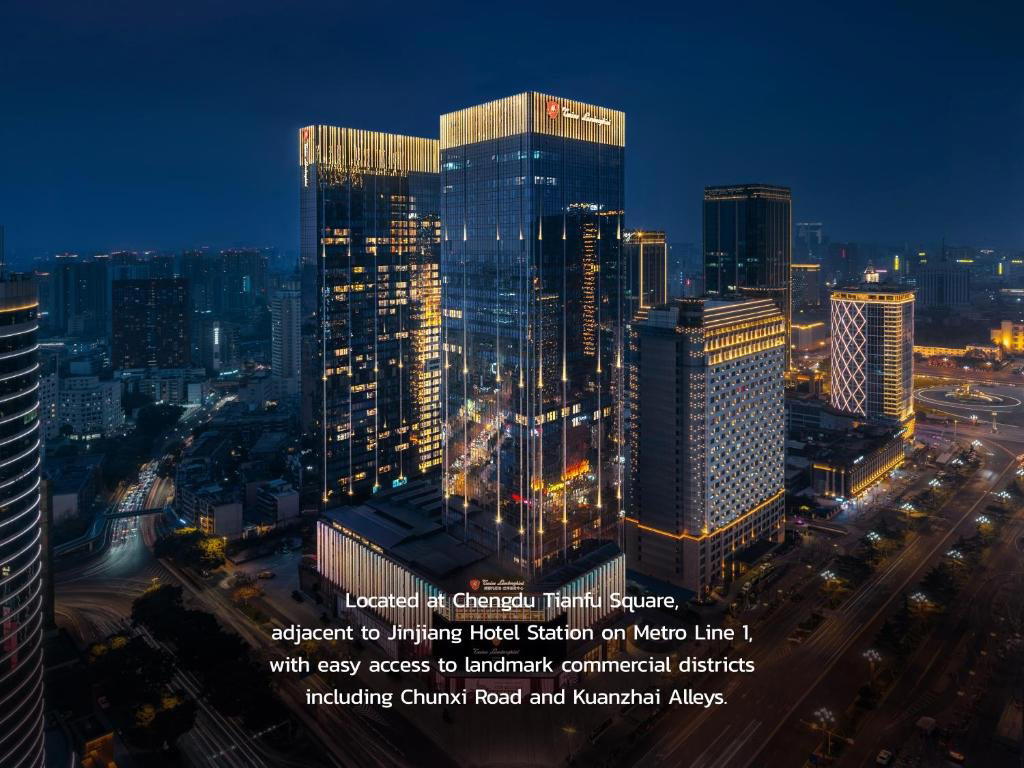
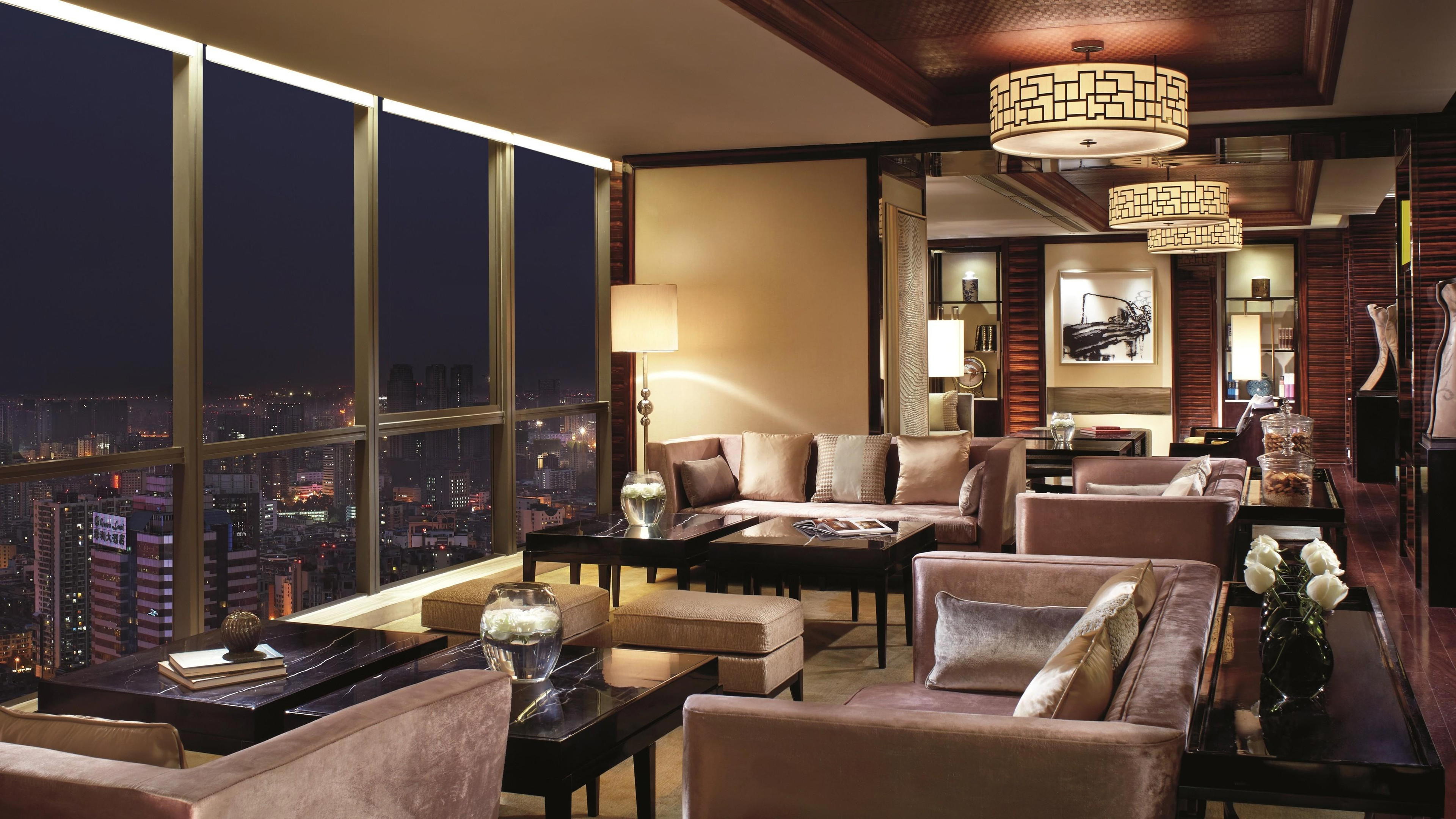
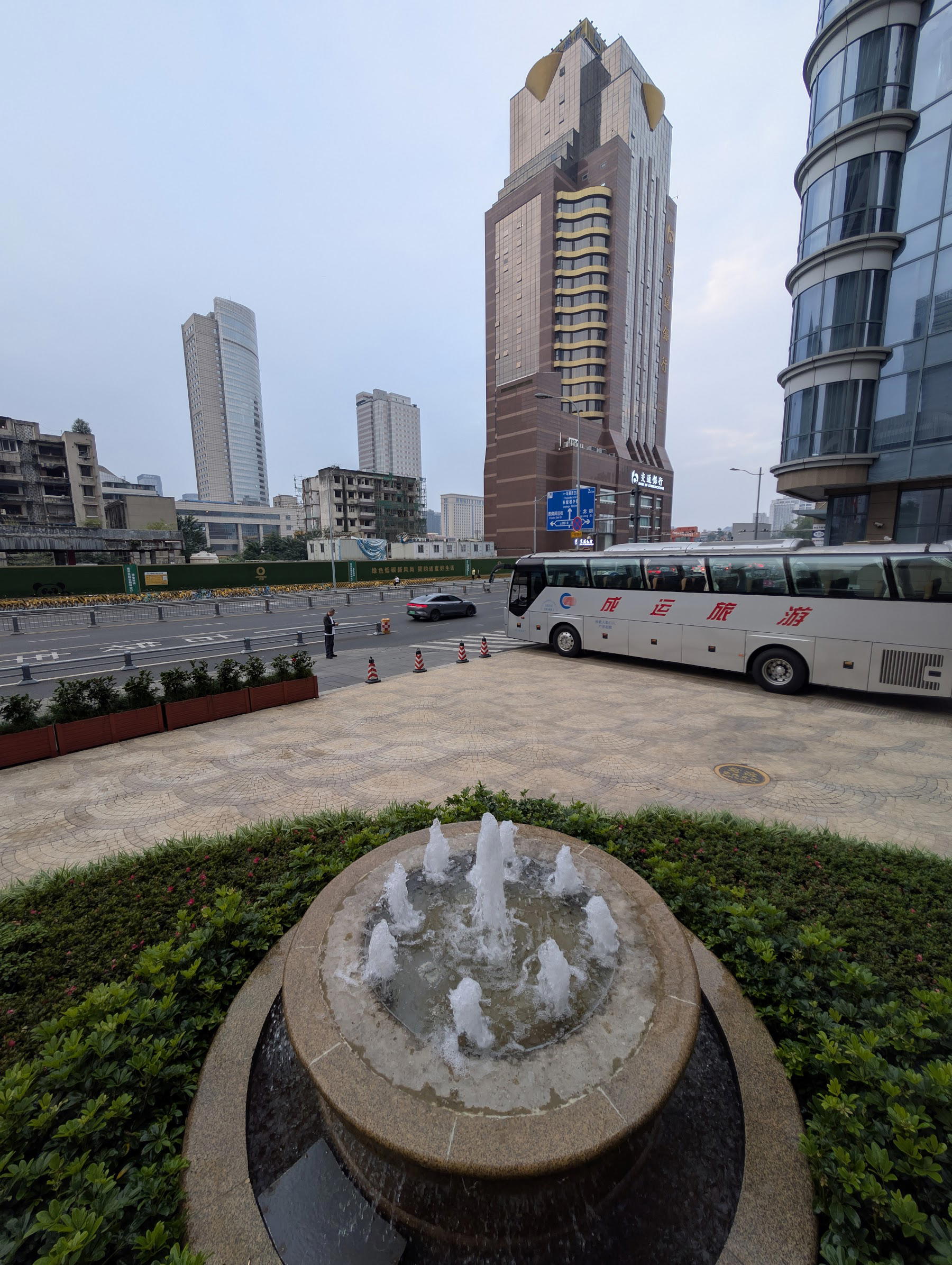
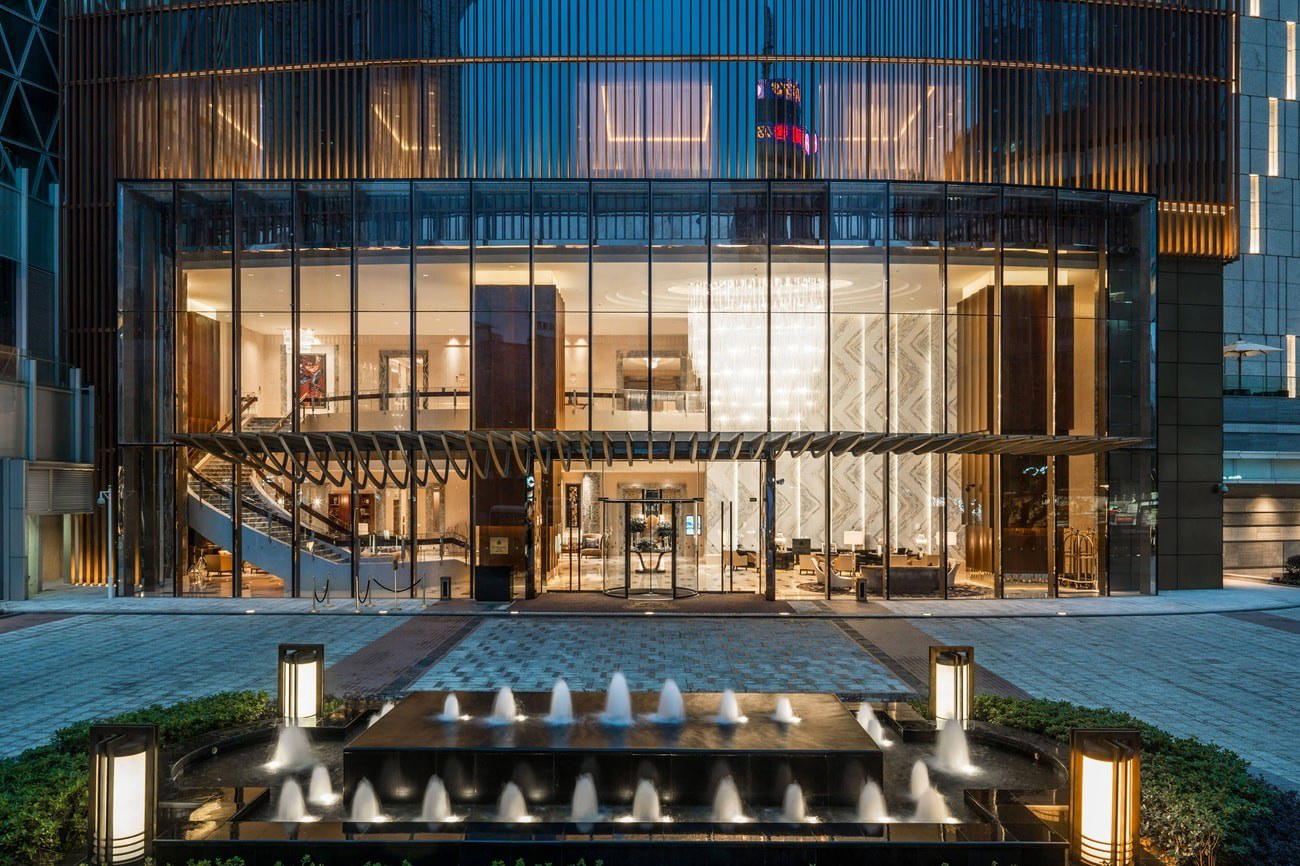
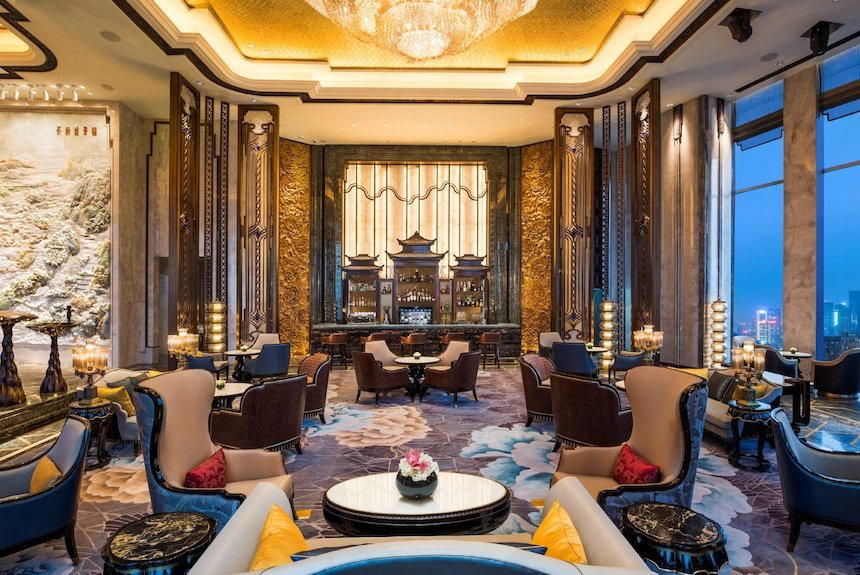
Spacious and modern interior with symbolic Chinese elements, offering a stylish atmosphere enhanced by bridge views, though some note it lacks intimacy.