
Gastro Esthetics at DaDong brings the Beijing duck institution's formula to Pudong, wrapping a Michelin one-star experience in a dining room designed as a direct reference to Van Gogh's Almond Blossom. The 45-day-old Peking duck, carved tableside, anchors a menu that extends into contemporary Chinese territory. At ¥¥¥ pricing, it occupies the serious end of Shanghai's modern Chinese tier without crossing into the city's most rarefied bracket.
Pearl is the En Primeur Club membership app — saves, bookings, and concierge access live there. Same editors, same standards.
- Address
- China, CN 上海市 浦东新区 丁香路 880 880弄1~31号丁香国际商业中心4楼 邮政编码: 201204
- Phone
- +86 21 6858 2969
- Directions
- Get directions
 Saves & bookings on Pearl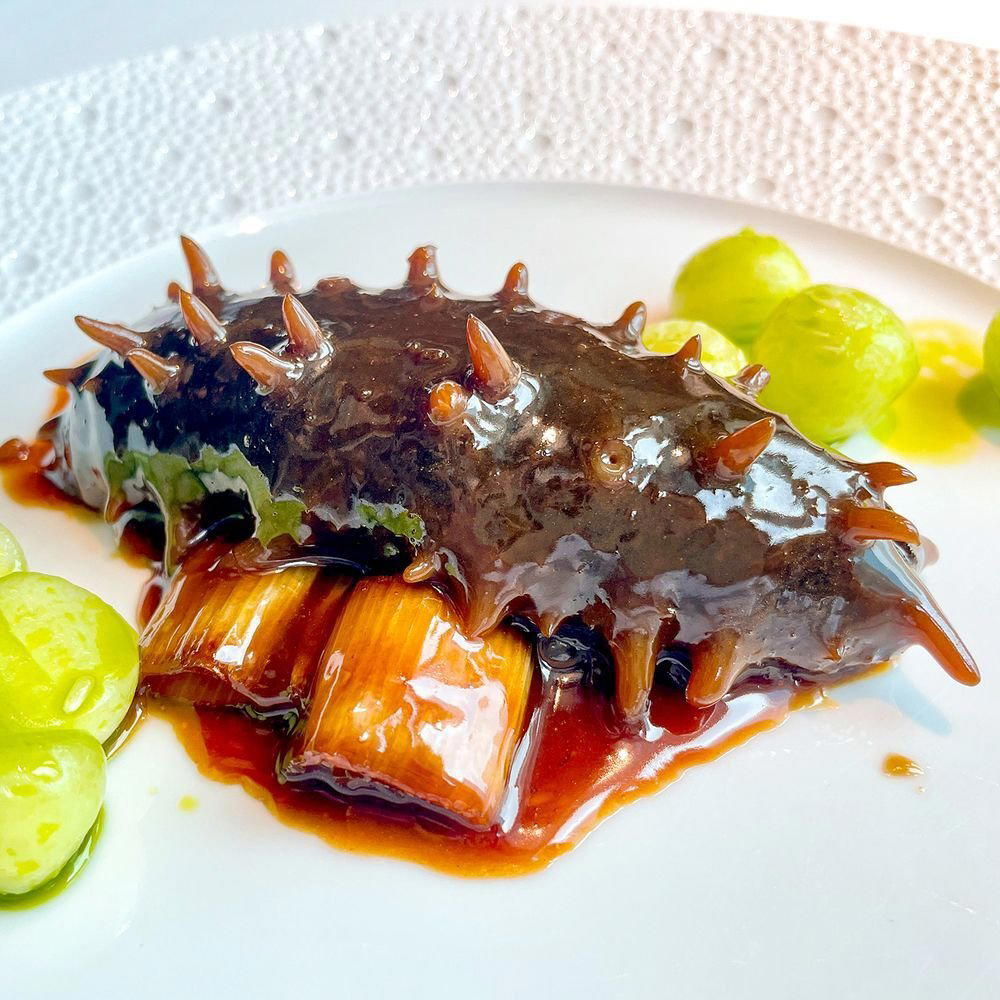
Art on the Wall, Duck on the Table
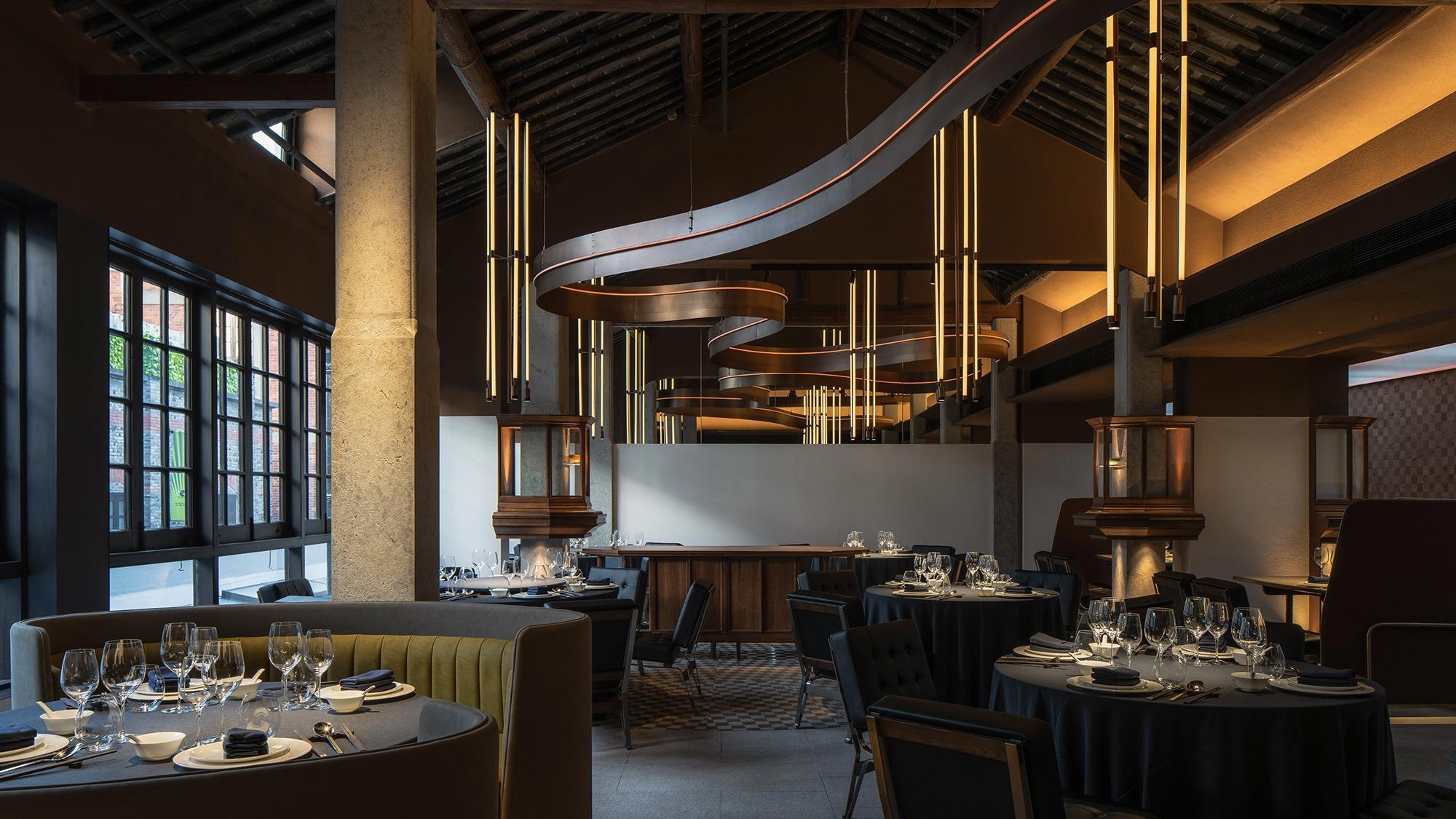
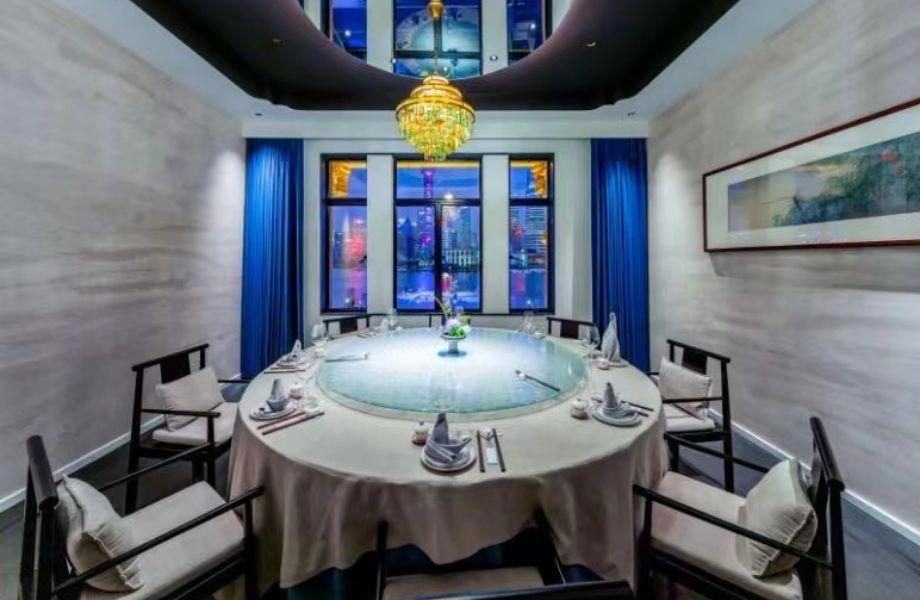
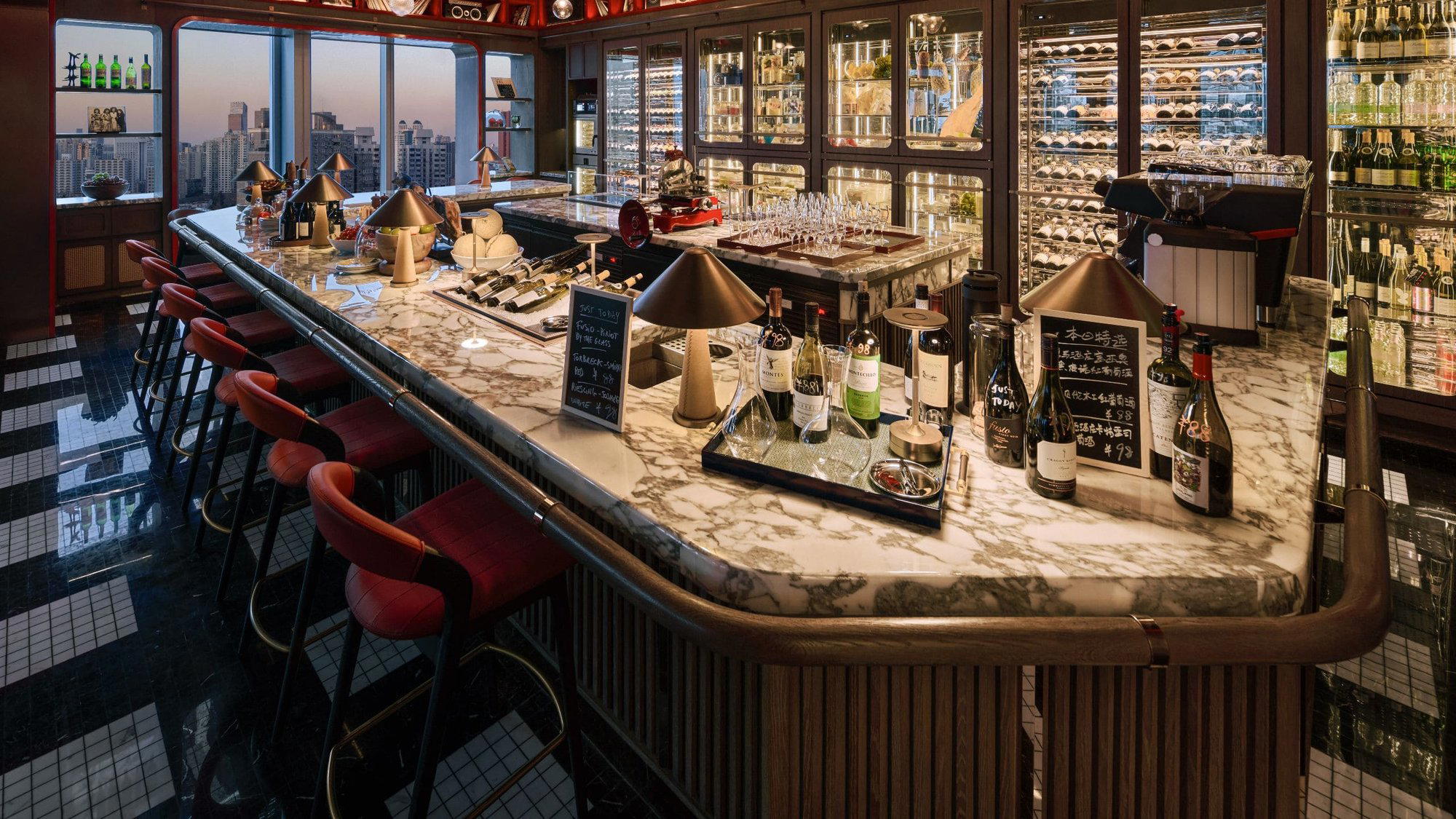
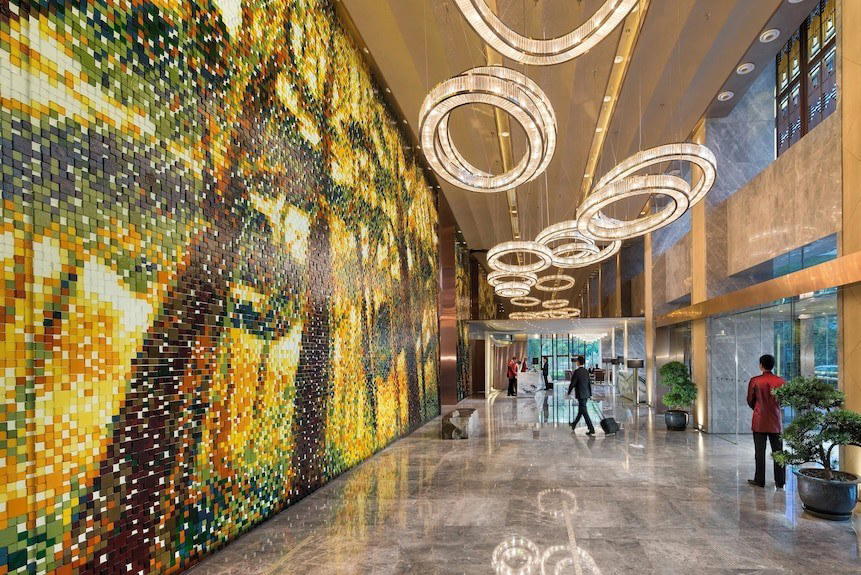
Pudong's restaurant scene has long operated in the shadow of the Bund and the Former French Concession, where many of Shanghai's dining addresses have historically gathered. The fourth floor of the Dingxiang International Commercial Center is not, on paper, one obvious address for a room designed with genuine aesthetic ambition. Yet the dining space at Gastro Esthetics at DaDong makes a deliberate, unmistakable visual argument from the moment you step in: teal cushions and brass trim arranged in direct conversation with Van Gogh's Almond Blossom, the sky-blue background and pale pink flowers of that 1890 painting translated into interior material rather than print reproduction. It is a specific creative choice, and it frames everything that follows.
This is not incidental theming. The DaDong group, which operates its Gastro Esthetics format in Beijing as well as here, has consistently positioned its premium tier around the idea that Chinese cuisine can carry cultural weight, and that a room serving roast duck can also engage seriously with art history. Whether that argument convinces you will depend on your own expectations, but the physical execution in the Shanghai room is coherent enough to sustain it.
Peking Duck in the Contemporary Chinese Context
The broader story of modern Chinese restaurants in Shanghai is partly one of format consolidation. A generation ago, serious Chinese dining in the city meant either banquet halls with fixed menus or specialist regional restaurants with little crossover appeal. The current Michelin-tracked tier has moved toward a model that retains classical technique at the center of the menu while surrounding it with contemporary presentation, refined service, and interiors that communicate ambition to an international clientele. Gastro Esthetics at DaDong sits squarely in that movement.
Peking duck is the clearest illustration of what contemporary reinterpretation actually means in practice here. The kitchen works with 45-day-old birds, a standard associated with fuller flavor development and a particular fat-to-skin ratio, alongside the option of 22-day-old ducklings, which offer a leaner profile. The duck is grilled and then carved tableside, a format that keeps the carving as a visible part of the meal rather than a kitchen function. The crispy skin and the distinction between the two age options represent the kind of specific, technique-driven choice that separates serious roast duck programs from more casual executions. This is the dish that built the DaDong name, and the Shanghai address treats it with corresponding seriousness.
That same attentiveness extends to the broader menu. The braised sea cucumber in gelatinous scallion sauce is cited among the dishes worth attention: sea cucumber preparation is technically demanding, relying on extended soaking and careful heat management to achieve the correct texture, and the scallion sauce pairing is a classical Chinese combination that rewards restraint rather than complexity. These are not dishes invented for photographic impact; they belong to a culinary lineage that the kitchen is choosing to present in a formal, considered register.
Among Shanghai's modern Chinese addresses, the competitive context is worth noting. Sui Tang Li and 102 House occupy overlapping territory in terms of price and culinary ambition. Fu He Hui, at ¥¥¥¥ and two Michelin stars, operates a tier above in both price and recognition. Hakkasan brings a different frame of reference, Cantonese technique through an international brand lens. Gastro Esthetics at DaDong positions itself as a restaurant where the Peking duck tradition provides the anchor but the surrounding menu and environment make a broader claim about where Chinese dining is heading.
A Michelin Star in Pudong
The Michelin one-star recognition matters here as a competitive signal. Michelin's Shanghai guide has generally concentrated its starred addresses in the Jing'an, Huangpu, and Xuhui districts, where foot traffic and international hotel proximity make visibility easier. A star in Pudong indicates that the recognition is following dining quality east, which reflects genuine changes in the area's restaurant density rather than a geographic expansion of Michelin's own criteria. For visitors staying in Pudong or conducting business in Lujiazui, the practical implication is that a serious, awarded dining option now exists on that side of the river without requiring a cross-city journey.
The DaDong model is also worth contextualizing across cities. The group operates at a level where consistency across locations is a deliberate part of the proposition. The Da Dong Xuhui address in Shanghai presents a point of comparison within the same city; both serve Peking duck, but the Gastro Esthetics format carries the explicit premium positioning. Further afield, the Beijing Gastro Esthetics location allows for direct format comparison if your itinerary covers both cities. Across China's broader contemporary Chinese fine dining scene, restaurants such as Xin Rong Ji in Beijing, Xin Rong Ji in Chengdu, Ru Yuan in Hangzhou, Wild Yeast in Hangzhou, Imperial Treasure Fine Chinese Cuisine in Guangzhou, Dai Yuet Heen in Nanjing, and Chef Tam's Seasons in Macau represent the tier in which the restaurant competes: formal, technique-led, and using classical Chinese culinary tradition as foundation rather than reference point.
Planning Your Visit
The restaurant is located on the fourth floor of the Dingxiang International Commercial Center, Pudong, at 880 Dingxiang Road. At roughly $80 per person, a meal can still reach mid-to-high three-figure territory with accompaniments. Booking ahead is essential.
Cuisine and Credentials
Comparable venues nearby, for context on price, style, and recognition.
| Venue | Cuisine | Price | Awards | Notes |
|---|---|---|---|---|
| Gastro Esthetics at DaDongThis venue — the venue you are viewing | Modern Chinese Fine Dining | $$$$ | Michelin 1 Star | Not listed |
| Seventh Son | Traditional Cantonese Dim Sum | $$$$ | Michelin 1 Star | Lan Ni Du |
| Oriental Sense & Palate | Modern Chinese Fine Dining | $$$ | Michelin 1 Star | Lu Jia Zui |
| Zhou She (Minhang) | Shanghainese | $$$ | Michelin 1 Star | Hongqiao |
| Da Dong (Xuhui) | Traditional Peking Duck & Chinese Fine Dining | $$$ | Michelin 1 Star | Hongkou |
| Wu You Xian | Michelin-Starred Crab Xiaolongbao Dim Sum | $$$ | Michelin 1 Star | Huangpu |
Recognition history
Dated appearances from independent guides and award organizations, with the underlying list record or original source where available.
Michelin 1 Star
Michelin
Michelin 1 Star
Michelin
At a Glance
- Elegant
- Modern
- Sophisticated
- Special Occasion
- Business Dinner
- Celebration
- Private Dining
- Skyline
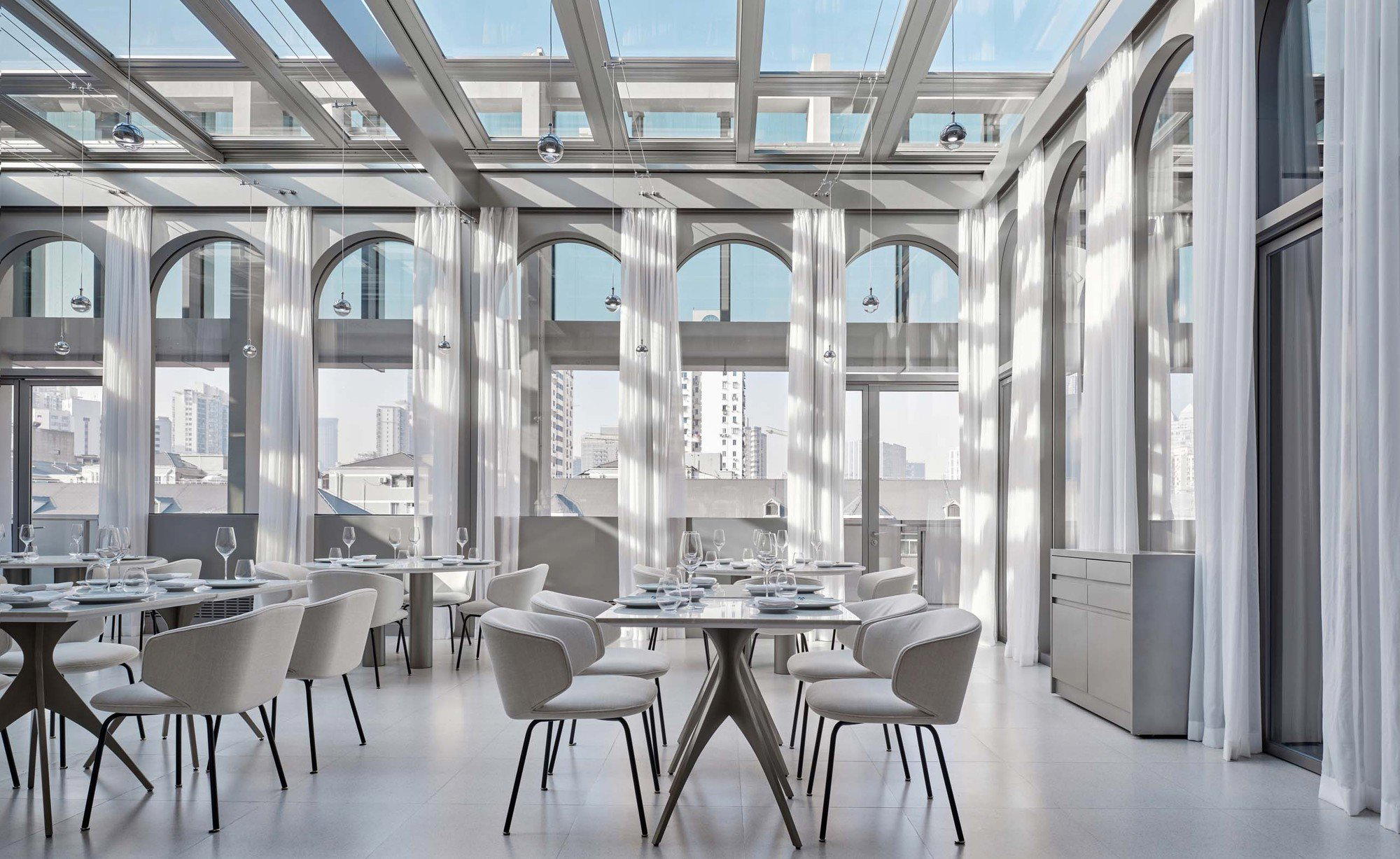
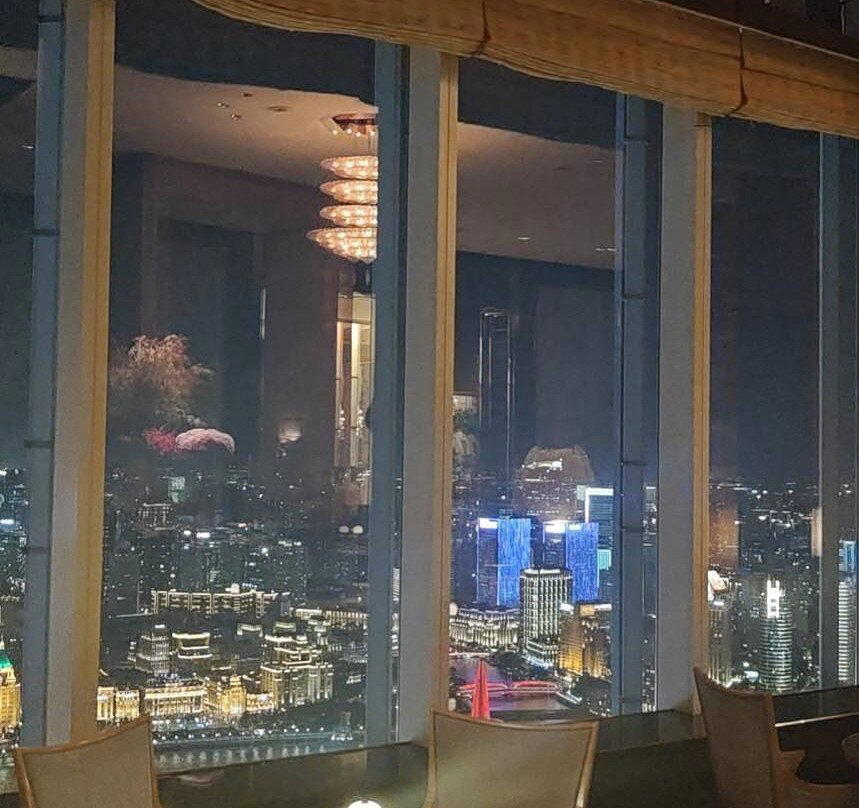
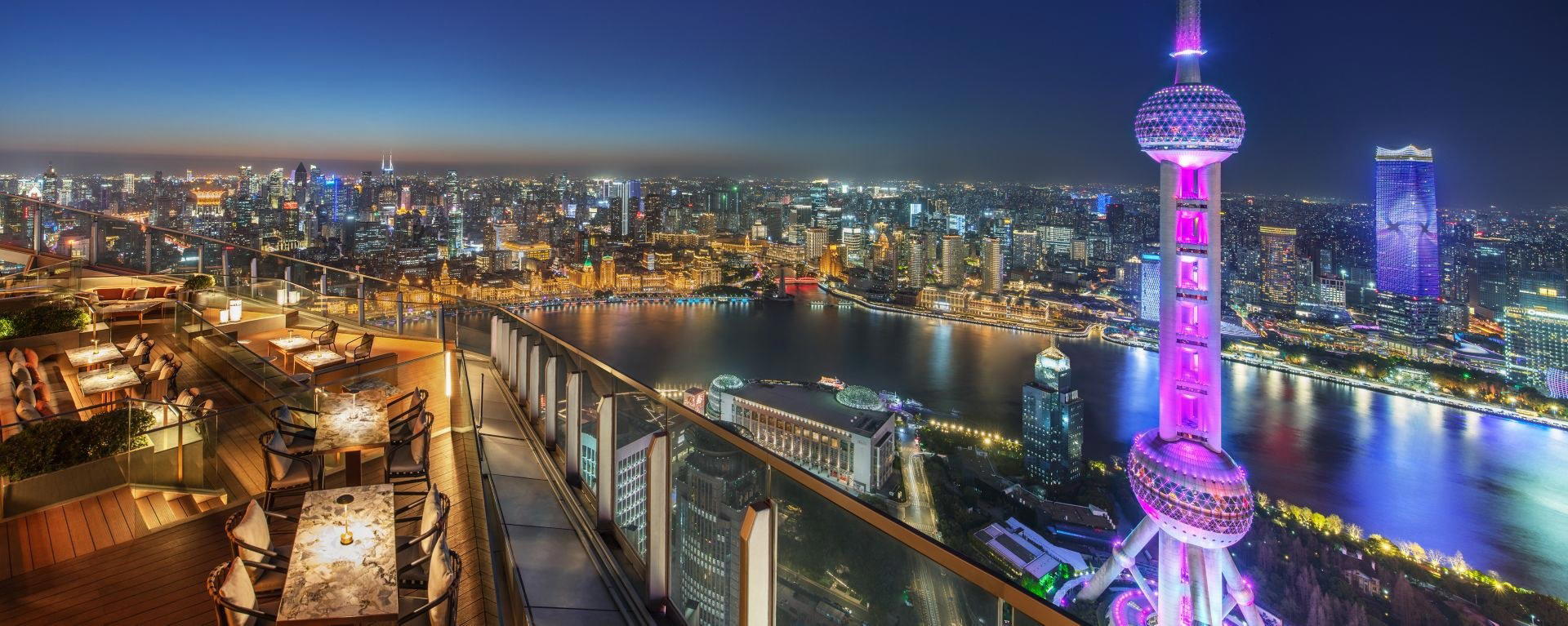
Modern and elegant interior inspired by Van Gogh's Almond Blossom with teal cushions, brass trims, and city views.