.png)
Xue Tao · In the Yard sits in Chengdu's Jinjiang District with a 2024 Michelin Plate and a Google rating of 4.8, placing it among the city's mid-range Sichuan restaurants where ingredient provenance and courtyard setting carry as much weight as the cooking itself. The ¥¥ price point makes it one of the more accessible entries in Chengdu's recognised dining tier.
 Discover on Pearl
Pearl is the En Primeur Club membership app — saves, bookings, and concierge access live there. Same editors, same standards.
- Address
- China, Sichuan, Chengdu, Jinjiang District, Sanshengxiang, 幸福梅林, 幸福西路路口 邮政编码: 610066
- Phone
- +86 28 8477 8488
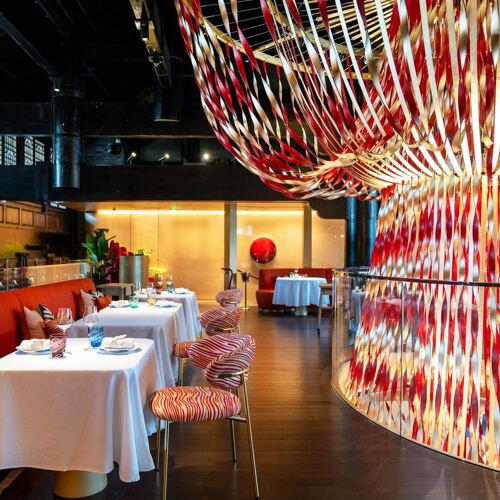
Where Sichuan Ingredients Meet a Courtyard Setting
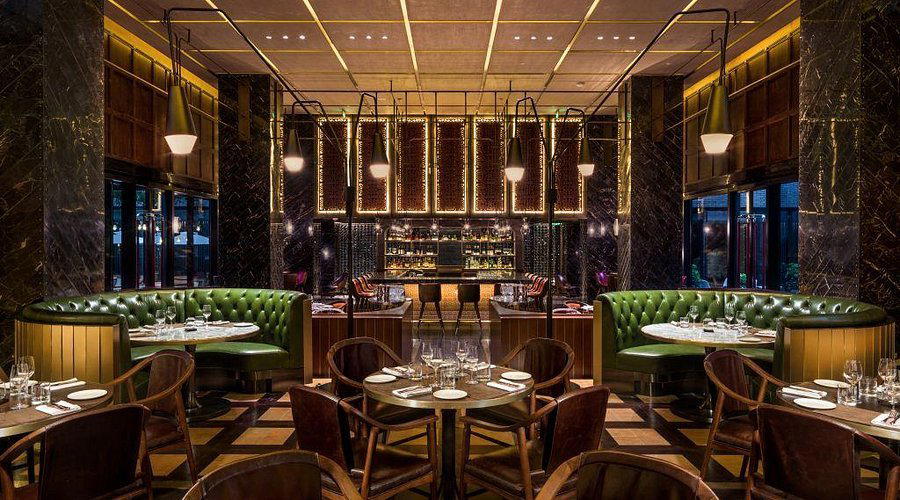
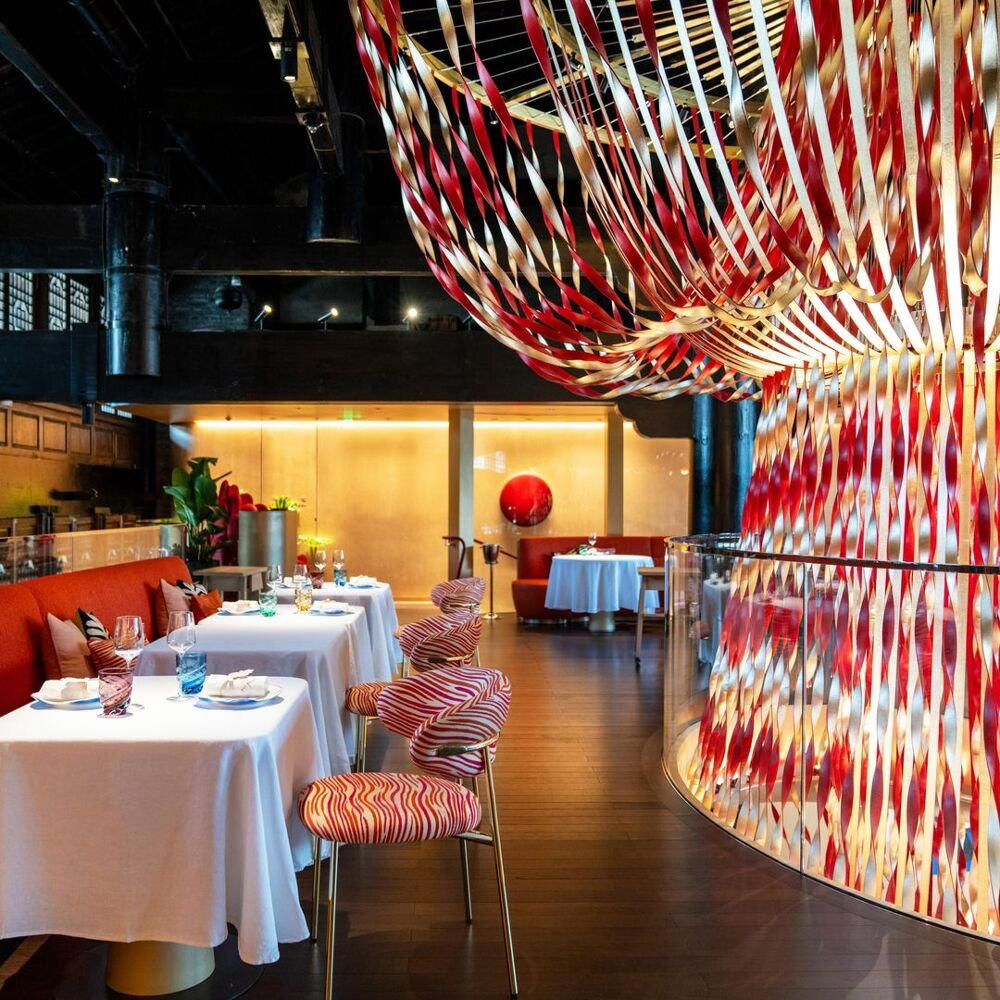
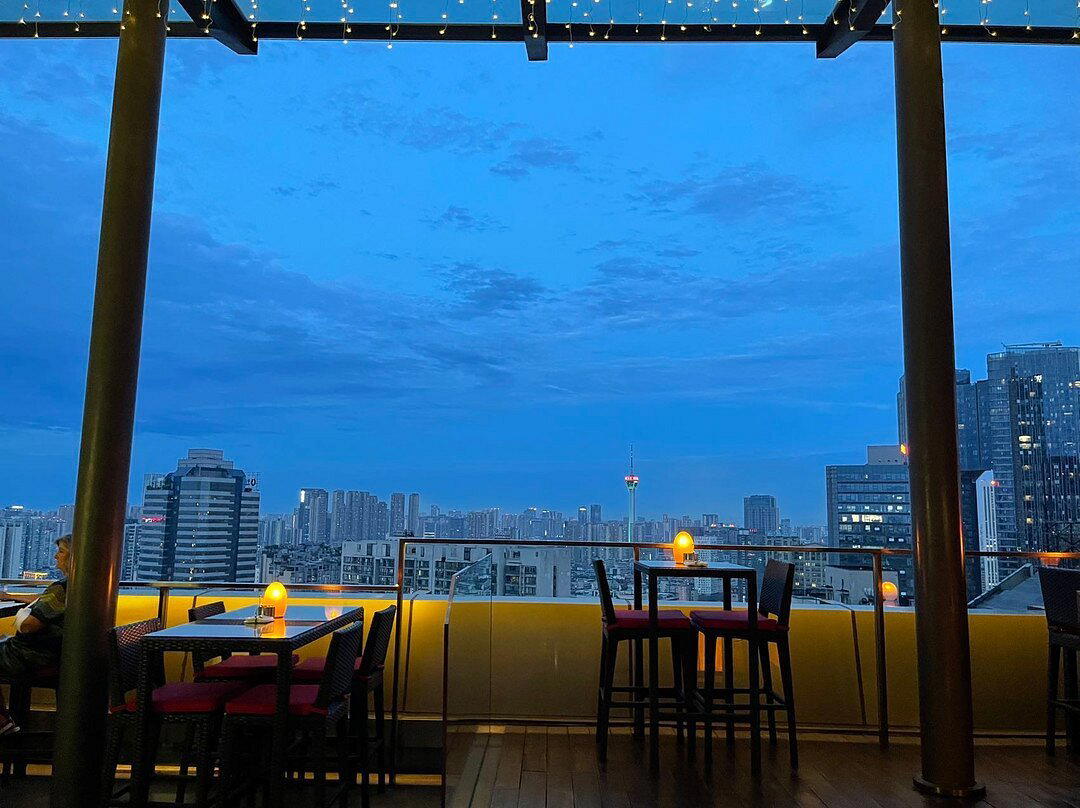
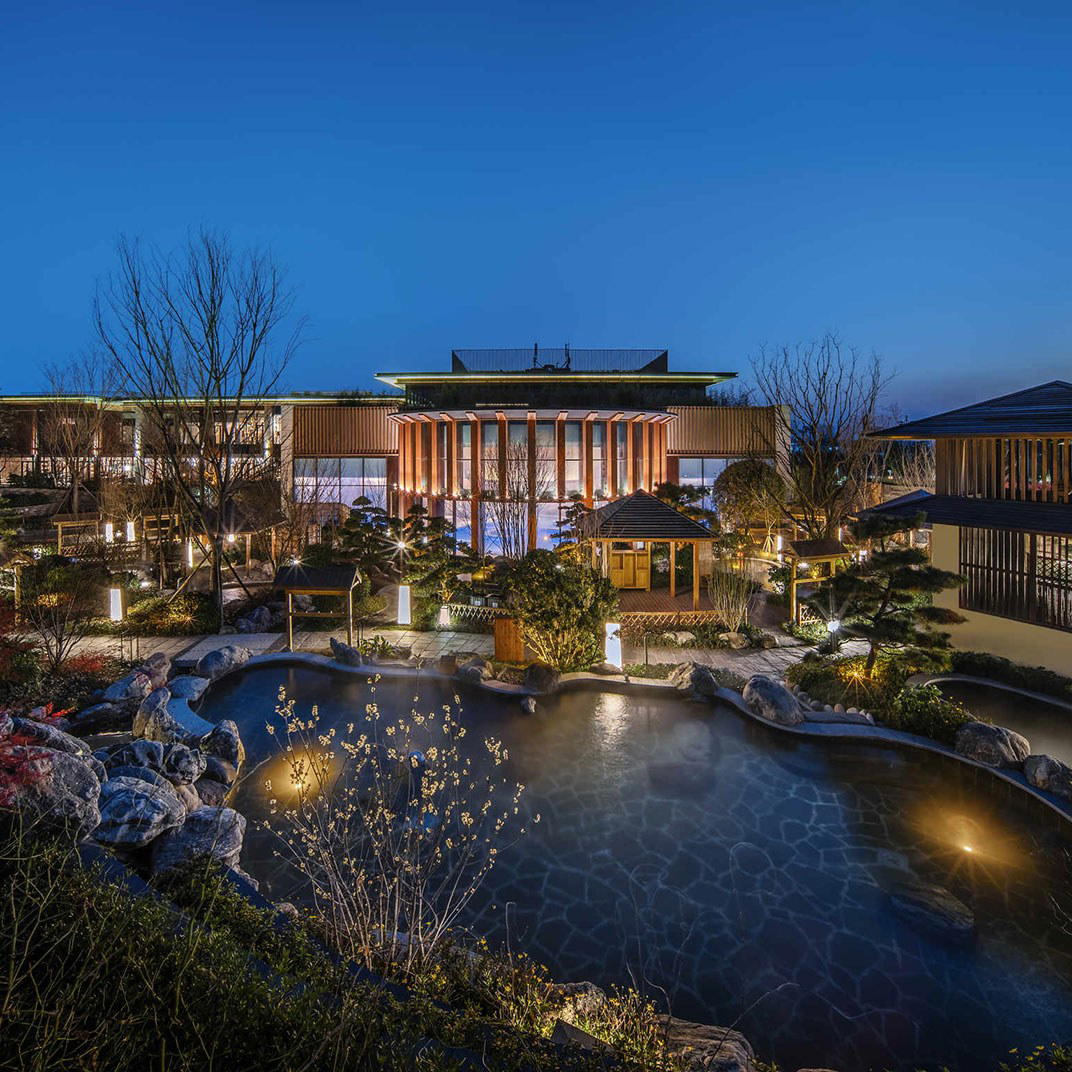
Arrive at the Xingfu West Road end of Sanshengxiang in Chengdu's Jinjiang District and the shift from city street to courtyard enclosure is immediate. The urban noise recedes. The architecture turns inward. This is the spatial logic of the traditional Chengdu yuan zi, the walled courtyard compound, and it frames the meal before a single dish arrives. Across Chinese regional dining, the relationship between setting and food has always been deliberate: a room that slows you down tends to slow the kitchen down too, which is exactly the condition that careful Sichuan cooking requires.
Xue Tao · In the Yard holds a 2024 Michelin Plate, the guide's signal that a kitchen is producing food worth attention. Among Chengdu's Michelin-recognised addresses, that places it in a tier below the ¥¥¥¥ altitude of Yu Zhi Lan but well above the direct canteen register of the city's cheapest Sichuan addresses. The ¥¥¥ pricing and a Google rating of 5.0 from 1 review suggest a kitchen maintaining consistency at a price point where Sichuan cooking in Chengdu is both highly competitive and deeply scrutinised by locals who eat this food daily.
The Sourcing Logic Behind Chengdu's Sichuan Tables
The ingredient question in Sichuan cooking is not incidental. It is structural. The province's geography, the Chengdu Plain, the mountain ranges to the west and north, the humidity of the basin climate, produces a specific set of ingredients that cannot be accurately replicated elsewhere: Hanyuan peppercorns with their particular citrus-forward numbness, Pixian doubanjiang fermented for years in outdoor vats, locally grown garlic shoots, and river fish that don't travel. Restaurants that take sourcing seriously in Chengdu are not making a trend statement; they are working within a centuries-old supply logic that ties the food to the land in ways that matter to how a dish tastes.
The courtyard setting at Xue Tao reinforces this provenance orientation. Jinjiang District sits close to the historic and agricultural rhythms of Chengdu, and venues in this part of the city have long drawn on market relationships that larger, hotel-affiliated restaurants cannot always replicate. For the diner, this means the Sichuan canon here, whatever the current menu holds, is more likely to arrive with ingredients sourced through those local channels than through a centralised distribution chain. That is the practical meaning of a kitchen cooking Sichuan food in a Sichuan courtyard in Sichuan, rather than in a Sichuan-branded restaurant in a mall.
Across China, this sourcing distinction is now a meaningful dividing line. At Song, Sichuan in Guangzhou and Yong, Sichuan in Guangzhou, Sichuan cooking is presented at a premium remove from its source, aimed at a Cantonese dining public. The trade-off is obvious: the further a regional cuisine travels from its supply base, the more deliberate the sourcing effort has to become to preserve integrity. At Xue Tao, that problem simply doesn't exist in the same form.
Chengdu's Mid-Range Sichuan Tier: What the Plate Signals
The Michelin Plate is a useful calibration device for Chengdu specifically because the city's Sichuan dining scene is so large and varied that external reference points help. At the top of the market, addresses like Fu Rong Huang and Silver Pot operate at a price and formality level that positions them against peer restaurants in Beijing or Shanghai rather than against local neighbourhood kitchens. At the other end, the single-dish specialists and street-food-adjacent spots charge ¥ and serve a largely local walk-in trade.
The ¥¥¥ Plate tier that Xue Tao · In the Yard occupies is where careful cooking can still feel accessible: enough investment in ingredients and technique to produce food with real precision, without the ceremony or price inflation that accompanies the starred tier. Fang Xiang Jing and Ma's Kitchen occupy adjacent positions in this same part of the market, giving diners a comparable set against which to calibrate expectations. The Michelin Plate does not guarantee a specific style or level of ambition, but it does confirm that the guide's inspectors found the cooking coherent and deliberate enough to recommend attention.
Compared to Chinese regional restaurants in other cities reviewed by EP Club, the mid-tier Sichuan address in Chengdu operates with a home-field advantage that is hard to overstate. 102 House in Shanghai, Ru Yuan in Hangzhou, and Dai Yuet Heen in Nanjing all operate regional Chinese cooking at a distance from its origin. In Chengdu, the supply chain is short, the local palate is exacting, and the competition is dense enough that only kitchens cooking with real intent hold a recommendation.
Planning a Visit
Xue Tao · In the Yard is located in the Xingfu Meilin area of Sanshengxiang, Jinjiang District, at the Xingfu West Road junction. The ¥¥¥ pricing puts a full meal around $75 per person, and the courtyard format suggests a meal taken at a measured pace rather than as a quick stop. Reservations are recommended. For Chengdu's broader dining scene,
For those building a broader itinerary across China's premium dining addresses, the contrast between Chengdu's Sichuan kitchens and addresses like Xin Rong Ji in Beijing, Chef Tam's Seasons in Macau, or Imperial Treasure Fine Chinese Cuisine in Guangzhou is instructive. Each represents a different answer to the same question: what does Chinese regional cooking look like when it is taken seriously at a formal table.
What Should I Order at Xue Tao · In the Yard?
What the 2024 Michelin Plate and the courtyard Sichuan format together suggest is a menu built around the core canon: the numbing-heat register of ma la, braised preparations that depend on long-fermented pastes, and seasonal vegetables sourced through the local market chain. In a Chengdu Sichuan kitchen at this recognised tier, the cold dishes and the slow-cooked sections of the menu tend to carry the most weight. Ask staff what is freshest or most seasonal on the day, in this type of Sichuan courtyard restaurant, that question will usually produce a more useful answer than any fixed list.
Cuisine Lens
Comparable venues nearby, for context on price, style, and recognition.
| Venue | Cuisine | Price | Awards | Notes |
|---|---|---|---|---|
| Xue Tao · In the YardThis venue — the venue you are viewing | Refined Sichuan Home Cooking | $$$ | Michelin Plate | |
| Nan Tang (Tianshun Road) | Sichuan Cuisine | $$$ | Michelin Plate | Chengdushi |
| Wu Yue Gong | Sichuanese Fusion Fine Dining | $$$ | Michelin Plate | Chengdushi |
| Xiang Shang Xiang | Refined Hunan Cuisine | $$$ | Michelin Plate | Chengdushi |
| Chaimen Gong Guan | Modern Sichuanese | $$ | Michelin Plate | Chengdushi |
| Qian Li | Taizhou Seafood | $$$ | Michelin Plate | Chengdushi |
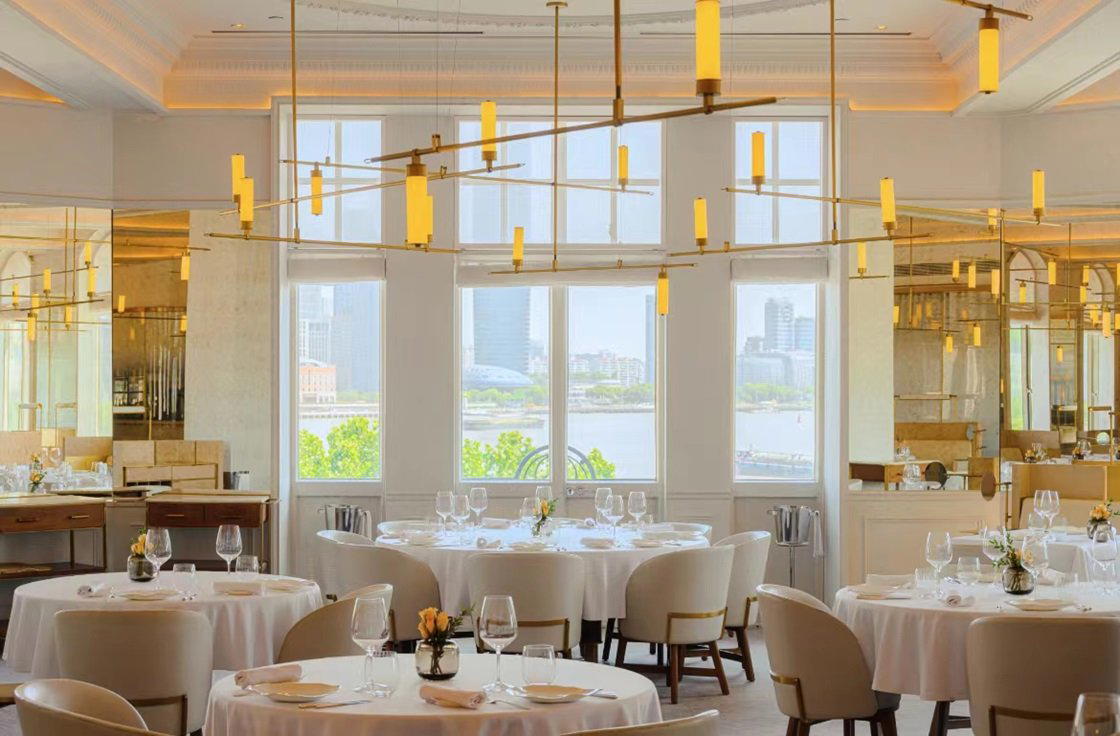
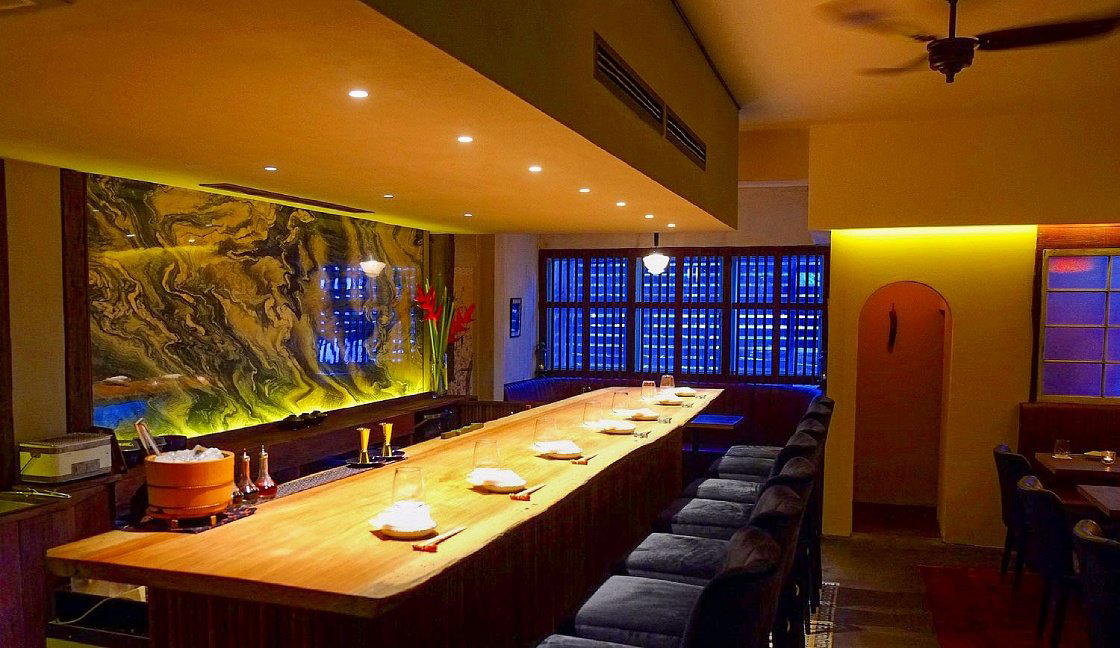
At a Glance
- Scenic
- Cozy
- Elegant
- Rustic
- Intimate
- Family
- Special Occasion
- Date Night
- Garden
- Courtyard
- Garden
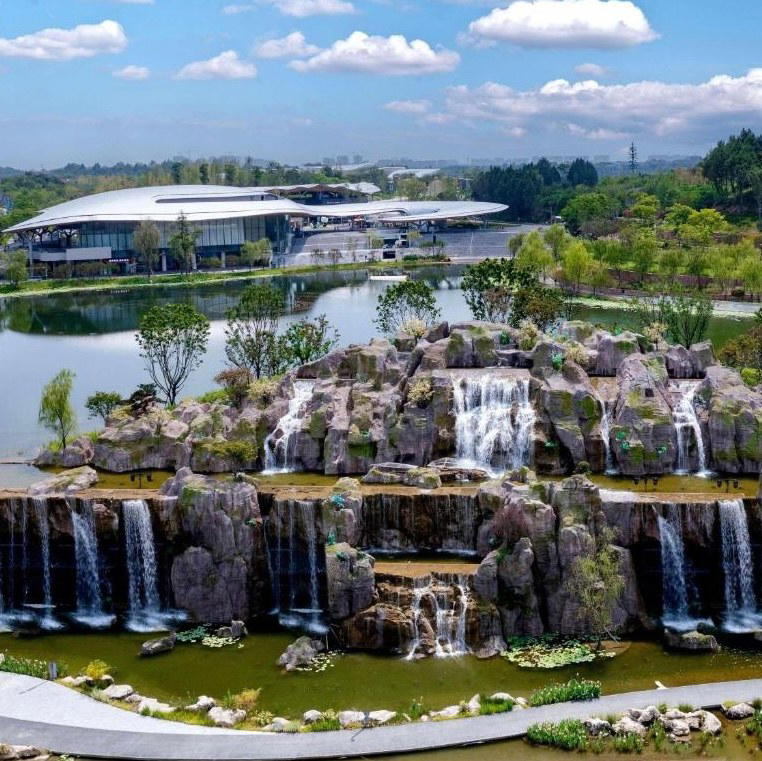
Hushed garden tranquility with lantern light against timeworn wood and whisper of garden leaves.