
Xiang Shang Xiang brings Hunanese cooking into Chengdu's Wuhou district, earning consecutive Michelin Plate recognition in 2024 and 2025. In a city defined by Sichuan heat, this ¥¥ address holds its ground with the smoky, cured, and wok-charred traditions of Hunan, a regional cuisine that handles fire and ferment differently from its Sichuan neighbour. The restaurant sits on Wensheng Road, accessible and unhurried in equal measure.
Pearl is the En Primeur Club membership app — saves, bookings, and concierge access live there. Same editors, same standards.
- Address
- China, CN 四川省 成都市 武侯区 文盛路 22 22号附6 邮政编码: 610043
- Phone
- +86 28 6083 1298
- Directions
- Get directions
 Saves & bookings on Pearl
Hunan's Fire in a Sichuan City
Chengdu has spent years consolidating its reputation as mainland China's most self-assured food city, but the dominance of Sichuan cooking can obscure how much genuine regional plurality operates within its borders. Hunanese restaurants occupy a specific niche here: respected by locals who distinguish between the two cuisines, but less visible to visitors who arrive with mapo tofu and dan dan noodles already written on their itineraries. Xiang Shang Xiang, on Wensheng Road in Wuhou district, belongs to that quieter tier, a Hunanese address that has earned consecutive Michelin Plate recognition in 2024 and 2025, the kind of steady signal that marks a kitchen worth taking seriously.
The address places it well inside Wuhou, a district south of the city centre that mixes residential life with local dining density. It is not a destination quarter in the way that Jinli or Kuanzhai Xiangzi pull tourists, which means the dining room operates at a register closer to neighbourhood use than to hospitality performance. For visitors more interested in how Chengdu actually eats than in curated experiences, that distinction matters.
The Char Tradition: How Hunan Handles Heat
To understand what Xiang Shang Xiang is doing, it helps to understand what distinguishes Hunanese cooking from the Sichuan paradigm that surrounds it. Both cuisines are spicy, but the mechanisms differ. Sichuan heat is numbing and layered, built around the interaction of dried chilies and Sichuan peppercorn. Hunanese heat is more direct, fresh and dried chilies used with less lipid cushioning, producing a cleaner, sharper burn. More critically for the purposes of this restaurant, Hunan has a deep tradition of preservation and smoke: cured pork, smoked duck, and fermented black beans are structural ingredients rather than accent notes.
The roasting and curing traditions in Hunan share some surface resemblance with the Cantonese char siu and Peking duck roasting canon, but the orientation is different. Where Cantonese roasting tends toward lacquered sweetness and rendered fat, Hunanese curing leans into salt, smoke, and the drying process itself. The result is an intensity that reads differently on the palate, denser, more saline, with smoke that comes from curing rather than from the roasting stage. At ¥¥ pricing, Xiang Shang Xiang is operating in the same accessible register as addresses like Fang Xiang Jing and Fu Rong Huang, rather than in the upper tier occupied by Yu Zhi Lan or Xin Rong Ji, both of which operate at ¥¥¥¥.
Hunanese Cooking in a Chengdu Context
Hunan cooking has a small but established footprint in Chengdu. The city's appetite for strong flavours creates natural conditions for Hunanese food to find an audience, but it competes in a market where Sichuan cooking is both local and dominant. Restaurants like Xiang Shang Xiang are positioned as regional specialists rather than as crossover interpretations, which means the menu logic tends to follow Hunan conventions rather than adapting them for Sichuan palates. This is worth noting for anyone who arrives expecting the numbing complexity of the local cuisine, Hunanese cooking at this level is its own register entirely.
Within the national Hunanese dining scene, Chengdu's practitioners occupy a middle ground. In Beijing, Hunanese has a longer and more visible track record: Furong and In Love (Gongti East Road) both serve the cuisine in a capital city context where Hunanese restaurants have historically drawn a well-travelled, politically connected crowd. Chengdu's Hunanese addresses operate with less of that legacy, which in some ways frees them to cook without the weight of expectation that comes with Beijing's Hunanese dining tradition.
The ¥¥ price point also places the restaurant in an interesting position relative to the broader Chengdu mid-range. At that tier, it competes for the same spend as addresses covering entirely different regional traditions, Hokkien Cuisine, for instance, represents Fujian cooking at a comparable price tier, which illustrates how much regional Chinese plurality Chengdu now accommodates in the ¥¥ bracket. A city that could once be described as monolithically Sichuan at the accessible end of the market has clearly diversified.
Two Consecutive Michelin Plates: What the Signal Means
Michelin's Chengdu guide has grown in authority since the city's inclusion, and Plate recognition, the tier below starred status, functions as a consistency marker rather than a superlative. It signals that inspectors have returned, found a kitchen operating at a reliable standard, and judged the cooking worth drawing attention to. For the restaurant, consecutive Plate awards in 2024 and 2025 suggest exactly that: a kitchen that isn't coasting on a single good season. In a city where the Sichuan restaurants tend to command the starred tier, including destinations like Yu Zhi Lan, recognition for a Hunanese address at this price point represents a different kind of credibility.
Michelin's expansion across mainland China has been uneven, and recognition at any level in cities like Chengdu, Guangzhou, or Nanjing carries weight. Addresses like Imperial Treasure Fine Chinese Cuisine in Guangzhou, Chef Tam's Seasons in Macau, and Dai Yuet Heen in Nanjing all operate within that same expanding inspection framework. The restaurant's Plate, at ¥¥, sits at the accessible end of that recognition spectrum, which is where it matters most for regular use.
Planning a Visit
The restaurant is on Wensheng Road (文盛路 22号附6) in Wuhou district, with a postal code of 610043. The ¥¥ pricing places a meal well within range for most budgets, and the neighbourhood setting means it tends to draw a local rather than tourist crowd. Reservations are recommended.
Comparable Venues
Comparable venues nearby, for context on price, style, and recognition.
| Venue | Cuisine | Price | Notes |
|---|---|---|---|
| Xiang Shang XiangThis venue — the venue you are viewing | Refined Hunan Cuisine | $$$ | Not listed |
| Wanyan | Modern Sichuanese | $$$ | Chengdushi |
| Qian Li | Taizhou Seafood | $$$ | Chengdushi |
| Brustin | Modern Sichuan Fine Dining | $$$$ | Chengdushi |
| Rongle Garden | Heritage Sichuan Cuisine | $$$ | Chengdushi |
| The Woo's | Modern Sichuan Fine Dining | $$$ | Chengdushi |
Recognition history
Dated appearances from independent guides and award organizations, with the underlying list record or original source where available.
Michelin Plate
Michelin
Michelin Plate
Michelin
At a Glance
- Elegant
- Sophisticated
- Intimate
- Special Occasion
- Business Dinner
- Open Kitchen
- Sake Program
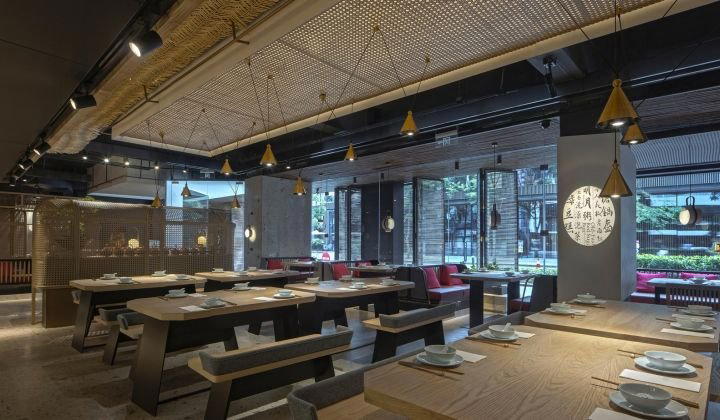
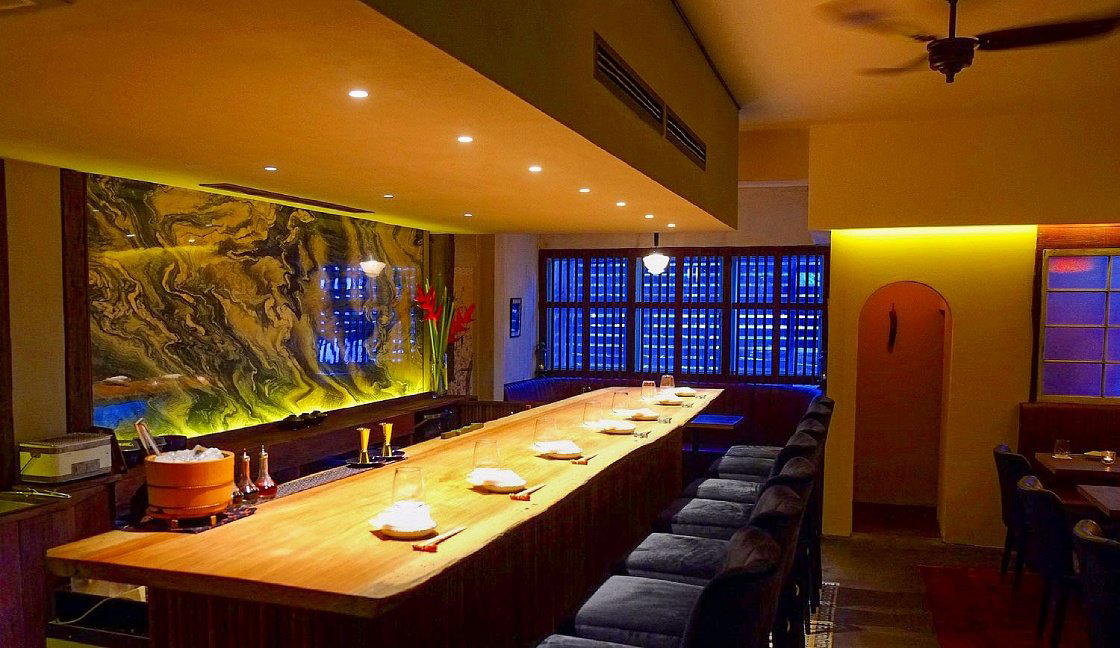
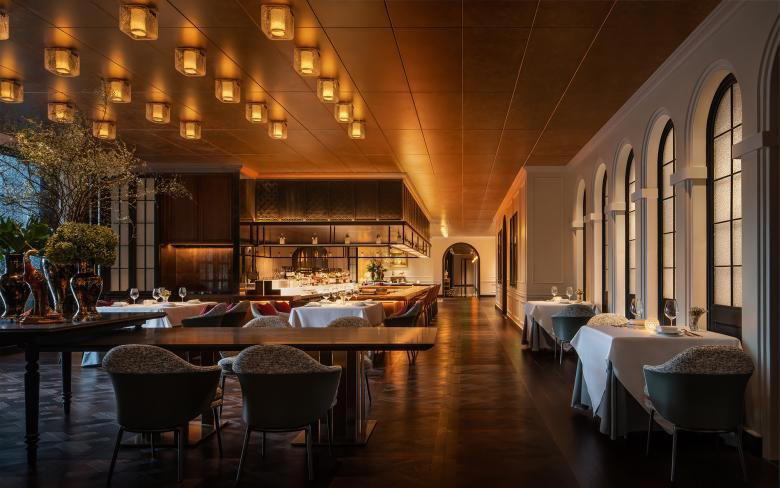
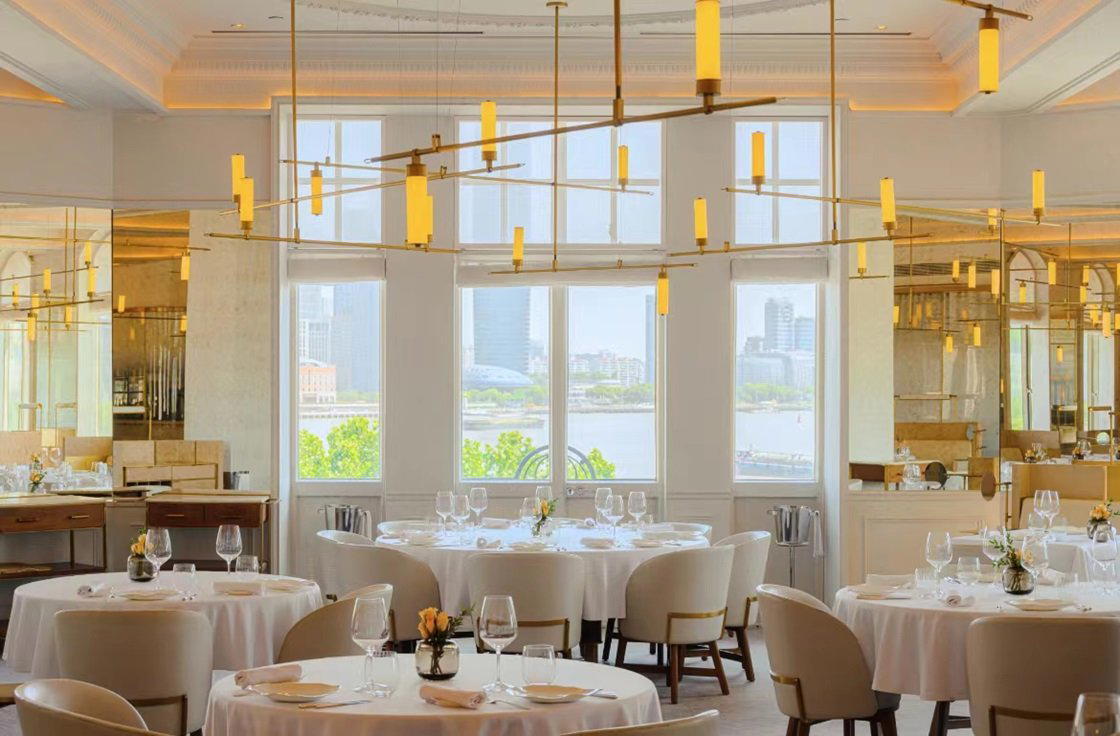
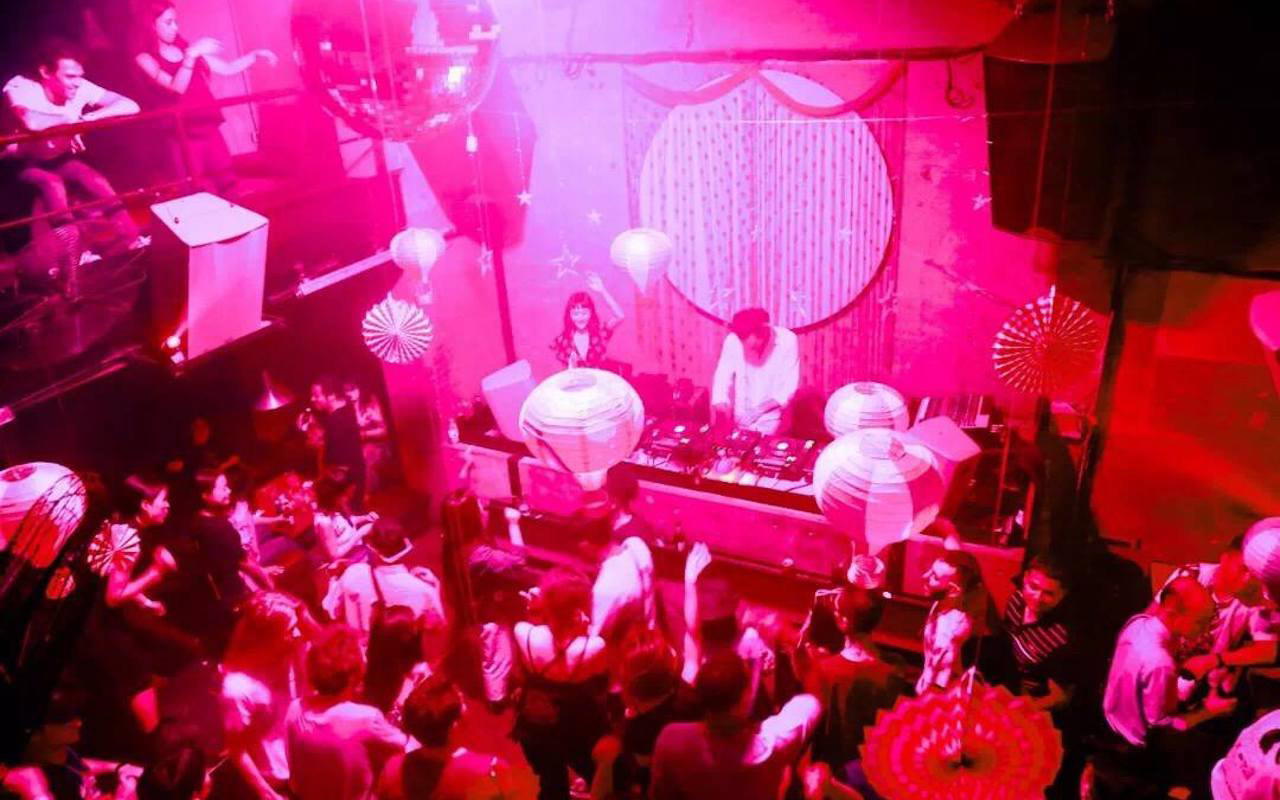
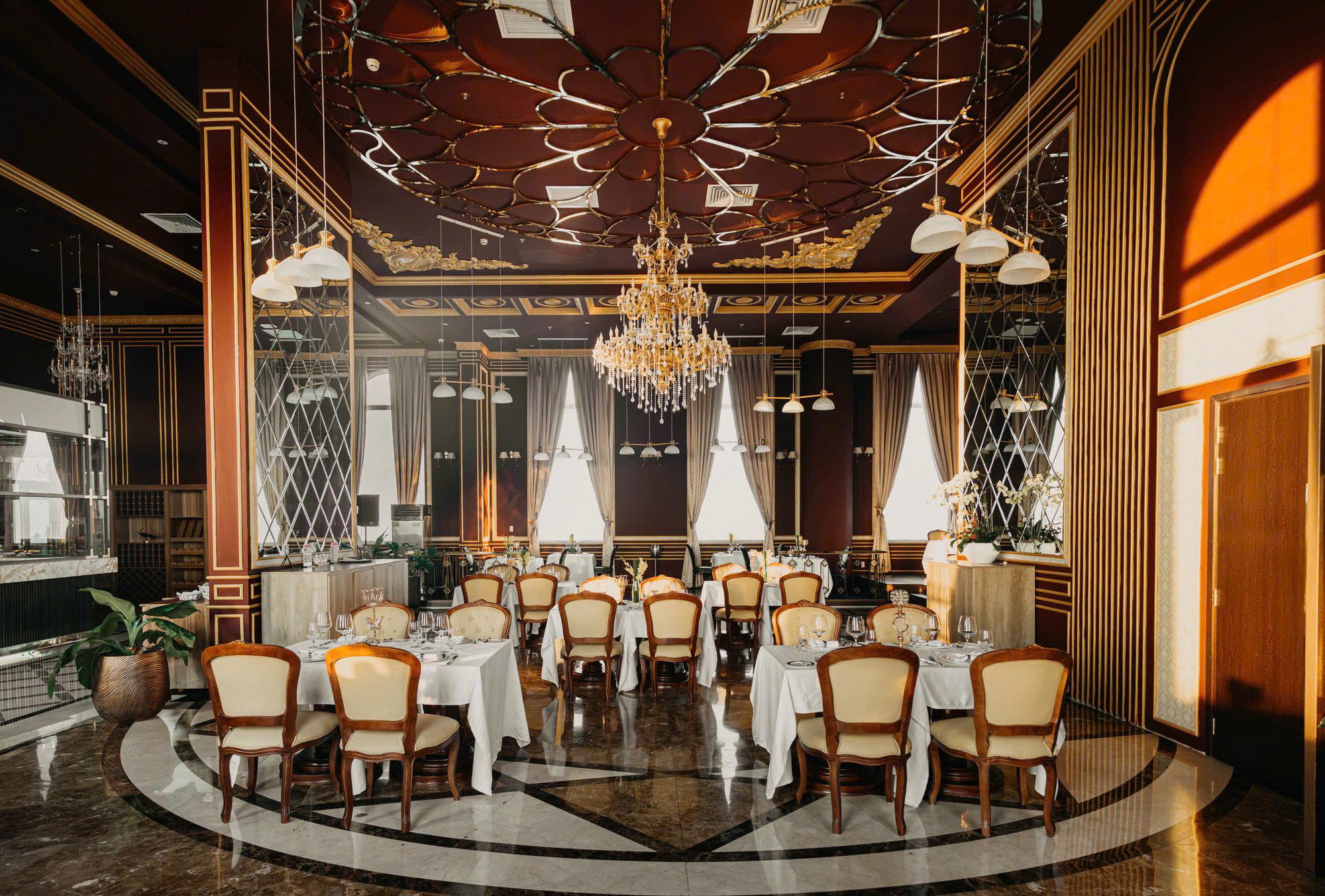
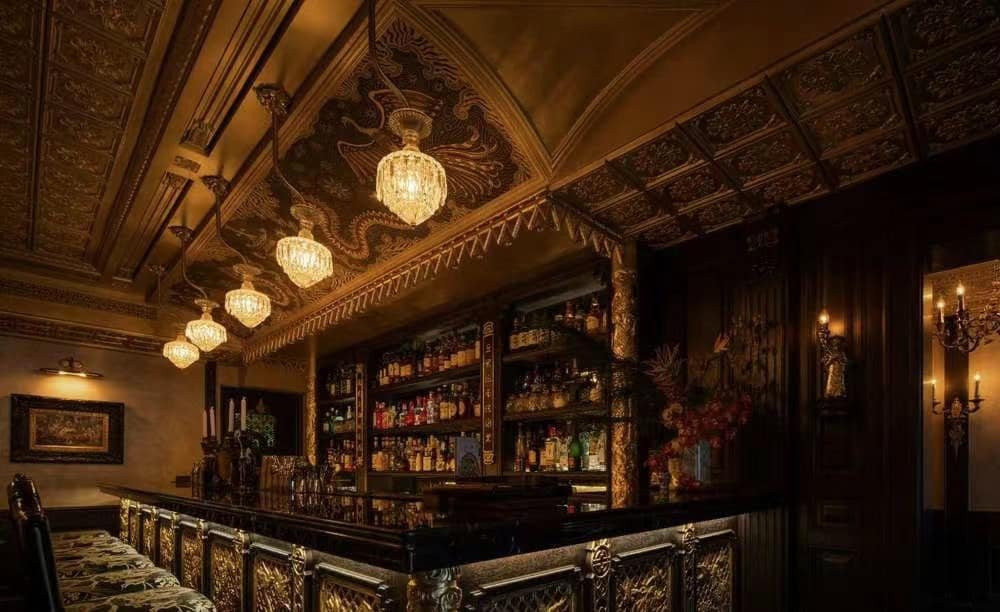
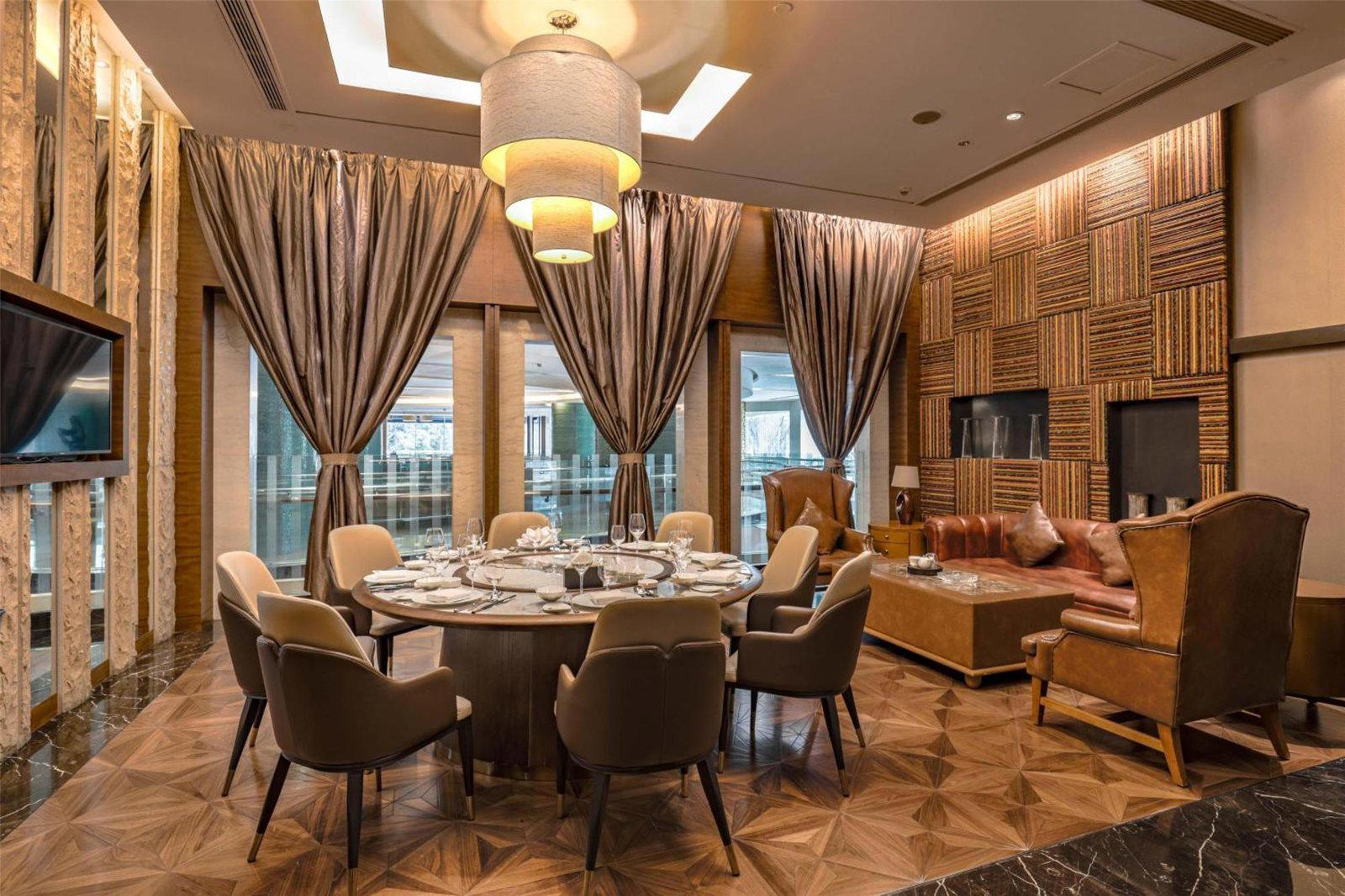
Balances contemporary elegance with grounded comfort, warm and intimate.