
A Leading Hotels of the World member positioned in Chengdu's historic Qing Yang district, Guanyin Yiyuntai Hotel draws its identity from the layered architectural heritage of the city's old quarter. For travellers seeking a property where Sichuan spatial tradition informs the physical experience rather than decorates it, this address in Luomashi occupies a distinct position within Chengdu's premium accommodation tier.
Pearl is the En Primeur Club membership app — saves, bookings, and concierge access live there. Same editors, same standards.
- Address
- 1 Gu Lou Nan Jie, Luomashi, Qing Yang Qu, Cheng Du Shi, Si Chuan Sheng, 610016
- Directions
- Get directions
 Saves & bookings on Pearl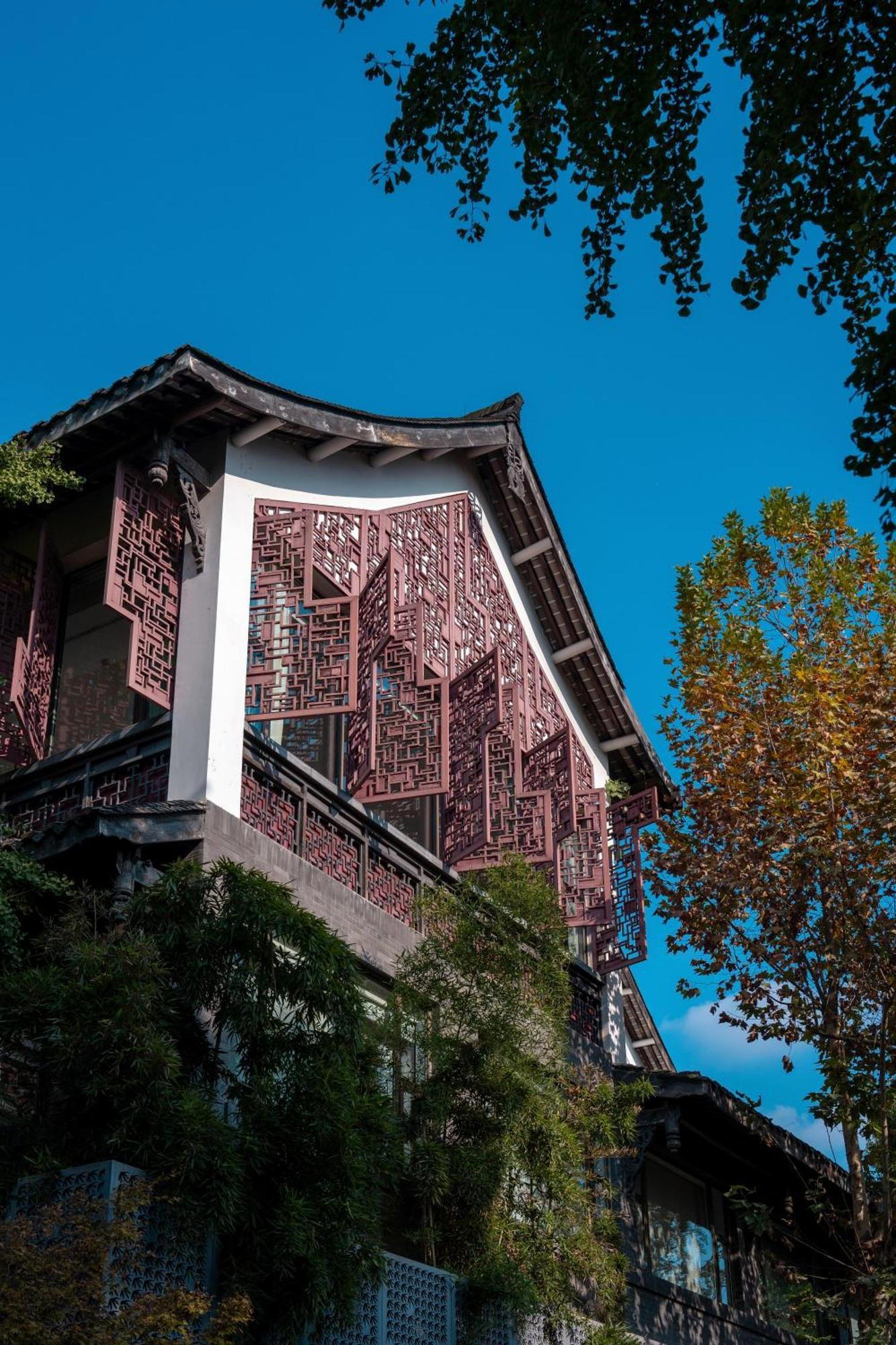
Architecture as Argument: Chengdu's Heritage Hotel Tier
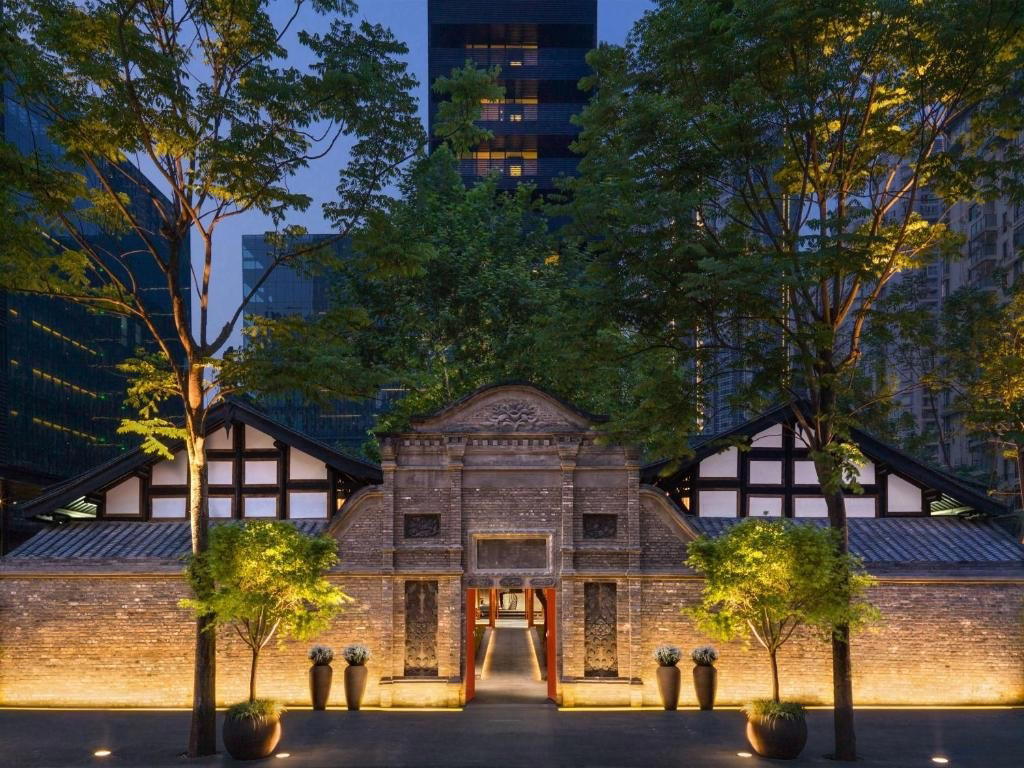
Chengdu's luxury hotel market has split along a familiar axis. On one side sit the international flagships: properties like The Ritz-Carlton, Chengdu, The St. Regis Chengdu, and Waldorf Astoria Chengdu, which compete on tower height, ballroom square footage, and brand recognition. On the other side, a smaller cohort of properties draws from Chengdu's architectural past, using the city's courtyard grammar, timber joinery traditions, and Sichuan decorative vocabulary as structural logic rather than surface finish. Guanyin Yiyuntai Hotel belongs to the second group.
The address alone signals intent. Located at 1 Gu Lou Nan Jie in Luomashi, within the Qing Yang district, the hotel sits in one of central Chengdu's older commercial and cultural corridors. Qing Yang is home to the Qingyang Temple complex, one of China's significant Taoist sites, and the surrounding streets carry that density of accumulated civic life that newer development zones in the city's east and south cannot replicate. The choice to anchor a premium property here, rather than in the Tianfu or Jinjiang financial districts, reflects a specific hospitality thesis about what Chengdu has to offer a particular kind of traveller.
The Physical Language of Sichuan Courtyard Hotels
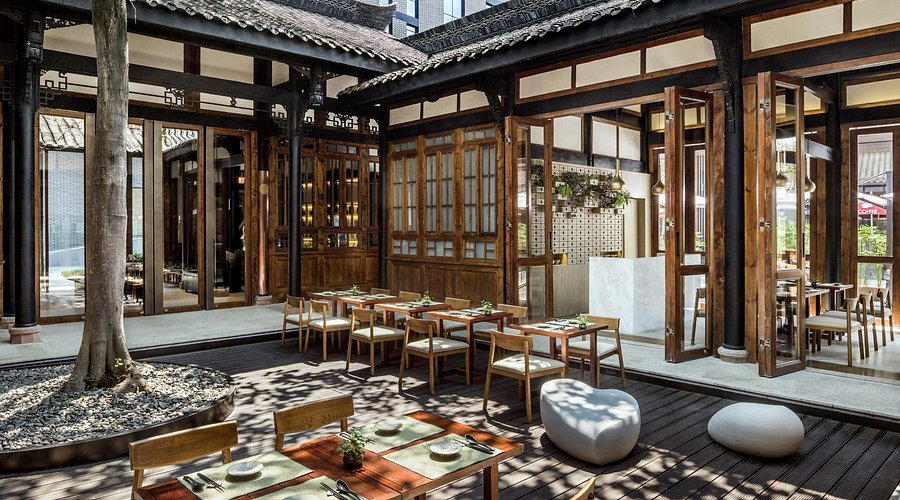
Across China, the courtyard hotel format has become a serious design category. Properties like Mandarin Oriental Qianmen in Beijing and Amanfayun in Hangzhou have demonstrated that visitors will pay a significant premium for a spatial experience rooted in regional architectural tradition, provided the execution is rigorous enough to justify it. The same logic applies in Chengdu, though the design vocabulary here differs from northern courtyard structures. Sichuan's vernacular architecture leans toward covered walkways, carved wooden screens, overhanging eaves designed for the province's overcast, humid climate, and interior arrangements that filter rather than exclude the outside world.
What distinguishes this category from simple heritage tourism is the relationship between the physical structure and the guest's sense of place. When a hotel uses spatial tradition as genuine organisational logic, arriving in the room means understanding something about how the building, the neighbourhood, and the city relate to one another. That is the design argument this tier of Chengdu hotel is making, and it is one worth taking seriously when set against the generic tower-and-lobby formula that dominates much of the city's premium inventory.
Among Chengdu properties that have navigated this territory most carefully, The Temple House offers a useful comparison: a property built around the Daci Temple complex in the Taikoo Li precinct, where the courtyard and the contemporary are held in deliberate tension. Guanyin Yiyuntai Hotel works a different part of the city but operates within a related sensibility.
Leading Hotels of the World: What the Credential Signals
Guanyin Yiyuntai Hotel's 2025 membership in Leading Hotels of the World is the most verifiable signal available about where this property sits in the competitive hierarchy. The LHW collection historically selects for properties that are independently operated, architecturally or culturally specific, and able to meet a service standard that positions them alongside international luxury brands without replicating their formula. Membership is assessed rather than purchased outright, which means inclusion functions as a credential rather than a marketing category.
Properties like Amandayan in Lijiang and Xiamen Yunding Resort in Xiamen operate in a comparable register: smaller footprint, specific sense of place, design-led rather than amenity-led. For travellers familiar with that collection, the signal is meaningful. For those coming from a brand-loyalty framework built around points programmes and flagship names, the credential may require some translation.
Within Chengdu specifically, the LHW membership distinguishes Guanyin Yiyuntai from the international chain properties that dominate the upper tier. Niccolo Chengdu, Upper House Chengdu, and InterContinental Century City Chengdu each carry their own network and recognition, but none operates from a heritage architecture position in the old city in the same way.
Qing Yang District: Neighbourhood Context
The Luomashi area within Qing Yang sits within walking distance of the Qingyang Palace, the Green Ram Temple compound that serves as one of Chengdu's primary Taoist sites, and the Wenhua Park grounds that adjoin it. The district has historically been one of Chengdu's denser cultural zones, less restructured by the wholesale redevelopment that reshaped much of the city centre after 2000. Streets here retain a grain and a human scale that the newer commercial precincts further south do not.
For food, the district connects to Chengdu's broader Sichuan dining culture at street level, which is relevant context for any property operating in this part of the city. Chengdu holds UNESCO Creative City of Gastronomy designation, a credential that reflects the depth and diversity of its food culture rather than any single venue or format. The Qing Yang district sits inside that tradition at a neighbourhood level, with proximity to teahouse culture and local market life that the tower districts to the south cannot replicate. Visitors interested in how the city actually functions day-to-day are better placed here than in a financial district hotel. For a comprehensive view of Chengdu's dining and hotel options, our full Chengdu guide maps the city's key precincts in detail.
Planning Your Stay
Given that Guanyin Yiyuntai Hotel carries Leading Hotels of the World membership and occupies a specific position in a historically significant part of Chengdu, advance booking is advisable, particularly during the spring and autumn travel windows when Sichuan sees its most temperate weather and highest inbound leisure travel. The city's panda base and surrounding attractions draw consistent international demand from March through May and again from September through November, and heritage-position properties with limited keys tend to fill before the large-format tower hotels in those periods.
For travellers comparing options at the design-led, heritage end of the market, properties like Six Senses Qing Cheng Mountain operate on a different spatial model, positioned outside the city proper near Mount Qingcheng, and suit a different kind of trip than a centrally located urban property. The two are less direct competitors than they are different answers to what a Chengdu stay can mean.
Those interested in how Chengdu's heritage hotel approach compares to analogous properties elsewhere in China might look at Green Lake Hotel Kunming, which positions itself around a similar logic of civic park adjacency and local architectural language, or at the contrasting model of 1 Hotel Haitang Bay, Sanya, where the heritage argument is replaced by an environmental one. Each represents a different thesis about what premium hospitality in China can anchor itself to beyond brand names and tower amenities.
How Guanyin Yiyuntai Hotel Chengdu compares with similar nearby venues.
| Venue | Awards |
|---|---|
| Guanyin Yiyuntai Hotel | Leading Hotels of World Member (2025) |
Recognition history
Dated appearances from independent guides and award organizations, with the underlying list record or original source where available.
Leading Hotels of World Member
Leading Hotels of World
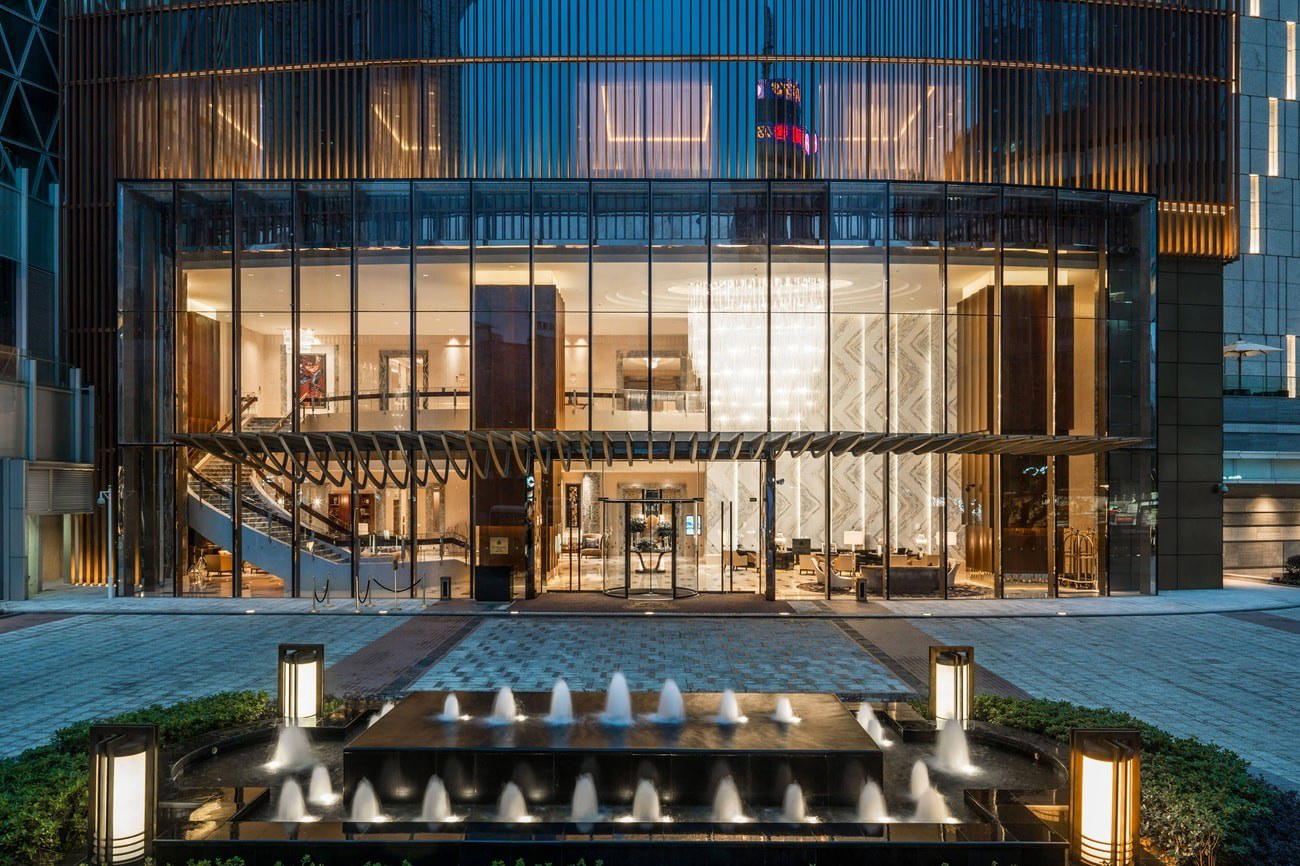

At a Glance
- Elegant
- Quiet
- Scenic
- Sophisticated
- Romantic Getaway
- Business Trip
- Weekend Escape
- Garden
- Terrace
- Historic Building
- Wi Fi
- Fitness Center
- Room Service
- Concierge
- Business Center
- Garden
- Wi Fi
- Fitness Center
- Room Service
- Concierge
- Business Center
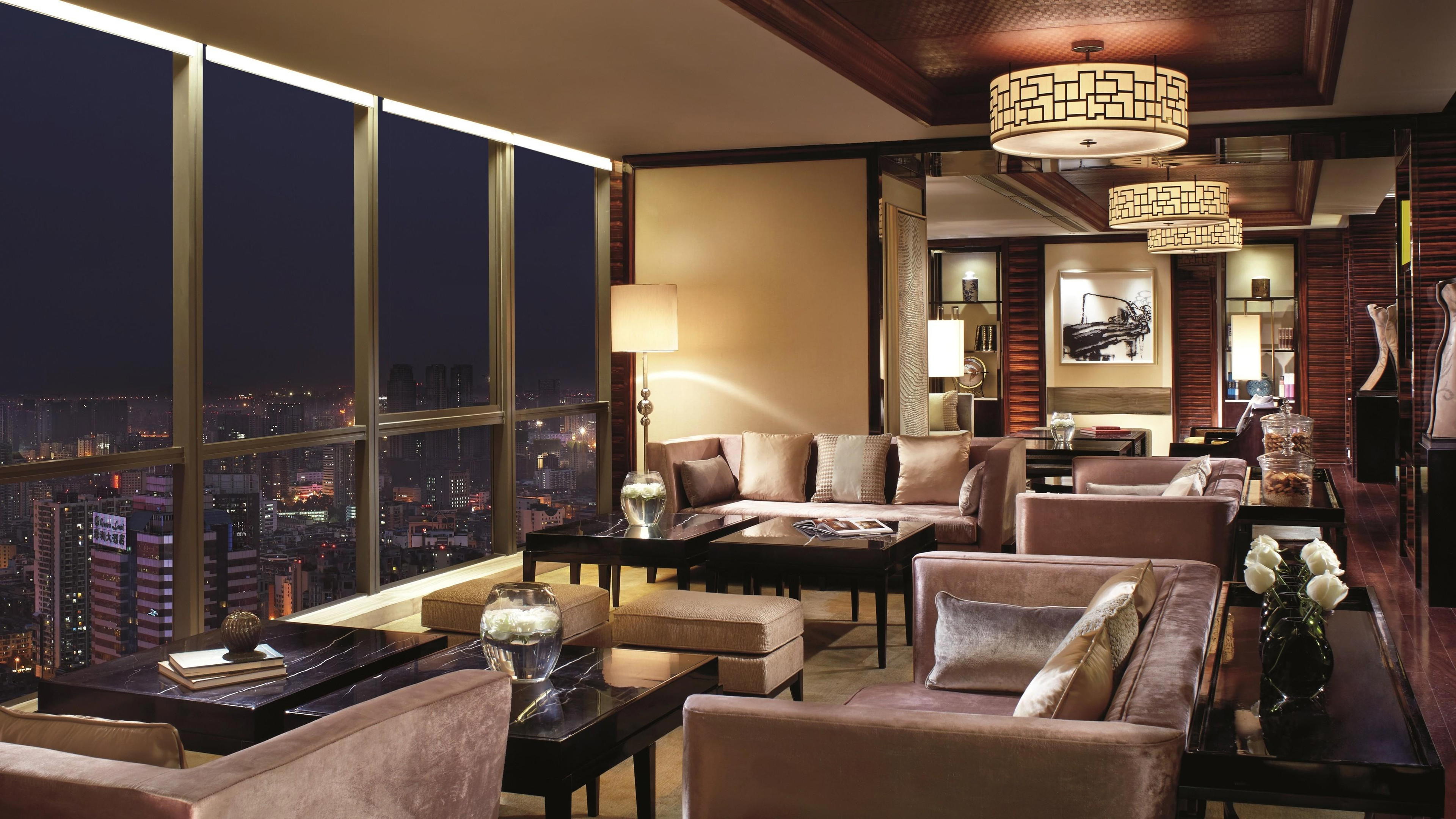
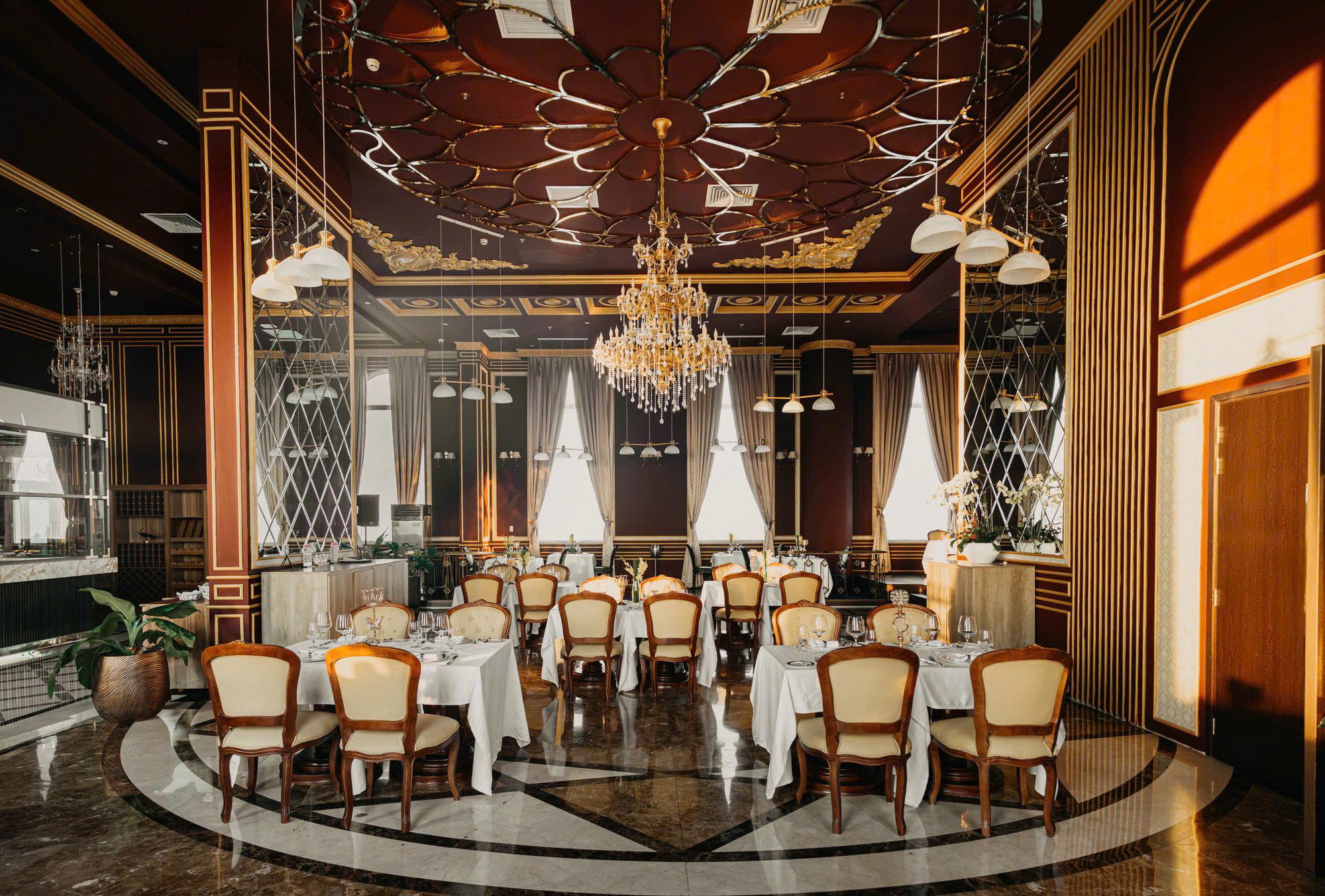
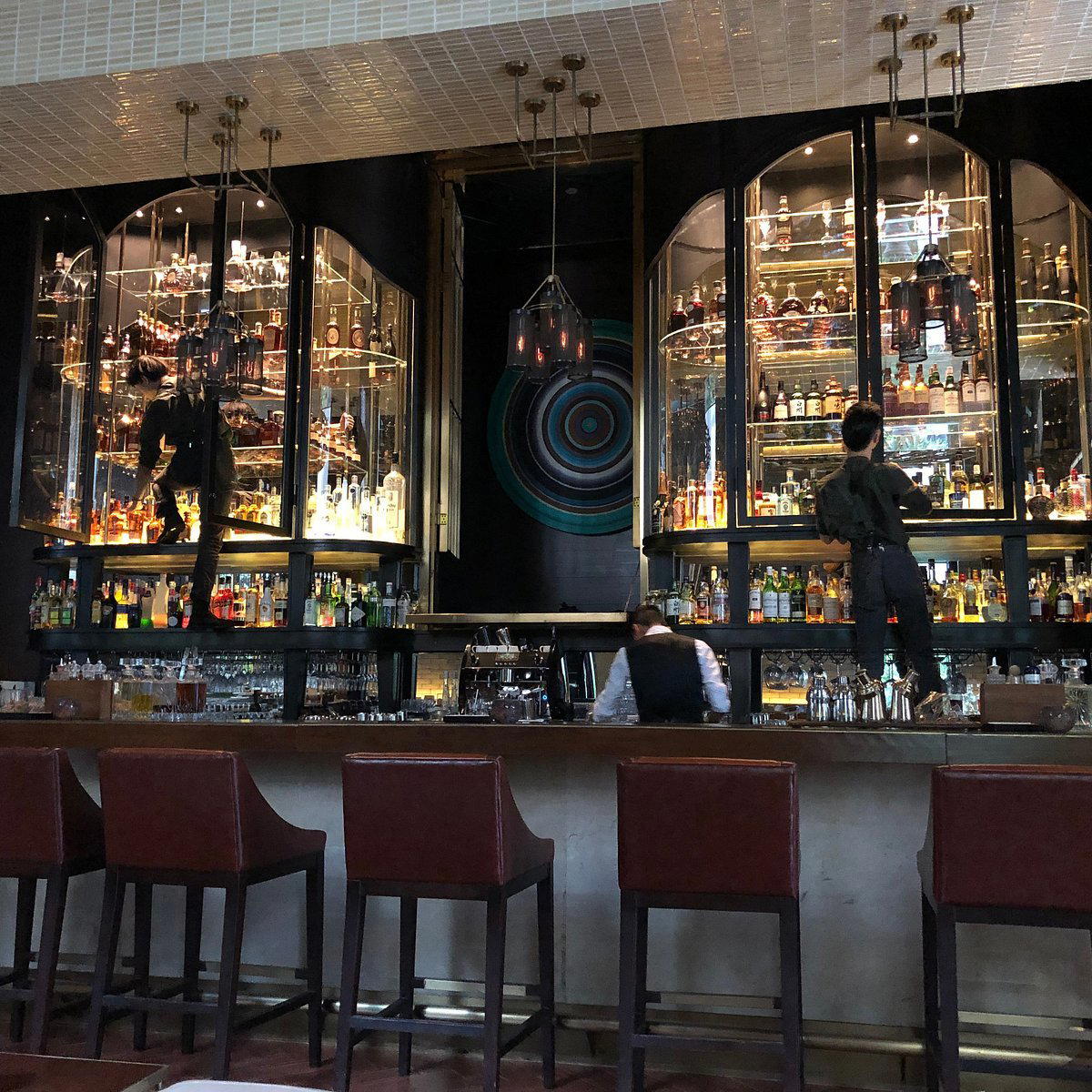
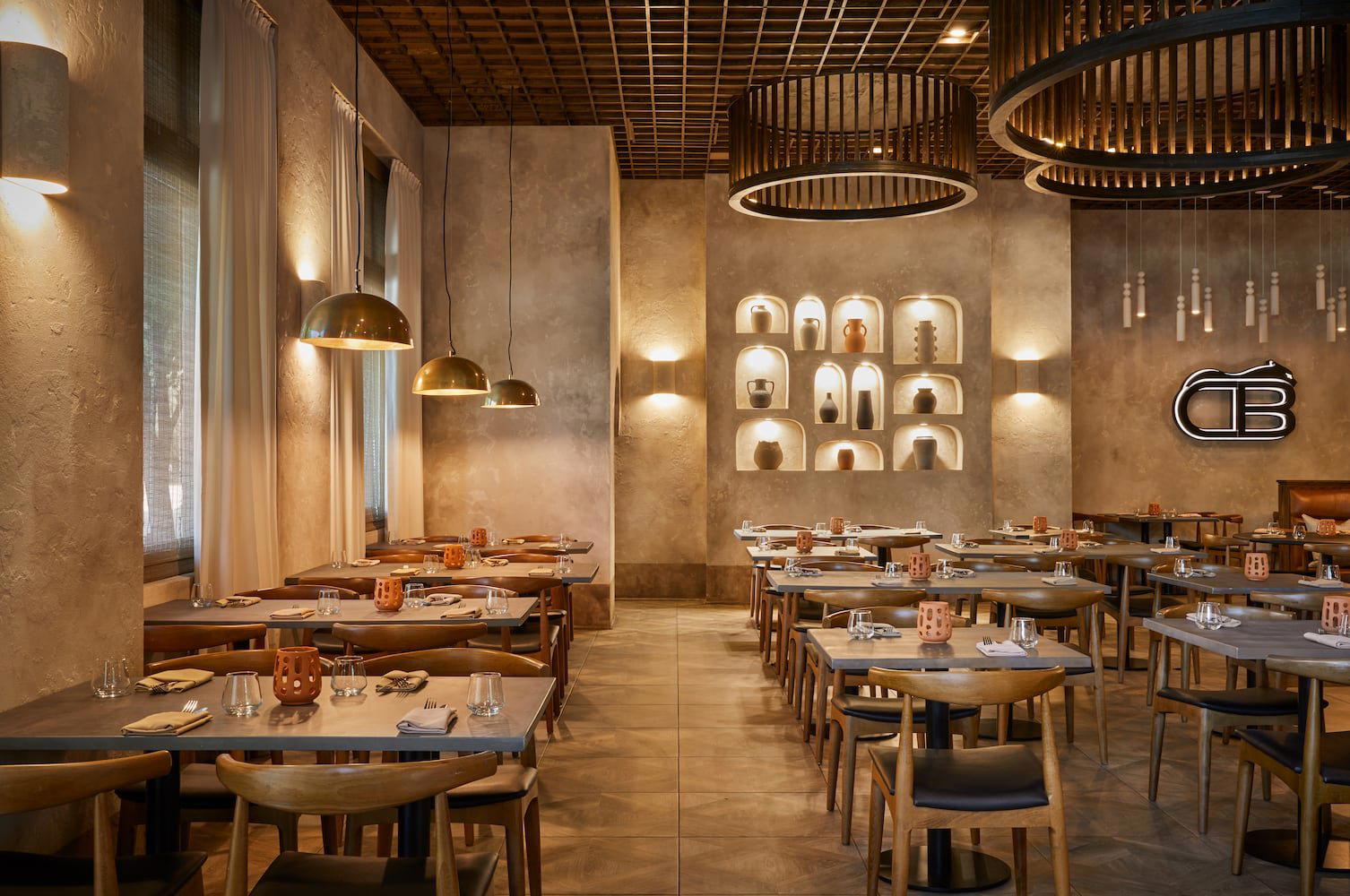
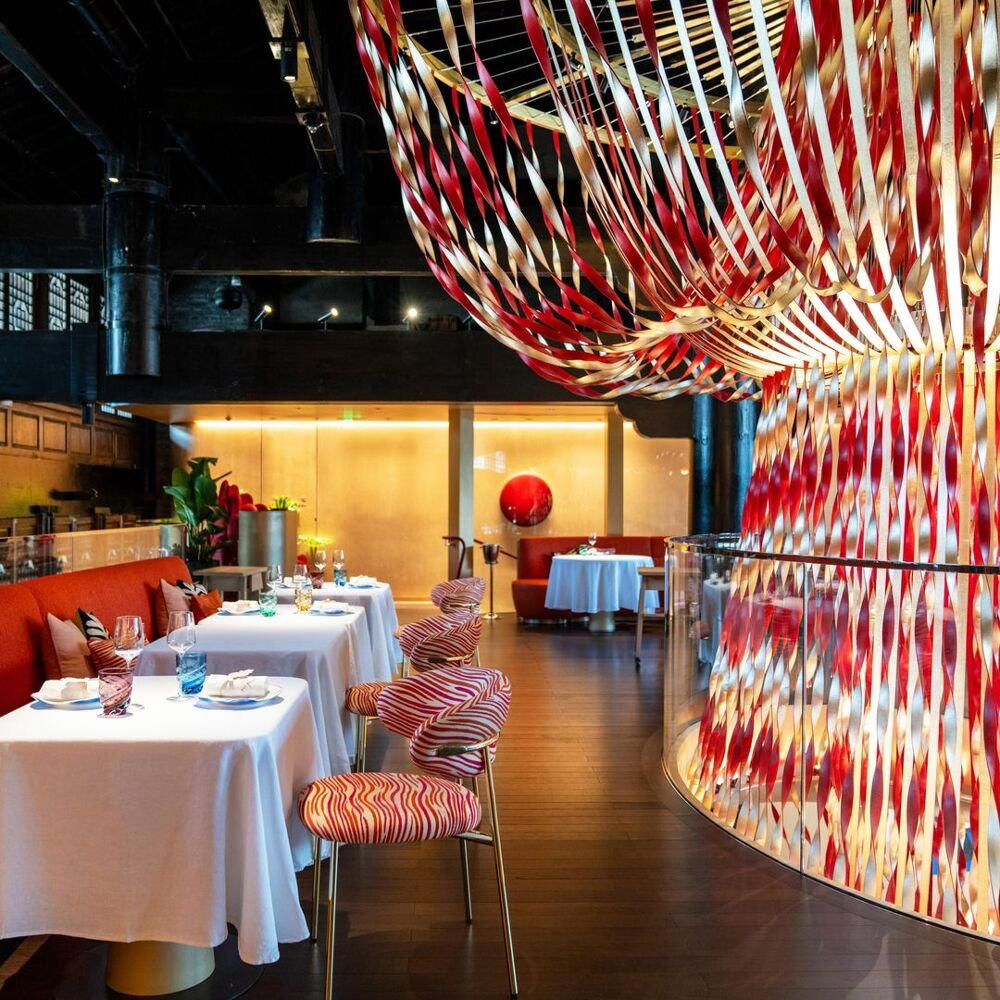
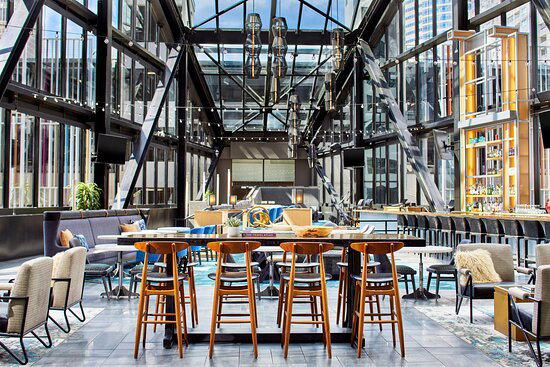
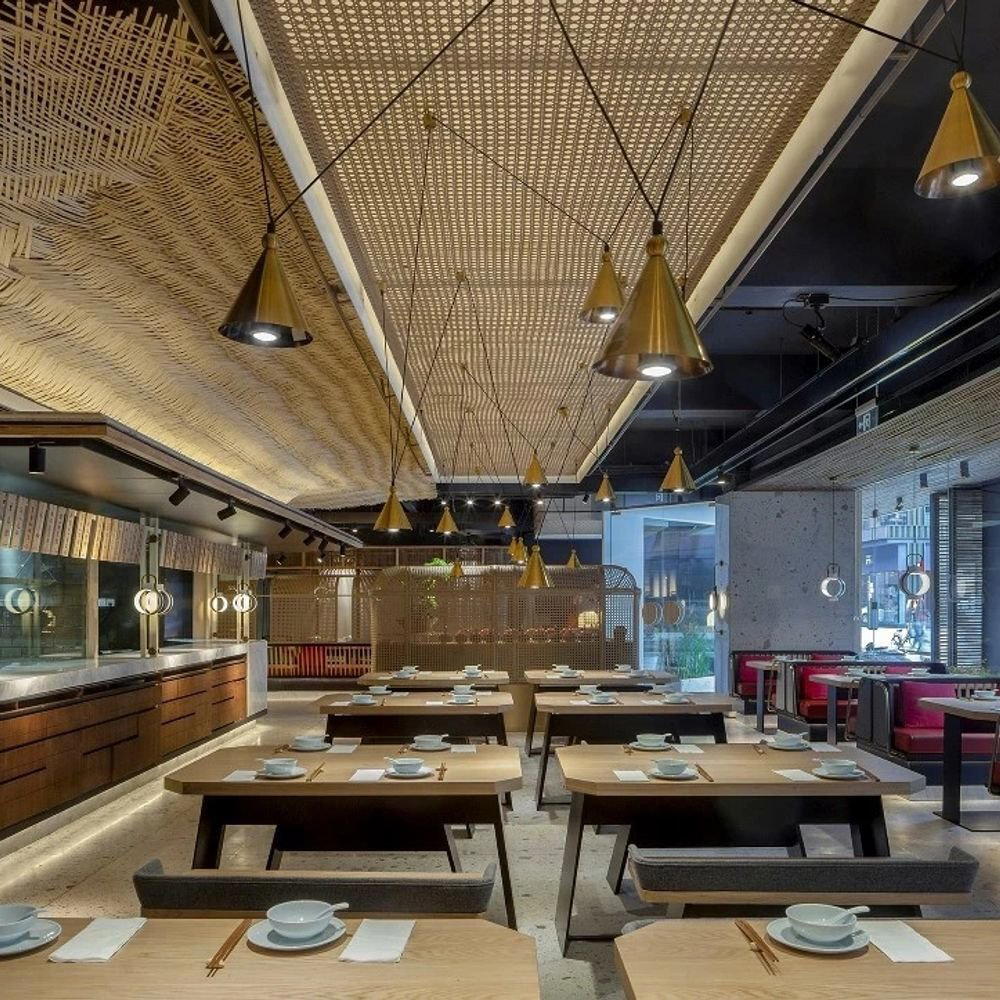
Serene and elegant with peaceful courtyard views, subtle aromatherapy, and sophisticated Chinese-modern interiors featuring natural light and calming color palettes.
Know Before You Go
- Getting there
- 1 Gu Lou Nan Jie, Luomashi, Qing Yang Qu, Cheng Du Shi, Si Chuan Sheng, 610016