

Da Dong's Xuhui outpost brings the Beijing institution's signature roast duck to Shanghai, earning a Michelin star in 2024. The menu extends well beyond the duck, with braised sea cucumber, a seasonal program tied to China's 24 solar terms, and a dining room that fills fast after 6pm. Come with a group; the format rewards breadth.
Pearl is the En Primeur Club membership app — saves, bookings, and concierge access live there. Same editors, same standards.
- Address
- 270 Jiaxing Rd, Hongkou District, Shanghai, China, 200081
- Phone
- +86 131 2220 8748
- Directions
- Get directions
 Saves & bookings on Pearl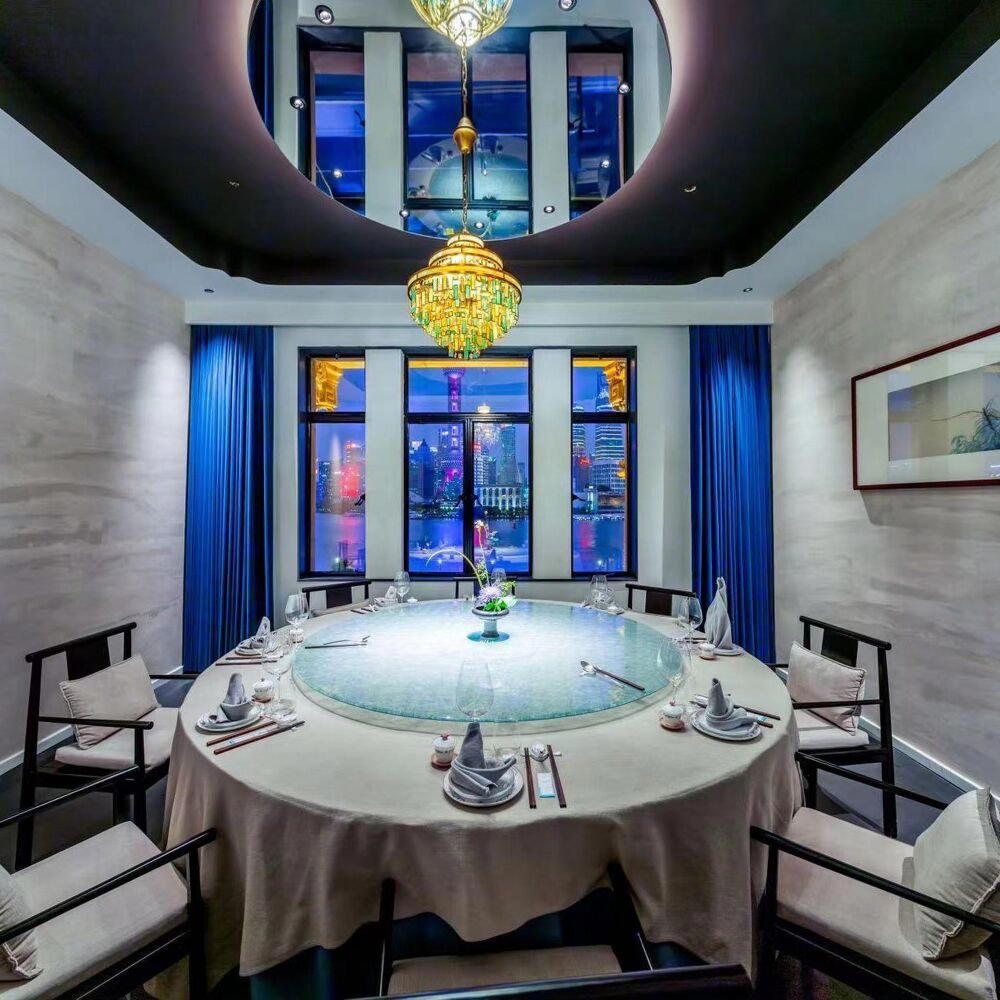
Where the Room Tells You Something Before the Food Arrives
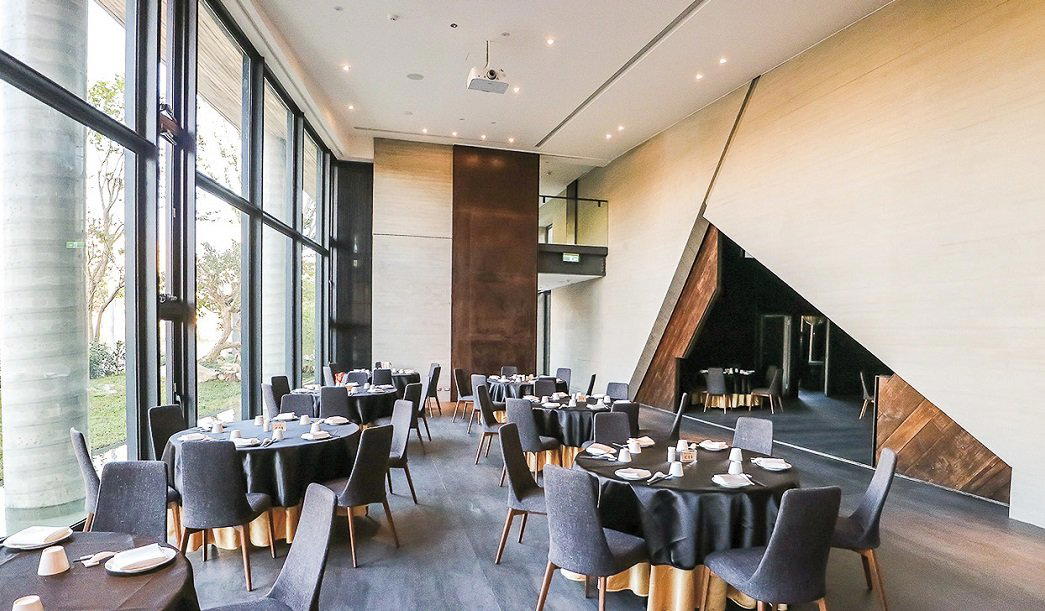
Walk into Da Dong on a weekday evening and the noise level alone establishes the register: this is a restaurant operating at full capacity, with tables of four and six working through shared plates, lacquered duck arriving on wooden boards, and a floor staff moving at the pace the crowd demands. The room is not hushed or ceremonial. It is, instead, the kind of place where the energy is generated by the diners rather than managed by the design. That distinction matters in Shanghai's premium Chinese dining scene, where some restaurants perform refinement while others simply deliver it.
Da Dong sits in the second category. It is a Michelin-starred restaurant in Shanghai, serving Traditional Peking Duck & Chinese Fine Dining at a mid-premium price point. The Beijing original built its reputation on a single dish, roast duck with a skin-to-fat ratio that became the subject of genuine culinary debate, and the Shanghai location inherits that foundation while operating within a city that already has strong opinions about what refined Chinese cooking should look like. A Michelin star awarded in 2024 confirms the kitchen's standing in that conversation.
The Meal as a Sequence, Not a Single Dish
The architecture of a meal at Da Dong follows a recognisable logic: you arrive for the duck, but the table that eats well is the one that treats the duck as a centrepiece within a longer sequence rather than the entire point. The signature roast duck, skin rendered to a dry, audible crispness, the meat beneath retaining its moisture, arrives with steamed buns and the standard accompaniments. It is the dish that defines the room's identity, but ordering it first and stopping there is a structural error.
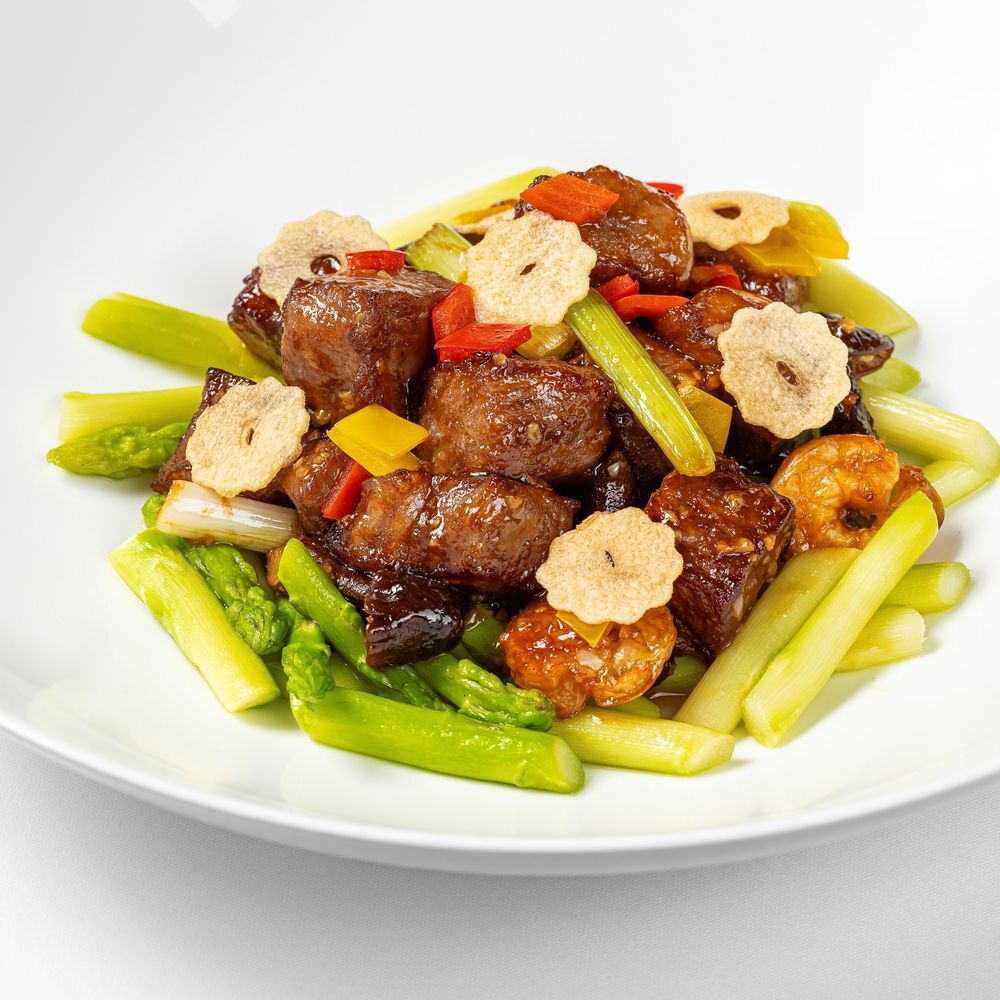
The braised sea cucumber with scallion represents a different register of the kitchen's capability. Sea cucumber cookery is a measure of technical patience in Chinese haute cuisine: the ingredient requires extended preparation and responds poorly to shortcuts. Its presence on the menu, alongside the duck, signals a kitchen that operates across registers rather than anchoring itself to one crowd-pleasing format. This kind of range is what separates a Michelin-recognised Chinese contemporary restaurant from a good roast-duck specialist.
Progression that works well, and the one well suited to a group of four or more, moves from lighter, seasonal preparations through the sea cucumber and then to the duck as the table's shared climax. Groups are the format this restaurant was built for. The menu's breadth only becomes apparent when multiple people are ordering, and the kitchen's range across textures and techniques is obscured if the table is small and the order is narrow.
The Solar Terms Menu and What It Signals
Alongside the main menu, Da Dong operates a seasonal program organised around the 24 solar terms of the Chinese agricultural calendar. This is not a marketing gesture. The 24 solar terms divide the year into periods that traditionally governed planting, harvest, and seasonal eating. A kitchen that structures its seasonal menu around this system is making a statement about where it locates itself within Chinese culinary tradition: not in the Western fine-dining convention of seasonal menus tied to spring and autumn, but within a specifically Chinese temporal framework.
For the diner, this means the menu rewards repeat visits across the year. What appears in the early spring solar-term window will differ from what the kitchen offers during the heat of high summer or the preserving season of late autumn. This kind of programming is more common among Beijing's Chinese contemporary restaurants, Gastro Esthetics DaDong in Beijing operates within a similar tradition, but it remains relatively rare in Shanghai, where the Chinese contemporary category has often defaulted to either Cantonese influence or Western-inflected tasting menus.
Shanghai's premium Chinese dining tier includes addresses with quite different orientations. Fu He Hui holds two Michelin stars with a vegetarian focus at the ¥¥¥¥ price point. Sui Tang Li and 102 House each take their own positions within the Cantonese-influenced and historical Chinese formats. Da Dong occupies a different slot: a Beijing-heritage Chinese contemporary restaurant, priced at ¥¥¥, with a Michelin star and a menu architecture that functions leading for groups. The Gastro Esthetics at DaDong format, available elsewhere in the city, takes a more theatrical approach to the same culinary lineage. The Xuhui location is the version that prioritises the food over the staging.
Da Dong Across Cities: The Brand in Context
Da Dong now operates across multiple Chinese cities, and the brand's expansion is worth understanding as context for what you're eating. The Beijing original established the duck's reputation; subsequent locations carry that credential into new markets while adapting to local dining cultures. In Shanghai, that means competing, and being assessed, against a Chinese contemporary comparable set that includes both local institutions and internationally recognised names like Hakkasan.
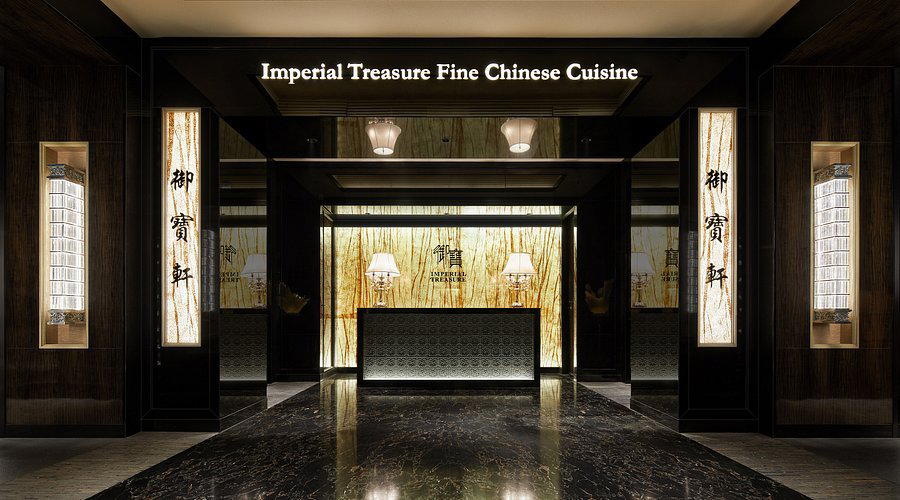
The Chinese contemporary category across mainland China has produced a range of approaches: Wild Yeast in Hangzhou takes a fermentation-led path; Ru Yuan, also in Hangzhou, works within a more classical register. In Beijing, Xin Rong Ji on Xinyuan South Road and the Da Dong flagship represent different ends of the contemporary Chinese spectrum. Further south, Chef Tam's Seasons in Macau, Imperial Treasure Fine Chinese Cuisine in Guangzhou, and Dai Yuet Heen in Nanjing each occupy distinct positions in how premium Chinese cooking is being framed across the region. Da Dong's Shanghai positioning, Michelin-starred, group-friendly, Beijing-heritage, mid-premium price point, is coherent within that wider map. Similarly, Xin Rong Ji in Chengdu demonstrates how Beijing-origin Chinese contemporary brands translate differently depending on the host city's culinary identity.
Planning the Visit
The practical reality of eating at Da Dong is direct on one count and demanding on another. The food requires no special preparation: come hungry, come with a group of at least four, and let the table order across the menu rather than anchoring to a single dish. The timing, however, requires attention. The restaurant fills after 6pm and the pressure on tables is real. Earlier sittings, arriving before the evening rush, give the table more room to pace the meal and engage with the sequence rather than eating reactively. The address is 270 Jiaxing Road in Hongkou District.9 from 44 responses. The 2024 Michelin star remains the key credential here.
Reputation First
Comparable venues nearby, for context on price, style, and recognition.
| Venue | Cuisine | Price | Awards | Notes |
|---|---|---|---|---|
| Da Dong (Xuhui)This venue — the venue you are viewing | Traditional Peking Duck & Chinese Fine Dining | $$$ | Michelin 1 Star | Not listed |
| Moose (Pudong) | Refined Huaiyang Cuisine | $$$ | Michelin 1 Star | Yang Jia Du |
| Oriental Sense & Palate | Modern Chinese Fine Dining | $$$ | Michelin 1 Star | Lu Jia Zui |
| Zhou She (Minhang) | Shanghainese | $$$ | Michelin 1 Star | Hongqiao |
| Lei Garden (Pudong) | Michelin-Starred Cantonese | $$$$ | Michelin 1 Star | Da Pu Qiao |
| Meet the Bund (Zhongshan Dong Er Road) | Modern Fujianese Fine Dining | $$$$ | Michelin 1 Star | Lan Ni Du |
Recognition history
Dated appearances from independent guides and award organizations, with the underlying list record or original source where available.
Black Pearl 1 Diamond
Black Pearl
Michelin 1 Star
Michelin
Michelin 1 Star
Michelin
At a Glance
- Elegant
- Sophisticated
- Modern
- Business Dinner
- Celebration
- Group Dining
- Special Occasion
- Private Dining
- Open Kitchen
- Extensive Wine List
Current opening hours
- Monday
- 11 AM–2:30 PM, 5–10 PM
- Tuesday
- 11 AM–2:30 PM, 5–10 PM
- Wednesday
- 11 AM–2:30 PM, 5–10 PM
- Thursday
- 11 AM–2:30 PM, 5–10 PM
- Friday
- 11 AM–2:30 PM, 5–10 PM
- Saturday
- 11 AM–2:30 PM, 5–10 PM
- Sunday
- 11 AM–2:30 PM, 5–10 PM
Hours can change for holidays and private events. Last verified .
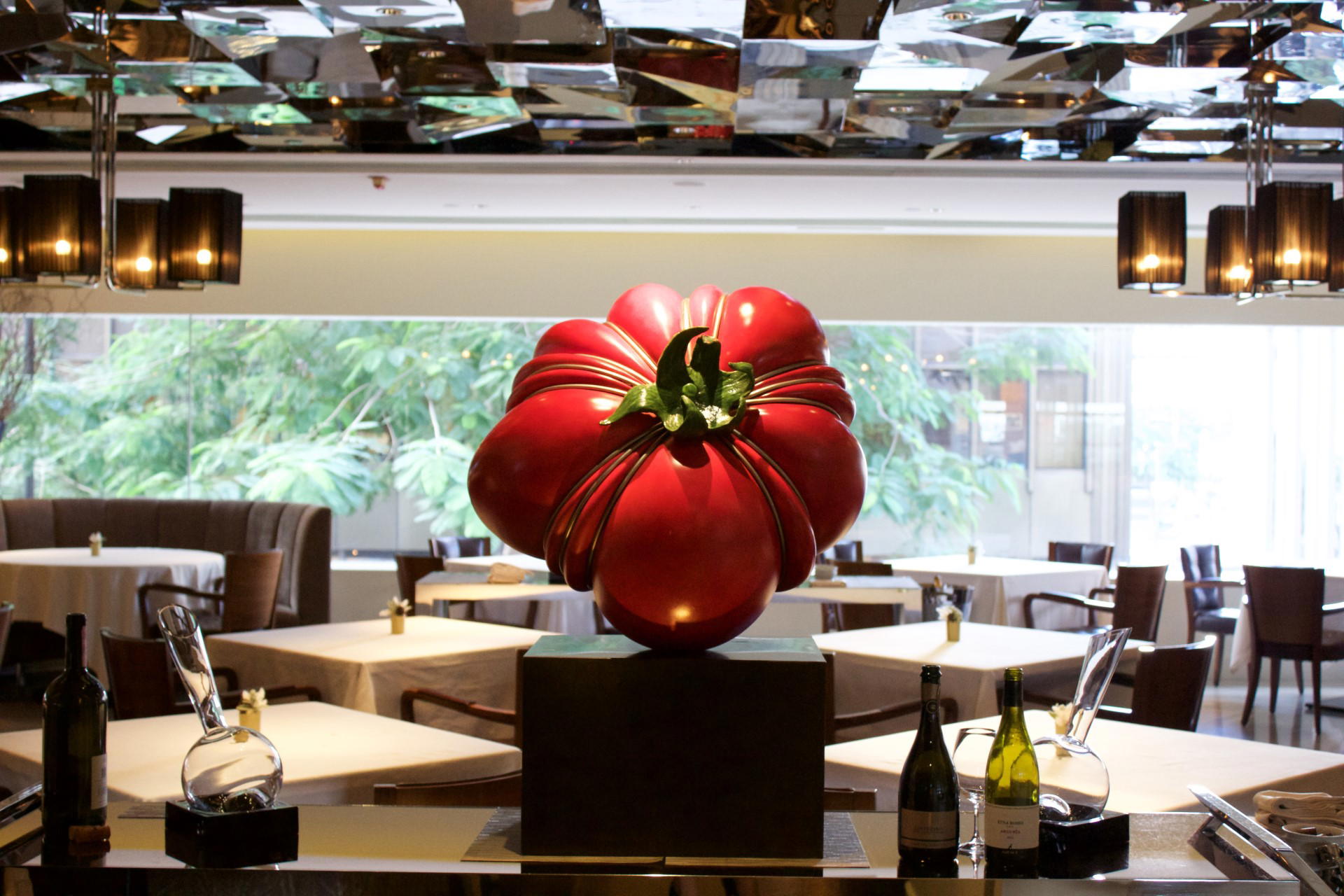
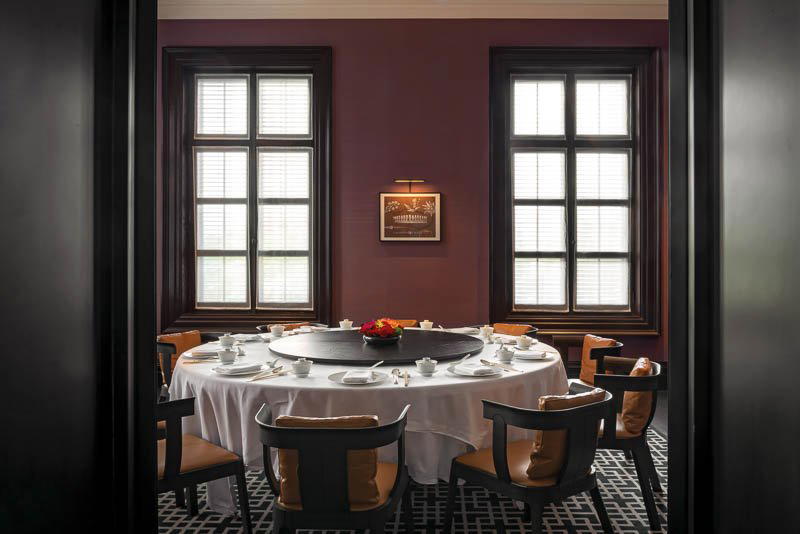
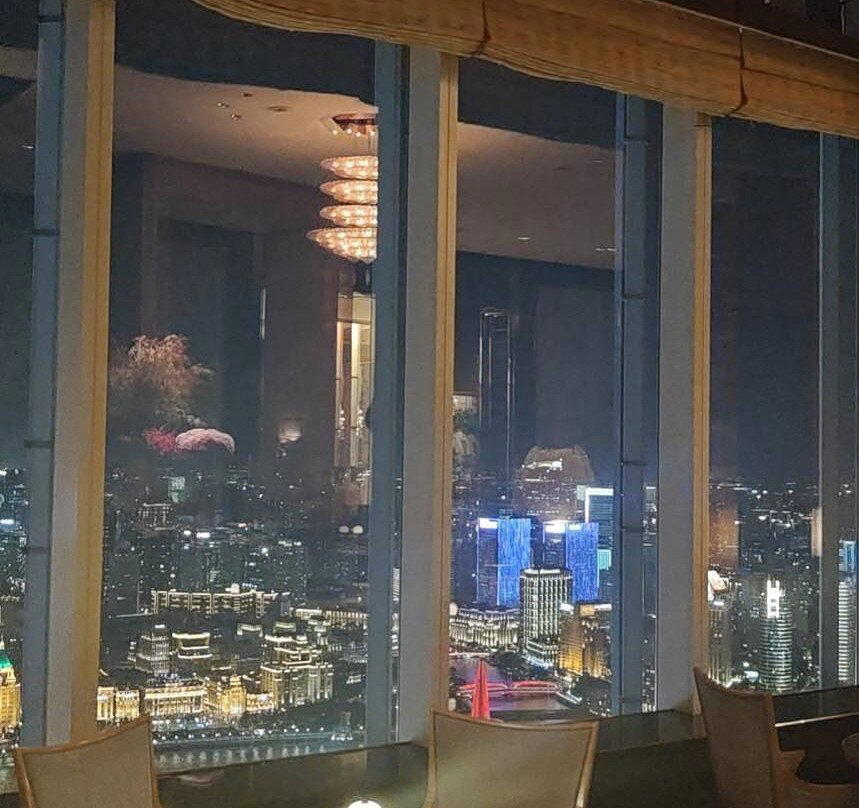
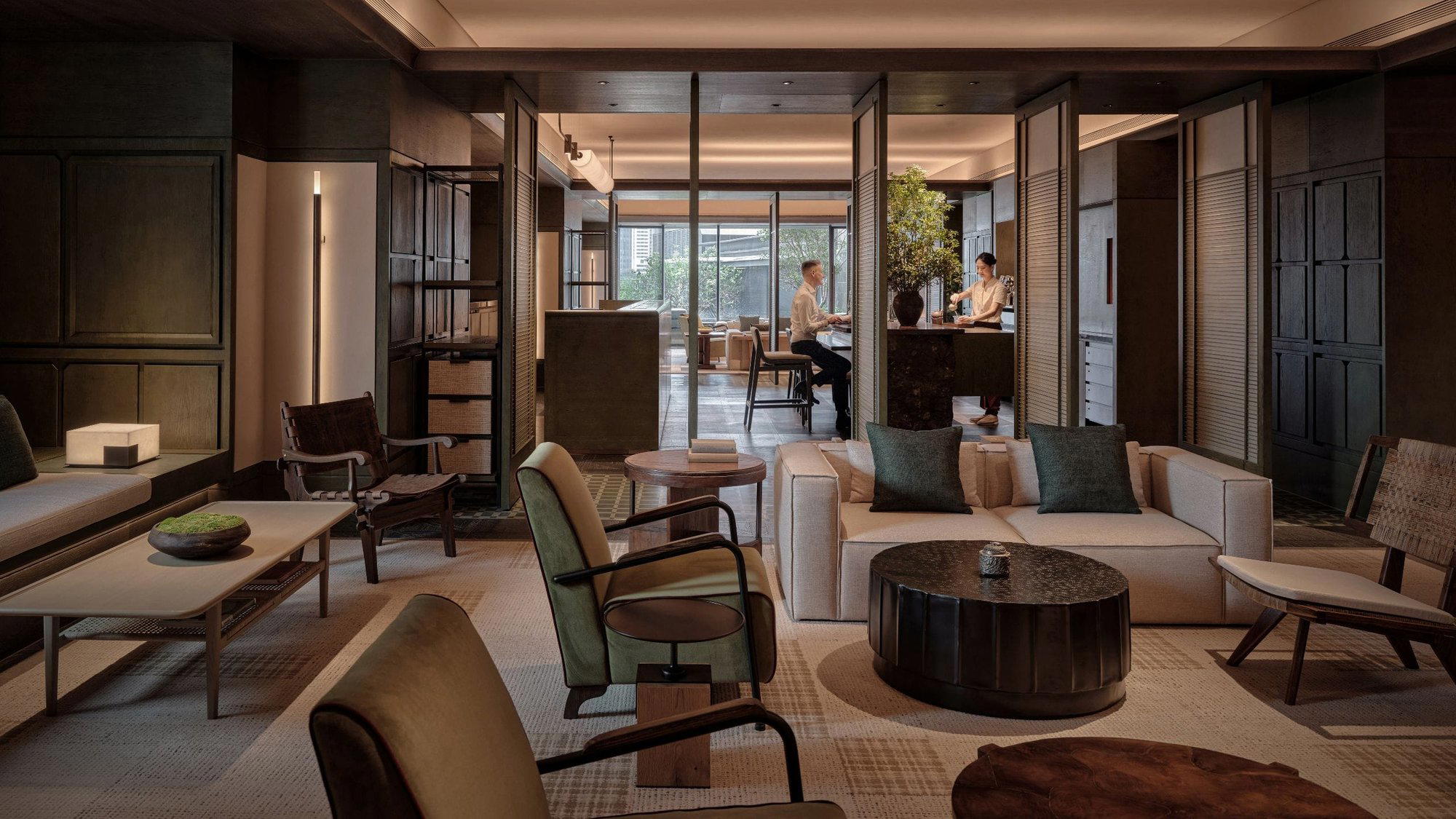
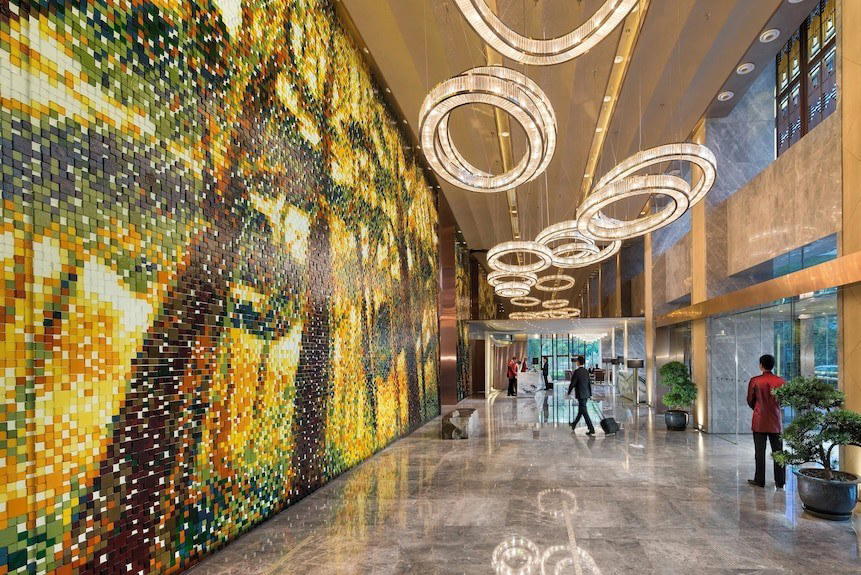
Luxuriously decorated upscale dining space with modern design, located on the sixth floor of a high-end shopping mall, creating an elegant and refined atmosphere.