
A Michelin Plate-recognised Sichuan restaurant in Chengdu's Jinjiang district, Nantang Wang holds. The kitchen draws on classic Sichuan technique with a focus on freshness that places it within a growing segment of Chengdu restaurants treating sourcing as a public-facing credential.
Pearl is the En Primeur Club membership app — saves, bookings, and concierge access live there. Same editors, same standards.
- Address
- China, CN 四川省 成都市 锦江区 东糠市街 1 1号附5 邮政编码: 610023
- Phone
- +86 28 6423 1923
- Directions
- Get directions
 Saves & bookings on Pearl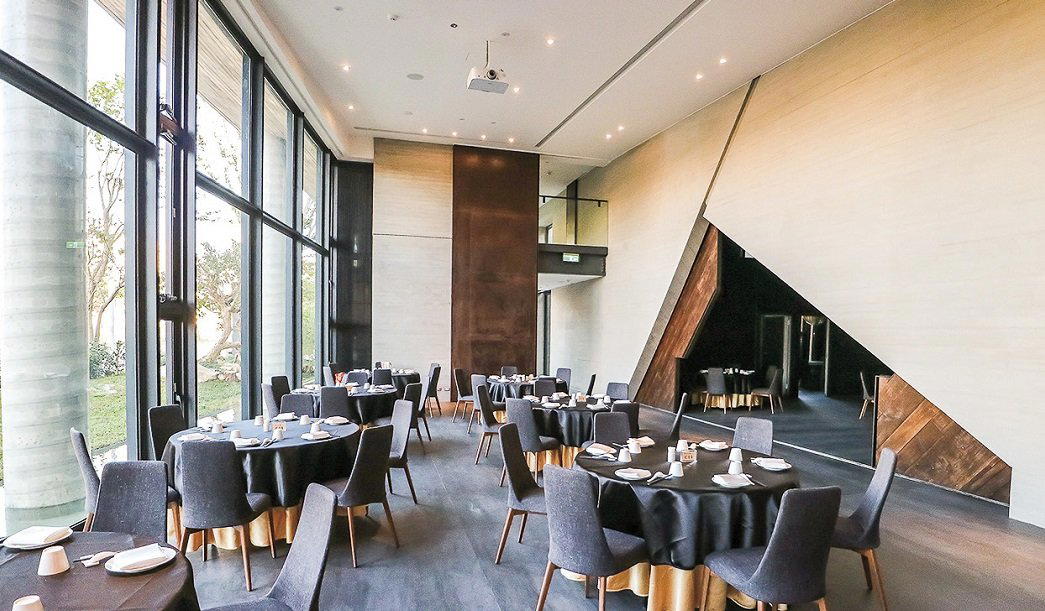
Freshness as a Statement: The Live-Selection Tradition in Chengdu's Dining Scene
In Chengdu's upper-mid dining tier, the live seafood tank has become something closer to a manifesto than a menu feature. Across the city's more serious Sichuan kitchens, the visible holding of live fish, crustaceans, and river creatures signals a commitment to market-weight sourcing that pre-empts the question of freshness before you sit down. Nantang Wang, located on Dongkang Market Street in the Jinjiang district, operates in that tradition. The address is telling: proximity to a market street is rarely accidental in a city where ingredient provenance carries genuine social weight among diners who know the difference.
Chengdu's relationship with fresh produce is long and deliberate. The Sichuan basin's climate and river systems have historically supported a density of aquaculture and market supply that most inland Chinese cities cannot match. That context matters when reading a restaurant like Nantang Wang, which sits in the ¥¥¥ price band, a tier where diners expect live-selection theatre and expect it to be functional, not decorative. At this level, the tank is not atmosphere; it is the kitchen's first act of quality control performed in front of the guest.
Where Nantang Wang Sits in Chengdu's Sichuan Spectrum
Chengdu's Sichuan restaurant scene is stratified in ways that visitors often underestimate. At the lower end, single-dish institutions like Chen Mapo Tofu on Qinghua Road anchor their identity to one preparation executed at scale. At the upper end, Yu Zhi Lan operates in the ¥¥¥¥ bracket with a format closer to contemporary tasting-menu Sichuan. Nantang Wang sits between these poles: the ¥¥¥ pricing positions it as a full-service Sichuan house for guests who want the range and rigour of classic cooking without the ceremonial overhead of Chengdu's highest-priced rooms.
The 2024 Michelin Plate recognition places it in a defined tier of acknowledgement. In Chengdu's Michelin cohort, that distinction matters. The Plate signals that the guide's inspectors found consistent cooking quality worth noting, even without the pitch-well-suited execution required for starred distinction. For comparison, Fang Xiang Jing and Fu Rong Huang occupy adjacent positions in the city's recognised Sichuan dining, while Ma's Kitchen and Silver Pot represent further reference points for what recognised Sichuan cooking looks like across different formats and price points in the city.
The Live-Selection Format and What It Tells You About the Kitchen
The editorial angle worth pressing on at any Chengdu restaurant operating live seafood is what the selection says about the kitchen's supply relationships. Restaurants that maintain live tanks credibly, clean water, genuinely rotated stock, species that reflect seasonal availability rather than a static list, are signalling active supplier relationships rather than a one-time fit-out. The discipline required to manage live holding correctly is not trivial, and diners at the ¥¥¥ level in Chengdu have enough experience to distinguish a functional tank from a decorative one.
At the restaurant, the Dongkang Market Street address reinforces this reading. Restaurants positioned on or near active market thoroughfares in Chinese cities tend to benefit from supply adjacency that strip-mall or mall-embedded venues cannot replicate. The ability to source same-day, respond to what is available at market rather than what was pre-ordered, and adjust the selection board accordingly is a structural advantage that shows up in the plate even when diners cannot trace it explicitly.
A 4.8 average on a relatively modest review count typically indicates consistent satisfaction among a concentrated, often locally-informed dining audience rather than the more volatile averaging that affects high-volume tourist destinations. For a Jinjiang district address drawing from a neighbourhood with food literacy, that figure suggests the kitchen's execution is landing reliably with a knowledgeable crowd.
Sichuan Technique at This Price Point: What to Expect
In Chengdu's ¥¥¥ tier, the expectation is a kitchen fluent in the full register of Sichuan cooking: the numbing heat of mala preparations, the precision required for bang bang and cold-dish work, the patience demanded by slow-braised preparations, and, relevant here, the restraint needed when handling live-sourced fish and shellfish whose flavour should not be overwhelmed by the spice vocabulary. The leading Sichuan cooking at this level demonstrates range by knowing when to deploy the heat and when to let the ingredient lead.
That tension between Sichuan's assertive flavour tradition and the delicacy of live seafood is one of the more interesting things to watch for in a kitchen like this one. Live river fish prepared in a clear broth or lightly seasoned style sits in direct contrast to the mala hot pot format that most international diners associate with Chengdu. A kitchen willing to make space for both approaches within a single meal is making a coherent argument about what Sichuan cooking actually is, a broad tradition, not a single flavour profile.
Sichuan restaurants operating this format across mainland China's major cities, including Song in Guangzhou and Yong in Guangzhou, have demonstrated that the live-seafood and Sichuan-technique combination has genuine audience beyond Chengdu, suggesting that what the restaurant does is part of a wider, exportable format rather than purely local.
Planning a Visit: Logistics and Context
The restaurant is located at 1, Attachment 5, Dongkang Market Street, Jinjiang District, Chengdu, Sichuan Province (postal code 610023). The Jinjiang district sits within the central ring of the city, accessible from the major metro lines and within reach of Chengdu's established dining and hotel corridors. For broader orientation across the city's accommodation options,
Booking confirmation through a local concierge or hotel desk is one reliable approach. Advance booking on weekends and during peak travel periods is advisable. The ¥¥¥ price band places an average meal in the mid-tier for Chengdu fine dining, meaningfully above the city's street food and casual registers, but below the commitment level of ¥¥¥¥ addresses like Yu Zhi Lan.
Across China's major dining cities, the live-selection Sichuan format competes increasingly with cross-regional fine dining houses: Xin Rong Ji in Beijing, 102 House in Shanghai, Ru Yuan in Hangzhou, Chef Tam's Seasons in Macau, Imperial Treasure Fine Chinese Cuisine in Guangzhou, and Dai Yuet Heen in Nanjing. What the restaurant represents, within its own city and within that national frame, is a case for Chengdu's mid-tier Sichuan cooking as a destination proposition in its own right, one anchored by sourcing rigour and technique rather than format experimentation.
Pricing, Compared
Comparable venues nearby, for context on price, style, and recognition.
| Venue | Cuisine | Price | Awards | Notes |
|---|---|---|---|---|
| Nantang WangThis venue — the venue you are viewing | Chengdushi, Modern Sichuan Cuisine | $$$$ | Michelin Plate | Not listed |
| Infinite Luck | Chengdushi, Modern Sichuan Fine Dining | $$$$ | Michelin Plate | Not listed |
| Yanyu (Wuhou) | Chengdushi, Fujian with Sichuan Twist | $$$ | Michelin Plate | Not listed |
| Wu Yue Gong | Not listed | $$$ | Michelin Plate | Chengdushi, Sichuanese Fusion Fine Dining |
| Datenbank | Not listed | $$$ | Michelin Plate | Chengdushi, Innovative Sichuan-Mexican Fusion |
| Cloud Arise (Chenghua) | Chengdushi, Traditional Sichuanese | $$$ | Michelin Plate | Not listed |
Recognition history
Dated appearances from independent guides and award organizations, with the underlying list record or original source where available.
Michelin Plate
Michelin
At a Glance
- Modern
- Elegant
- Sophisticated
- Intimate
- Special Occasion
- Business Dinner
- Open Kitchen
- Sake Program
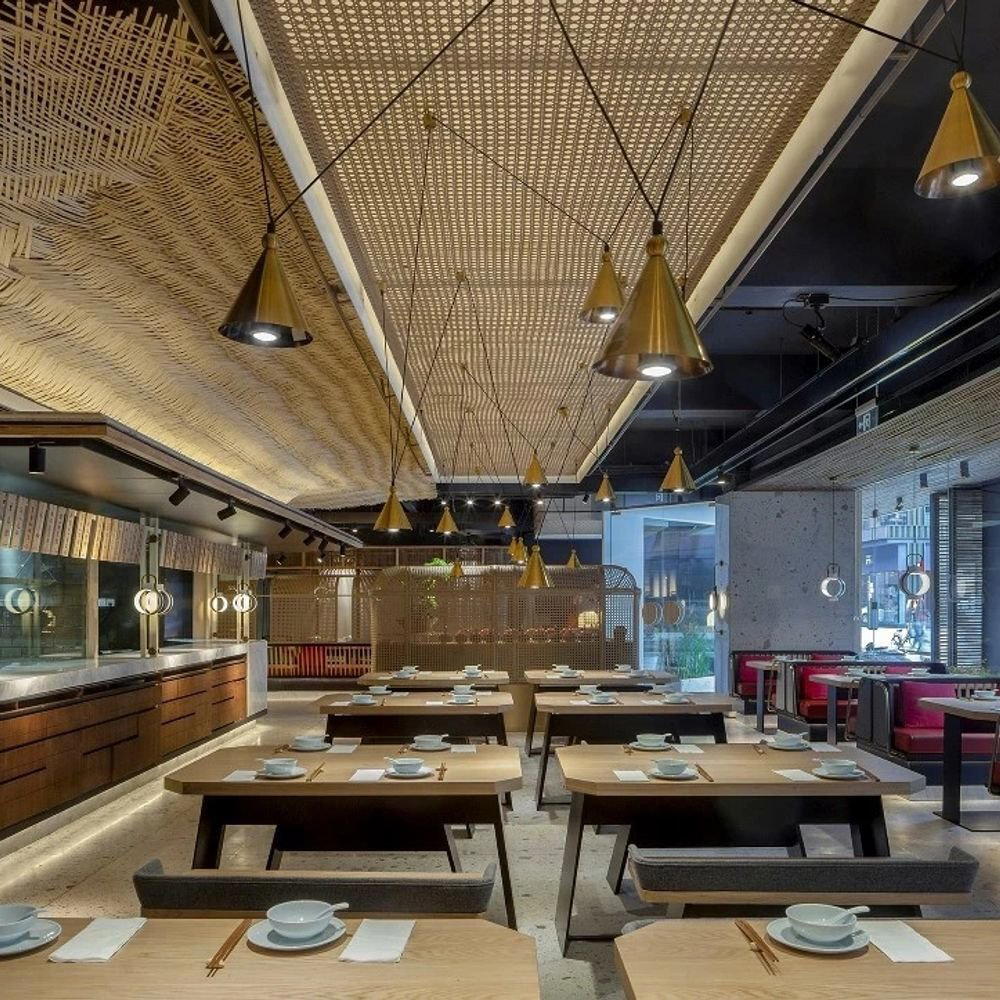
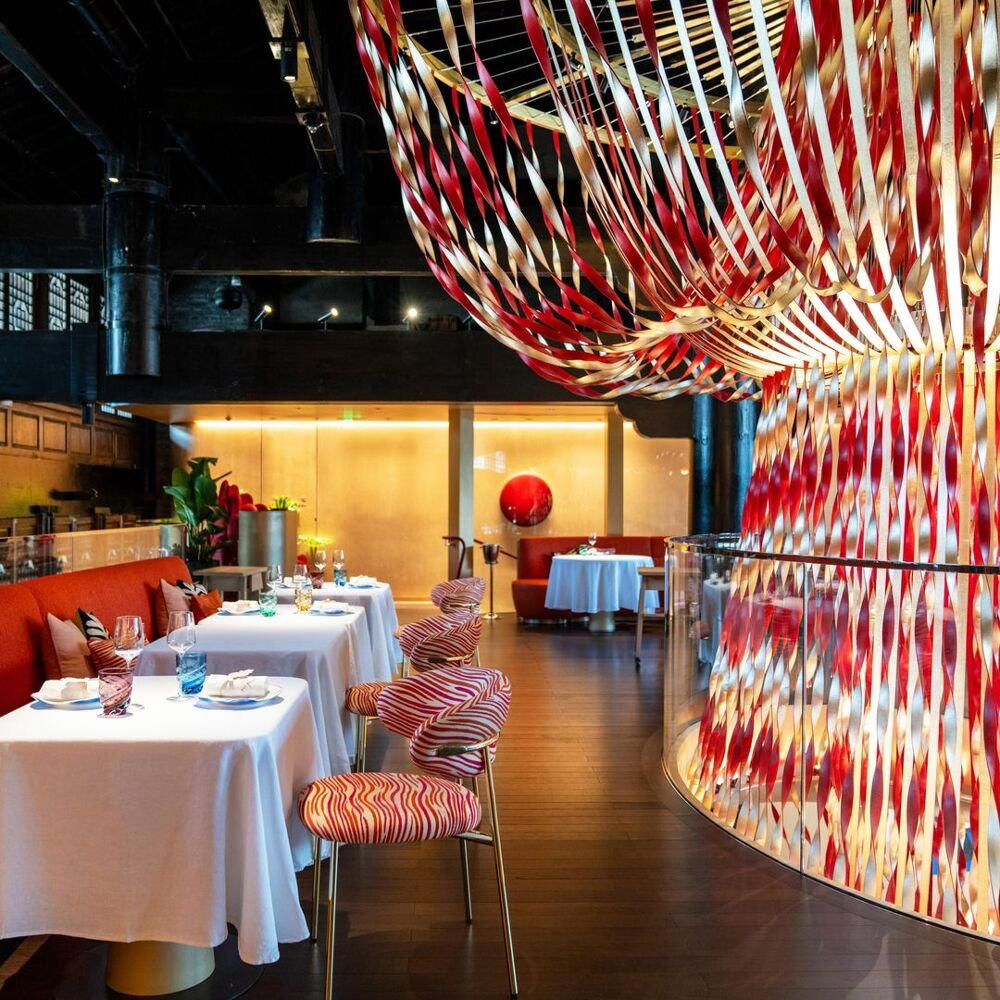
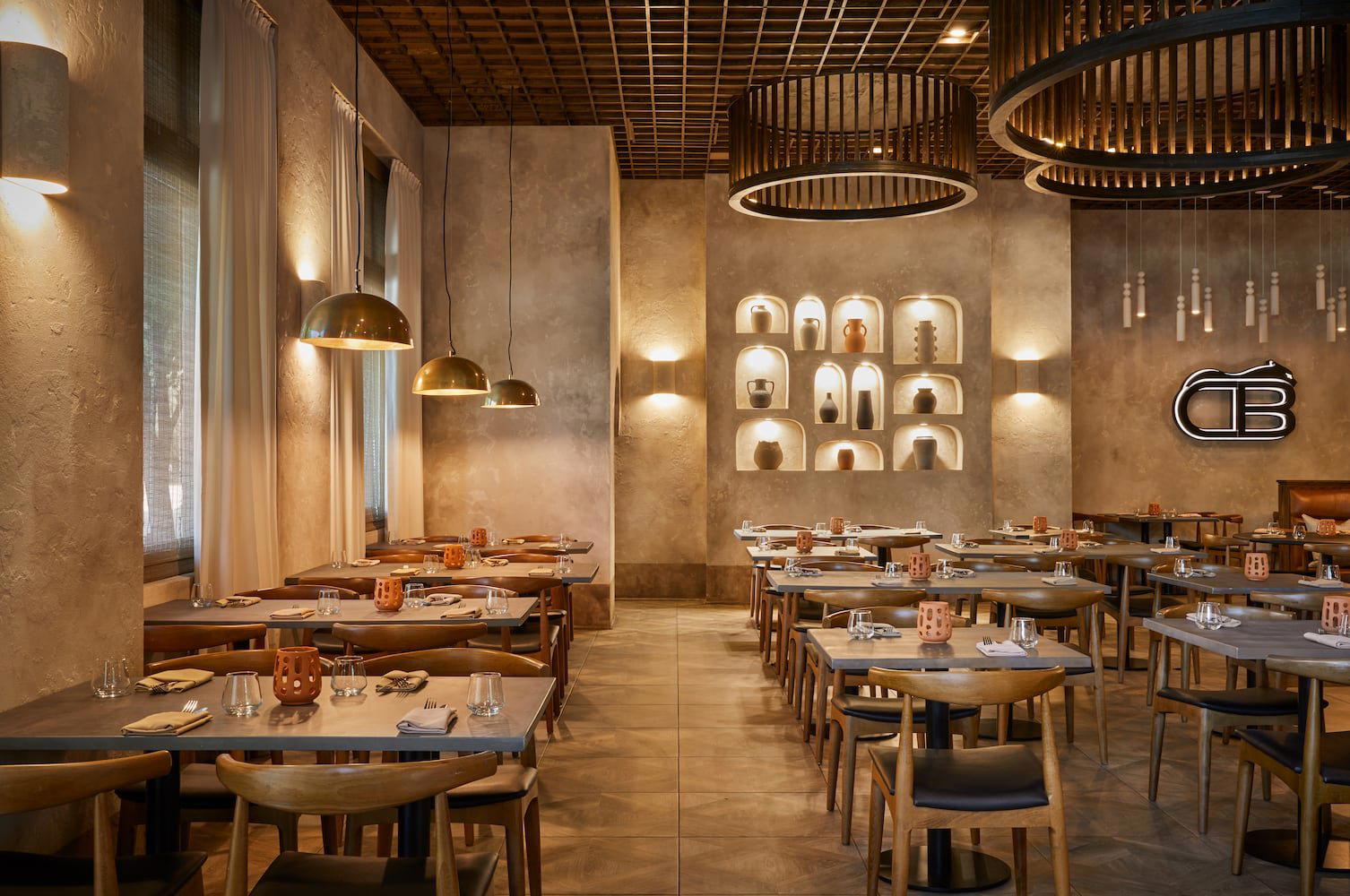
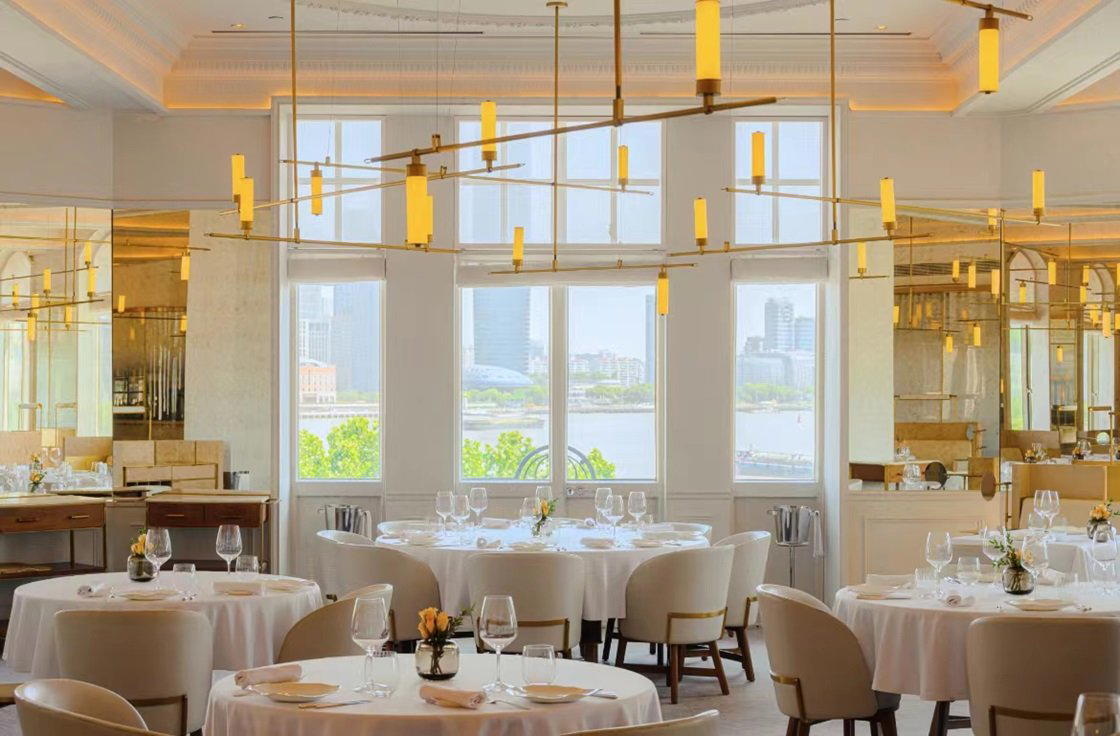
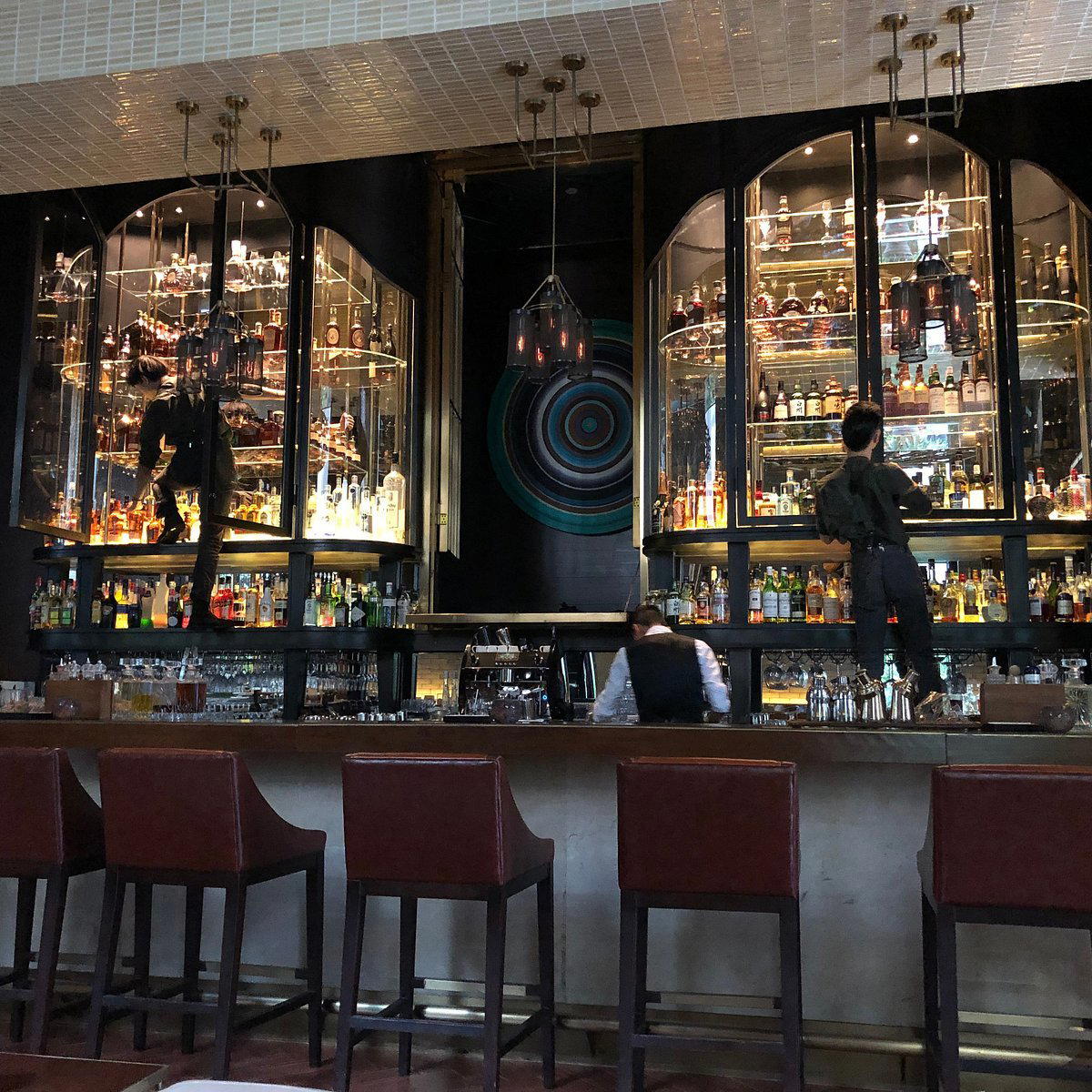
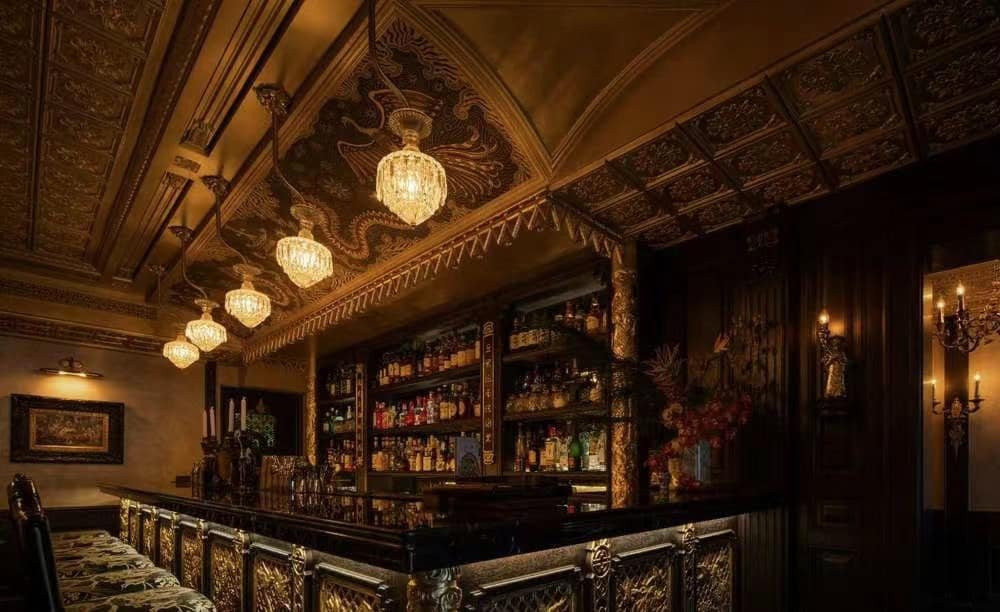
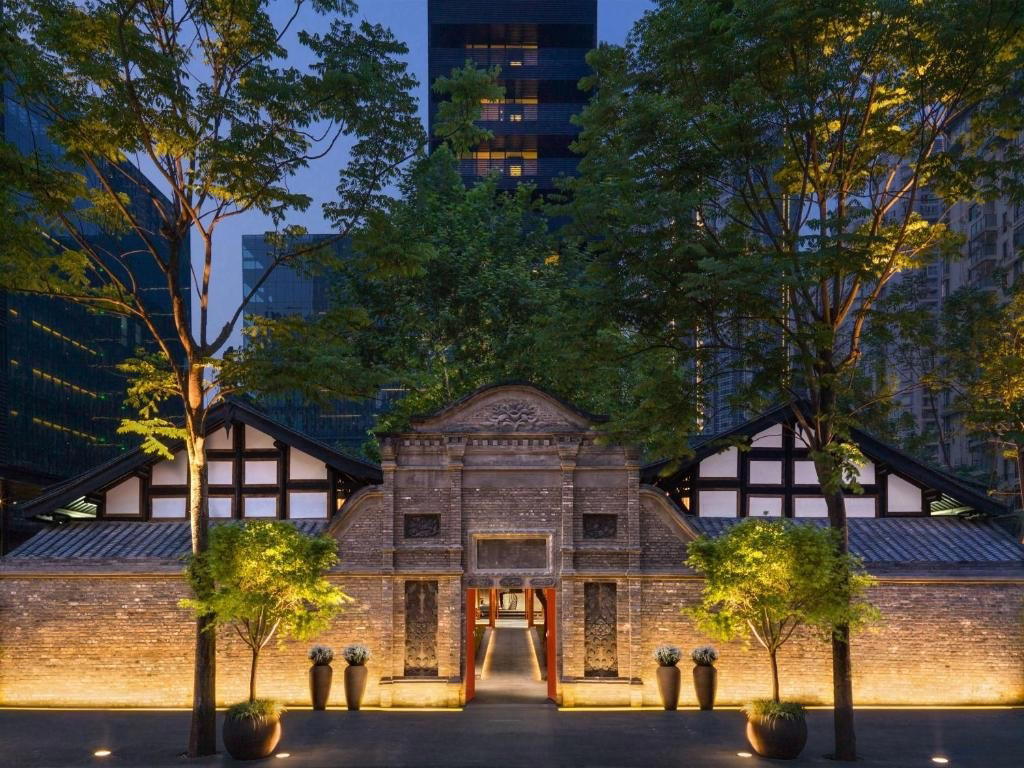
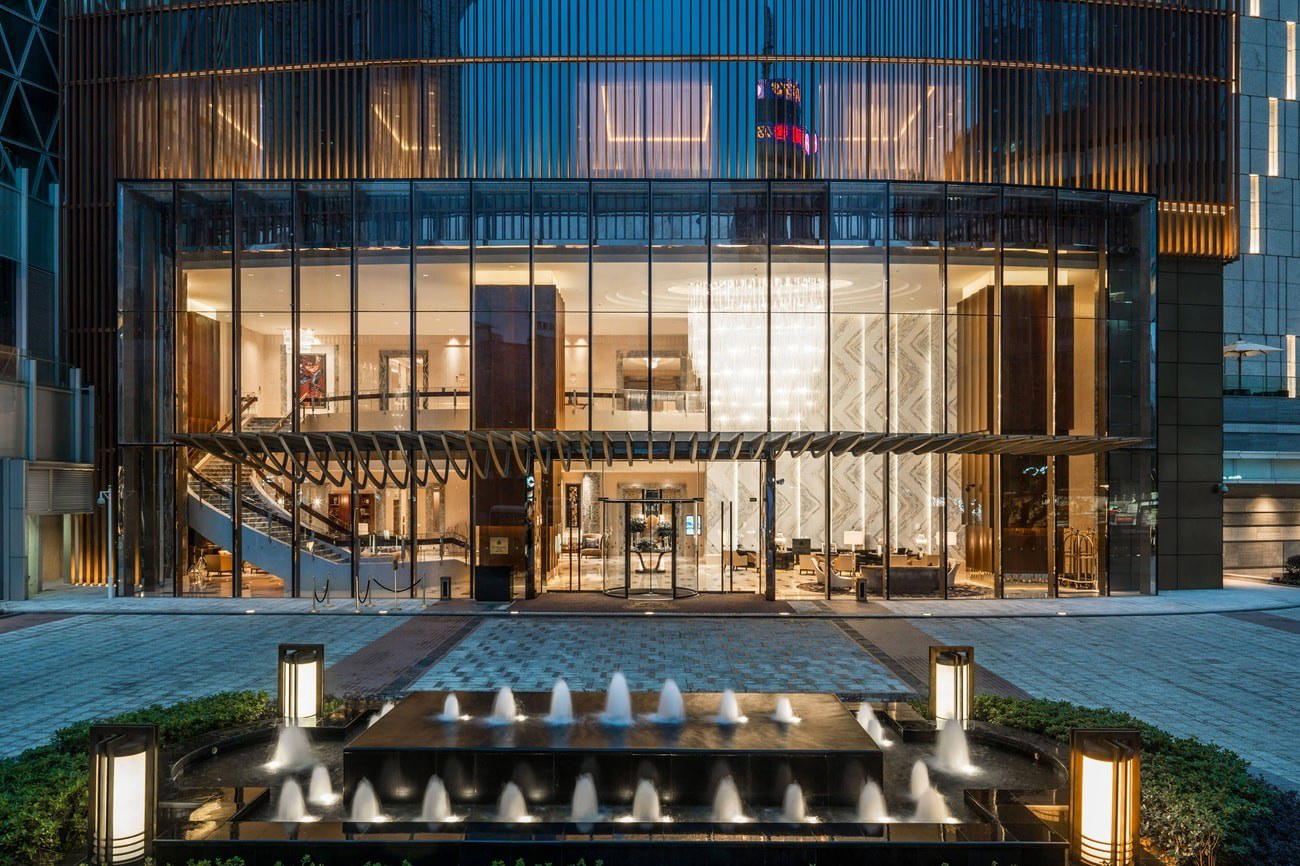
Contemporary calm with clean lines, tailored lighting, and textured walls inspired by Chengdu's mercantile heritage.