
Qian Li brings Taizhou home-style cooking to Chengdu's SKP mall in Tianfu New Area, offering a rare coastal counterpoint to the city's dominant Sichuan palate. East China Sea seafood arrives steamed, braised, or claypot-cooked alongside regional classics like pork tripe and chicken in gingery broth and the pancake roll shi bing tong. The laid-back setting inside a premium retail destination makes it an accessible entry point into one of China's lesser-travelled regional cuisines.
Pearl is the En Primeur Club membership app — saves, bookings, and concierge access live there. Same editors, same standards.
- Address
- E2008, 2F, East Pavilion, SKP, 2001 North Section of Tianfu Avenue, Wuhou
- Phone
- +86 28 6083 1288
- Directions
- Get directions
 Saves & bookings on Pearl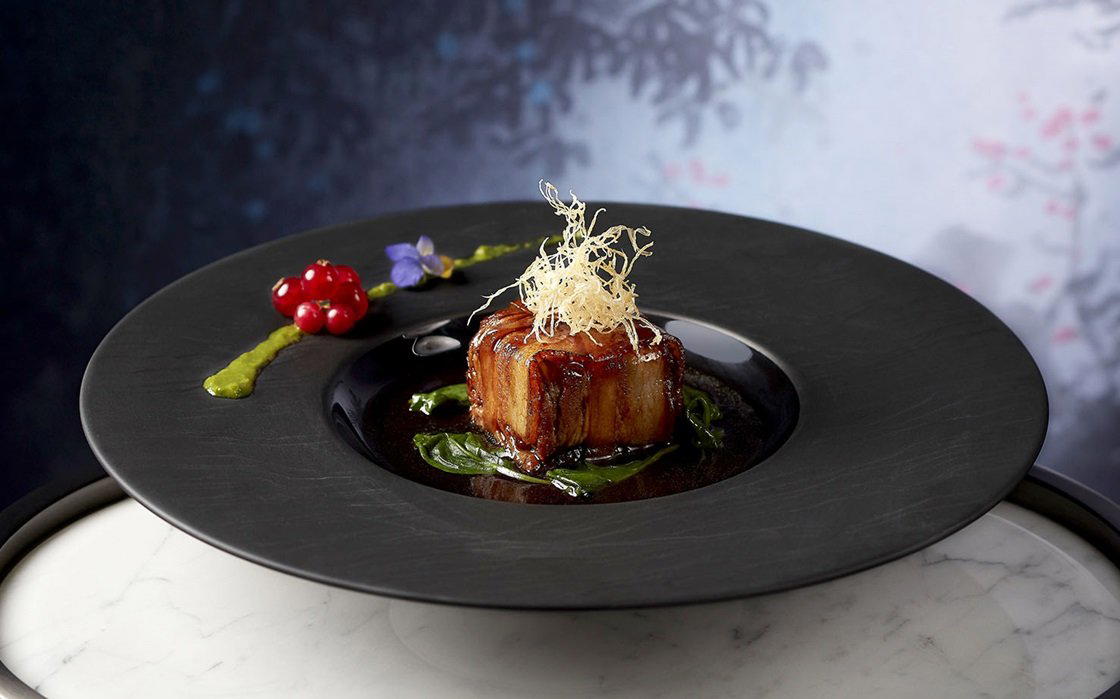
Taizhou Cooking in a Sichuan City
Chengdu's dining identity is built almost entirely on heat, numbing spice, and fermented depth. Doubanjiang paste, Sichuan peppercorn, and chilli oil appear at every price point, from pavement-level mapo tofu at Yu Zhi Lan territory down to street-side skewers. Against that backdrop, a restaurant anchored in the coastal traditions of Taizhou, a port city in Zhejiang province, roughly 1,800 kilometres east on the Yellow Sea, occupies genuinely different culinary ground. Where Sichuan cooking pushes flavour outward through spice and fat, Taizhou food pulls inward: the emphasis is on the natural sweetness of fresh seafood, gentle broth-based preparations, and a home-style register that rarely reaches for spectacle.
Qian Li is a Taizhou seafood restaurant in Chengdu's SKP, at E2008, 2F, East Pavilion, 2001 North Section of Tianfu Avenue in Wuhou district. The location is a practical signal as much as a retail one. SKP anchors a part of the city that draws residents accustomed to national and international dining reference points, and the mall format provides a footfall base that a standalone Taizhou specialist in a mid-city lane probably could not sustain. It is an arrangement that several regional-cuisine specialists in mainland Chinese cities have used effectively: use a premium retail context to reach an audience that might not seek out an unfamiliar coastal cuisine unprompted.
What Taizhou Cooking Actually Is
Taizhou cuisine belongs to the broader Zhejiang culinary family, which also includes Hangzhou and Ningbo cooking, but it has a distinct seafood focus tied to its coastal geography. The East China Sea fishery gives Taizhou kitchens access to a range of shellfish, flatfish, and river-mouth species that appear in few other Chinese regional traditions. The cooking style leans toward preserving that inherent quality rather than transforming it: steaming, gentle braising, and claypot simmering are the dominant techniques, with frying appearing selectively and usually paired with aromatics to add fragrance without overwhelming the primary ingredient.
This stands in contrast to the approach at the Chengdu branch of Xin Rong Ji, which operates at the ¥¥¥¥ price tier and positions Taizhou cuisine as a high-ceremony dining experience with polished service and premium seafood selections. Qian Li reads differently: the decor is described as laid back, and the menu emphasis on home-style classics suggests a more casual register, one where the cooking is the draw rather than the occasion.
The Menu: Techniques and Dishes
The kitchen at Qian Li works across the core Taizhou preparation methods. East China Sea seafood can be ordered steamed, braised, served in a sizzling claypot, or fried with chillies and aromatics, which gives the menu a flexibility unusual for a home-style specialist. That last preparation, frying with chilli, is where Taizhou and Sichuan traditions briefly overlap, though the aromatic profile is different: Zhejiang-style aromatics tend toward ginger, scallion, and Shaoxing wine rather than the fermented and dried chilli base that defines Sichuan frying.
Two dishes in particular anchor the menu's character. The pork tripe and chicken in gingery broth arrives in a claypot, piping hot, and is described as a winter favourite in Taizhou, a preparation where the long, slow application of heat extracts gelatin and fat from both proteins while ginger keeps the broth clean and digestible rather than heavy. Dishes like this one carry significant cultural weight in Chinese home cooking; they belong to a category of restorative preparations that exist more for their warming and nourishing function than for visual impact. The other reference point is shi bing tong, a pancake roll filled with pork, eel, and vegetables. The combination of freshwater eel and pork inside a thin pancake wrapper is a classic of the Taizhou snack tradition, requiring precise timing to keep the eel tender and the pancake pliable rather than dry.
Taizhou cooking in this register draws a different diner than restaurants operating at the summit of the regional-cuisine hierarchy. The restaurant's home-style framing positions it closer to how coastal Chinese families would actually encounter these dishes: at a shared table, in a relaxed setting, with claypot handles hot enough to require a cloth.
Placing Qian Li in Chengdu's Wider Scene
For diners working through Chengdu's dining options, regional contrast is a useful organising principle. The city's dominant culinary tradition is among the more thoroughly documented in China: Fang Xiang Jing and Fu Rong Huang represent different points on the Sichuan spectrum, while Hokkien Cuisine offers another coastal Chinese alternative for those seeking variety. The restaurant occupies the Taizhou position in that map: coastal, seafood-forward, and technically different from anything the Sichuan pantry produces.
The broader regional picture across China shows Taizhou cooking receiving increased attention in cities far from Zhejiang. Places like Ru Yuan in Hangzhou demonstrate how Zhejiang-inflected cooking is being reframed for urban audiences, while the coastal seafood tradition connects loosely to what Chef Tam's Seasons in Macau does with Cantonese seafood.
Planning Your Visit
The restaurant is located on the second floor of SKP's East Pavilion at 2001 North Section of Tianfu Avenue in Wuhou district. The SKP address places it within one of Chengdu's newer commercial zones, and the mall setting means hours generally align with retail and dining patterns in premium Chinese shopping destinations, typically running through late evening. Given the home-style format and claypot specialties, the colder months from late autumn through winter are the more natural time to visit, when dishes like the pork tripe and chicken broth read at their most purposeful.
The Short List
Comparable venues nearby, for context on price, style, and recognition.
| Venue | Cuisine | Price | Notes |
|---|---|---|---|
| Qian LiThis venue — the venue you are viewing | Chengdushi, Taizhou Seafood | $$$ | Not listed |
| Datenbank | Not listed | $$$ | Chengdushi, Innovative Sichuan-Mexican Fusion |
| Hidden Place | Chengdushi, Ancient Sichuan Cuisine | $$$ | Not listed |
| Xue Tao · In the Yard | Chengdushi, Refined Sichuan Home Cooking | $$$ | Not listed |
| Shu Mansion | Chengdushi, Modern Sichuanese | $$$$ | Not listed |
| Song Chuan | Chengdushi, Sichuanese | $$$ | Not listed |
Recognition history
Dated appearances from independent guides and award organizations, with the underlying list record or original source where available.
Michelin Plate
Michelin · 2026 Michelin Plate
Continue exploring
More in Chengdu
Restaurants in Chengdu
Browse all →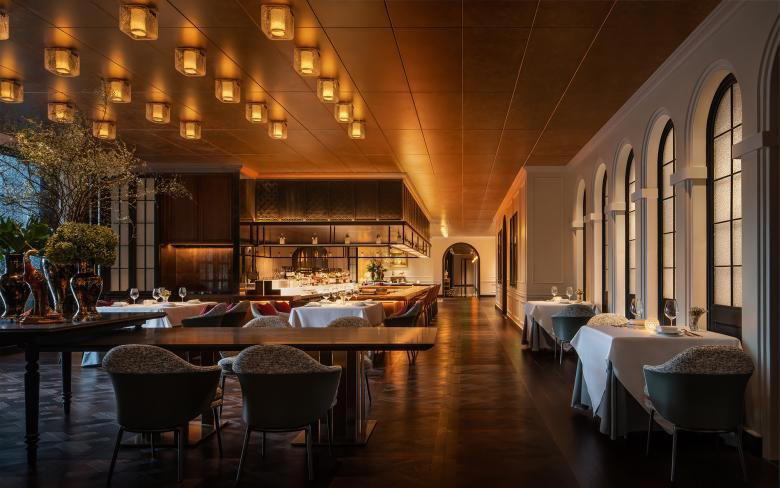


At a Glance
- Trendy
- Modern
- Business Dinner
- Date Night
- Standalone
- Local Sourcing
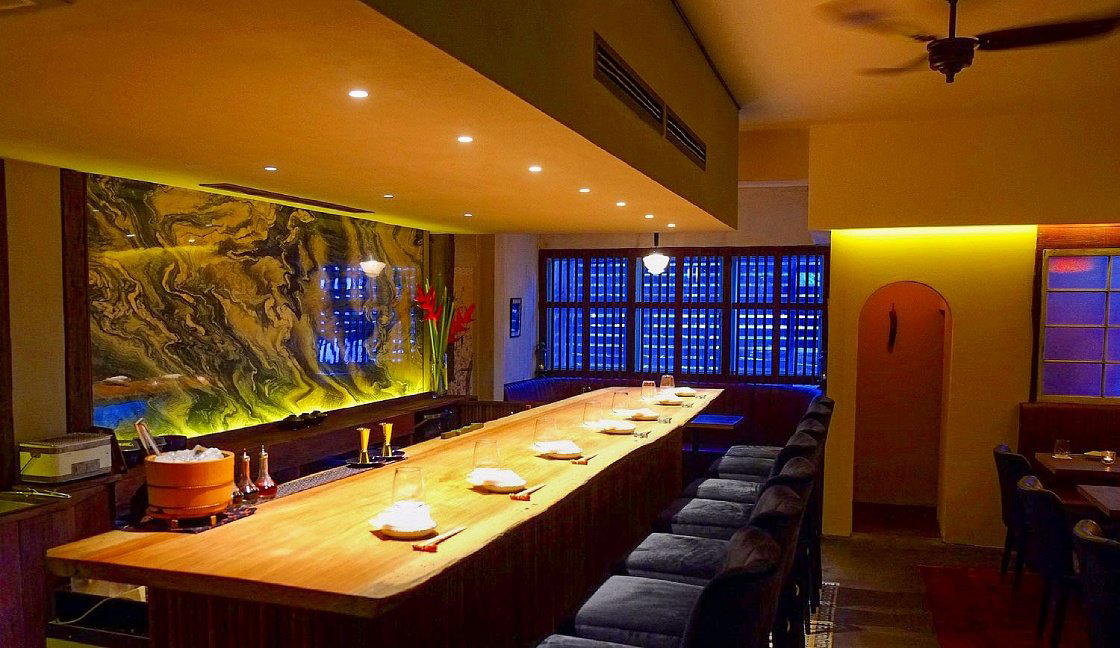
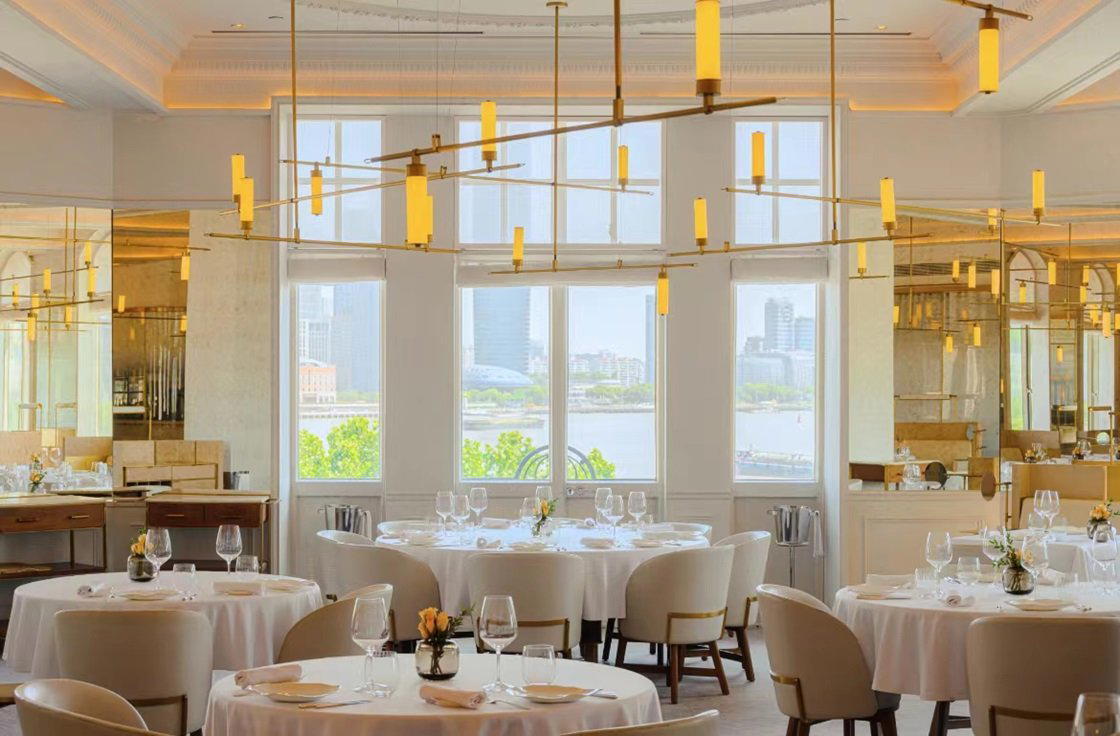
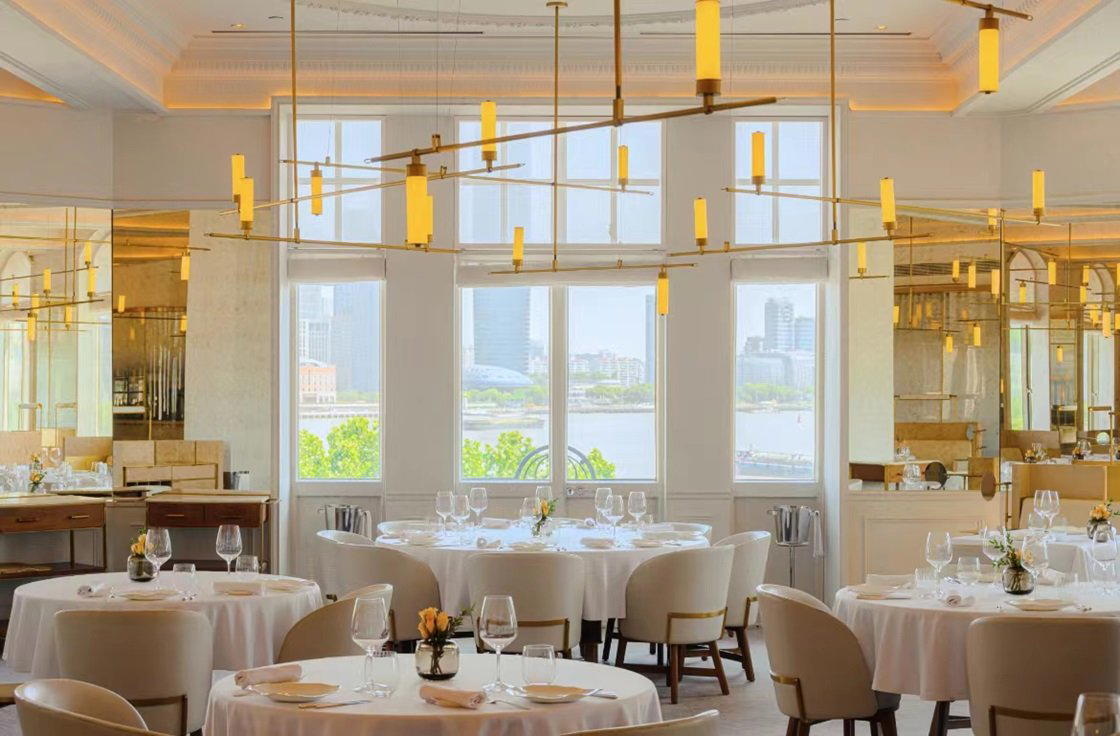
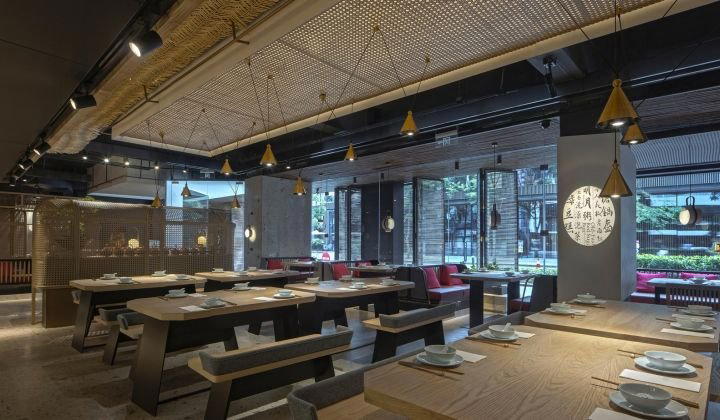
On-trend decor that feels laid back with modern restraint.