


Michelin Bib Gourmand · Tabelog 100 #77
Our verdict
A Michelin Bib Gourmand-recognised washoku counter in Shimogyo Ward, Washoku Haru sits at the affordable end of Kyoto's dining spectrum without sacrificing the kitchen's capacity for surprise. Chef Harutoshi Kitsukawa works within the grammar of everyday Japanese cooking, then quietly subverts it — fluffy potato salad, duck-laced minced cutlets, and thick sabazushi rolls that reward closer attention than their modest presentation suggests.

Pearl is the En Primeur Club membership app — saves, bookings, and concierge access live there. Same editors, same standards.
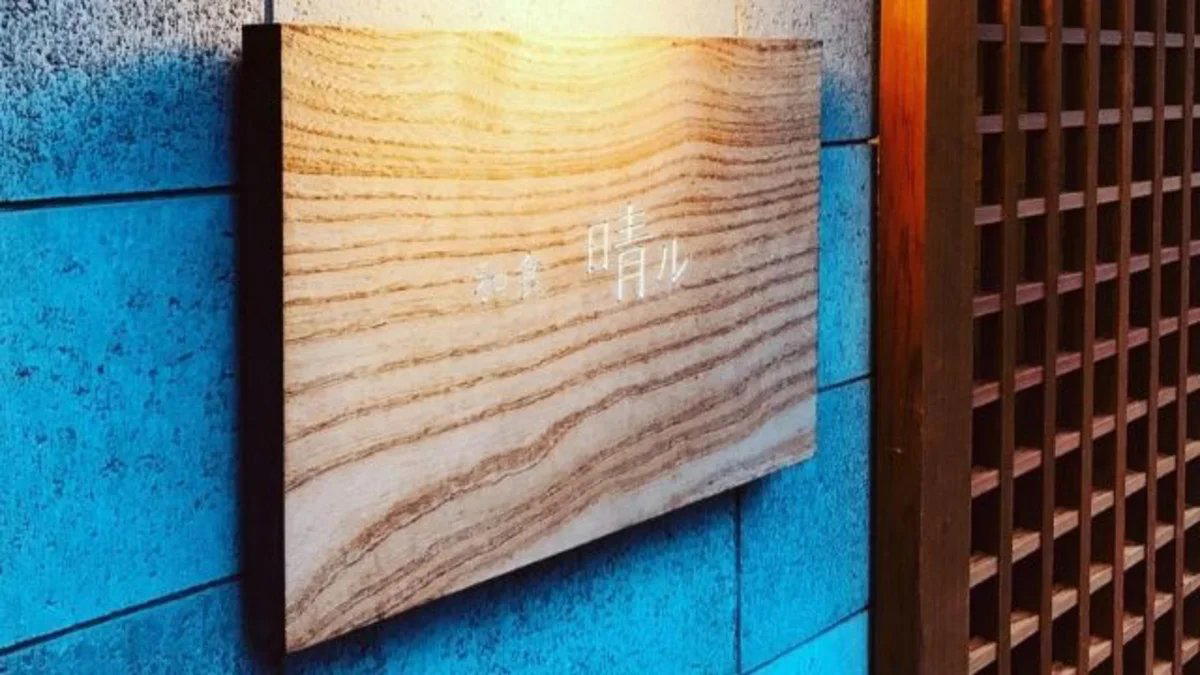
Shimogyo Ward and the Everyday Kyoto Table
Shimogyo Ward does not carry the same immediate dining cachet as Gion or Higashiyama. The neighbourhood sits south of Shijo-dori, closer to Kyoto Station than to the preserved machiya lanes that dominate most visitors' itineraries. That geography matters when thinking about what kind of restaurant thrives here. Rather than a destination address attracting tourists on a single ceremonial evening, Shimogyo sustains places that locals return to on weeknights — modest in price, precise in execution, and grounded in the rhythms of ordinary Japanese eating. Washoku Haru, at 230-2 Shinmeicho, occupies that position without apology.
Kyoto's dining range is wide. At one end sit the multi-course kaiseki houses — places like Isshisoden Nakamura, Kikunoi Roan, and Gion Matayoshi, operating at ¥¥¥¥ price points and framing each dish within a seasonal, highly codified tradition. At the other end is the washoku neighbourhood restaurant: no ceremony, no tasting format, no amuse-bouche. Washoku Haru sits firmly in the latter category, priced at ¥¥, and its name signals the intention plainly. Washoku, Japanese food in its broadest sense, is positioned here not as cultural heritage on a pedestal but as something that belongs in a guest's ordinary week.
What the Kitchen Does with Familiar Formats
The interesting tension in everyday washoku restaurants is between the comfort of the familiar and the risk of stagnation. A neighbourhood place that simply executes standard dishes competently will survive; one that finds small, considered ways to reframe those dishes without disturbing their essential character builds a different kind of loyalty. Washoku Haru has earned Opinionated About Dining recognition across three consecutive years, ranked in the Leading Restaurants in Japan (Recommended, 2023), then moving to Casual in Japan at #68 (2024) and #78 (2025), alongside back-to-back Michelin Bib Gourmand awards in 2024 and 2025. That kind of sustained attention from two independent critical frameworks suggests the kitchen is doing something more deliberate than competent reproduction.
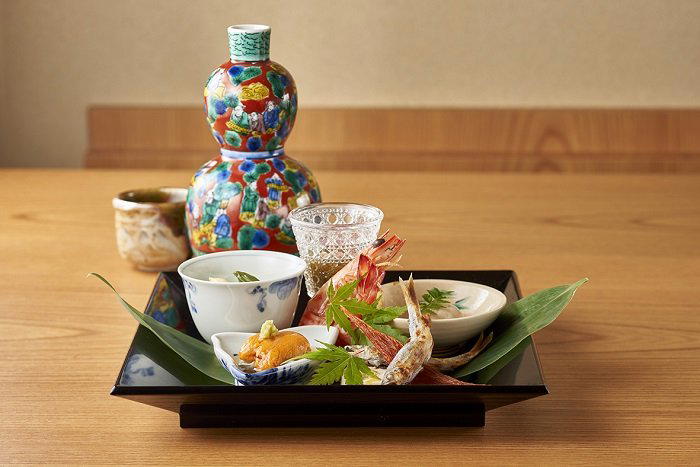
The described approach involves what the awards record characterises as "a few ingenious touches" applied to simple fare. The result, as framed in the venue's own public record, is a gap between expectation and delivery: dishes that arrive looking unremarkable, then reveal a detail that reorients how you read them. Potato salad made with whole boiled potatoes rather than the mashed standard, dressed with a creamy sauce that keeps the texture distinct. A fried minced cutlet (menchikatsu by format) inflected with duck, shifting the flavour register without abandoning the archetype. Thick sabazushi, pressed mackerel sushi in a roll format, described as a house speciality, unassuming in appearance but carrying the kitchen's characteristic playfulness in its construction.
This is not the cooking of Kenninji Gion Maruyama or Kodaiji Jugyuan, which operate in more formal registers. On that measure, the awards trail makes a reasonable case.
The Bib Gourmand Signal and What It Means in Practice
Michelin's Bib Gourmand category is useful for locating a restaurant's position in a city's price-to-quality range. It specifically recognises cooking that inspires, at a price that does not require a special occasion as justification. In Kyoto, where the kaiseki tradition dominates the city's culinary identity and commands corresponding prices, the Bib Gourmand tier represents a distinct and underserved niche: Japanese food that is good enough to be taken seriously but accessible enough to treat as habitual. Washoku Haru holding that designation in both 2024 and 2025 places it among the more consistent performers in that tier, one of the harder things to maintain in a neighbourhood restaurant, where the economics of modest pricing leave little margin for ingredient shortcuts.
For comparison, restaurants in Japan's broader washoku-casual space, from Myojaku in Tokyo to Azabu Kadowaki in the same city, or further afield at akordu in Nara and Goh in Fukuoka, show how varied the Japanese dining spectrum is outside the kaiseki frame. Washoku Haru's position within that spectrum is clearly demarcated: casual format, moderate price, a kitchen led by Chef Harutoshi Kitsukawa that chooses depth over spectacle.
Placing It Against Kyoto's Wider Scene
Kyoto's culinary reputation is built almost entirely on the formal end of Japanese cooking. The kaiseki tradition, the tofu-centric shojin ryori, the precision-cut sashimi of high-end restaurants, these are the images the city exports. What gets less international attention is the everyday dining culture that sustains the same neighbourhoods through working weeks and unremarkable Tuesdays. That tier of Kyoto dining is, in a sense, the more honest expression of washoku: cooking shaped by daily life rather than by the occasion of the meal itself.
Shimogyo's position within Kyoto reinforces that reading. Without the preserved streetscapes of Gion or the temple proximity of Higashiyama, the ward functions as a working district rather than a heritage set. A restaurant that has found critical recognition here, at a ¥¥ price point, has done so by building something real, a dining room that makes sense in its location, for the people who live within reach of it, and increasingly for visitors who find that Kyoto's formal dining culture, for all its excellence, tells only part of the story. Across Japan, comparable editorial attention at this price tier is earned at places like Harutaka in Tokyo, HAJIME in Osaka, 1000 in Yokohama, and 6 in Okinawa, each operating within its own regional register but sharing the quality of being grounded in place.
Planning a Visit
Address: 230-2 Shinmeicho, Shimogyo Ward, Kyoto, 600-8092, Japan. Reservations: Budget: ¥¥ (moderate; Michelin Bib Gourmand tier). Dress: No dress code specified; neighbourhood casual is appropriate. Phone/Website: Not publicly listed at time of writing.
For broader Kyoto planning, see our full Kyoto restaurants guide, our full Kyoto hotels guide, our full Kyoto bars guide, our full Kyoto wineries guide, and our full Kyoto experiences guide.
Frequently asked questions
at Washoku Haru?
The thick sabazushi roll is the house speciality confirmed in the venue's public record, and the kitchen's approach to it, outwardly plain, carrying quiet precision in its construction, makes it the clearest expression of what Chef Harutoshi Kitsukawa is doing here. Beyond that, the kitchen's reworkings of everyday formats are where the interest lies: potato salad built from whole boiled potatoes rather than a mash, and a duck-inflected minced cutlet that shifts a familiar teishoku staple into a more considered register. The Michelin Bib Gourmand designation and two consecutive OAD rankings confirm these details are not incidental, they are what the critics noticed.
Cuisine Lens
| Venue | Cuisine | Price | Awards | Notes |
|---|---|---|---|---|
| Washoku HaruThis venue (the venue you are viewing) | Traditional Japanese Izakaya | $50–100 | Michelin Bib Gourmand · Tabelog 100 #77 | Not listed |
| Gion Sasaki | Modern Kaiseki | $300–500 | 3 Michelin Stars · La Liste Top Restaurants | Kaiseki, Japanese |
| cenci | Innovative Italian-Japanese Fusion | $100–150 | 1 Michelin Star · World's 50 Best #76 | Italian |
| Ifuki | Sumibi Kappo Kaiseki | $200–300 | 2 Michelin Stars · La Liste Top Restaurants | Kaiseki |
| Kyokaiseki Kichisen | Kyoto Kaiseki | $200–300 | 2 Michelin Stars · La Liste Top Restaurants | Japanese |
| Kyo Seika | Seasonal Chinese Fine Dining in Kyoto | Not listed | 1 Michelin Star | Chinese |
Recognition history
Dated appearances from independent guides and award organizations, with the underlying list record or original source where available.
Michelin Bib Gourmand
Michelin
Opinionated About Dining Casual in Japan Ranked #78
Opinionated About Dining
Tabelog 100 #77 · No. 77
Tabelog · Tabelog 100 - Izakaya - WEST - 2025
Full recognition history (8 entries)
Michelin Bib Gourmand
Michelin
Opinionated About Dining Casual in Japan Ranked #78
Opinionated About Dining
Michelin Bib Gourmand
Michelin
Opinionated About Dining Casual in Japan Ranked #68
Opinionated About Dining
Opinionated About Dining Top Restaurants in Japan Recommended
Opinionated About Dining
Continue exploring
More in Kyoto
Restaurants in Kyoto
All restaurants in Kyoto →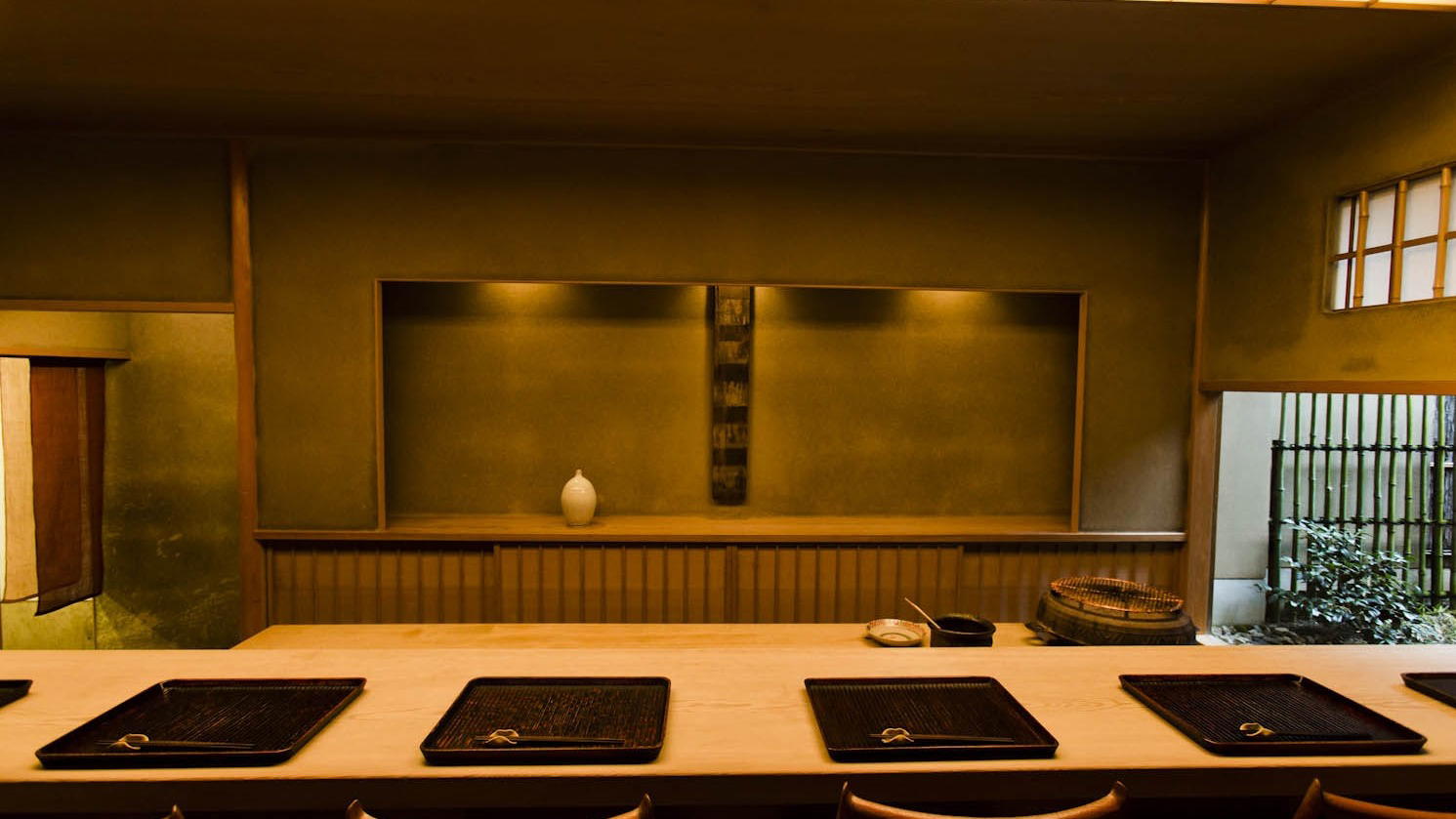
Bars in Kyoto
All bars in Kyoto →
Hotels in Kyoto
All hotels in Kyoto →
Wineries in Kyoto
Browse all →
Details
- Cozy
- Intimate
- Classic
- Date Night
- Special Occasion
- Sake Program
- A La Carte
- Set Menu
- Sake
- Vegetarian Friendly
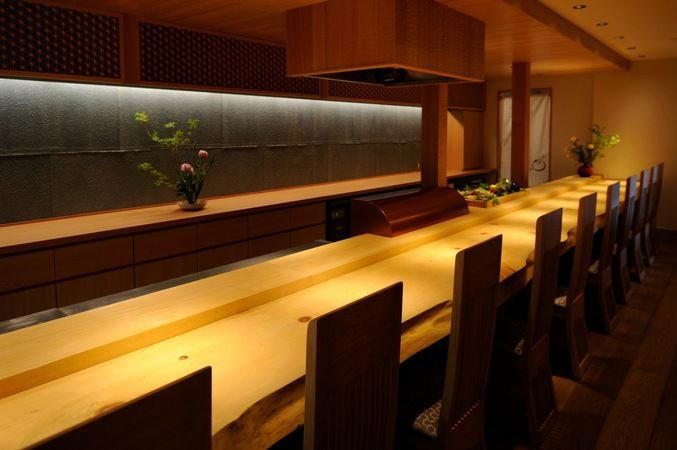
Cozy and intimate counter seating with a focus on the chef's precise craftsmanship, creating a sophisticated yet comforting atmosphere.