Wakana Sushi operates within Tokyo's serious omakase tradition, where counter-format dining and seasonal fish selection define the experience. The city's sushi scene has stratified sharply in recent years, and Wakana occupies a tier where craft and restraint carry more weight than spectacle. For visitors calibrating their Tokyo dining schedule, understanding how lunch and dinner service compare here is the first decision to make.

Pearl is the En Primeur Club membership app — saves, bookings, and concierge access live there. Same editors, same standards.
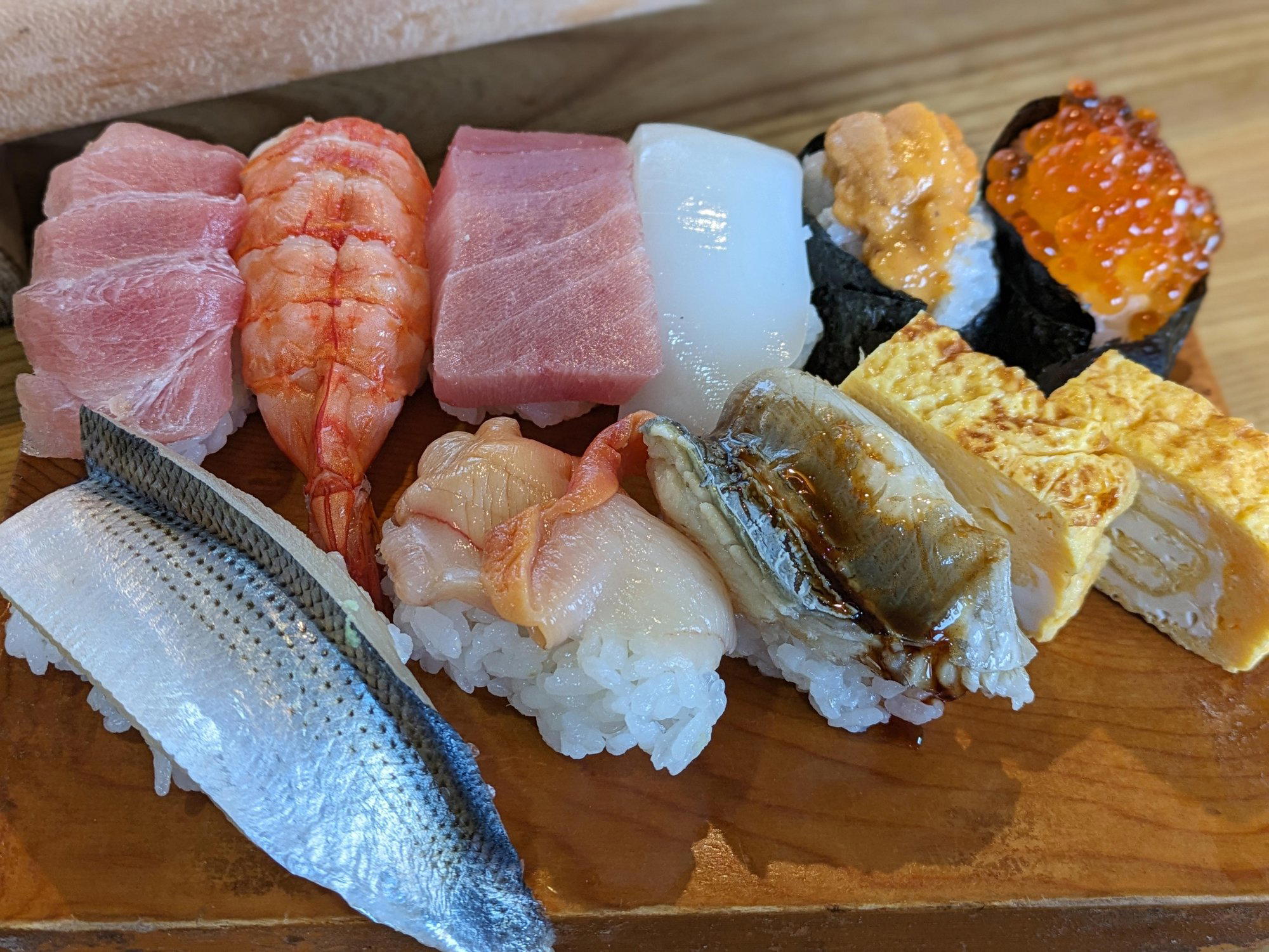
Where Wakana Sushi Sits in Tokyo's Sushi Stratification
Tokyo's sushi counter scene has split into distinct tiers more clearly in the past decade than at any point before. At one end, approachable neighbourhood sushi-ya operate on walk-in custom and seasonal rotation. At the other, a smaller bracket of destination counters books weeks or months ahead, prices into five-digit yen territory per head, and draws diners who have mapped their visits against specific lineages and reputations. Wakana Sushi is a restaurant in Tokyo serving traditional Japanese sushi in an omakase counter format. It is priced at about $25 per person.
That stratification matters for any visitor making decisions about where to spend their limited dining slots in Tokyo. The city rewards research more than almost any other dining capital. A counter in Ginza or Minami-Aoyama at the leading level will demand both planning and budget; a counter slightly off the primary circuits can deliver comparable craft at a meaningfully different price point. Understanding which tier a venue occupies, and what that implies about booking windows, format, and pacing, is the real first task for anyone approaching Tokyo dining seriously.
The Lunch and Dinner Divide at the Sushi Counter
Across Tokyo's omakase counters, the gap between lunch and dinner service is not simply one of time of day. It is a structural difference in format, pricing, and mood that experienced diners treat as a genuine strategic choice. Dinner at a serious Tokyo sushi counter typically runs longer, involves more courses, and commands a substantially higher price. Lunch, where offered, often compresses the sequence into a tighter set at a noticeably lower entry point, making it the more accessible window for visitors managing both budget and schedule.
The mood shifts accordingly. Dinner service at Tokyo's leading sushi counters tends toward deliberate ceremony: the room quieter, the pacing slower, the interaction between chef and guest more sustained. Lunch carries a different energy, quicker in tempo, sometimes drawing a mix of local business custom and visiting diners who have identified it as the smarter entry point into an otherwise expensive format. Wakana Sushi is open for lunch and dinner daily. It often represents one direct path to understanding what a counter actually does, without the full financial commitment of a dinner sitting.
The sushi counter version of this logic is particularly well developed in Tokyo, where the gap between lunch and dinner pricing can reach forty to sixty percent at comparable houses.
What the Omakase Format Implies
The omakase model, at its core, transfers menu authority entirely to the kitchen. The diner commits to a sequence determined by what is seasonal, what arrived from the market that morning, and what the chef's current thinking dictates. This is not a passive format dressed up as one. It requires a counter that genuinely exercises that authority, rather than running a fixed rotation under the omakase label as a pricing mechanism.
At Tokyo's more considered sushi counters, the distinction between a kitchen that earns the omakase premise and one that performs it is usually apparent by the second or third course. Fish selection, temperature control, the ratio of rice to fish, the seasoning of the shari: these are the technical markers that separate a counter operating at the craft level from one trading on the format's cultural cachet.
HAJIME in Osaka and Gion Sasaki in Kyoto represent the broader Japanese fine dining tradition that Tokyo's leading counters exist within. Further afield, akordu in Nara and Goh in Fukuoka show how high-craft Japanese dining functions outside the major urban centres. Regionally, venues like 一本木 名川製 in Nanao, 夕仙山乃 in Sapporo, 湖畔荘 in Takashima, and 庭羽屋 in Nishikawa Machi each reflect how Japan's dining culture distributes well beyond its two or three most-discussed cities.
Planning Your Visit
Tokyo sushi counters at the serious level require advance planning regardless of profile. Booking windows at recognised houses typically open four to eight weeks ahead, and some require contact through a hotel concierge or a local intermediary service, particularly for visitors without a Japanese-language contact. Dress codes at omakase counters lean toward smart casual at minimum; the enclosed, intimate format of a sushi counter makes conspicuously casual dress more noticeable than in a larger dining room.
For visitors building a broader Tokyo itinerary, the restaurant pairs logically with the city's other serious counter formats. The innovative French approach at Crony offers a counterpoint in both cuisine and room energy. Internationally, the model has parallels at Le Bernardin in New York City for its precision with seafood, and Atomix in New York City for its structured, course-by-course hospitality approach, though the cultural and technical context differs substantially. Beyond the city, Birdland in Sakai, Bistro Ange in Toyohashi, and the broader Japan regional circuit show how dining craft scales across the country.
The counter is walk-in friendly, and its opening hours are Monday through Sunday, 12 to 3 PM and 5 to 8 PM.
Budget Reality Check
Comparable venues nearby, for context on price, style, and recognition.
| Venue | Cuisine | Price | Notes |
|---|---|---|---|
| Wakana SushiThis venue — the venue you are viewing | Not listed | $$ | Not listed |
| 富士鮨 | Minato, Japanese Izakaya | Not listed | Not listed |
| 食堂 わた | Shinjuku, Casual Japanese Izakaya | $$ | Not listed |
| Toyoda | Not listed | $$ | Meguro, Japanese chicken & kara-age specialist |
| 加賀屋 銀座店 | Chūō, Japanese Izakaya | Not listed | Not listed |
| HARU | Taitō, Japanese Ramen | $$ | Not listed |





At a Glance
- Cozy
- Minimalist
- Classic
- Solo
- Family
- Casual Hangout
- Sake Program
Current opening hours
- Monday
- 12–3 PM, 5–8 PM
- Tuesday
- 12–3 PM, 5–8 PM
- Wednesday
- 12–3 PM, 5–8 PM
- Thursday
- 12–3 PM, 5–8 PM
- Friday
- 12–3 PM, 5–8 PM
- Saturday
- 12–3 PM, 5–8 PM
- Sunday
- 12–3 PM, 5–8 PM
Hours can change for holidays and private events. Last verified .
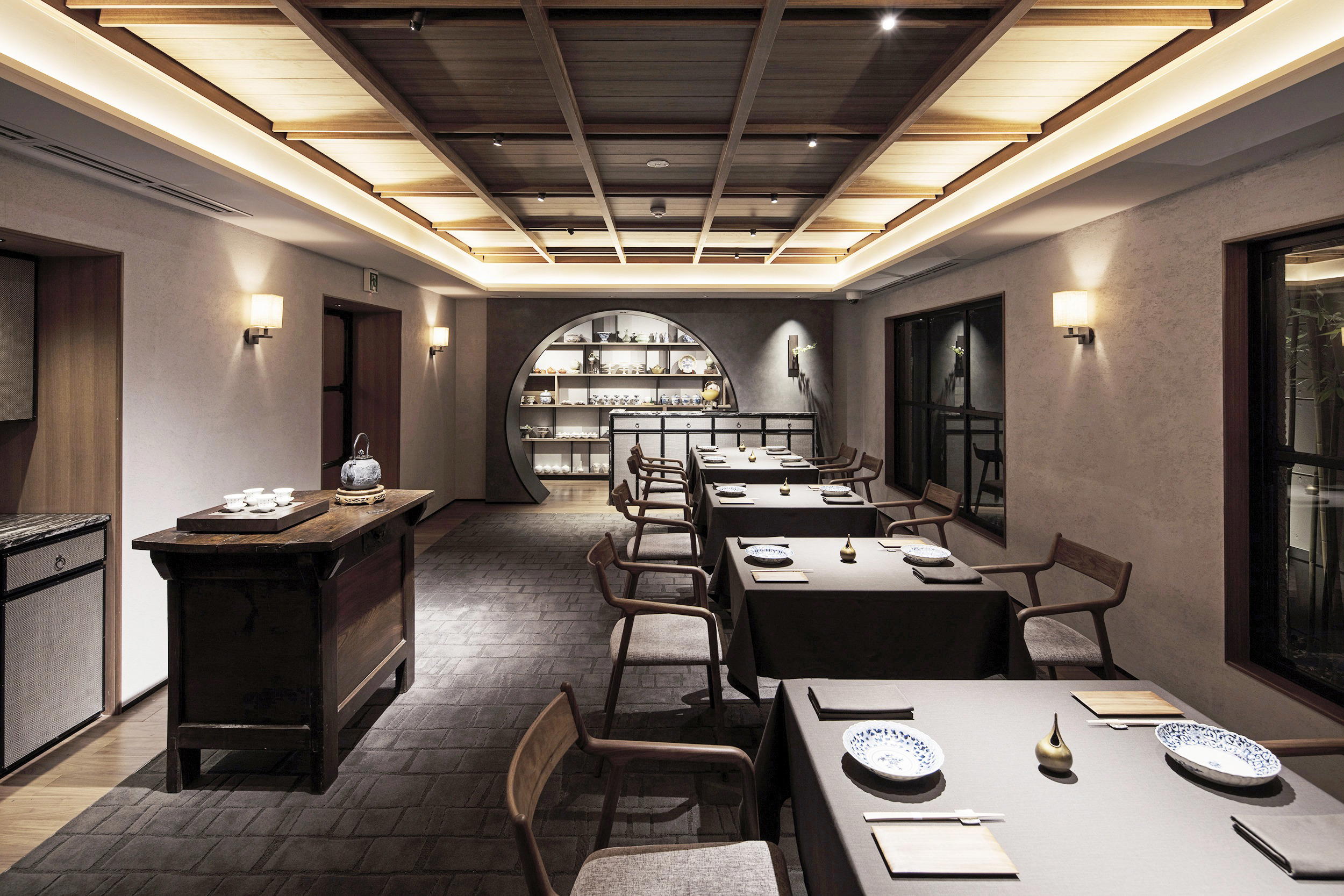
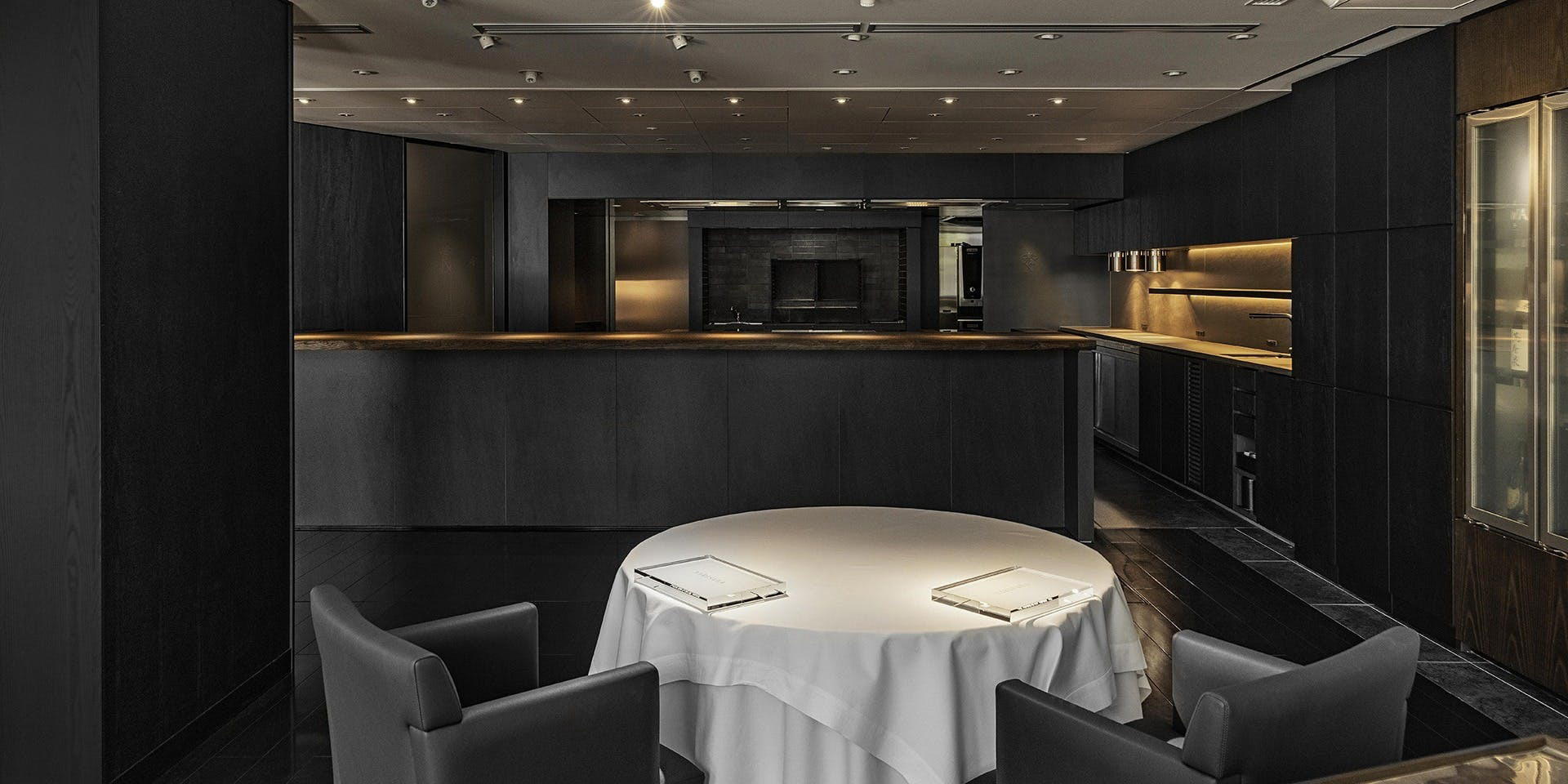
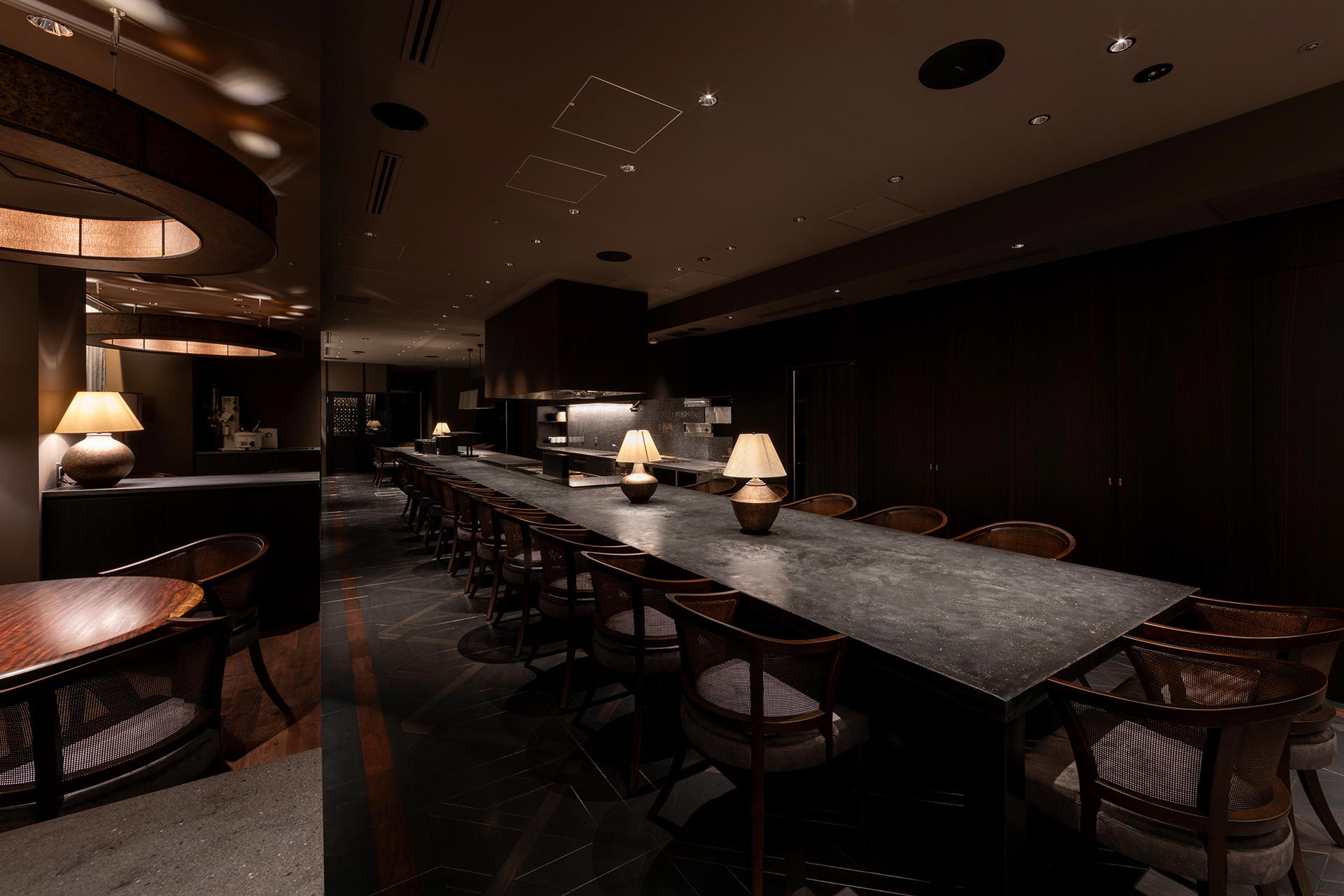
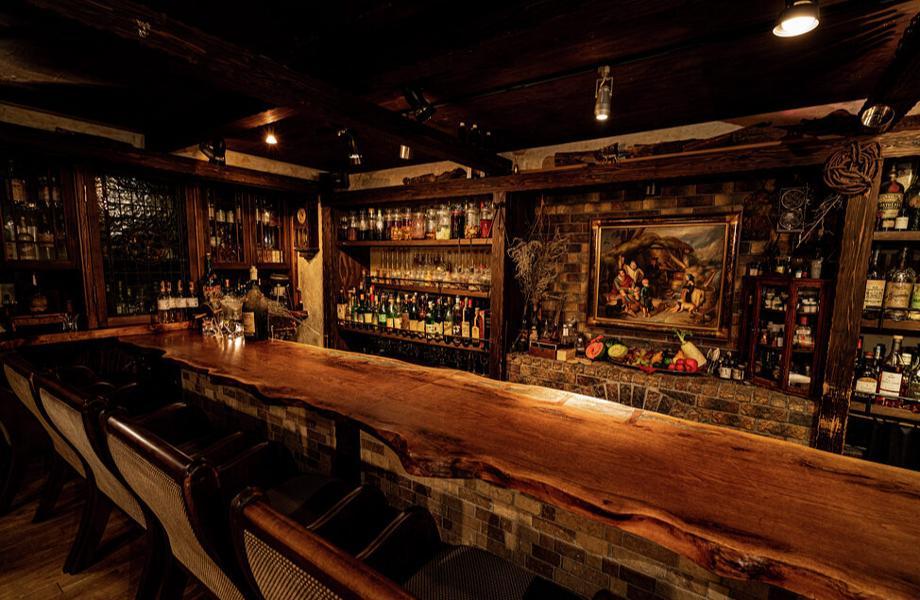
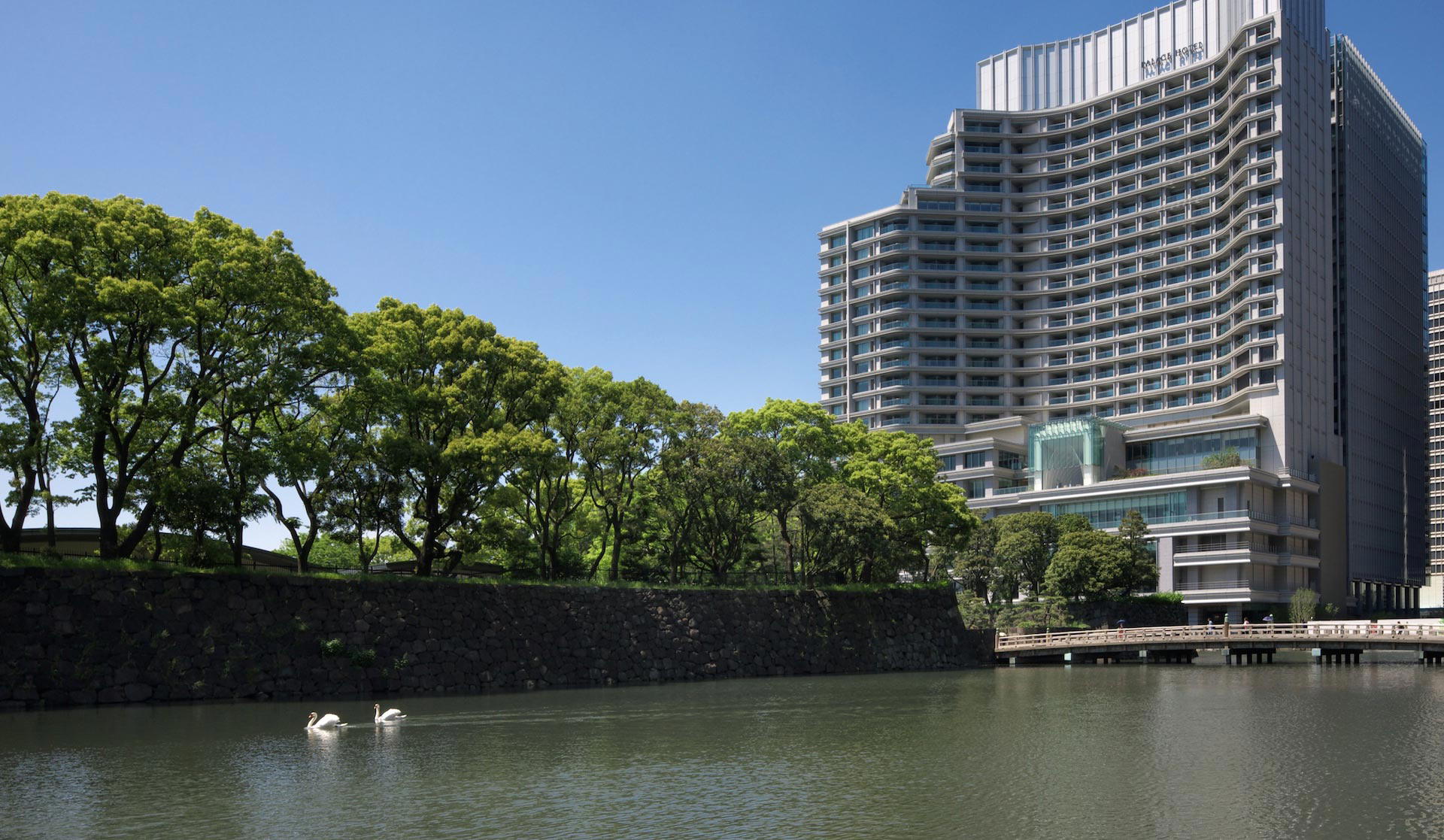
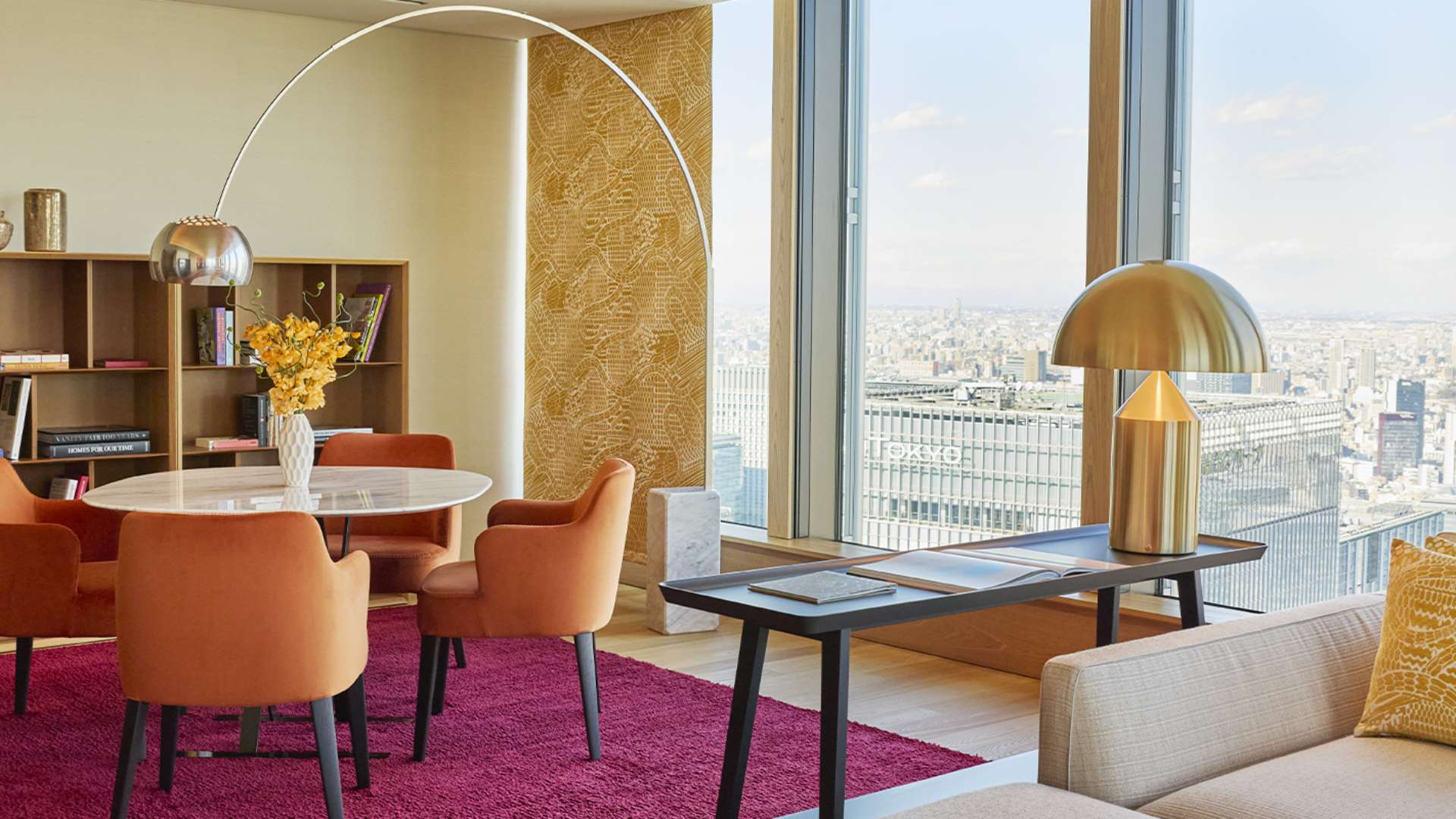
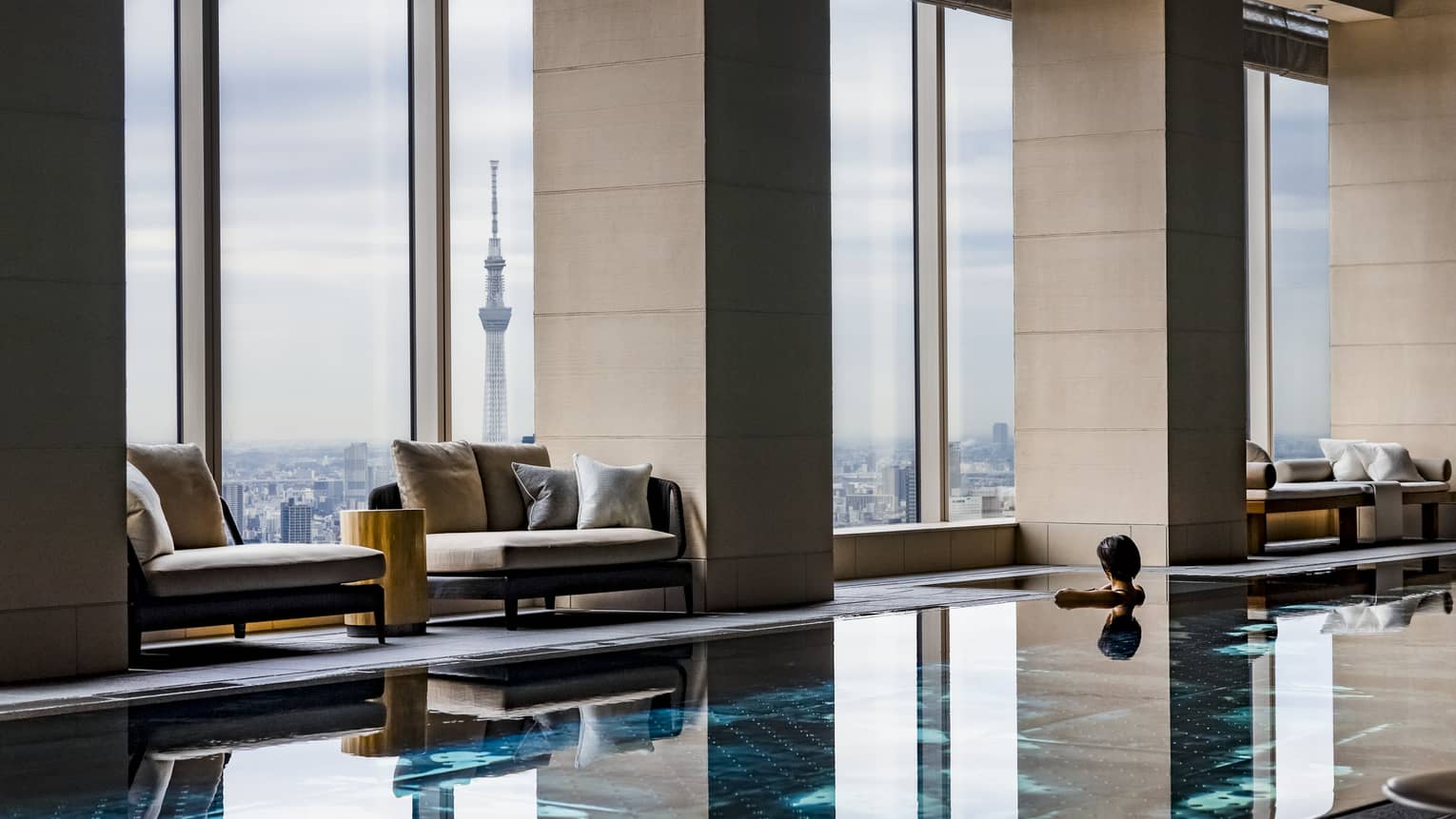
Cozy ambiance with minimalist decor creating a serene, house-like atmosphere.