Tabelog 100 #47
Our verdict
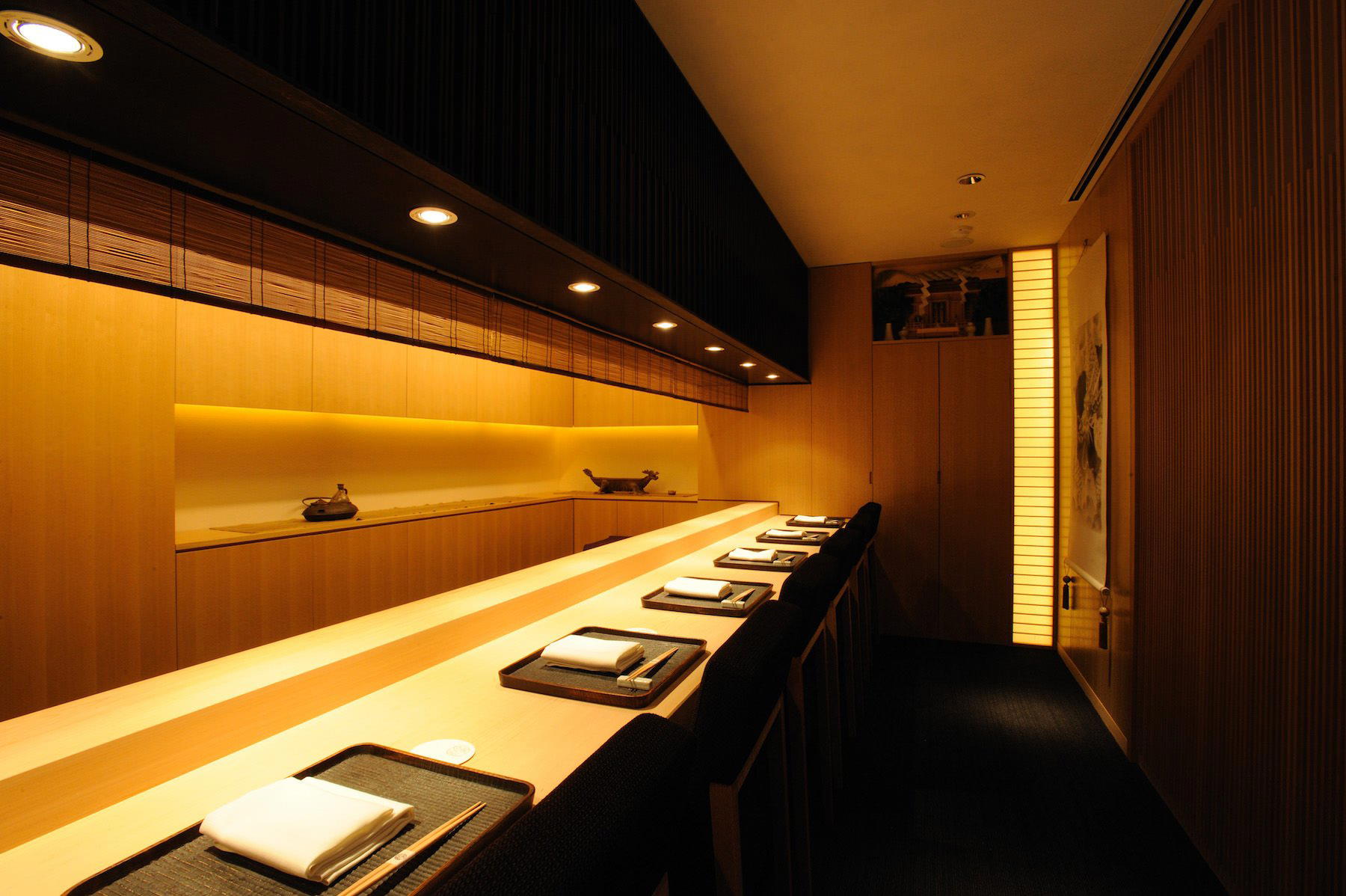
HARU brings Tokyo ramen into a compact Iriya counter setting, with seven seats and a record of selection for Tabelog Ramen TOKYO 100 from 2017 through 2025. The draw is not ceremony but concentration: a small room, counter service, and the kind of ramen culture where timing, queue discipline, and daily soup choices matter.

Pearl is the En Primeur Club membership app, where members save venues, book tables and use the concierge.
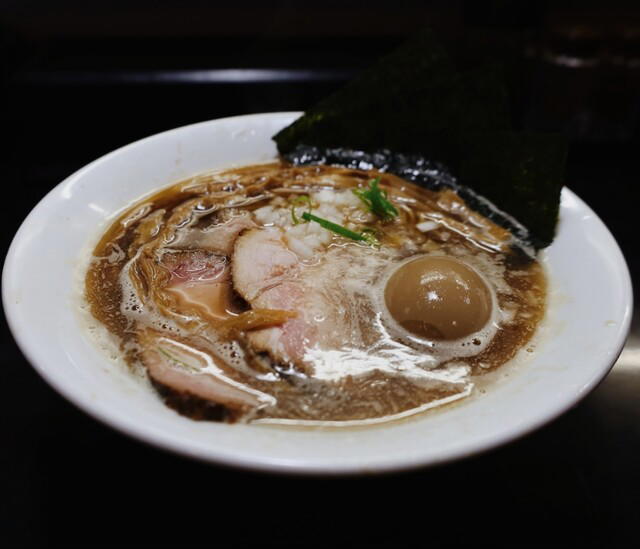
At a small ramen counter in Tokyo, the room does not need theatre. The essential signals are practical and immediate: steam rising from bowls, the clipped rhythm of counter service, and a format close enough that every movement in the kitchen feels part of the meal. Tokyo ramen culture rewards this kind of compression. The meal is short, the focus is narrow, and the difference between a casual bowl and a destination bowl often lives in broth clarity, noodle timing, and how confidently a shop keeps its attention on the bowl.
HARU belongs to that compact Tokyo category, with ramen as the defining language. Its 2025 selection in Tabelog’s Hyakumeiten ramen recognition, alongside a listed score of 3.79, gives it a clear signal in a city where ramen attention is crowded, volatile, and intensely watched by local diners. That recognition matters because Tokyo’s ramen scene is not short of serious shops; appearing in a category-specific guide points to a venue that has earned notice within a demanding field.
Tokyo ramen without the central-Tokyo performance layer
Tokyo has many ways to eat, from elaborate destination meals to quick specialist counters, and HARU sits firmly in the latter world. The appeal here is narrow and direct rather than ceremonial. Compared with other named Tokyo dining reference points such as Iriya Kishimojin Monzen no Daya or Akagi, the draw is more tightly focused on a single ramen stop. Compared with casual comparison points such as Kansai Fu Teuchi Udon Irasshai or Tonpei, the signal is specifically ramen recognition rather than a broad everyday-dining brief.
That distinction is useful for travellers building a Tokyo eating day. Ramen rarely behaves like a long lunch in the French or kaiseki sense; it functions as a precise stop between parts of the city. The room, the queue, and the bowl are part of the same experience. At this scale, a slow diner changes the rhythm. A group changes the rhythm. The format favours people who understand that Tokyo counter dining often works through shared efficiency: order clearly, eat while the noodles are at their intended texture, and give the next guest space when the meal is done.
The bowl is the point, but the rules shape the meal
Tokyo’s serious ramen counters often carry a small body of house knowledge, and HARU should be approached with that mindset. The useful way to read the visit is through ramen rather than through a broad menu expectation. This is not a generic tourist-facing dining script. It rewards diners who arrive ready to make a clear choice, focus on the bowl, and treat the format as a specialist stop rather than a flexible all-purpose restaurant.
The counter etiquette also has consequences for how the food is experienced. Ramen asks for attention once it arrives: heat, texture, fat, aroma, and toppings all continue to change in the bowl. The best approach is practical rather than performative. Settle in, keep the pace natural, and eat the noodles while they still show the kitchen’s intended timing. These details are small, but they are the difference between treating ramen as mere fast food and reading it as a disciplined counter format.
The sensory logic is direct. A compact ramen setting concentrates aroma before the bowl arrives, and ramen’s tempo is unforgiving once it does. Noodles continue to soften, fat continues to settle, and toppings change with heat. In that context, the room’s lack of distraction becomes an advantage. The experience is less about lingering and more about attention: broth first, noodles while they hold, toppings before the soup changes them.
How to place it within a Tokyo food itinerary
For a visitor, HARU makes the most sense as a focused Tokyo stop rather than as the anchor for a long evening. Its ramen recognition rewards a diner who is already moving through the city and wants a meal with a clear local signal. It is also the kind of place that benefits from checking current operating information before travelling across Tokyo, since small specialist restaurants can be less useful to plan around if you rely on assumptions rather than same-day details.
Tokyo dining rewards category discipline. A ramen counter should not be judged by the same criteria as a tasting-menu restaurant, and a low-spend bowl with ramen-list recognition can carry more relevance than a more expensive room with less focus. For a broader map of the city’s dining tiers, use Our full Tokyo restaurants guide, then compare nearby or category-adjacent stops such as other Tokyo dining rooms, casual cafes, specialist counters, and unnamed neighbourhood restaurants. For a wider Tokyo trip, the city context continues through Our full Tokyo hotels guide, Our full Tokyo bars guide, Our full Tokyo wineries guide, and Our full Tokyo experiences guide.
Japan’s casual-specialist dining culture also travels well beyond Tokyo. For contrast, compare formats and regional appetites through unnamed casual counters, noodle shops, curry specialists, cafes, and other everyday dining rooms across Japan. Across the Pacific, Japanese casual forms take different shapes in unnamed overseas bars and quick-service dining rooms, where the reference points shift from Tokyo counter etiquette to diaspora dining habits.
Frequently asked questions
Does HARU work for a family meal?
It can work for a small family that is comfortable with a focused ramen-counter style meal. HARU suits an easygoing Tokyo stop rather than a drawn-out group dinner.
What's the overall feel of HARU?
HARU feels tightly focused: a practical Tokyo ramen stop with an unshowy, bowl-first rhythm. Its 2025 Tabelog Hyakumeiten ramen recognition gives it clear credibility, while the setting remains direct and efficient.
What price level is HARU?
Pricing at HARU is listed as - JPY 999 - JPY 999.
What is HARU known for?
HARU is known for ramen in Tokyo and for its 2025 Tabelog Hyakumeiten recognition.
Cost and Credentials
Comparable venues to anchor price and recognition.
| Venue | Cuisine | Price | Awards | Notes |
|---|---|---|---|---|
| HARUThis venue (the venue you are viewing) | Japanese Ramen | $10–20 | Tabelog 100 #47 | Not listed |
| らぁめん家 69'N' ROLL ONE 赤坂本店 | Chicken Clear Soy Ramen | Not listed | Not listed | Akasaka, Chicken Clear Soy Ramen |
| Toyama Shiroebitei (富山白えび亭) | Toyama White Shrimp Tempura Bowls | $20–30 | Not listed | Marunouchi, Toyama White Shrimp Tempura Bowls |
| Yamacho (黒うどん 山長) | Black Udon (Kuro Udon) | $10–20 | Not listed | Harajuku, Black Udon (Kuro Udon) |
| Kayaba Coffee | Taitō, Retro Japanese kissaten & café | $10–20 | Tabelog 100 | Not listed |
| Nemurian | Traditional Soba & Sake Izakaya | $20–30 | Tabelog 100 #76 | Chiyoda, Traditional Soba & Sake Izakaya |
Recognition history
Dated appearances from independent guides and award organizations, with the underlying list record or original source where available.
Tabelog 100 #47 · No. 47
Tabelog · Tabelog 100 - Ramen - TOKYO - 2025