
A Michelin Plate-recognised French address in Meguro, unique takes classical technique into a more accessible price bracket without softening its ambitions. Smoked foie gras terrine, game birds, and rabbit cooked to seasonal rhythms sit alongside well-aged wines in a room where the formality of the food outpaces the informality of the setting. For Tokyo's French dining scene, that gap is the point.
Pearl is the En Primeur Club membership app — saves, bookings, and concierge access live there. Same editors, same standards.
- Address
- Japan, 〒153-0063 Tokyo, Meguro City, Meguro, 3 Chome−12−3 1階
- Phone
- +81 3-6451-0570
- Website
- restaurant-unique.jimdo.com
- Directions
- Get directions
 Saves & bookings on Pearl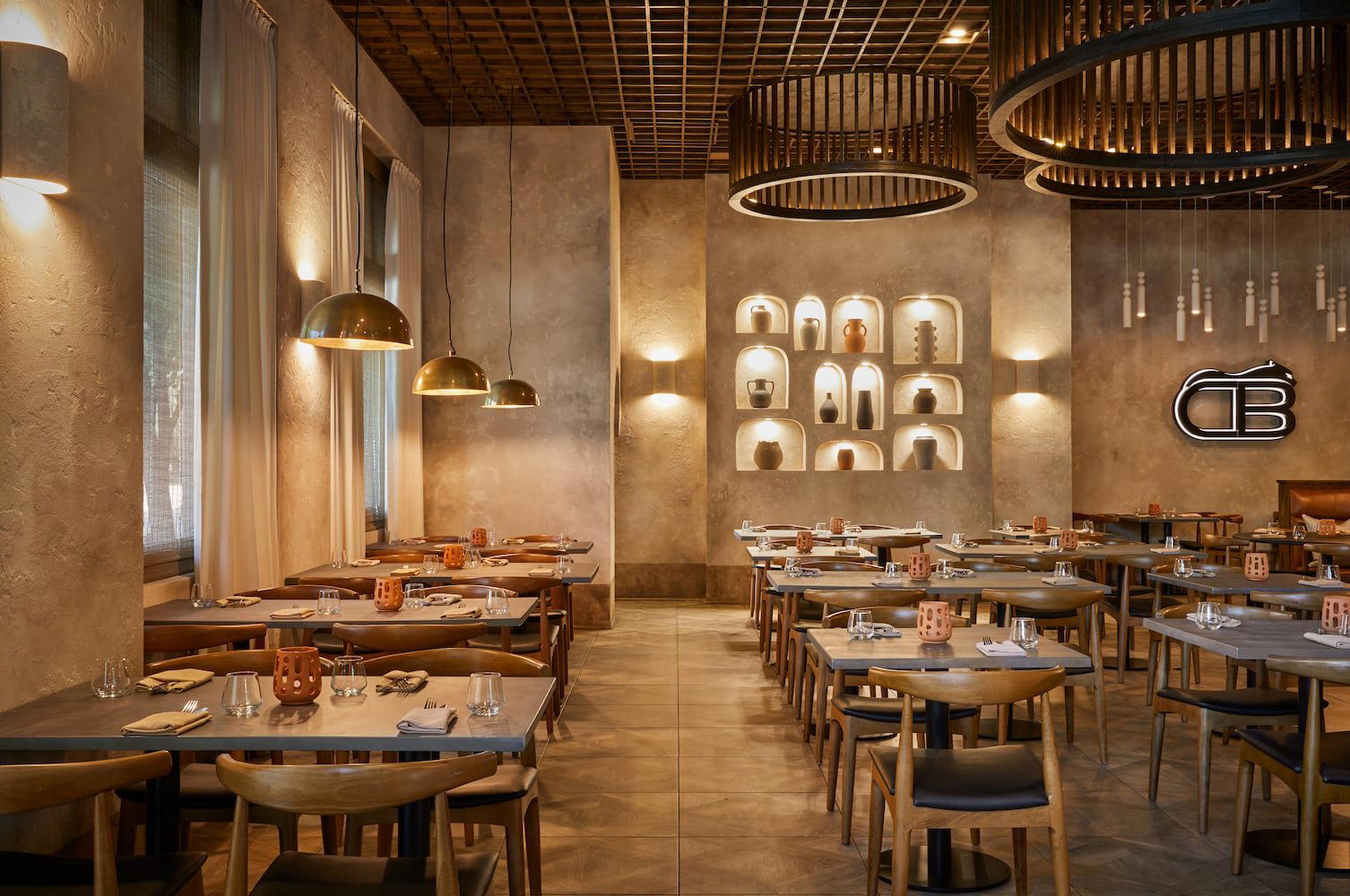
Fine Dining at a Deliberate Price Point
Tokyo's French dining tier has bifurcated sharply over the past decade. At one end sit the grand-format rooms where a single tasting menu can exceed ¥40,000 per person: places like L'Effervescence, Sézanne, and Château Restaurant Joël Robuchon, where ceremony, imported tableware, and sommelier teams are built into the price architecture. At the other end, a smaller and less-discussed cohort has been doing something more subversive: running kitchens at classical French standards while pricing in the ¥¥¥ bracket, where the expectation is something considerably less precise. unique, a Kawaii Themed Cafe in Meguro City's Meguro neighbourhood, operates in that second tier deliberately.
The restaurant's name is a statement of intent rather than branding. Chef Masaaki Nakai's approach centres on classical French recipes reinterpreted through personal reading, which is exactly the tension that has defined French cooking's evolution globally: a cuisine built on codified technique, constantly pressured by the question of what the classics are actually for. In Meguro, that pressure resolves into a menu where smoked terrine of foie gras sits next to orange-fleshed yam, and where Asian black bear is enclosed in pie crust. These are not fusion compromises; they are arguments made in classical grammar about what French cooking can absorb without losing its structural logic.
The Menu's Seasonal Architecture
Game cookery has always been the sharpest test of a French kitchen's classical credibility, and unique leans into it. Fowl and rabbit are listed as seasonal specialities, which places the menu firmly in the autumn-winter rhythm that serious French restaurants have observed since Escoffier's time. The decision to anchor seasonal identity in game rather than, say, vegetable-forward spring menus is an editorial one: it signals where the kitchen's loyalties lie, and those loyalties are with the tradition rather than with contemporary trends toward lightness and botanical minimalism that have characterised restaurants like Florilège or ESqUISSE.
The à la carte format reinforces this orientation. Most French restaurants at this level of ambition in Tokyo default to fixed tasting menus, which offer the kitchen control over pacing and ingredient deployment. Staying with à la carte at a ¥¥¥ price point means the kitchen has to make each dish defend its own position. It also means the diner has genuine latitude, which is rarer in Tokyo's French rooms than the city's reputation for hospitality might suggest.
The wine list is noted for well-aged bottles, a phrase that carries specific weight in the French dining context. Tokyo has developed a serious secondary market for aged Burgundy and Bordeaux, and a French restaurant in the ¥¥¥ tier that can offer properly cellared wine is providing something that typically requires paying for a ¥¥¥¥ room elsewhere. For wine-led diners, this changes the value calculation meaningfully.
Meguro as a Context
Meguro City, and the Meguro neighbourhood specifically, does not carry the same French-dining associations as Ginza, Omotesando, or Minami-Aoyama. That relative anonymity works in the restaurant's favour in at least one practical sense: the overhead structure that forces Ginza addresses to price aggressively is not present in the same way, which creates room to hold down menu prices without compressing quality. Several of Tokyo's most consistent mid-tier French kitchens have gravitated to residential or semi-commercial neighbourhoods for exactly this reason.
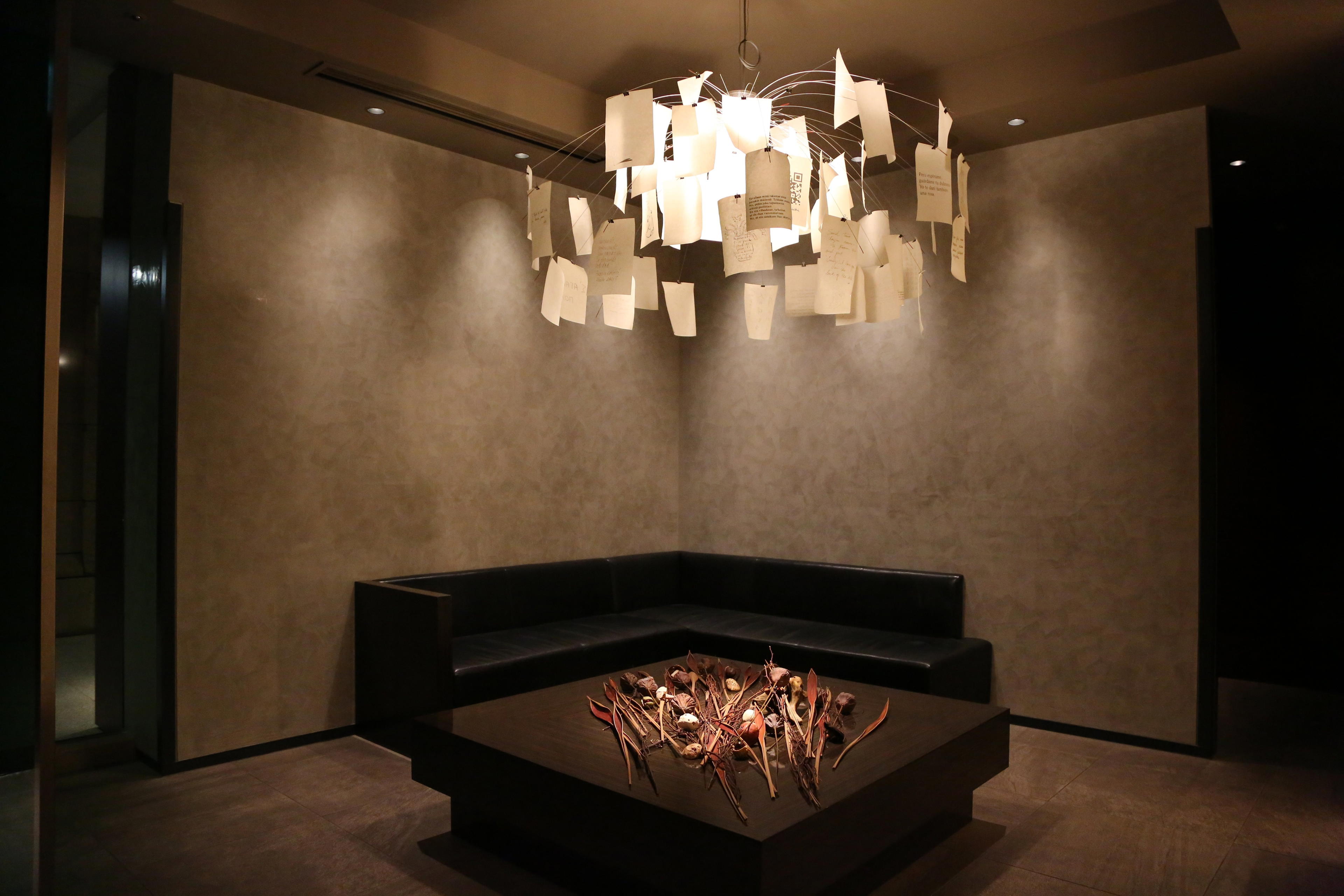
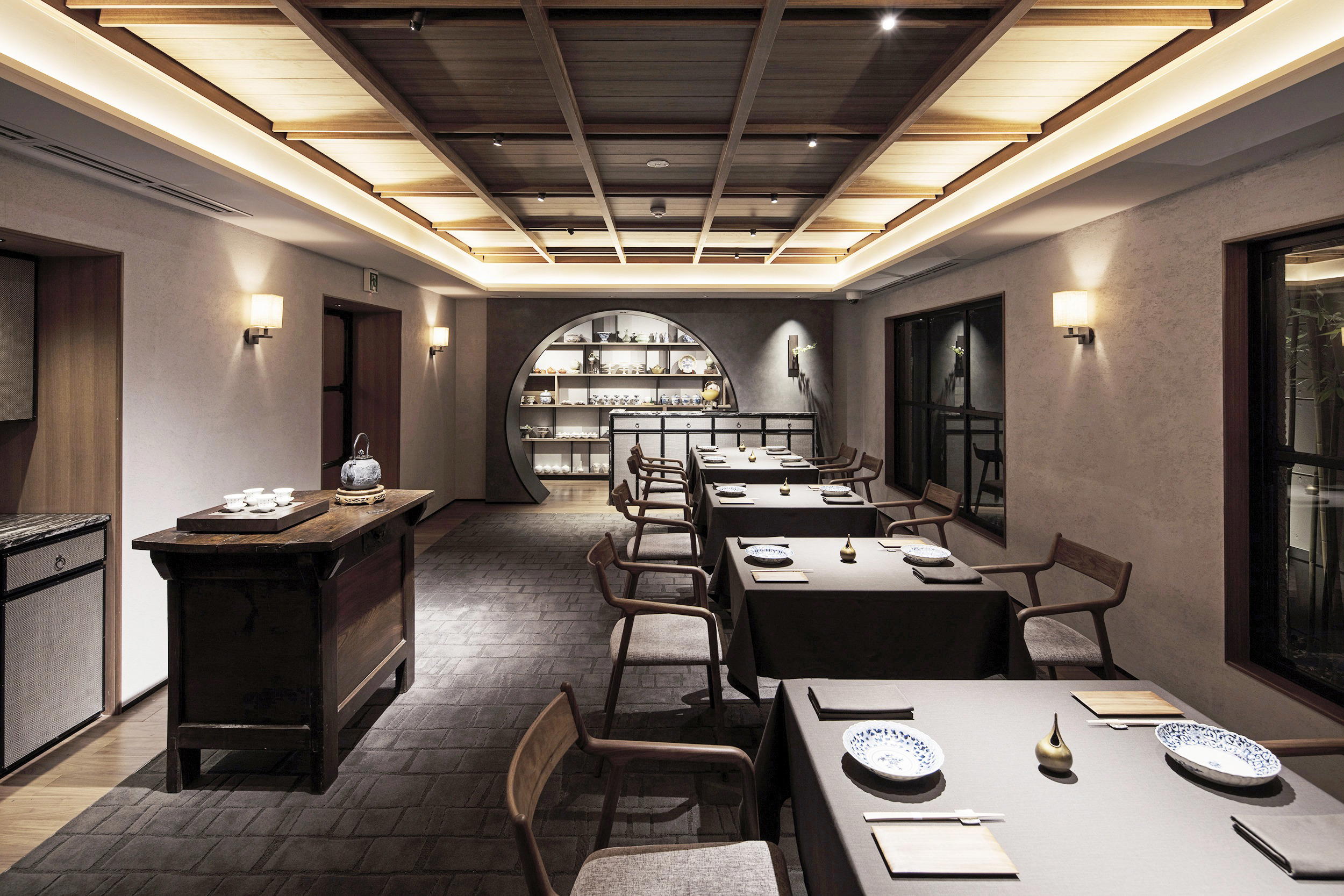
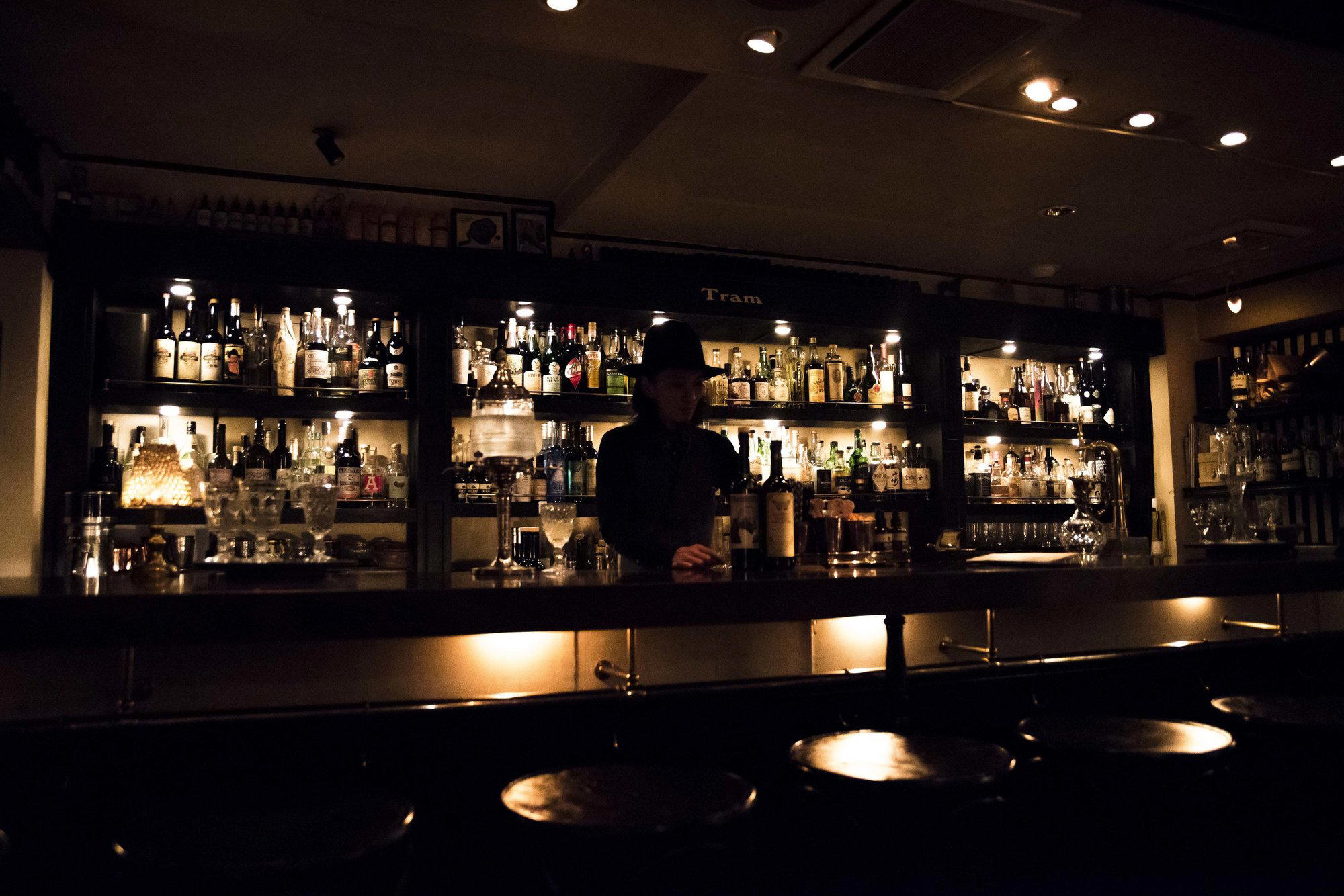
For the diner, it means approaching unique as you might approach a neighbourhood bistro in Paris's 11th arrondissement: without the formality reflex that high-end Ginza rooms can trigger, but with genuine expectation of what arrives on the plate. The address at 3 Chome−12−3 Meguro, ground floor, is a first-floor space in what the street-level designation implies is a low-rise commercial or mixed-use block. The room's scale and design suggest intimacy over spectacle.
Where It Sits in Tokyo's French Scene
Tokyo has more Michelin-recognised French restaurants per square kilometre than almost anywhere outside Paris itself. The Plate designation indicates that Michelin's inspectors consider the cooking good enough to recommend without reaching the star threshold. In a city where competition for those stars is intense, holding the Plate across two consecutive years at a ¥¥¥ price point rather than ¥¥¥¥ signals that the kitchen is operating above its apparent bracket. For comparison, L'Effervescence operates at ¥¥¥¥ with two Michelin stars; unique's Plate at ¥¥¥ positions it as an access point into serious French cooking rather than a consolation for those who cannot book the bigger rooms.
If you are planning French dining across Japan more broadly, the regional picture is worth considering. HAJIME in Osaka represents the three-star summit of French cooking in the Kansai region, while akordu in Nara applies European technique to local ingredients in ways that rhyme structurally with what unique is doing in Meguro. For those moving beyond the major cities, Goh in Fukuoka and 6 in Okinawa offer further reference points on how French-influenced fine dining functions outside Tokyo's concentrated scene. Internationally, the classical French tradition that unique draws from has its most formally observed expression at Hotel de Ville Crissier in Crissier, and a compelling Asian interpretation at Les Amis in Singapore.
For dining outside Tokyo during a wider Japan itinerary, Gion Sasaki in Kyoto and 1000 in Yokohama are worth noting as regional contrasts.
Know Before You Go
- Address: 3 Chome−12−3 Meguro, Meguro City, Tokyo 〒153-0063 (ground floor)
- Price range: ¥¥¥
- Format: À la carte
- Recognition: Michelin Plate 2024, Michelin Plate 2025 5 from 100 reviews
- Seasonal focus: Game (fowl, rabbit) in autumn-winter; check current availability before booking
- Wine: Well-aged bottles available; worth consulting the list on arrival
- Booking: Reservations are recommended
Reputation Context
Comparable venues nearby, for context on price, style, and recognition.
| Venue | Cuisine | Price | Awards | Notes |
|---|---|---|---|---|
| uniqueThis venue — the venue you are viewing | Kawaii Themed Cafe | $$ | Michelin Plate | Not listed |
| Ginza Asami | Traditional Japanese Kaiseki | $$ | Michelin Plate | Chūō |
| Ginza HARU CHAN Ramen | Shio Ramen | $$ | Bib Gourmand | Chūō |
| REI | Traditional Japanese Kaiseki and Oden | $$ | Bib Gourmand | Shibuya |
| Sushidokoro Shigeru | Traditional Sushi Omakase | $$ | Bib Gourmand | Shinjuku |
| Tsurutokame | Seasonal Kaiseki | $$$ | Michelin Plate | Chūō |
Recognition history
Dated appearances from independent guides and award organizations, with the underlying list record or original source where available.
Michelin Plate
Michelin
Michelin Plate
Michelin
Michelin Plate
Michelin










At a Glance
- Trendy
- Whimsical
- Lively
- Energetic
- Casual Hangout
- Celebration
- Design Destination
Current opening hours
- Monday
- Closed
- Tuesday
- 6–11 PM
- Wednesday
- 6–11 PM
- Thursday
- 6–11 PM
- Friday
- 6–11 PM
- Saturday
- 6–11 PM
- Sunday
- 6–11 PM
Hours can change for holidays and private events. Last verified .
Lively, off-the-wall kawaii-themed environment with unrelenting vivid colors and eclectic Harajuku style.