
In a neighbourhood defined by four-figure omakase counters and temple-quiet kaiseki rooms, Ginza HARU CHAN Ramen holds a different kind of ground. Haru-chan's shio ramen, built on a clear pork-and-dried-sardine broth poured to the bowl's rim, is the reason locals return. The kitchen stays open between lunch and dinner, a deliberate choice that says something about who this place is for.
Pearl is the En Primeur Club membership app — saves, bookings, and concierge access live there. Same editors, same standards.
- Address
- 3-11-6 Ginza, Chuo-ku
- Phone
- +81 3-6260-6088
- Directions
- Get directions
 Saves & bookings on Pearl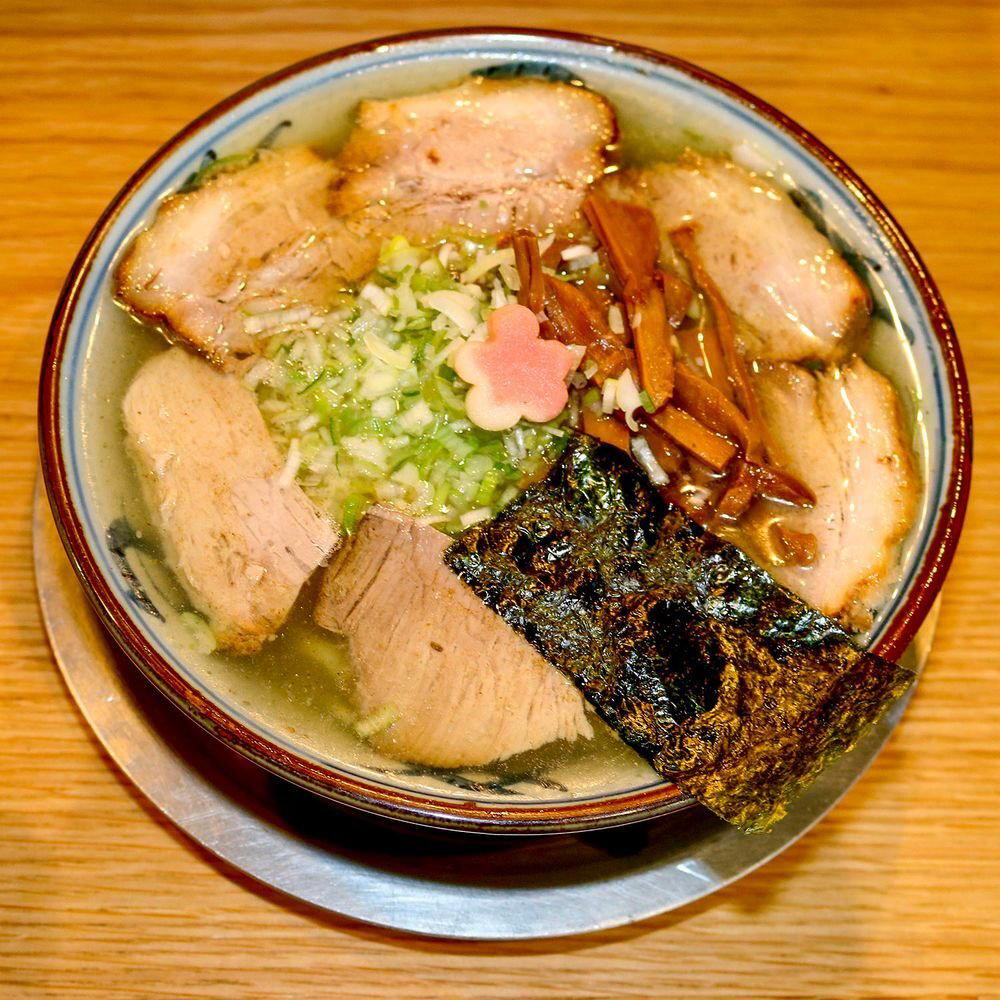
Ramen at the Edge of Ginza's Luxury Tier
Ginza's dining identity is built on expense and ceremony. The district's most-discussed addresses belong to a narrow price tier occupied by the likes of Harutaka for sushi, RyuGin for kaiseki, and L'Effervescence for French technique applied to Japanese produce. Those rooms share a logic: multi-course formats, reservation windows measured in months, and price points that assume a particular kind of diner. Against that backdrop, a ramen counter at 3-11-6 Ginza operates by a different set of rules entirely, and the gap is instructive. Shio ramen, the lightest and most technique-dependent of the major ramen styles, has always rewarded restraint and precision over spectacle. The bowl at HARU CHAN is evidence of that principle working at its clearest.
What Arrives in the Bowl
Shio ramen's distinguishing characteristic is its broth clarity, both visual and flavour. Where tonkotsu broth operates through opacity and fat saturation, and miso through fermented density, shio relies on a broth that can hold nothing unnecessary. The version here uses pork stock combined with dried sardines, a pairing that demands careful calibration: the sardines must contribute their savoury depth without the broth tipping into fishiness, while the pork provides body without cloudiness. The result is poured to the rim of the bowl, a presentation choice that signals confidence in the liquid itself.
Floating in the broth are green onion, nori, and wheat bran shaped into what the kitchen describes as flowers, drifting in wisps of pork fat. The aesthetic is deliberate. Shio ramen's visual language has always been quieter than richer styles, and the arrangement here amplifies that quietness without becoming minimalist for its own sake. The noodles are pounded flat, a technique that produces a plumper, more satisfying bite than the round noodle common in tonkotsu preparations. Roasted pork fillet, simmered alongside the soup rather than prepared separately, closes the loop between the protein and the broth, each absorbing the other's character during cooking.
Haru-chan and the Counter's Character
The editorial angle that fits HARU CHAN is not the chef-as-protagonist story, but the more interesting question of how a single operator shapes the texture of a service. In Tokyo's ramen scene, the solo or small-team counter has its own distinct atmosphere, different from the brisk efficiency of a large ramen chain and different again from the hushed formality of the fine-dining rooms that dominate this postcode. What defines counters like this one is the proximity between the person cooking and the person eating, and the way that proximity shapes the pace of the meal.
Haru-chan's decision to keep the restaurant open between the conventional lunch and dinner service breaks is not incidental. In a neighbourhood where most restaurants observe strict split-service hours and close their doors firmly between 2pm and 6pm, staying open is a logistical commitment and a statement of priorities. It keeps the counter accessible to the people who work nearby but cannot structure their day around standard meal windows, and it positions the restaurant as a community fixture rather than a destination that exists only for the leisure-time diner.
Ginza Ramen in a City of Specialists
Tokyo's ramen ecosystem operates at a level of specialisation that rewards close attention. The city has rooms dedicated to single styles, counters that have spent decades refining a single bowl, and a critical culture, both formal and informal, that treats the difference between a 78-point and an 85-point shio broth as a meaningful conversation. Within that context, Ginza is an unusual postcode for a ramen counter: the district's rents and its clientele both skew toward the formal end of the market.
That Ginza hosts this kind of counter at all reflects something true about how the neighbourhood actually functions day-to-day, beneath the lacquered surface of its luxury retail and its four-figure dinner menus. The streets around Chuo-ku support an enormous working population, from department store staff to gallery assistants to the junior employees of the financial and legal firms that anchor the area. A well-executed bowl of shio ramen, priced and timed for that population, fills a gap that no amount of kaiseki counter-space can address.
For readers building a broader Tokyo itinerary, the contrast is worth holding onto. Sézanne and Crony represent the city's engagement with French technique at a high level of investment. HARU CHAN represents something the city is equally serious about: the perfection of a bowl that costs a fraction of those menus but demands comparable discipline from the person making it. Both claims on the diner's attention are legitimate.
Planning Your Visit
The address, 3-11-6 Ginza in Chuo-ku, places the counter within walking distance of Ginza Station, which sits on the Ginza, Hibiya, and Marunouchi subway lines. That access point makes it convenient to fold into a day that might also include other Ginza priorities, whether that means gallery-hopping, the department stores on Chuo-dori, or building context before a later dinner reservation at one of the district's formal rooms. The kitchen's extended hours policy, staying open across the mid-afternoon gap, means the timing of a visit is more flexible than at most addresses in the neighbourhood. No phone number or website is listed in public records for direct booking or inquiry, which suggests walk-in is the standard approach. Arriving outside peak lunch hours, particularly in the early afternoon, is likely to offer one relaxed experience at the counter.
For readers extending their Japan itinerary beyond Tokyo, comparable attention to regional craft is on show at Gion Sasaki in Kyoto, HAJIME in Osaka, Goh in Fukuoka, akordu in Nara, Bleston Court Yukawatan in Nagano, and giueme in Akita. Further afield, the discipline required to reduce a single dish to its essential form appears in different culinary traditions at Le Bernardin in New York City and Emeril's in New Orleans.
Cuisine Lens
Comparable venues nearby, for context on price, style, and recognition.
| Venue | Cuisine | Price | Awards | Notes |
|---|---|---|---|---|
| Ginza HARU CHAN RamenThis venue — the venue you are viewing | Shio Ramen | $$ | Bib Gourmand | Not listed |
| Sushi Kanesho | Classic Edomae Sushi | $$ | Michelin Plate | Taitō |
| REI | Traditional Japanese Kaiseki and Oden | $$ | Bib Gourmand | Shibuya |
| Tensuke | Specialty Tempura with Egg Tempura | $$ | Bib Gourmand | Suginami |
| Tompachitei | Traditional Tonkatsu | $$ | Bib Gourmand | Taitō |
| Ittoan | Handmade Soba | $$ | Bib Gourmand | Kita |
Recognition history
Dated appearances from independent guides and award organizations, with the underlying list record or original source where available.
Michelin Bib Gourmand
Michelin










At a Glance
- Cozy
- Modern
- Solo
- Casual Hangout
- Open Kitchen
- Sake Program
Current opening hours
- Monday
- 11 AM–9 PM
- Tuesday
- 11 AM–9 PM
- Wednesday
- 11 AM–9 PM
- Thursday
- 11 AM–9 PM
- Friday
- 11 AM–9 PM
- Saturday
- 11 AM–9 PM
- Sunday
- 11 AM–9 PM
Hours can change for holidays and private events. Last verified .
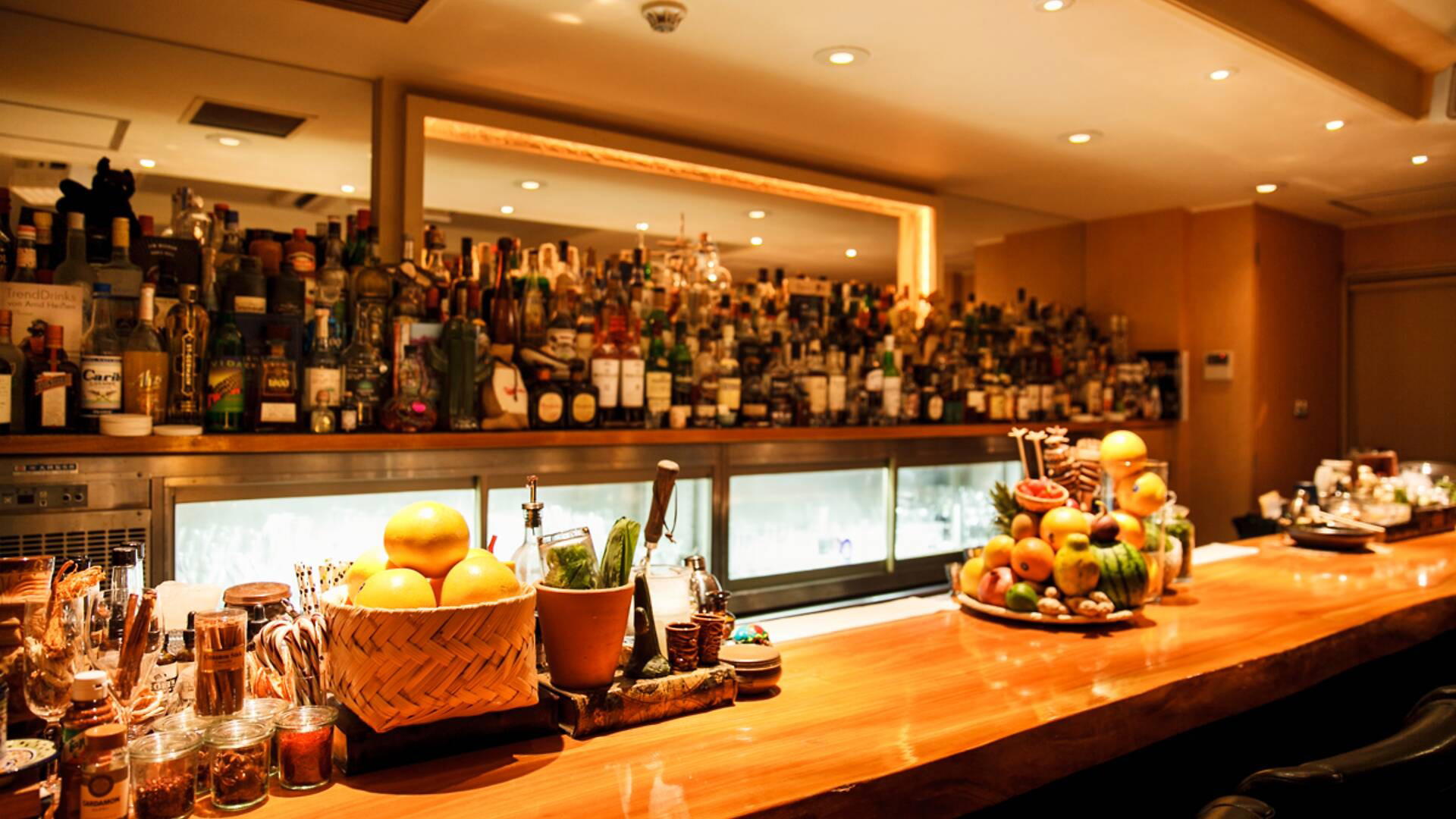
Spacious and beautiful counter-only interior with a comforting, community-focused atmosphere.