Located in Bunkyo City's Yushima district, Umean occupies a quieter register than Tokyo's central fine-dining corridors. The address places it among older Tokyo neighbourhoods where craft traditions tend to outlast trends. For visitors oriented around the intersection of technical precision and ingredient provenance, Yushima rewards closer attention than its profile typically receives.
 Discover on Pearl
Pearl is the En Primeur Club membership app — saves, bookings, and concierge access live there. Same editors, same standards.
- Address
- 3 Chome-10-10 Yushima, Bunkyo City, Tokyo 113-0034, Japan
- Phone
- +81358178066
- Website
- tablecheck.com
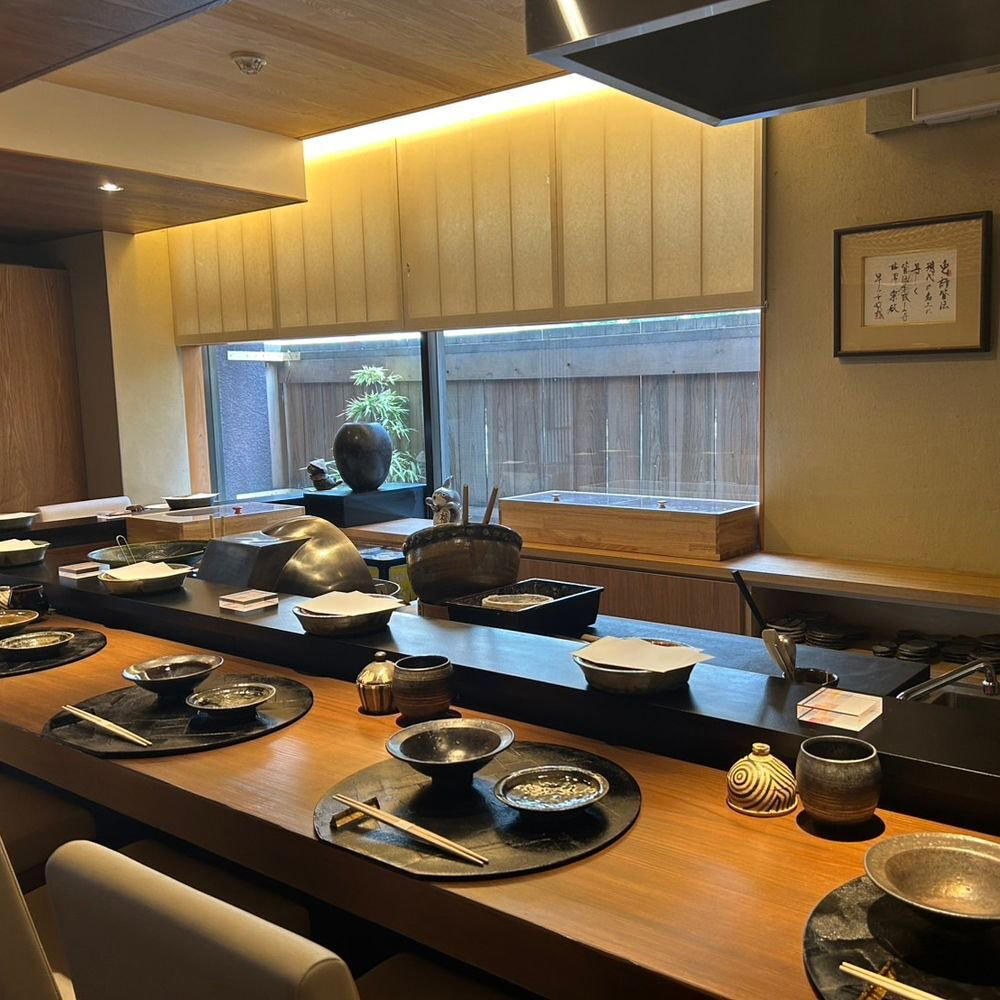
Yushima and the Case for Off-Centre Tokyo Dining
The approach to Yushima feels different from the polished parade of Ginza or the concentrated density of Shinjuku's dining blocks. Bunkyo City's streets carry an older civic weight: temples, university buildings, and low shopfronts that have not been redesigned for foot traffic. It is precisely the kind of neighbourhood where serious cooking tends to persist without the overhead of a high-visibility address. Umean, at 3 Chome-10-10 Yushima, sits within that logic.
This matters as context, because Tokyo's premium dining scene has become increasingly legible to international visitors through a handful of well-publicised corridors. Recognition clusters in Ginza, Minami-Aoyama, and Roppongi. Counters like Harutaka in Ginza for sushi, or the French-technique rigour of L'Effervescence, operate within a geography that reinforces their own reputation. Yushima, by contrast, does not advertise itself. What it offers instead are the conditions under which craft tends to concentrate: lower rents, long-term neighbourhood relationships, and a clientele that returns on the strength of the food rather than the address.
The Intersection of Imported Method and Japanese Produce
A useful way to understand where Umean sits within Tokyo's dining map is the pattern of kitchens that apply continental or globally influenced technique to Japanese seasonal produce. This is not a niche tendency; it has become one of the defining characteristics of serious cooking in Japan over the past two decades. What separates the leading exponents of this approach is the fidelity to ingredient origin and the precision with which imported methods are calibrated to Japanese raw materials.
Tokyo has no shortage of examples across price tiers. At the ¥¥¥¥ level, RyuGin applies kaiseki's seasonal discipline through a lens that incorporates modern technique without abandoning the grammar of Japanese cooking. Sézanne operates from a French foundation but sources aggressively within Japan, making ingredient provenance as visible as technique. Crony works a more informal register within the same French-influence frame. Each of these makes a distinct argument about how method and material interact. The question worth asking of any kitchen in this category is whether the Japanese produce is being used with genuine understanding of its seasonal arc and regional specificity.
This tension, between globally portable cooking methods and the particular logic of Japanese ingredient culture, is where some of the most compelling cooking in the country currently happens. It is also, increasingly, a point of comparison for destinations beyond Tokyo. HAJIME in Osaka works from a similarly cross-referential frame, as does akordu in Nara, which brings European classical structure to a setting rooted in Yamato produce. Even in less-discussed cities, this pattern holds: Goh in Fukuoka and Gion Sasaki in Kyoto both move through the same productive friction between inherited local craft and absorbed external influence.
What the Yushima Address Signals
In Tokyo's dining ecology, address is not merely logistical, it is a positioning signal. Kitchens that operate outside the premium-visibility corridors are typically making one of two choices: they are scaling down deliberately, or they are prioritising the cooking over the context. Yushima suggests the latter. The neighbourhood has a working character that does not cater to passing international traffic in the way Ginza does, which means the clientele is predominantly local and the booking dynamics tend to reflect sustained local reputation rather than tourist-driven demand.
This has implications for the visiting diner. A reservation at a Yushima address is less likely to be driven by guidebook pressure and more likely to reflect word-of-mouth among Tokyo's professional dining community. That is a different kind of endorsement, but in some respects a more durable one. The comparable pattern appears in regional Japan as well: restaurants in less-visited cities like Nanao or Takashima often carry reputations that travel through specialist channels long before they acquire formal recognition.
For international reference points, the dynamic is familiar. Atomix in New York built its reputation partly through a deliberate separation from the standard Manhattan fine-dining visibility circuit, letting the tasting menu format and Korean-technique integration speak for itself before the awards followed. Le Bernardin has maintained institutional status through product discipline rather than reinvention. These are different cases, but the underlying logic connects: address and aesthetics are subordinate to the cooking's internal consistency.
Japan's Broader Regional Craft Scene
Situating Umean within a purely Tokyo frame risks underselling the depth of Japan's national dining picture. The same impulse toward technical precision applied to regional produce appears across the country in forms that reward specific travel. Restaurants in rural Nishikawa Machi work with mountain-sourced ingredients in ways that would be impossible to replicate in a metropolitan kitchen. Sapporo's dining scene operates from Hokkaido's exceptionally rich agricultural and seafood base, producing a style of cooking that is definitionally tied to place. Birdland in Sakai and Bistro Ange in Toyohashi each represent the spread of serious, ingredient-led cooking into cities that rarely feature in international dining itineraries.
The pattern, across all these cases, is consistent: Japan's most compelling cooking tends to occur where there is proximity to exceptional produce and a kitchen that has earned the trust of local suppliers over time. Yushima's position within Tokyo, adjacent to established neighbourhoods, outside the premium rental corridors, creates conditions that can support exactly that kind of long-term relationship between kitchen and market.
Know Before You Go
Know Before You Go
- Address: 3 Chome-10-10 Yushima, Bunkyo City, Tokyo 113-0034, Japan
- Neighbourhood: Yushima, Bunkyo City, a quieter residential and civic district northeast of central Tokyo, accessible via Yushima Station (Tokyo Metro Chiyoda Line)
- Booking: Reservation policy: essential.
- Price per person: about US$400.
- Leading approach: Yushima is a walkable neighbourhood, the Yushima Tenmangu shrine is a useful landmark for orientation
Comparable Spots, Quickly
Comparable venues nearby, for context on price, style, and recognition.
| Venue | Cuisine | Price | Awards | Notes |
|---|---|---|---|---|
| UmeanThis venue — the venue you are viewing | Tempura and Soba Omakase | $$$ | , | |
| Omino Tsubaki | Yakitori Omakase | $$$ | , | Chūō |
| Teppanyaki Kurosawa | Teppanyaki Wagyu & Seafood | $$$ | , | Chūō |
| Tori Takuchu | Yakitori Omakase with Free‑Flow Sake | $$$ | , | Shinjuku |
| Yama no Chaya | Traditional Japanese Unagi Kaiseki | $$$ | , | Chiyoda |
| Zorome | Traditional Japanese Unagi (Kyosui Eel) | $$$ | , | Toshima |








At a Glance
- Intimate
- Elegant
- Minimalist
- Special Occasion
- Chefs Counter
- Sake Program
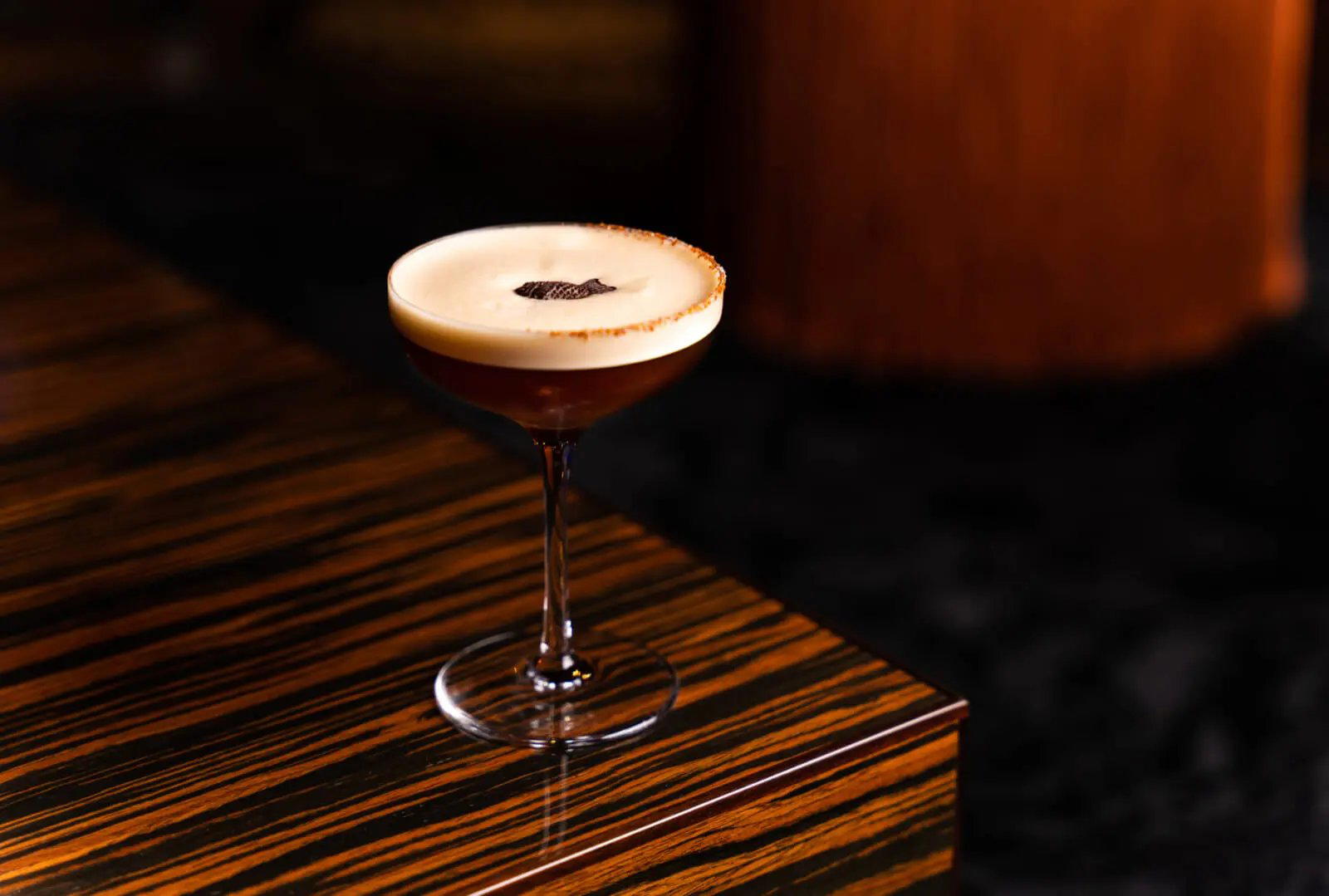
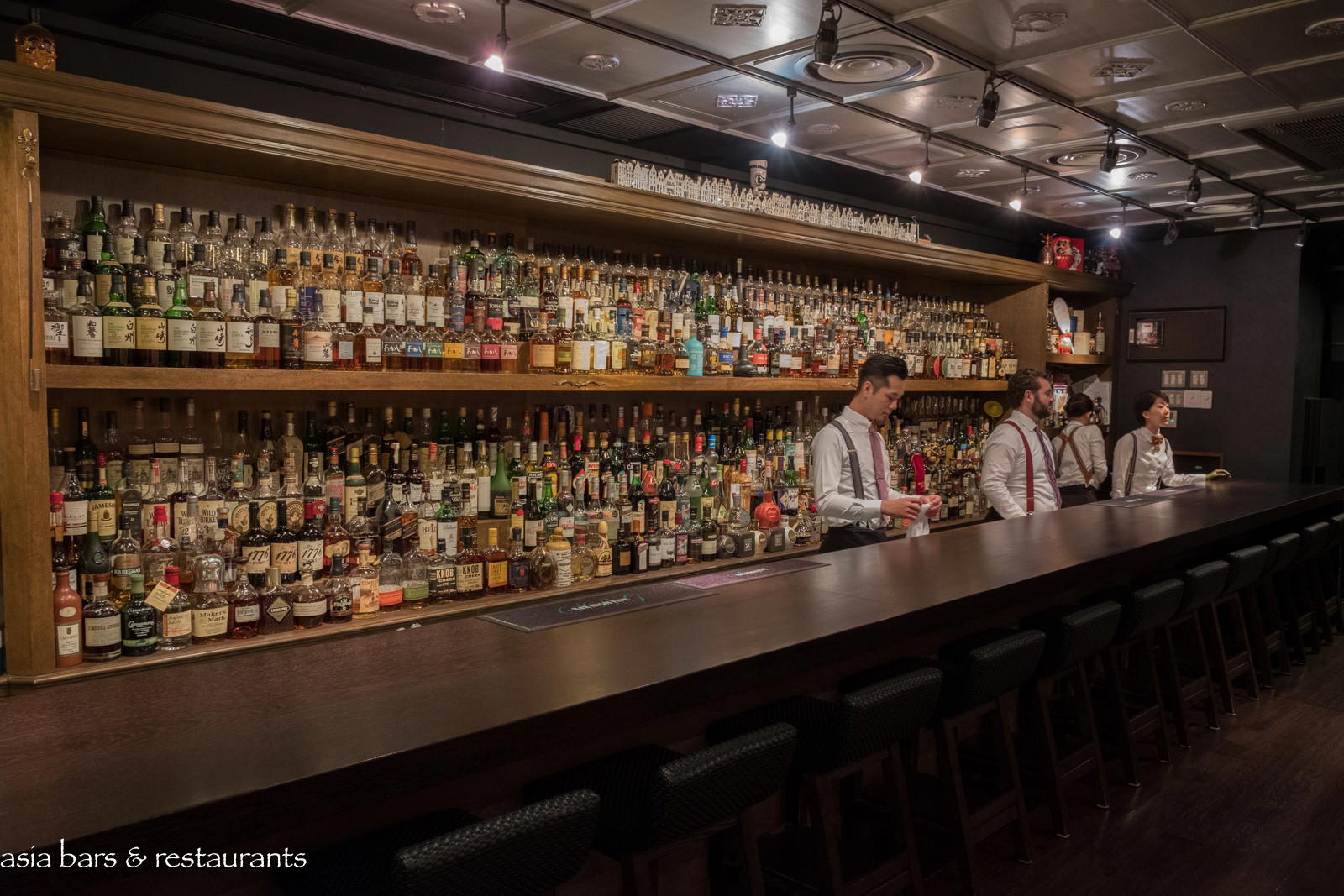
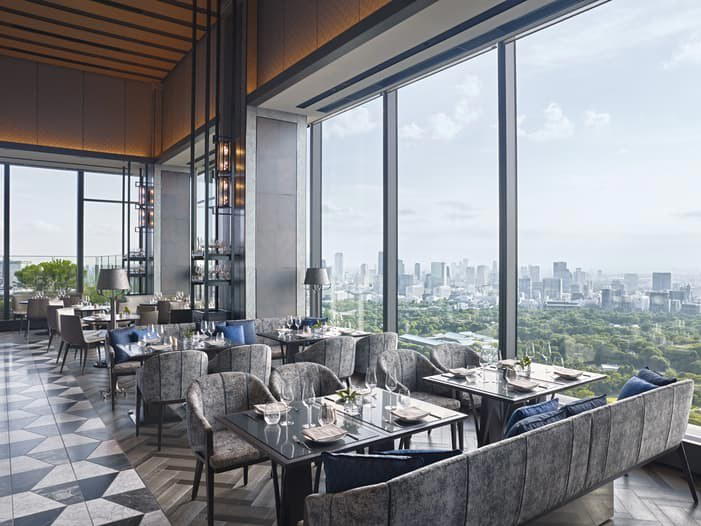
Restrained and focused atmosphere centered on two signature dishes, served with meticulous attention to detail in a counter-only setting.