
Tori Takuchu is an 11-seat yakitori counter in Yamabukicho, on the Edogawabashi side of Kagurazaka, selected for Tabelog 100 Yakitori EAST 2025. The format suits diners who want Tokyo’s charcoal-grilled chicken tradition in a compact room rather than a broad izakaya setting, with sake, shochu and wine positioned as part of the meal.
Pearl is the En Primeur Club membership app — saves, bookings, and concierge access live there. Same editors, same standards.
- Address
- 東京都新宿区山吹町6-3 ZA KAGURAZAKA B1F
- Phone
- +81362808740
- Website
- tabelog.com
 Saves & bookings on Pearl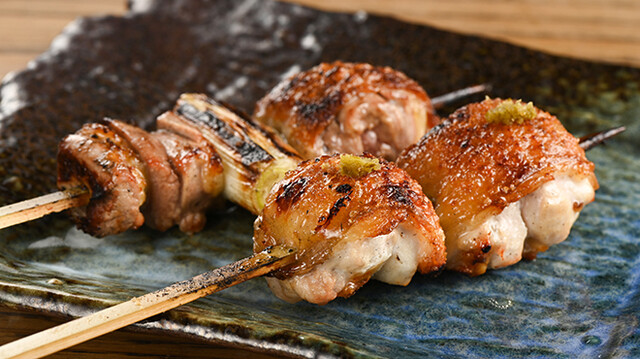
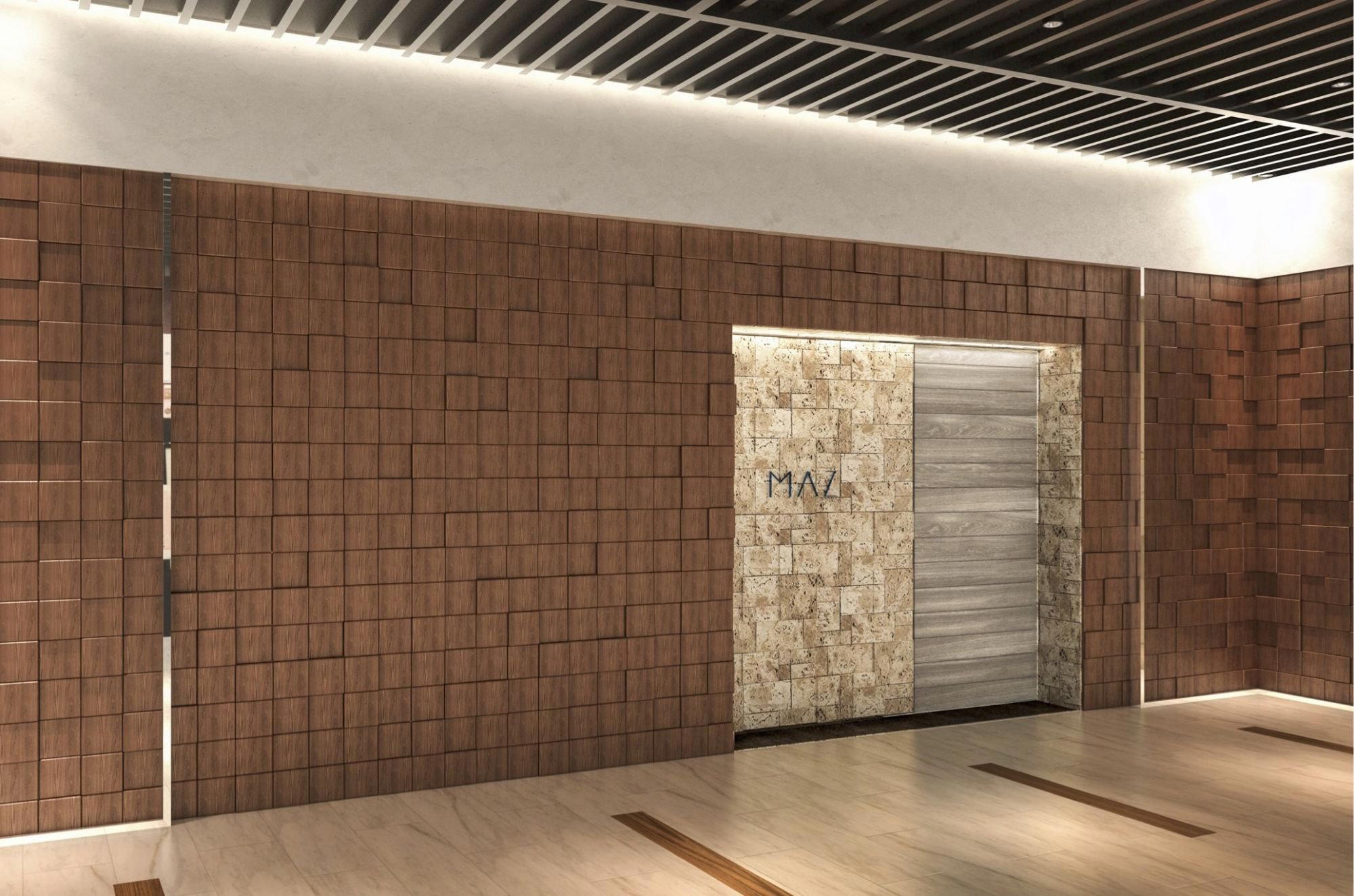
Below street level in Yamabukicho, the mood shifts from Kagurazaka’s slope-side dining traffic to something narrower and more deliberate: a counter-led yakitori room where the grill, the pacing and the small number of seats define the evening. This part of Shinjuku is not the neon shorthand of Tokyo dining. It sits between Edogawabashi and Kagurazaka, close enough to the latter’s restaurant culture to borrow its seriousness, but set back from the louder circuits that bring visitors to Shinjuku for scale rather than precision.
Tokyo’s yakitori scene has widened into distinct tiers. At one end are casual after-work counters built around beer, smoke and repeatable skewers. At the other are reservation-led rooms where chicken is treated with the same sequencing logic as sushi or tempura: controlled heat, exact timing, a compact audience and drinks chosen to match fat, char and saline depth. Tori Takuchu belongs to that second camp. Its selection for Tabelog 100 Yakitori EAST 2025 places it inside a competitive eastern-Japan yakitori cohort, and its Tabelog score of 3.70 gives a useful signal in a category where local regulars often matter as much as international attention.
Yamabukicho gives the counter a quieter Kagurazaka rhythm
Kagurazaka’s dining identity has always been more layered than its postcard image suggests. The area carries old geisha-quarter lanes, French and Italian dining rooms, kappo counters, casual soba shops and small bars within a few blocks of one another. Yamabukicho, just off that main cultural current, changes the register. A yakitori counter here does not need the theatre of a Ginza address or the density of a Shibuya backstreet; the neighbourhood already rewards diners who are willing to move one stop beyond the obvious.
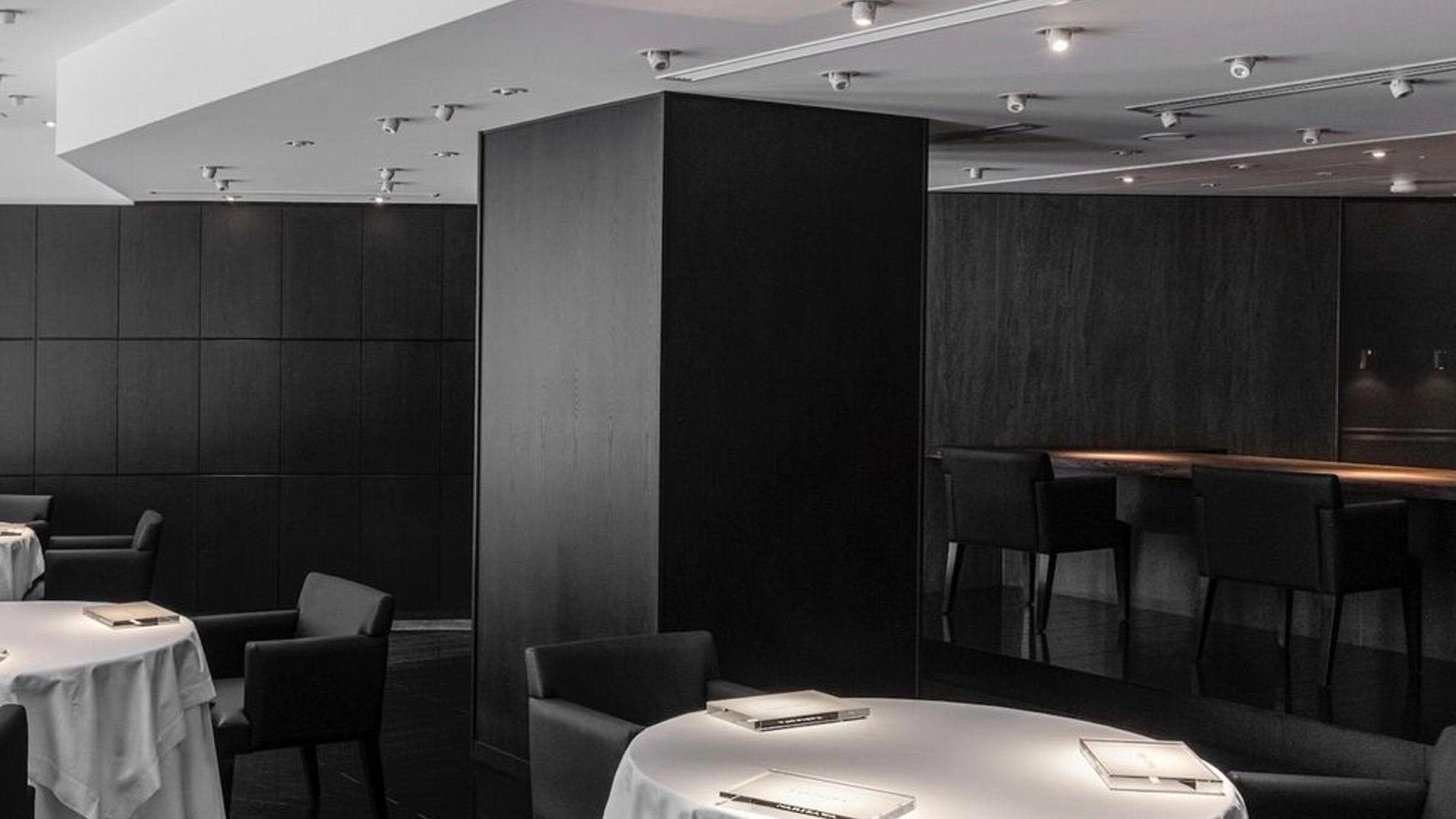
That location matters because yakitori depends on concentration. The format is intimate by design, and here the room is capped at 11 seats, with seven at the counter and a small table at the back. That scale pushes the experience away from grazing and toward a shared tempo. When a room begins together, lateness is not a minor inconvenience; it interrupts the sequence. In Tokyo’s serious grill rooms, timing is part of the craft, not a courtesy detail.
The category also explains the drink list’s breadth. Sake remains a natural partner for grilled chicken, but shochu and wine have become increasingly common at ambitious yakitori counters, especially where smoke, tare, salt and organ cuts require different kinds of lift. The presence of sake, shochu and wine signals a meal built for pairing rather than a simple skewer-and-highball stop.
Yakitori here is judged by heat control, pacing and restraint
Good yakitori is not complicated in concept, which is exactly why weak versions are easy to expose. The tradition asks a cook to manage chicken part by part, keeping lean meat from drying, skin from turning flabby, and richer cuts from becoming blunt. Charcoal is not a decorative flourish; it is the central instrument. The difference between competent grilling and serious yakitori lies in when a skewer leaves the heat, how salt or tare is used, and whether the meal has enough variation to hold attention without turning into a catalogue.
Tori Takuchu’s reputation is built on that grammar rather than on novelty. The public category is yakitori, the recognition is category-specific, and the room is designed around counter service rather than breadth. For a traveller, that makes it a useful Tokyo meal when sushi and kaiseki have already taken up too much of the itinerary. Yakitori at this level is less formal than those traditions, but it can be just as exacting. It also says something about contemporary Tokyo: specialization no longer needs a grand room to justify a serious bill, and small counters outside the headline districts can compete on discipline.
The price tier sits well above casual yakitori and below the city’s luxury tasting-menu restaurants. That middle-premium bracket is where expectations should be calibrated carefully. Diners are paying for ingredient handling, grill technique, pacing and intimacy, not for linen-table ceremony or a long list of optional dishes. Compared with neighbourhood spots such as Piatti Castellina or CRAZY BRAVO, which operate in adjacent dining budgets but different cuisines, this is a more focused proposition: one craft, one compact room, one narrow lane of Tokyo dining culture.
Who should choose this over a broader Tokyo night out
This is a sharper choice for diners who already understand that yakitori is not merely grilled chicken on sticks. It suits a two-person dinner, a small counter-focused evening, or a visitor using Kagurazaka as a quieter alternative to central Shinjuku. It is less suited to groups that want menu sprawl, flexible arrival times or a casual drop-in rhythm. Families can be accommodated only when children can follow the same course pace as adults, which keeps the room’s structure intact.
The practical intelligence is simple: this is a reservation-only format with a simultaneous start, and the room is small enough that the logistics deserve the same attention as the food. Strong fragrance is discouraged, allergies and dislikes should be raised in advance, and diners arriving late may miss part of the sequence. Payment is broad by Tokyo standards, including major credit cards, transport IC cards and several QR payment systems. There is no parking attached, though coin parking is available nearby.
For wider Tokyo planning, see Our full Tokyo restaurants guide, plus the city guides for Tokyo hotels, Tokyo bars, Tokyo wineries and Tokyo experiences. Nearby and related restaurant references include 124. KAGURAZAKA (Yakitori), 12/10 Shinjuku ten, 2D Cafe, 3 Chome no Curry Ya San and. 鮪と炭火焼き うお炭 秋葉原店. For broader Japan and sake-adjacent context, compare -Grilled beef Sukiyaki- KAMAKURA TANUKIAN 鎌倉 たぬき庵 in Kamakura.cafe in Osaka.know in Kumamoto, (Shoku) Vietnam in Kawasaki, [Curry Senmon Ten] Maruyama Kyoju. in Sapporo, [ki:] in Kyoto, Jōdo Saké Bar in Los Angeles and Onigiri Time in Pasadena.
Price and Positioning
Comparable venues at a glance for context.
| Venue | Cuisine | Price | Notes |
|---|---|---|---|
| Tori TakuchuThis venue — the venue you are viewing | Not listed | $$$ | Not listed |
| Kuriya Kashi Kurogi | Not listed | $$$ | Hongo, Bunkyo-ku, Artisanal Japanese Wagashi & Kakigori |
| Chikuyotei (竹葉亭) | Not listed | $$$ | Ginza, Traditional Edomae Unagi and Kaiseki |
| 麺尊RAGE | Suginami, Modern Shamo Shoyu Ramen | $$$ | Not listed |
| Yakitori Toge | Shinjuku, Modern Yakitori Omakase | $$$ | Not listed |
| Nose to Tail | Not listed | $$$ | Shinjuku, High-end Yakiniku & Offal (Nose-to-Tail Beef) |
Recognition history
Dated appearances from independent guides and award organizations, with the underlying list record or original source where available.
Tabelog 100 #98 · No. 98
Tabelog · Tabelog 100 - Yakitori - EAST - 2025








At a Glance
- Intimate
- Cozy
- Elegant
- Modern
- Date Night
- Business Dinner
- Special Occasion
- Group Dining
- After Work
- Private Event
- Chefs Counter
- Private Dining
- Standalone
- Sake Program
- Local Sourcing
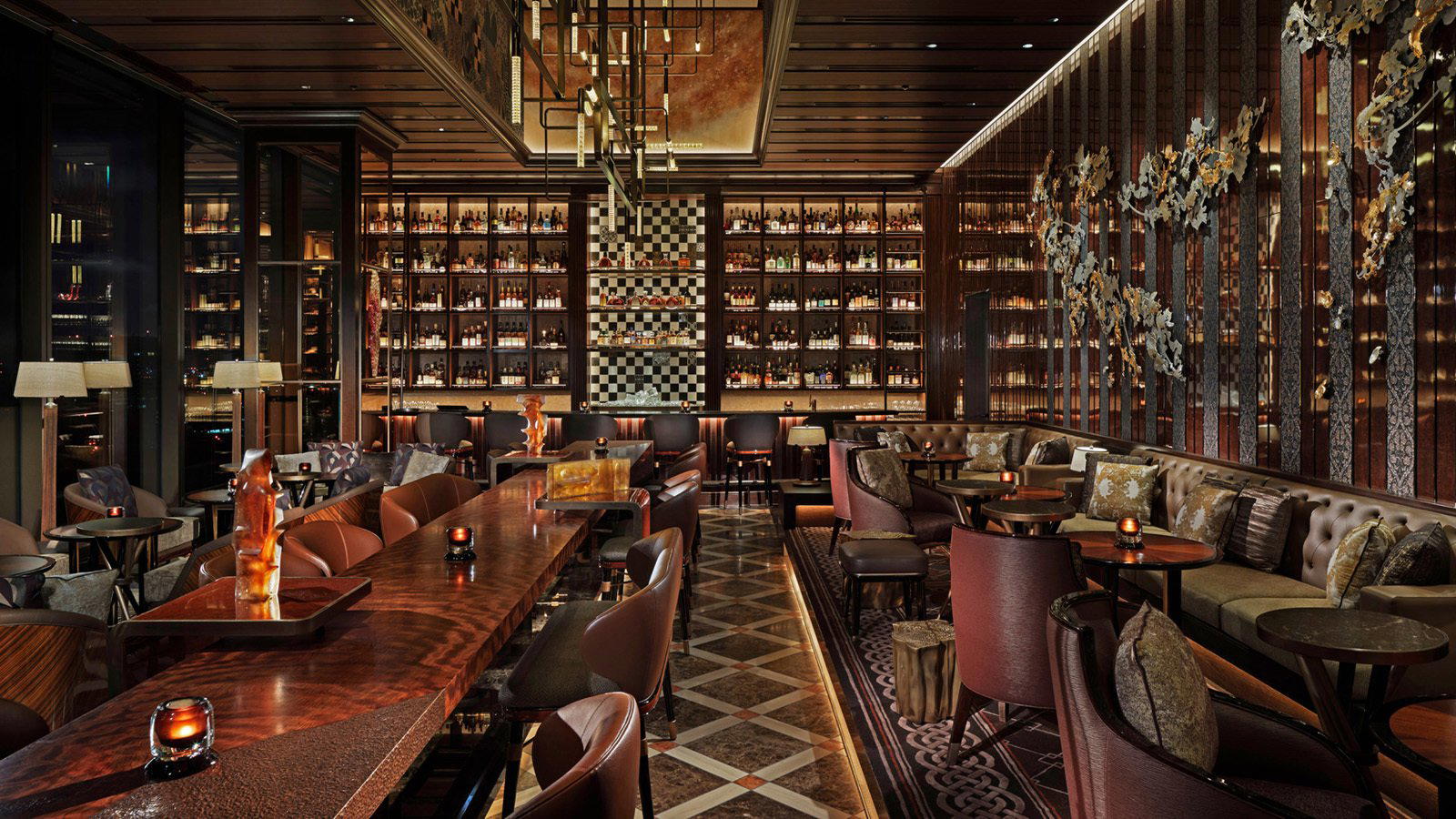
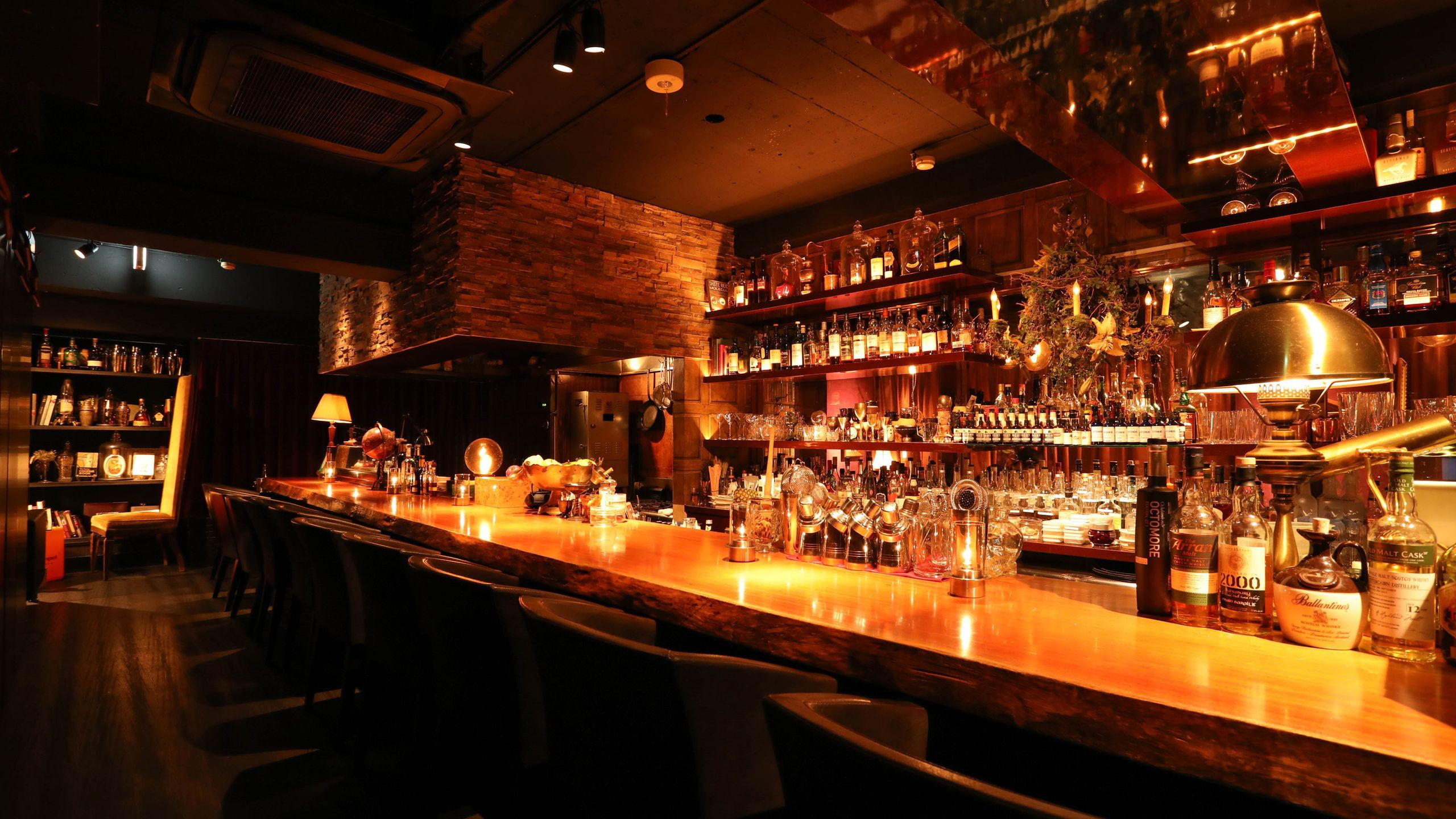
A small, chic basement space with just seven counter seats and one private table, softly lit and calm, designed for lingering over carefully grilled yakitori and sake during dates, business dinners, or special occasions.