
Teppanyaki Kurosawa places Tokyo teppanyaki in a Tsukiji setting, where steak-house technique meets the market district’s ingredient culture. Selection for Tabelog 100 Steak / Teppanyaki EAST in 2024 and 2025 gives it a clear quality signal, while the split between lunch and dinner pricing makes it relevant for both focused midday meals and higher-spend evening dining.
Pearl is the En Primeur Club membership app — saves, bookings, and concierge access live there. Same editors, same standards.
- Address
- 2 Chome-9-8 Tsukiji, 中央区 Chuo City, Tokyo 104-0045, Japan
- Phone
- +81 3-3544-9638
- Website
- 9638.net
 Saves & bookings on Pearl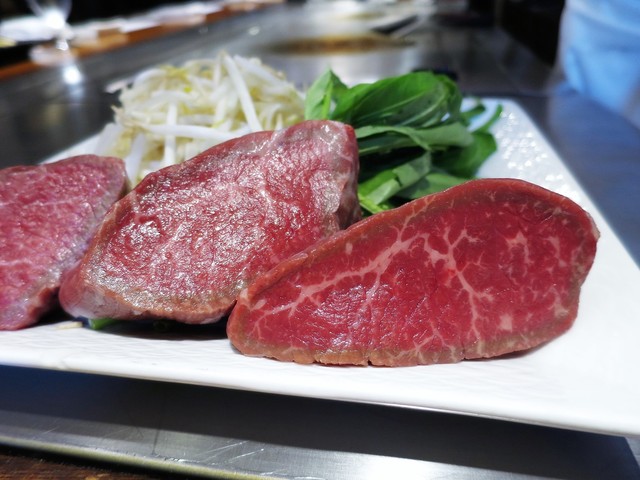
Tsukiji changes register by the block: fish-market memory, office lunch traffic, old houses turned restaurants, and polished close-range cooking. Teppanyaki fits that tension. It borrows Western steak-house grammar, but in Tokyo is filtered through Japanese sourcing discipline, counter control, and portioned progression rather than size for its own sake. Teppanyaki Kurosawa sits in that Tsukiji frame: less spectacle restaurant than steak-and-teppanyaki address shaped by the district around it.
Tsukiji steak culture, translated through the iron plate
Tokyo’s steak conversation splits into lanes: wagyu temples built around breed, grade, and provenance; hotel teppanyaki rooms trading on skyline formality; and smaller neighbourhood rooms where the iron plate is craft station more than stage. Tsukiji adds a different charge because the area has long trained diners to think ingredients first. Even with steak, the expectation is not only marbling or luxury signalling, but timing, cut, heat, and restraint.
That is where teppanyaki earns its place. Imported steak-house ideas reached Japan with the promise of grilled beef, but mature Tokyo expression is more exacting: heat is managed in front of the diner, courses move in measured sequence, and the meal reads as product and technique in dialogue. Selection for Tabelog 100 Steak / Teppanyaki EAST in both 2024 and 2025 places Teppanyaki Kurosawa within a recognised regional field, not the broad mass of casual grill restaurants. Its Tabelog score of 3.61 is another public signal, useful in a city where steak and teppanyaki listings range from business-lunch counters to high-spend beef rooms.
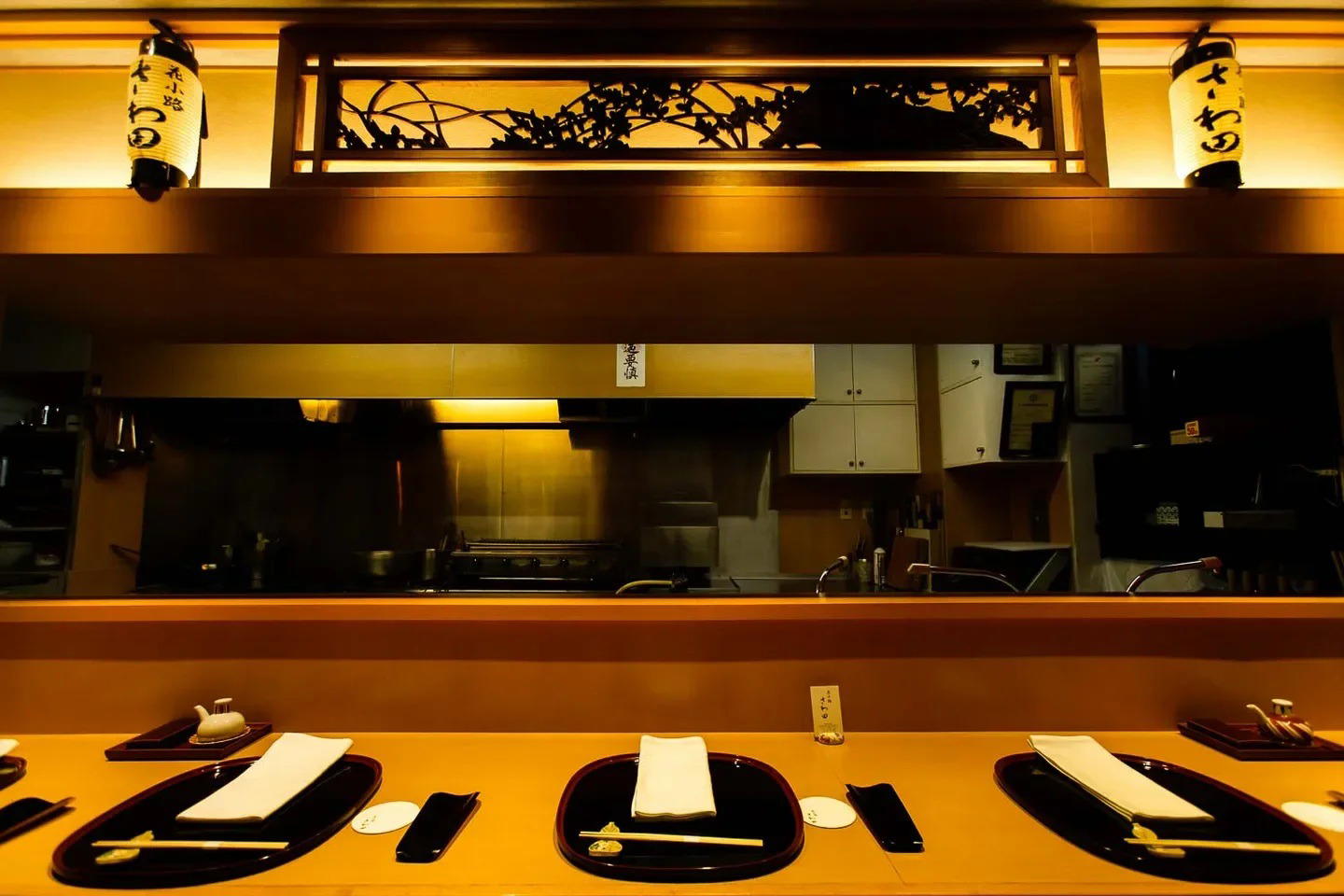
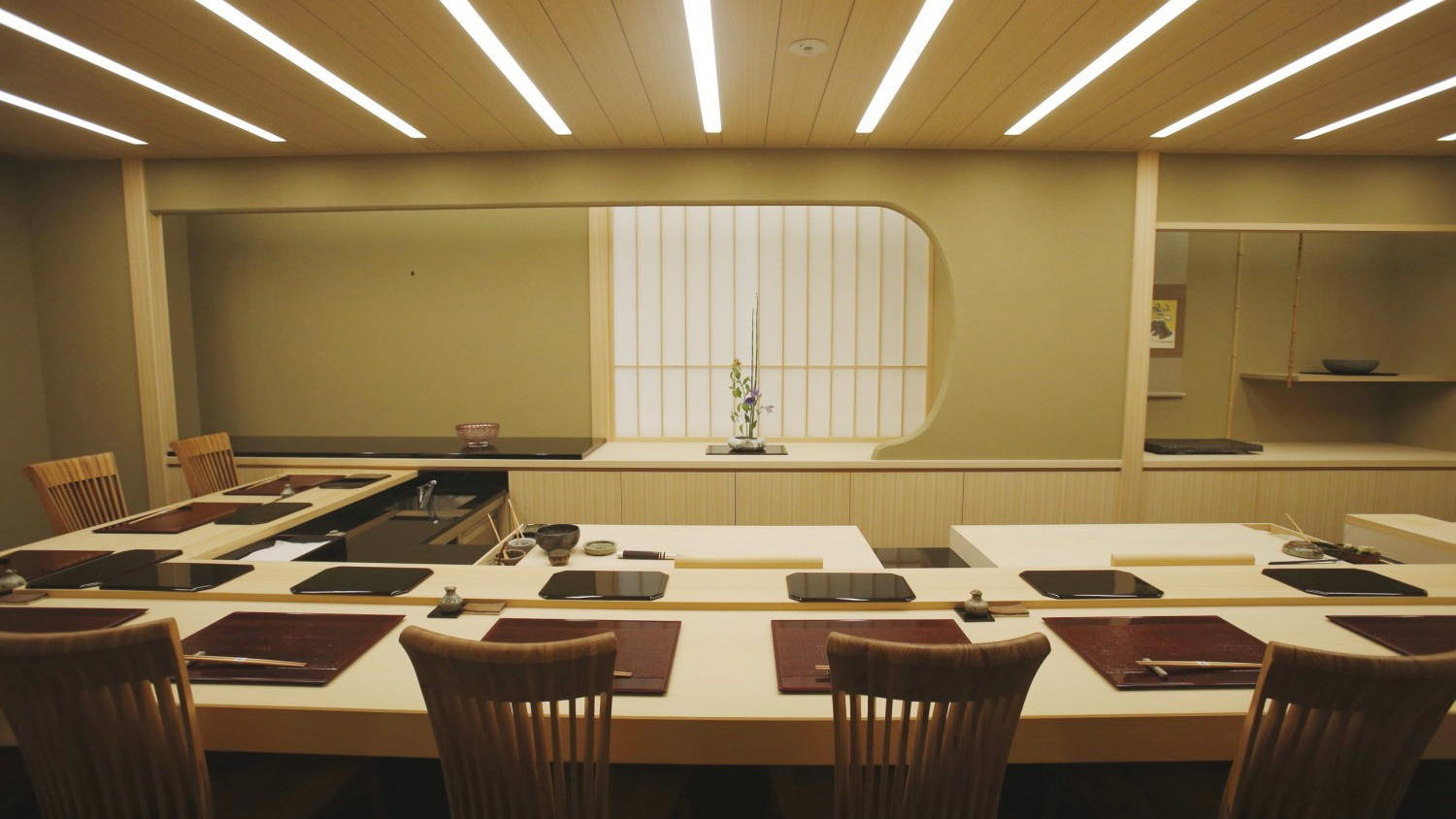
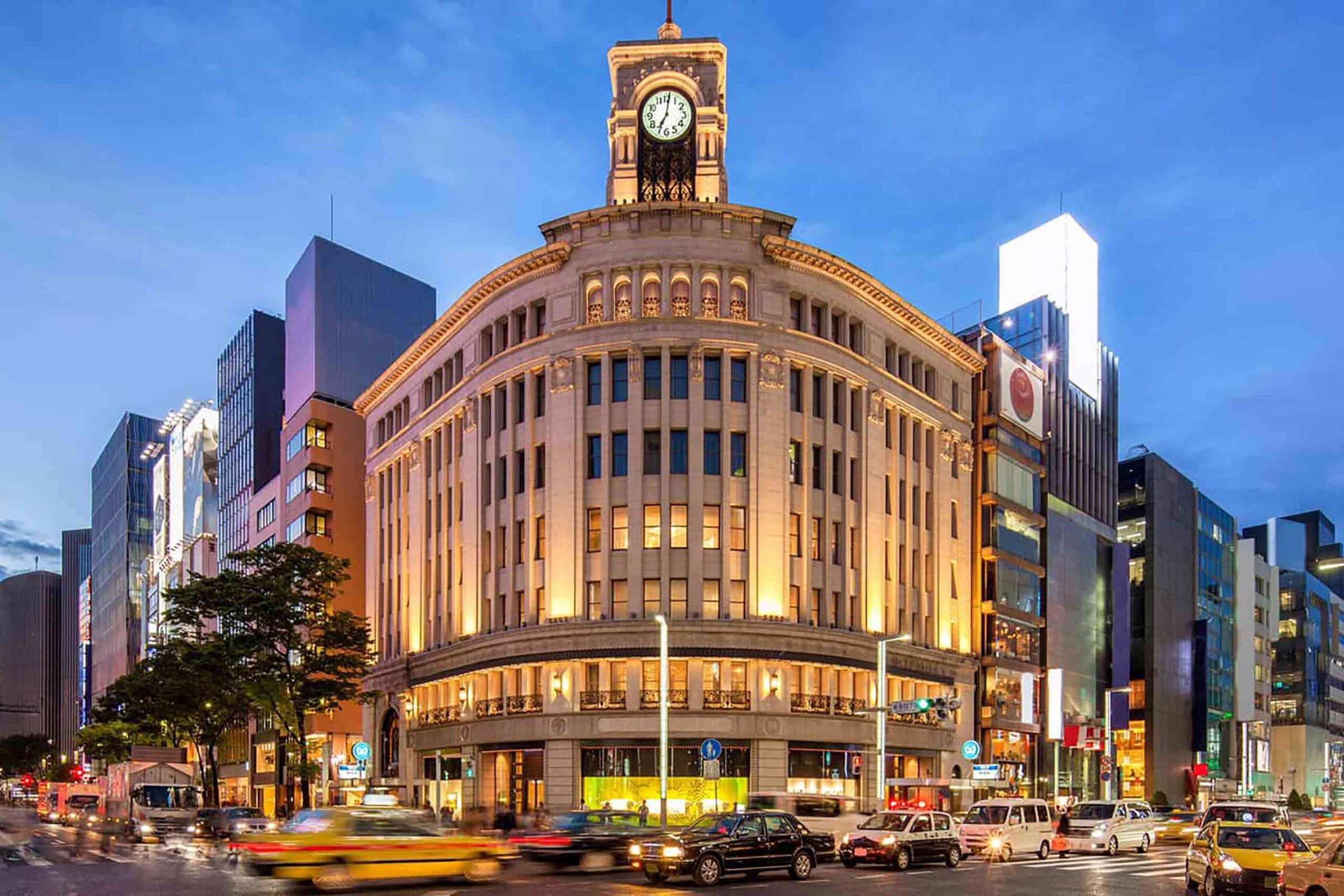
The address matters. Tsukiji is not Ginza, though the two are close enough for visitors to blur them into one dining zone. Ginza’s premium counters often price against status, scarcity, and international demand. Tsukiji has more workaday food intelligence: diners expect product awareness, not ceremony alone. In that sense, the house-restaurant setting and private-room availability suggest a more contained experience than the grand hotel model, while the non-smoking policy matches current Tokyo expectations for serious dining rooms.
Local product logic, global steak technique
The stronger reading of this teppanyaki is not “Japanese steak,” but a meeting point between global beef culture and Japanese sequencing. The iron plate feels imported and is associated abroad with showmanship, yet Tokyo strips away excess. Value lies in control: when to sear and rest, how to pace vegetables or seafood around beef, and how to stop the meal becoming one heavy course. That discipline lets teppanyaki sit beside sushi, tempura, and kappo in Tokyo’s counter-dining vocabulary.
Price sharpens the choice. Dinner sits at JPY 15,000 to JPY 19,999, while lunch is JPY 2,000 to JPY 2,999, a gap that tells experienced Tokyo diners plenty. Lunch often acts as access to serious rooms, especially in business districts and market-adjacent neighbourhoods. Dinner usually carries full pacing, broader spend, and occasion weight. For travellers allocating meals across Tokyo, the split is easy to place: lunch can anchor a Tsukiji day, while dinner competes with other beef-focused counters and steak rooms.
Comparisons should stay local and category-aware. 日本料理 つきぢ田村 belongs to the broader Tsukiji conversation around formal Japanese dining rather than steak. Tokyo Chinese Ichirin shows the area can support precision cooking outside the Japanese canon. Ten mame and 鮨処 やまと represent different everyday-to-specialist registers in Tokyo’s ingredient-led food culture. Teppanyaki Kurosawa is judged by another set of expectations: grill credibility, service rhythm, and whether the room makes the ingredient feel handled rather than displayed.
How to place it in a Tokyo itinerary
For a first Tokyo trip, Tsukiji is often reduced to an early-morning market stop. That undersells it. Treat the neighbourhood as a dining district with several tempos: casual snacks, sushi counters, long-running Japanese rooms, and more formal meals built around beef or seasonal produce. A teppanyaki lunch or dinner works well paired with a wider Chuo-ku day, not a cross-city sprint. Tsukiji Station is the nearest rail anchor, and the restaurant is listed at 2 Chome-9-8 Tsukiji in Chuo City, within the compact dining geography that makes this part of Tokyo easy to sequence.
Planning is simple, but it shapes the meal. Reservations are available, Sunday is closed, and service runs across lunch and dinner on operating days, with Saturday evening ending earlier than weekday evenings. Credit cards are accepted; electronic money and QR code payments are not. Parking is unavailable, normal for central Tokyo and a good reason to use the subway rather than plan around a car.
Readers mapping a broader Tokyo table plan can use Our full Tokyo restaurants guide for the citywide dining frame, then branch by mood: Our full Tokyo bars guide for after-dinner drinking, Our full Tokyo hotels guide for where to stay, Our full Tokyo experiences guide for culture-led planning, and Our full Tokyo wineries guide for wine-focused detours. Within the restaurant map, contrast this steak-and-teppanyaki lane with. 鮪と炭火焼き うお炭 秋葉原店, 12/10 Shinjuku ten, 124. KAGURAZAKA (Yakitori), 2D Cafe, and 3 Chome no Curry Ya San. For Japan and diaspora context beyond Tokyo, the wider index includes -Grilled beef Sukiyaki- KAMAKURA TANUKIAN 鎌倉 たぬき庵 in Kamakura.cafe in Osaka.know in Kumamoto, (Shoku) Vietnam in Kawasaki, [Curry Senmon Ten] Maruyama Kyoju. in Sapporo, [ki:] in Kyoto, Jōdo Saké Bar in Los Angeles, and Onigiri Time in Pasadena.
The editorial case is clear: choose the restaurant when the brief is not maximalist wagyu theatre, but Tsukiji-grounded teppanyaki with recognised steak-category credentials and a useful lunch-to-dinner price spread. Tokyo has flashier beef rooms and more ceremonial counters; this address belongs to the lane where the iron plate, neighbourhood, and ingredient culture do the serious work.
Budget and Context
Comparable venues by category and price.
| Venue | Cuisine | Price |
|---|---|---|
| Teppanyaki KurosawaThis venue — the venue you are viewing | Chūō, Teppanyaki Wagyu & Seafood | $$$ |
| Yakiniku Akami Nikugatou Ningyouchou honten | Chūō, Japanese Yakiniku | $$$ |
| Toranomon Yakitori Kuniyoshi | Minato, Yakitori & Chicken Dishes | $$$ |
| Kunimoto Shinkan Yakiniku | Minato, Classic Yakiniku | $$$ |
| Yakitori Katou | Minato, Traditional Yakitori Counter | $$$ |
| Torisho Ishii Hina | Minato, Modern Yakitori Omakase | $$$ |
Recognition history
Dated appearances from independent guides and award organizations, with the underlying list record or original source where available.
Tabelog 100 #51 · No. 51
Tabelog · Tabelog 100 - Steak / Teppanyaki - EAST - 2025





At a Glance
- Elegant
- Quiet
- Intimate
- Classic
- Date Night
- Business Dinner
- Group Dining
- Special Occasion
- Celebration
- Chefs Counter
- Open Kitchen
- Private Dining
- Standalone
- Sake Program
- Extensive Wine List
- Local Sourcing
- Farm To Table
Current opening hours
- Monday
- 11:30 AM–2:30 PM, 5–10:30 PM
- Tuesday
- 11:30 AM–2:30 PM, 5–10:30 PM
- Wednesday
- 11:30 AM–2:30 PM, 5–10:30 PM
- Thursday
- 11:30 AM–2:30 PM, 5–10:30 PM
- Friday
- 11:30 AM–2:30 PM, 5–10:30 PM
- Saturday
- 11:30 AM–2:30 PM, 5–10 PM
- Sunday
- Closed
Hours can change for holidays and private events. Last verified .
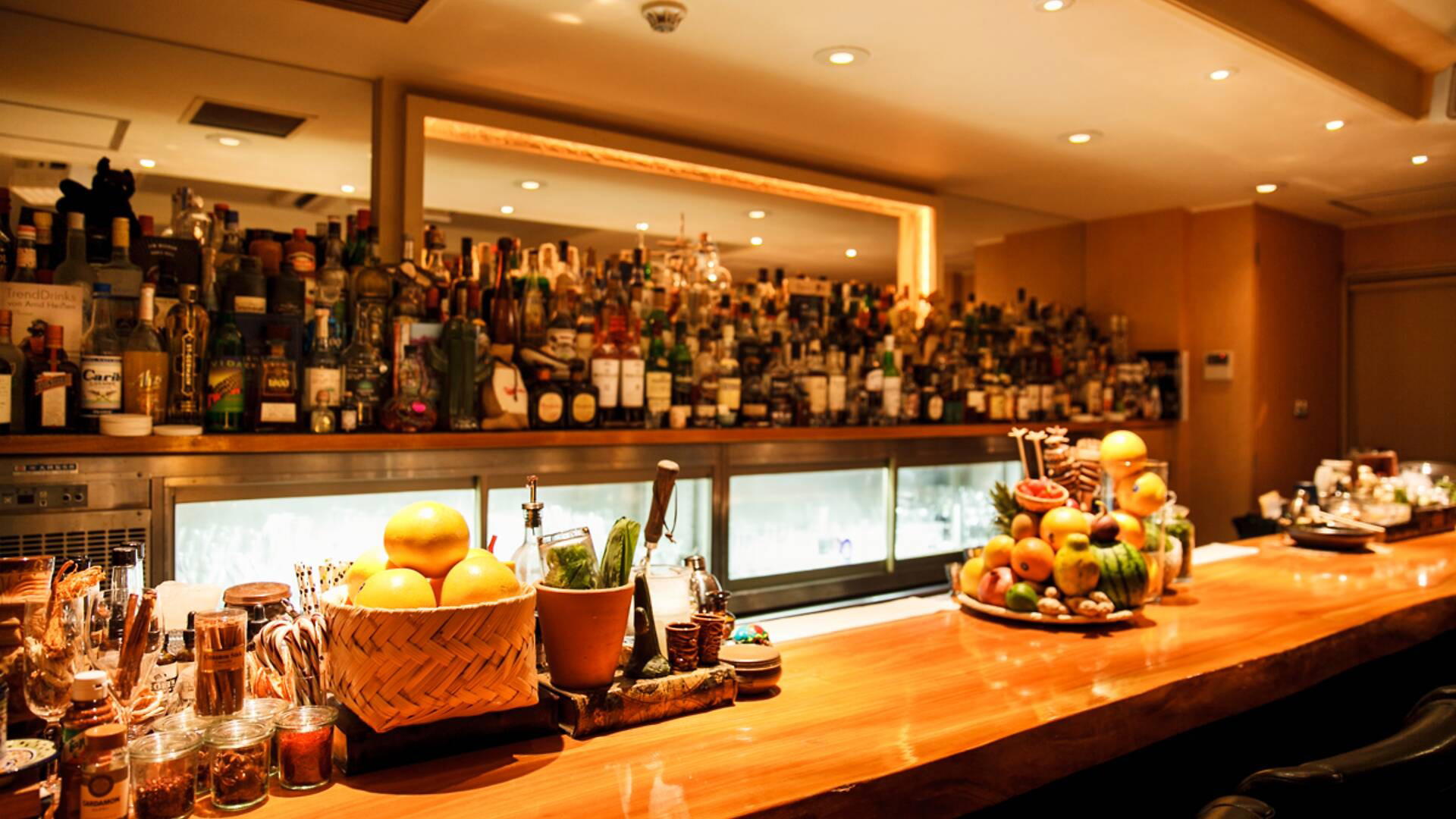
Calm, quietly elegant atmosphere with counter seating around the teppan and a converted tearoom-style dining room, focused on watching the chef cook with refined, relaxed pacing rather than a loud show.