Tsuruhachi occupies a modest address in Shinbashi, one of Tokyo's most enduring salaryman districts, where the traditions of Japanese drinking food run deep. Set within a low-key building in Minato City, it represents the kind of neighbourhood institution that Tokyo's dining culture quietly sustains alongside its Michelin-decorated tier. For visitors orienting around sourcing-led Japanese cooking in a less formal register, Shinbashi rewards attention.
Pearl is the En Primeur Club membership app — saves, bookings, and concierge access live there. Same editors, same standards.
- Address
- Japan, 〒105-0004 Tokyo, Minato City, Shinbashi, 2 Chome−16−1 ニュー新橋ビル 204
- Phone
- +81362066886
 Saves & bookings on Pearl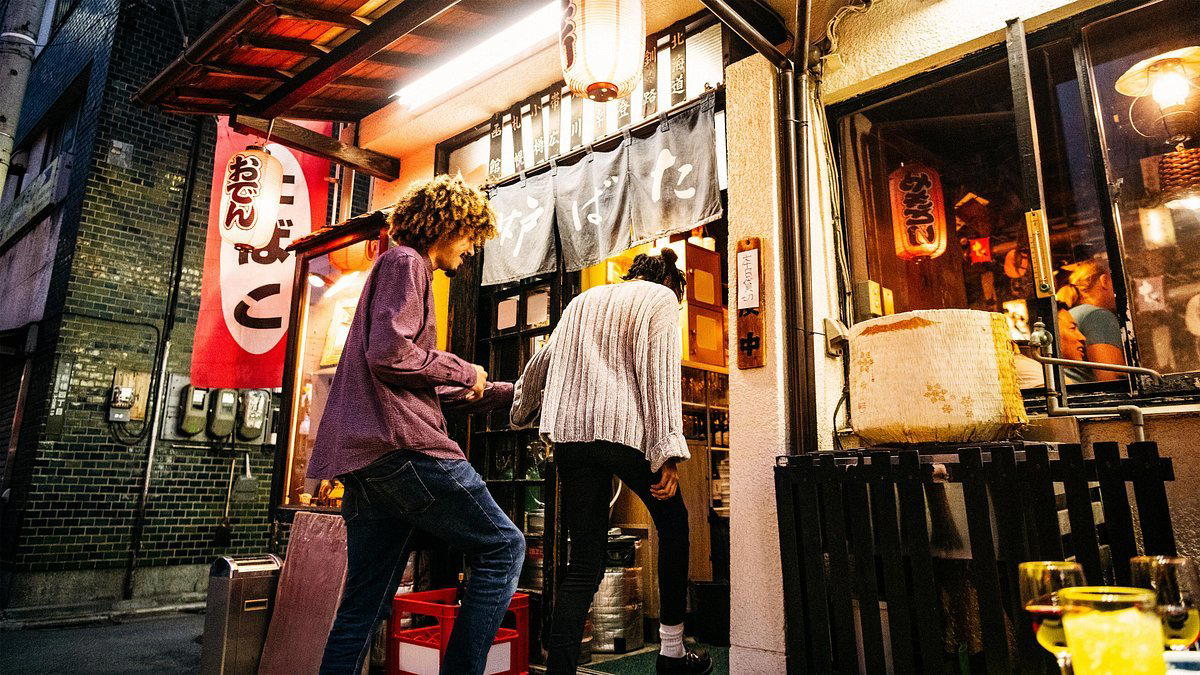
Shinbashi and the Sourcing Tradition Behind Tokyo's Neighbourhood Tables
Tokyo's restaurant conversation tends to concentrate on its decorated tier: the omakase counters of Ginza, the kaiseki rooms of Akasaka, and the French-inflected tasting menus that have made the city among the more Michelin-dense on earth. But the capital's dining depth is not measured only by stars. Shinbashi, a district in Minato City that has functioned as a working-person's food and drink corridor for well over a century, holds a different kind of authority. It is where the izakaya tradition, the yakitori alley, and the standing bar coexist with sober attention to ingredient quality, not as a lifestyle statement, but as an inherited standard.
Tsuruhachi sits within this context, at 2-Chome-16-1 in Shinbashi, inside the New Shimbashi Building, a mid-century structure that has housed hundreds of small operators over its lifespan and remains one of the neighbourhood's most recognisable addresses. The building itself is a kind of institution, a warren of tiny restaurants and bars that resists the renovation pressures affecting other parts of central Tokyo. Finding Tsuruhachi in that setting tells you something before you've ordered anything: this is not a venue positioning itself through design or destination appeal.
What Ingredient-Led Cooking Looks Like at Street Level
The broader shift toward sourcing transparency in Japanese restaurants has played out mostly in the premium tier. At RyuGin, seasonal Japanese produce from named prefectures anchors the kaiseki progression. At Harutaka, the rice and neta selection are treated as central editorial decisions. At L'Effervescence, ingredient provenance is part of the menu's written language. The conversation about where food comes from, and why that geography matters to flavour, has become a structural feature of Tokyo's upper dining tier.
What is less often discussed is how that sourcing ethic has always existed at the neighbourhood level, not as a marketing position, but as a practical relationship between small operators and their suppliers. Shinbashi's food culture is built on exactly this: the yakitori shop that selects its birds from a specific farm, the small izakaya that sources its sake from a single prefecture, the counter restaurant that changes its menu not according to a seasonal calendar but according to what arrived at market that morning. Tsuruhachi operates within this tradition, in a district where the supply chain from Tokyo's wholesale markets to the plate has historically been short and direct.
Japan's food sourcing geography is worth understanding here. The country's network of regional producers, from the fishing ports of Hokkaido and Aomori in the north to the agricultural plains of Kyushu in the south, feeds into Tokyo through Toyosu Market and a web of specialist wholesalers. Restaurants in districts like Shinbashi have long accessed this supply at a granular level, building menus around availability rather than fixed formats. It is a different discipline from the tasting-menu model, and in many respects a more demanding one, requiring daily recalibration rather than a fixed seasonal template.
Shinbashi in the Tokyo Dining Map
Positioning Tsuruhachi within Tokyo's dining geography requires a clear sense of what Shinbashi is and is not. It is not Ginza, which sits only a few minutes' walk to the east but operates at a categorically different price register. It is not Roppongi or Nishi-Azabu, where the city's internationally visible restaurant tier clusters. It is a district that has historically served office workers, tradespeople, and the night-economy crowd that flows out of nearby Shimbashi Station, one of the busiest rail hubs in the city.
That context shapes the register of restaurants that succeed here. Where Sézanne and Crony pitch to an internationally aware, occasion-dining audience, Shinbashi's enduring operators tend to pitch to repeat, local custom. The measure of quality is not a one-time impression but sustained relevance to a neighbourhood that knows its food. That is a harder standard to meet over years than a single launch-moment review.
Visitors building a broader Japan itinerary will find useful comparisons in how this neighbourhood dynamic plays out in other cities. Gion Sasaki in Kyoto and HAJIME in Osaka represent the decorated end of regional dining; akordu in Nara and Goh in Fukuoka show how sourcing-conscious cooking functions outside the major urban centres. The common thread is a relationship with local producers that runs deeper than seasonal menu notes. Japan's regional food culture, from 一本木 石川製 in Nanao to 古代山乃 in Sapporo and beyond, operates on exactly this principle.
Planning a Visit to Shinbashi
Shimbashi Station is served by the JR Yamanote Line, the Tokyo Metro Ginza Line, and several other connections, making it among the more accessible points in central Tokyo. The New Shimbashi Building, where Tsuruhachi is located on the second floor at room 204, is a short walk from the station's main exits. The building's layout, small units accessed by internal corridors, means first-time visitors should allow extra time to orient. As with many small operators in this district, confirming hours and reservation requirements directly before visiting is advisable; neighbourhood restaurants of this type often operate on schedules that reflect the local working-week pattern rather than tourist demand.
Useful reference points for understanding the price and format spread include Birdland in Sakai, Bistro Ange in Toyohashi, and, for international comparison, Le Bernardin and Atomix in New York, both of which demonstrate how sourcing-led kitchens communicate their supply-chain decisions to international audiences in ways that Tokyo's neighbourhood tier rarely needs to, because the local audience already understands.
Category Peers
Comparable venues nearby, for context on price, style, and recognition.
| Venue | Cuisine | Price | Notes |
|---|---|---|---|
| TsuruhachiThis venue — the venue you are viewing | Classic Edomae Sushi | $$$$ | Not listed |
| くろぎ | Tokyo Kappo Kaiseki | $$$$ | Hamamatsucho |
| Japanese Restaurant "Ginza Tsuru" Tokyo / Wagyu Shabu-shabu & Sukiyaki | Japanese Wagyu Shabu-Shabu & Sukiyaki | $$$$ | Chūō |
| Ginza Yonemura | Edo Ryori Kaiseki | $$$$ | Chūō |
| Hyoki Shabu-shabu Yaesu | Kyoto-style Dashi Shabu-shabu | $$$$ | Chūō |
| 鮨つぼみ | Edomae Sushi Omakase | $$$$ | Meguro |








At a Glance
- Classic
- Intimate
- Cozy
- Date Night
- Special Occasion
- Business Dinner
- Chefs Counter
- Sake Program
Current opening hours
- Monday
- 5–9:30 PM
- Tuesday
- 5–9:30 PM
- Wednesday
- 5–9:30 PM
- Thursday
- 5–9:30 PM
- Friday
- 5–9:30 PM
- Saturday
- 5–9:30 PM
- Sunday
- Closed
Hours can change for holidays and private events. Last verified .
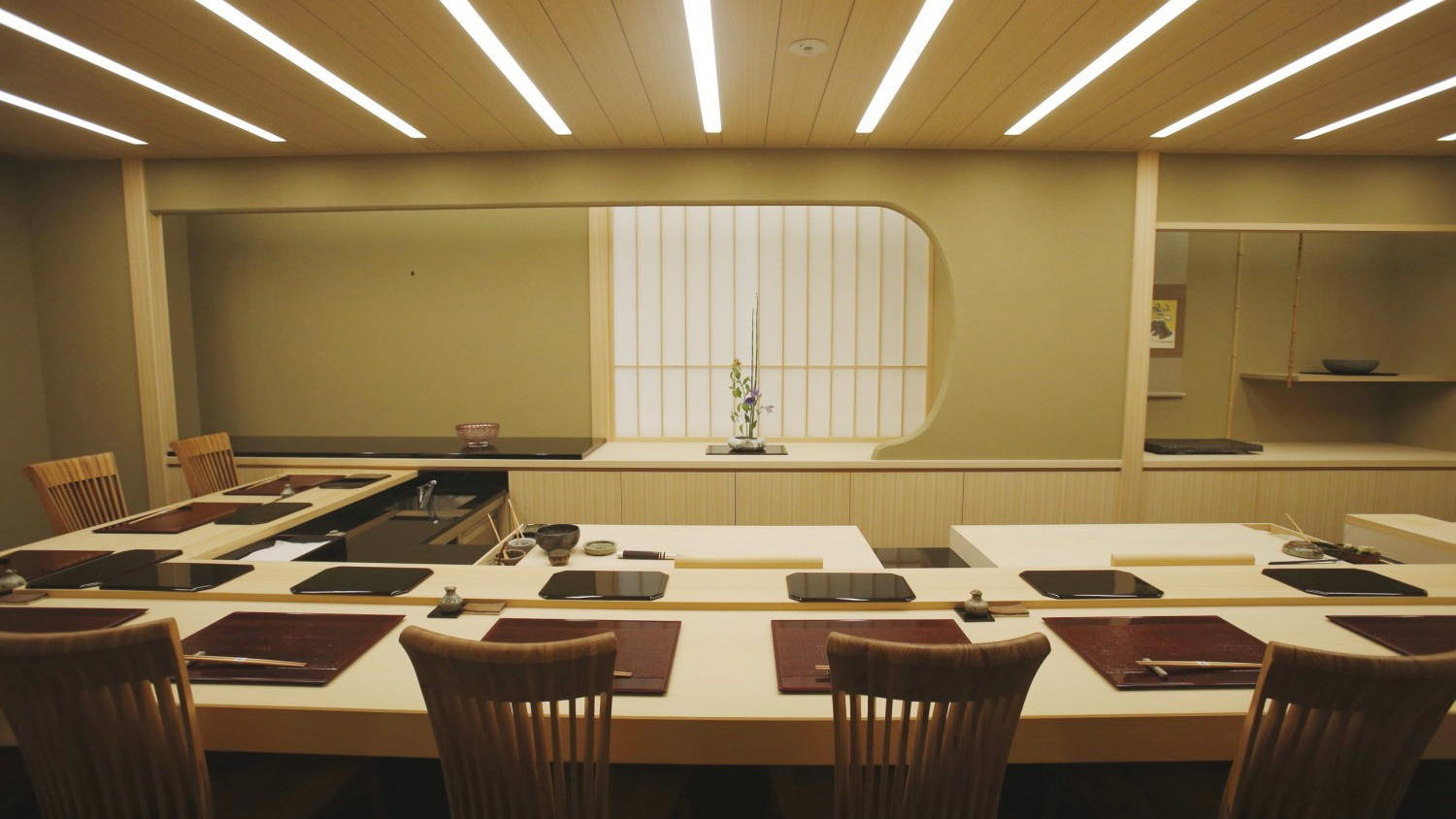
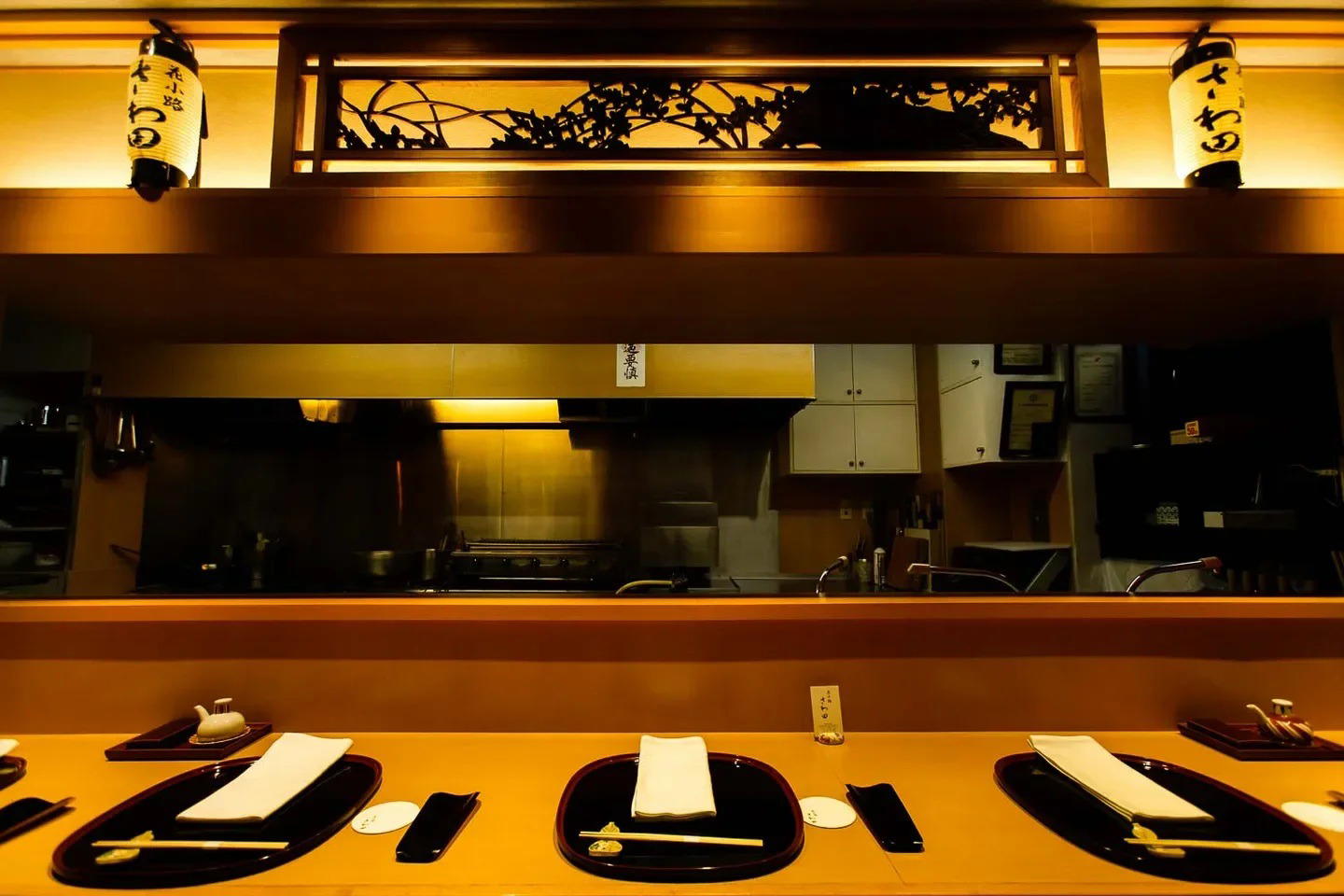
Warm, inviting atmosphere in a cozy, limited-space counter setting with traditional Japanese feel.