Our verdict
Hyoki Shabu-shabu Yaesu sits in Nihonbashi's Chuo City, one of Tokyo's oldest commercial districts, bringing the slow-cook ritual of shabu-shabu to a neighbourhood more often associated with finance and heritage trading houses. The format places hot-pot discipline at the centre of the meal, making it a considered choice for those who want substance over spectacle in a part of the city that still rewards quiet, purposeful dining.

Pearl is the En Primeur Club membership app — saves, bookings, and concierge access live there. Same editors, same standards.
Nihonbashi and the Architecture of the Shabu-shabu Meal
Tokyo's hot-pot tradition operates on a different register from the city's omakase and kaiseki circuits. Where counters like Harutaka or RyuGin place authority in the hands of the chef — sequencing, timing, presentation — shabu-shabu redistributes that authority to the table. The diner controls the pace. The broth, the swish, the dip: these are acts of attention, not passivity. That structural difference means the physical space of a shabu-shabu restaurant carries weight in a way that a tasting-menu room does not. The room has to hold time comfortably.
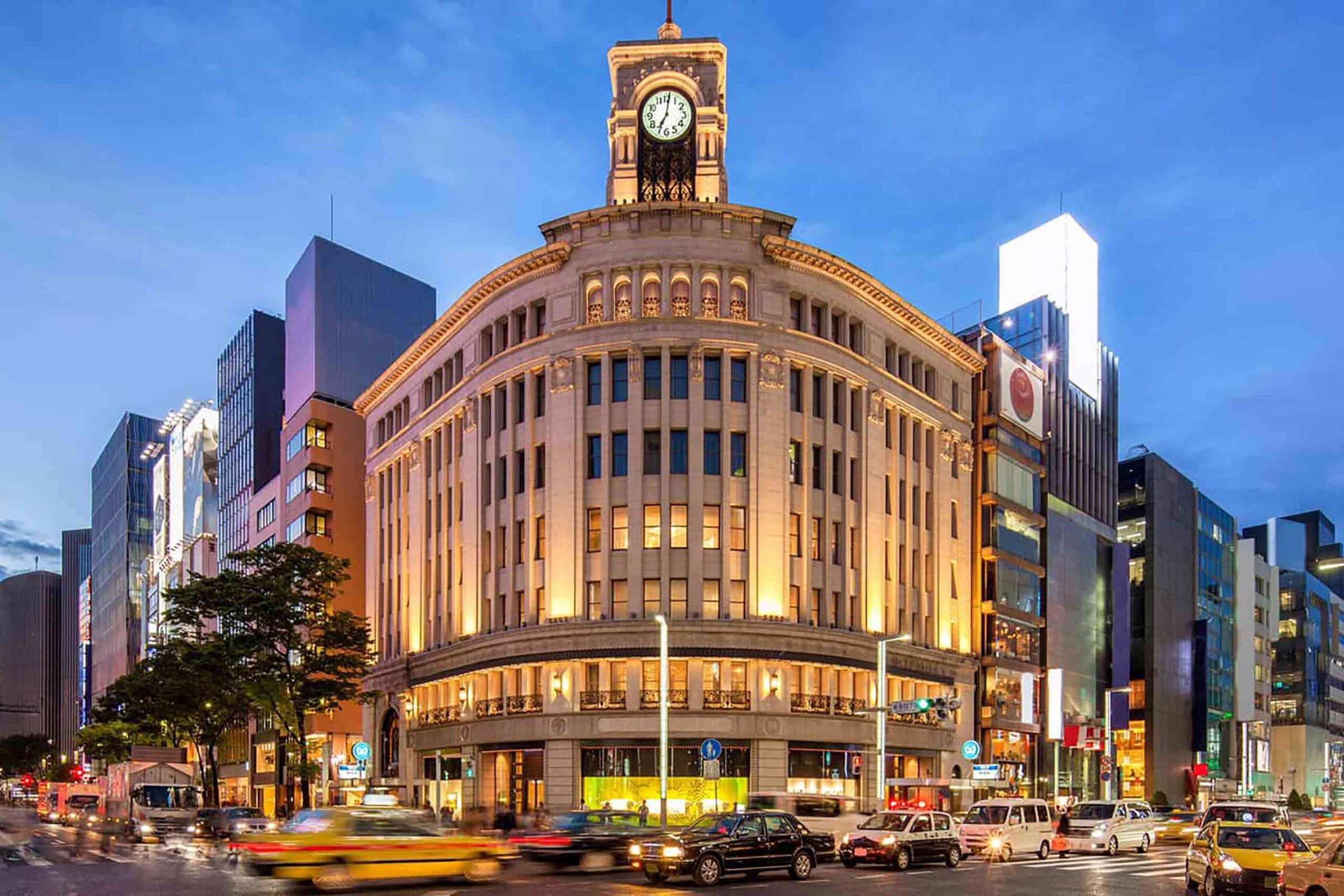
Hyoki Shabu-shabu Yaesu occupies a floor of the Aburakame Kogyo Kaikan building in Nihonbashi 3-chome, a part of Chuo City where the street grid still follows Edo-period logic. Nihonbashi is not a neighbourhood that chases trends. The area's dining character tends toward precision and restraint, qualities that align naturally with a format where the quality of the raw ingredient and the clarity of the broth are the only arguments the kitchen can make.
The Physical Container: Reading the Space
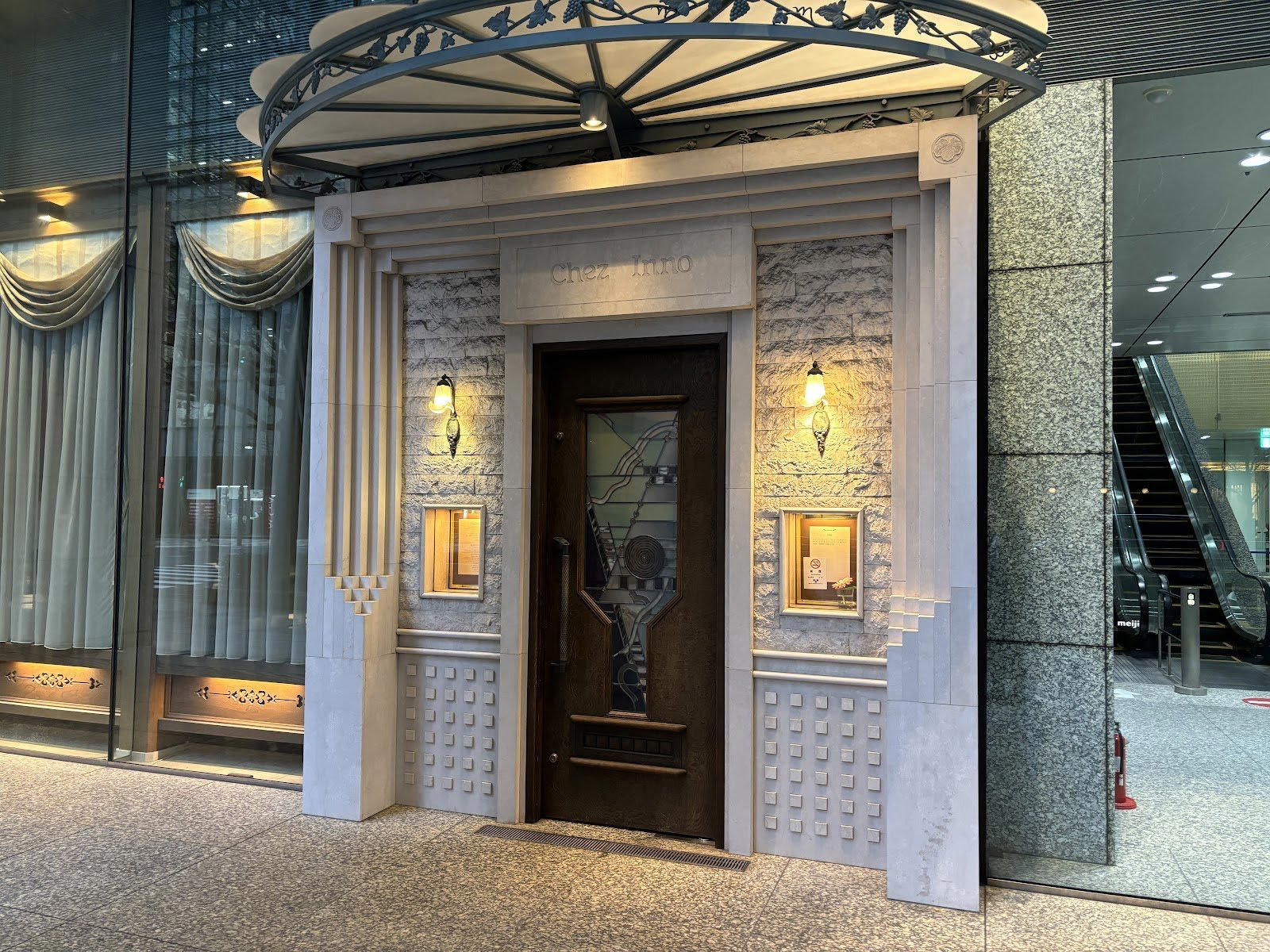
The building address places Hyoki on an upper floor of a commercial-grade structure typical of central Tokyo's postwar professional districts: concrete, functional, with the kind of anonymity that suits venues where the interior is expected to do all the atmospheric work. This is a common spatial pattern in Tokyo hot-pot dining, where the street presence is deliberately low-key and the transition from lobby to dining room is meant to mark a clear shift in register.
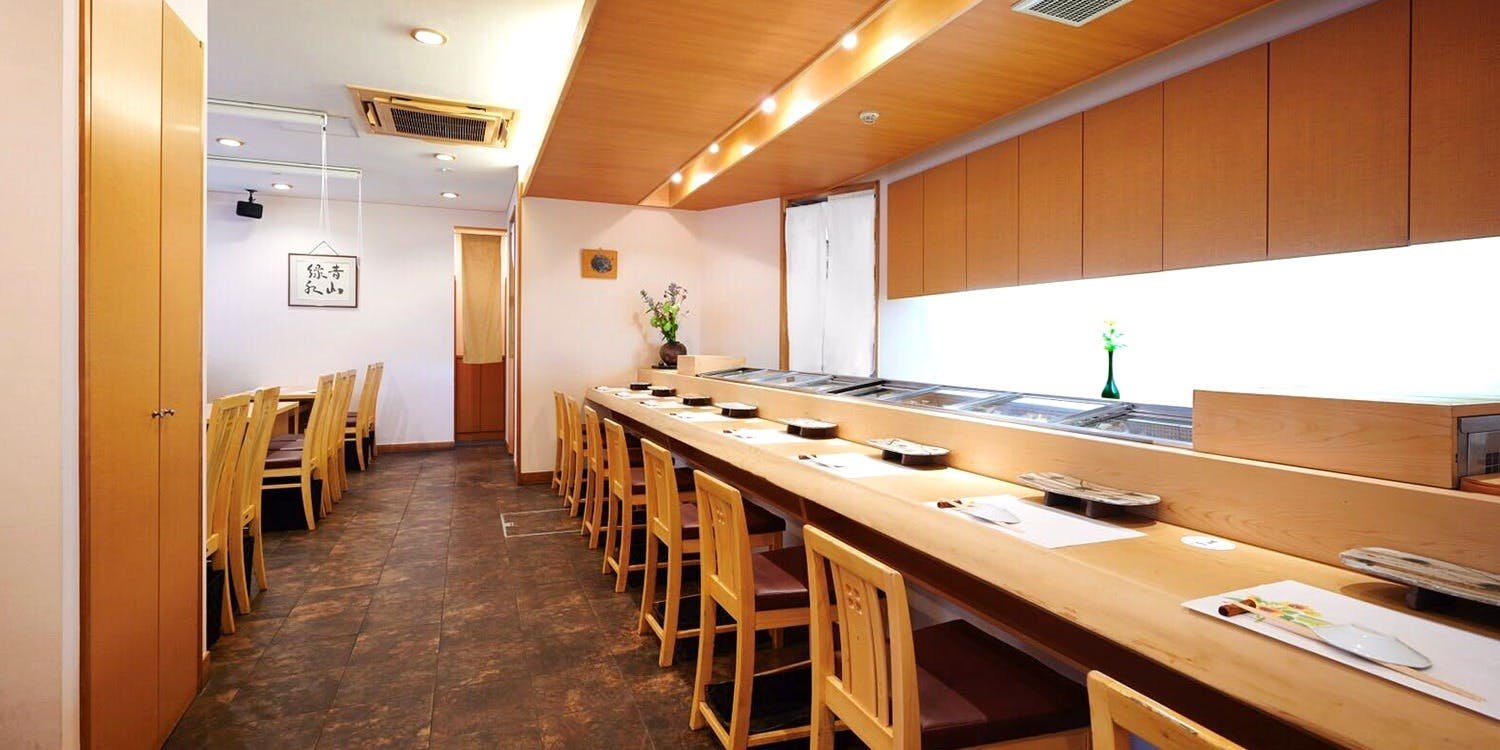
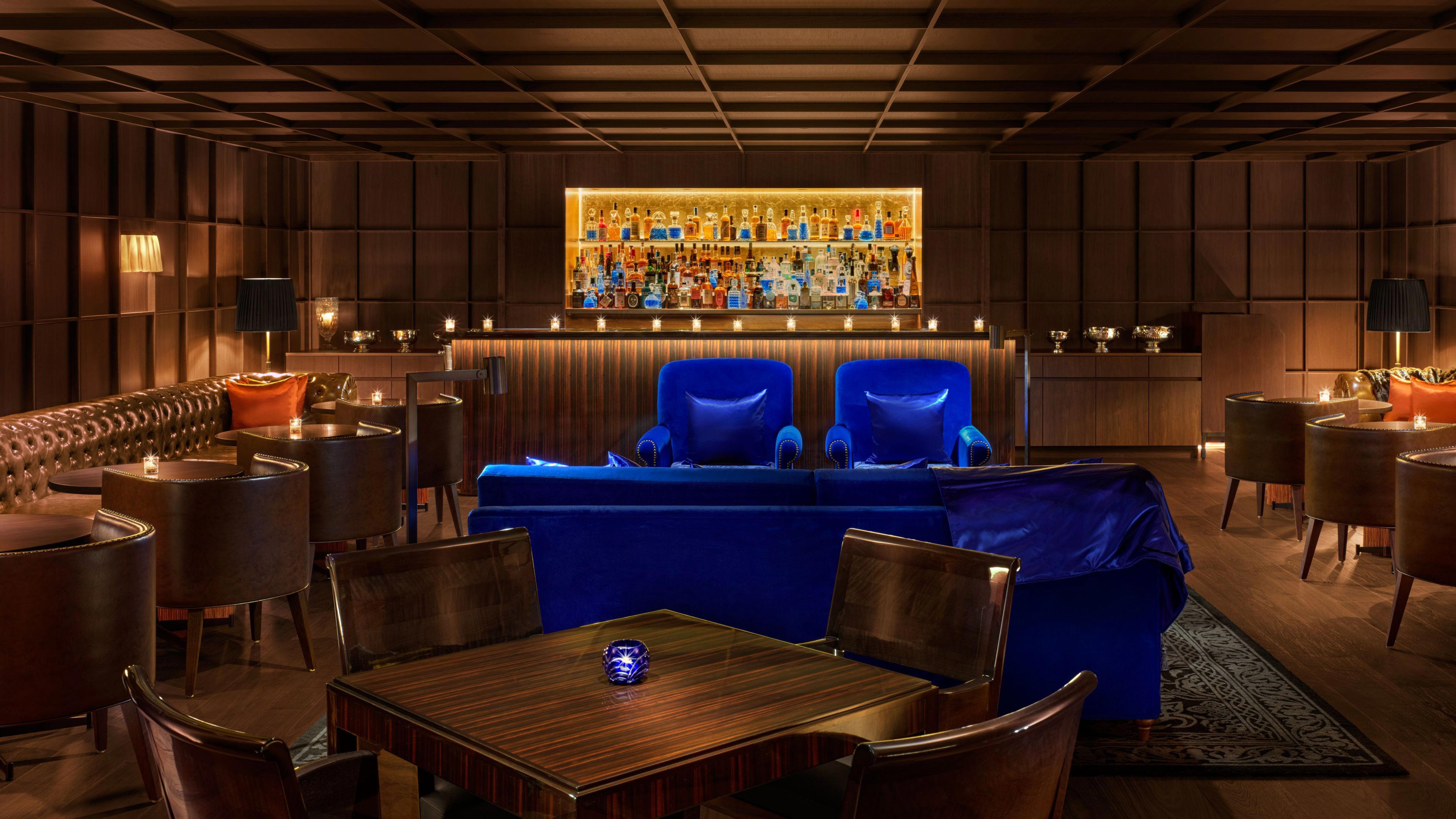
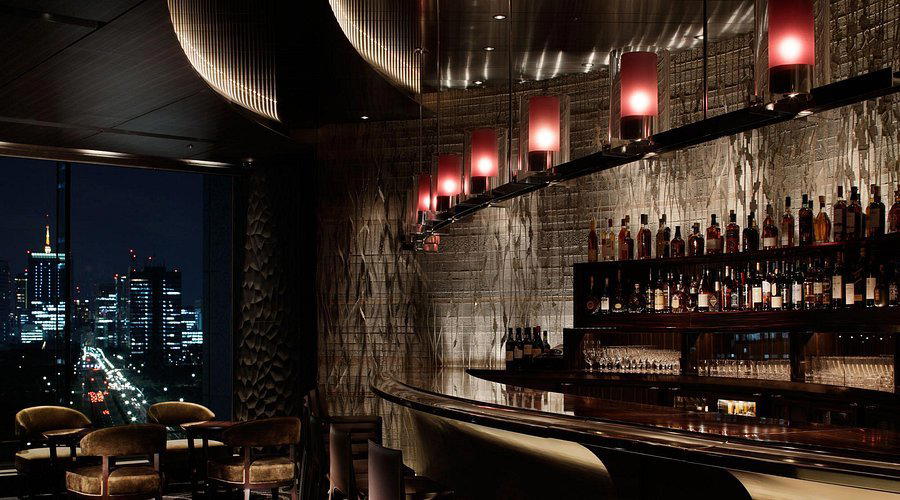
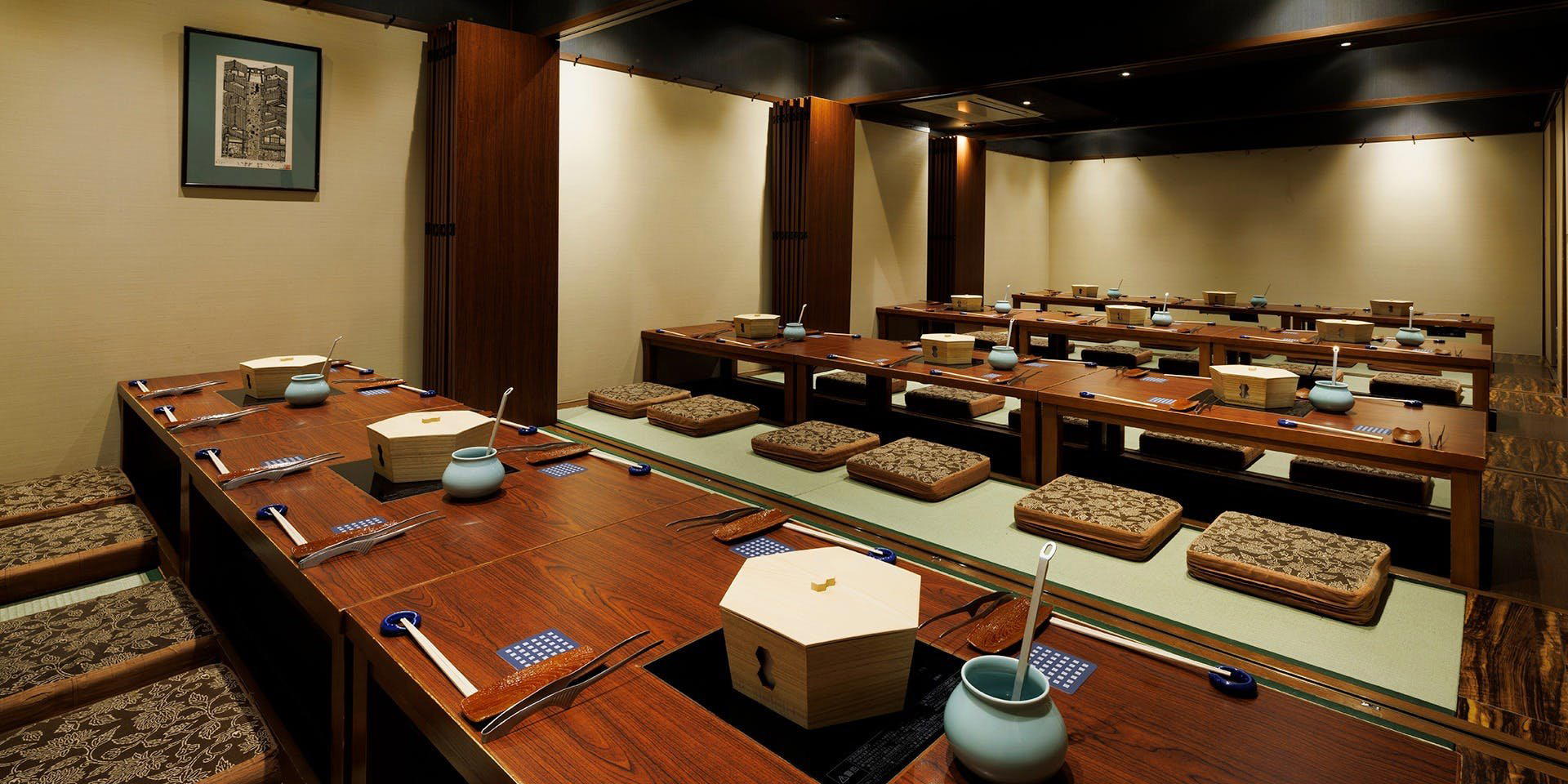
Shabu-shabu rooms in this tier tend to be organized around the table-leading induction unit as the visual and social centre. Seating arrangements usually separate parties firmly, booth configurations or private room divisions are more common than open-plan layouts, because the ritual of the shared pot is inherently intimate and does not travel well across tables. The design grammar of these rooms prioritises warmth without fussiness: materials that absorb rather than reflect light, surfaces that accommodate condensation and steam without protest.
In the broader context of Tokyo hot-pot venues, the split between counter-facing theatrical kitchens and table-centred intimate rooms reflects a genuine difference in dining philosophy. Venues like L'Effervescence or Sézanne work in the theatrical register, where the kitchen is a performance space. Hyoki's format sits at the opposite end: the kitchen prepares and delivers, but the meal happens at the table, on the diner's terms.
Shabu-shabu in Tokyo: What the Format Demands
Shabu-shabu arrived in Japan from Chinese hot-pot traditions in the mid-twentieth century and was formalised as a distinct Japanese category in Osaka before spreading to Tokyo. The name itself is onomatopoeic, the sound of meat being swished through broth. At its core, the format demands two things of the kitchen: the quality of the sliced protein, and the integrity of the broth base. Both are assessed immediately, before any cooking technique intervenes.
Tokyo's premium shabu-shabu market clusters around wagyu beef, with Kuroge Wagyu from regions including Miyazaki, Kagoshima, and Kobe commanding the upper price tiers. Pork shabu-shabu, particularly using kurobuta or Berkshire breeds, occupies a parallel but distinct category, prized for a different fat distribution and a lighter finish in the broth. The dipping sauce equation (ponzu versus sesame-based goma dare) carries as much regional and personal coding as the protein choice itself.
For context on how Japan's regional dining traditions translate into specific formats, the kaiseki rooms of Gion Sasaki in Kyoto and the innovative precision of HAJIME in Osaka represent the chef-controlled end of Japanese fine dining. Shabu-shabu is a deliberate step away from that model, the format is a collaboration, and the space has to support it.
Yaesu and Nihonbashi: Choosing the Neighbourhood
The Yaesu address situates Hyoki between Tokyo Station's eastern exit and the old Nihonbashi bridge, a corridor that serves a dense weekday professional population and a thinner weekend crowd. Dining here during the week means competing with expense-account rhythms; the neighbourhood fills quickly at lunch and empties in a particular way by mid-evening that differs from, say, Ginza or Roppongi. That timing matters for a format like shabu-shabu, which does not reward rushing.
Nihonbashi's culinary character has been shaped by centuries of merchant culture, the area housed the original Mitsukoshi department store and remains oriented toward quality-over-novelty choices. For visitors arriving from other Japanese cities, the Shinkansen access via Tokyo Station makes the Yaesu address among the more logistically convenient in central Tokyo. Travellers comparing notes across Japan's dining regions might also look at akordu in Nara or Goh in Fukuoka for a sense of how regional approaches to ingredient-forward dining diverge from Tokyo's central corridor.
For those building an itinerary around Tokyo's broader dining scene, the EP Club's full Tokyo restaurants guide maps the city's tasting menus, counters, and neighbourhood specialists across price tiers. Adjacent categories worth considering include the innovative French approach at Crony, or, for international comparison, the seafood precision of Le Bernardin in New York City and the Korean-rooted tasting format of Atomix.
Beyond Tokyo, Japan's hot-pot and ingredient-first traditions extend into quieter regional settings. 一本杉川島 in Nanao, 古往今来 in Sapporo, 湖畔荘 in Takashima, and 鶴羽屋 in Nishikawa Machi each represent how the country's seasonal and regional ingredient logic plays out outside the capital. Birdland in Sakai and Bistro Ange in Toyohashi round out a picture of Japan's mid-size city dining scene for those extending their trip beyond the three major metropolitan areas.
Know Before You Go
Location: Nihonbashi 3-chome, Chuo City, Tokyo 103-0027 (Aburakame Kogyo Kaikan building)
Nearest Station: Nihonbashi Station (Tokyo Metro Ginza and Tozai lines) and Shin-Nihonbashi Station (JR Sobu-Yokosuka line) are both within walking distance. Tokyo Station's Yaesu exit is also accessible on foot.
Format: Shabu-shabu (hot-pot, table-cooked)
Seasonal note: Autumn and winter are the high seasons for shabu-shabu across Tokyo, when the hot broth format aligns with colder temperatures. Booking pressure in the November to February window is typically higher than in summer months.
Frequently asked questions
Can I bring kids to Hyoki Shabu-shabu Yaesu?
Hyoki sits in Nihonbashi's weekday professional corridor, a neighbourhood where the clientele skews toward business lunches and after-work dinners rather than family dining. The shabu-shabu format itself — tabletop broth, thinly sliced meat, shared dipping sauces — tends to suit older children who can engage with the process, but the surrounding Yaesu context makes this a more practical adult venue. check the venue's official channels to confirm any family seating arrangements before visiting.
Is Hyoki Shabu-shabu Yaesu formal or casual?
The Nihonbashi address places Hyoki inside one of Tokyo's most established commercial and financial districts, where the surrounding offices set a dressed professional tone. Shabu-shabu as a format occupies a mid-register between kaiseki formality and ramen informality — expect table service with attentive pacing rather than counter precision. Business-appropriate dress reads consistently with the neighbourhood and client base.
Is Hyoki Shabu-shabu Yaesu in Nihonbashi worth the walk from Tokyo Station's east exit?
Hyoki's address in Chuo City's Nihonbashi district places it within a short walk of Tokyo Station's Yaesu exit, making it one of the more accessible shabu-shabu options for travellers already moving through the station. Nihonbashi itself carries the weight of being Tokyo's historic commercial centre, and dining in this corridor connects a meal to that longer civic identity rather than a purely tourist circuit. The combination of location convenience and the focused shabu-shabu format makes it a practical choice for time-pressed visitors.
What do people recommend at Hyoki Shabu-shabu Yaesu?
Shabu-shabu restaurants in Tokyo's Nihonbashi district typically anchor their reputation to the quality of the beef cut and the depth of the dashi broth. The defining ritual of the format — swishing premium sliced meat briefly through simmering stock — means the sourcing of that protein is the central decision a kitchen makes. For venue-specific current recommendations, checking recent visitor reviews on Japanese platforms such as Tabelog gives the most reliable picture.
Where exactly is Hyoki Shabu-shabu Yaesu?
Hyoki Shabu-shabu Yaesu is located at Japan, 〒103-0027 Tokyo, Chuo City, Nihonbashi, 3 Chome−13−11 油脂工業会館 1階, Tokyo.
What's the best way to book Hyoki Shabu-shabu Yaesu?
For a venue in this part of Tokyo, the most reliable paths are the restaurant's own website if active, Tabelog's reservation function, or direct enquiry via Google Maps contact details. Booking ahead is advisable given the dense weekday demand from the surrounding Yaesu and Nihonbashi professional districts.
City Peers
Comparable venues nearby, for context on price, style, and recognition.
| Venue | Cuisine | Price | Awards | Notes |
|---|---|---|---|---|
| Hyoki Shabu-shabu YaesuThis venue — the venue you are viewing | Kyoto-style Dashi Shabu-shabu | $50–100 | Not listed | Not listed |
| Sushi Sho | Traditional Edomae Sushi Omakase | $300–500 | Not listed | Nishiazabu |
| 焼肉 いぶさな | Heritage Wagyu Yakiniku | $500+ | Not listed | Shibuya (Yoyogi/Sendagaya) |
| 鉄板焼 赤坂 | Teppanyaki with Premium Wagyu and Seafood | $150–200 | Black Pearl 1 Diamond · Tabelog 100 #88 | Akasaka |
| Ginza Ichibun | Traditional Edomae Sushi Omakase | $150–200 | Tabelog 100 #54 | Chūō |
| Toku Uchiyama | Traditional Japanese Kaiseki | $200–300 | Tabelog 100 #77 | Chūō |