Michelin Bib Gourmand
Our verdict
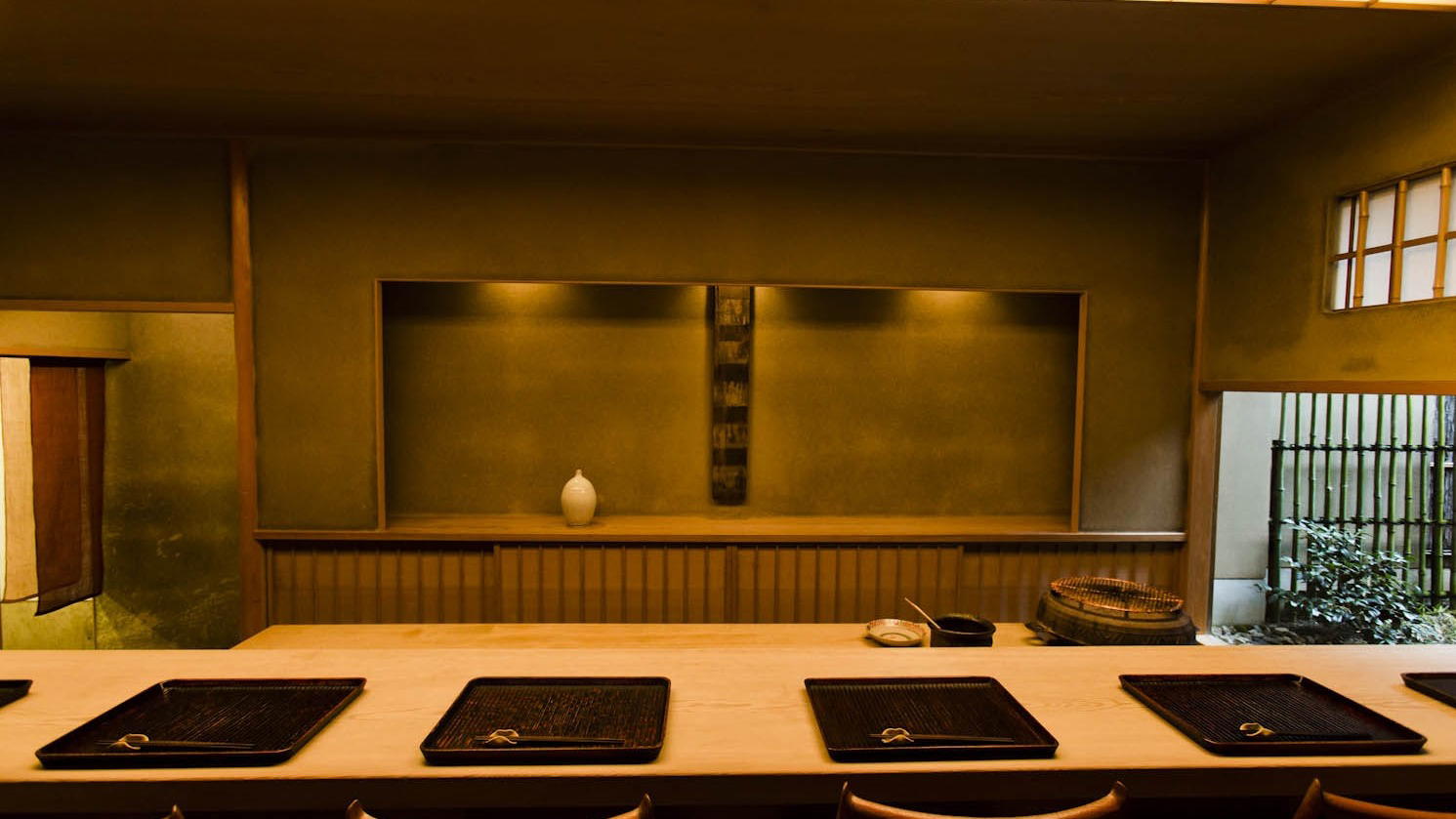
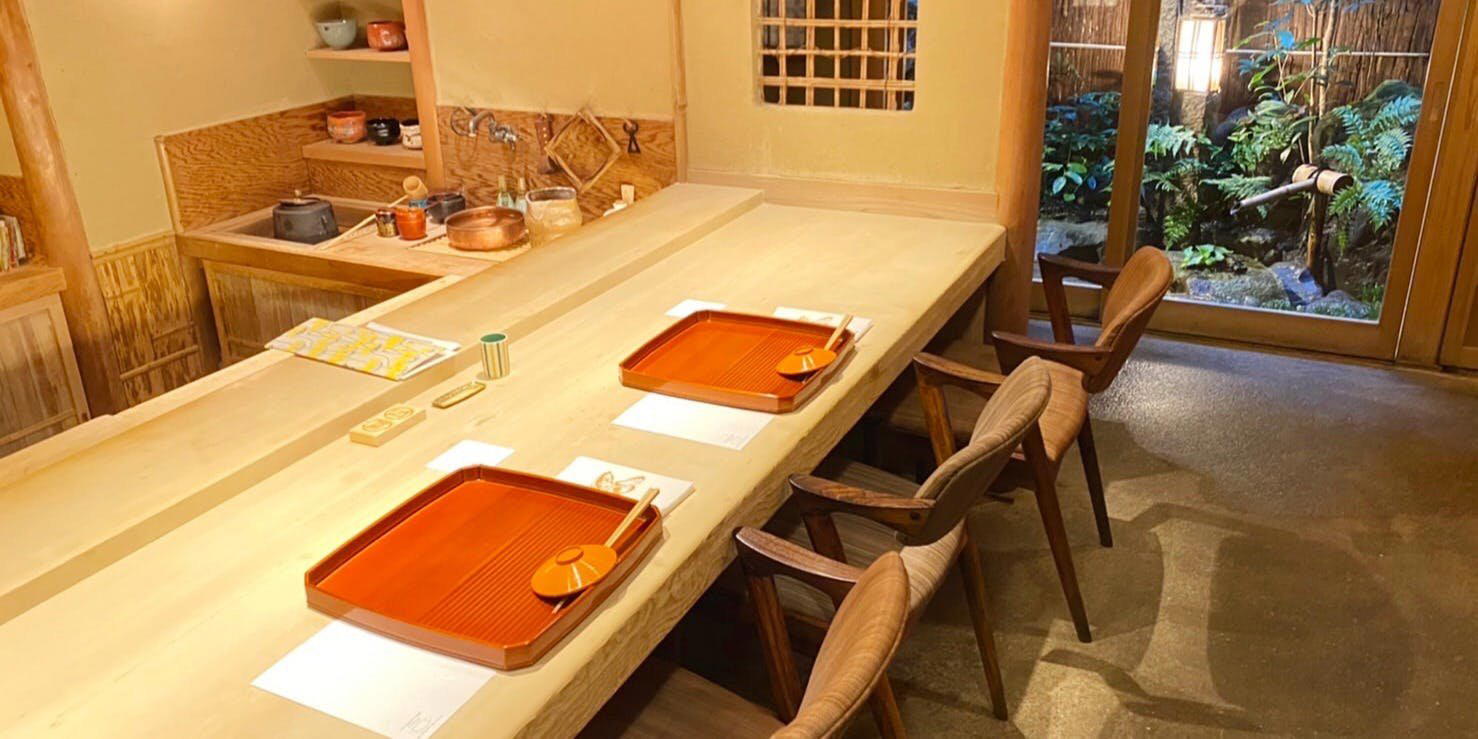
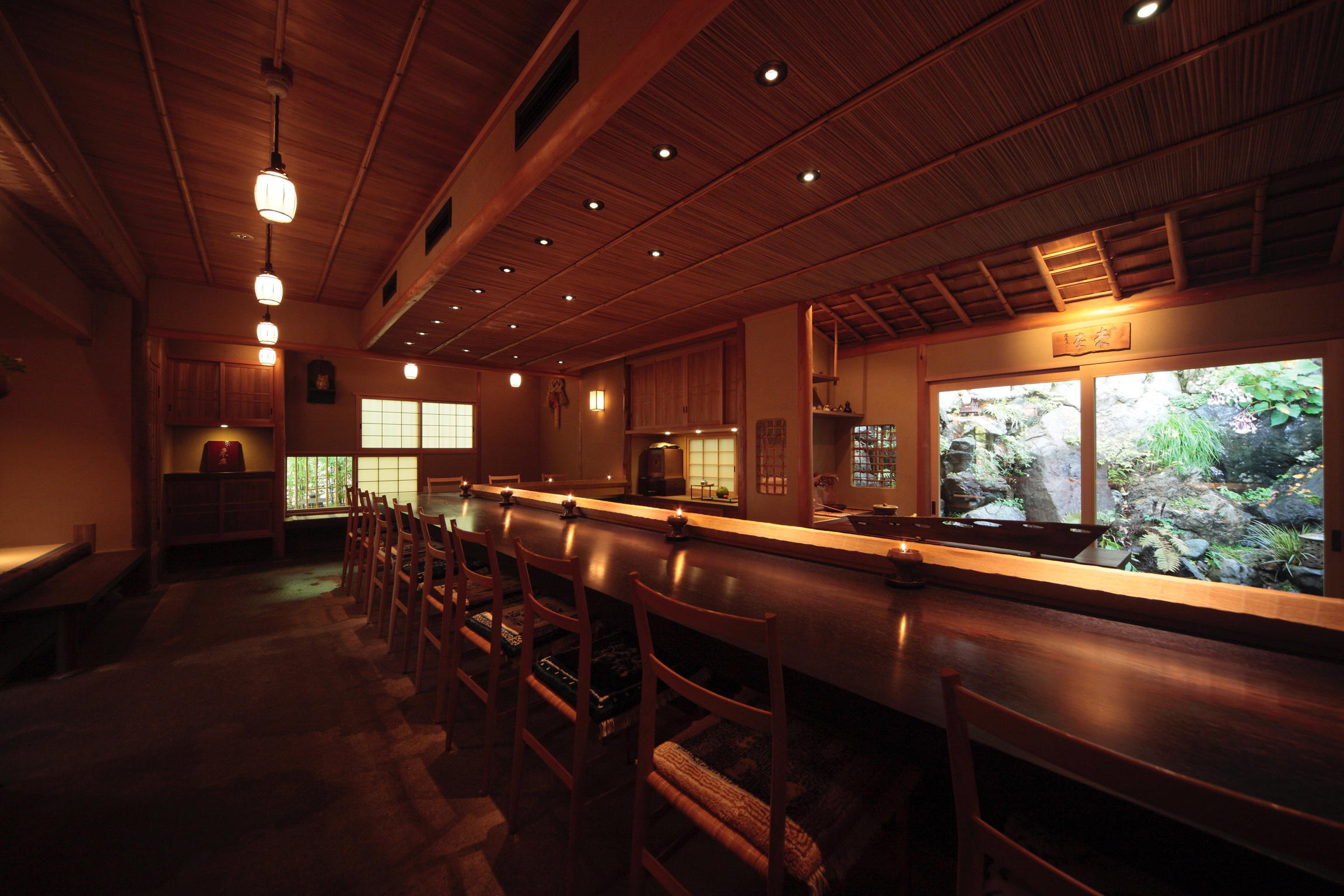
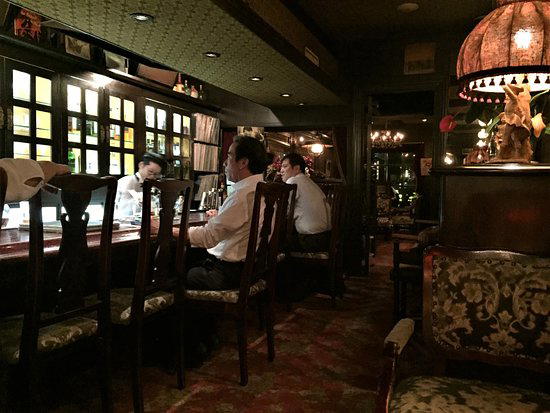
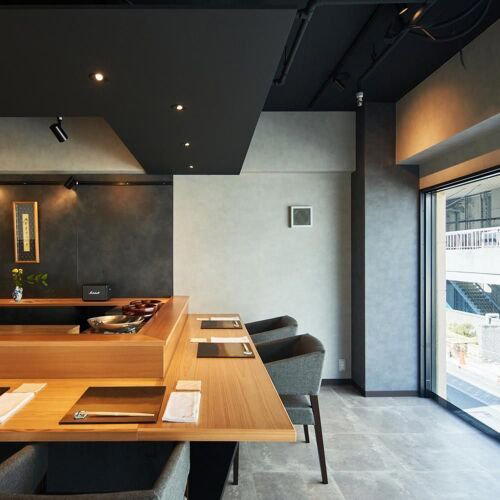
A Michelin Bib Gourmand izakaya in Kyoto's Nakagyo Ward, Eitaroya runs on a daily-changing menu built from direct fishery deliveries and locally farmed vegetables. The white-smocked chef works an open counter, preparing seafood to order across multiple techniques.

Pearl is the En Primeur Club membership app — saves, bookings, and concierge access live there. Same editors, same standards.
- Address
- Japan, 〒604-8176 Kyoto, Nakagyo Ward, Tatsuikecho, 448
- Phone
- +81 75-221-4604
- Hours
- Mon–Sat 5:30–11 PMSun Closed
- Directions
- Get directions
The menu
What to order
- Sashimi plate
A Counter in Nakagyo's Back Streets
Nakagyo Ward occupies the dense residential and commercial middle of Kyoto, neither the temple-heavy south nor the polished ryokan belt of Higashiyama. The streets around Tatsuike-cho run narrow and practical: dry-goods shops, neighbourhood grocers, small offices. It is the kind of Kyoto that most visitors never reach on a two-day itinerary, and precisely the environment in which an izakaya like Eitaroya makes complete sense. This is not a restaurant designed to pull diners across the city on reputation alone. It earns its place as a neighbourhood table first, with Michelin recognition arriving as confirmation rather than cause.
The Bib Gourmand designation from the 2025 Michelin Guide signals something specific: good cooking at a price point that doesn't require occasion-setting. In Kyoto's broader dining tier, that puts Eitaroya at a different register from the kaiseki houses that define the city's international reputation. Three-star Gion Sasaki or two-star Ifuki operate in a price bracket where a single dinner costs multiples of what Eitaroya charges across an evening of eating and drinking. The Bib category carves out a different proposition entirely, one where the kitchen's discipline shows in sourcing and technique rather than ceremony and lacquerware.
What Drives the Menu
The daily-changing menu at Eitaroya is a direct function of supply: seafood sourced from fisheries and vegetables grown by local farmers arrive each morning and determine what the kitchen offers that day. This model is less unusual in Japan than elsewhere, but it requires consistent supplier relationships and a chef confident enough to work without a fixed programme. The counter format reinforces that confidence. The white-smocked chef works in view of diners, and the absence of a standing menu shifts the dynamic from order-from-print to conversation and observation.
Seafood preparation at Eitaroya spans multiple techniques chosen at the diner's discretion: stewed, salt-grilled, deep-fried as tempura, and further options depending on what the day's catch allows. The sashimi plate, served atop a bowl of ice, is consistently cited as a strong point, valued for variety and portion size rather than minimalist presentation. The ice-service detail is functional rather than theatrical: it keeps fish firm and cool across the meal, a practical concern at a counter where plates may sit briefly before consumption.
This approach sits at a different point on the izakaya spectrum from the standing bars of Osaka's Shinsekai or the tourist-facing grills around Kyoto's Nishiki Market. Eitaroya's format places it closer to what might be called the neighbourhood specialist: a place known to locals by its sourcing story rather than its decor or its social-media presence.
Izakaya as Tradition, Not Concept
The izakaya format in Japan covers a wide range, from chain operations with laminated picture menus to small-counter specialists where the food is as considered as any formal restaurant. Eitaroya belongs to the latter category. The counter is the room's social anchor, the daily catch is the editorial, and the preparation methods are the menu. What distinguishes this tier of izakaya from the casual framing the word sometimes implies overseas is that the sourcing discipline is genuine: the kitchen cannot serve what it did not receive that day, and the chef's skill shows in how he handles whatever arrives.
Kyoto's dining tradition skews toward restraint and ingredient respect, values embedded in kaiseki but expressed across many price points and formats. In that context, a produce-driven izakaya running a market menu in a residential ward represents a direct continuation of those values rather than a departure from them. The gap between Eitaroya and the kaiseki rooms of Gion is one of register and price, not of underlying philosophy. Both depend on knowing who grew the vegetables and who caught the fish.
For comparison across the izakaya format in other Japanese cities, Benikurage in Osaka offers a useful reference point, while Cube by Mika in Schwerin represents how the format translates internationally. Elsewhere in Kyoto's neighbourhood dining scene, Nonkiya Mune and Saketosakana DNA occupy related territory, while Komedokoro Inamoto and Nijo Aritsune extend the picture of how the city's mid-range dining performs. Berangkat offers a contrasting international perspective within the same city.
Beyond Kyoto, the wider Kansai and Japan dining picture includes HAJIME in Osaka, akordu in Nara, Harutaka in Tokyo, Goh in Fukuoka, 1000 in Yokohama, and 6 in Okinawa, each representing the range of formal and informal dining across the country.
Planning a Visit
Eitaroya is located at 448 Tatsuike-cho, Nakagyo Ward, Kyoto. At ¥¥ pricing, an evening here will run considerably below the kaiseki tier and comfortably within the range of a well-ordered meal with drinks. The Bib Gourmand status means demand from informed diners is real, and given the counter format and daily-changing supply, seats are limited in both number and availability. Arriving without a booking carries risk, particularly on weekends or during Kyoto's busier tourist periods in spring and autumn. Confirming a reservation in advance is the more reliable approach, even if the exact menu cannot be known until the day.
Nakagyo Ward is accessible from central Kyoto by subway or a short taxi from the main hotel districts. The address on Tatsuike-cho sits within a dense urban block; allow time to locate the entrance, as neighbourhood izakayas of this type rarely have prominent street-facing signage. For broader trip planning, our full Kyoto restaurants guide, our full Kyoto hotels guide, our full Kyoto bars guide, our full Kyoto wineries guide, and our full Kyoto experiences guide cover the city across categories.
Frequently asked questions
What's Eitaroya known for in terms of accolades?
Eitaroya has received recognition including: Seafood rushed straight from the fisheries and vegetables grown by local farmers are what sell this izakaya. The white-smocked chef stands at the counter, showing confidence in his daily-changing menu. Choose how you want your seafood prepa….
Where do I go for Eitaroya?
Eitaroya is located at Japan, 〒604-8176 Kyoto, Nakagyo Ward, Tatsuikecho, 448, Kyoto.
What should I eat at Eitaroya?
The sashimi plate is the counter's most requested order, served on a large bowl of ice that keeps the fish firm regardless of season. Beyond that, the menu changes daily based on what arrived from the fisheries and local farms, so the preparation options on any given night — stewed, salt-grilled, deep-fried as tempura — reflect supply rather than a fixed list. Asking the white-smocked chef at the counter what came in that day is the practical approach.
What's the cuisine at Eitaroya?
What should I budget for a meal at Eitaroya?
Pricing at Eitaroya is listed as ¥¥.
Should I book Eitaroya in advance?
Eitaroya holds a Michelin Bib Gourmand rating for 2025, which draws consistent attention to a counter that is not large. Reserving ahead is advisable, particularly on weekends or during Kyoto's peak travel periods in spring and autumn. Contact details are not currently listed in public directories, so checking directly through a hotel concierge or local booking platform is the most reliable route.
What do critics highlight about Eitaroya?
The Michelin Bib Gourmand designation — awarded in 2025 — cites the direct sourcing model: seafood from fisheries and vegetables from local farmers feeding a menu that changes each day. Reviewers consistently note the counter format and the chef's visible confidence in presenting a menu built entirely around that morning's supply. At ¥¥ pricing, it sits well below Kyoto's kaiseki tier while delivering the same sourcing seriousness.
Style and Standing
| Venue | Cuisine | Price | Awards | Notes |
|---|---|---|---|---|
| EitaroyaThis venue — the venue you are viewing | Traditional Japanese Izakaya | $50–100 | Michelin Bib Gourmand | Not listed |
| Gion Sasaki | Modern Kaiseki | $300–500 | 3 Michelin Stars · La Liste Top Restaurants | Kaiseki, Japanese |
| cenci | Innovative Italian-Japanese Fusion | $100–150 | 1 Michelin Star · World's 50 Best #76 | Italian |
| Ifuki | Sumibi Kappo Kaiseki | $200–300 | 2 Michelin Stars · La Liste Top Restaurants | Kaiseki |
| Kyokaiseki Kichisen | Kyoto Kaiseki | $200–300 | 2 Michelin Stars · La Liste Top Restaurants | Japanese |
| Kyo Seika | Seasonal Chinese Fine Dining in Kyoto | Not listed | 1 Michelin Star | Chinese |
Recognition history
Dated appearances from independent guides and award organizations, with the underlying list record or original source where available.
Michelin Bib Gourmand
Michelin
Full recognition history (2 entries)
Michelin Bib Gourmand
Michelin