
Ginza Inaba belongs to Ginza’s serious Japanese-cuisine tier, where cellar choices and service format matter as much as the cooking. Its Tabelog Japanese Cuisine Tokyo 100 selection for 2025, 16-seat scale, counter seating, private rooms, and stated focus on sake and wine put it in a measured, grown-up bracket rather than the spectacle end of Tokyo dining.
Pearl is the En Primeur Club membership app — saves, bookings, and concierge access live there. Same editors, same standards.
- Address
- Japan, 〒104-0061 Tokyo, Chuo City, Ginza, 8 Chome−12−15 全国燃料会館 1F
- Phone
- +81 3-6260-6568
- Website
- ginza-inaba.tokyo
 Saves & bookings on Pearl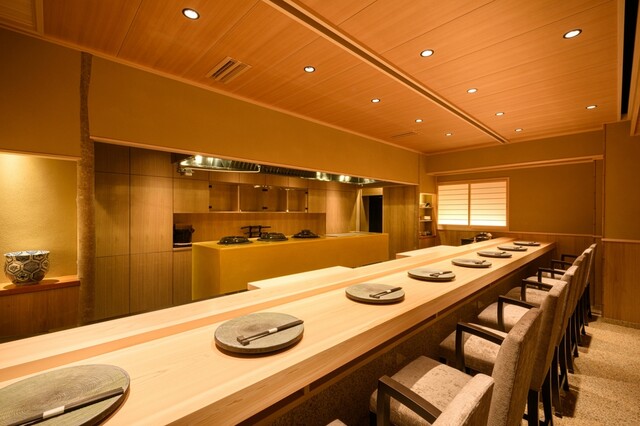
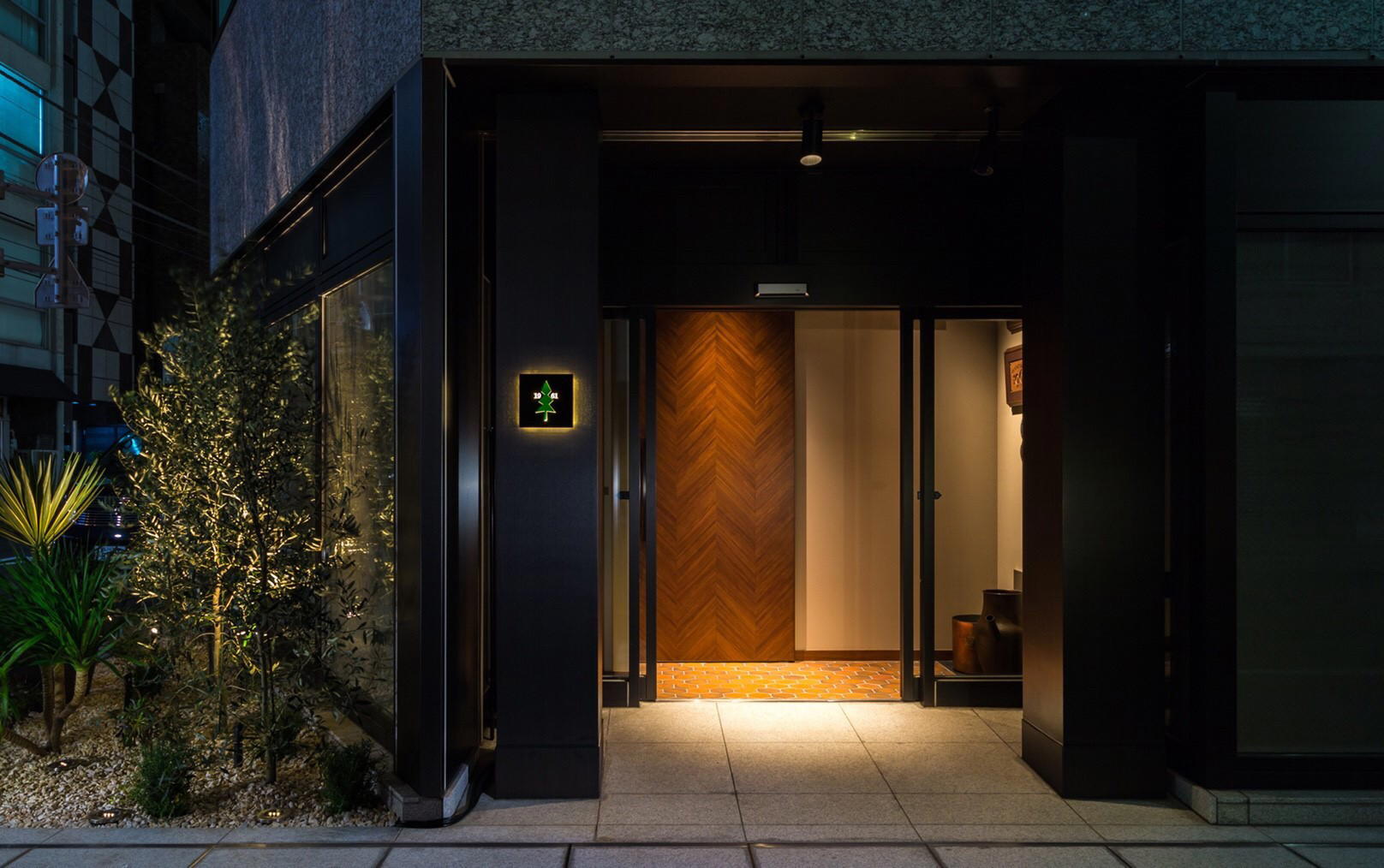
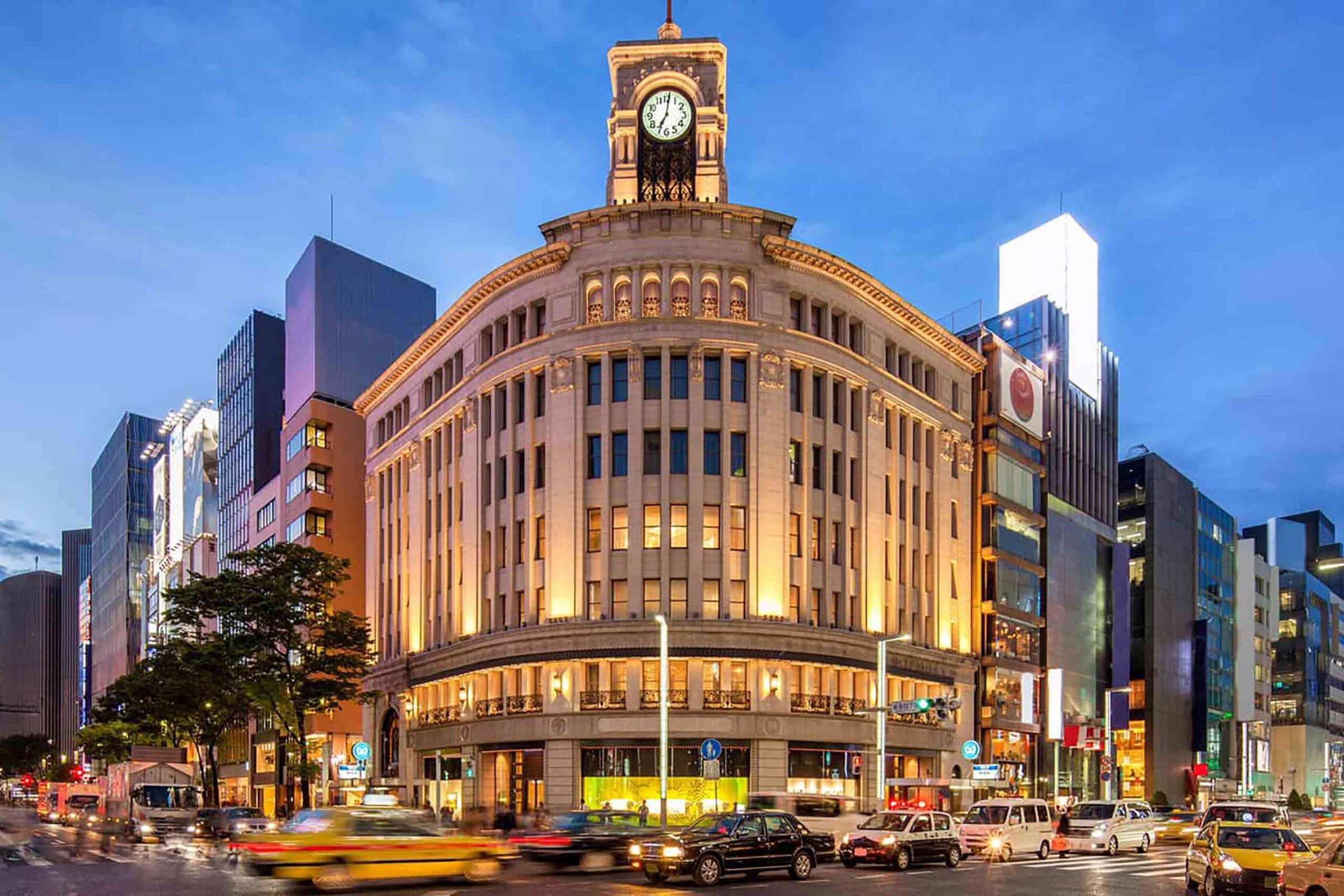
Ginza after dark has a particular restaurant grammar: discreet entrances, small elevators, quiet corridors, and rooms that lower the volume rather than raise it. Ginza Inaba fits it. The draw is not theatrical excess but a controlled, compact Japanese-cuisine room where counter seating, private rooms, and a serious drinks program shape a meal around pace, temperature, and pairing.
That matters in Ginza, where Japanese restaurants often compete through consistency and confidence more than visual novelty. Within a few blocks, the neighborhood supports sharply different price and format tiers: sushi counters such as Sushi Kanesaka occupy the high-spend omakase lane, Arai belongs to the same reservation-conscious Ginza conversation, Ginza Kani Matsu pushes crab and Japanese cuisine into a higher dinner bracket, and Yakitori Hirano shows how focused charcoal cooking commands its own premium audience. Ginza Inaba’s position is different: Japanese cuisine with breakfast service, dinner service, 16 seats, private rooms, and drinks including sake, shochu, and wine.
Sake and wine make this more than a formal Japanese dinner
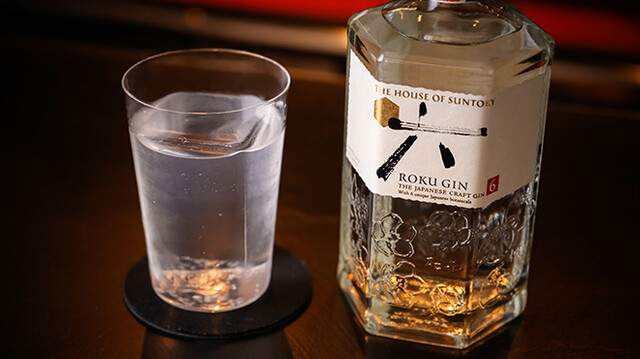
The useful way to read the room is through its beverage signals. Many Tokyo Japanese restaurants list sake because the category is expected; fewer make equal space for sake and wine as part of the restaurant’s identity. Ginza Inaba explicitly carries sake, shochu, and wine, with stated attention to both sake and wine. That places it in modern Ginza, where pairings are not decorative but part of the meal’s frame.
This distinction matters in Japanese cuisine. Kaiseki-derived meals and contemporary washoku rely on shifts in salt, fat, stock, acidity, and temperature. Sake can make transitions feel seamless, especially with broth-led or rice-adjacent courses; wine can sharpen contrast when cooking moves toward grilled, richer, or more aromatic registers. Giving both categories equal weight speaks to diners who want flexibility, not fixed orthodoxy.
The Tabelog Japanese Cuisine Tokyo 100 selection for 2025 gives that positioning external weight. Tabelog’s Hyakumeiten lists are not the same currency as Michelin stars, but in Japan they carry another relevance: sustained local attention, category depth, and comparison within a crowded city. A 3.85 Tabelog score in Tokyo’s Japanese-cuisine category is not casual traffic; it indicates a restaurant judged against specialist rooms rather than general dining rooms.
Ginza's small-room discipline, without the sushi-counter script
Tokyo visitors often arrive in Ginza with sushi as the default high-end plan. Understandable, but too narrow. Ginza’s Japanese-cuisine rooms offer another pleasure: less binary than omakase sushi, less tied to counter theater, and more dependent on sequencing, service cadence, and the conversation between food and drink. The restaurant belongs to that lane.
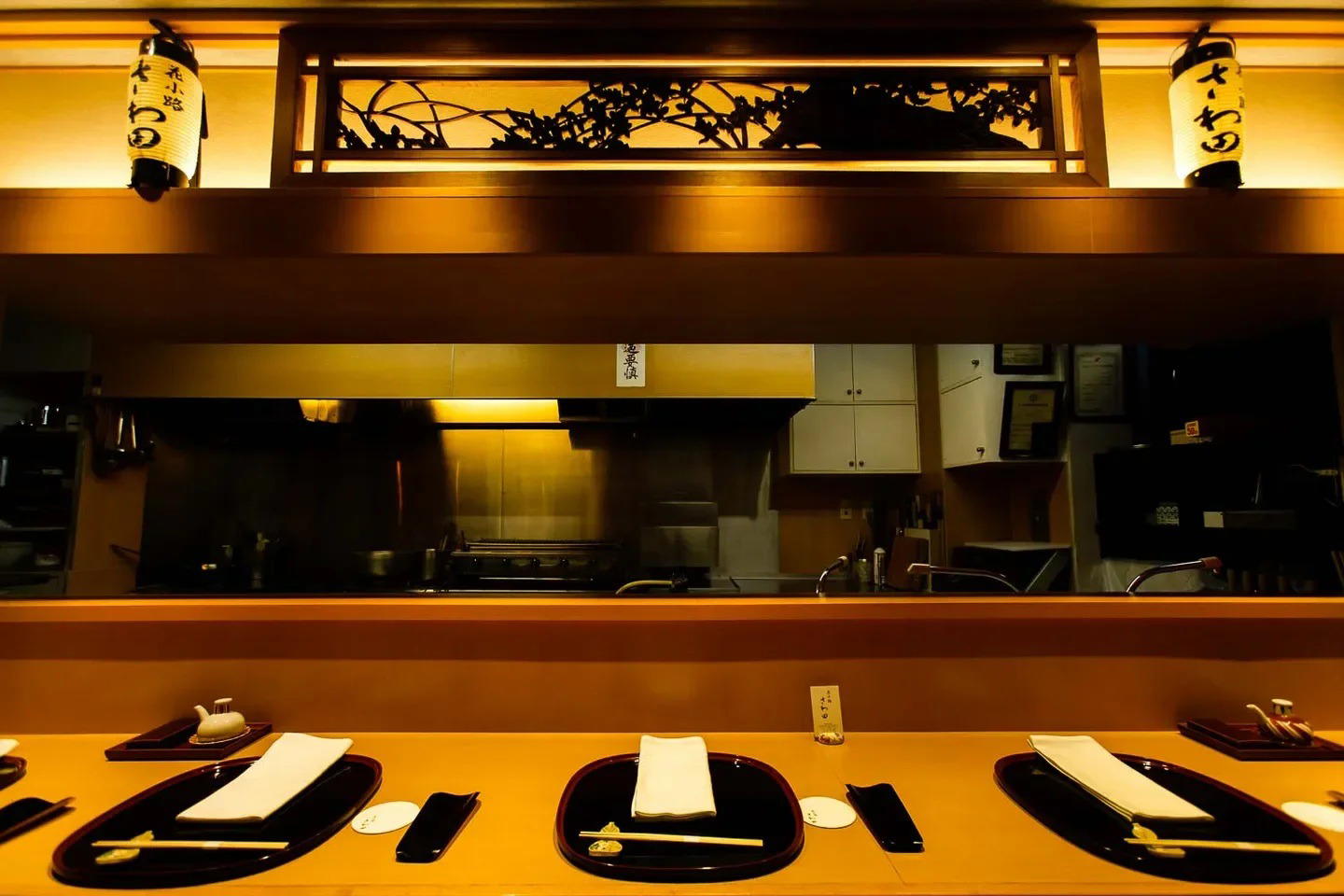
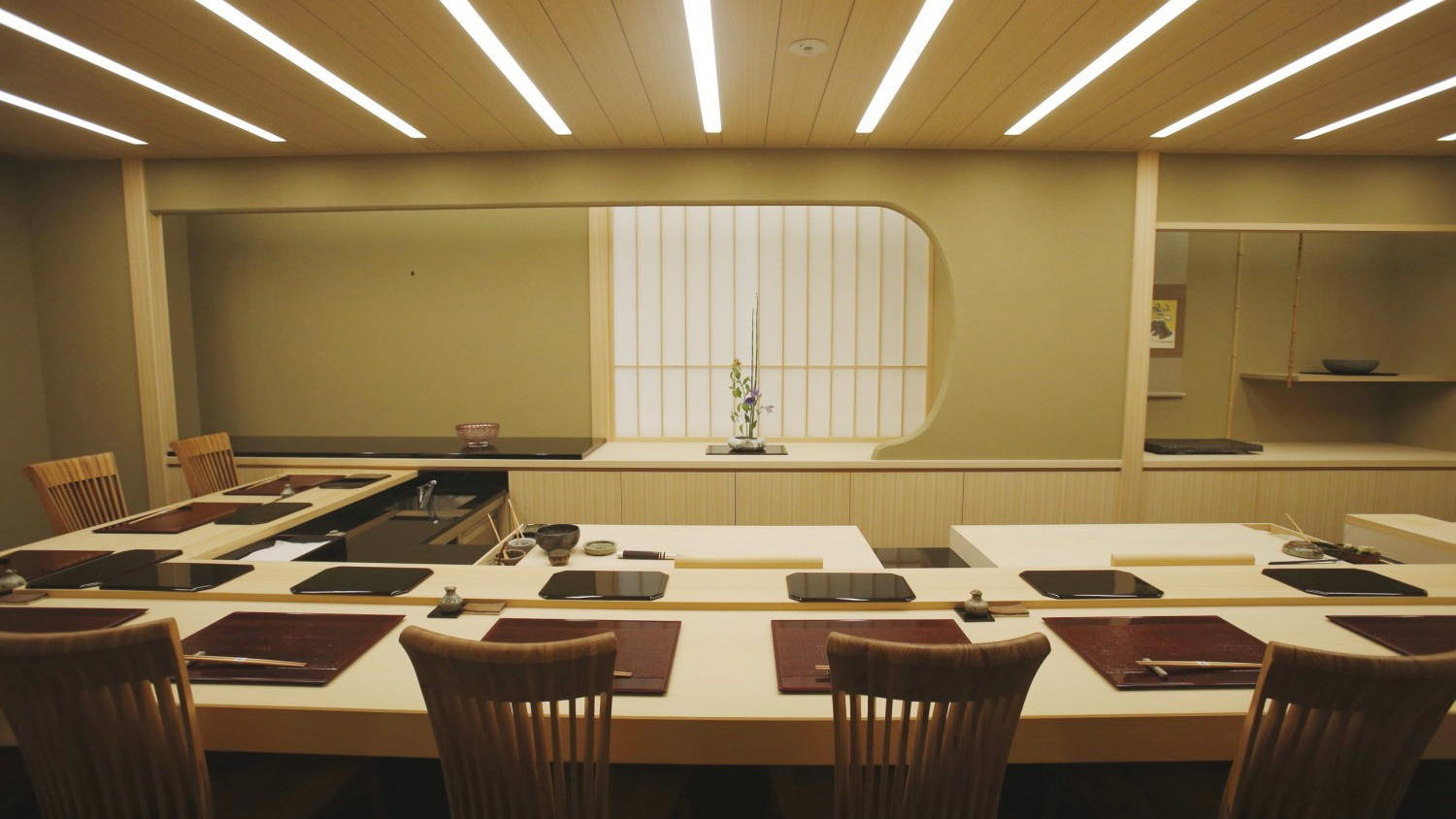
The 16-seat scale is important. Small Tokyo rooms do not automatically feel intimate; they can become rigid when the format is overly precious. Here, counter seating and private rooms create two modes. The counter suits diners who want to watch the kitchen’s rhythm and track the drinks conversation closely. Private rooms suit business meals, family occasions, or travelers who want Japanese cuisine without the scrutiny of a full counter performance.
Breakfast service adds another layer. In Tokyo, serious breakfast is often split between hotel formality, market-adjacent eating, kissaten culture, and a smaller set of restaurants treating morning as a proper Japanese meal rather than convenience. For a Ginza Japanese-cuisine restaurant to operate in that morning register changes the decision: dinner places it among polished special-occasion rooms; breakfast puts it in a narrower category for travelers who care how the city starts the day, not only how it performs at night.
For planning, the surrounding city matters. Akihabara’s casual energy around places such as . 鮪と炭火焼き うお炭 秋葉原店 reads differently from Ginza’s controlled dining rooms. Shinjuku’s late-hours appetite, represented in another register by 12/10 Shinjuku ten, is another Tokyo altogether. Kagurazaka’s more residential food culture, including 124. KAGURAZAKA (Yakitori), gives a useful counterpoint to Ginza’s polish.
Who should choose this Ginza table
The restaurant makes the strongest case for diners who want Japanese cuisine with a beverage conversation built in. The appeal is not named-chef mythology or one advertised dish; it is the alignment of category recognition, small-room format, counter and private-room options, and a drinks list that does not force sake and wine into separate worlds. That is a grown-up proposition in a city where premium dining can too easily become a checklist of famous counters.
The comparison set clarifies the choice. Choose Sushi Kanesaka if the evening must be sushi-led. Choose Ginza Kani Matsu if crab is the point and the spend is expected to sit higher. Chuka Ginza Tei belongs to a different, everyday Ginza register, useful for understanding the neighborhood’s range. The restaurant is for the diner who wants Japanese cuisine in a compact room, with enough beverage depth to make the meal feel considered from the first pour to the last cup.
Tokyo’s dining map rewards specificity. A day might move from visual-culture café stops such as 2D Cafe to curry at 3 Chome no Curry Ya San, then into Ginza for a composed Japanese dinner. Travelers building a wider itinerary can use Our full Tokyo restaurants guide, then match the meal with Our full Tokyo hotels guide, Our full Tokyo bars guide, Our full Tokyo wineries guide, and Our full Tokyo experiences guide.
The wider Japan file is useful for contrast rather than substitution: -Grilled beef Sukiyaki- KAMAKURA TANUKIAN 鎌倉 たぬき庵 in Kamakura points toward regional beef traditions.cafe in Osaka sits in a different urban rhythm.know in Kumamoto shifts the frame west, and (Shoku) Vietnam in Kawasaki shows how metropolitan Japan absorbs other cuisines. For diaspora and drinks context, [Curry Senmon Ten] Maruyama Kyoju. in Sapporo, [ki:] in Kyoto, Jōdo Saké Bar in Los Angeles, and Onigiri Time in Pasadena underline the same point: Japanese dining is never a single category. The restaurant’s value is knowing exactly which part of that category it occupies.
Compact Comparison
Comparable venues for cuisine and category context.
| Venue | Cuisine | Price | Notes |
|---|---|---|---|
| Ginza InabaThis venue — the venue you are viewing | Chūō, Seasonal Japanese Kaiseki Omakase | $$$$ | Not listed |
| Kyoaji (京味) | Not listed | $$$$ | Shinbashi, Traditional Kyoto-Style Kaiseki Omakase |
| 鮨よしたけ | Ginza, High-End Edomae Sushi Omakase | $$$$ | Not listed |
| Mon cher ton ton (六本木 モンシェルトントン) | Roppongi, Teppanyaki with Kobe Beef | $$$$ | Not listed |
| 重箱 | Not listed | $$$$ | Akasaka, Traditional Japanese Unagi Fine Dining |
| Ginza Yamashina | Not listed | $$$$ | Chūō, Luxury Wagyu Yakiniku & Steak in Private Rooms |
Recognition history
Dated appearances from independent guides and award organizations, with the underlying list record or original source where available.
Tabelog 100 #2 · No. 2
Tabelog · Tabelog 100 - Japanese cuisine - TOKYO - 2025






At a Glance
- Elegant
- Intimate
- Sophisticated
- Classic
- Date Night
- Business Dinner
- Celebration
- Solo
- Chefs Counter
- Open Kitchen
- Private Dining
- Design Destination
- Standalone
- Sake Program
- Local Sourcing
- Sustainable Seafood
- Farm To Table
Current opening hours
- Monday
- 10:30 AM–12 PM, 6–10 PM
- Tuesday
- 10:30 AM–12 PM, 6–10 PM
- Wednesday
- 10:30 AM–12 PM, 6–10 PM
- Thursday
- 10:30 AM–12 PM, 6–10 PM
- Friday
- 10:30 AM–12 PM, 6–10 PM
- Saturday
- 9 AM–12 PM, 6–10 PM
- Sunday
- Closed
Hours can change for holidays and private events. Last verified .
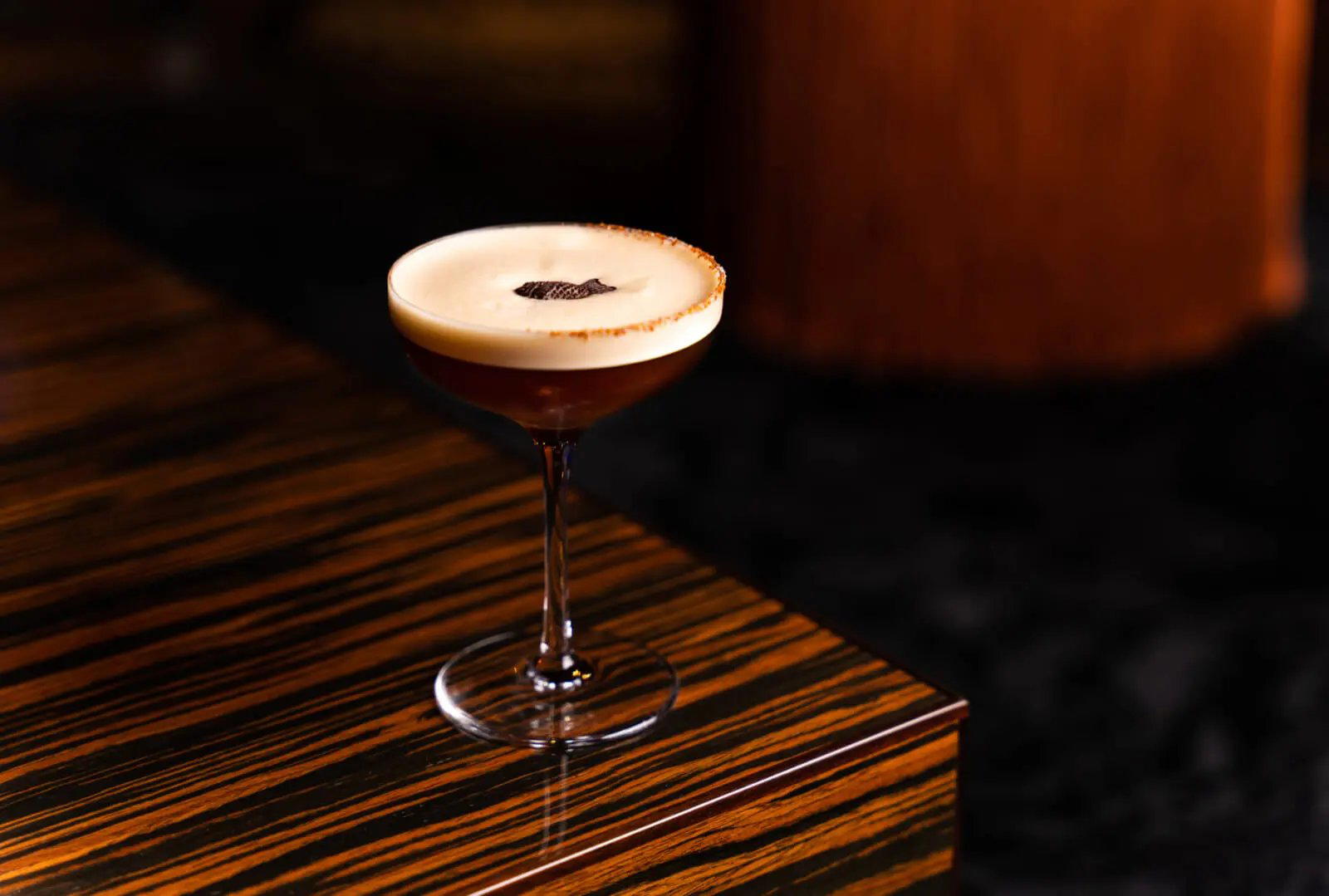
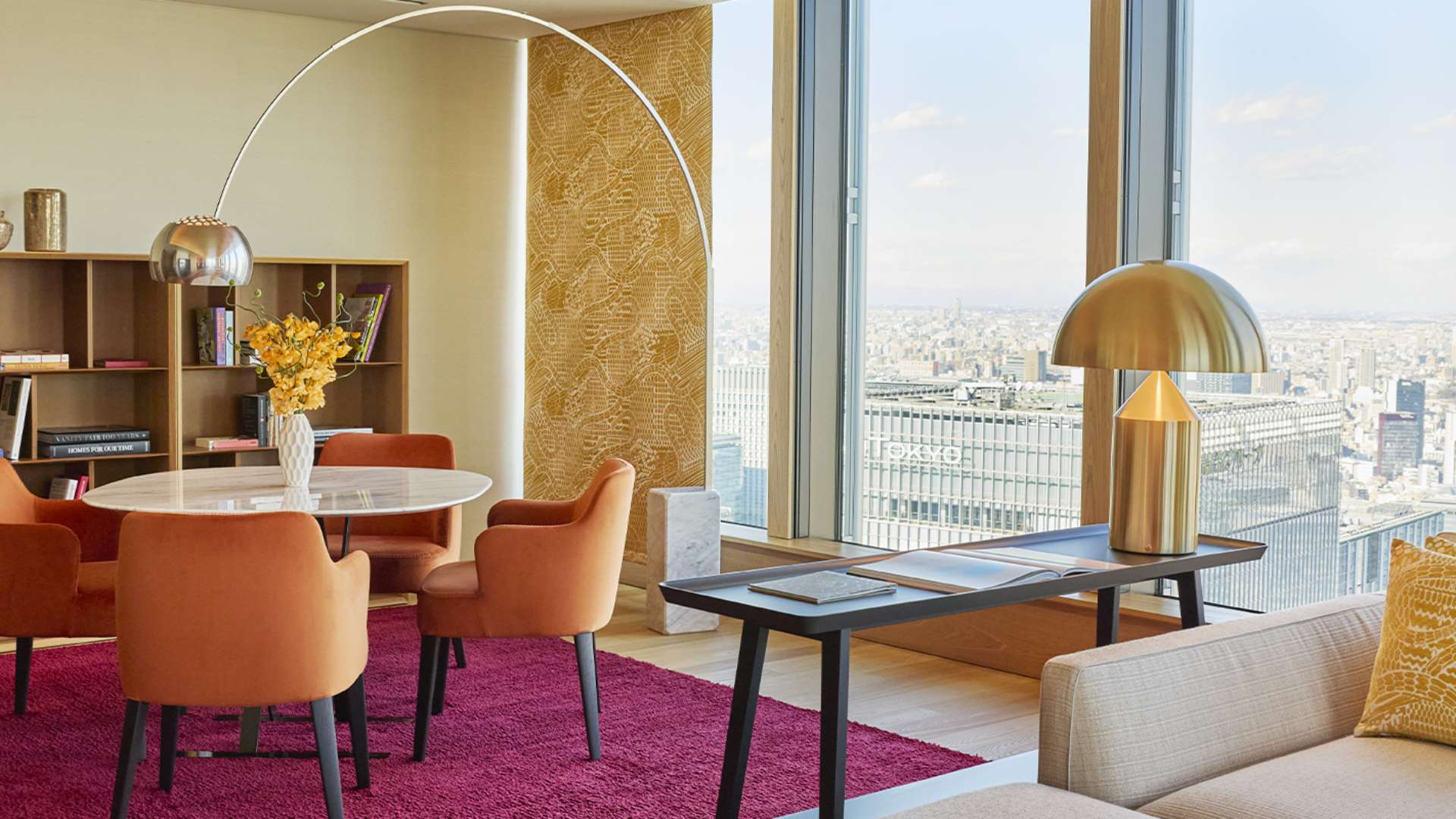
An intimate 8-seat counter and two small private rooms in Ginza with restrained, elegant Japanese design, warm lighting, and a calm, contemplative atmosphere focusing attention on the open cooking hearth and the progression of seasonal dishes.