Ichiyanagi occupies a ground-floor space in Ginza 1-chome, placing it within one of Tokyo's most concentrated corridors of serious dining. The address alone positions it inside a competitive tier where occasion meals are measured against Michelin-decorated neighbours. Visitors planning a milestone dinner in central Tokyo will find the location well-connected and the Ginza context doing considerable work before a dish is served.
Pearl is the En Primeur Club membership app — saves, bookings, and concierge access live there. Same editors, same standards.
- Address
- Japan, 〒104-0061 Tokyo, Chuo City, Ginza, 1 Chome−5−14 銀座コスミオンビル 1F
- Phone
- +81335627890
- Directions
- Get directions
 Saves & bookings on Pearl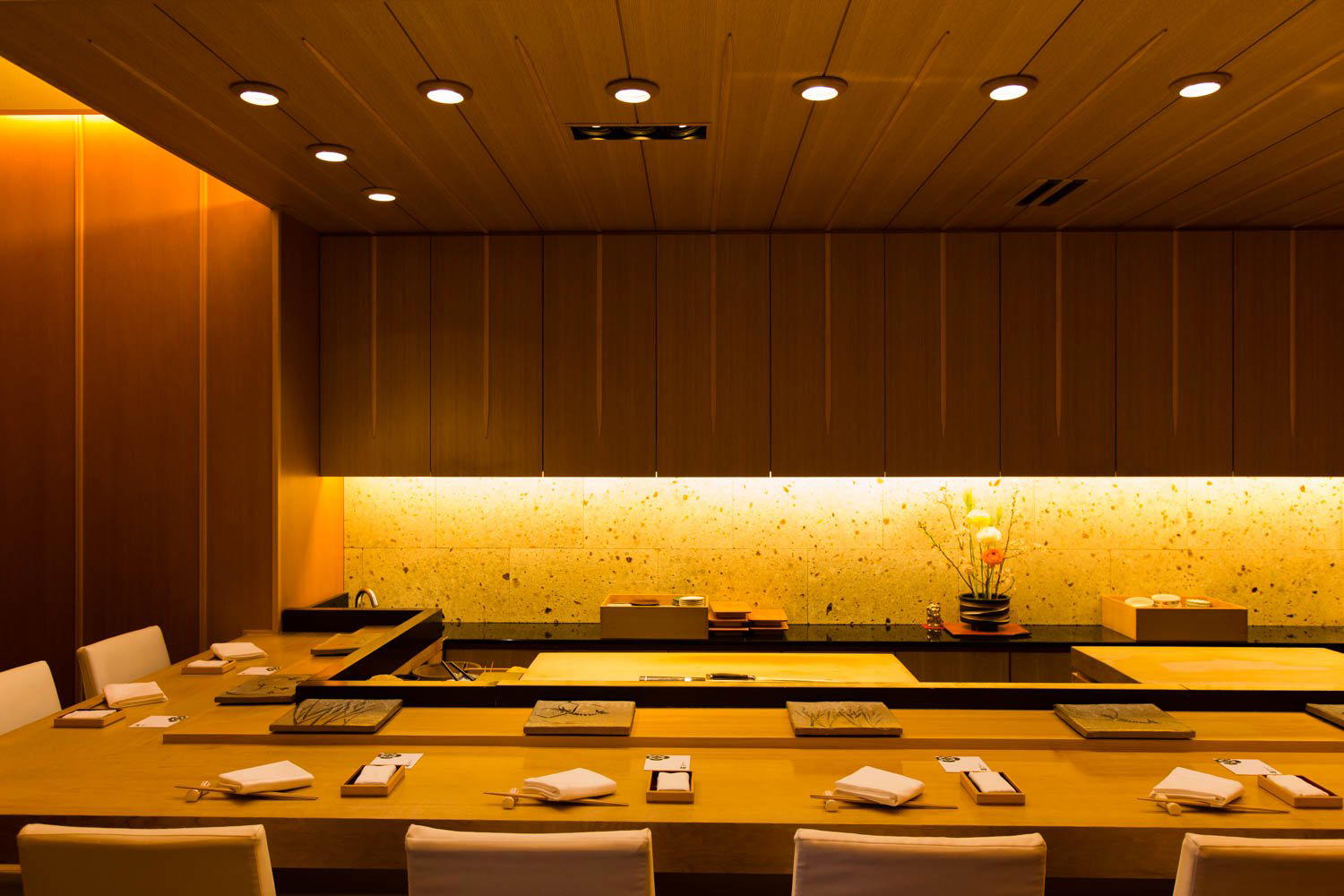
Ginza's Occasion Dining Tier and Where Ichiyanagi Sits
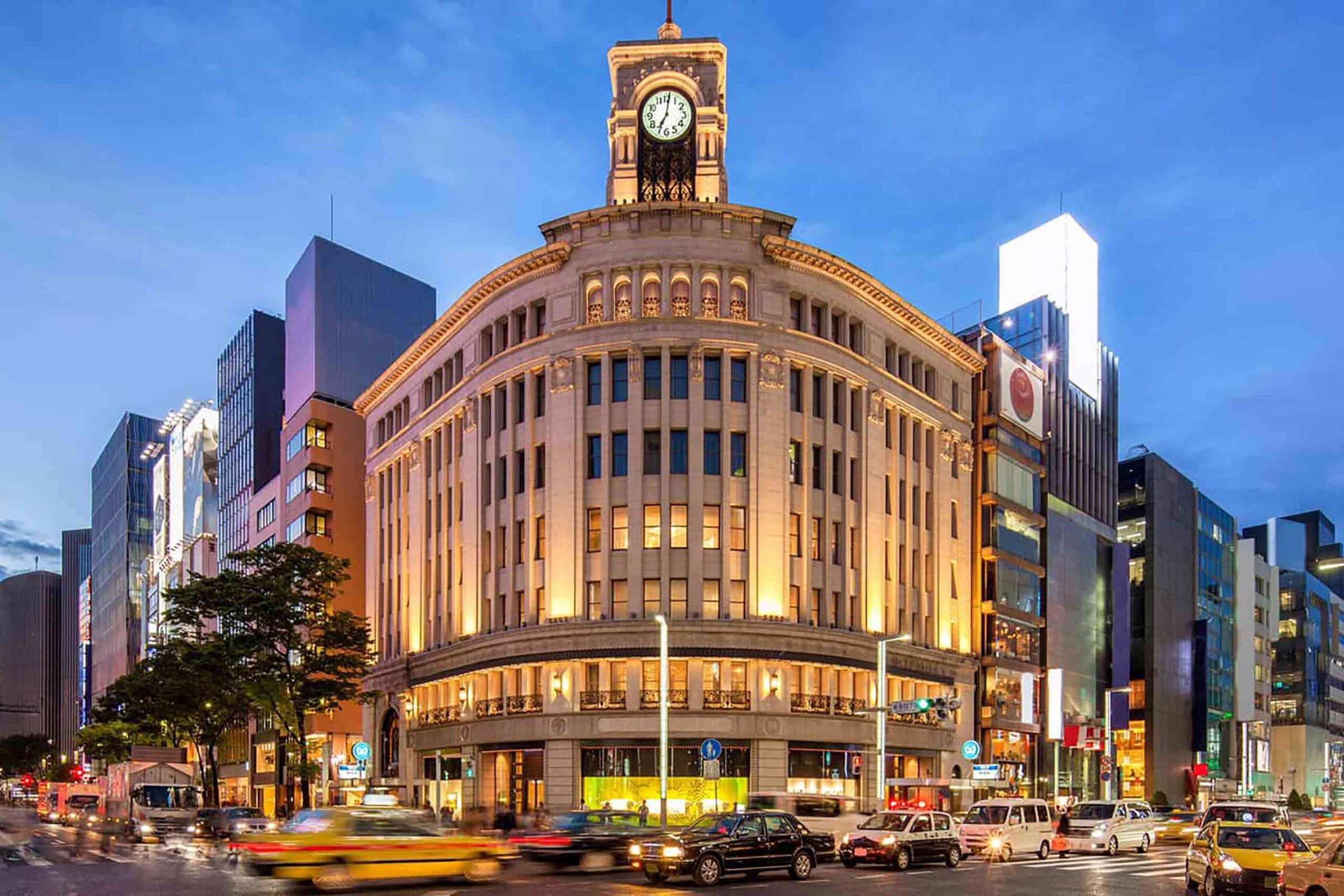
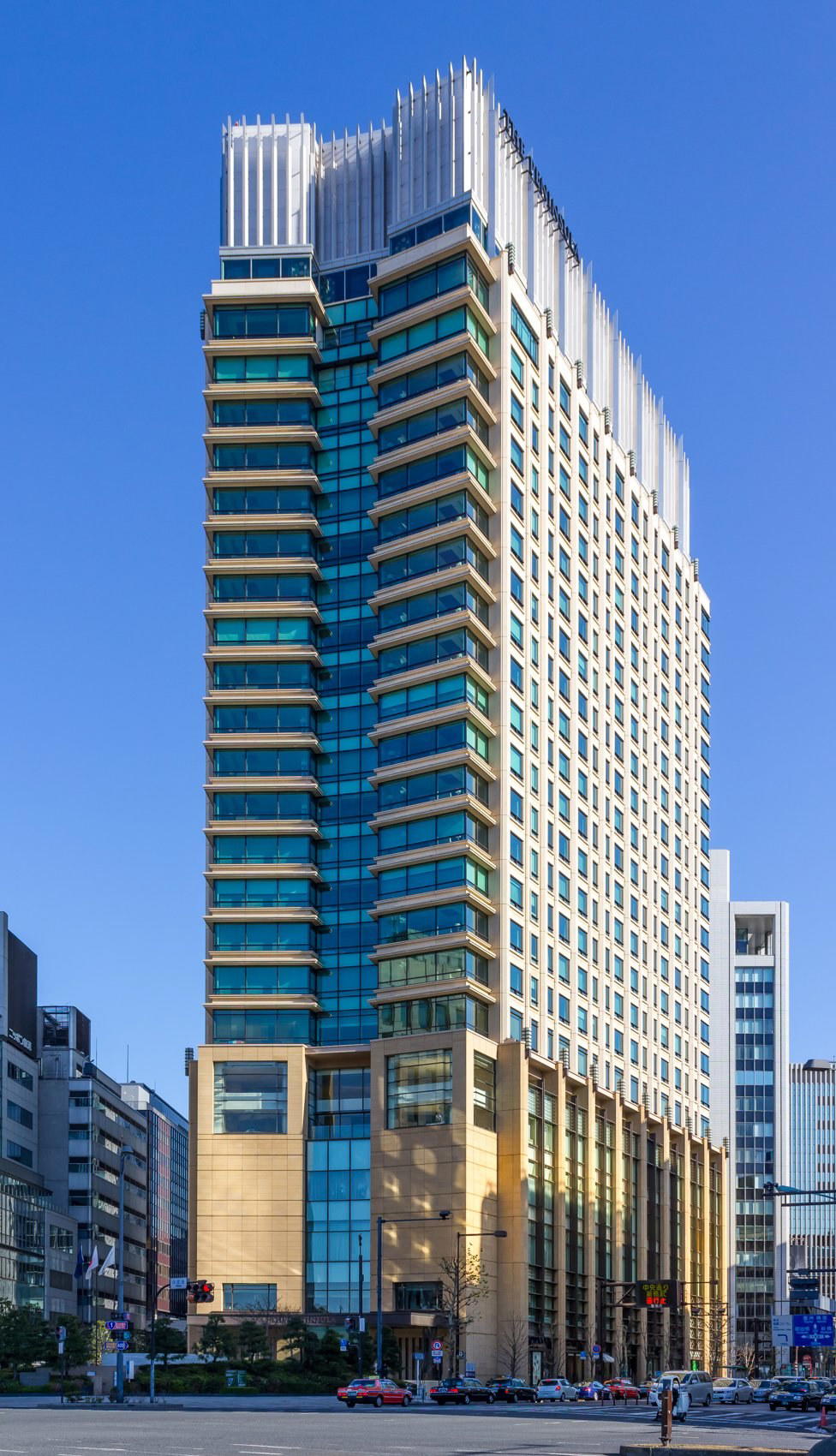
Ginza has long functioned as Tokyo's benchmark address for the kind of meal that marks something: a promotion, an anniversary, a business relationship sealed over lacquerware and restraint. The district's first few chome blocks, running south from Ginza-itchome station, concentrate an unusual density of reservation-driven restaurants operating at price points that place them outside casual consideration. Within that geography, Ichiyanagi occupies a ground-floor position in the Ginza Cosmopolitan Building on 1-chome, a location that carries the neighbourhood's accumulated weight without requiring the upper floors and elevator protocols that define many of the area's more formal counters.
For diners planning occasions in this part of Tokyo, address context matters before cuisine context does. A restaurant at this location is already operating inside a set of expectations: quiet rooms, considered service pacing, and a clientele that arrives with a purpose. Comparable neighbours in the broader 1-chome to 5-chome stretch include Harutaka, a sushi counter operating at the ¥¥¥¥ tier with a reputation that extends well beyond Japan, and the kaiseki precision of RyuGin, which has held three Michelin stars and treats seasonal Japanese ingredients as a formal argument rather than a backdrop. Ichiyanagi shares a postcode with that calibre of dining, and that positioning shapes what a visit means before the first course arrives.
The Physical Register of a Ginza Ground-Floor Room
Ground-floor restaurants in Ginza read differently from the city's basement or tower-level dining rooms. There is a directness to street-level entry, a transparency that the more theatrical formats, those requiring a specific floor button or a buzzer intercom, deliberately avoid. The 1F designation at Ichiyanagi suggests accessibility in the architectural sense, a room that does not require a procedural approach, even as the surrounding block signals that nothing in this neighbourhood is entirely casual. The building address places it close to the Chuo-dori and Showa-dori axes, meaning foot traffic is present but the immediate block retains the relative calm of a side-street approach.
For occasion dining, this physical register matters. The arrival experience at a milestone meal is part of the meal itself. Ginza's ground-floor counters tend to handle that transition more quietly than their refined counterparts, substituting intimacy for grandeur. Across the broader Japanese dining scene, this format appears at some of the country's most considered tables: Gion Sasaki in Kyoto and akordu in Nara both operate in similarly understated physical containers that let the food carry the occasion rather than the room's spectacle.
Occasion Dining in Tokyo: What the City's Format Signals
Tokyo's premium dining market has bifurcated sharply over the past decade. On one side sit the internationally legible formats: French tasting menus with wine pairings from sommeliers who trained in Burgundy, kaiseki progressions photographed for editorial features, omakase counters that book out months in advance. On the other side, a smaller tier of restaurants operates with less visible branding, relying on repeat clientele and word-of-mouth within specific professional and social networks. These are the restaurants that Tokyo regulars return to for the meals that matter, not because the restaurant markets itself for occasions, but because it has earned that role through consistency.
The distinction is worth making for anyone planning a significant meal in Tokyo. Frequently booked restaurants at any given moment are not always the ones well suited to the specific weight of a celebration or a business dinner. L'Effervescence in Nishi-Azabu, for instance, operates a French format that handles occasion meals through format discipline and seasonal precision rather than ceremony. Sézanne at the Four Seasons Marunouchi brings a similarly considered French sensibility with the added logistical comfort of hotel infrastructure. Crony represents a newer wave of innovative French thinking in Tokyo, where the occasion is as much about intellectual engagement as ceremony. Each of these addresses a different kind of milestone diner. Where Ichiyanagi fits within that range depends on details the current record does not fully specify, but the Ginza address alone places it in the conversation.
Japan's Wider Occasion Dining Geography
For travellers making Tokyo the anchor of a broader Japan itinerary, occasion dining decisions often extend across cities. Osaka's HAJIME holds three Michelin stars and operates a format that treats each meal as a complete artistic statement, a different register from Ginza's understated counter culture but equally weighted for significant occasions. Fukuoka's Goh demonstrates that Japan's milestone dining is not confined to the Tokaido corridor. Further afield, 一本杉 川嶋制 in Nanao and 北の嵐山乃 in Sapporo each represent regional formats where occasion dining takes on distinct local character, less cosmopolitan in reference, more rooted in the ingredient geography of their prefectures.
For those extending the itinerary into less-visited territory, 湖里庵 in Takashima and 庄羽屋 in Nishikawa Machi offer occasion-appropriate formats in settings where the surrounding landscape becomes part of what the meal commemorates. Japan's ability to make milestone dining available at multiple scales and geographies, from a Ginza ground-floor room to a Lake Biwa-side ryokan counter, is one of the more underappreciated structural features of its food culture. For context on how Ginza's milestones compare internationally, Le Bernardin in New York and Atomix operate in a similar tier of occasion seriousness, as does Birdland in Sakai and Bistro Ange in Toyohashi at the regional Japanese end of the spectrum.
Planning a Visit: What the Address Tells You
Ginza-itchome station on the Yurakucho Line exits within a short walk of the 1-chome address, and Ginza station itself on the Ginza, Hibiya, and Marunouchi lines is reachable in under ten minutes on foot. For occasion meals, the logistics of arrival matter: this part of Ginza is taxi-friendly at all hours, and the neighbourhood's compact grid means navigating from a hotel in Marunouchi or the broader Chiyoda ward is direct. Approaching via the building address at Ginza Cosmopolitan 1F is especially reliable physical anchor.
Nearby-ish Comparables
Comparable venues nearby, for context on price, style, and recognition.
| Venue | Cuisine | Price | Notes |
|---|---|---|---|
| IchiyanagiThis venue — the venue you are viewing | Edomae Sushi Omakase | $$$$ | Not listed |
| Ginza Kudo | Seasonal Japanese Kaiseki | $$$$ | Chūō |
| Tempura Ginza Onodera Namikidori | Tempura Fine Dining | $$$$ | Chūō |
| Yakiniku Kaiseki Tomoji | Halal Yakiniku Kaiseki | $$$$ | Chiyoda |
| 茜坂大沼 赤坂店 | Classic Tempura Specialty | $$$$ | Minato |
| 四ッ谷 みね村 | Traditional Japanese Kaiseki | $$$$ | Shinjuku |







At a Glance
- Elegant
- Intimate
- Sophisticated
- Minimalist
- Date Night
- Business Dinner
- Special Occasion
- Chefs Counter
- Sake Program
- Local Sourcing
Current opening hours
- Monday
- 11:30 AM–2 PM, 5–10 PM
- Tuesday
- 11:30 AM–2 PM, 5–10 PM
- Wednesday
- 11:30 AM–2 PM, 5–10 PM
- Thursday
- 11:30 AM–2 PM, 5–10 PM
- Friday
- 11:30 AM–2 PM, 5–10 PM
- Saturday
- 11:30 AM–2 PM, 5–10 PM
- Sunday
- 11:30 AM–2 PM, 5–10 PM
Hours can change for holidays and private events. Last verified .
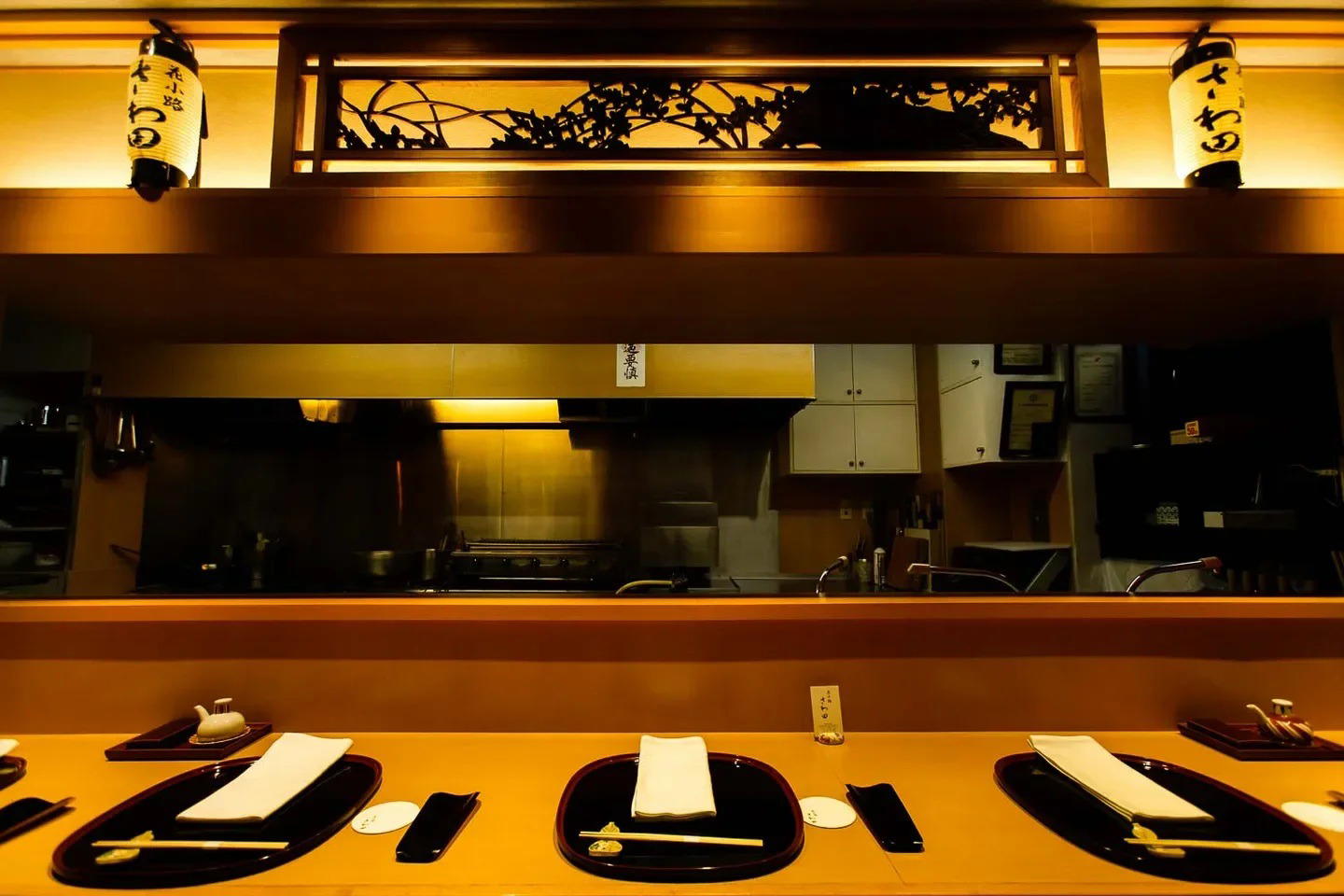
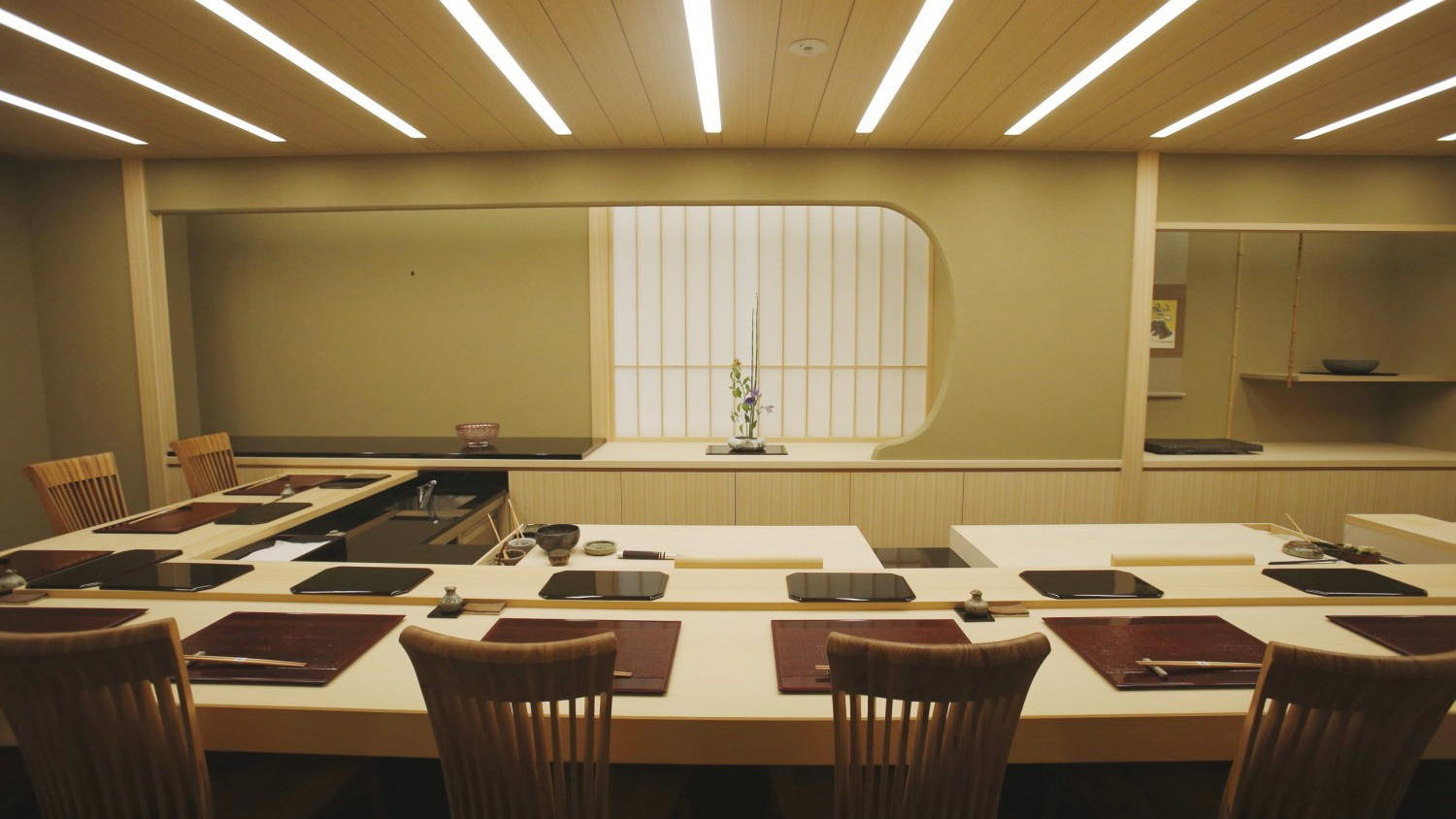
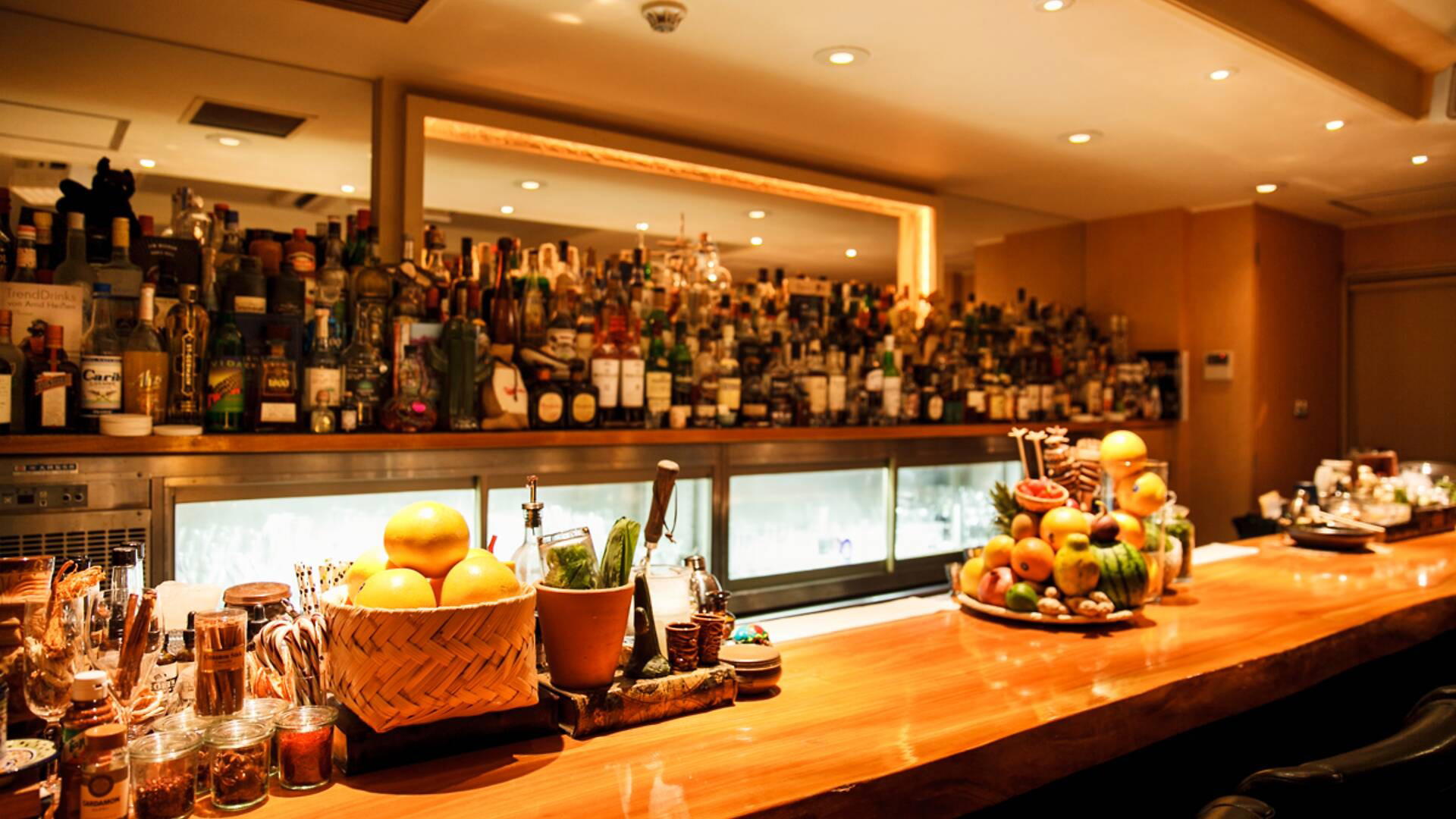
Small, elegant space with minimalist design and warm hospitality, featuring counter seating for an intimate sushi experience.