Google: 4.9 · 118 reviews

A Michelin-starred family restaurant in Kyoto's Kita Ward, Tozentei draws its name from a fictitious novel restaurant and places seasonal Japanese cooking alongside a warm, unhurried atmosphere. Tilefish steamed with plums and kombu anchors a menu shaped in part by the plum traditions of nearby Kitano Tenmangu shrine. Priced at the ¥¥¥ tier, it occupies an accessible but serious position within Kyoto's broader constellation of one-star Japanese dining.
 Discover on Pearl
Pearl is the En Primeur Club membership app — saves, bookings, and concierge access live there. Same editors, same standards.
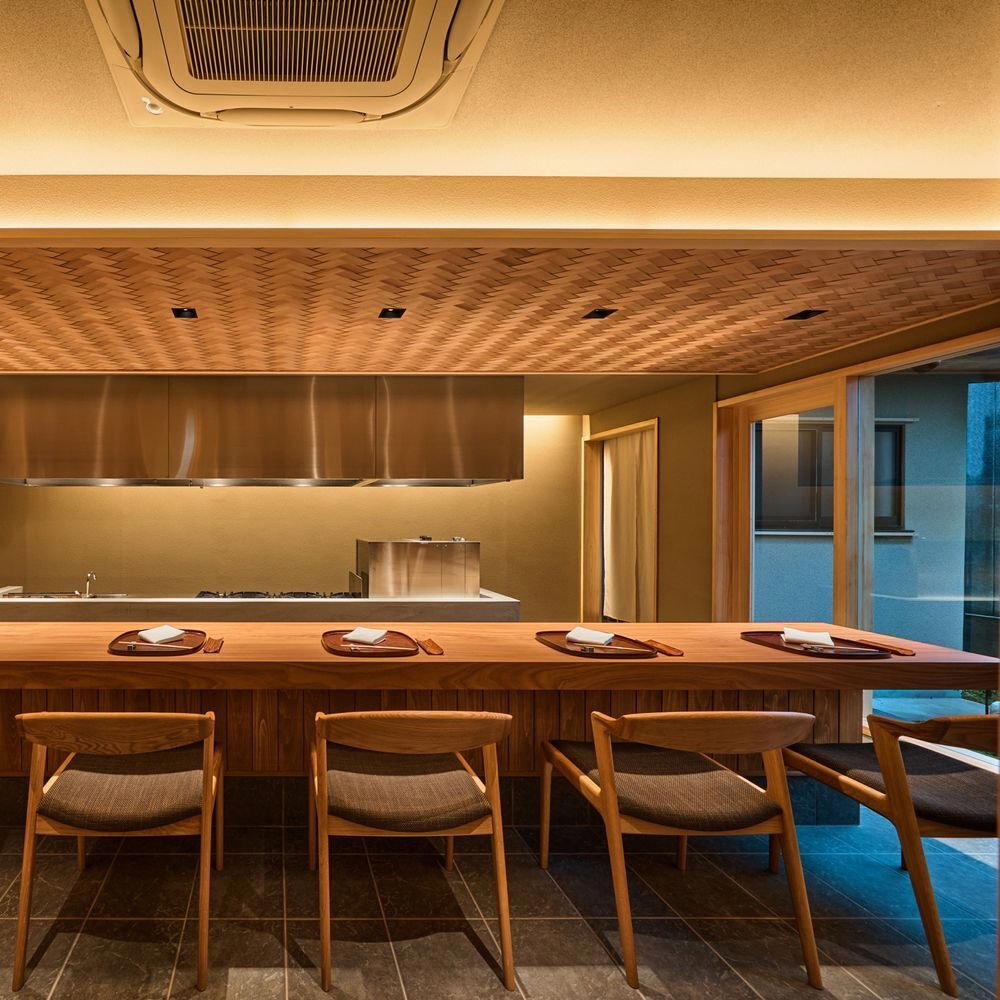
Where Neighbourhood Character Shapes the Plate
Most visitors to Kyoto's acclaimed restaurant scene gravitate south: toward Gion's kaiseki corridors, the machiya dining rooms of Higashiyama, or the dense concentration of Michelin-starred tables that line the Kamo River. Kita Ward operates differently. The northern residential reaches of the city, anchored by the plum-heavy precincts of Kitano Tenmangu shrine, carry a quieter dining identity, one built around local regulars, family-run kitchens, and ingredients that reference the landscape just outside the door rather than global supply chains. Tozentei belongs to this northern tradition.
The restaurant sits in Kita-ku, within walking distance of Kitano Tenmangu, the shrine complex dedicated to Sugawara no Michizane, the ninth-century scholar and statesman whose legendary affection for plum blossoms turned the tree into the shrine's defining symbol. That geographical adjacency is not incidental to what happens in the kitchen. The sourcing logic at a restaurant positioned this close to one of Kyoto's most plum-identified cultural sites has a kind of built-in coherence. The plum as flavour agent, the plum as local reference, the plum as seasonal marker: all three converge in a dish that has become closely associated with the kitchen here.
The Sourcing Logic Behind Tilefish and Plum
Across Kyoto's one-star Japanese dining tier, the differentiation between restaurants increasingly comes down to ingredient sourcing choices rather than technique alone. The technique is largely understood; the question is where the kitchen reaches for its raw materials and how those choices connect to place. At this price tier — ¥¥¥, sitting below the ¥¥¥¥ positioning of peers such as Gion Matayoshi, Isshisoden Nakamura, and Kenninji Gion Maruyama — the sourcing narrative is often the primary editorial statement a kitchen can make.
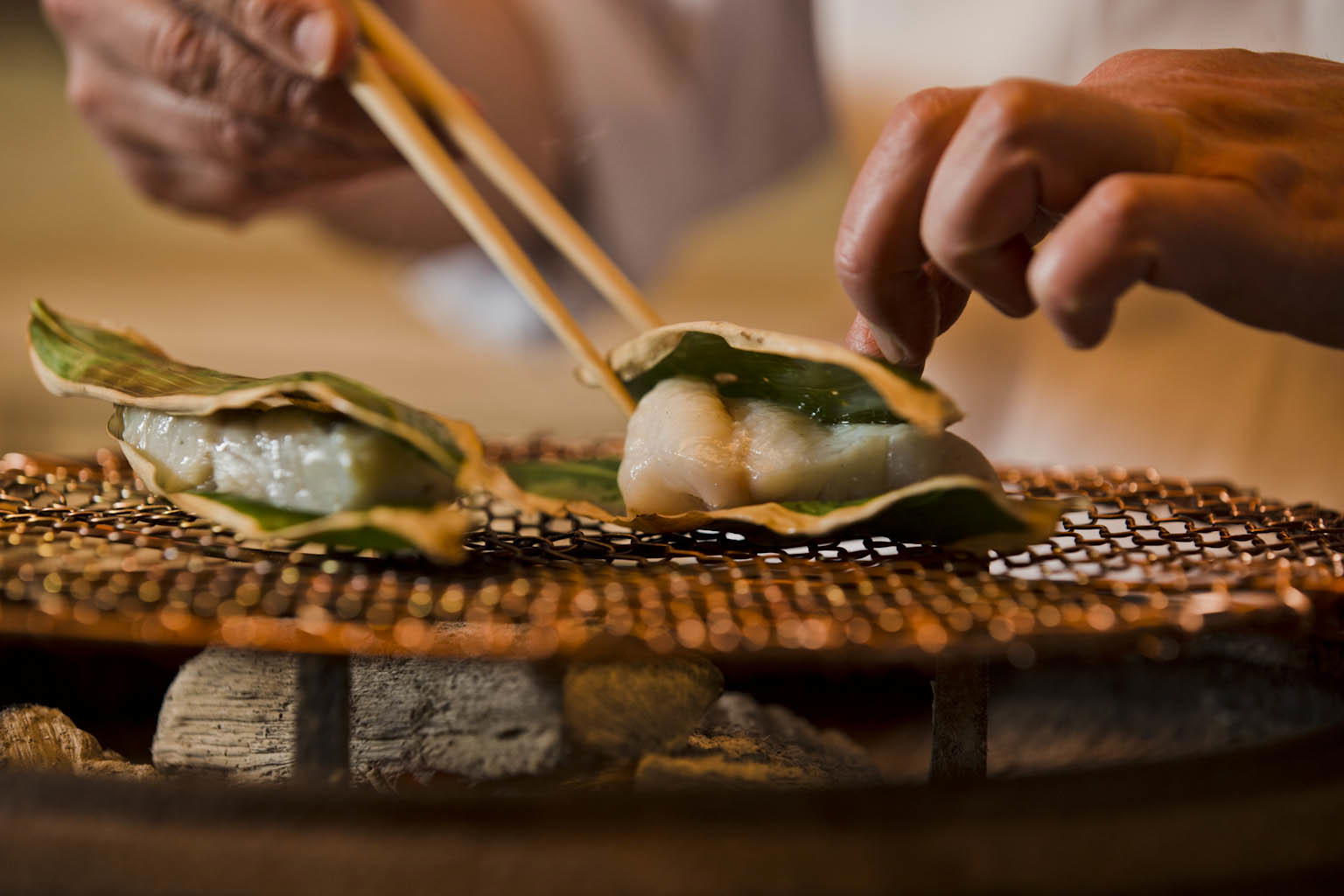
The tilefish steamed with plums and kombu makes that statement directly. Amadai, the Japanese tilefish, is among the most prized white fish in Kyoto-style cooking, its delicate, slightly sweet flesh well-suited to gentle steaming rather than aggressive heat. The dried plum introduces a tartness that cuts the richness of the fish without overwhelming it, while kombu provides the glutamate depth that underpins classical Japanese stock-making. What makes the combination more than a technique exercise is its specificity to this location: dried plums sourced in proximity to the shrine where Michizane's beloved plum trees still flower each February carry a cultural resonance that a generic supplier could not replicate. The dish is, in this sense, a statement about where the restaurant is, not merely what it can do.
This approach to ingredient sourcing as place-making connects Tozentei to a broader shift across Japan's serious independent restaurants, where the farm-to-counter or shrine-to-plate narrative has replaced the chef-as-auteur framing that dominated the early 2000s. You see the same logic at akordu in Nara, where regional produce grounds a European-trained kitchen, and at Goh in Fukuoka, where the Kyushu ingredient base shapes a contemporary Japanese form. The sourcing impulse is consistent even when the cuisine style shifts.
The Name, the Novel, and the Register of the Room
The name Tozentei is borrowed from a fictitious restaurant in a novel. 'Tozen' translates loosely as 'tipsy' , not drunk, but in that comfortable, slightly warm state where conversation flows and time loosens. The naming choice is deliberate and telling. A restaurant that could have named itself after the shrine, the plum, or a seasonal reference instead anchored its identity in a literary idea about pleasurable relaxation. This signals something about the intended register of the room.
Family-run restaurants in Japan occupy a distinct social position. They are neither the performative precision of a high-end kaiseki counter, where silence and ceremony dominate, nor the anonymous efficiency of a neighbourhood canteen. They carry a relational warmth , a sense that the people behind the pass know you, or want to. The Michelin assessment of Tozentei notes this quality explicitly, describing the atmosphere as evoking immersion in a cheerful TV drama or story, a reference that Japanese diners would immediately understand as code for a particular kind of familial ease. The fabric of human relations , to use the Michelin framing , is itself considered part of the dining proposition.
This is a different value proposition from what you encounter at, say, Kikunoi Roan or Kodaiji Jugyuan, where the formality of Kyoto kaiseki tradition sets the room's temperature. Tozentei operates in a register where the food is serious but the social contract is relaxed. That combination is rarer than it sounds in a city where starred dining often correlates with ceremony.
Seasonal Timing and the Plum Connection
The plum trees at Kitano Tenmangu bloom from late January through March, drawing significant visitor numbers to what is otherwise a quiet northern neighbourhood. The shrine's annual plum festival (Baika-sai) takes place on February 25th, the anniversary of Sugawara no Michizane's death, and the surrounding streets take on a different energy during this window. For anyone planning a visit to Tozentei, the late-winter plum season amplifies the restaurant's central sourcing narrative in a way no other time of year can match. Eating a plum-inflected dish while the shrine precincts outside are heavy with blossom is an exercise in culinary and cultural coherence that the summer or autumn months cannot replicate.
That said, the kitchen's seasonal intelligence is not limited to plum. Japanese cuisine at this level rotates around the rhythms of the lunar and solar calendars, with entirely different ingredient sets governing spring, summer, and autumn menus. The broader Japanese restaurant year means that what appears on the menu in April and what appears in October share almost no overlap. Visiting once locks you into one seasonal register; returning across different seasons gives a substantially different picture of the kitchen's range. For more on how Kyoto's dining year unfolds, see our full Kyoto restaurants guide.
Tozentei Within Kyoto's Starred Tier
Kyoto holds one of the densest concentrations of Michelin stars per capita of any city in the world. Within that context, the one-star tier covers substantial range: from formal kaiseki houses with centuries of lineage to contemporary Japanese kitchens with more personal formats. Tozentei's 2024 Michelin one-star and 4.9 Google rating across 99 reviews position it as a consistent performer, but its ¥¥¥ pricing and neighbourhood location place it in a distinct sub-category from the heavily touristed starred tables of central Kyoto.
For readers building a Kyoto itinerary with starred dining at its centre, the northern placement of Tozentei means it pairs naturally with a Kitano visit rather than a Gion evening. The restaurant's atmosphere and price point also make it a more accessible entry point into Kyoto's starred Japanese dining than the ¥¥¥¥ kaiseki counters that dominate the city's international reputation. Comparable serious Japanese cooking at different price registers and city positions can be found at Myojaku in Tokyo and Azabu Kadowaki in Tokyo, both of which operate in similarly intimate formats with place-rooted ingredient philosophies. Readers looking across Japan's broader fine dining tier may also want to reference Harutaka in Tokyo, HAJIME in Osaka, 1000 in Yokohama, and 6 in Okinawa for regional comparison points.
For planning beyond restaurants, our full Kyoto hotels guide, bars guide, wineries guide, and experiences guide cover the full scope of the city.
Planning Your Visit
Location: Kita Ward (Kita-ku), Kyoto, close to Kitano Tenmangu shrine. Cuisine: Japanese, family-run, seasonal. Price tier: ¥¥¥ (mid-to-upper range within Kyoto's starred tier, below the ¥¥¥¥ kaiseki houses). Recognition: Michelin one star (2024); Google rating 4.9 from 99 reviews. Reservations: No booking method is confirmed in available data; given the Michelin star and small family-run format, advance reservation through standard Kyoto booking platforms or direct contact is strongly advisable, particularly during the late-January to March plum season. Leading timing: Late January through March for the plum-inflected menu and Kitano Tenmangu blossom context; seasonal menu rotation means any visit captures a distinct moment in the kitchen's year.
Peers Worth Knowing
These are the closest comparables we have in our database for quick context.
| Venue | Cuisine | Price | Notes |
|---|---|---|---|
| Tozentei | Japanese | ¥¥¥ | This venue |
| Gion Sasaki | Kaiseki, Japanese | ¥¥¥¥ | Kaiseki, Japanese, ¥¥¥¥ |
| cenci | Italian | ¥¥¥ | Italian, ¥¥¥ |
| Ifuki | Kaiseki | ¥¥¥¥ | Kaiseki, ¥¥¥¥ |
| Kyokaiseki Kichisen | Japanese | ¥¥¥¥ | Japanese, ¥¥¥¥ |
| Kyo Seika | Chinese | ¥¥¥ | Chinese, ¥¥¥ |
Continue exploring
More in Kyoto
Restaurants in Kyoto
Browse all →

Bars in Kyoto
Browse all →

Hotels in Kyoto
Browse all →




Wineries in Kyoto
Browse all →
At a Glance
- Intimate
- Elegant
- Quiet
- Classic
- Hidden Gem
- Sophisticated
- Special Occasion
- Date Night
- Solo
- Chefs Counter
- Open Kitchen
- Historic Building
- Garden
- Sake Program
- Local Sourcing
- Garden
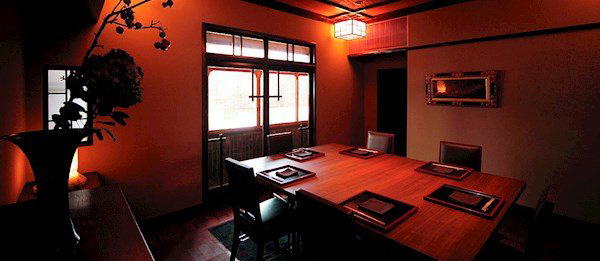
Intimate eight-seat counter in a renovated traditional Kyoto townhouse with tatami rooms, garden views, and dim lighting that creates a serene, cultural atmosphere.