
A family-run mansion on Hongji Middle Road where nostalgia is the design principle and tradition is the cooking method. The Woo's operates in the quieter register of Chengdu dining: cold appetisers and hot mains rooted in Sichuan convention, refined without abandoning their origins. The fried wild-caught yellow croaker buried in chillies and the sweet sticky rice dumplings with runny filling are the two dishes that explain why the table fills quickly.
Pearl is the En Primeur Club membership app — saves, bookings, and concierge access live there. Same editors, same standards.
- Address
- No. 17, 39 Hongji Middle Road, Jinjiang
- Phone
- +86 28 6527 2678
- Directions
- Get directions
 Saves & bookings on Pearl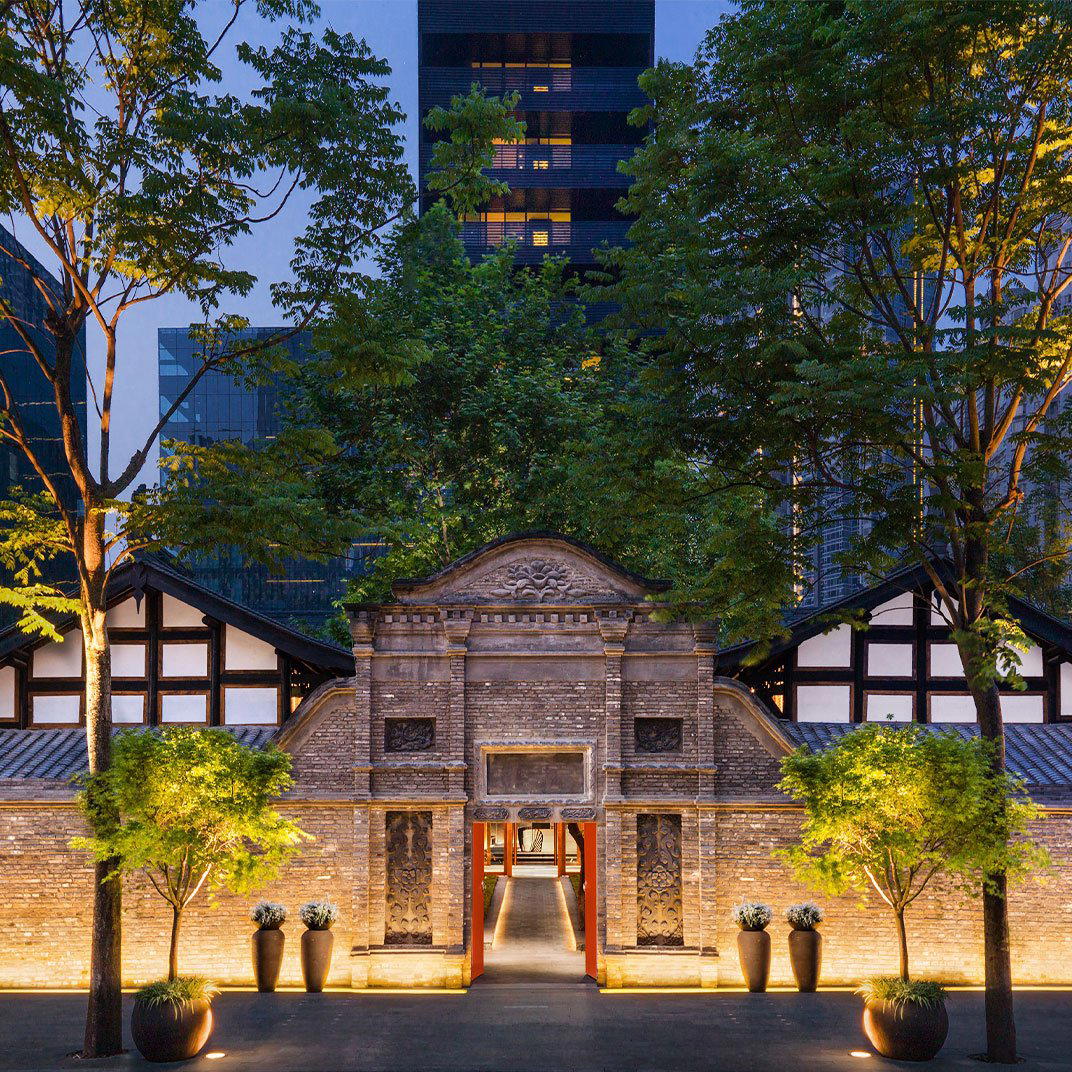
The Mansion Behind the Tree
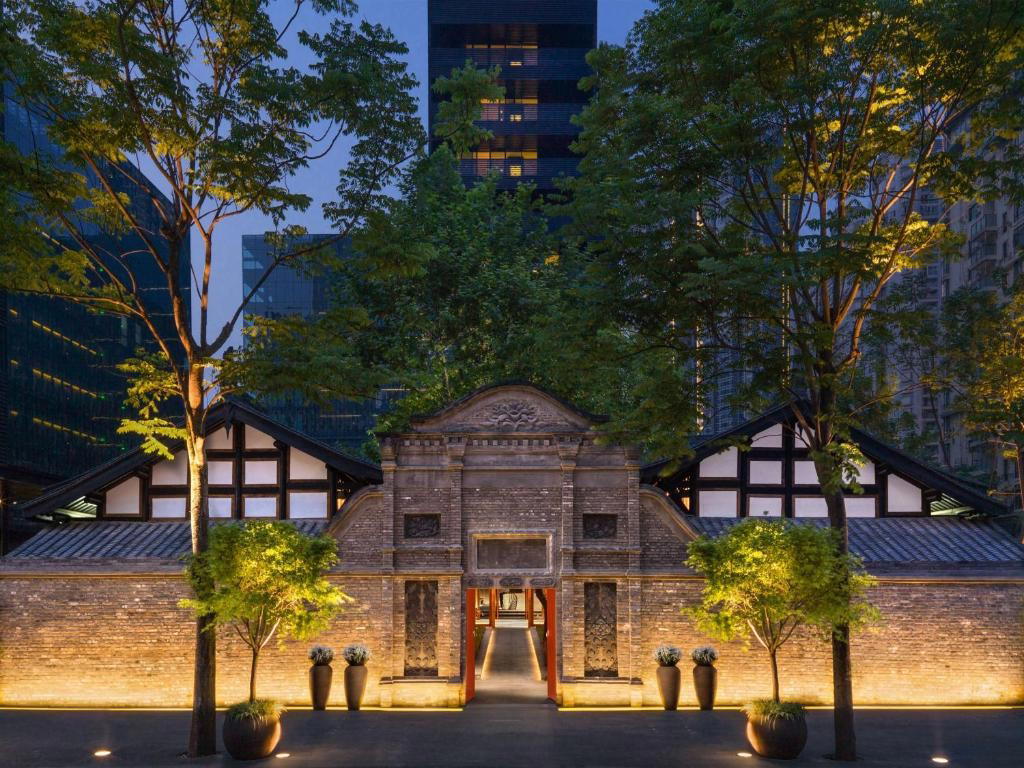
Chengdu's dining culture has always had two speeds: the loud, communal heat of street-side hotpot, and the quieter, more considered register of family-run houses where recipes travel across generations rather than across social media. The Woo's, occupying a mansion at No. 17, 39 Hongji Middle Road in Jinjiang, belongs firmly to the second category. A large tree obscures the building from the street, which means first-time visitors often walk past it twice. That small act of concealment is, in retrospect, fitting: this is not a restaurant that announces itself.
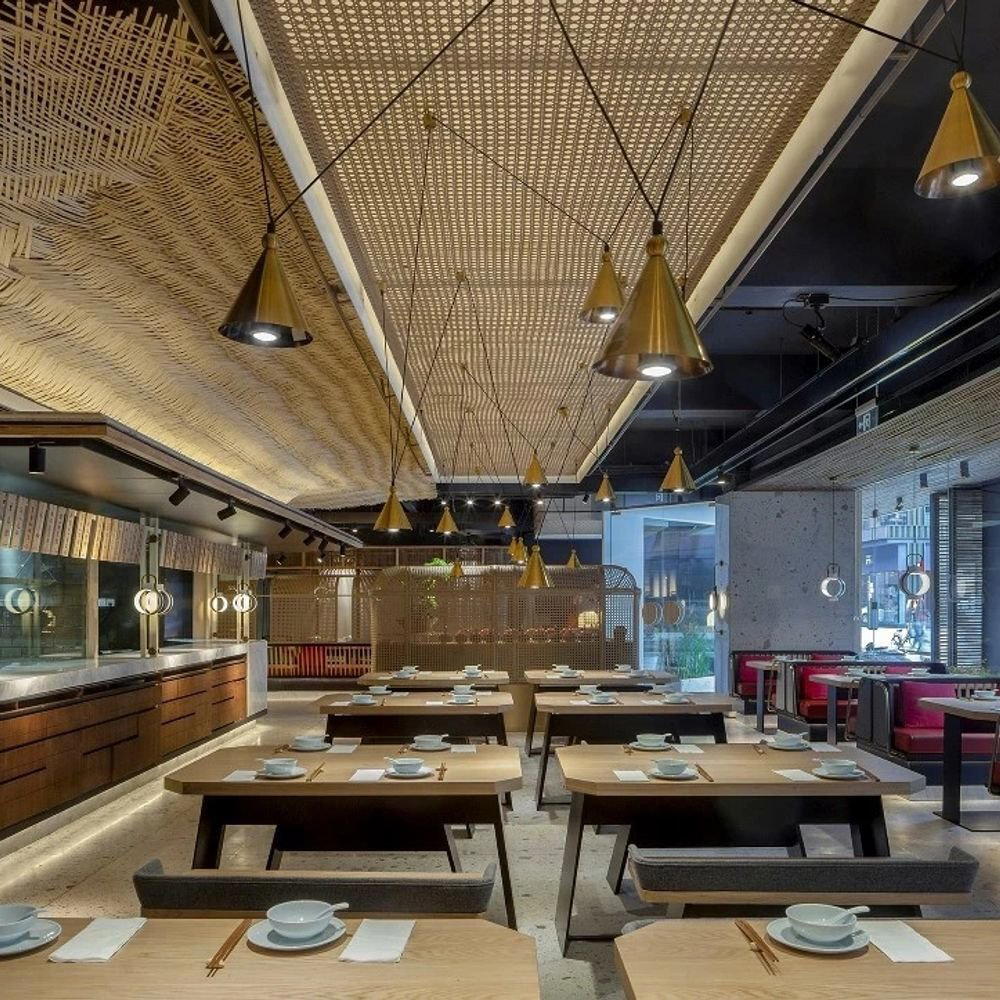
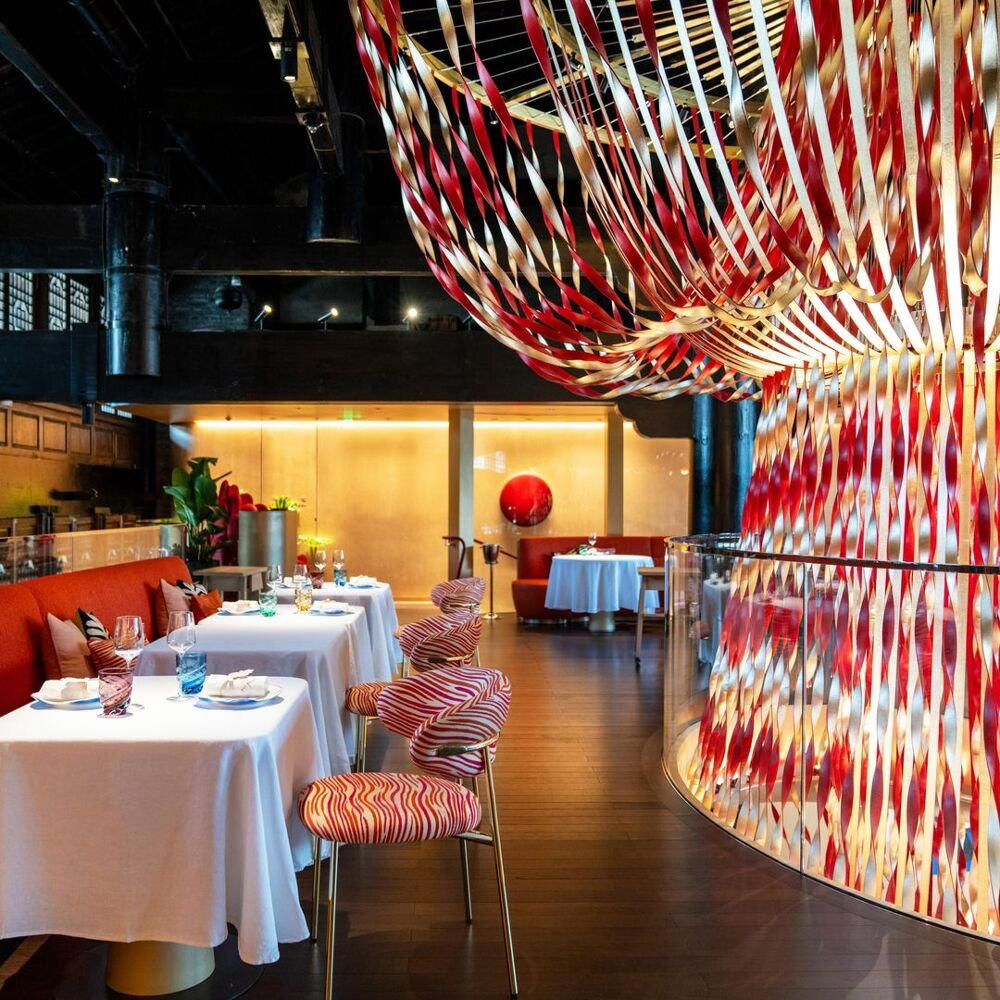
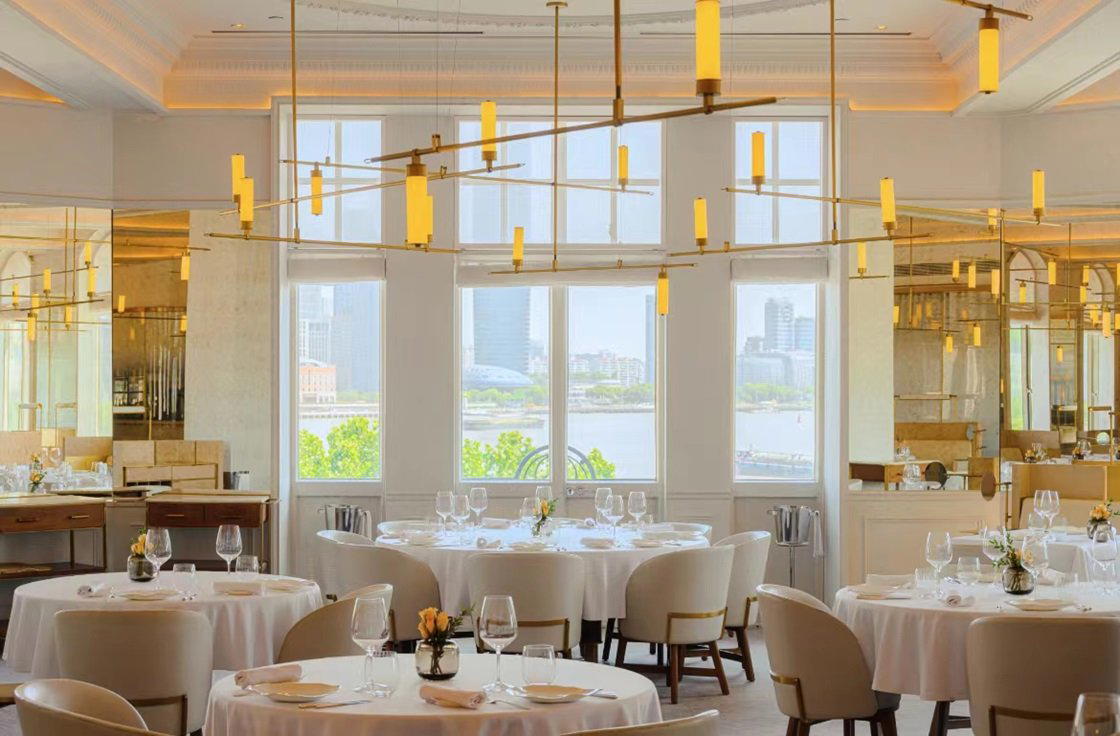
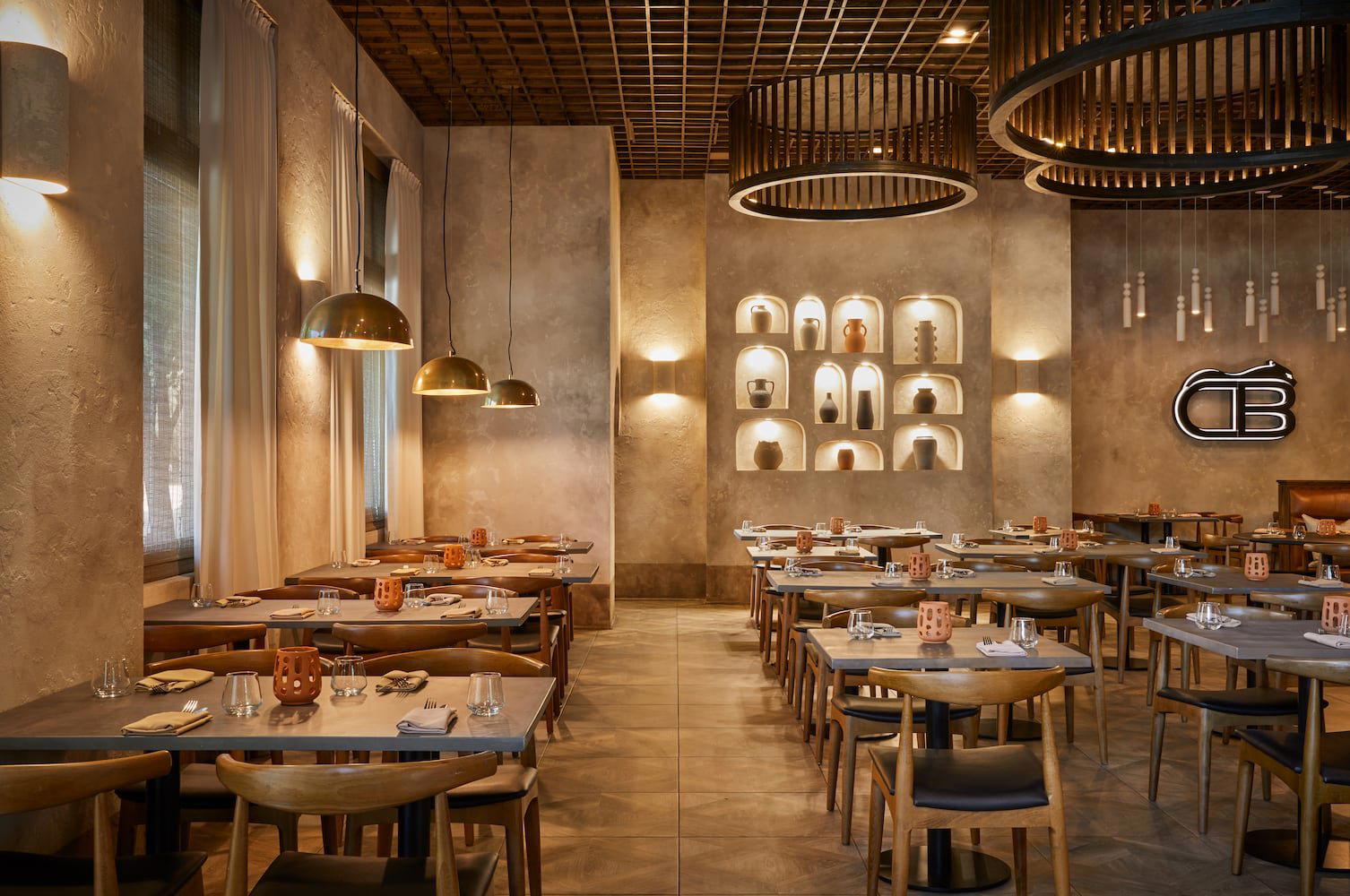
Inside, the space reads as cosy rather than grand, with interiors that carry deliberate hints of nostalgia. In a city where newer Sichuan restaurants often compete on scale and spectacle, the Jinjiang approach here is to make the room feel like it has already been lived in. The effect is less designed than inherited, which suits the food's own relationship with the past.
Tradition as a Working Method
Sichuan cuisine is among the more codified regional traditions in China, built on the interplay of mala (numbing heat), sour, and fermented flavours developed over centuries. Many restaurants in Chengdu's mid-to-upper tier, including the Taizhou-influenced cooking at Xin Rong Ji (Taizhou) and the refined presentations at Yu Zhi Lan (Sichuan), approach that tradition through a lens of contemporary technique and refined presentation. The Woo's occupies a different position in that comparable set: the kitchen uses tradition as a working method rather than a reference point, fine-tuning and modernising without departing from it.
The menu is structured around cold appetisers and hot mains, a format that mirrors Sichuan family dining conventions rather than any imported tasting-menu logic. Cold dishes in Chengdu function as both palate preparation and social preamble, arriving quickly and eaten communally while hotter courses assemble in the kitchen. The Woo's version of this format keeps that rhythm intact.
Among the hot mains, the fried wild-caught yellow croaker deserves close attention. The fish arrives buried under a mound of fried chillies, a presentation that recalls the textural bravado of classic Sichuan cooking, where the chilli is as much structural as it is flavouring. The flesh itself is described as silky and moist, with bold flavour that the kitchen has calibrated against alcohol pairing specifically. In the context of Chengdu dining, that pairing instinct matters: baijiu and local beers are not incidental to the meal here but part of how the dish is designed to be eaten. Comparable fish preparations at Sichuan houses in other cities, such as the seafood-forward approach at Xin Rong Ji (Xinyuan South Road) in Beijing or the more restrained plates at Ru Yuan in Hangzhou, tend toward cleaner separation of flavour. The Woo's version is layered and direct.
The meal closes with sweet sticky rice dumplings filled with a runny centre, a dessert that functions as a reset after the chilli-forward mains. The texture contrast between the glutinous rice exterior and the liquid filling is a technical point that matters: the filling must remain fluid enough to release on the first bite without the dumpling collapsing during cooking. That the kitchen executes this consistently across a cosy, family-run operation is a reliable signal of care.
How the Room Works
The editorial angle that works well for The Woo's is not any single dish but the coherence of the operation as a whole. In larger, more institutionalised Sichuan restaurants, the relationship between the kitchen, the floor, and the drink selection can fragment: front-of-house staff recite dishes from scripts, and the cooking arrives as individual performances rather than a coordinated meal. Family-run houses of the Woo's type tend to solve that problem naturally. When the people running the room and the people running the kitchen share the same set of priorities, the guest's experience of the meal as a single, continuous event rather than a sequence of separate courses becomes more likely.
That coherence is visible in how the menu is structured. The cold-to-hot arc, the calibration of the croaker against drink, the dessert as punctuation: these are choices that reflect a coordinated point of view about how a meal should move, not just what should be served. Restaurants at different price points across Chengdu, from the ¥¥ register of vegetarian houses to the ¥¥¥¥ tier occupied by Fang Xiang Jing (Sichuan) and Fu Rong Huang (Sichuan), achieve that coherence in different ways. The Woo's version is quieter and more domestic, but no less deliberate.
Planning Your Visit
The restaurant sits on Hongji Middle Road in Jinjiang District, one of the central residential and dining corridors of the city. The address is No. 17, 39 Hongji Middle Road. Given the modest scale of the space and the family-run model, tables are likely to be in demand at peak meal times, particularly evening service when the croaker and the dumplings draw repeat visitors. Arriving without a reservation is possible but carries risk. Reservations are essential.
Where It Fits
Comparable venues nearby, for context on price, style, and recognition.
| Venue | Cuisine | Price | Awards | Notes |
|---|---|---|---|---|
| The Woo's (Jinjiang)This venue — the venue you are viewing | Modern Sichuan | $$$ | Bib Gourmand | Not listed |
| Chanyue Vegetarian | Modern Sichuan Vegetarian | $$$ | Michelin Plate | Chengdushi |
| Xiang Shang Xiang | Refined Hunan Cuisine | $$$ | Michelin Plate | Chengdushi |
| Wu Yue Gong | Sichuanese Fusion Fine Dining | $$$ | Michelin Plate | Chengdushi |
| Nan Tang (Tianshun Road) | Sichuan Cuisine | $$$ | Michelin Plate | Chengdushi |
| Cuo Xia | Chaozhou Cuisine | $$ | Bib Gourmand | Chengdushi |
Recognition history
Dated appearances from independent guides and award organizations, with the underlying list record or original source where available.
Michelin Bib Gourmand
Michelin
Continue exploring
More in Chengdu
Restaurants in Chengdu
Browse all →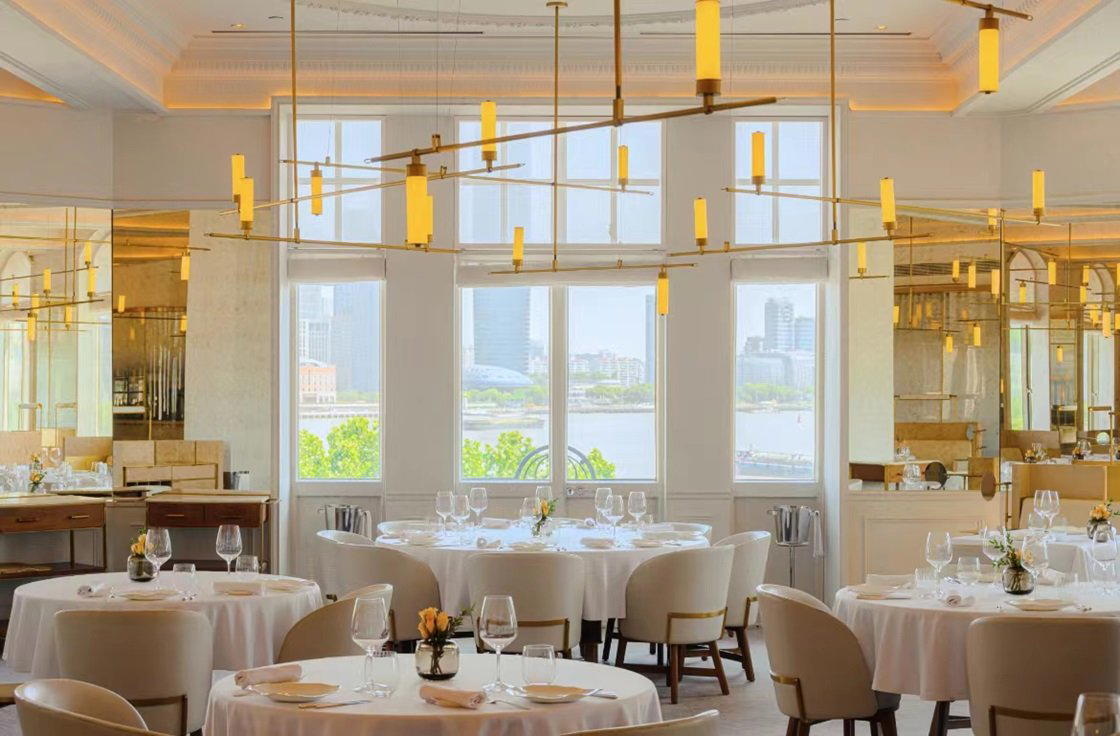
At a Glance
- Cozy
- Elegant
- Intimate
- Sophisticated
- Date Night
- Special Occasion
- Historic Building
- Extensive Wine List
- Local Sourcing
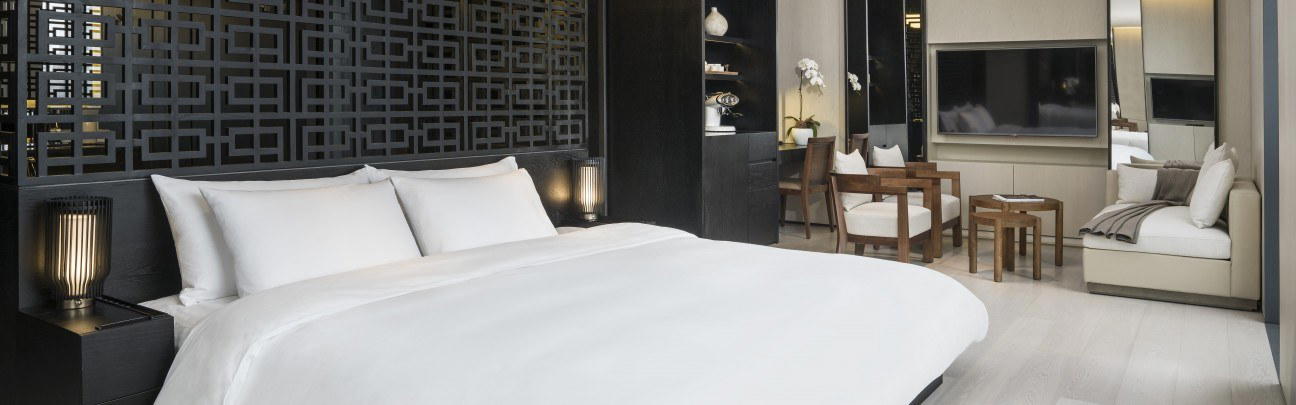
Cosy nostalgic space with soft light, textured plaster, dark wood latticework, and curated ceramics, creating a gentle hush for conversation.