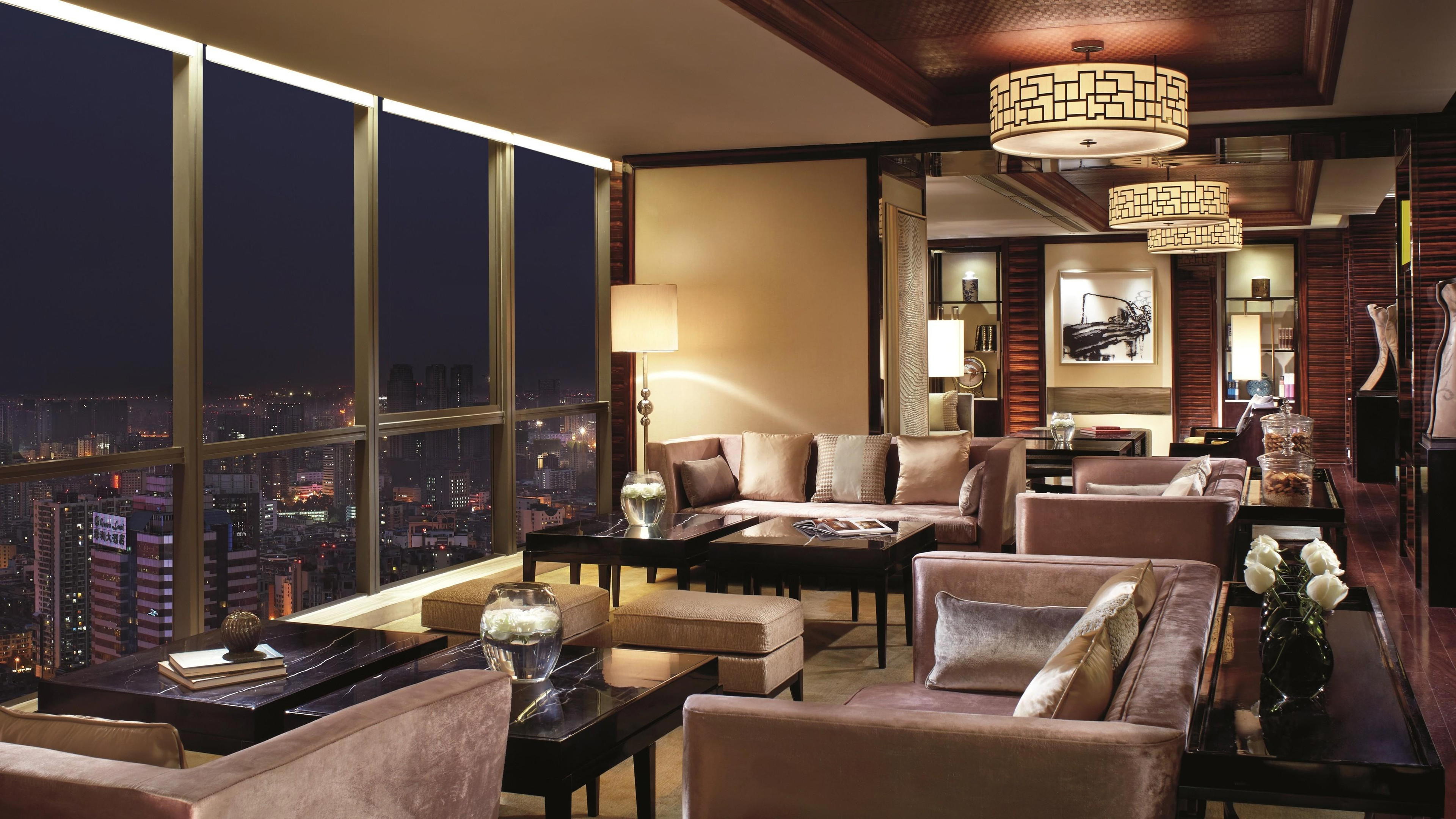
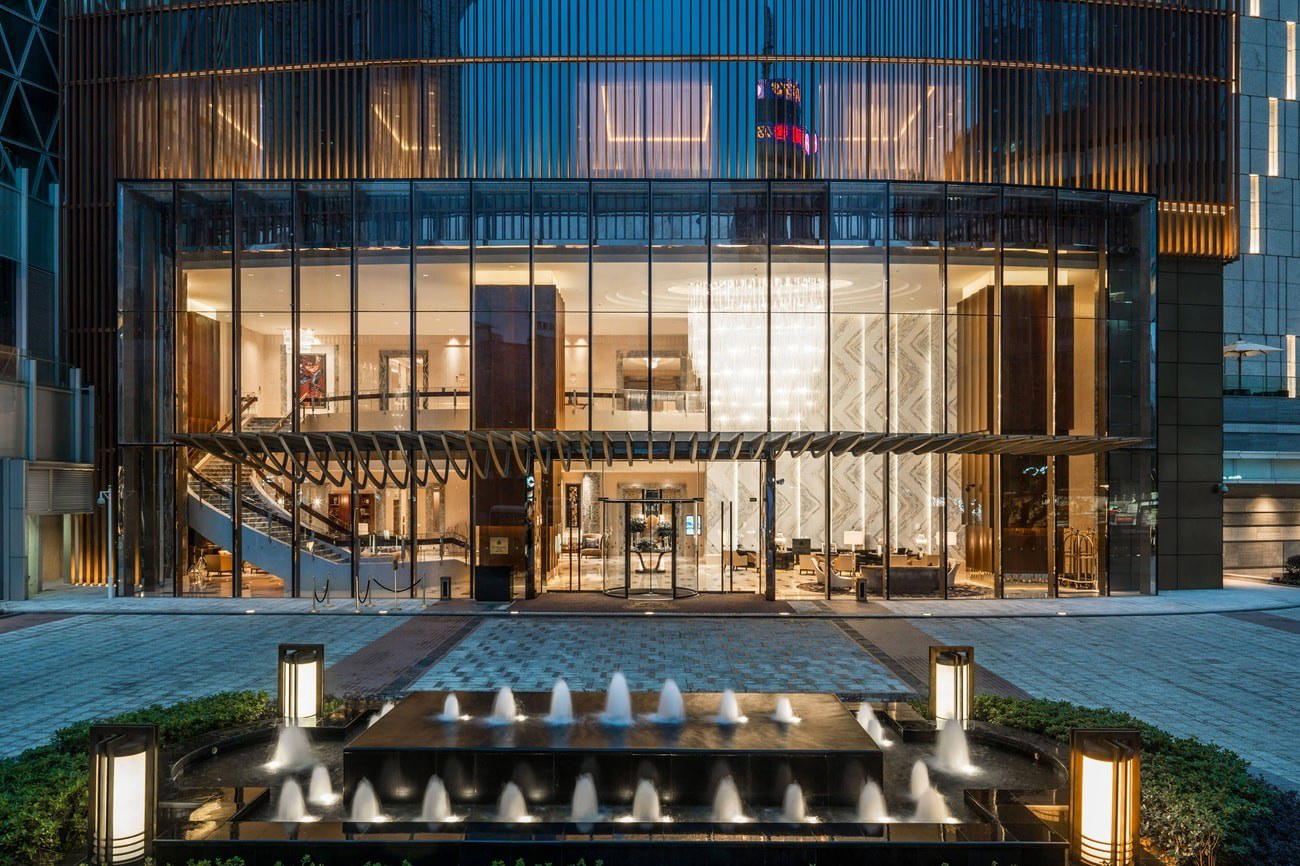
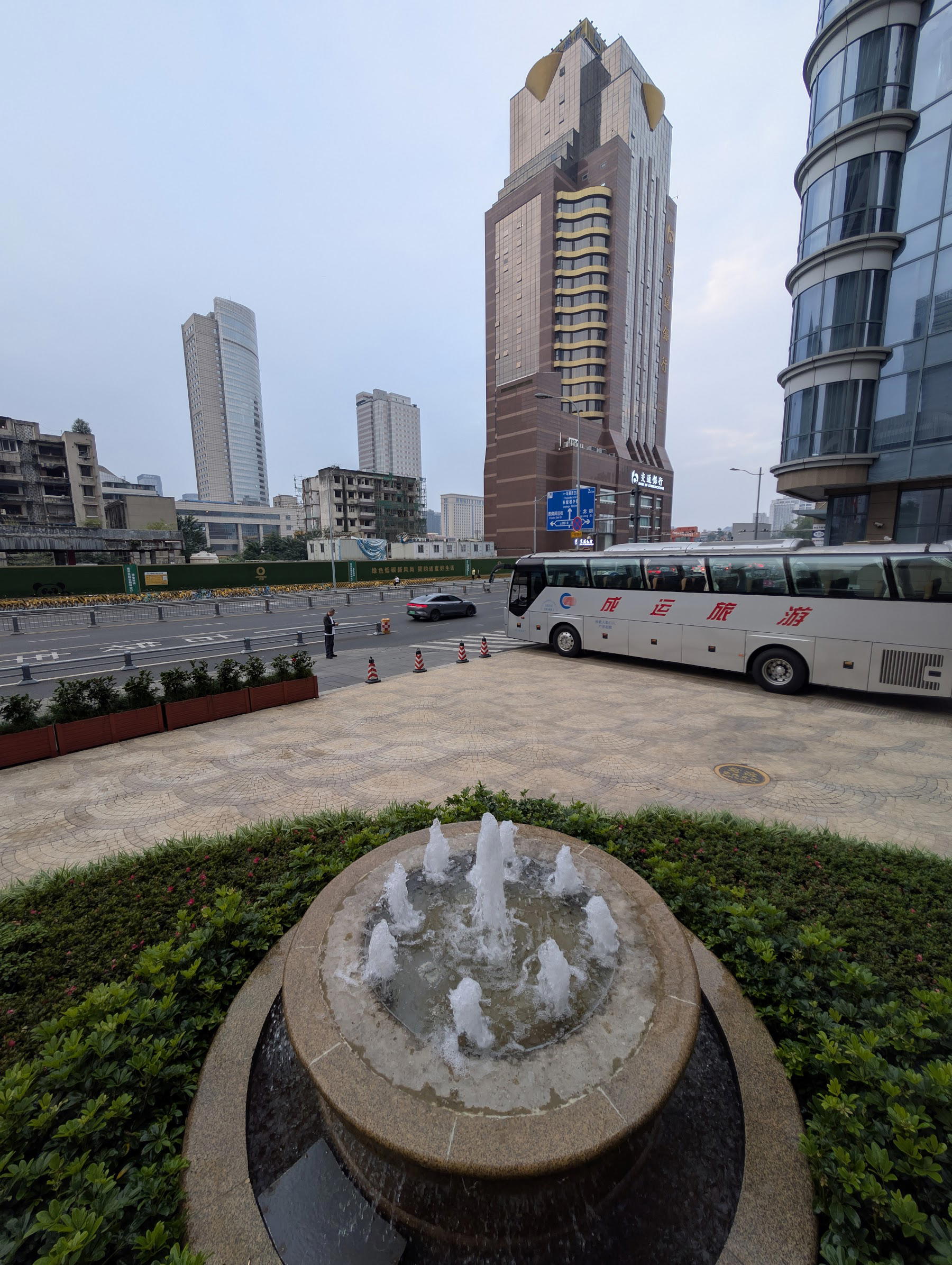
1 Michelin Star
Our verdict
A Michelin-starred Sichuan table in Chengdu's Wuhou District, Ma's Kitchen sits at the intersection of accessible pricing and serious technique. The ¥¥ price point places it among the more democratic entries in the city's starred tier, making it a reference point for understanding how high-heat wok cooking translates into a formal dining context in the cuisine's home city.

Pearl is the En Primeur Club membership app, where members save venues, book tables and use the concierge.
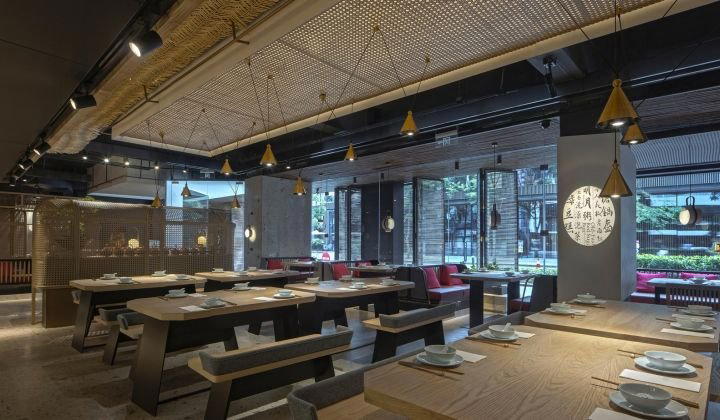
The menu
What to order
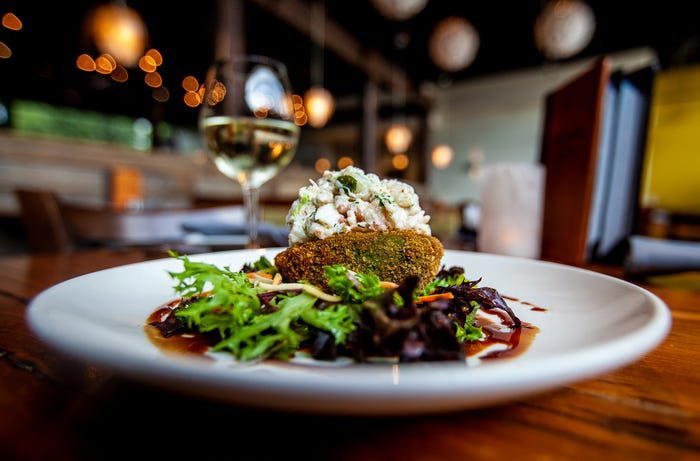
- Duck blood curd with pork offal
- Crispy fen zheng rou
- Kung pao eggplant shrimp balls
- Pork knuckle in spicy sauce
Where Wok Heat Meets the Wuhou Streets
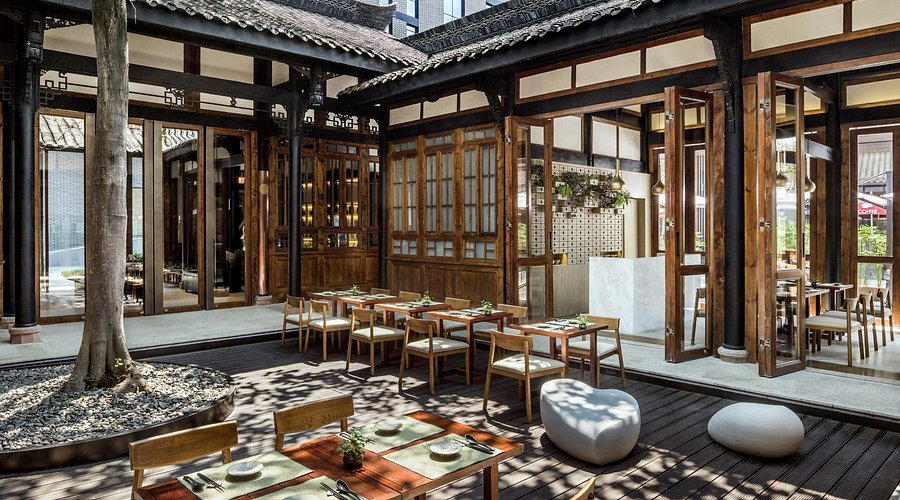
Wuhouci Street moves at the pace of a city that has always taken its food seriously. The stretch through Wuhou District carries the weight of Chengdu's culinary history, temples, teahouses, and the kind of neighbourhood eating that shaped the Sichuan canon before the world was paying attention. It is into this context that Ma's Kitchen sits, a Michelin one-star address that holds its ground not through spectacle but through the discipline of high-heat cooking executed with consistency. Arriving on Wuhouci Street, you are already inside one of China's most legible food cultures; the restaurant is an argument about how that culture can be formalised without being diluted.
The Technique Behind the Star
Sichuan cooking's claim on the global imagination rests substantially on the wok. The chemistry is specific: a seasoned wok at temperatures that most domestic hobs cannot reach, oil thrown in at the moment of highest heat, ingredients added in sequence measured in seconds. The Maillard reactions that produce wok hei, that smoky, slightly charred breath that lifts a dish beyond the sum of its seasoning, cannot be replicated by slower cooking or lower heat. It is this technical discipline that separates a kitchen running at genuine wok temperature from one producing a plausible imitation. In Chengdu's starred tier, that distinction matters, and Ma's Kitchen's 2024 Michelin recognition signals that the kitchen is operating on the right side of it.
The city's Michelin-starred Sichuan houses form a small but differentiated group. At one end, Yu Zhi Lan operates at ¥¥¥¥ pricing with a format that frames Sichuan cuisine through a highly refined, near-contemporary lens. At the other, Ma's Kitchen holds a ¥¥ price point, placing it in a different competitive set entirely. This is not a compromise position. In Chengdu, where the city's identity is inseparable from the idea that serious food does not require ceremony or expense, operating at ¥¥ with a Michelin star is its own editorial statement about what the cuisine can be when technique, not theatre, does the work.
Price Tier and What It Signals
The ¥¥ pricing at Ma's Kitchen is notable within Chengdu's starred cohort, but it is worth placing that in national context. Chinese cities have produced a range of starred tables that span the full price spectrum, from the ¥¥¥¥ precision of Xin Rong Ji (Xinyuan South Road) in Beijing to the more intimate propositions found in second-tier cities and culinary-heritage neighbourhoods. Closer to home, Chengdu's own Fang Xiang Jing and Fu Rong Huang each approach Sichuan cuisine from their own positions within the local price and format spectrum. What Ma's Kitchen contributes to that picture is a proof point: that the standards Michelin inspectors reward in Sichuan cooking can be met at a price accessible to the neighbourhood it occupies.
This matters for how visitors should think about sequencing their time in Chengdu. A dinner at Ma's Kitchen does not require the same planning commitment as a table at Silver Pot or Xu's Cuisine, both of which operate in more refined tiers and carry corresponding booking lead times. Ma's Kitchen occupies a position where the star credential and the accessible price create a practical case for visiting early in a Chengdu itinerary, as an orientation into what the city's cooking actually is, before moving into the higher-format houses.
Sichuan in Its Home City
There is a version of Sichuan cooking that has been exported, adapted, and absorbed into global Chinese restaurant culture. The numbing heat of Sichuan peppercorn, the broad-bean depth of doubanjiang, the layered aromatics of chilli oil, these flavours are now recognisable far outside Chengdu. But they are also frequently misrepresented, their edges softened or their balance shifted for markets that have not grown up eating at this temperature. Chengdu, as the origin city, offers a corrective. The flavour logic here is calibrated for people who have always eaten this way, and restaurants in the Wuhou District are not adjusting that calibration for outside tastes.
Across China, the conversation about regional cooking and formal recognition has developed rapidly. The Michelin Guide's expansion into mainland Chinese cities has created new reference points, 102 House in Shanghai, Ru Yuan in Hangzhou, Chef Tam's Seasons in Macau, Imperial Treasure Fine Chinese Cuisine in Guangzhou, and Dai Yuet Heen in Nanjing each represent how different regional traditions engage with that recognition framework. The question for Sichuan specifically is whether starred recognition changes the cooking or simply documents it. Ma's Kitchen, at its price point and in its neighbourhood, suggests the latter: the star follows the cooking, not the other way around. For Guangzhou-based Sichuan comparisons, Song and Yong both demonstrate how the cuisine travels; Ma's Kitchen is the argument for meeting it where it originated.
When to Go and How to Plan
Chengdu runs year-round as a food destination, but spring and autumn are the periods when the city is at its most manageable climatically and the local markets are running at full supply. The Wuhou District sees significant tourist traffic around major national holidays, which compresses availability at the city's better-known addresses. For Ma's Kitchen at ¥¥, the practical advice is to book ahead where possible rather than relying on walk-in availability, particularly during peak periods in April-May and September-October. The restaurant's Michelin status, earned in 2024, will have increased its visibility among both domestic food travellers and international visitors routing through Chengdu on broader China itineraries.
For visitors structuring a longer stay, the Wuhou District sits within reach of Chengdu's wider hospitality offer. Our full Chengdu restaurants guide maps the city's dining across price tiers and styles, while our full Chengdu hotels guide covers accommodation from the Wuhou neighbourhood outward. Those looking to extend beyond food will find our full Chengdu bars guide, our full Chengdu wineries guide, and our full Chengdu experiences guide useful for building a complete picture of the city's offer.
The Practical Case
Ma's Kitchen is bookable through conventional channels; given the 2024 star and the ¥¥ positioning, demand will likely outpace casual walk-in availability on weekends and during festival periods. The address on Wuhouci Street in Wuhou District places it centrally within the most historically dense part of Chengdu's food culture.
For visitors making the case between Chengdu's starred options, the decision is not simply about which restaurant to choose but what kind of Sichuan cooking they want to encounter first. Ma's Kitchen, operating at ¥¥ with a 2024 star in a district that has always defined Chengdu's culinary identity, is the argument for starting with the essential before moving to the elaborate.
Frequently asked questions
How much does it cost to eat at Ma's Kitchen?
Pricing at Ma's Kitchen is listed as ¥¥.
What cuisine category does Ma's Kitchen fall under?
What kind of recognition has Ma's Kitchen received?
Ma's Kitchen has received recognition including: Michelin 1 Star (2024).
What do people recommend at Ma's Kitchen?
The kitchen's reputation, confirmed by its 2024 Michelin star, is built on wok-driven Sichuan cooking: dishes where high-heat technique and the interplay of mala spicing are central rather than decorative. Given the ¥¥ price tier, the menu sits within reach of most visitors, which makes the starred recognition here more pointed than at Chengdu's higher-bracket peers. Specific dish details are best confirmed directly at the venue, as the menu can shift seasonally.
How do I find Ma's Kitchen?
Ma's Kitchen is located at J2QW+FGW, Wuhouci St, 武侯祠 Wuhou District, Chengdu, Sichuan, China, 610093, Chengdu.
Can I walk in to Ma's Kitchen?
Walk-ins are possible in principle, but the 2024 Michelin star at a ¥¥ price point is a combination that drives consistent demand at Wuhouci Street locations. Booking ahead is the practical approach, particularly on weekends and during Chengdu's peak travel seasons in spring and autumn. Arriving early on weekday lunchtimes gives the best chance of a table without a reservation.
Peers Worth Knowing
A quick peer check to anchor this venue’s price and recognition.
| Venue | Cuisine | Price | Awards | Notes |
|---|---|---|---|---|
| Ma's KitchenThis venue (the venue you are viewing) | Traditional Sichuan | $10–20 | 1 Michelin Star | Not listed |
| Xin Rong Ji | Taizhou | Not listed | Not listed | Not listed |
| Yu Zhi Lan | Modern Sichuan Fine Dining | $200–300 | 2 Michelin Stars · La Liste Top Restaurants | Sichuan |
| Mi Xun Teahouse | Modern Vegetarian Sichuan Chinese | $30–50 | 1 Michelin Star | Vegetarian |
| Chen Mapo Tofu (Qinghua Road) | Authentic Sichuan Mapo Tofu | $10–20 | Michelin Bib Gourmand | Sichuan |
| Co- | Modern French Tasting Menu | $150–200 | 1 Michelin Star · World's 50 Best #69 | Innovative |
Recognition history
Dated appearances from independent guides and award organizations, with the underlying list record or original source where available.
Michelin 1 Star
Michelin