
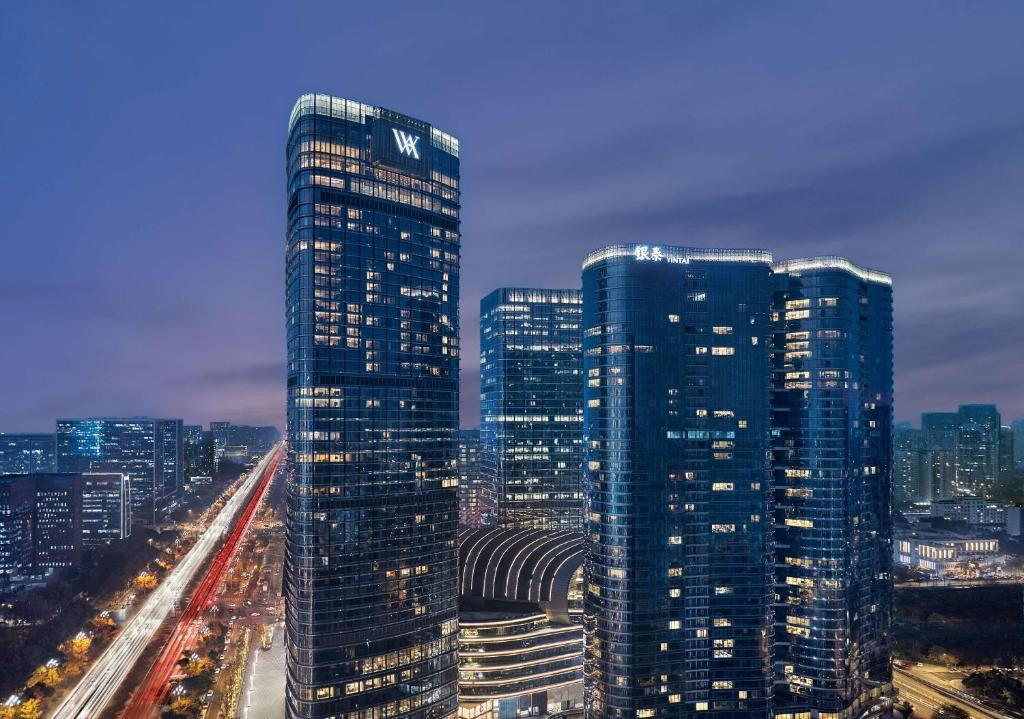
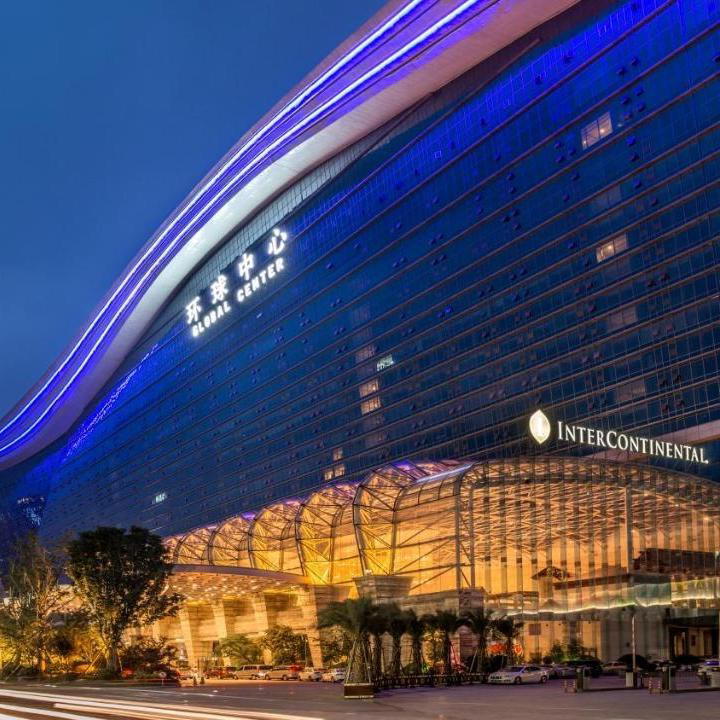
Mind sits inside Chengdu's Marriott on Shuxiu East Road and earned a Michelin Bib Gourmand in 2025, placing it among the city's recognised value tier for Sichuan cooking. The kitchen works across the ma-la spectrum, where Sichuan peppercorn and dried chilli coexist in calibrated ratios rather than brute force. For the price point, the recognition is notable in a city that takes its own cuisine seriously.
Pearl is the En Primeur Club membership app — saves, bookings, and concierge access live there. Same editors, same standards.
- Address
- China, Chengdu, CN 四川省 成都市 武侯区 蜀绣东路 99 995楼首座万豪酒店 邮政编码: 610094
- Phone
- +86 28 8808 8888
- Directions
- Get directions
 Saves & bookings on Pearl
Sichuan Cooking at the Value Tier: Where Ma-La Discipline Meets Accessible Pricing
Chengdu's dining spectrum runs from street-level mapo tofu at single-digit yuan per head to tasting-menu Sichuan at Yu Zhi Lan, where the price jumps to ¥¥¥¥ and the format shifts entirely. Between those poles sits a more contested tier: restaurants that apply genuine kitchen discipline to Sichuan's canonical flavour profiles without the ceremony, or the bill, of the leading end. Mind, located in the Marriott on Shuxiu East Road in Wuhou District, occupies that middle space and earned a Michelin Bib Gourmand in 2025 to confirm it.
The Bib Gourmand designation, which Michelin reserves for venues offering quality cooking at moderate prices, carries particular weight in Chengdu. A Bib here is not a consolation prize for venues that missed a star; it is recognition inside among the more competitive Sichuan cooking environments on the mainland. Mind's single-digit price range (¥) makes the 2025 recognition more pointed: the kitchen is working with cost constraints that most starred Sichuan venues do not have.
The Ma-La Spectrum and What Sichuan Cuisine Actually Asks of a Kitchen
The phrase ma-la, numbing and spicy, is used so freely in descriptions of Sichuan food that it has lost some precision. The two sensations are chemically distinct. The ma (麻) comes from Sichuan peppercorn, specifically the hydroxy-alpha-sanshool compound that produces a tingling paralysis of the lips and tongue. The la (辣) is capsaicin heat from dried chillies, typically facing heaven peppers (朝天椒) or the milder erjingtiao (二荆条). A skilled Sichuan kitchen does not simply apply both at volume; it calibrates the ratio for each dish, so that the numbing quality either amplifies or suppresses the perception of heat depending on the intended effect.
This is the technical dimension that separates Sichuan cooking from the tourist approximation of it. Dishes like shuizhu (水煮, literally boiled in water but floated in chilli oil) require the ma component to make the la bearable at high intensity. Cold dishes, where the fat base is sesame paste or sesame oil rather than chilli oil, use a lower ma ratio and a different heat register entirely. The canon runs to twenty-four official Sichuan flavour profiles, of which ma-la is only one. A kitchen that can move across that range, from the sweet-sour-spicy of lychee flavour (荔枝味) to the pure savoury depth of red-braised pork, is demonstrating breadth, not just heat tolerance.
Chengdu's recognised value-tier Sichuan houses, of which Mind is one, face a specific challenge: the city's diners grew up eating this food and carry a reference library of how it should taste. Cutting corners on the quality of peppercorn or chilli bean paste (doubanjiang, ideally from Pixian, aged for years in clay pots) is detectable immediately. The Bib Gourmand result suggests Mind is not cutting those corners.
Wuhou District and the Marriott Address
Wuhou District positions Mind differently from Chengdu's more tourist-facing dining clusters. The address on Shuxiu East Road places it within a commercial-residential zone rather than the historic lanes around Jinli or the density of Kuanzhai Alley, where visitor footfall shapes menus. Hotel restaurants in international chains in Chinese cities often operate on a different model from standalone addresses: they serve a mix of hotel guests and local diners, and the better ones use that stable revenue base to maintain kitchen consistency rather than chasing trend cycles.
The price point (¥) is low enough that this is not a hotel restaurant priced for expense-account convenience. At the Bib Gourmand tier in Chengdu, Mind competes with the city's established working-class Sichuan staples, a category that includes the kind of mapo tofu houses that have been operating for decades in the same location. That competitive set is demanding in a different way from the starred tier.
For practical orientation: the Wuhou address is accessible from central Chengdu but sits outside the immediate historic core. Visitors using the venue as part of a broader Chengdu dining itinerary should pair it with other Wuhou or south-city options rather than building it into a Jinli-area evening.
Where Mind Sits in Chengdu's Recognised Sichuan Range
Chengdu's Michelin-tracked Sichuan scene spans multiple price tiers with distinct formats. At the high end, Yu Zhi Lan operates at ¥¥¥¥ with a format that treats Sichuan cooking as a tasting-menu discipline. Silver Pot and Fu Rong Huang occupy the mid-to-upper range, where the cooking is formal and the room reflects that ambition. Fang Xiang Jing and Ma's Kitchen represent different positions in the accessible tier. Mind's Bib Gourmand at the ¥ price range places it at one accessible end of the recognised set, which is a specific editorial position: it is the venue that makes a case for Michelin-noted cooking without the spend threshold that the starred tier requires.
That positioning is relevant when comparing against Sichuan cooking recognised in other Chinese cities. Song, Sichuan in Guangzhou and Yong, Sichuan in Guangzhou represent how the cuisine translates outside its home province, typically at higher price points and for audiences less familiar with the reference standards. Eating Sichuan food in Chengdu at the ¥ tier with Bib recognition is a different exercise from eating it in a Guangzhou interpretation, and the gap is worth understanding before building a China dining itinerary.
Planning a Visit
Mind is located at 首座万豪酒店 (the Marriott), 995楼, Shuxiu East Road 99, Wuhou District, Chengdu, Sichuan, postcode 610094. The ¥ price range makes it accessible for multiple visits across a Chengdu stay. Mind is walk-in friendly, and the ¥ price tier keeps it accessible for repeat visits during a Chengdu stay.
The Essentials
Comparable venues nearby, for context on price, style, and recognition.
| Venue | Cuisine | Price | Notes |
|---|---|---|---|
| MindThis venue — the venue you are viewing | Chengdushi, Sichuan Noodles | $$ | Not listed |
| Hu Er Ge Yao Shan Ti Hua | Chengdushi, Sichuan | $$ | Not listed |
| Zeng Niu Rou (Qingyang) | Chengdushi, Sichuan Beef Specialties | $$ | Not listed |
| Guan Jin (Wuhou) | Not listed | $$ | Chengdushi, Sichuan Braised Fish & Regional Classics |
| Cuo Xia | Chengdushi, Chaozhou Cuisine | $$ | Not listed |
| Wu Ji Guai Wei Mian (Jinjiang) | Chengdushi, Sichuan-Style Noodles | $$ | Not listed |
Recognition history
Dated appearances from independent guides and award organizations, with the underlying list record or original source where available.
Michelin Bib Gourmand
Michelin
Continue exploring
More in Chengdu
Restaurants in Chengdu
Browse all →
At a Glance
- Cozy
- Minimalist
- Casual Hangout
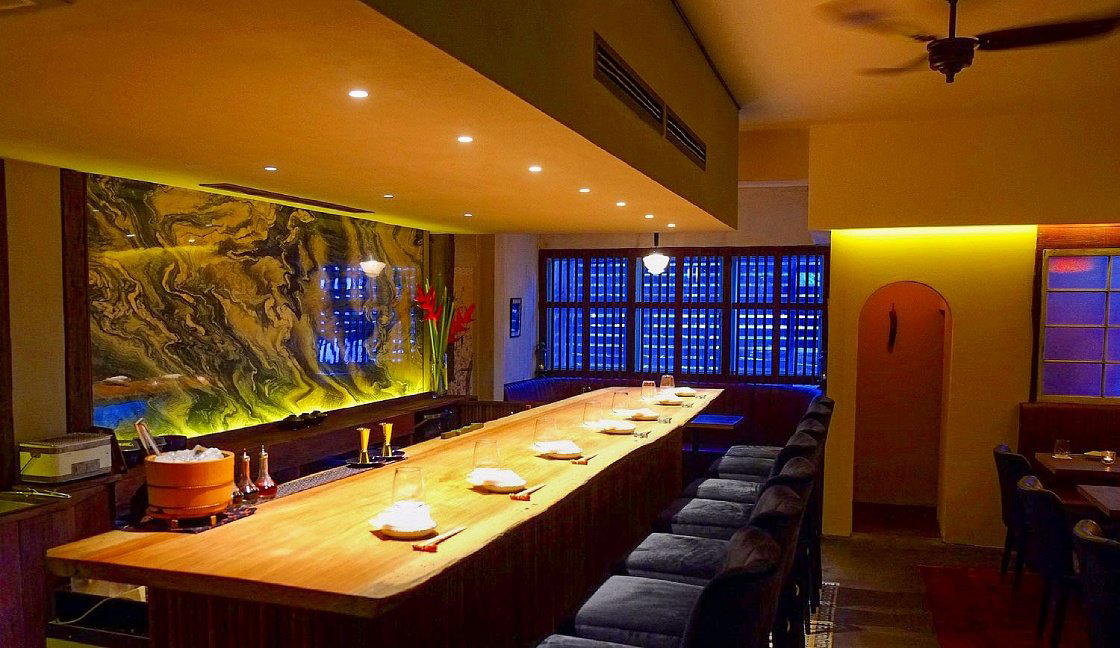
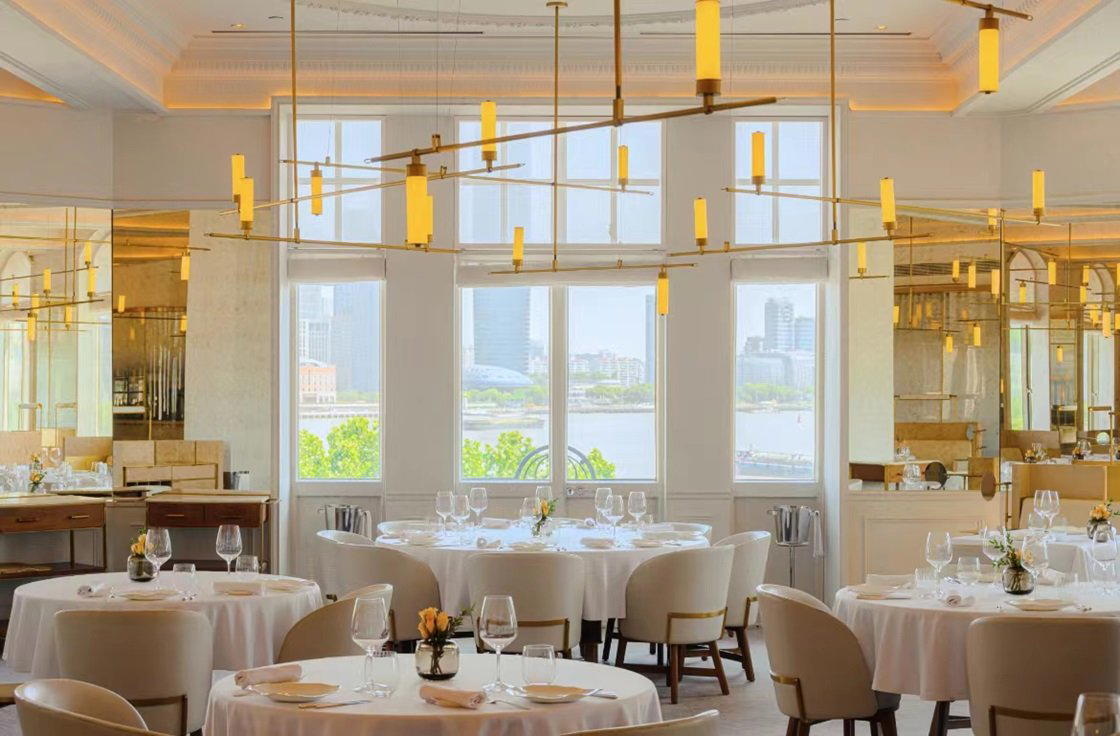
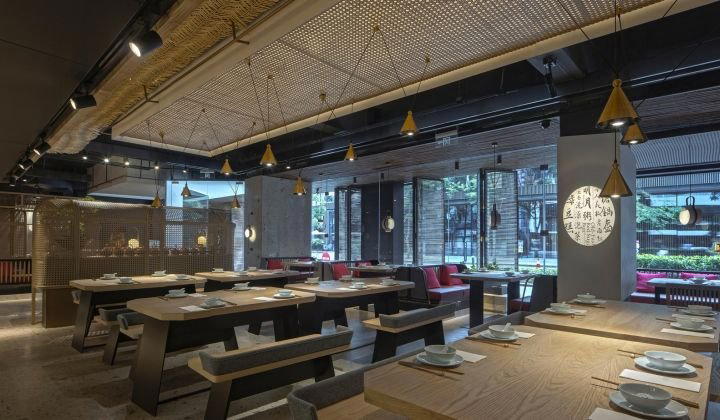
Clean, simple, mindful atmosphere in a small shop encouraging slow savoring.