


1 Michelin Star · SCMP 100 Top Tables Restaurants
Our verdict
Song brings Sichuan cooking to Guangzhou's Tianhe district with two consecutive Michelin stars (2024 and 2025) and a price point that sits a tier below the city's premium Cantonese houses. Chef Robin Song's kitchen operates inside Grandview Plaza's east tower, placing refined spice-forward cuisine in a commercial hub that increasingly defines Guangzhou's contemporary dining scene.

Pearl is the En Primeur Club membership app, where members save venues, book tables and use the concierge.
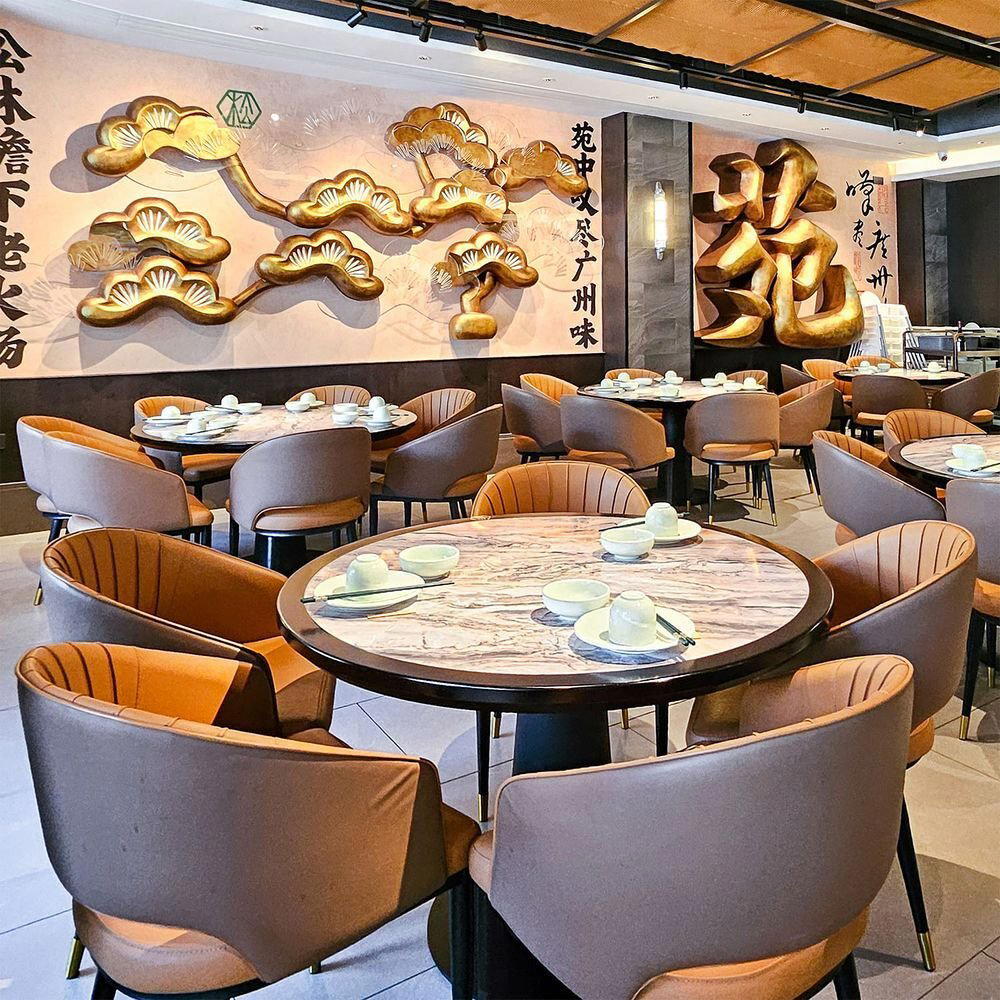
The menu
What to order
- Jujube wood-roasted 42-day Peking duck
- Spicy boiled tiger grouper
- Spicy crab
- Mapo tofu with foie gras
- Sichuan noodles
Sichuan in a Cantonese City
Guangzhou is, above all else, a Cantonese city. Its culinary identity runs deep: the dim sum carts, the clear-broth soups, the reverence for ingredient purity over bold seasoning. Against that backdrop, a Michelin-starred Sichuan kitchen earning back-to-back recognition in 2024 and 2025 is not a footnote. It signals something about where the city's appetite is moving. The Sichuan genre, long associated with Chengdu and Chongqing, has been consolidating a serious presence in southern China's first-tier cities, and Song, at the fourth floor of Grandview Plaza's east tower in Tianhe, sits at that intersection.
The Sichuan-in-Guangzhou dynamic has parallels elsewhere in China. In cities where local culinary traditions dominate, Sichuan restaurants that earn recognition tend to do so by adapting their register, moderating heat and numbing spice to meet a palate accustomed to subtler flavours, while retaining the structural logic of Sichuan technique. Whether Song follows that model of adjustment or maintains an uncompromising Sichuan vocabulary is the critical question for visitors arriving from a Cantonese frame of reference. Compared with Chengdu's dedicated Sichuan specialists, including Yu Zhi Lan and Fang Xiang Jing, Song operates in a different competitive environment, where novelty and regional contrast are part of its appeal.
The Setting: Tianhe's Commercial Dining Tier
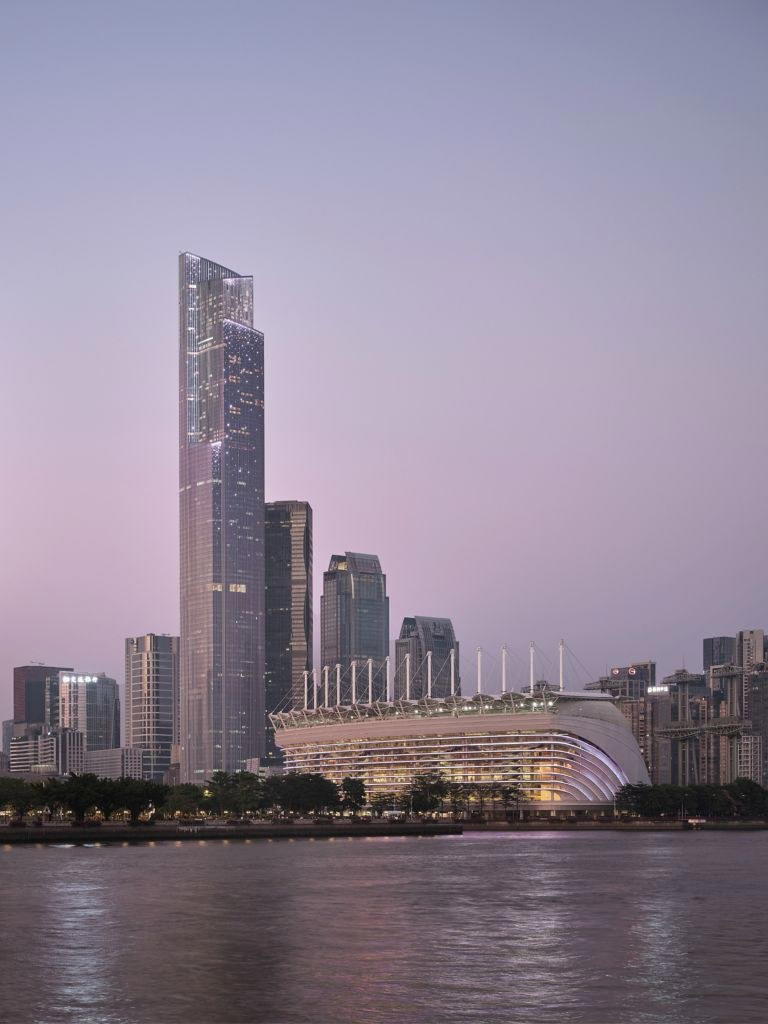
Grandview Plaza occupies a prominent position in Tianhe, the district that has become Guangzhou's de facto centre of gravity for upmarket dining and retail. Shopping-mall dining has shed its stigma across Chinese first-tier cities over the past decade; the model allows restaurants to operate without the overhead of street-level premises while drawing foot traffic from a pre-qualified spending demographic. Song's fourth-floor address follows that pattern. The physical approach is through the mall's east tower, and the dining room sits inside a context of controlled commercial architecture rather than a heritage lane or converted warehouse.
That setting places Song in a peer group that includes several other Michelin-recognised addresses in Tianhe, though few at the same cuisine category. The ¥¥ price positioning is worth noting in context: it sits below the ¥¥¥ bracket occupied by venues such as Imperial Treasure Fine Chinese Cuisine and Jiang by Chef Fei, making Song one of the more accessible starred kitchens in the city on a per-head basis. For visitors building a Guangzhou itinerary across multiple starred meals, that accessibility matters.
Tea as Framework, Not Afterthought
In the context of Sichuan dining, tea occupies a different structural role than it does in Cantonese or Hangzhou traditions. Sichuan teahouse culture, the gaiwan in the courtyard, the hours-long social ritual, is one of the defining civic institutions of Chengdu. When Sichuan cooking moves into a formal restaurant register, particularly at starred level, the question of how tea is integrated becomes an editorial one: is it a perfunctory list at the back of the menu, or does it function as a genuine counterpart to the food?
The case for tea as pairing medium is particularly strong with Sichuan flavour profiles. The ma (numbing) and la (spicy) combination that defines the cuisine creates a specific palate challenge: sustained heat and anaesthetic tingle accumulate across a meal in ways that alcohol often amplifies rather than resolves. A well-chosen tea, a Sichuan-grown Mengding Ganlu during lighter courses, a roasted Wuyi rock oolong alongside richer, spiced preparations, can reset and clarify the palate without competing with the food's dominant registers. Guangzhou's own tea culture, rooted in Cantonese yum cha, gives the city a sophisticated tea-drinking public that understands the functional dimension of tea beyond mere refreshment.
At venues operating in this tier across China, tea programmes have evolved considerably. Ru Yuan in Hangzhou and 102 House in Shanghai both illustrate how tea pairing at the higher end of Chinese fine dining has shifted from a background amenity to a front-of-house narrative. Song's starred position in a tea-literate city creates conditions where a considered programme makes competitive sense, though the specific execution at this venue is something to verify directly when booking.
Chef Robin Song and the Sichuan Lineage in Context
The Michelin guide's two consecutive starred recognitions, in the 2024 and 2025 Guangzhou editions, confirm Song's position within the city's top tier of non-Cantonese kitchens. Chef Robin Song is the named driver of that recognition, but the more useful frame is what a two-year Michelin hold means for a Sichuan address in a Cantonese market. It signals consistency, not just novelty, and consistency is harder to maintain when your cuisine is operating against the grain of local expectation. The starred cohort in Guangzhou skews heavily Cantonese, which means Song's hold is a categorical outlier, and outliers at this level require genuine kitchen discipline to maintain.
For comparison, the Sichuan category in Chengdu itself commands a different kind of scrutiny from the Michelin inspectors, who are evaluating against a much denser field of specialists. In Guangzhou, Song is being assessed partly on how well it represents the cuisine to an audience less steeped in its conventions. That dual standard, ambassador and specialist simultaneously, is a particular pressure that shapes how kitchens in this position construct their menus and pace their service.
Planning a Visit
Song is located at 4th Floor, Unit 417, Grandview Plaza East Tower, 16 Zhujiang East Road, Tianhe District, Guangzhou (广东省广州市天河区珠江东路16号高德置地广场冬广场4层417号). The venue sits within the Tianhe commercial corridor, accessible from several metro lines serving the Pearl River New Town area. Given the Michelin recognition and the relative scarcity of starred Sichuan addresses in Guangzhou, advance booking is advisable, particularly for weekend evenings. Phone and online booking details are best confirmed through the venue directly or via the mall's concierge service. The ¥¥ price range places a meal here below the threshold of the city's most expensive starred rooms, though exact per-head spend will depend on beverage selection.
Visitors combining Song with other Guangzhou dining can reasonably pair it with Cantonese addresses in the same district or cross-reference with the EP Club city guide. Yong and Ease (Yuexiu) represent different quadrants of the contemporary Guangzhou scene, while Xing Fu Yi Zhan provides a contrasting casual register. For a broader itinerary across the Pearl River Delta, Chef Tam's Seasons in Macau is a natural extension for visitors with time to cross the border.
The wider EP Club China network also maps Sichuan excellence at its source: Xin Rong Ji in Chengdu and the Chengdu specialists noted above offer a calibration point for how Song's version of the cuisine reads against its home ground. For comparable positioning in other Chinese cities, Xin Rong Ji in Beijing and Dai Yuet Heen in Nanjing illustrate how regional cuisines hold starred status in non-native markets. The full EP Club city guides for restaurants, hotels, bars, wineries, and experiences in Guangzhou cover the broader city picture.
Frequently asked questions
What do people recommend at Song?
Song holds a Michelin star for 2024 and 2025, with Jiang by Chef Fei and Imperial Treasure Fine Chinese Cuisine representing Guangzhou's Cantonese starred tier for comparison. Chef Robin Song leads the kitchen, and the Sichuan cuisine focus makes Song a distinct choice within a city whose Michelin list is otherwise dominated by Cantonese and Teochew addresses. Given the absence of publicly available menu data, specific dish recommendations are leading sourced from recent diner reviews or directly at the time of booking. What the recognition confirms is that the kitchen is operating at a consistent level across two inspection cycles, which is the more reliable signal than any single dish recommendation.
Comparable Spots
| Venue | Cuisine | Price | Awards | Notes |
|---|---|---|---|---|
| SongThis venue (the venue you are viewing) | Modern Sichuan Cuisine | $150–200 | 1 Michelin Star · SCMP 100 Top Tables Restaurants | Not listed |
| Imperial Treasure Fine Chinese Cuisine | Fine Cantonese Cuisine | Not listed | 2 Michelin Stars · La Liste Top Restaurants | Cantonese |
| Taian Table | Modern European with Asian Influences | $300–500 | 3 Michelin Stars · La Liste Top Restaurants | Modern European, European Contemporary |
| Chōwa | Franco-Japanese Fusion | $150–200 | 1 Michelin Star · The Best Chef Two Knives | Innovative |
| Imperial Treasure Fine Teochew Cuisine | Fine Teochew Cuisine | Not listed | 1 Michelin Star · La Liste Top Restaurants | Chao Zhou |
| Rêver | Modern French Fine Dining with Cantonese Influences | Not listed | 1 Michelin Star · The Best Chef One Knife | French Contemporary |
Recognition history
Dated appearances from independent guides and award organizations, with the underlying list record or original source where available.
Michelin 1 Star
Michelin
Opinionated About Dining Top Restaurants in Asia Recommended
Opinionated About Dining
SCMP 100 Top Tables Restaurants
SCMP 100 Top Tables
Full recognition history (4 entries)
Michelin 1 Star
Michelin
Continue exploring
More in Guangzhou
Restaurants in Guangzhou
All restaurants in Guangzhou →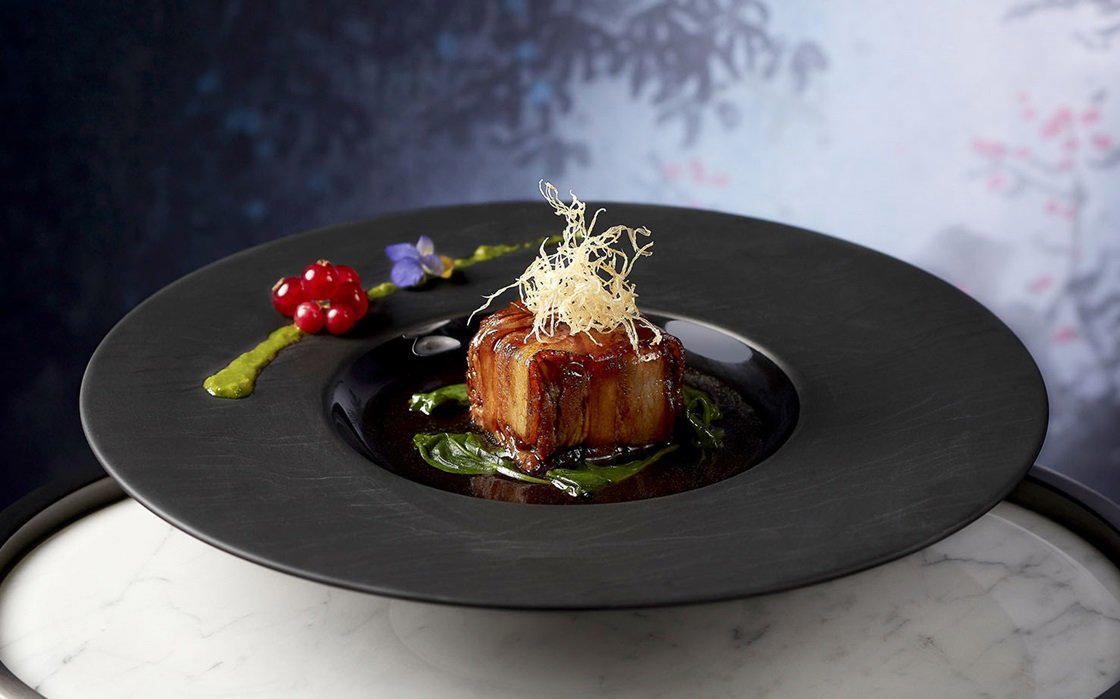
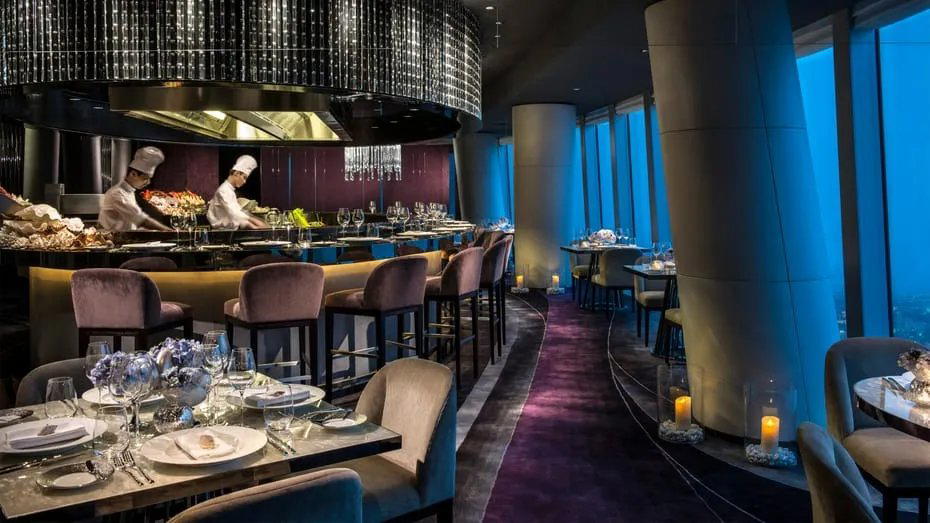
Bars in Guangzhou
All bars in Guangzhou →
Details
- Elegant
- Modern
- Sophisticated
- Business Dinner
- Date Night
- Special Occasion
- Group Dining
- Open Kitchen
- Design Destination
- Craft Cocktails
- Beer Program
- A La Carte
- Family Style
- Cocktails
- Beer
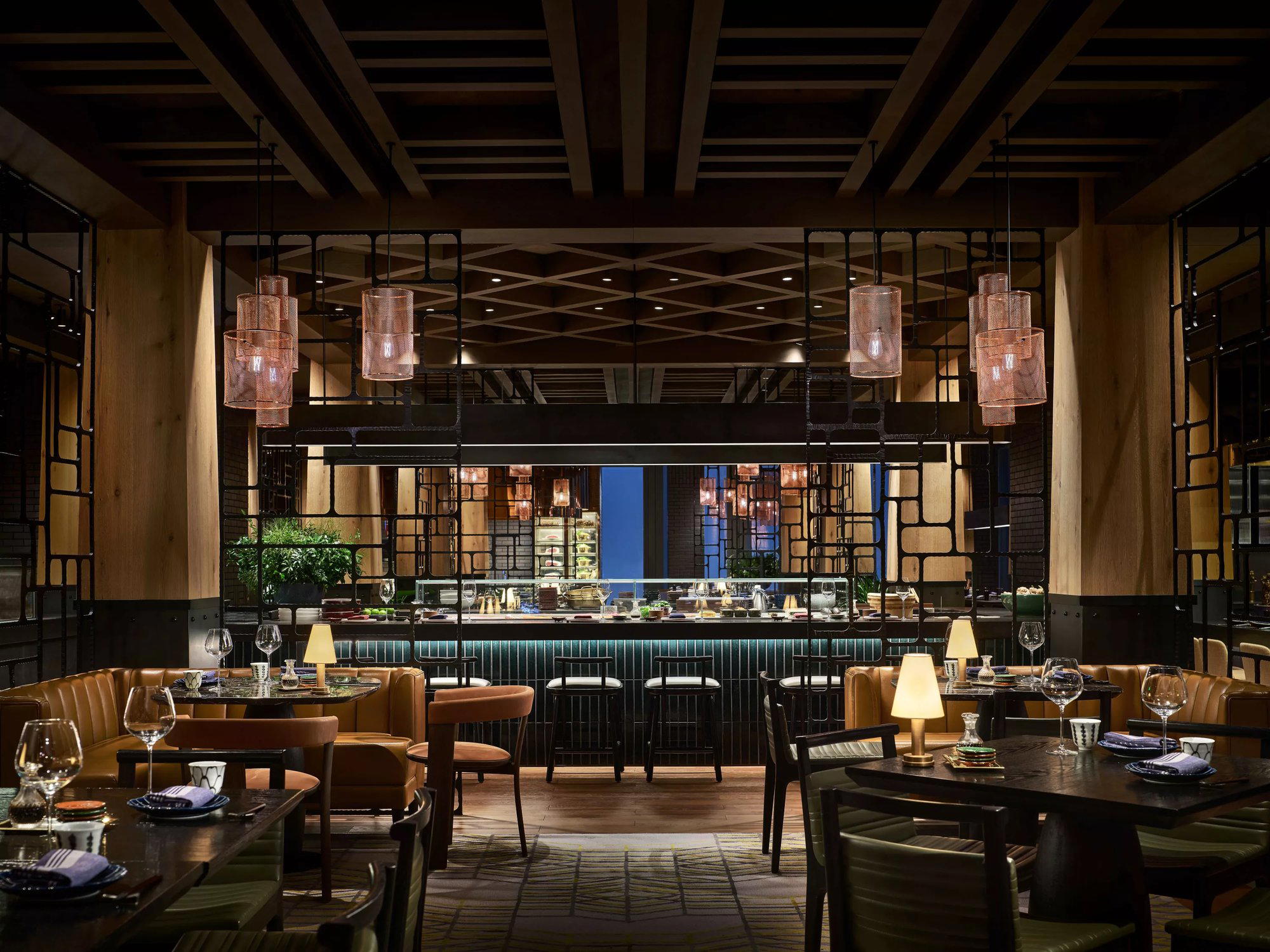
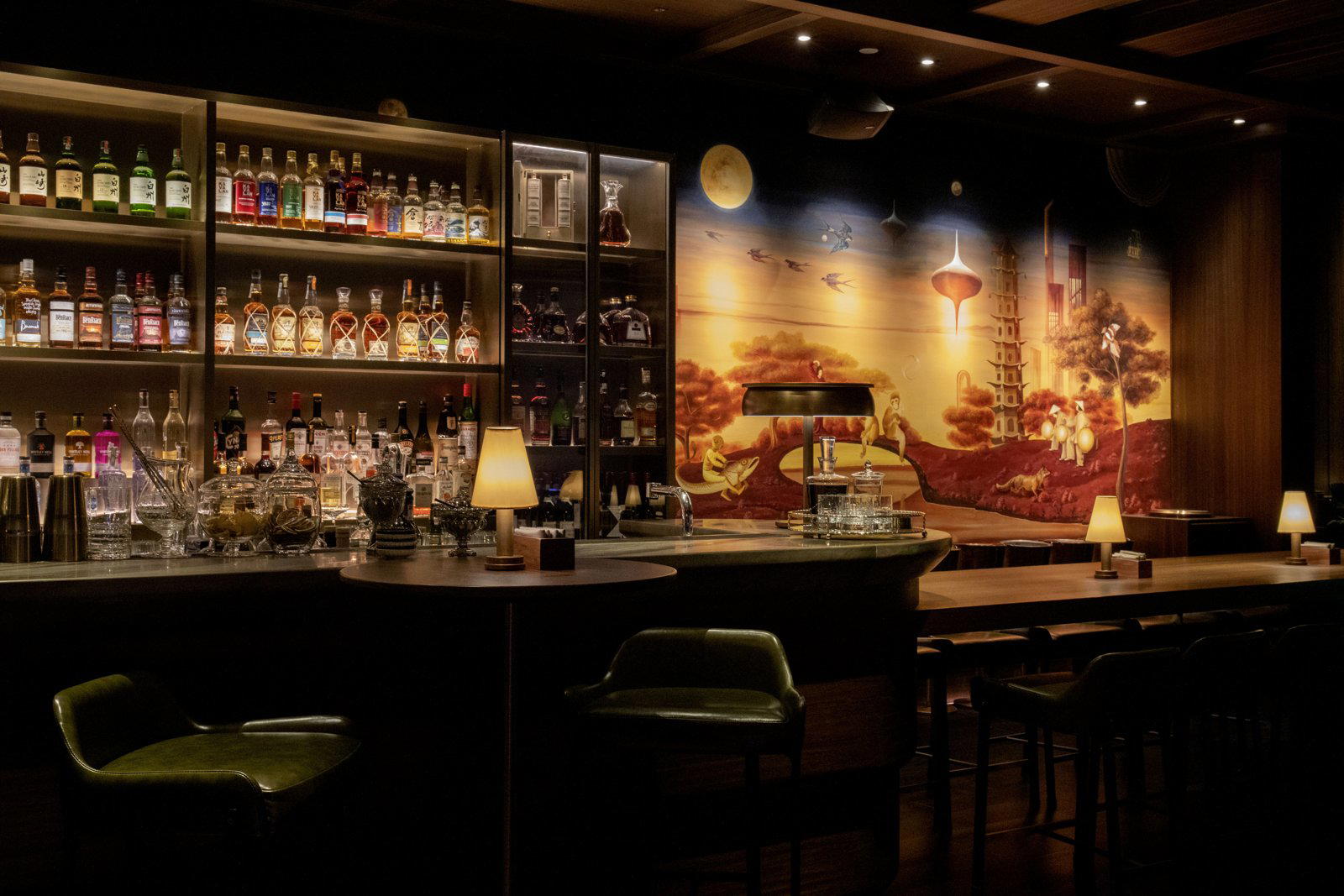
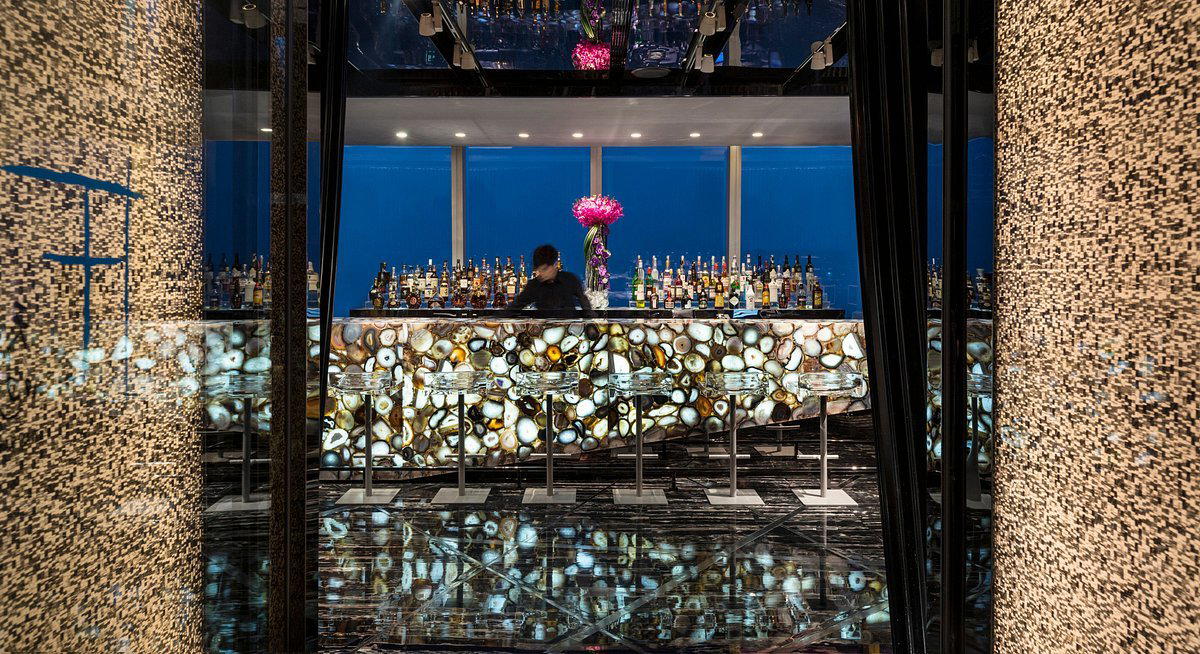
Modern luxury with traditional Chinese elements; dimly lit with stainless steel pillars, mirrored ceilings, and glass-feathered architectural installations creating an ethereal, theatrical atmosphere.