

1 Michelin Star · Black Pearl 1 Diamond
Our verdict
Silver Pot places Chengdu’s Sichuan tradition in a polished, high-heat register: serious enough for Michelin and Black Pearl attention, but still rooted in the speed, fragrance, and control that define the city’s cooking. The room’s collected-travel character gives the meal a broader frame, while the strongest reason to go remains the kitchen’s handling of Sichuanese technique rather than spectacle.

Pearl is the En Primeur Club membership app — saves, bookings, and concierge access live there. Same editors, same standards.
The menu
What to order
- Roast pigeon smoked with Sichuan pepper leaves
- Caviar crab meat salad
- Low temperature slow cooking Russian scallops
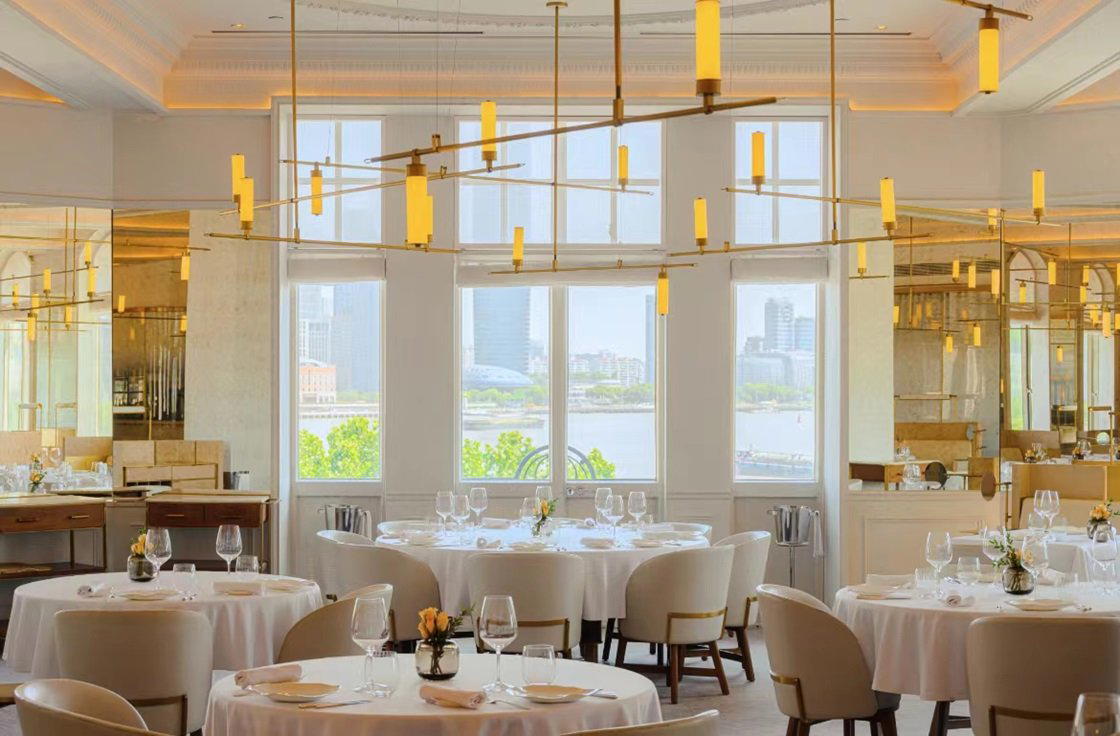
Silver Pot does not read as minimalism. The dining room has space, personality, and the eccentric confidence of a place unwilling to reduce Sichuan cooking to a red-oil stereotype. Owner-collected travel souvenirs set the visual rhythm; the sharper story is on the table: a Chengdu kitchen using high heat, smoke, chile, peppercorn, knife work, and timing with the precision that separates accomplished Sichuan cooking from mere intensity.
Chengdu’s serious Sichuan restaurants span legacy addresses built around canonical dishes, banquet rooms with formal service, and newer kitchens translating local technique for diners comparing Chengdu with other major Chinese and international dining circuits. Silver Pot sits in that polished Chengdu tier, with Michelin one-star recognition in 2024 and Black one-diamond recognition in 2025 and 2026. Those signals matter because Sichuan cuisine is often misread outside China as heat alone. At this level, the benchmark is control: how quickly fragrance is released, how cleanly smoke is handled, how chile supports rather than buries, and whether numbing spice lands as structure rather than volume.
High heat is the point, not the decoration
The assigned frame is wok and flame, and it suits the restaurant. Sichuan cooking depends on compression: aromatics hit hot oil, seasoning decisions happen fast, and texture can move from taut to tired in seconds. Chengdu’s better kitchens know mala is only one tool in a grammar of pickling, smoking, dry-frying, steaming, cold slicing, and disciplined stock. Silver Pot’s reputation rests on that wider grammar, not a single-note performance of chile heat.
The clearest example is roast pigeon smoked with Sichuan pepper leaves, cited in Black commentary and a neat explanation of the restaurant’s level. Pigeon is unforgiving; smoke can dominate, skin can soften, and peppercorn can become blunt. Bird, smoke, and pepper leaf point to a Sichuan register aromatic before it is aggressive. Cold appetisers, including lamp-shadow sliced grass carp, show a kitchen comfortable with texture and knife work before the wok enters the conversation.
That matters in Chengdu, where famous dishes easily become shorthand. Familiar Sichuan classics travel as names, but the city’s dining culture is built on smaller judgments: oil clarity, the lift of fermented bean paste, the timing of garlic shoots, the snap of a cold dish, the way heat builds and releases. Silver Pot occupies the more formal end of that conversation, where the question is not authenticity as theatre, but whether technique remains legible in a more polished room.
Chengdu's polished Sichuan tier has range
The useful comparison is within Chengdu, not against generic fine dining. Xu's Cuisine and Silver Pot can be read alongside Nian Feng Restaurant, Rongle Garden, Ting Yuan 399 (Jinjiang), and Silver Cottage as part of the city’s broader recognised dining field. That spread shows Chengdu’s Sichuan dining is not one category; it runs from neighborhood comfort to formal rooms where sourcing, pacing, and service shape the experience as much as spice level.
Silver Pot’s position is interesting because it does not abandon Chengdu’s local language. The owner’s global collecting and ingredient interest give the room and sourcing a broader outlook, but the cooking is described through authentic Sichuanese style, not fusion. The distinction matters. Chengdu has enough culinary confidence to absorb outside ingredients without becoming a borderless tasting-menu exercise. The technique remains Sichuan: smoke, pepper leaves, cold slicing, fragrant oil, and heat managed through timing rather than force.
For diners mapping the city, separate this address from adjacent formats. Other Chengdu dining rooms belong to the city’s broader premium field, but the editorial test is the same: does the kitchen express local technique precisely enough to justify formal recognition and a higher bill? Silver Pot answers through Sichuan craft rather than imported luxury cues.
The wider Chinese context helps. Across China, different regional traditions use refinement differently, from coastal formality to banquet cooking and duck culture. Against that backdrop, Chengdu’s logic shifts. Here, finesse often arrives through volatility: oil temperature, smoke, peppercorn, and controlled aromatic shock. International Sichuan rooms can be useful reference points, but Chengdu remains the source code.
How to read the meal
The strongest order balances heat with texture and smoke. Start with cold dishes; they reveal knife work, seasoning clarity, and restraint before richer plates arrive. Then move to smoked or roasted items, where control of fragrance becomes clearer. A full table reads better than a narrow order of only chile-heavy dishes; Sichuan cuisine has more range when sour, numbing, smoky, crisp, tender, and aromatic elements alternate.
Silver Pot also reminds diners to read Chengdu awards through local dining culture. Michelin and Black recognition place it in a vetted premium tier, but the useful question for travelers is whether the meal teaches something specific about Sichuan cooking. Here, the evidence points to recognizable Chengdu technique inside a room built for longer, more considered dining. For broader planning, use Our full Chengdu restaurants guide; travelers building a fuller itinerary can also scan Our full Chengdu hotels guide, Our full Chengdu bars guide, Our full Chengdu wineries guide, and Our full Chengdu experiences guide.
The verdict is clear: Silver Pot is for diners who want Chengdu Sichuan cuisine in a formal, recognised setting without losing the mechanics that make it compelling. The room catches the eye first, but the reason to pay attention is the kitchen’s command of flame, smoke, pepper, and speed.
Frequently asked questions
What does dinner at Silver Pot typically cost?
Silver Pot is a recognised Chengdu restaurant; check current menus or booking channels for up-to-date pricing.
What's the cuisine at Silver Pot?
Silver Pot cooks in an authentic Sichuanese style.
What kind of recognition has Silver Pot received?
Silver Pot has received recognition including Black Restaurant Guide 2026 one-diamond restaurants, Black 1 Diamond (2025), and Michelin 1 Star (2024).
Where do I go for Silver Pot?
Chengdu.
How hard is it to get a table at Silver Pot?
Silver Pot carries Michelin 1 Star (2024) plus Black 1 Diamond recognition, which places it in the city’s polished Sichuan tier. Plan ahead and check current booking channels for availability.
What's the signature at Silver Pot?
The clearest house marker is Sichuan cooking shaped by the owner’s global ingredient sourcing, then executed in an authentic Sichuanese style. The cited dishes include roast pigeon smoked with Sichuan pepper leaves and cold appetisers such as lamp-shadow sliced grass carp.
Is Silver Pot good for families?
Yes, especially for families that can handle Sichuan heat. The dining room is spacious, and the option for half portions makes it easier to order across a table, while Chengdu’s familiar regional cooking keeps the format approachable.
At-a-Glance Comparison
Nearby venues at a similar price tier for orientation.
| Venue | Cuisine | Price | Awards | Notes |
|---|---|---|---|---|
| Silver PotThis venue — the venue you are viewing | Modern Sichuan Fine Dining | $50–100 | 1 Michelin Star · Black Pearl 1 Diamond | Not listed |
| Xu's Cuisine | Modern Sichuan Fine Dining | Not listed | 1 Michelin Star · Black Pearl 1 Diamond | Sichuan |
| Nian Feng Restaurant | Modern Sichuan | Not listed | Michelin Bib Gourmand | Sichuan |
| Silver Cottage | Traditional Sichuan Cuisine | Not listed | Michelin Plate | Sichuan |
| Rongle Garden | Heritage Sichuan Cuisine | $20–30 | Michelin Plate | Sichuan |
| Ting Yuan 399 (Jinjiang) | Sichuan River Fish & Offal Specialties | $20–30 | Michelin Bib Gourmand | Sichuan |
Recognition history
Dated appearances from independent guides and award organizations, with the underlying list record or original source where available.
Michelin 1 Star
Michelin
Black Pearl 1 Diamond
Black Pearl
Full recognition history (4 entries)
Black Pearl 1 Diamond
Black Pearl
Michelin 1 Star
Michelin
Continue exploring
More in Chengdu
Restaurants in Chengdu
All restaurants in Chengdu →
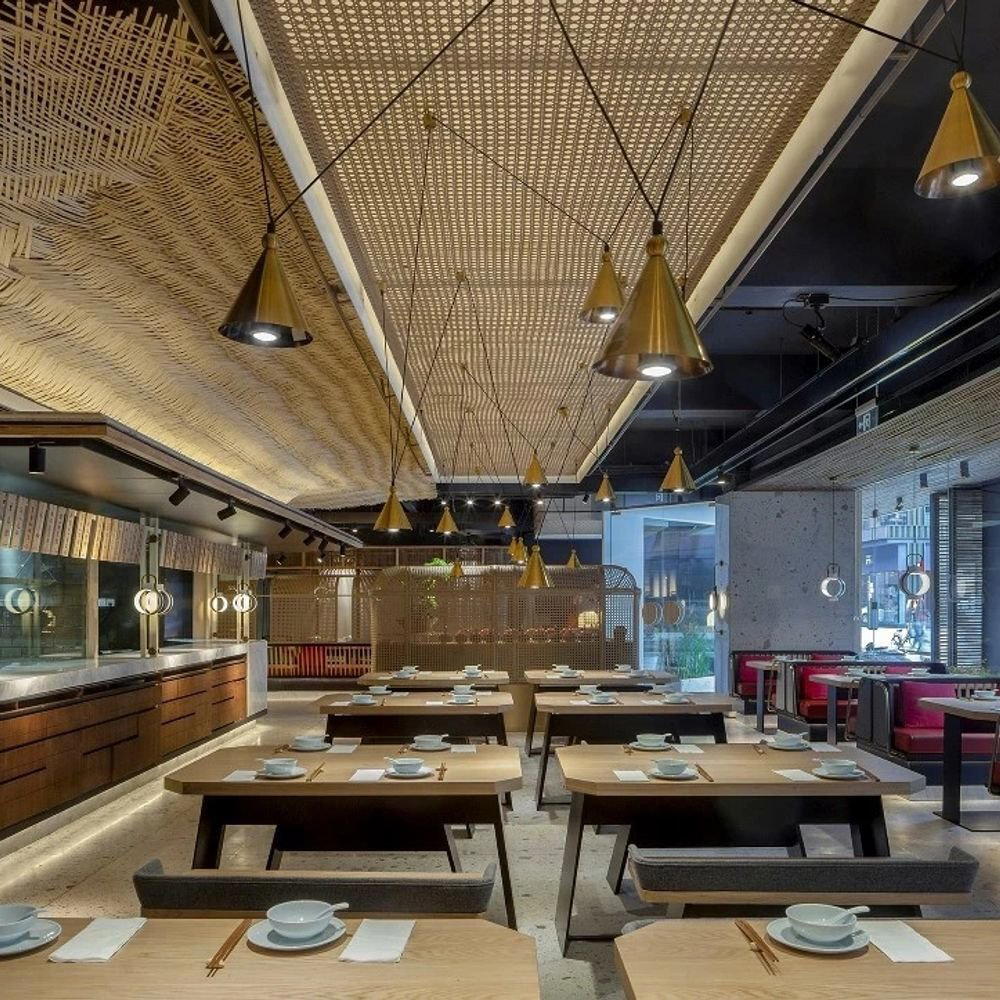
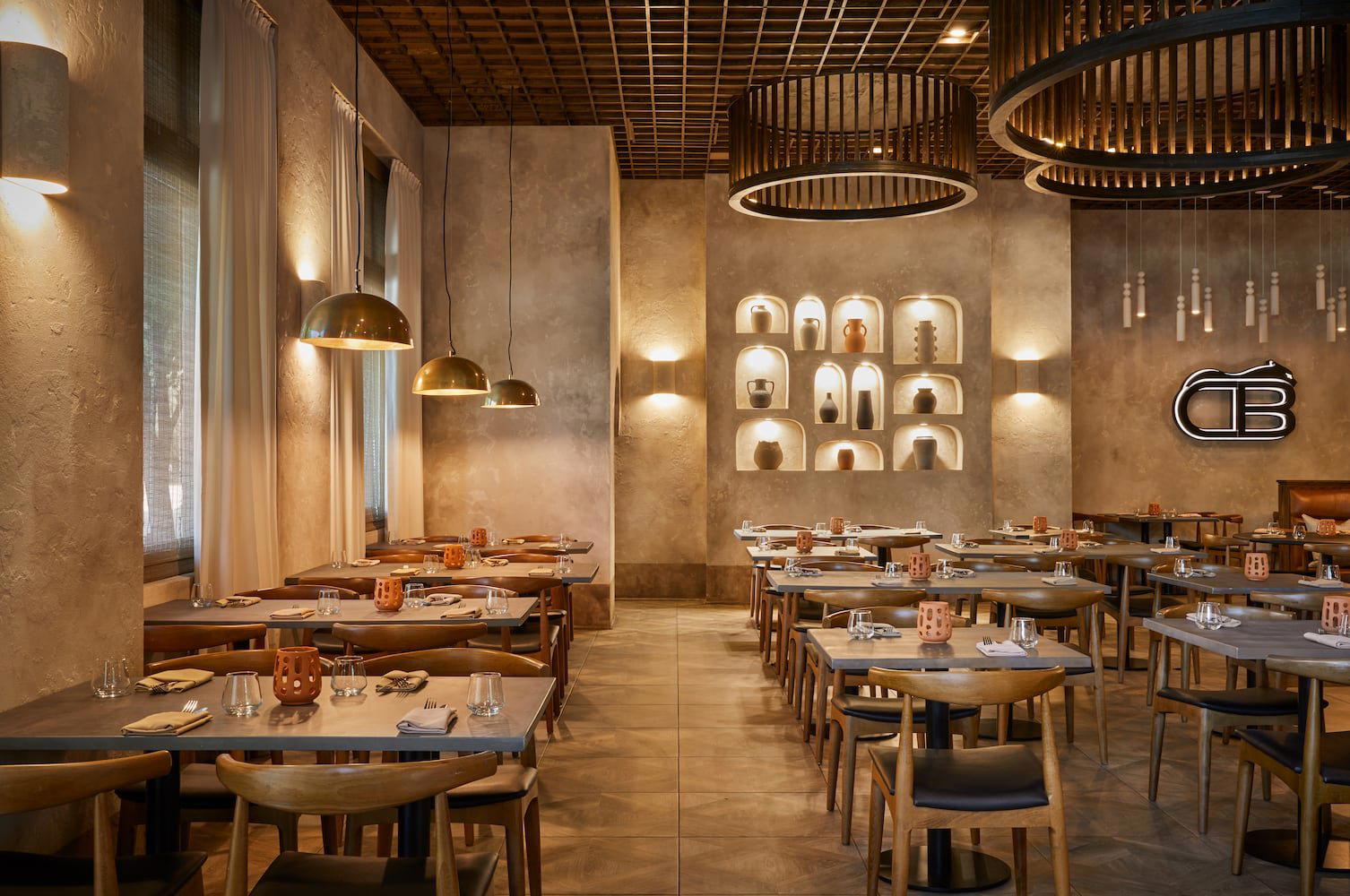
Bars in Chengdu
All bars in Chengdu →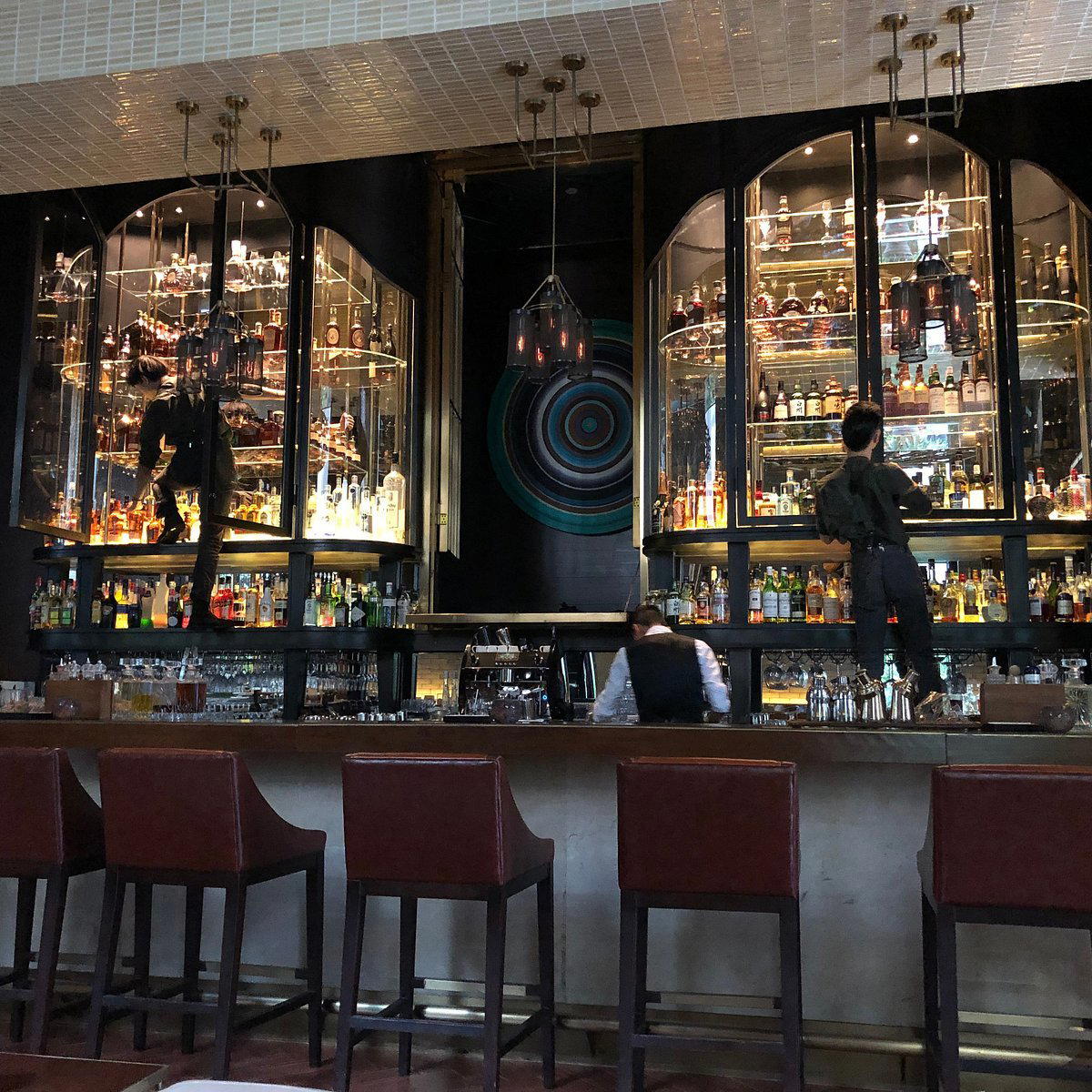




Details
- Elegant
- Sophisticated
- Cozy
- Date Night
- Special Occasion
- Business Dinner
- Open Kitchen
- Local Sourcing
- Tasting Menu
- Set Menu
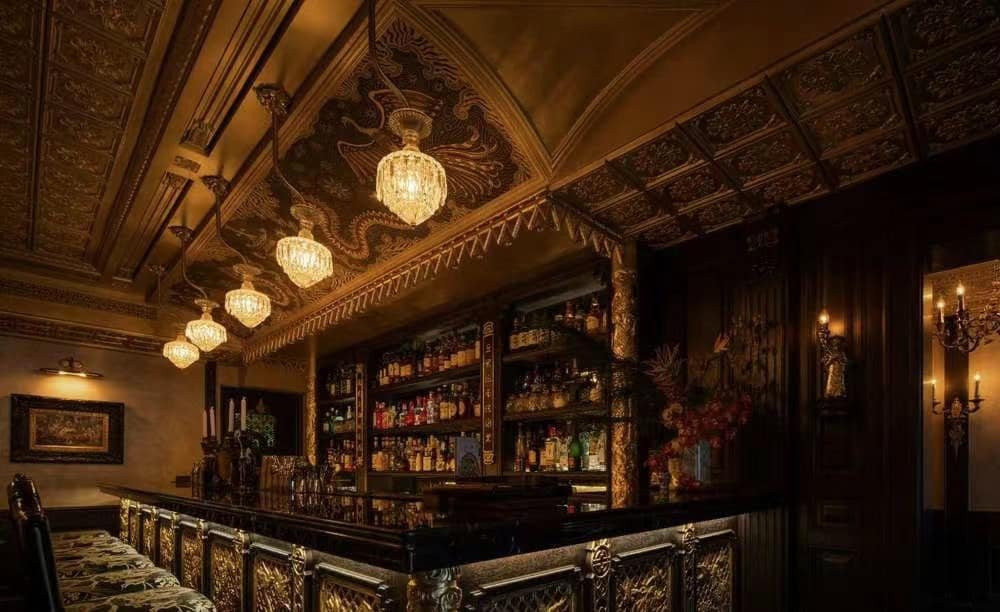
Spacious dining room with quirky global souvenirs, starry sky decor, dim lighting, elegant melody from cello, and a sense of ethereal painting.