
Michelin Plate
Our verdict
Brustin brings Chengdu’s Sichuan vocabulary into a contemporary prix-fixe format, with 12 to 15 courses and Michelin Plate recognition in 2025. The point is not novelty for its own sake: the interest lies in how a city famous for heat, oil, and street-level appetite now supports a design-forward room for seasonal reinterpretation.

Pearl is the En Primeur Club membership app — saves, bookings, and concierge access live there. Same editors, same standards.
- Address
- M354+M6G, Heng Xiao Nan Jie, Qing Yang Qu, Cheng Du Shi, Si Chuan Sheng, China
- Website
- zhuanlan.zhihu.com
- Directions
- Get directions
The menu
What to order
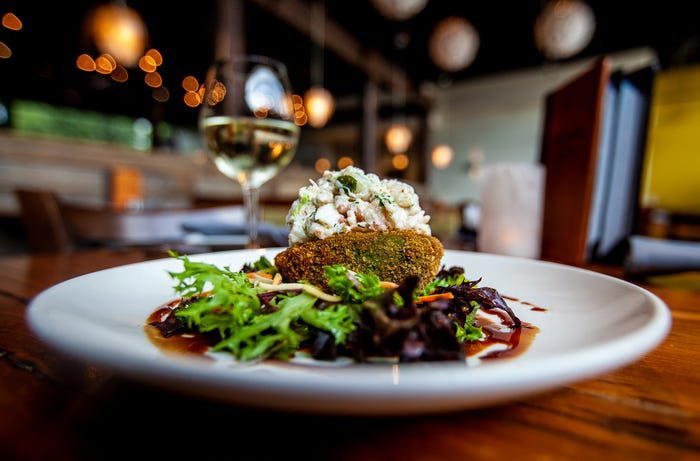
- Peppercorn-cured Amberjack
- Tea-Smoked Duck Broth
- Mapo Custard
Approaching Brustin means entering a different register of Chengdu dining. The city is better known internationally for hotpot steam, chile oil, and late-night appetite than for quiet tasting-menu rooms, yet the Chengdu setting changes the frame before the first course arrives. Art, architecture, and leisure sit close together here, and the restaurant uses that cultural setting to make a case for Sichuan cuisine as something that can move between vernacular comfort and composed, contemporary service.
That matters in Chengdu. Sichuan food is too often flattened outside the province into a single idea of heat, when the canon is built on layered aromatics, fermented depth, numbing pepper, pickled brightness, smoke, sweetness, and texture. A modern prix-fixe format can either clarify that complexity or sand it down. Brustin’s 12- to 15-course dinners, recognised with a Michelin Plate in 2025, place it in the former conversation: not a replacement for Chengdu’s everyday tables, but a formalised reading of the same regional grammar.
Sichuan technique, reframed for a contemporary tasting menu
Chengdu’s restaurant culture has long been democratic in structure. Some of the city’s strongest food memories are built around shared pots, counter snacks, and family-style plates rather than hushed courses. A long-form dinner changes the pace. It asks diners to read Sichuan flavours sequentially, one small argument at a time, instead of through abundance and repetition. That shift is the editorial hook here: the cuisine is not being detached from its roots, but being reorganised for a room where service, pacing, and plating carry as much weight as appetite.
The kitchen’s stated approach is seasonal reinterpretation of Sichuan cuisine through Western techniques. That phrase can be empty in weaker hands, but the structure at least sets a clear test. The meal needs to preserve the recognisable logic of the region while using a different technical toolkit. In Chengdu, where diners already have access to deeply skilled traditional cooking, contemporary interpretation has to earn its place by showing why form changes perception.
The comparison within the city is useful. Datenbank and Co- offer nearby reference points for travellers thinking through Chengdu’s contemporary dining tier. That spread shows how the city’s modern dining scene is no longer a single niche. It now contains multiple versions of the same question: how far can a restaurant move from familiar Sichuan codes before it starts speaking another language entirely?
Brustin’s answer is cultural rather than purely technical. The paper menu, illustrated by local artists and taken home by diners, links the dinner back to Chengdu’s creative community instead of treating art as decorative background. In a city where food culture already functions as social identity, that detail gives the format a local anchor. The meal becomes part of a broader conversation about how Chengdu presents itself now: not only as a capital of spice and leisure, but as a city comfortable translating its traditions through design.
The room belongs to Chengdu's art-era dining scene
The Chengdu cultural context is not incidental. Location affects how a meal is read, especially in a city where neighbourhood rhythm usually does so much work. A restaurant in a design-forward, art-minded setting carries a different expectation from a street-side noodle shop or hotpot hall. Diners arrive primed for composition, quiet pacing, and visual intent. That does not make the food more serious, but it changes the frame in which seriousness is judged.
In that sense, Brustin sits within a broader Chinese dining trend: regional cuisines moving into tasting-menu rooms without abandoning their local vocabulary. Other major cities have long supported polished regional dining rooms; Chengdu’s version is sharper because Sichuan food already has such a strong public identity. For wider context across China, the useful comparison is not a roll call of names, but the broader question of how regional formality changes when it moves from the shared table into a composed, contemporary format.
Chengdu’s own range remains broad. A dinner like this should not be treated as a substitute for the city’s hotpot culture, and the contrast is part of the appeal. Other Chengdu dining rooms point toward the communal, high-heat side of the city’s table, while more traditional Sichuan meals keep the regional label closer to the centre. Together, they show why Chengdu rewards more than one dinner strategy.
The international contemporary label also needs context. In many cities, it often signals technique-led menus that borrow freely across borders. Chengdu gives the term a more specific pressure. Here, innovation is measured against a regional cuisine with unusually strong public memory, and Brustin’s task is to make that memory feel newly legible rather than simply dressed up.
How to place it in a Chengdu itinerary
This is a dinner for travellers who already understand that Chengdu cannot be reduced to a single spice register. The Michelin Plate recognition supplies an external trust signal, but the stronger reason to go is the format: a long prix-fixe built around Sichuan reinterpretation, in a design-conscious cultural setting, with service and wine handled as part of the experience. It makes the clearest sense after a more traditional Chengdu meal, not before one, because contrast sharpens the reading.
For planning across the city, use Our full Chengdu restaurants guide to balance hotpot, regional Sichuan cooking, and contemporary rooms. Travellers building a wider trip can pair that with Our full Chengdu hotels guide, Our full Chengdu bars guide, Our full Chengdu wineries guide, and Our full Chengdu experiences guide. Chengdu is strongest when approached through layers: one meal for smoke and chile oil, one for the shared table, one for the new cultural polish. Brustin belongs in that last slot.
Frequently asked questions
Would Brustin be comfortable with kids?
Brustin’s 12- to 15-course dinner prix-fixe in Chengdu is better suited to older children who can handle a long, formal meal. The Michelin Plate setting and professional service point to an adult-leaning dining room.
How would you describe the vibe at Brustin?
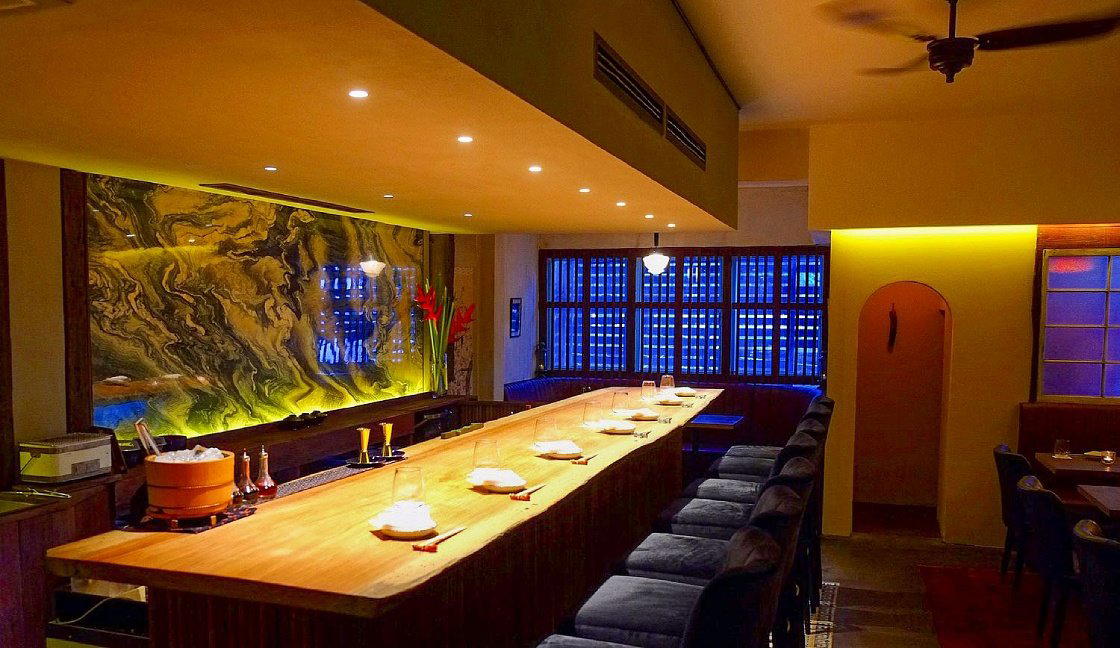
The room is design-forward and tied to Chengdu’s artistic character. Service is polished, and the paper menu with local artist illustrations gives the meal a collected, gallery-adjacent feel.
Is Brustin Michelin-listed?
Yes. Brustin received a Michelin Plate in 2025.
What should I expect cuisine-wise at Brustin?
Brustin serves 12- to 15-course dinner prix-fixes that reinterpret Sichuan cuisine with Western techniques and an emphasis on seasonality.
Is Brustin more mid-range or high-end?
Brustin is a formal dinner prix-fixe restaurant, with professional service from the servers and sommelier.
What part of town is Brustin in?
Chengdu.
Should I book Brustin in advance?
Yes, especially for dinner. Brustin serves 12- to 15-course prix-fixes, and its Michelin Plate status in Chengdu makes advance planning the sensible move.
Budget and Context
Comparable venues by cuisine and price in the same metro.
Recognition history
Dated appearances from independent guides and award organizations, with the underlying list record or original source where available.
Michelin Plate
Michelin
Full recognition history (2 entries)
Michelin Plate
Michelin
Brustin
The wine
- Wine program
- Curated wine list
- Extensive wine list
- Sommelier-led
Details
- Elegant
- Modern
- Sophisticated
- Minimalist
- Date Night
- Special Occasion
- Chefs Counter
- Private Dining
- Open Kitchen
- Extensive Wine List
- Sommelier Led
- Local Sourcing
- Tasting Menu
- Prix Fixe
- Wine Pairings
- Vegetarian Friendly
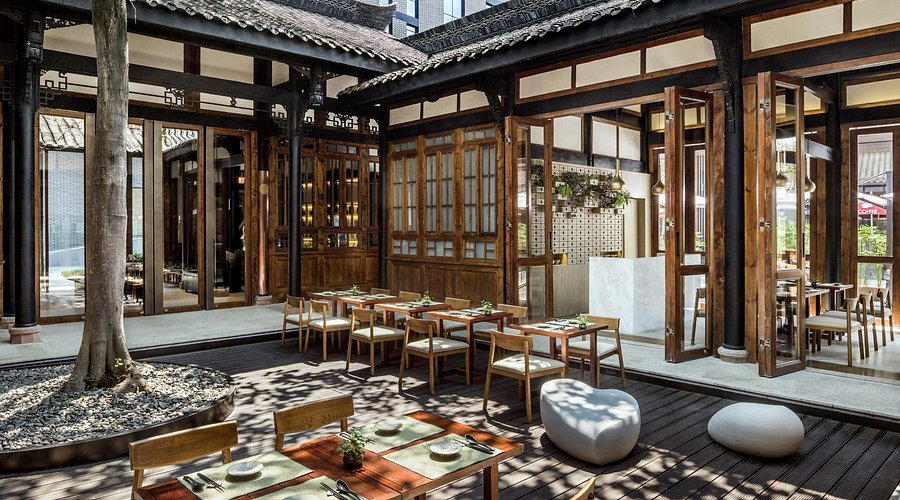
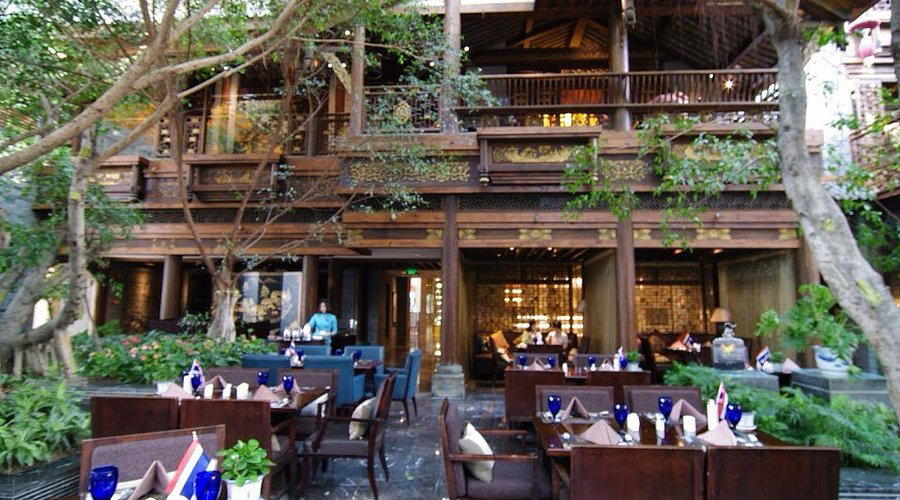
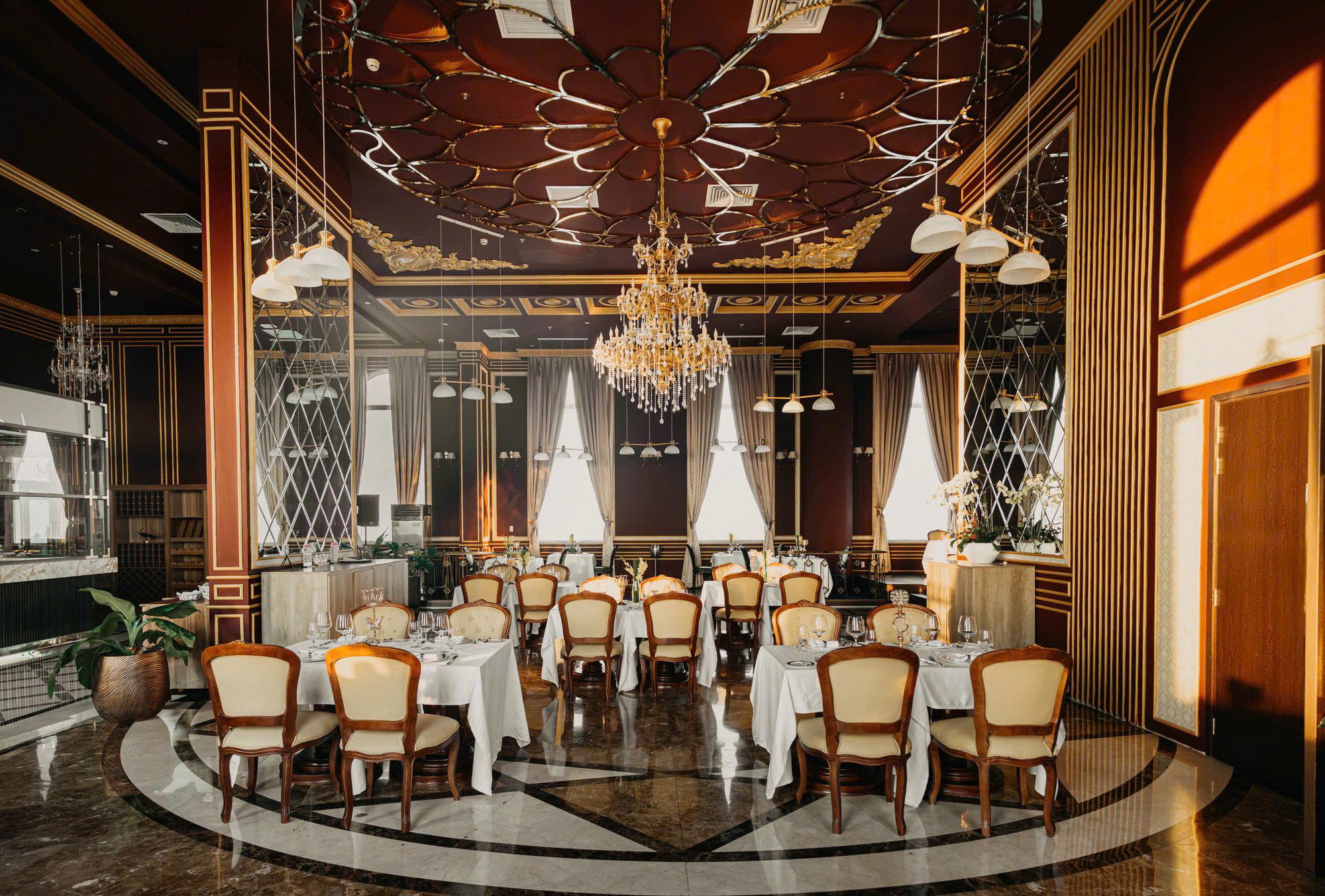
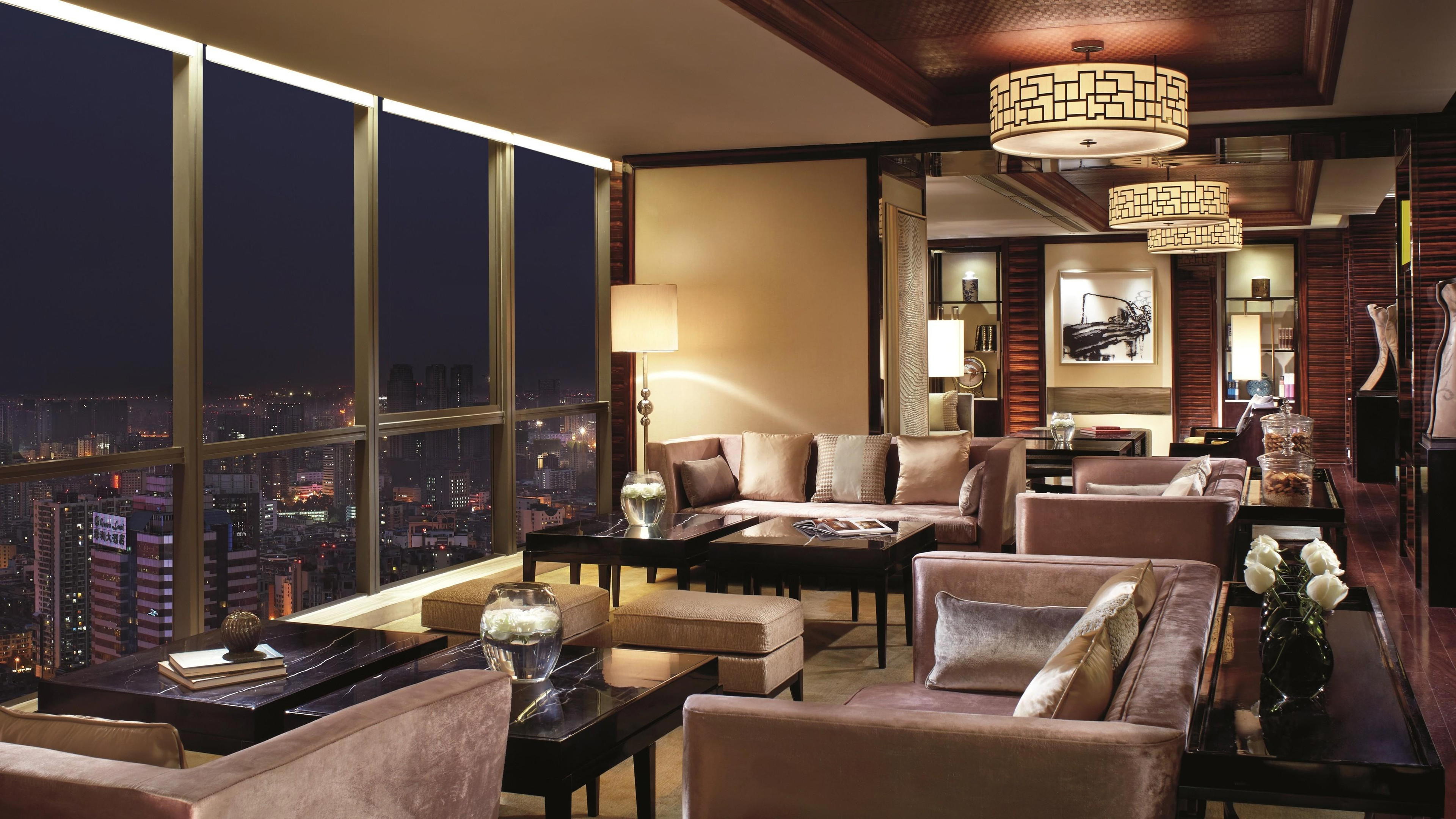
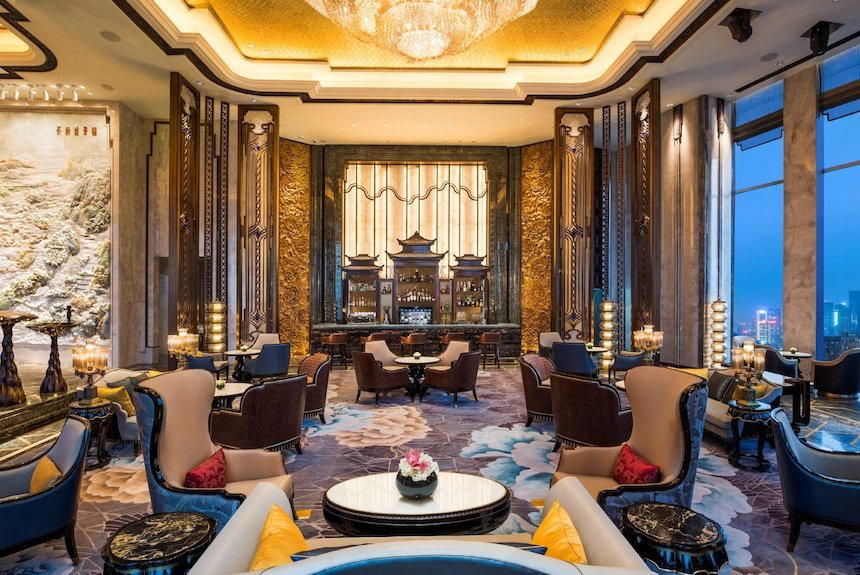
Minimalist lines with tactile stone, warm wood, site-specific art, and soft pooled lighting creating a serene, gallery-like hush.