The Broth Question
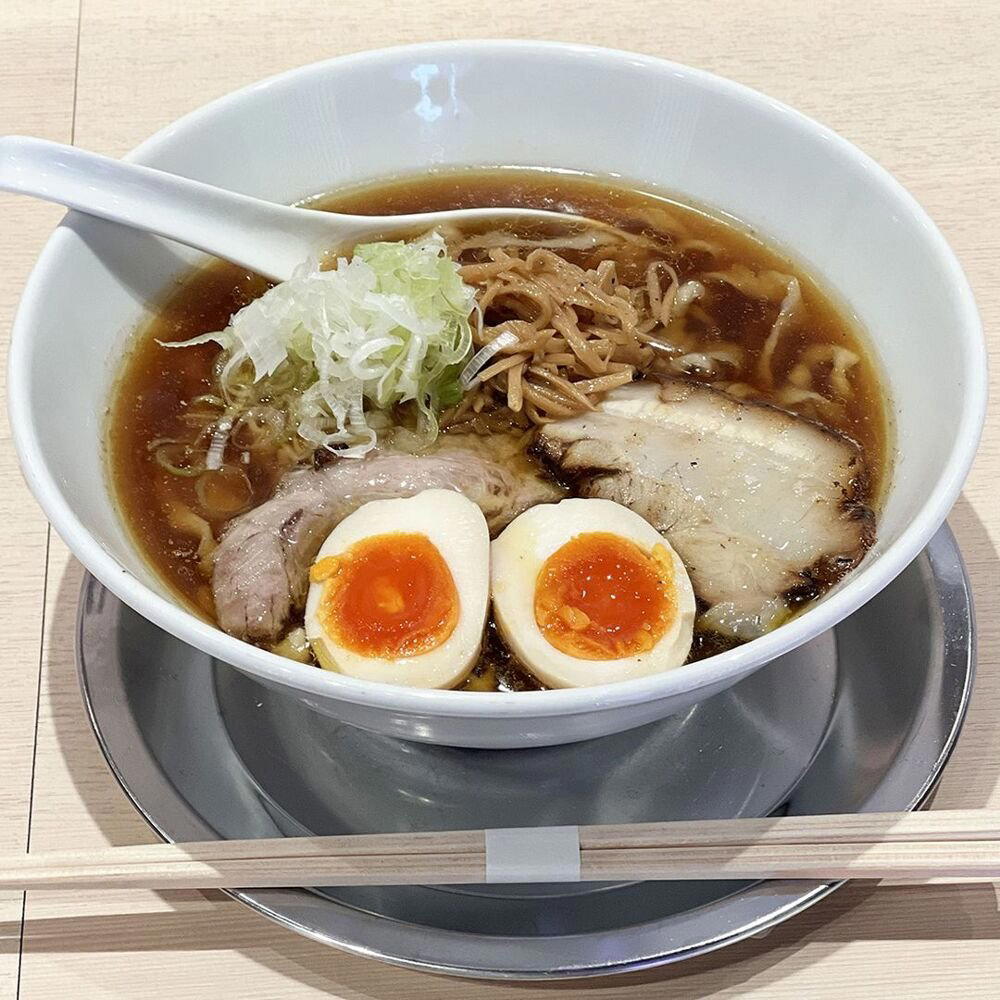
In Tokyo ramen, broth construction is where shops differentiate most aggressively. The tonkotsu houses in Hakata style push pork fat to opacity; the shoyu specialists in the old Tokyo tradition keep things darker and thinner. Teuchi Asama's approach sits in a different register: chicken and seafood combined, then finished with kaeshi, a pre-prepared blend of soy sauce, sugar, and mirin that is mixed into the base broth rather than added raw at service. Kaeshi, when made properly and rested, contributes a rounded salinity that fresh soy alone cannot achieve. The time investment is the point. Mellow is the word the shop itself uses, and that choice is deliberate, this is not a broth designed to announce itself loudly, but to deepen across the course of eating.
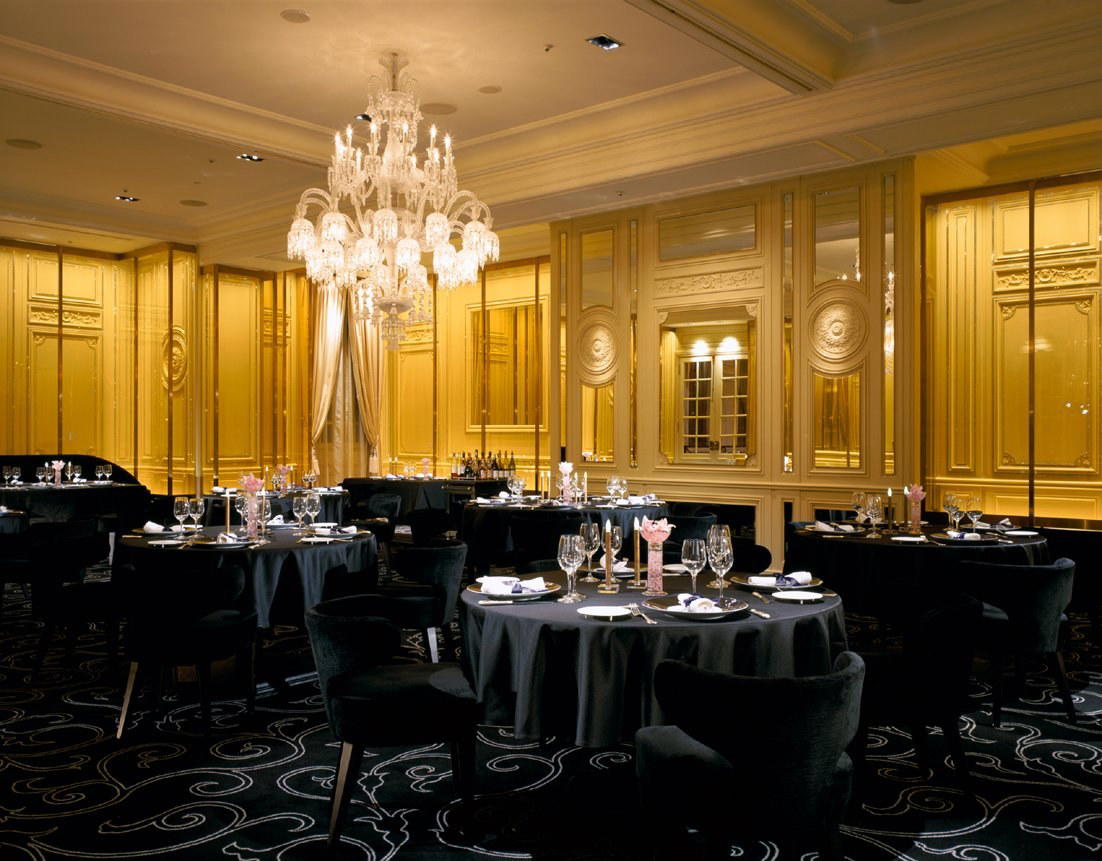
That restraint-led philosophy connects Teuchi Asama to a wider movement in Tokyo dining, where producers at every price point have begun to step back from intensity as a shortcut. The same shift has shaped the upper tier of Japanese fine dining: RyuGin's kaiseki and the French-influenced tasting menus at L'Effervescence both operate on the idea that flavour built over time outperforms flavour assembled at volume. Teuchi Asama makes the same argument at a fraction of the price.
Kamimeguro as Context
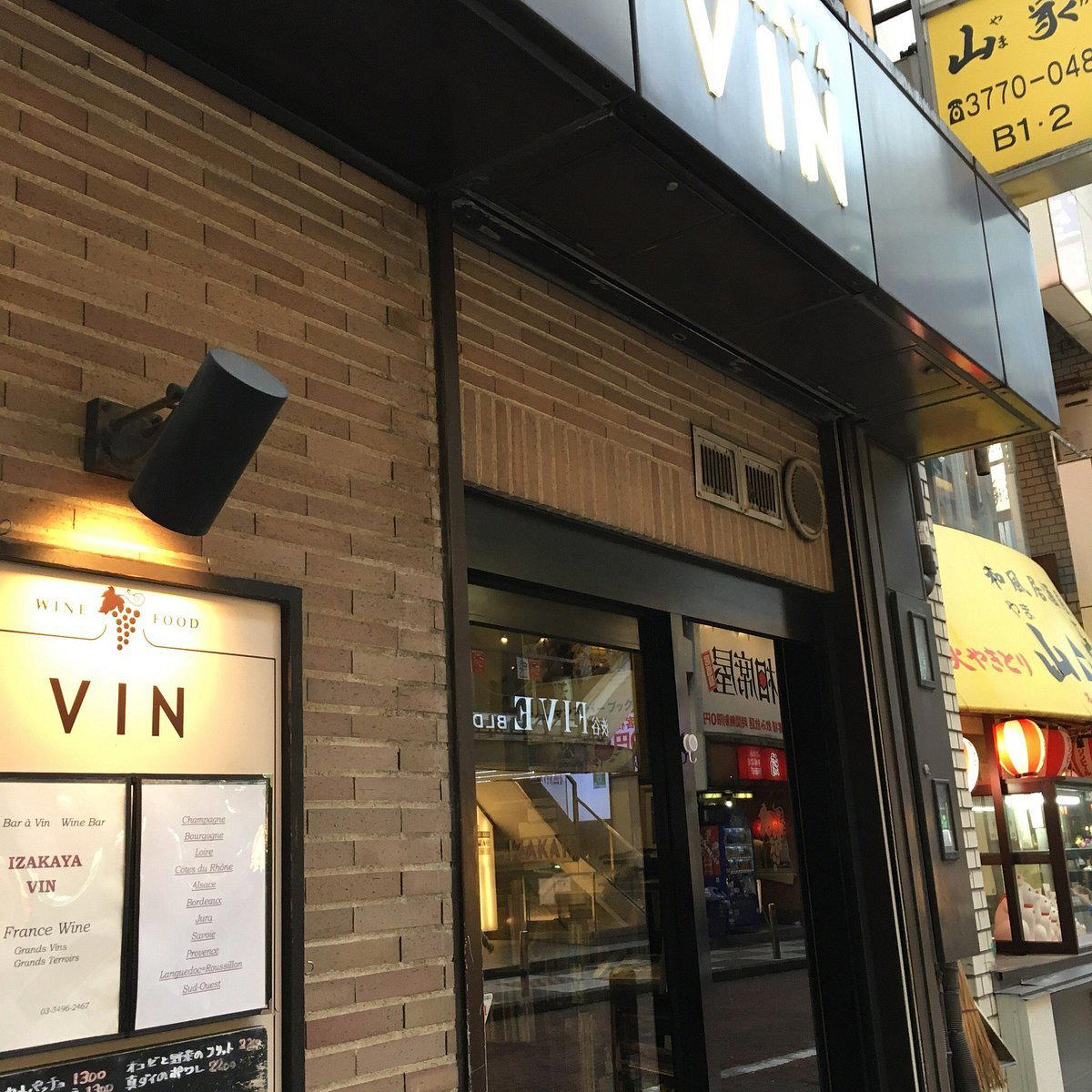
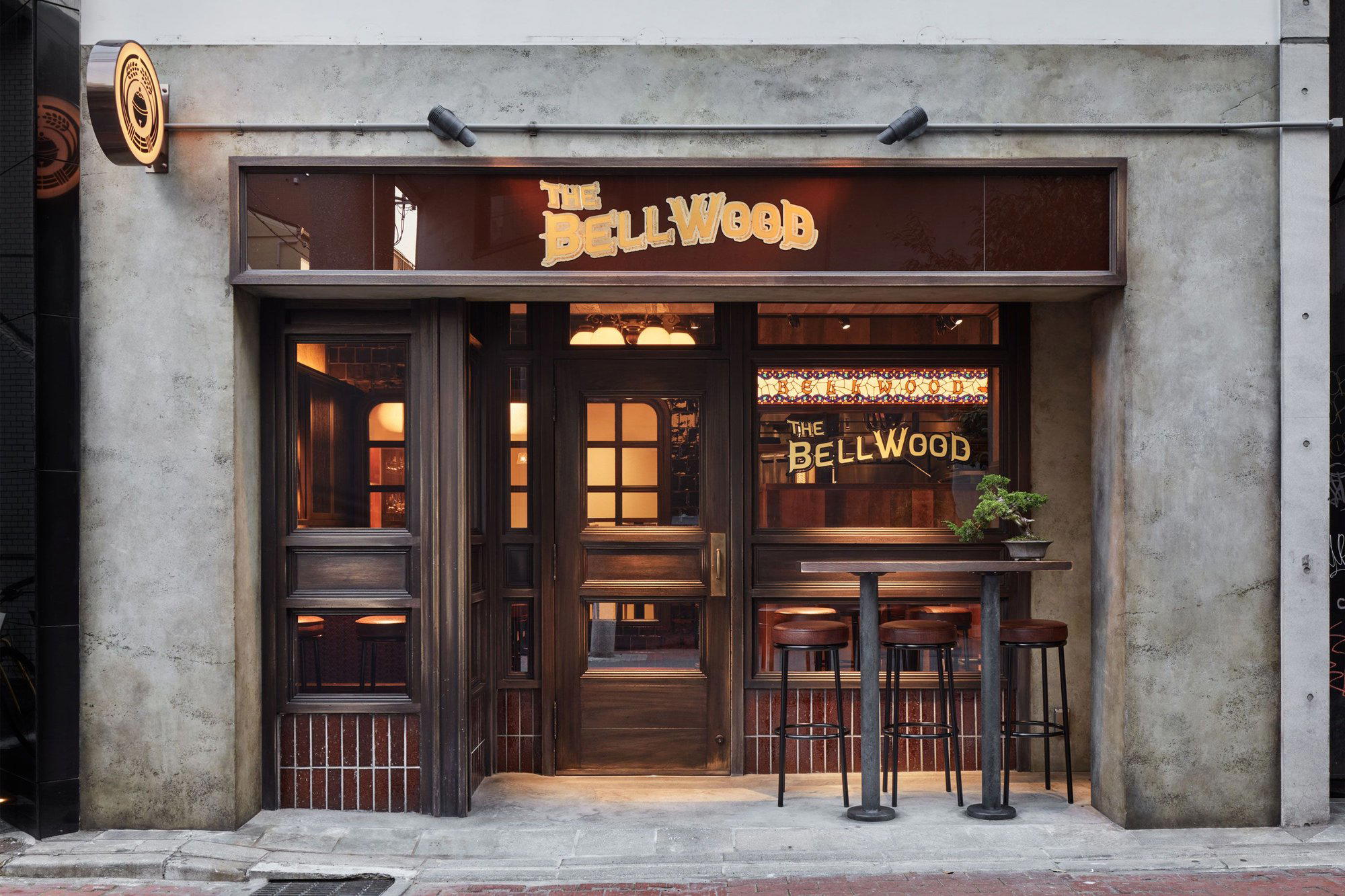
Meguro's eating and drinking character differs from the higher-profile neighbourhoods that attract most international attention. Ginza draws the formal counter restaurants, Harutaka among them, and the dense concentration of ¥¥¥¥ venues that position Tokyo as a Michelin city. Roppongi and Minami-Aoyama carry the international fine dining set, from Sézanne's pastry-forward French tasting menu to the more experimental work at Crony. Kamimeguro operates at a different frequency. The neighbourhood around the Meguro River draws a local crowd: younger residents, independent coffee shops, mid-week izakaya evenings that run until the last train.
That izakaya culture matters as context for understanding how Teuchi Asama fits in. The social grammar of Japanese casual dining, shared tables, unhurried pacing, food as the accompaniment to extended conversation rather than the performance itself, runs through Meguro's eating strip in a way it does not through the tasting-menu corridors of Ginza. A bowl of ramen at Teuchi Asama belongs to that tradition of communal, unpretentious eating, where craft is present but not performed.
Where Teuchi Asama Sits in the Ramen Tier
Tokyo's ramen spectrum has widened considerably in the past decade. At the upper end, a handful of shops have attracted Michelin Bib Gourmand recognition, and the critical conversation around them now references technique as seriously as any French kitchen. Below that, the competition is dense: hundreds of shops in every ward, differentiated by broth style, noodle type, regional origin, and price. The teuchi shops occupy a niche within that middle tier, fewer in number, slower in service, and more dependent on the quality of the wheat and the skill of the hands shaping it.
What separates Teuchi Asama from the generic entry-level bowl is measurable: the overnight rest, the cut-to-order production, the kaeshi construction. Those are not marketing descriptions but production steps that require more time and more skill than a standard operation. For visitors moving between Japan's restaurant cities, the same craft-forward instinct appears at very different price points: at Gion Sasaki in Kyoto, at Goh in Fukuoka, and at HAJIME in Osaka. The commitment to process over convenience is a through-line, whatever the category.
The Practical Case for Going
Ramen at this specification level does not require the planning apparatus of a tasting-menu booking. There is no multi-week lead time, no dress code conversation, no wine pairing decision to make. The case for Teuchi Asama is simpler: it is a shop doing a technically demanding thing well, in a neighbourhood that rewards walking after eating. The Meguro River path covers both directions from Kamimeguro station, and the area's independent bar and coffee culture means there is no pressure to move on quickly after the bowl.
For a fuller view of where Tokyo's eating sits across price tiers and categories, our full Tokyo restaurants guide maps the scene in detail. Those spending time in the city's hotel options can cross-reference with our Tokyo hotels guide, and the bar programme around Meguro connects to the broader Tokyo bars guide. If the trip extends beyond the capital, 1000 in Yokohama, akordu in Nara, and 6 in Okinawa represent different registers of the same Japanese instinct for specificity and process. For context beyond Japan entirely, the discipline visible in a bowl built over two days connects, obliquely but genuinely, to the kitchen rigour at Le Bernardin in New York or the fermentation-led precision at Atomix. The price point is different. The seriousness is not.
Know Before You Go
- Address: 2 Chome-13-7 Kamimeguro, Meguro City, Tokyo 153-0051, Japan
- Cuisine: Ramen (teuchi / handmade noodle tradition)
- Price tier: ¥ (single-digit thousands of yen per bowl)
- Booking: Walk-in; no advance reservation system confirmed
- Getting there: Nearest station is Nakameguro or Kamimeguro on the Tokyu Toyoko Line
- Leading timing: Arrive at or before opening to avoid running into a sold-out noodle supply, which is a documented pattern at serious teuchi shops
- Website / phone: Not publicly listed at time of publication