Tenuta di Capezzana
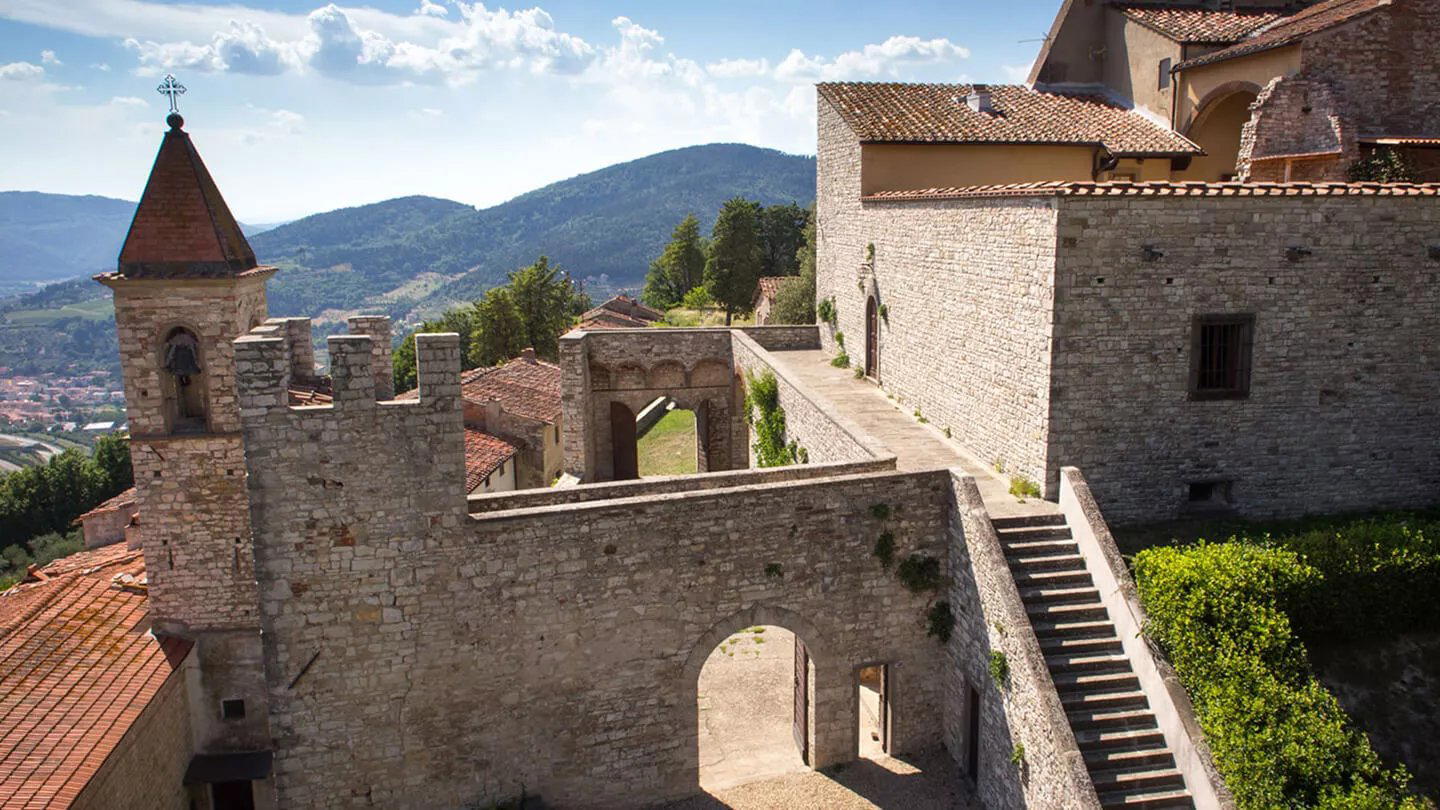
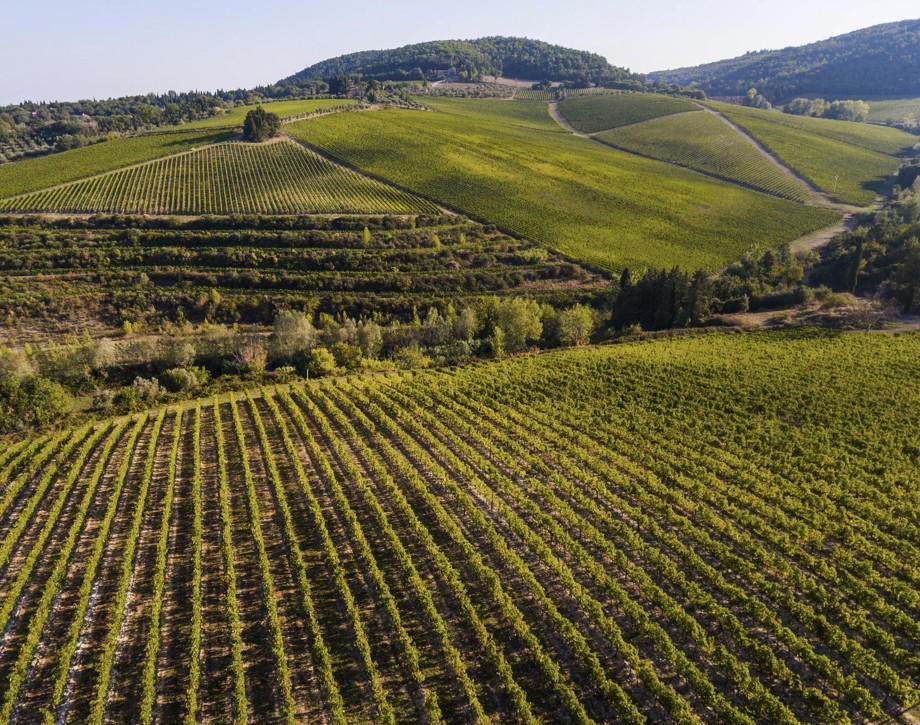
Set among the olive groves and vineyards of Carmignano in Tuscany's Prato province, Tenuta di Capezzana is one of the region's most historically rooted agricultural estates. The property's identity is inseparable from the land that surrounds it: wine, olive oil, and food are produced and consumed within the same few kilometres. For visitors, that integration between production and table is the experience itself.
 Discover on Pearl
Pearl is the En Primeur Club membership app — saves, bookings, and concierge access live there. Same editors, same standards.
- Address
- Via Capezzana, 100, 59015 Carmignano PO, Italy
- Phone
- +39 055 870 6005
- Website
- capezzana.it
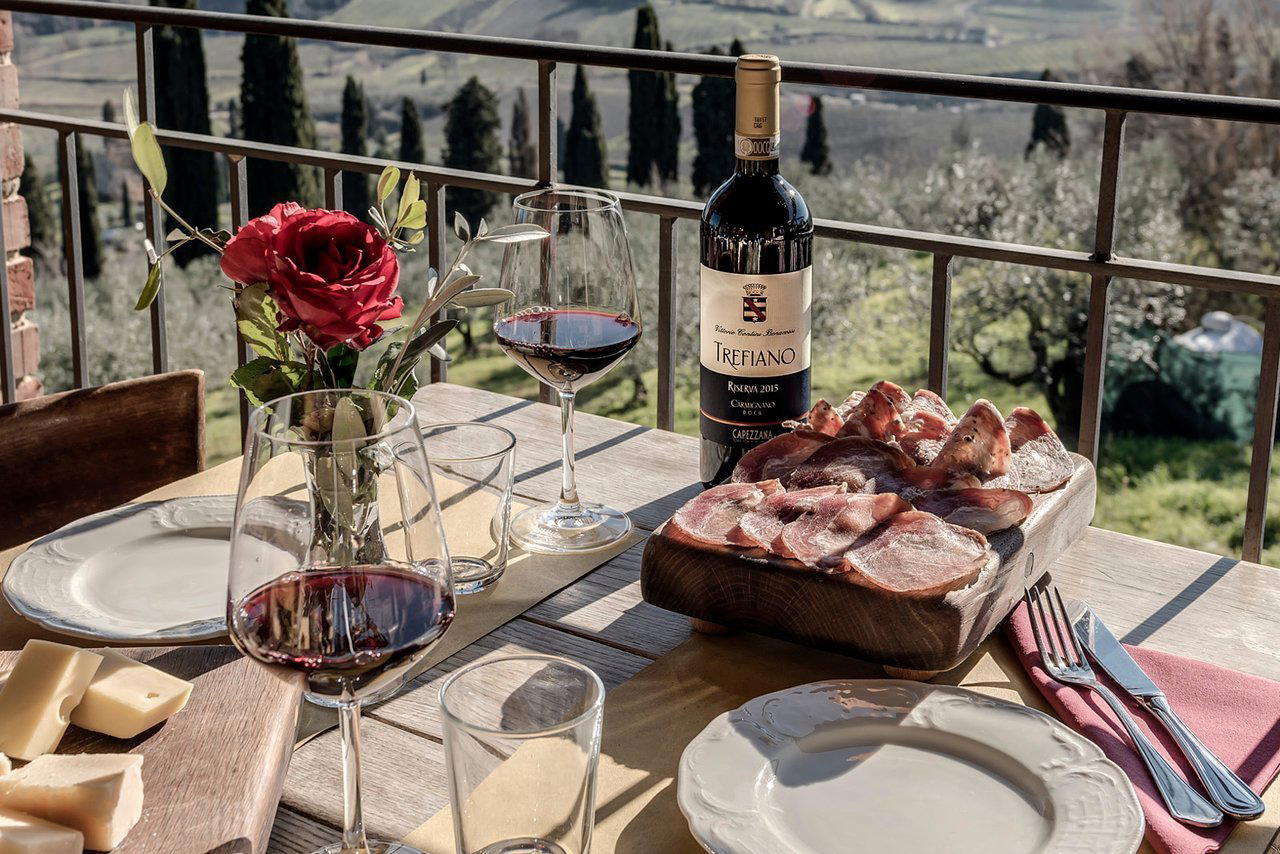
Where the Olive Grove Meets the Table
Approaching Tenuta di Capezzana means driving through a corridor of vines and silver-leafed olive trees that make the estate's logic apparent before you arrive. This is agricultural Tuscany in a form that predates the region's modern tourism infrastructure: the land is working land, and what appears on the table is, in the most literal sense, drawn from what grows immediately around you. Tenuta di Capezzana is a restaurant in Carmignano, in the Prato hills of Tuscany, with a 4.6 Google rating and a price tier of 3. The Carmignano DOC zone, a compact appellation in the Prato hills west of Florence, has operated at this scale for centuries, and Capezzana sits at its centre.
The estate sits within Carmignano, one of Tuscany's smaller and older wine denominations, recognised officially by the Grand Duke Cosimo III de' Medici in 1716, placing it among the earliest formally delimited wine zones in Europe. That historical weight matters not as a marketing point but as a structural one: the land here has been selected, cultivated, and evaluated across generations, and the character of what it produces reflects accumulated agricultural knowledge rather than recent intervention.
The Source as the Story
In an era when provenance language has become ambient noise across Italian restaurants of every price tier, Capezzana represents a version of farm-to-table that requires no rhetorical flourish. The estate produces its own extra-virgin olive oil alongside wine, and both have been integral to the property's economic and culinary identity for decades. This is not supplementary production. The olive oil in particular has earned recognition through specialist channels, placing Capezzana in a comparable set that includes Italy's most closely watched agricultural producers rather than simply its most celebrated restaurants.
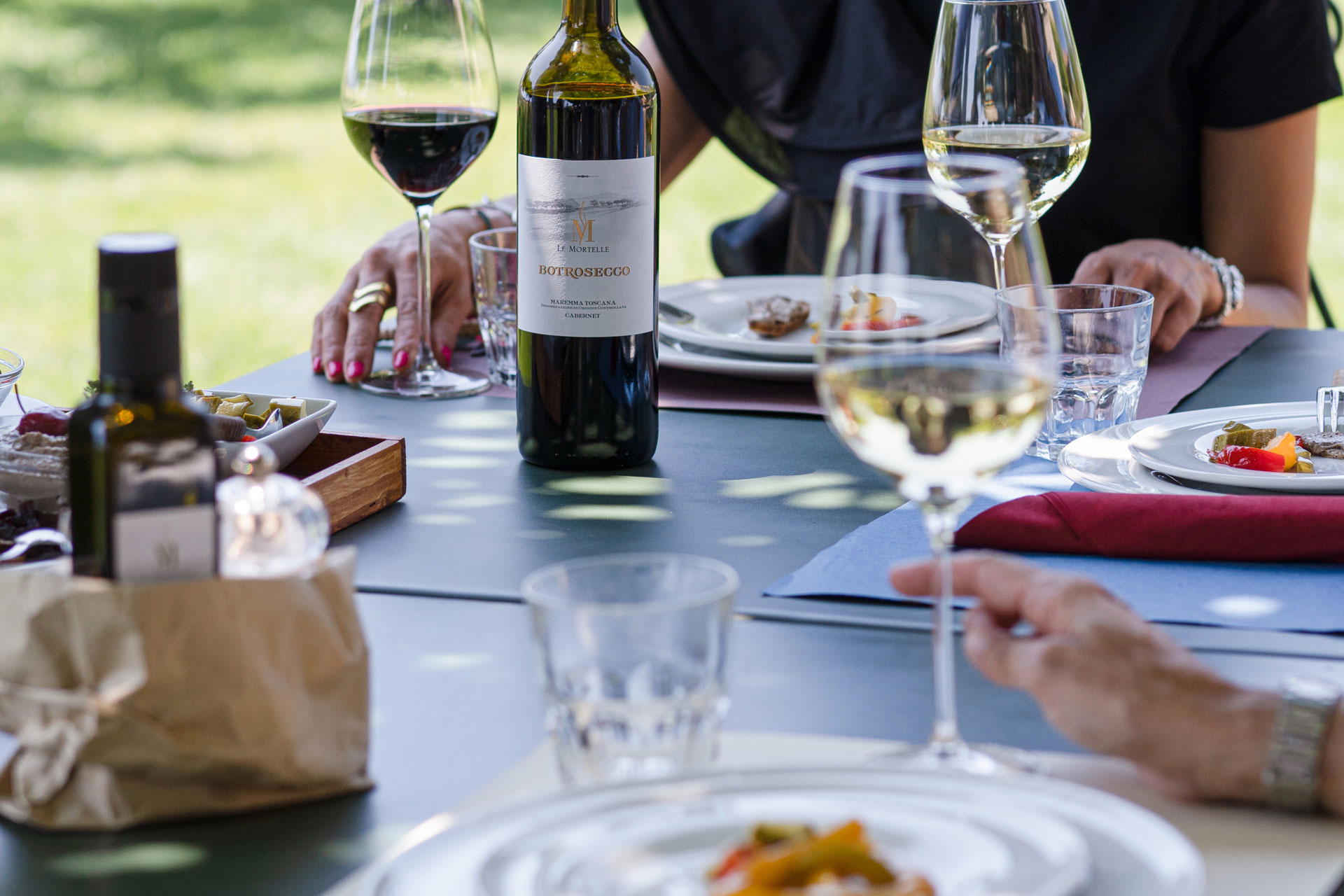
Tuscany's better-known dining destinations, particularly those in Florence, often source ingredients from producers across a wide radius. Estates like Capezzana compress that radius to near zero. What that means practically is that the olive oil pressed from trees on the property is the same oil used at the estate table, and the wine poured during a meal is made from grapes grown in sight of the dining room. For visitors accustomed to ingredient sourcing as a claim to be verified, the transparency here is structural rather than performative.
This positions Capezzana differently from Tuscany's recognised fine-dining circuit. Properties like Enoteca Pinchiorri in Florence operate at the top of the region's restaurant hierarchy, with extensive cellars and formal service formats. Capezzana's register is distinct: it is an agricultural estate first, and the hospitality it offers is an extension of that identity rather than a separate operation layered on top of it. The comparison set is not Osteria Francescana in Modena or Le Calandre in Rubano but rather the small group of Italian producer estates where visiting means engaging with the full production chain.
Carmignano's Position in the Tuscan Frame
Carmignano occupies an interesting position in Tuscany's wine and food geography. It sits between the Chianti Classico zone to the southeast and the Montalbano hills to the northwest, close enough to Florence to be accessible as a day visit but sufficiently removed to retain agricultural character. The appellation is small by any measure, with a fraction of the production volume of Chianti, and its relative obscurity within the international wine market means it has attracted less of the outside investment that has reshaped other Tuscan zones over the past three decades.
That comparative quietness is significant for visitors. Carmignano does not have the wine-tourism infrastructure of Montalcino or the Bolgheri coast. Estates here tend to receive guests who have sought them out rather than visitors swept up in a broader tourist circuit. If you are visiting from Florence, the drive west into the Carmignano hills is straightforward, and the agricultural density of the zone changes visibly as the suburban edges of the city give way to vineyards and olive groves.
The regional comparison is useful here. Northern Italian estates producing wine and food in close integration, such as those in Piedmont or Franciacorta, have benefited from consistent international media attention. Central Tuscany's producer estates, outside the Brunello and Super Tuscan headlines, remain relatively under-examined by the kind of editorial attention that shapes booking patterns. Capezzana benefits and suffers from this in equal measure: access is easier than at heavily trafficked Tuscan destinations, but information for first-time visitors requires more active research.
How to Approach a Visit
Estate visits in Carmignano follow patterns common to serious Italian agricultural properties: wine tasting, estate tours, and meals or cooking experiences tied to the estate's own production. The practical detail that matters most here is the booking lead time. Agricultural estates that operate hospitality as a secondary function rather than a primary business tend to have limited capacity and irregular scheduling. Visiting Capezzana without advance contact is unlikely to yield the experience the estate is known for. Correspondence through the estate's official channels well before travel dates is the appropriate approach.
Seasonality is relevant at an estate where olive harvest and wine production calendar drive the property's rhythm. Autumn, when both harvests overlap, provides the most direct engagement with the estate's productive identity. Spring visits offer a different register: the oil is freshly pressed and available, and the vine cycle is at an early stage that makes the agricultural logic of the estate visible in a different way. Summer is the most logistically comfortable period for many visitors but does not necessarily offer the deepest engagement with the estate's production cycle.
Dal Pescatore in Runate, Quattro Passi in Marina del Cantone, Uliassi in Senigallia, and Piazza Duomo in Alba each represent a different point on Italy's current fine-dining and producer-estate map. Further afield, Reale in Castel di Sangro, Atelier Moessmer Norbert Niederkofler in Brunico, and Villa Crespi in Orta San Giulio offer additional reference points for serious itinerary planning across Italy's dining tiers. For those whose travel extends to the wider European or North American circuit, La Pergola in Rome, Enrico Bartolini in Milan, Da Vittorio in Brusaporto, Casa Perbellini 12 Apostoli in Verona, Gambero Rosso in Marina di Gioiosa Ionica, Le Bernardin in New York City, and Lazy Bear in San Francisco anchor the broader context in which Capezzana's agricultural-estate model sits as a distinct and deliberate counterpoint.
Comparison Snapshot
Comparable venues nearby, for context on price, style, and recognition.
| Venue | Cuisine | Price | Awards | Notes |
|---|---|---|---|---|
| Tenuta di CapezzanaThis venue — the venue you are viewing | Traditional Tuscan Estate Cuisine | $$$ | , | |
| Tenuta di Capezzana | wine_bar | $$$ | , | Capezzana |
| Cibrèo Ristorante | Classic Tuscan Trattoria | $$$ | , | San Niccolo |
| Monzù Vladì | Creative Regional Italian | $$ | , | Trastevere |
| La Ménagère | Modern Tuscan Mediterranean | $$$ | , | Santo Spirito |
| The Lido | Italian Lakeside Pizzeria & Beach Club | $$ | , | Cernobbio |
Continue exploring
More in Carmignano
Restaurants in Carmignano
Browse all →
Bars in Carmignano
Browse all →
Hotels in Carmignano
Browse all →
At a Glance
- Rustic
- Elegant
- Scenic
- Historic
- Special Occasion
- Group Dining
- Historic Building
- Wine Cellar
- Terrace
- Extensive Wine List
- Local Sourcing
- Vineyard
- Garden
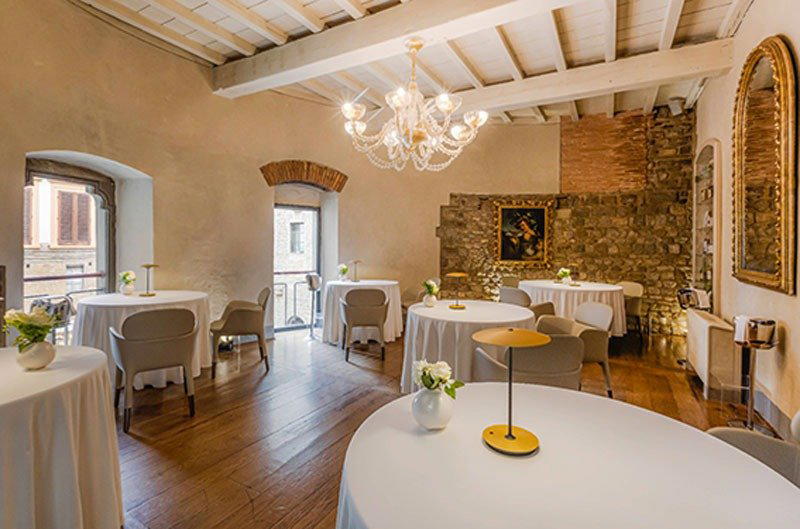
Rustic elegant atmosphere in a grand historic villa surrounded by vineyards, olive groves, and gardens, with terrace dining.