


1 Michelin Star · Falstaff Restaurant - 96 Falstaff Points · Wine Spectator Best of Award of Excellence
Our verdict
A Michelin-starred dinner in a frescoed Renaissance palazzo behind the Duomo, Atto di Vito Mollica positions itself at the serious end of Florence's contemporary Italian scene. The kitchen, led by chefs Rosario Bernardo and Paolo Acunto, draws on high-quality Tuscan and Umbrian ingredients with a marked lean toward seafood and unexpected flavour combinations. Wine director Clizia Zuin oversees a cellar of 5,400 bottles with particular depth in Burgundy, Champagne, and Piedmont.

Pearl is the En Primeur Club membership app, where members save venues, book tables and use the concierge.
The menu
What to order
- Risotto caprese with humpback shrimp
- Ravioli with squash blossoms and black olive
- Dentice ai carboni
Dining Inside a Renaissance Palazzo: The Setting
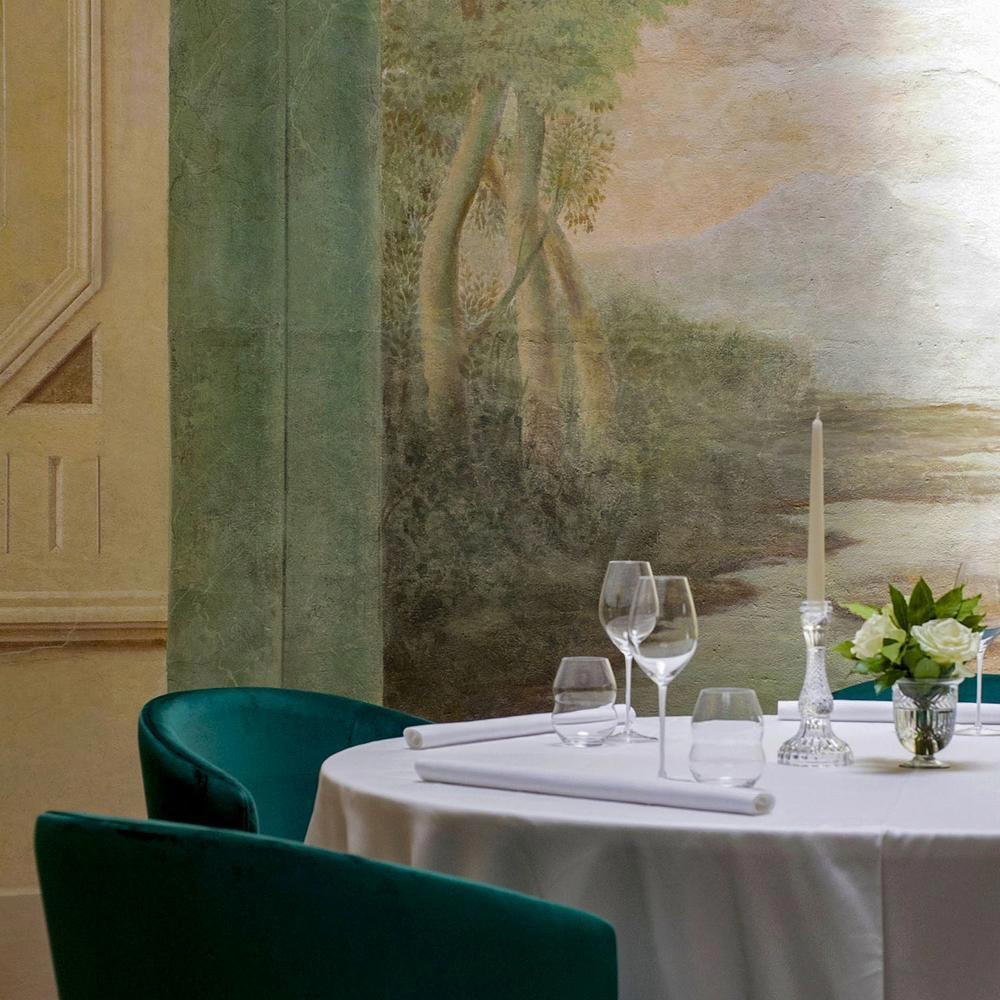
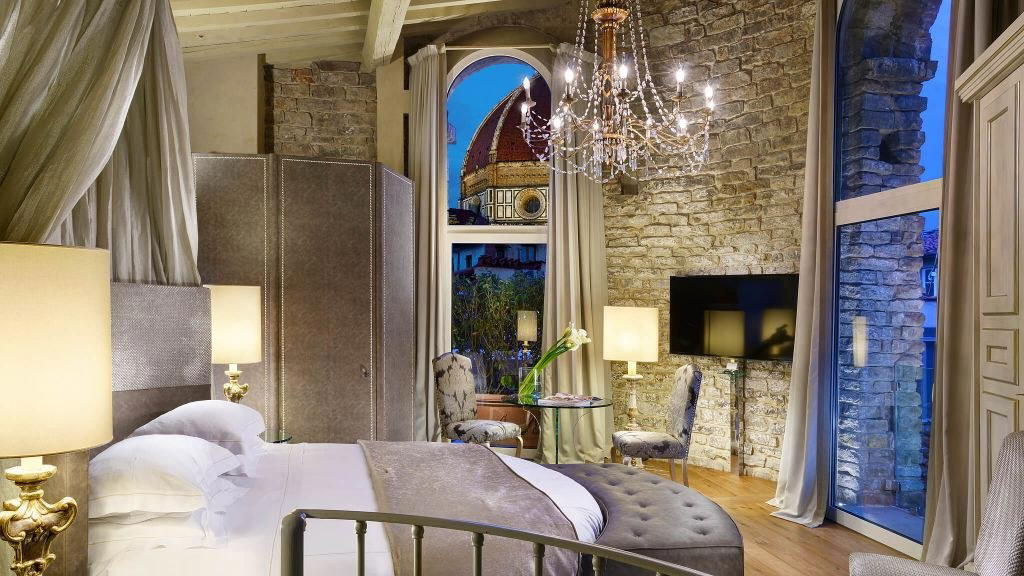
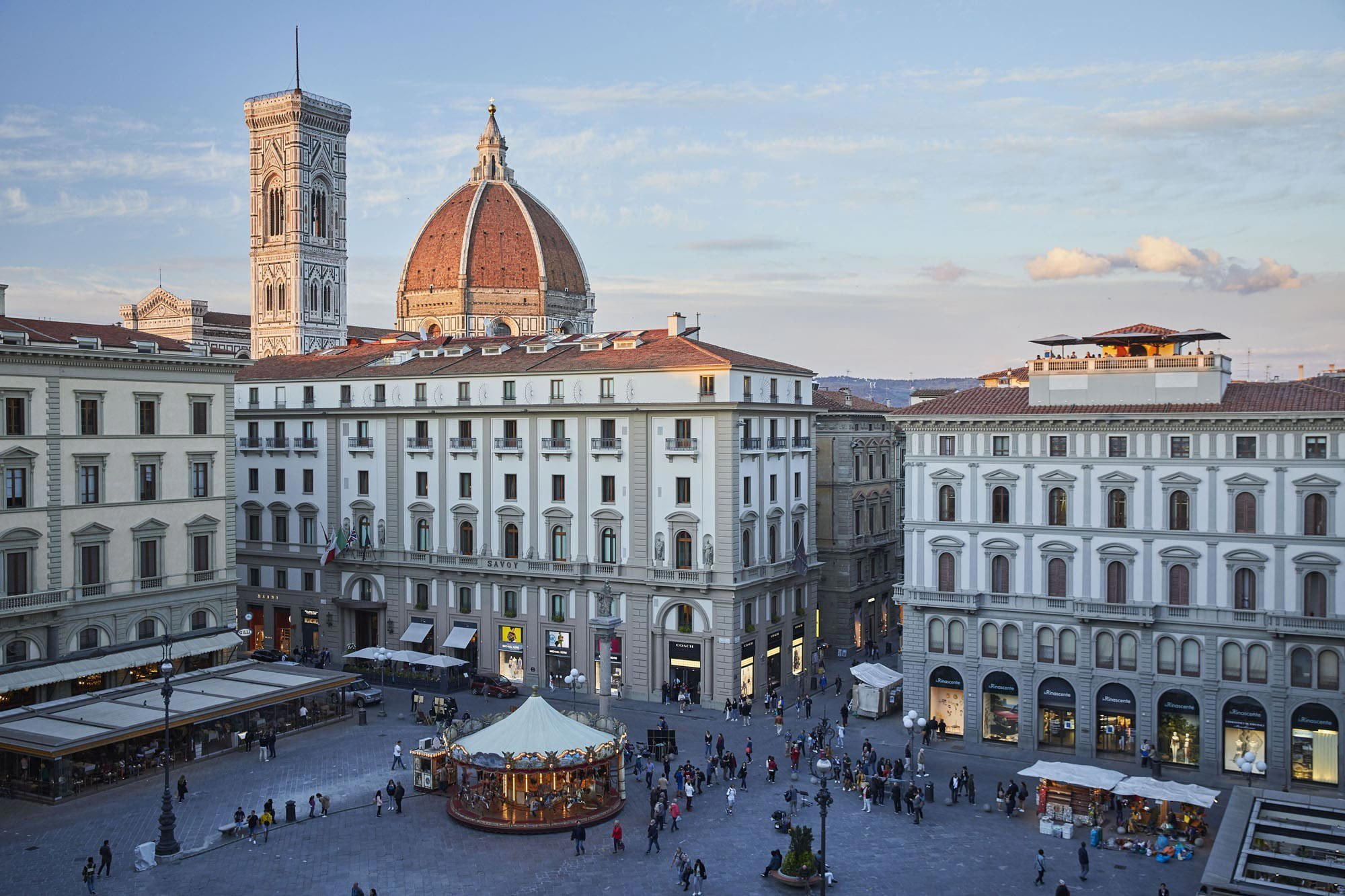
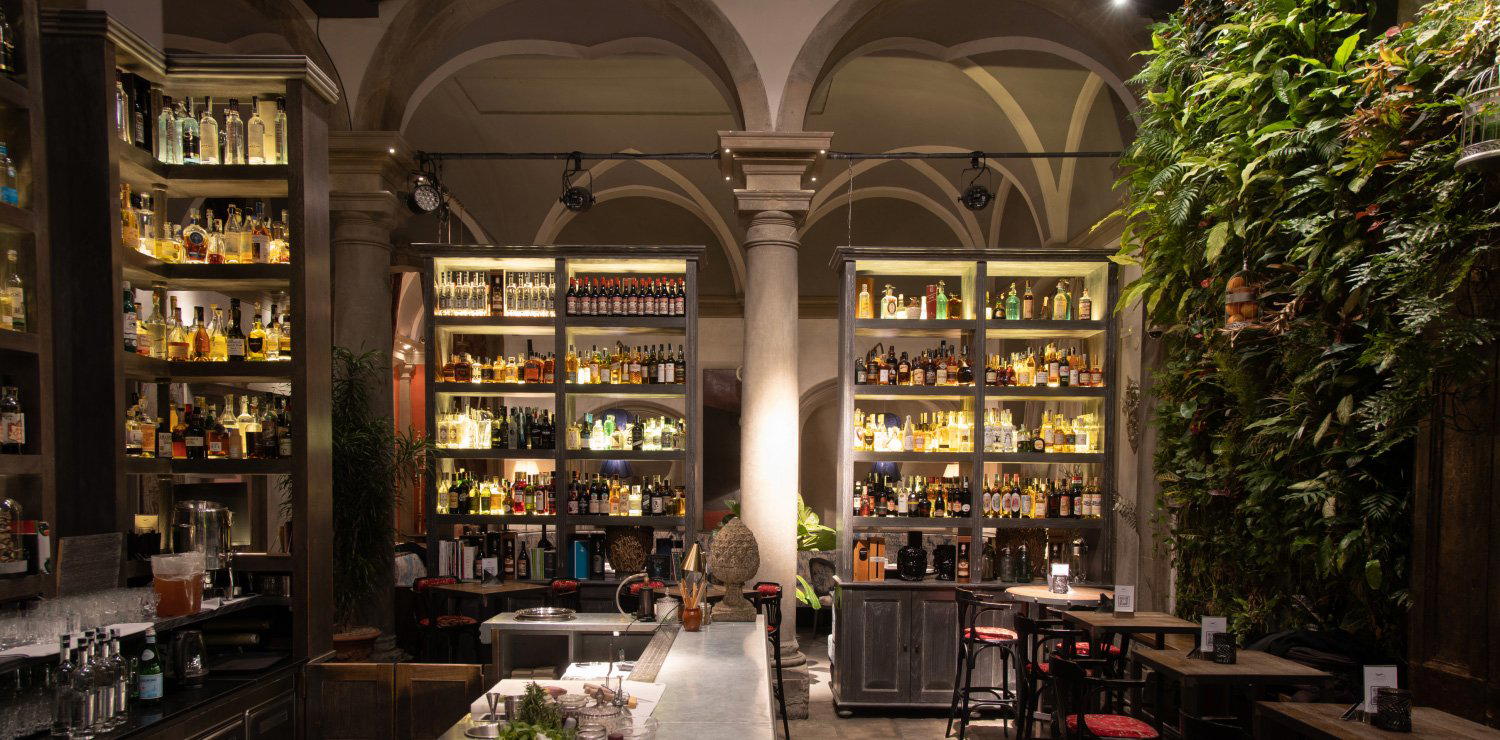
The physical context of a restaurant in Florence can either reinforce the food or overwhelm it. At Atto di Vito Mollica, the address is hard to ignore: Palazzo Portinari, in the Corte degli Imperatori, sits directly behind the Duomo on Via del Corso. The building carries serious historical weight as the former residence of the Salviati family, and the dining room reflects that provenance through original frescoes depicting episodes from the Odyssey alongside domestic scenes of 16th-century life. A fountain provides a soft background sound that keeps the room from feeling either silent or noisy. The effect is one of ambient depth rather than museum-grade austerity. Florence has no shortage of restaurants that lean on their architectural inheritance as a substitute for serious cooking. The distinction here is that the space functions as a frame, not the main argument.
Where Atto Sits in Florence's Fine Dining Tier
Florence's top-end contemporary Italian scene currently occupies a tight band between three Michelin stars and one. Enoteca Pinchiorri holds three stars and operates as a category of its own, framing the upper ceiling of the city's fine dining. Below that, a cluster of single-star houses at the €€€€ price point, including Borgo San Jacopo, Gucci Osteria da Massimo Bottura, and Il Palagio, compete on distinct identities: branded concepts, hotel-dining prestige, or focused ingredient cooking. Atto di Vito Mollica, awarded one Michelin star in 2024, sits inside that peer group but makes a specific positioning choice: seafood-forward contemporary Italian in a setting with explicit historical authority. That combination places it closer to the tradition of Italian fine dining as a total experience, room, service, wine, food as an integrated proposition, than to the stripped-back, produce-led style that defines a different segment of the market. For a wider read on how this tier operates across the city, the full Florence restaurants guide maps the competitive set in detail.
The Pasta Tradition and How the Kitchen Interprets It
Contemporary Italian restaurants in Italy face a structural question about pasta: whether to treat it as a foundation or a gesture. In Tuscany, the regional canon, pappardelle with wild boar, ribollita, pici cacio e pepe, is sufficiently embedded that any serious kitchen must decide whether to work within it, against it, or alongside it. The kitchen at Atto di Vito Mollica takes a third path. The menu's declared emphasis on the sea and on unusual combinations implies that pasta here is not primarily a vehicle for Tuscan tradition but a technical medium for the kitchen's own language. House-made bread is cited specifically in the venue's Michelin recognition as a quality signal, which suggests a kitchen that takes fermentation, texture, and dough handling as serious craft concerns rather than background production. That attitude, when applied to pasta, tends to produce formats and sauces that read as precise rather than abundant. The kitchen's use of high-quality Tuscan and Umbrian olive oils as a formal element of the meal, presented as a course-adjacent selection rather than an afterthought, reinforces this reading: these are cooks treating fat as flavour architecture.
Across Italy's contemporary scene, this approach has parallels at restaurants such as Osteria Francescana in Modena and Le Calandre in Rubano, where pasta sits inside a broader tasting architecture rather than anchoring the menu as a standalone act. The orientation toward seafood further pushes the kitchen away from the land-based pasta canon that dominates most of inland Tuscany, opening room for pasta shapes and sauce structures drawn from coastal and southern Italian traditions, though the specific dishes change and should be confirmed at time of booking.
The Wine Program
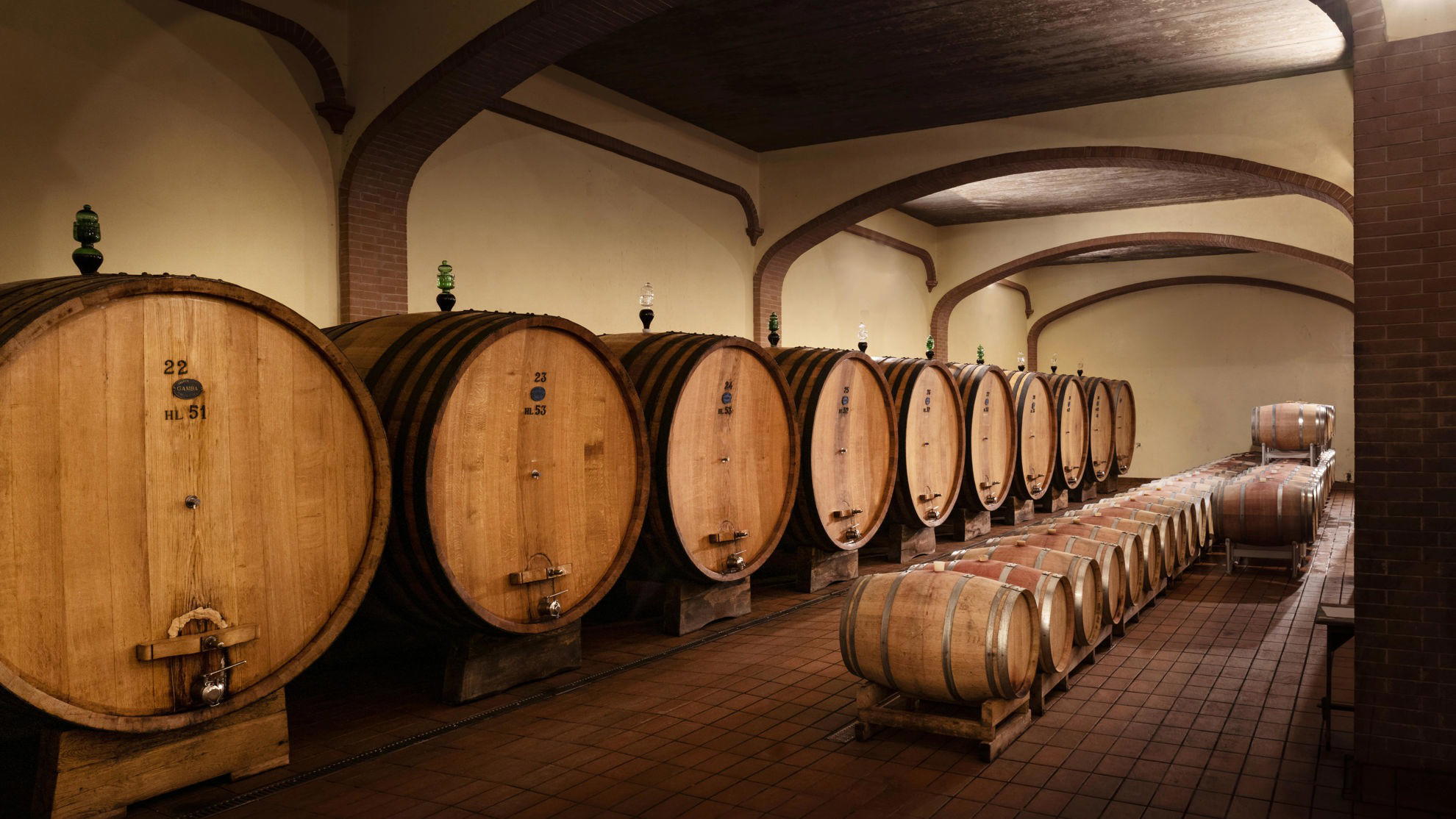
A 5,400-bottle inventory with 850 selections and particular depth in France, Burgundy and Champagne, alongside Piedmont and Tuscany positions this as one of Florence's more serious wine programs. Wine director Clizia Zuin oversees a list priced at the $$$ tier, meaning a substantial proportion of bottles clear the €100 mark. The corkage fee sits at €42, which is relevant for guests who want to bring a specific bottle. The French emphasis in an Italian fine dining context is a deliberate editorial statement: it signals a list that aspires to be judged against European cellars rather than positioned as a regional Tuscan showcase. Burgundy depth, in particular, aligns the program with peer restaurants in the Italian contemporary tier that treat French and Italian wine as complementary rather than competing disciplines. For visitors whose main interest is the wine, the Florence wineries guide covers regional production context worth reading alongside a meal here.
The Service and Room Dynamic
Italian fine dining service at this tier tends to operate with a formality calibrated to the room rather than to any single international standard. The Michelin citation at Atto notes service as specifically professional, which in Michelin's coded language means technically consistent and attentive rather than warm-casual. General Manager Mark Ignatov oversees the floor, and the team works within a physical space where the architecture already does a significant amount of atmospheric work. In rooms with original frescoes and a running fountain, the service risk is either becoming part of the furniture, competent and invisible, or actively competing with the room for the guest's attention. The cited Michelin characterisation suggests the former: service that enhances rather than performs. For readers comparing this to other formats in the city, more casual neighbourhood cooking at Konnubio or Gunè San Frediano, the register shift at Atto is substantial. This is a dinner that requires allocation of a full evening, not a flexible mid-week booking.
Italian Contemporary Beyond Florence
The Italian contemporary category at Michelin level has produced a dense set of reference points across the country in recent years. In the north, Enrico Bartolini in Milan and Piazza Duomo in Alba anchor the category with different regional identities. In the south, L'Olivo in Anacapri pushes the seafood-led contemporary model in a different coastal register. In the mountains, Atelier Moessmer Norbert Niederkofler in Brunico represents the Alpine end of the Italian fine dining spectrum. Further east, Agli Amici Rovinj and Dal Pescatore in Runate extend the Italian contemporary tradition into the Adriatic and Po Valley respectively. Atto di Vito Mollica, with its specific combination of Florentine architectural authority and a kitchen anchored in seafood and unexpected combinations, occupies a distinct node in that national picture. It is not replicating any of those models but operating from a specific local context: a landlocked Renaissance city in which a seafood-forward contemporary menu is itself an editorial position.
Practical Information
Atto di Vito Mollica operates for dinner only, Wednesday through Sunday, with service from 7 PM to 10:30 PM. The restaurant is closed Monday and Tuesday. The address is Via del Corso 6, within the Palazzo Portinari complex close to the Duomo, making it walkable from most central Florence hotels. At the €€€€ price point with a $$$ cuisine rating, indicating a two-course meal exceeding €66 before wine, this sits at the upper end of Florence's dinner spend. Booking in advance is advisable given the limited dinner-only schedule across five evenings per week. For those planning a wider stay, the Florence hotels guide, bars guide, and experiences guide provide supporting context for building the full trip. Visitors with a specific interest in Florence's contemporary Italian scene should also look at Degusteria Italiana as a contrasting point of reference.
What to Order at Atto di Vito Mollica
The kitchen's declared strengths, as cited in its 2024 Michelin one-star recognition, point toward seafood-led first courses and a selection of house-made breads and Tuscan and Umbrian olive oils that arrive as part of the meal's opening sequence. The menu is built around unexpected combinations, the Michelin citation uses that phrase specifically, which suggests that ordering conservatively misses the kitchen's actual intent. The wine list, under Wine Director Clizia Zuin, offers deep coverage in Burgundy and Champagne that pairs logically with a seafood-oriented menu, and the 850-selection depth means there is range across price points above the $$$ floor. Specific dishes change with the season and should be confirmed with the restaurant at time of booking; no menu details are published in a fixed format that can be verified here.
Frequently asked questions
How do I find Atto di Vito Mollica?
Atto di Vito Mollica is located at Salotto Portinari Bistrot di Vito Mollica, Via del Corso, 6, 50122 Firenze FI, Italy, Florence.
What kind of recognition has Atto di Vito Mollica received?
Atto di Vito Mollica has received recognition including: Behind the cathedral in Florence, this gourmet restaurant is housed in the Corte degli Imperatori at Palazzo Portinari, once the residence of the Salviati family. Here, chef Vito Mollica delights guests with culinary creations that focus on….
What's the best thing to order at Atto di Vito Mollica?
The kitchen's 2024 Michelin one-star citation specifically flags the seafood-led first courses and house-made bread as standout elements, which makes the pasta and fish-based openings the most substantiated starting point. Wine Director Clizia Zuin oversees an 850-selection list with particular depth in Burgundy, Champagne, Piedmont, and Tuscany, pairing through those courses is worth pursuing rather than ordering by the glass. The olive oil selection, drawn primarily from Tuscan and Umbrian producers, arrives before the meal and merits attention in its own right.
How much does it cost to eat at Atto di Vito Mollica?
Pricing at Atto di Vito Mollica is listed as €€€€.
Cuisine-First Comparison
| Venue | Cuisine | Price | Awards | Notes |
|---|---|---|---|---|
| Atto di Vito MollicaThis venue (the venue you are viewing) | Modern Italian Fine Dining with Seafood Focus | $150–200 | 1 Michelin Star · Falstaff Restaurant - 96 Falstaff Points | Not listed |
| Enoteca Pinchiorri | Contemporary Italian Fine Dining | $200–300 | 3 Michelin Stars · World's 50 Best #32 | Italian - French, Italian Contemporary |
| Santa Elisabetta | Modern Italian Fine Dining with Seafood Focus | $200–300 | 2 Michelin Stars · La Liste Top Restaurants | Italian, Creative |
| Borgo San Jacopo | Michelin-starred Modern Tuscan & Italian Fine Dining | $150–200 | 1 Michelin Star · Falstaff Restaurant - 94 Falstaff Points | Italian, Modern Cuisine |
| Gucci Osteria da Massimo Bottura | Contemporary Italian with Japanese and Mexican Influences | $200–300 | 1 Michelin Star · Wine Spectator Best of Award of Excellence | Modern Italian, Italian Contemporary |
| Il Palagio | Modern Tuscan Fine Dining | $100–150 | 1 Michelin Star · Star Wine List | Italian Contemporary |
Recognition history
Dated appearances from independent guides and award organizations, with the underlying list record or original source where available.
Michelin 1 Star
Michelin
Falstaff Restaurant - 96 Falstaff Points
Falstaff
Wine Spectator Best of Award of Excellence
Wine Spectator
Full recognition history (6 entries)
Michelin 1 Star
Michelin
Wine Spectator Best of Award of Excellence
Wine Spectator
Michelin 1 Star
Michelin
Continue exploring
More in Florence
Restaurants in Florence
All restaurants in Florence →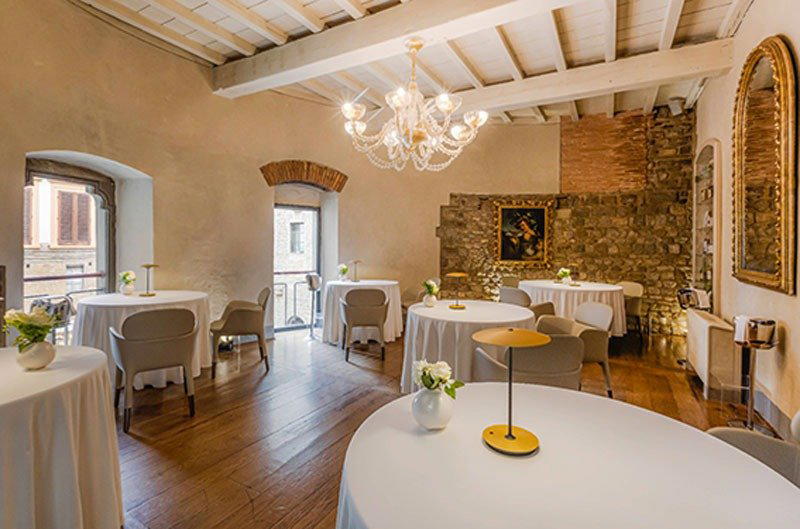
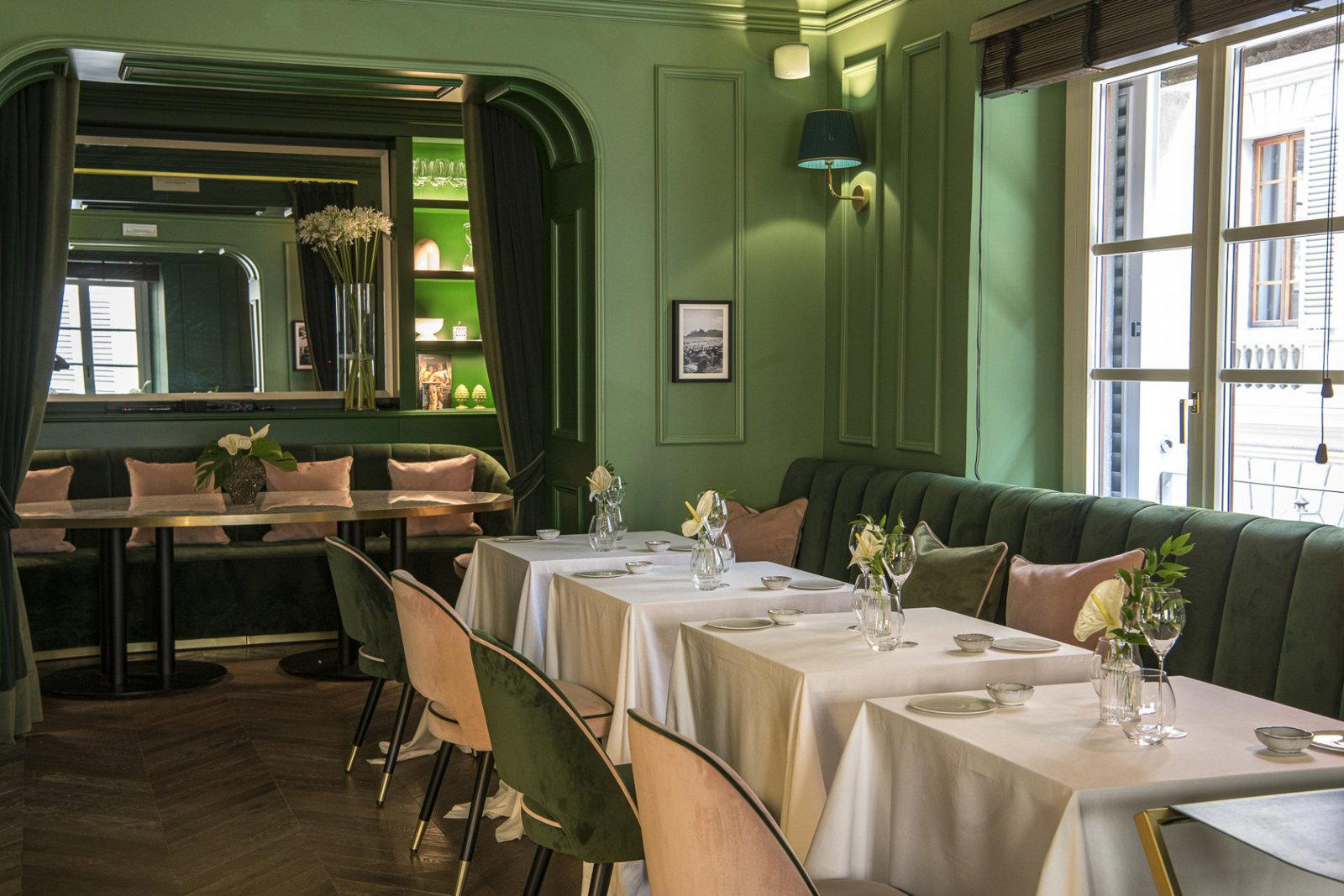
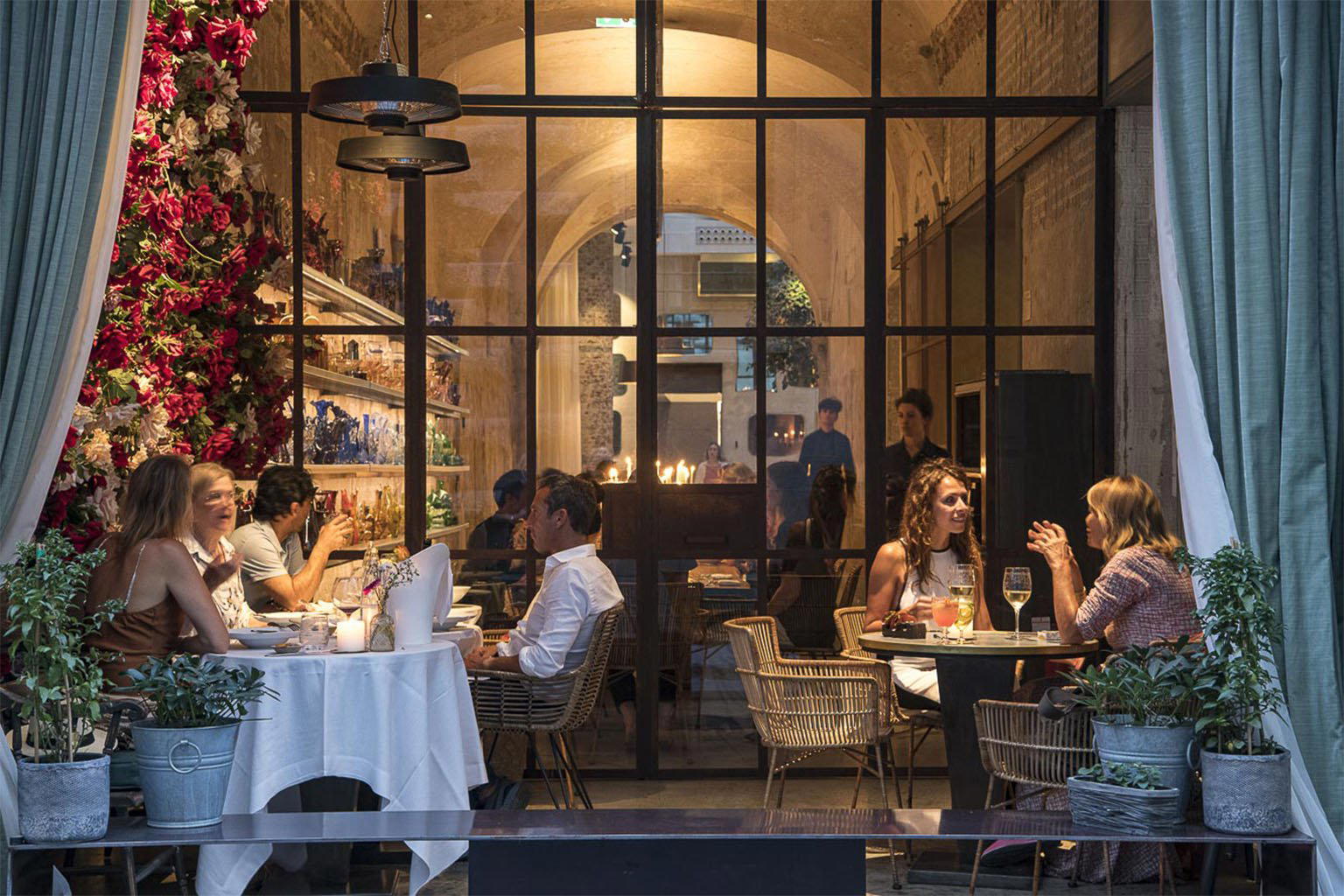
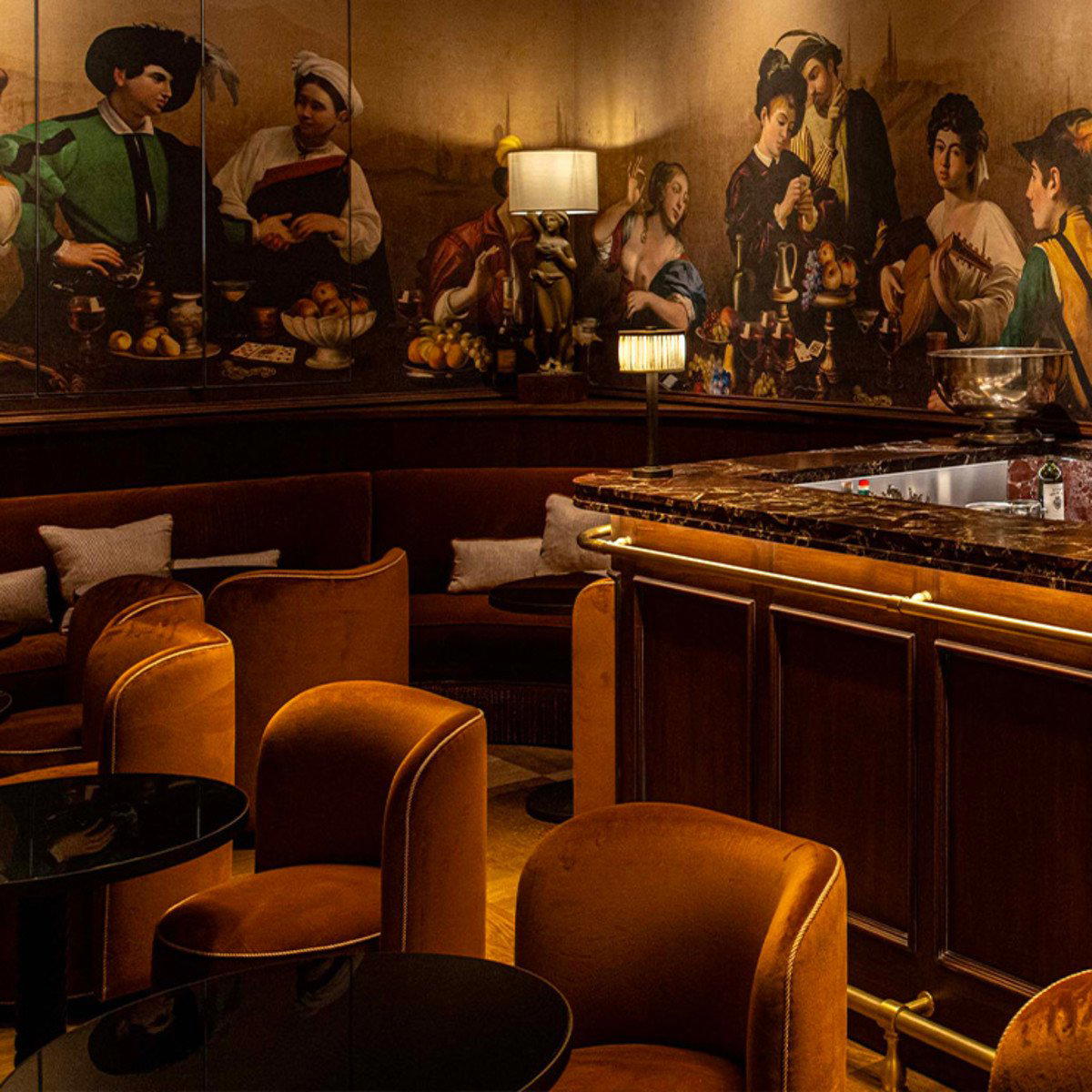
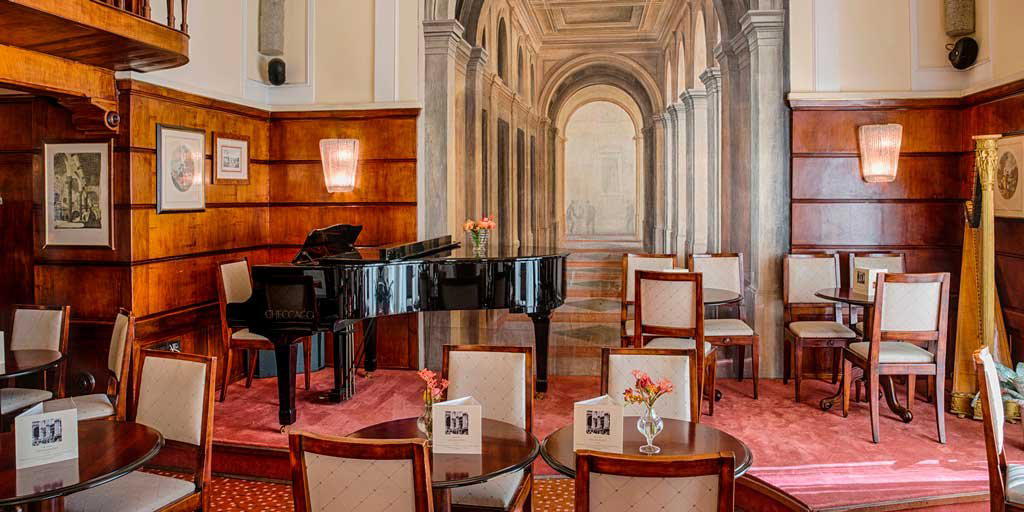
Bars in Florence
All bars in Florence →
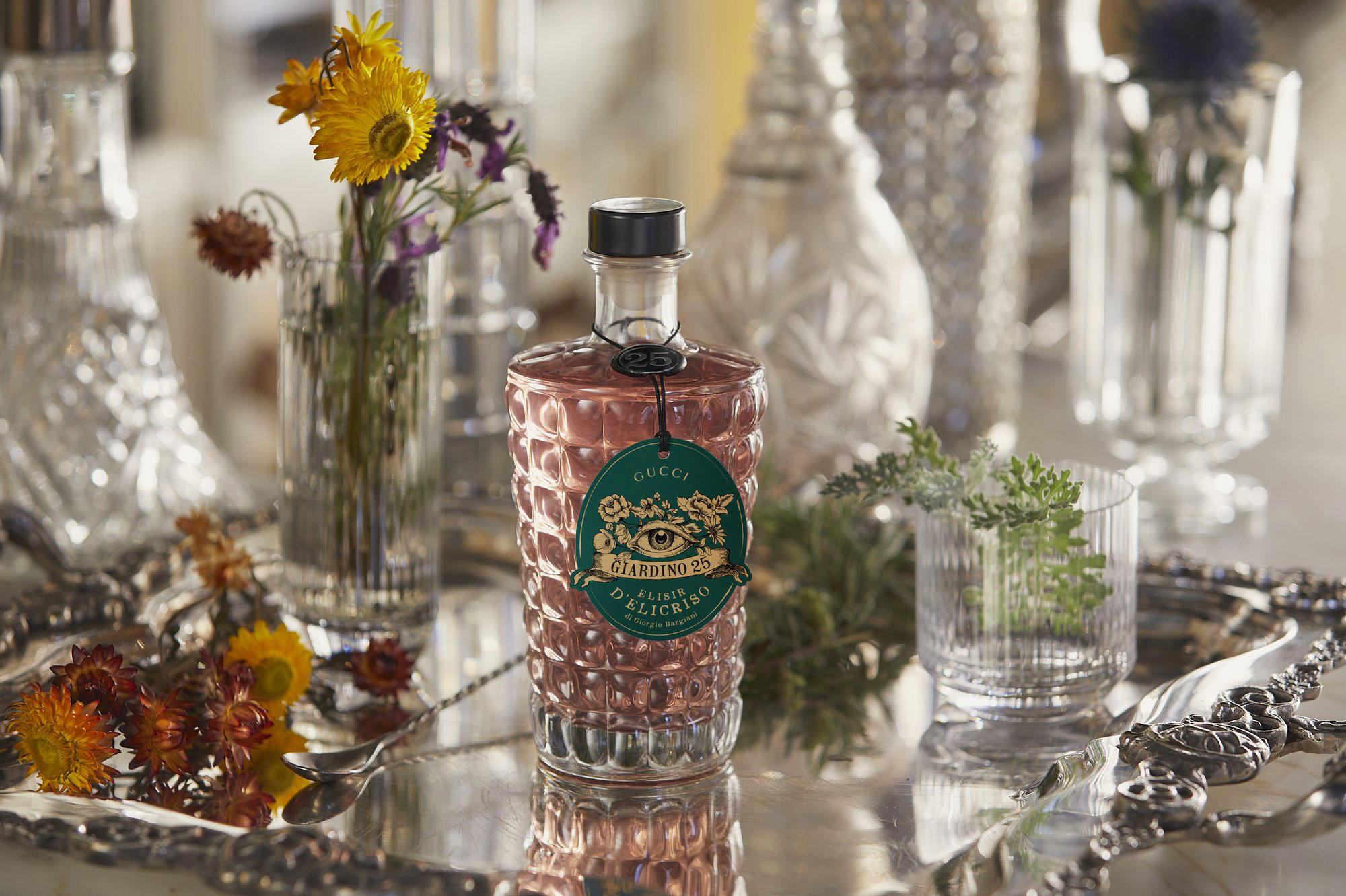
Hotels in Florence
All hotels in Florence →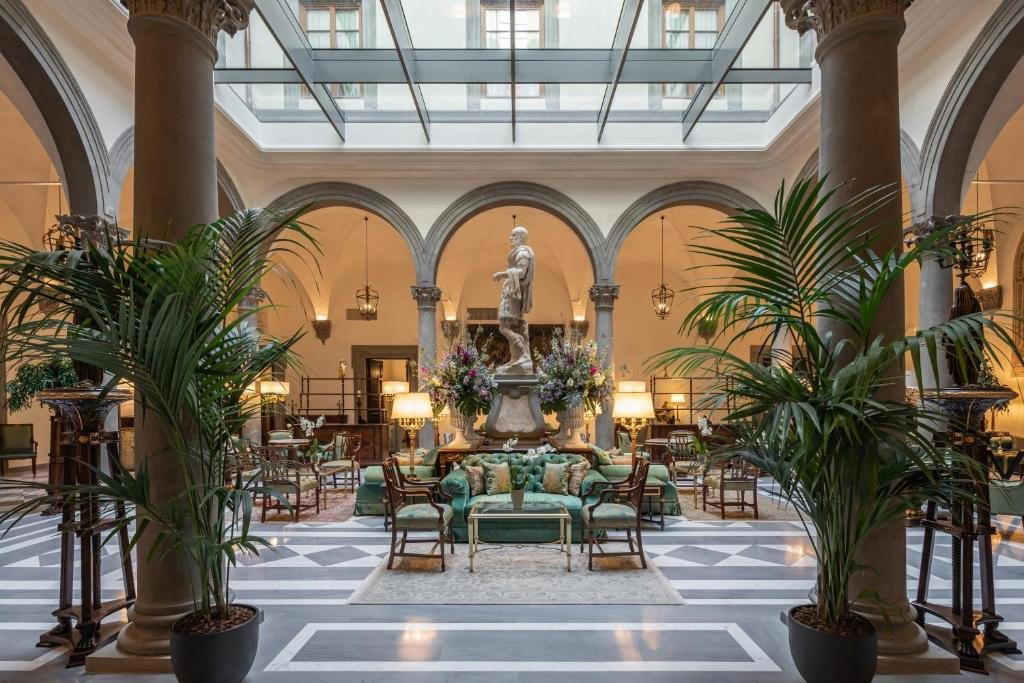

Atto di Vito Mollica
The wine
Atto di Vito Mollica holds the Wine Spectator Best of Award of Excellence, which Wine Spectator gives to lists of usually 350 or more selections.
- Wine Spectator
- Wine Spectator Best of Award of Excellence
- Selections
- 850
- Bottles in cellar
- 5,400
- List strengths
- France, Champagne, Burgundy, Italy, Piedmont, Tuscany
- Wine director
- Clizia Zuin
- Extensive wine list
Details
- Elegant
- Sophisticated
- Intimate
- Historic
- Ornate
- Date Night
- Special Occasion
- Business Dinner
- Historic Building
- Hotel Restaurant
- Private Dining
- Extensive Wine List
- Local Sourcing
Current opening hours
- Monday
- Closed
- Tuesday
- Closed
- Wednesday
- 7–10:30 PM
- Thursday
- 7–10:30 PM
- Friday
- 7–10:30 PM
- Saturday
- 7–10:30 PM
- Sunday
- 7–10:30 PM
Hours can change for holidays and private events. Hours as of .
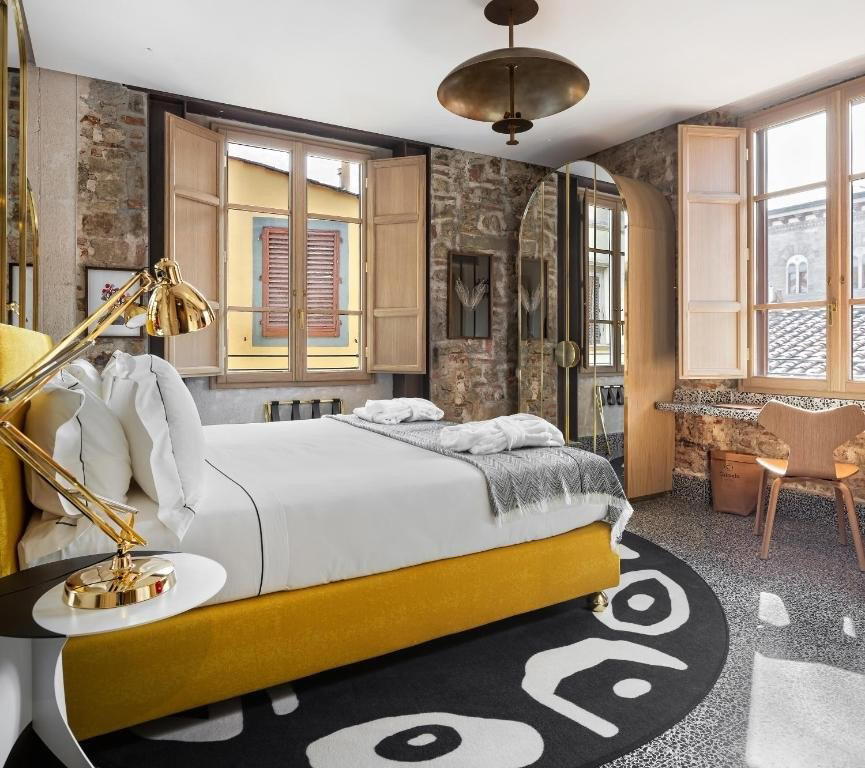
Refined and memorable atmosphere with art, decoration, original frescoes, precious mosaics, and elegant lighting in historic palace setting.