Reale








3 Michelin Stars · World's 50 Best #18 · La Liste Top Restaurants
Our verdict
5 points. Chef Niko Romito's tasting menus pursue radical minimalism, extracting maximum intensity from single ingredients, with a 14-course plant-based format that has drawn international attention to an otherwise overlooked corner of Abruzzo.

Pearl is the En Primeur Club membership app, where members save venues, book tables and use the concierge.
The Philosophy of Reduction
Within Italian culinary tradition, the principle that fewer ingredients demand greater skill is not new. For each ingredient, the process involves dissecting all possible nuances to find the optimum combination of technique, temperature, and preparation. The result is that the minimalism visible on the plate operates as a deliberate misdirection: what arrives looking simple carries a density of flavour that requires sustained attention to read fully.
The bread course illustrates this precisely. At most fine-dining restaurants, bread is a preamble. Here, it functions as an individual course, the product of years of study into fermentation, heritage flour varieties (ancient Saragolla wheat is the base), and dough molecular composition. The bread at Reale has become, within the professional community, a reference point for its category, an outcome that reflects how this style of cooking operates: treat a simple thing as a serious object of research, and it becomes authoritative rather than humble.
The 14-course plant-based tasting menu represents the furthest extension of this philosophy. Over two decades of focused study on vegetable ingredients, Romito has accumulated a body of knowledge that allows the menu to read as both a regional document and a technical manifesto. Dishes built around a single broccoli leaf with anise sauce, or the referenced pairing of celery and seabass (where the sea protein plays a supporting role to the extracted intensity of the vegetable), demonstrate how far this framework can travel from the conventional center of Italian fine dining.
At comparable progressive Italian addresses, Enrico Bartolini in Milan, Le Calandre in Rubano, or Piazza Duomo in Alba, the technical ambition is expressed through more varied ingredient sets and broader reference points. Reale's distinction within that peer group is the sustained commitment to narrowing rather than expanding, to going deeper into a smaller number of things rather than wider across many.
The Awards Record and What It Signals
The recognition attached to Reale is specific enough to position it accurately within the global fine-dining hierarchy. Three Michelin stars have been held continuously through 2024 and 2025. The World's 50 Best Restaurants ranking places it at number 19 in 2024, having previously reached number 15 in 2022, a trajectory that reflects sustained critical momentum rather than a single strong year. La Liste, which aggregates critical opinion across multiple international guides, awarded 97.5 points in 2025, placing it among the small group of restaurants operating at the highest level of global assessment. The Opinionated About Dining ranking positions it at number 25 among European restaurants in both 2024 and 2025, a peer group that includes houses with significantly larger reputations in more prominent cities.
For context, Italian restaurants at this award level are distributed across several distinct cooking philosophies. Uliassi in Senigallia operates from a seafood-forward Adriatic perspective. Quattro Passi in Marina del Cantone draws from Campania's coastal tradition. Atelier Moessmer Norbert Niederkofler in Brunico operates from an Alpine, hyper-local sourcing framework. What places Reale in a separate category is the degree to which the cooking is rooted in a single region's produce while simultaneously functioning as a global argument about technique, simplicity, and the future of plant-centered fine dining.
That score suggests the experience translates beyond the fine-dining cognoscenti, which is consistent with the internal logic of the cooking: if flavour intensity and palate pleasure are the stated objectives, the audience for that outcome is not limited to those who can read the technical apparatus behind it. That positioning matters, because it means Reale does not operate within an existing ecosystem of high-end restaurants and food tourism infrastructure. The monastery setting at Casadonna, which functions as both restaurant and resting place, is the full context for a visit. Arriving here is a deliberate act, requiring either a drive through the Apennine interior from Rome (roughly two and a half hours) or from Naples (approximately two hours), without convenient rail connections to the restaurant itself.
That logistical friction is part of the experience's meaning. The isolation enforces a pace that urban fine dining rarely achieves. The surrounding landscape, the vineyards, the architecture of the former monastery, and the absence of city-scale distraction create conditions in which the focus demanded by the food, careful attention, slow reading, course by course, feels natural rather than effortful.enprimeurclub.enprimeurclub.
Planning a Visit
Reale serves lunch and dinner across all seven days, with lunch running 12:30 to 2:30 pm and dinner from 7:30 to 10:30 pm. The price range sits at the top of the Italian fine-dining scale, consistent with the three-star tier. Given the restaurant's international profile and the limited capacity of a monastery-scale space, advance booking is essential; at this award level, reservations at comparable addresses typically require planning several weeks to months ahead. The Casadonna property allows guests to stay on-site, which is the most coherent way to structure a visit given the distance from major transport hubs. For international arrivals, the closest airports are Rome Fiumicino and Naples Capodichino, both requiring onward road travel into the Apennine interior.
For those building an extended Italian fine-dining itinerary, Reale sits within a coherent geography of southern and central Italian cooking that also includes houses operating at different points on the innovation spectrum, from Casa Perbellini 12 Apostoli in Verona in the north to coastal addresses further south.enprimeurclub.com/restaurants/le-bernardin">Le Bernardin in New York City or Atomix in New York City, both of which share the commitment to extracting maximum from minimum, even if the specific idioms differ considerably.
What to Order at Reale
The tasting menu is the only format that makes sense here, and the plant-based 14-course version represents the clearest expression of what the kitchen has built over two decades of vegetable research. Dishes named after a single ingredient, such as Swiss chard, courgette, or cauliflower (seasonally variable), carry far more than their names suggest: the construction involves isolating and amplifying each component's natural intensity rather than supplementing it with supporting flavours. The bread course is not optional. Built on ancient Saragolla wheat with attention to fermentation and molecular structure, it has been cited by Opinionated About Dining and other critical sources as a reference point for its category. Courses involving animal protein, such as the lamb with sheep milk and cinnamon sauce noted in critical documentation, tend to apply the same reductive logic to meat-based preparations, using the minimalist framework to make protein and sauce function as a single, coherent flavour argument rather than independent elements on the plate.
Frequently asked questions
When can I go to Reale?
Hours at Reale: Hours: Monday 12:30–2:30 pm, 7:30–10:30 pm Tuesday 12:30–2:30 pm, 7:30–10:30 pm Wednesday 12:30–2:30 pm, 7:30–10:30 pm Thursday 12:30–2:30 pm, 7:30–10:30 pm Friday 12:30–2:30 pm, 7:30–10:30 pm Saturday 12:30–2:30 pm, 7:30–10:30 pm Sunday 12:30–2:30 pm, 7:30–10:30 pm.
Where is Reale in Castel di Sangro?
Reale is located at Contrada Piana Santa Liberata, 67031 Castel di Sangro AQ, Italy, Castel di Sangro.
Cost Snapshot
Comparable venues nearby, for context on price, style, and recognition.
| Venue | Cuisine | Price | Awards | Notes |
|---|---|---|---|---|
| RealeThis venue (the venue you are viewing) | Modern Italian Fine Dining | $200–300 | 3 Michelin Stars · World's 50 Best #18 | Not listed |
| Materia Prima | Modern Italian Creative | $50–100 | Michelin Plate | Castel di Sangro, Modern Italian Creative |
| Enoteca Pinchiorri | Contemporary Italian Fine Dining | $200–300 | 3 Michelin Stars · World's 50 Best #32 | San Niccolo, Contemporary Italian Fine Dining |
| Piazza Duomo | Modern Piedmontese Fine Dining | $300–500 | 3 Michelin Stars · World's 50 Best #32 | Piazza Risorgimento, Modern Piedmontese Fine Dining |
| Osteria Francescana | Avant-Garde Italian Contemporary | $300–500 | 3 Michelin Stars · World's 50 Best #1 | Circoscrizione 1, Avant-Garde Italian Contemporary |
| Quattro Passi | Modern Mediterranean Fine Dining | $300–500 | 3 Michelin Stars · World's 50 Best #38 | Marina del Cantone, Modern Mediterranean Fine Dining |
Recognition history
Dated appearances from independent guides and award organizations, with the underlying list record or original source where available.
Michelin 3 Stars
Michelin
World's 50 Best Restaurants #18
World's 50 Best
La Liste Top Restaurants
La Liste
Falstaff Restaurant - 99 Falstaff Points
Falstaff
Les Grandes Tables du Monde Member
Les Grandes Tables du Monde
Full recognition history (21 entries)
Opinionated About Dining Top Restaurants in Europe Ranked #22
Opinionated About Dining
La Liste Top Restaurants
La Liste
Michelin 3 Stars
Michelin
Opinionated About Dining Top Restaurants in Europe Ranked #25
Opinionated About Dining
The Best Chef Two Knives
The Best Chef
We're Smart World 5 Radishes
We're Smart World
We're Smart World Top 100 #86
We're Smart World
Michelin 3 Stars
Michelin
Opinionated About Dining Top Restaurants in Europe Ranked #25
Opinionated About Dining
World's 50 Best Restaurants #19
World's 50 Best
Opinionated About Dining Top New Restaurants in Europe Ranked #31
Opinionated About Dining
World's 50 Best Restaurants #16
World's 50 Best
World's 50 Best Restaurants #15
World's 50 Best
World's 50 Best Restaurants #29
World's 50 Best
World's 50 Best Restaurants #36
World's 50 Best
World's 50 Best Restaurants #43
World's 50 Best
Continue exploring
More in Castel di Sangro
Restaurants in Castel di Sangro
All restaurants in Castel di Sangro →
Hotels in Castel di Sangro
All hotels in Castel di Sangro →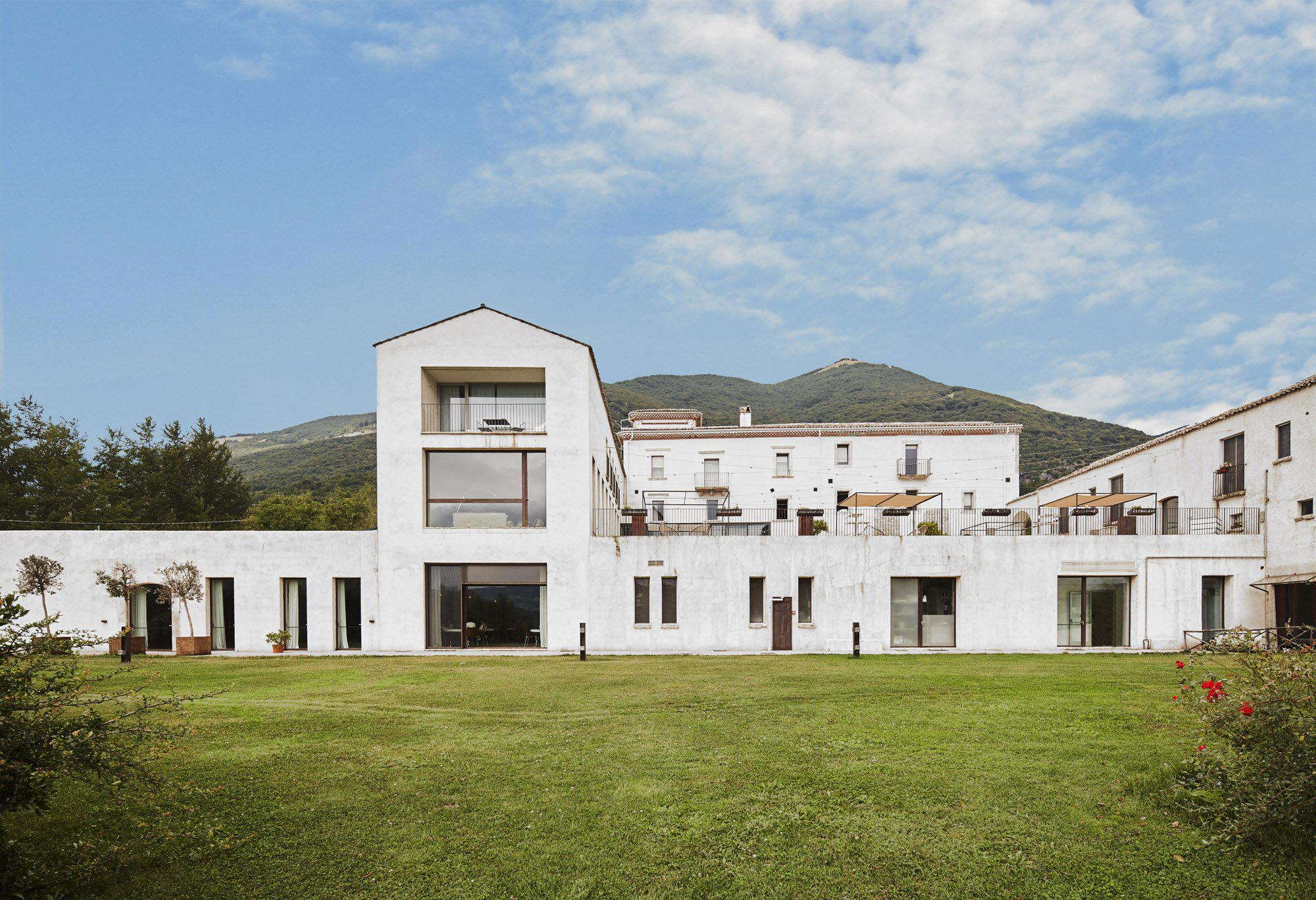

Reale
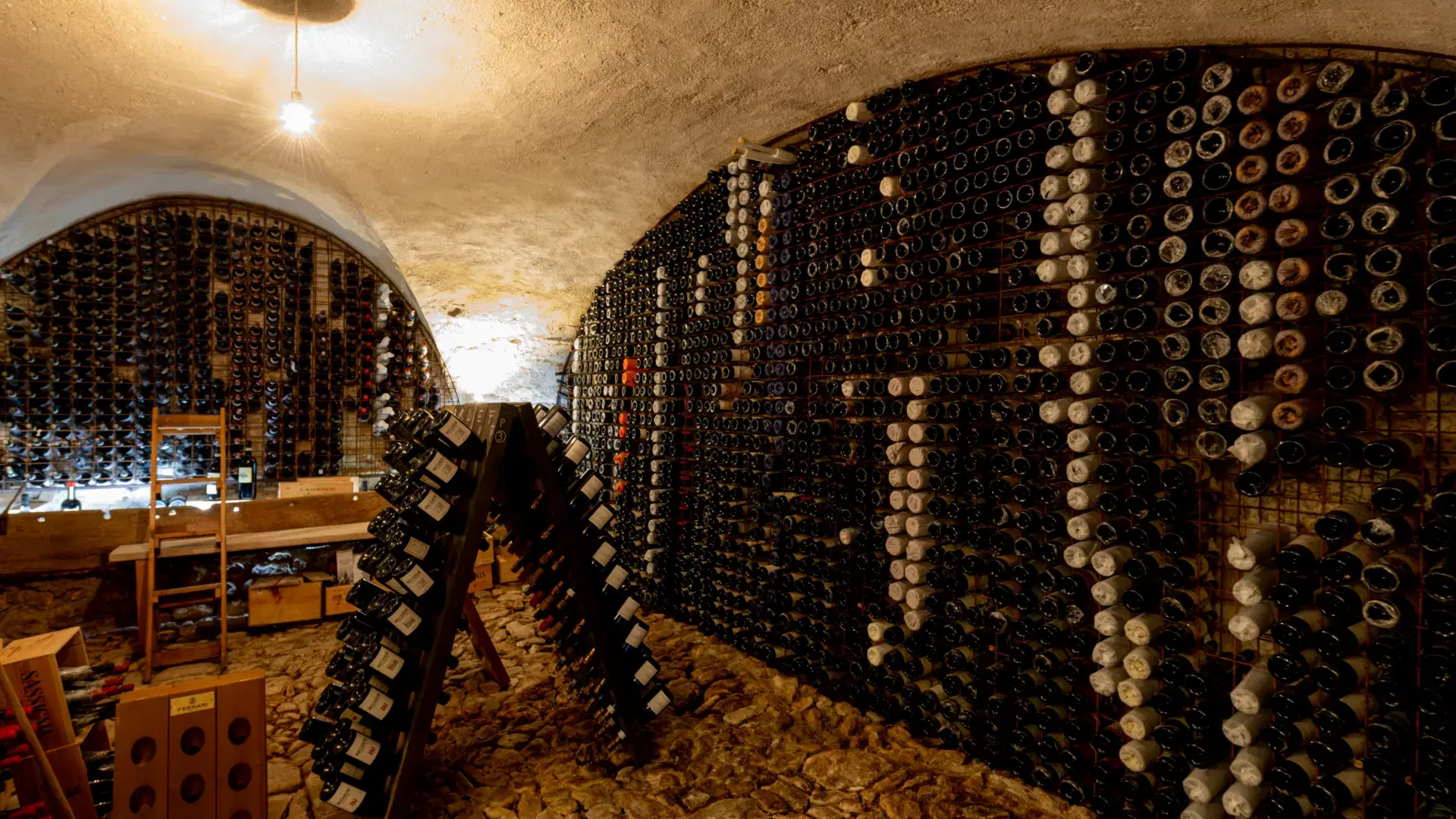
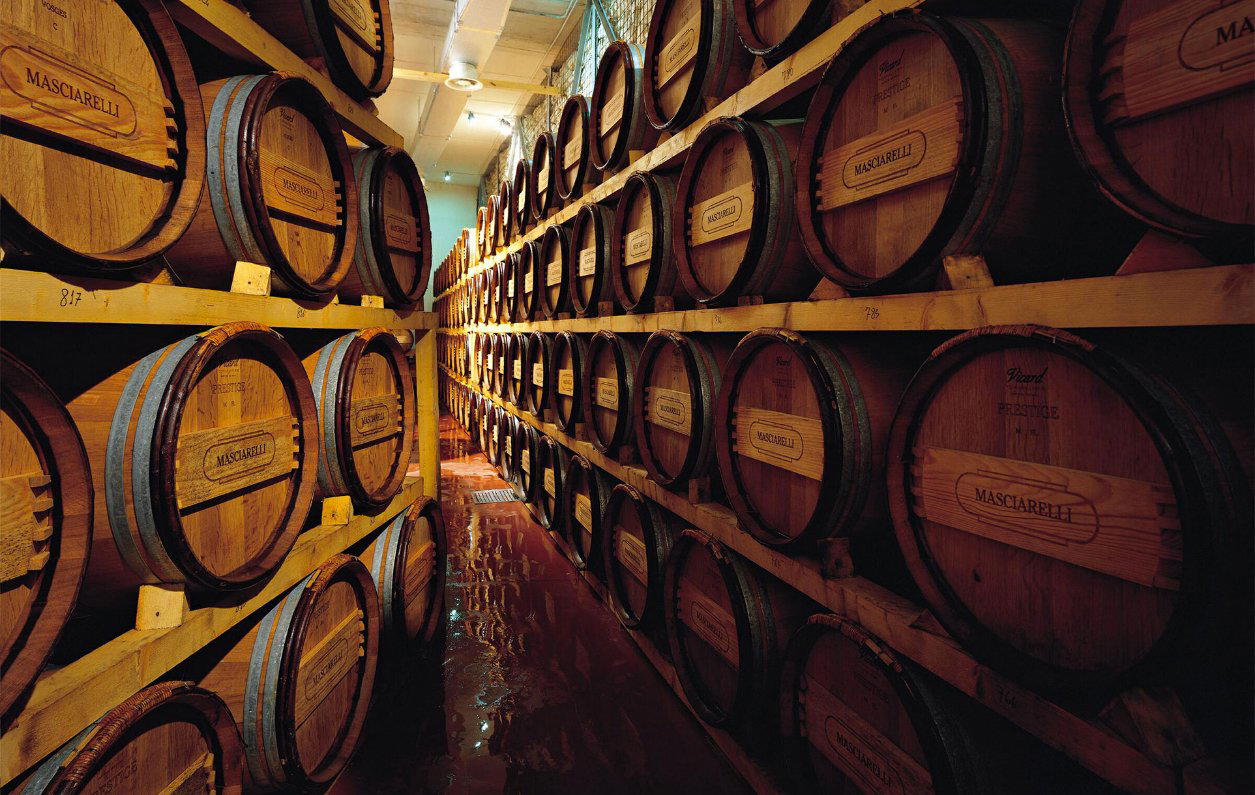
The wine
- Wine program
- Deep wine list
- Extensive wine list
Details
- Elegant
- Intimate
- Rustic
- Sophisticated
- Classic
- Date Night
- Celebration
- Special Occasion
- Historic Building
- Terrace
- Extensive Wine List
- Local Sourcing
- Mountain
- Garden
- Tasting Menu
- Vegetarian Friendly
Current opening hours
- Monday
- Closed
- Tuesday
- Closed
- Wednesday
- 7:30–10:30 PM
- Thursday
- 12:30–2:30 PM, 7:30–10:30 PM
- Friday
- 12:30–2:30 PM, 7:30–10:30 PM
- Saturday
- 12:30–2:30 PM, 7:30–10:30 PM
- Sunday
- 12:30–2:30 PM, 7:30–10:30 PM
Hours can change for holidays and private events. Hours as of .
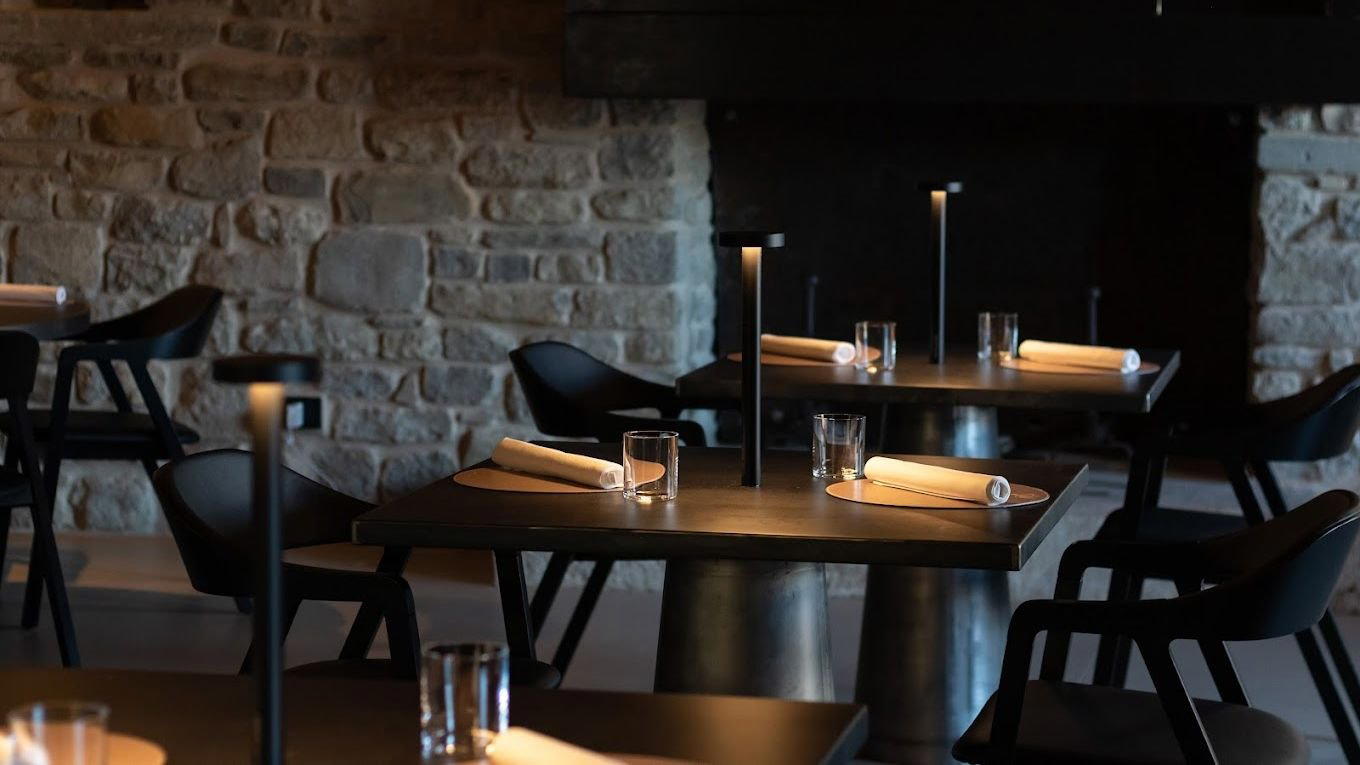
Understated elegance with sober sophistication in a historic monastery setting, focusing attention on the purity of ingredients and chef's vision.