Tenuta Tignanello
Tenuta Tignanello sits in the Chianti Classico hills south of Florence, carrying the 1971 first vintage that made its name synonymous with the Super Tuscan category.

Pearl is the En Primeur Club membership app — saves, bookings, and concierge access live there. Same editors, same standards.
- Address
- Via Santa Maria a Macerata, 50026 San Casciano in Val di Pesa FI
- Website
- antinori.it
- Directions
- Get directions
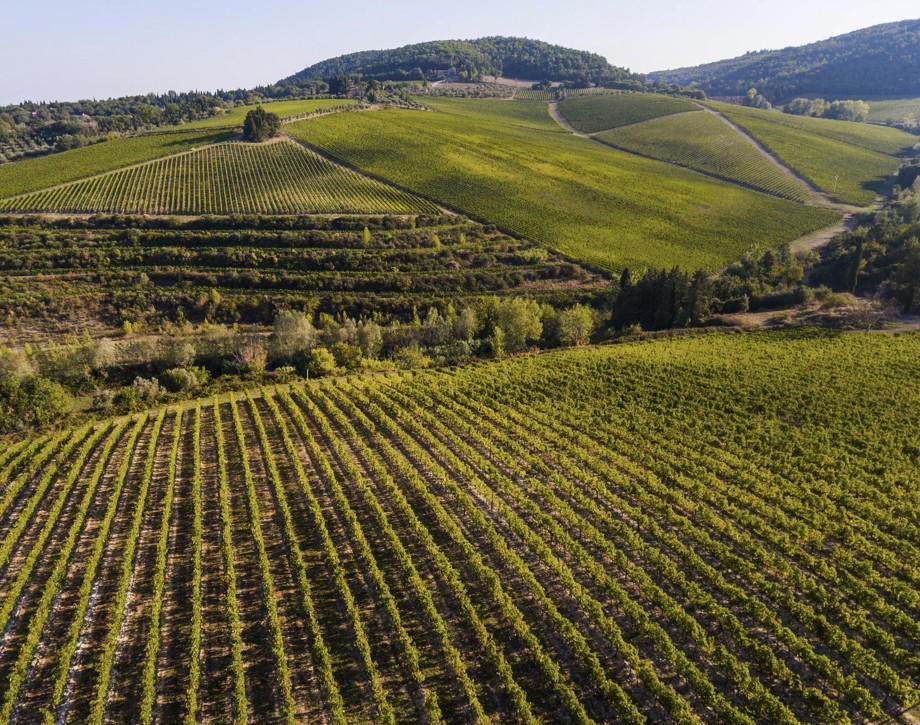
Tenuta Tignanello: The Vineyard That Rewrote Tuscan Wine
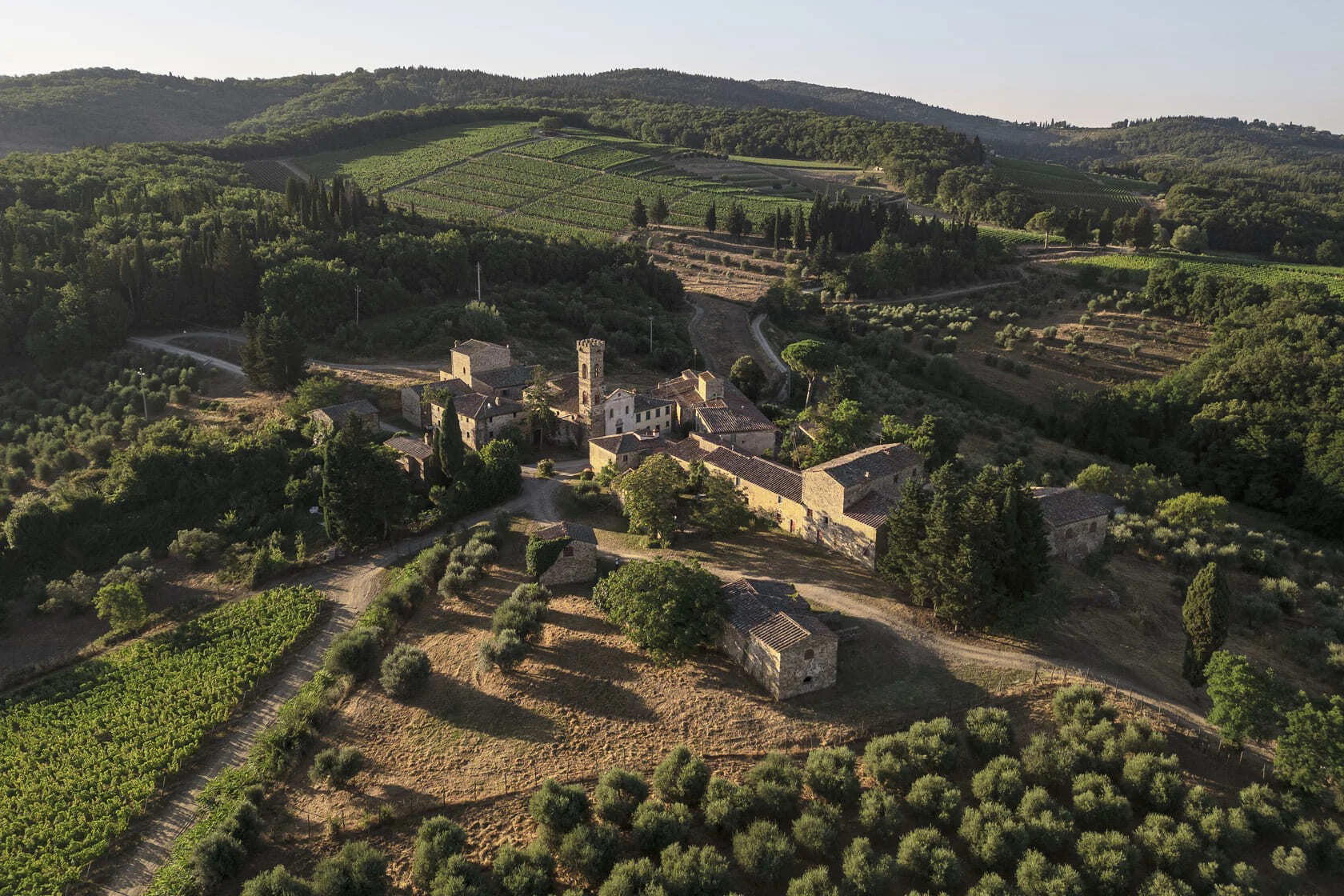
Approaching San Casciano in Val di Pesa from the Florence autostrada, the hills fold into the kind of terrain that makes Chianti Classico legible as a physical argument rather than a marketing category. Cypress lines mark estate boundaries. Pale limestone surfaces between vine rows after rain. The altitude, somewhere between 350 and 400 metres on these slopes, keeps summers from tipping into the heat excess that flattens aromatic precision in warmer Tuscan zones. This is the country that Tenuta Tignanello occupies, and the land's particularity is not incidental to the wine's reputation: it is the whole premise.
A Vintage That Changed the Category
The Super Tuscan classification, a phrase coined by critics rather than regulators, describes a generation of Tuscan wines that stepped outside DOC rules to blend Sangiovese with French varietals, age in small barriques rather than large Slavonian oak, and price against Bordeaux rather than regional peers. Tenuta Tignanello's first vintage, released in 1971, became the reference point for that shift. The wine predates the category label, which is precisely why it anchors the story. When writers and sommeliers reach for a single estate to explain how Tuscany's premium identity changed in the late twentieth century, this address comes up repeatedly.
That historical position places Tenuta Tignanello in a different competitive frame from contemporaries like L'Enoteca Banfi in Montalcino or Poggio Antico in Monte San Vito, both of which operate within established DOC and DOCG frameworks. The Tignanello wine's blend, historically Sangiovese with Cabernet Sauvignon and Cabernet Franc, sits outside Chianti Classico DOCG rules and therefore carries the IGT designation rather than a higher classification. That regulatory position is not a weakness: it was a deliberate assertion that the wine's quality would be argued by the glass and the vintage record, not by appellation paperwork.
Terroir at This Altitude
The soils around San Casciano in Val di Pesa mix galestro, the crumbly schist that drains aggressively and forces vine roots deep, with alberese, the harder clay-limestone matrix common across the Chianti Classico zone. The combination produces grapes with concentrated phenolics and naturally high acidity, which in warm years translates to structure and in cooler years can pull toward austerity. Winemaker Renzo Cotarella has overseen the estate's production through multiple vintage cycles, and the consistency of the wine's critical reception across decades suggests a house style that accommodates vintage variation rather than correcting against it.
That approach places Tenuta Tignanello within a school of Italian winemaking that prizes site legibility over stylistic uniformity, a position it shares with estates like Aldo Conterno in Monforte d'Alba and Lungarotti in Torgiano, though the specific terroir arguments differ by region. In Tuscany, the elevation and the galestro-alberese mix are the primary variables. The Tignanello vineyard parcel itself, from which the flagship wine takes its name, faces southwest and captures late afternoon heat while the altitude moderates overnight temperatures. That diurnal range is, in practical terms, what separates the aromatic complexity in the finished wine from what flatter, hotter parcels in the same region tend to produce.
Within Tuscany's premium winery set, that rating is consistent with the estate's positioning: it is not an emerging name building a reputation, but a reference address with a fifty-year public record against which new vintages are assessed.
For context, the Pearl Prestige framework at this level typically reflects estates where the combination of terroir definition, winemaker continuity, and historical track record justifies allocation-level interest. Tenuta Tignanello fits that description precisely because its reputation rests on vintage data stretching back to 1971 rather than on recent critical discovery. That depth of record also means that collectors and buyers approach the estate with specific vintage questions rather than general curiosity, which shapes how visits and tastings tend to be structured.
Visiting the Estate
Tenuta Tignanello sits in San Casciano in Val di Pesa, one of the communes that form the northern edge of the Chianti Classico production zone. The town is approximately 17 kilometres south of Florence by road, making it accessible as a day trip from the city while also sitting within the broader Chianti Classico touring corridor that connects Florence to Siena. Visitors combining this estate with stops at Castello di Volpaia in Radda in Chianti or exploring the wider region through our full San Casciano in Val di Pesa guide will find the roads between estates manageable, though a car is necessary given the distance between properties on country roads.
The estate address is Via Santa Maria a Macerata, 50026 San Casciano in Val di Pesa FI. Given the estate's international profile and the volume of collector interest, advance planning is advisable rather than a speculative arrival.
Where Tenuta Tignanello Sits in the Italian Wine Tier
Italy's premium wine tier now spans regions from Piedmont to Sicily, with producers like Ca' del Bosco in Erbusco representing Franciacorta's sparkling tradition and Planeta in Menfi anchoring Sicily's modern identity in the premium export market. Within that national picture, Tuscany's Super Tuscans occupy a specific role: they are the wines that first established Italy as a serious player in the international fine wine market during the 1980s and 1990s, and Tenuta Tignanello's flagship label was a primary vehicle for that repositioning.
The estate's position today is less about current trend-chasing and more about the authority that comes from being the point of origin for a category. That is a different kind of prestige from what newer estates in emerging Italian regions are building, and it carries different expectations from buyers and visitors. A visit to Tenuta Tignanello is, in practical terms, a visit to a working archive of what Tuscan winemaking decided to become in the last quarter of the twentieth century.
For those building a broader view of Italian producer traditions beyond wine, the country's distilling heritage at estates like Nonino Distillery in Pavia di Udine, Distilleria Marzadro in Nogaredo, and Distilleria Romano Levi in Neive offers adjacent context, as does the broader Italian drinks canon represented by Campari in Milan and Poli Distillerie in Schiavon. For international comparative reference, Aberlour in Scotland and Accendo Cellars in St. Helena represent parallel traditions of terroir-anchored production in their respective categories.
How It Stacks Up
Comparable venues nearby, for context on price, style, and recognition.
| Venue | Cuisine | Awards | Notes |
|---|---|---|---|
| Tenuta TignanelloThis venue — the venue you are viewing | Sangiovese, Cabernet Sauvignon | Not listed | Not listed |
| Isole e Olena | Sangiovese, Canaiolo | Falstaff Winery - 5 Stars | San Donato in Poggio |
| Biondi-Santi Tenuta Greppo | Sangiovese | Falstaff Winery - 5 Stars | Montalcino |
| Solaia (Marchesi Antinori) | Cabernet Sauvignon, Sangiovese | Not listed | San Casciano in Val di Pesa |
| Tenuta San Guido | Cabernet Sauvignon, Cabernet Franc | Falstaff Winery - 5 Stars | Bolgheri |
| Gruppo Montenegro | Winery | Not listed | Bologna |
Continue exploring
More in San Casciano in Val di Pesa
Wineries in San Casciano in Val di Pesa
Browse all →
Bars in San Casciano in Val di Pesa
Browse all →
Restaurants in San Casciano in Val di Pesa
Browse all →
Details
- Elegant
- Rustic
- Scenic
- Classic
- Sophisticated
- Wine Education
- Special Occasion
- Solo Exploration
- Vineyard Tour
- Estate Grounds
- Barrel Room
- Historic Building
- Panoramic View
- Vineyard
- Garden
- Sangiovese
- Cabernet Sauvignon
- Cabernet Franc
- Malvasia
- Trebbiano
- Still Red
- Private Tasting
- Vertical Tasting
- English
- Italian
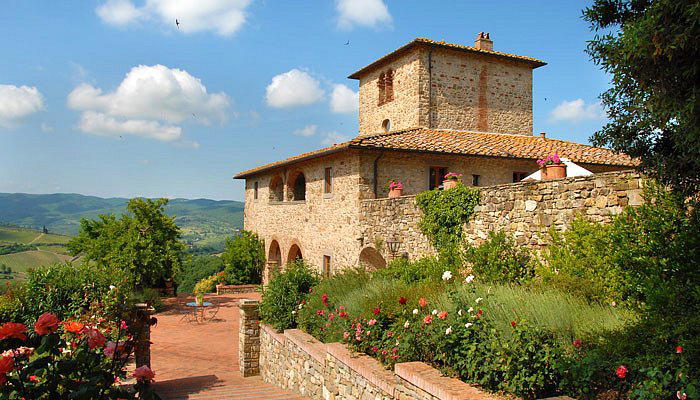
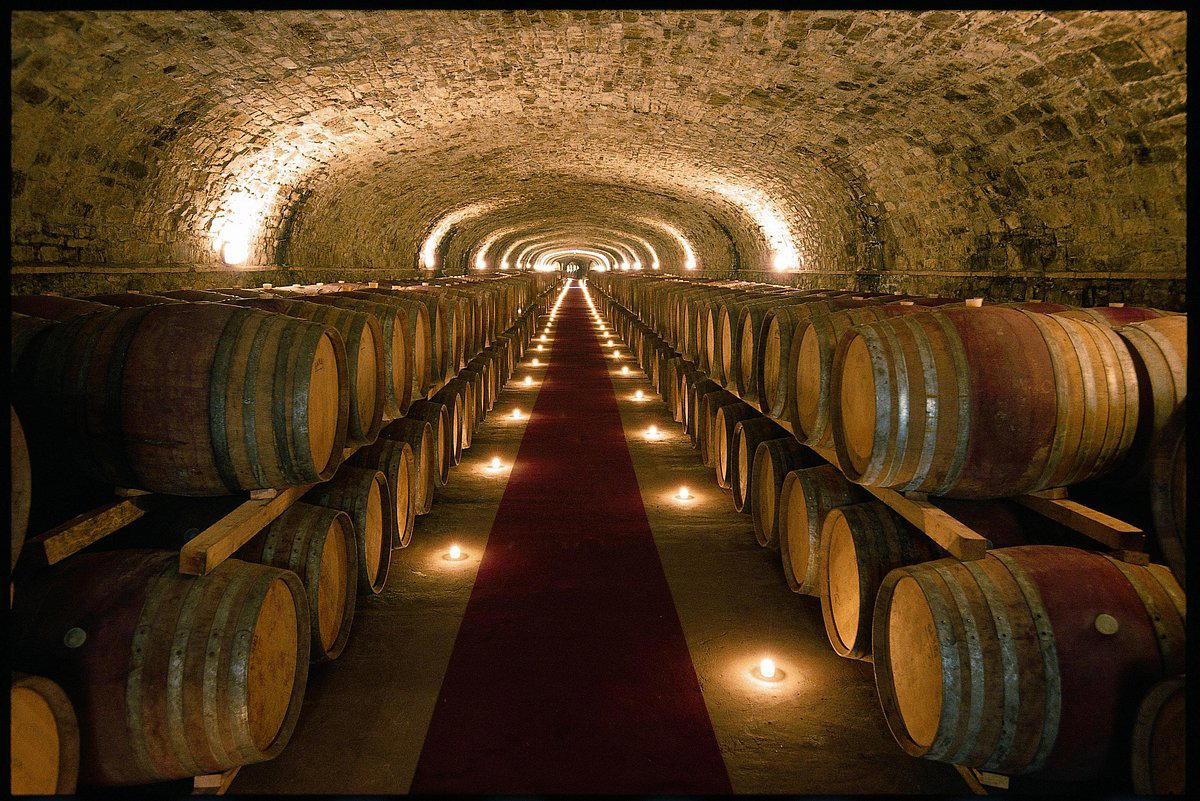
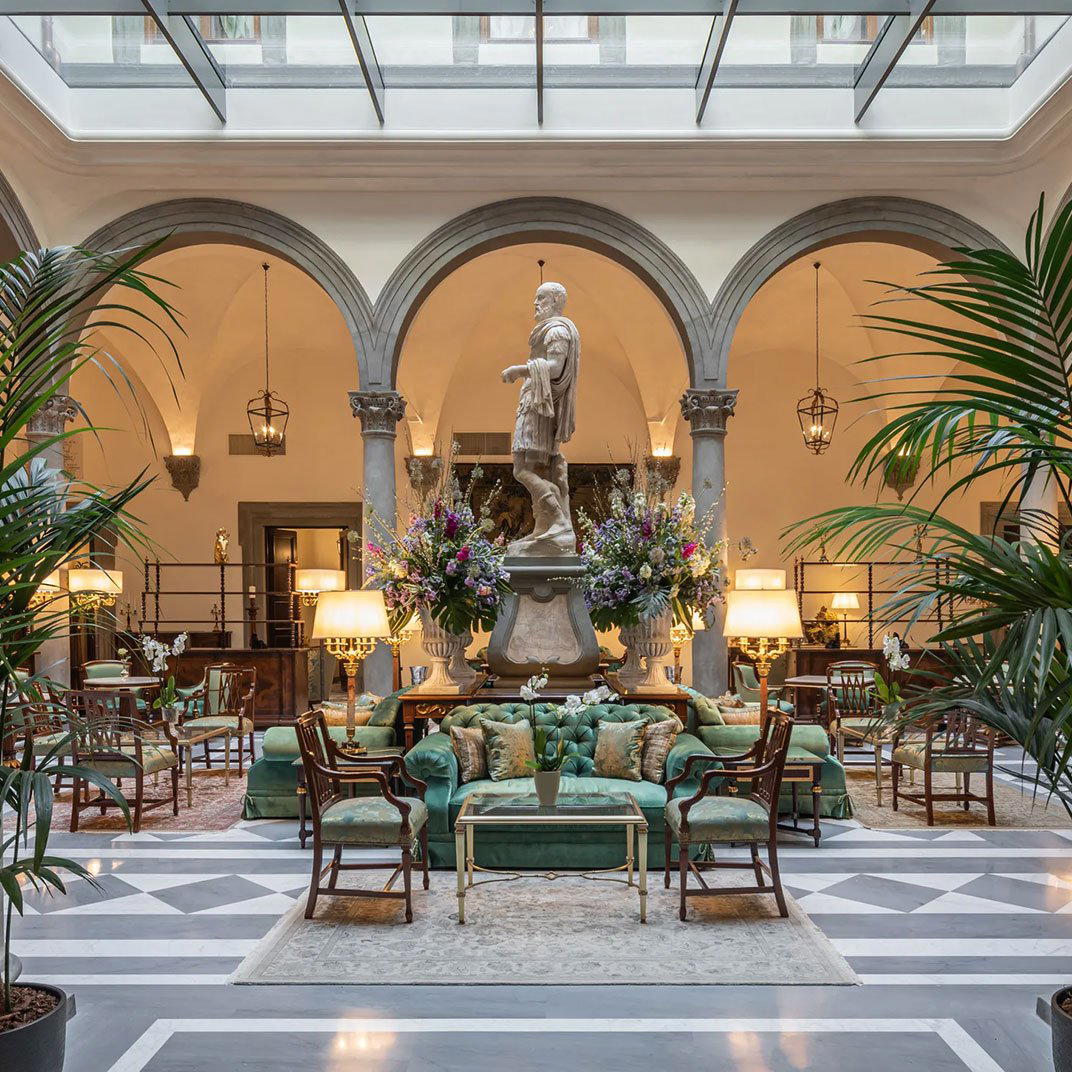
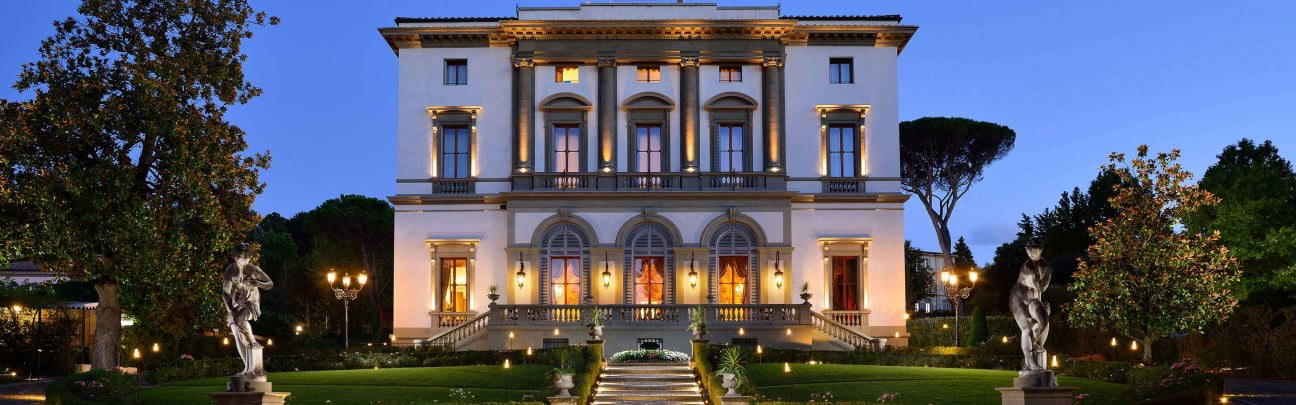
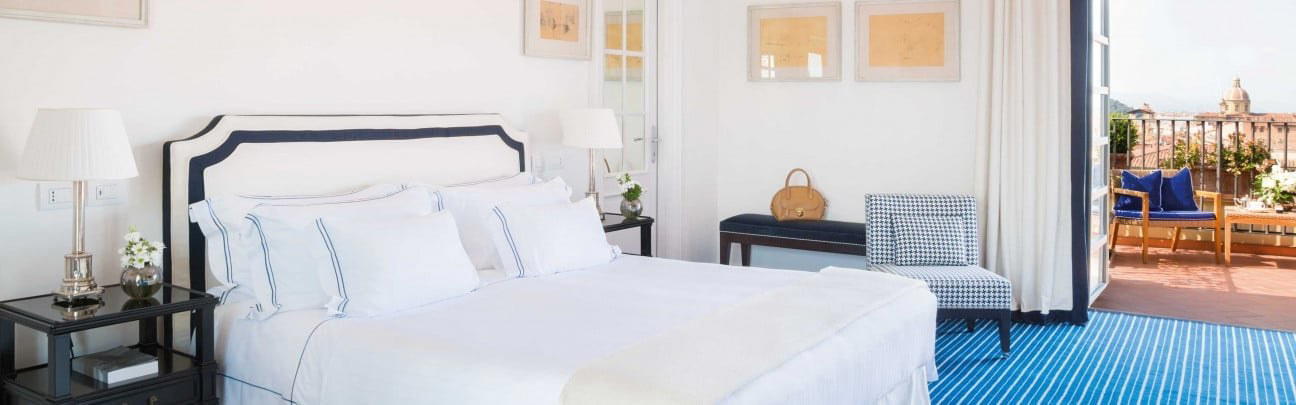
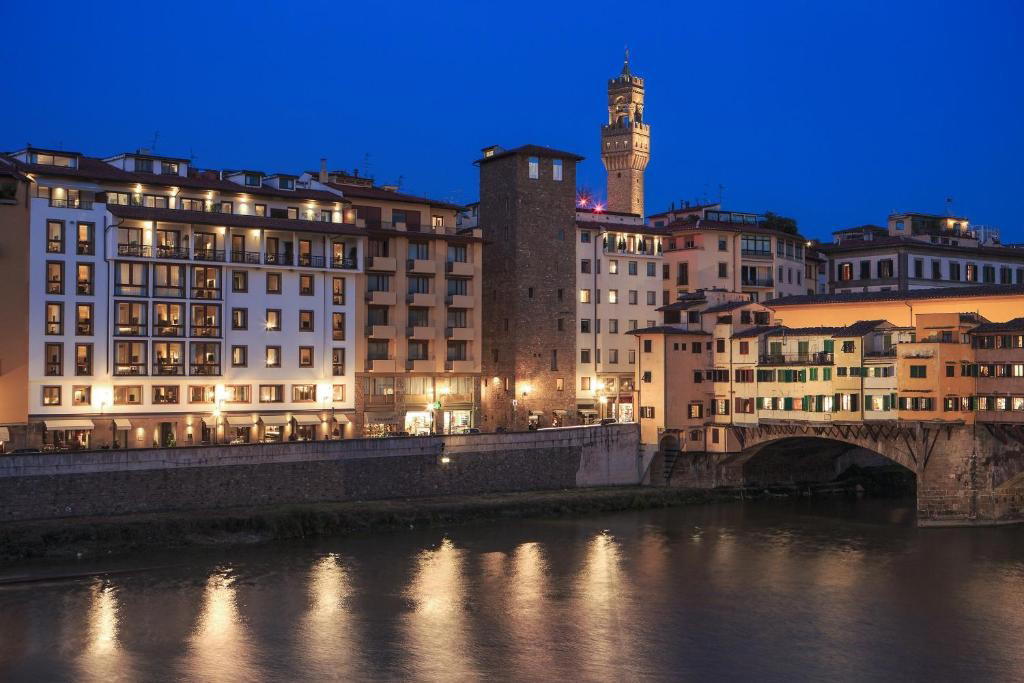
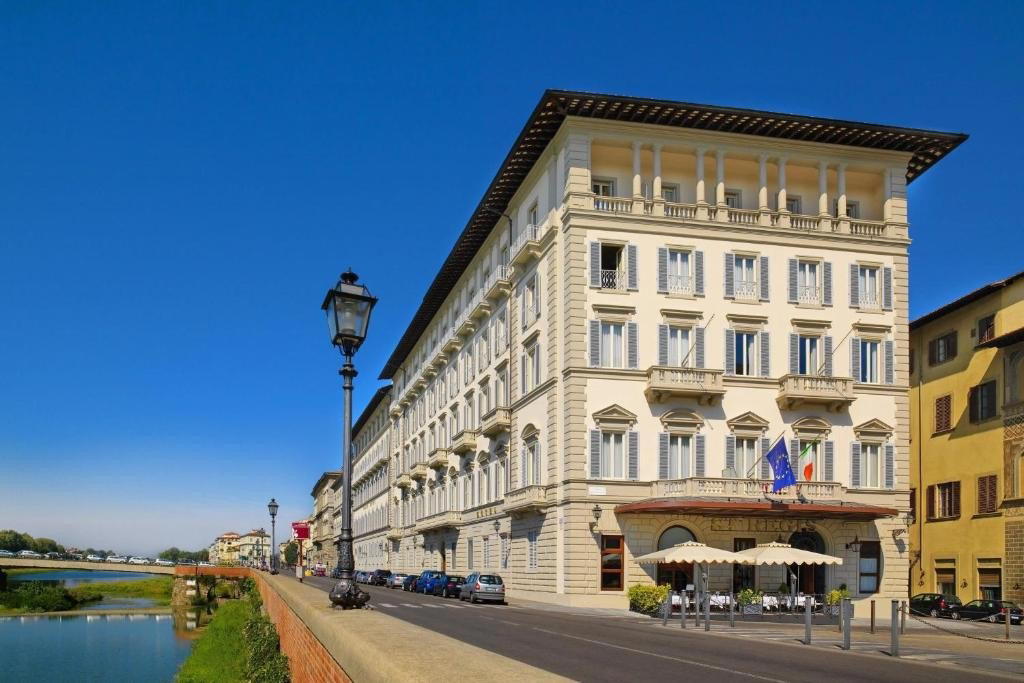
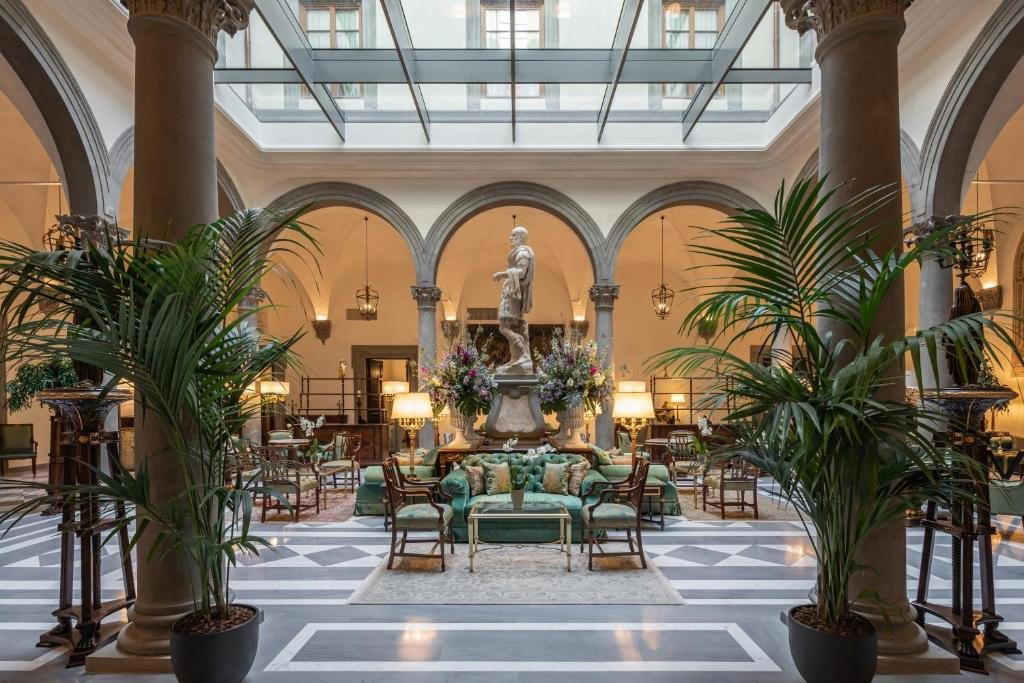
Serene and picturesque Tuscan hillside setting with elegant Renaissance villa, historic barrel cellar, and dramatic vineyard landscapes.