
1 Michelin Star
Our verdict
Paca holds a Michelin star on a quiet street just off Prato's historic centre, making a clear case that Tuscany's second city has its own fine dining register. The kitchen works with small local producers, shaping a contemporary Italian menu around ingredient provenance rather than spectacle. Colonnata lard arrives with house-baked breads spanning rice flour and chestnut, an early signal of how seriously the kitchen treats its raw materials.

Pearl is the En Primeur Club membership app — saves, bookings, and concierge access live there. Same editors, same standards.
- Address
- Via Frà Bartolomeo, 13, 59100 Prato PO, Italy
- Phone
- +39 0574 182 0222
- Hours
- Mon ClosedTue–Thu 7:30–11 PMFri–Sat 12:30–3 PM, 7:30–11 PMSun Closed
- Website
- pacaristorante.it
- Directions
- Get directions
- Booking
- Book on TheFork
The menu
What to order
- Fish soup dumpling
- Sheep carpaccio with basil sauce
- Pheasant pie with leek
- Apple rollup dessert with apple cider vinegar sauce
Prato's Fine Dining Moment, Framed in Local Provenance
Prato sits in the shadow of Florence on most culinary maps, which is precisely what makes its Michelin-starred restaurant scene worth examining on its own terms. The city has long been defined by its textile industry and a dense, working population that eats well but without the tourist premium attached to its neighbour thirty minutes down the A11. That context matters when assessing Paca, which occupies a position on Via Frà Bartolomeo, 13 — close enough to the historic centre to be walkable from the Duomo, but without the self-conscious positioning of a restaurant that needs foot traffic from visitors. This is a room that earns its audience through reputation, not location alone.
The 2024 Michelin star places Paca in a specific tier of Italian contemporary dining: one step above the creative-bistro register, several tiers below the theatrical €€€€ operations at Osteria Francescana in Modena or Enoteca Pinchiorri in Florence. At the €€€ price point, it sits alongside venues that compete on ingredient precision and kitchen rigour rather than on room drama or long tasting menu formats with wine pairings pushing the bill toward four figures. That is a deliberate positioning, and one that reads as confidence rather than limitation.
The Pasta Tradition as a Measure of Kitchen Seriousness
In Tuscany, handmade pasta remains one of the clearest indicators of how seriously a kitchen takes its craft. The region's pasta tradition is quieter than Emilia-Romagna's — fewer shapes named after local nobility, less of the egg-yolk richness that defines Bolognese tagliatelle, but no less disciplined. Tuscan pasta tends toward restraint: pici, the hand-rolled thick spaghetti of the south of the region; pappardelle cut wide enough to carry the weight of a ragù built from wild boar or hare; and occasional forays into the ribollita-adjacent world of bread-thickened sauces that blur the boundary between pasta course and soup.
Contemporary kitchens working in this tradition face a choice: honour the regional grammar or use it as a departure point for something more personal. At Paca, the menu's orientation toward small local producers and Tuscan raw materials suggests a kitchen that treats provenance as the organising principle rather than technique as performance. That approach aligns with a broader shift in Michelin-level Italian cooking over the past decade, where the most interesting single-star restaurants often read as refined localism rather than modernist showmanship. The distinction matters: you can find aggressive technique at Enrico Bartolini in Milan or Le Calandre in Rubano; what's harder to find is a kitchen that makes ingredient selection itself feel like an editorial act.
The bread service at Paca functions as an early demonstration of that logic. Colonnata lard, the cured fatback from the marble-quarrying village near Carrara, aged in the same white stone basins that have been used there for centuries, arrives alongside breads that include rice flour and chestnut varieties. This is not garnish. Colonnata lard is one of the more regionally specific ingredients in the Tuscan larder, and its pairing with breads that each carry their own structural character sets an expectation that carries through the rest of the meal. It signals that the kitchen is thinking about texture and contrast at the level of the amuse-bouche, before the pasta or main courses have arrived.
Contemporary Italian at the €€€ Register: What That Actually Means
The Italian contemporary category at the single-star Michelin level has become one of the most internally diverse in European fine dining. It encompasses kitchens as different as Agli Amici in RovinjL'Olivo in Anacapri, where the Mediterranean pantry shapes everything. What connects them is a commitment to Italian culinary logic as the primary frame, even when technique or presentation borrows from elsewhere.
At €€€, Paca occupies a price band where the kitchen cannot rely on luxury ingredients to carry the experience. There is no foie gras buffer, no white truffle shaved tableside to justify a bill that exceeds reasonable expectation. The cooking has to be good on its own terms, which means sourcing strategy and execution have to work in tandem.
For comparison, the €€€€ end of the Italian contemporary spectrum, Dal Pescatore in Runate, Uliassi in Senigallia, Quattro Passi in Marina del Cantone, operates with a different set of expectations around room formality, service ratio, and the pace of a meal. Paca's Tuesday-to-Saturday format, with dinner from 7:30 PM to 11 PM and Friday-Saturday lunch from 12:30 PM to 3 PM, is the operational shape of a kitchen running lean and deliberate rather than one built for volume. Monday and Sunday closures are standard for serious Italian restaurants of this type, preserving the team's capacity to source and prep without the attrition of seven-day service.
Prato as a Dining City: Context Beyond Florence's Orbit
Prato's reputation in international food media remains disproportionately low relative to its actual dining quality. The city's food culture is shaped by a large Chinese-Italian community, one of the largest in Europe, which has produced an unusually hybrid restaurant scene that sits alongside traditional Tuscan trattorias and, now, Michelin-starred contemporary kitchens. Paca is not operating in a vacuum; the presence of Il Piraña, a seafood-focused address in the city, and MOI Omakase, which runs a modern Italian-Japanese format, suggests that Prato's fine dining register is broader than the city's external profile implies.
That broader context is worth understanding before booking. Prato rewards visitors who treat it as a destination rather than a detour from Florence. The historic centre is compact, the cathedral's Filippo Lippi frescoes are among the most significant in Tuscany, and the textile museum offers a serious industrial history that most art-focused tourists bypass entirely. A Friday or Saturday lunch at Paca fits naturally into a longer stay rather than a rushed day trip. For those building a full itinerary, our full Prato restaurants guide maps the city's dining options across formats and price points, while our Prato hotels guide, bars guide, wineries guide, and experiences guide cover the supporting infrastructure of a proper visit.
Paca is open Tuesday through Saturday, with dinner service running 7:30 PM to 11 PM across all five evenings and a lunch sitting on Friday and Saturday from 12:30 PM. The address, Via Frà Bartolomeo, 13, steps from the historic centre, is manageable on foot from most central accommodation. Given the 4.8 rating and Michelin star, booking in advance is sensible; the restaurant does not appear to operate a walk-in model, and demand at this level in a city of Prato's size tends to outrun available covers on weekend evenings.
What Paca Represents for Italian Starred Dining
The broader argument for restaurants at Paca's tier is that Italian fine dining's most honest expression often happens at the one-star level, in mid-size cities with serious local food cultures, at price points that don't require the meal to function as a once-in-a-decade event. The €€€€ rooms, from Piazza Duomo in Alba to Atelier Moessmer Norbert Niederkofler in Brunico, carry prestige and ambition that is entirely legitimate on its own terms. But a kitchen that holds a Michelin star, maintains a 4.8 across hundreds of covers, sources Colonnata lard and builds its own bread programme around regional ingredients, and does all of this at €€€ in a city that doesn't inflate its prices for international visitors: that is a specific kind of value that the Italian fine dining map does not always make easy to find.
Paca makes it easy. The room is close to the centre, the service is noted as attentive across available documentation, and the ingredient brief is coherent enough that the kitchen's priorities are legible from the first course. For anyone building a serious Italian itinerary that looks beyond the obvious starred addresses in Florence or Bologna, this is exactly the type of room that repays the small adjustment to one's route.
Frequently asked questions
Is Paca more mid-range or high-end?
Pricing at Paca is listed as €€€.
Does Paca have a Michelin star or similar recognition?
Paca has received recognition including: This beautiful gastronomic establishment just steps from the historic center offers modern Italian cuisine that pays great attention to raw materials, selecting small local producers and, where possible, local ingredients. The exquisite Col….
What dish is Paca famous for?
No single dish dominates Paca's public record, but the bread service has drawn consistent attention from reviewers: the kitchen rotates offerings that include rice flour bread and chestnut bread, served alongside Colonnata lard. For a one-star restaurant in Prato, that level of attention to something as foundational as bread signals where the kitchen's priorities sit in relation to raw materials and local sourcing.
Cuisine Context
| Venue | Cuisine | Price | Awards | Notes |
|---|---|---|---|---|
| PacaThis venue — the venue you are viewing | Modern Italian Fine Dining | $100–150 | 1 Michelin Star | Not listed |
| Atelier Moessmer Norbert Niederkofler | Italian, Creative | Not listed | Michelin 3 Star | Not listed |
| Dal Pescatore | Italian, Italian Contemporary | Not listed | Michelin 3 Star | Not listed |
| Enoteca Pinchiorri | Contemporary Italian Fine Dining | $200–300 | 3 Michelin Stars · World's 50 Best #32 | Italian - French, Italian Contemporary |
| Enrico Bartolini | Creative | Not listed | Michelin 3 Star | Not listed |
| Osteria Francescana | Avant-Garde Italian Contemporary | $300–500 | 3 Michelin Stars · World's 50 Best #1 | Progressive Italian, Creative |
Recognition history
Dated appearances from independent guides and award organizations, with the underlying list record or original source where available.
Michelin 1 Star
Michelin
Full recognition history (3 entries)
Michelin 1 Star
Michelin
Michelin 1 Star
Michelin
Continue exploring
More in Prato
Restaurants in Prato
Browse all →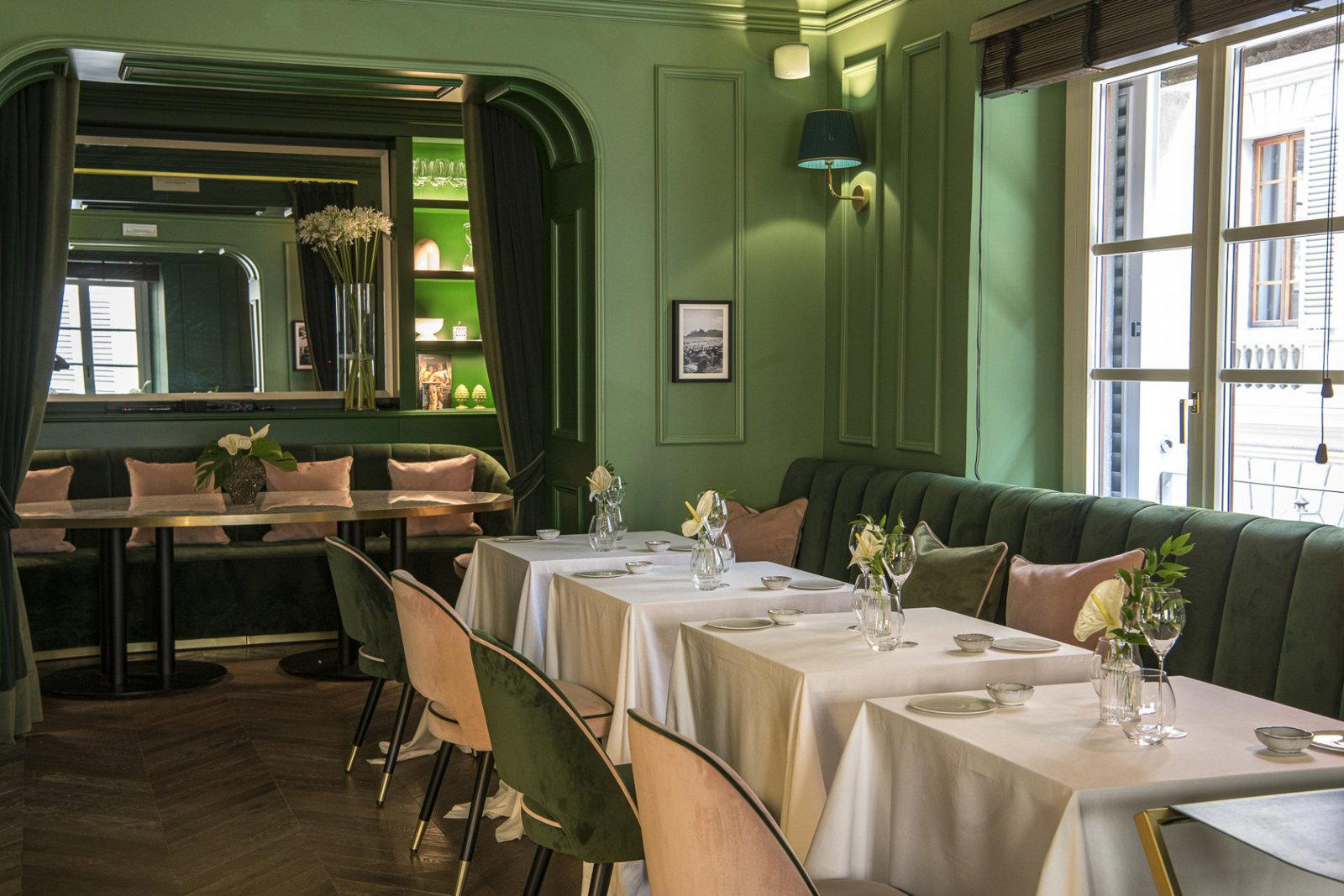
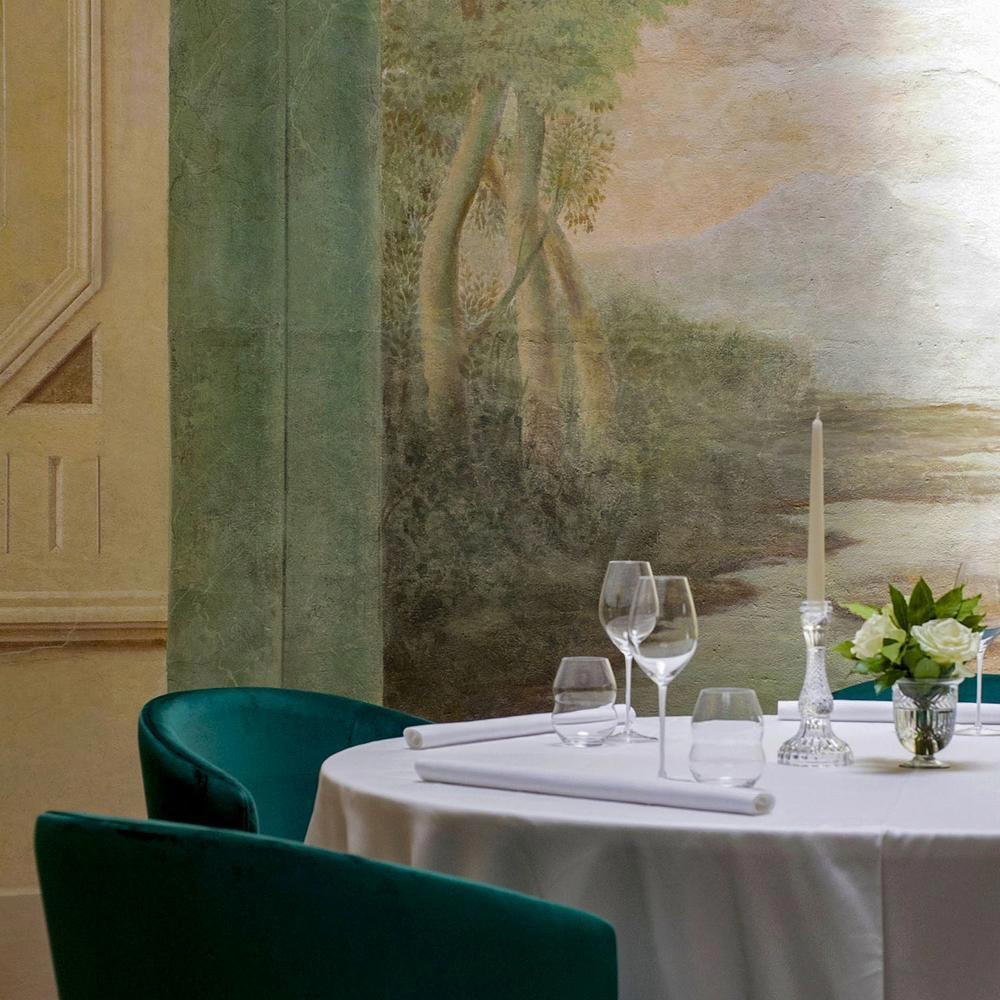
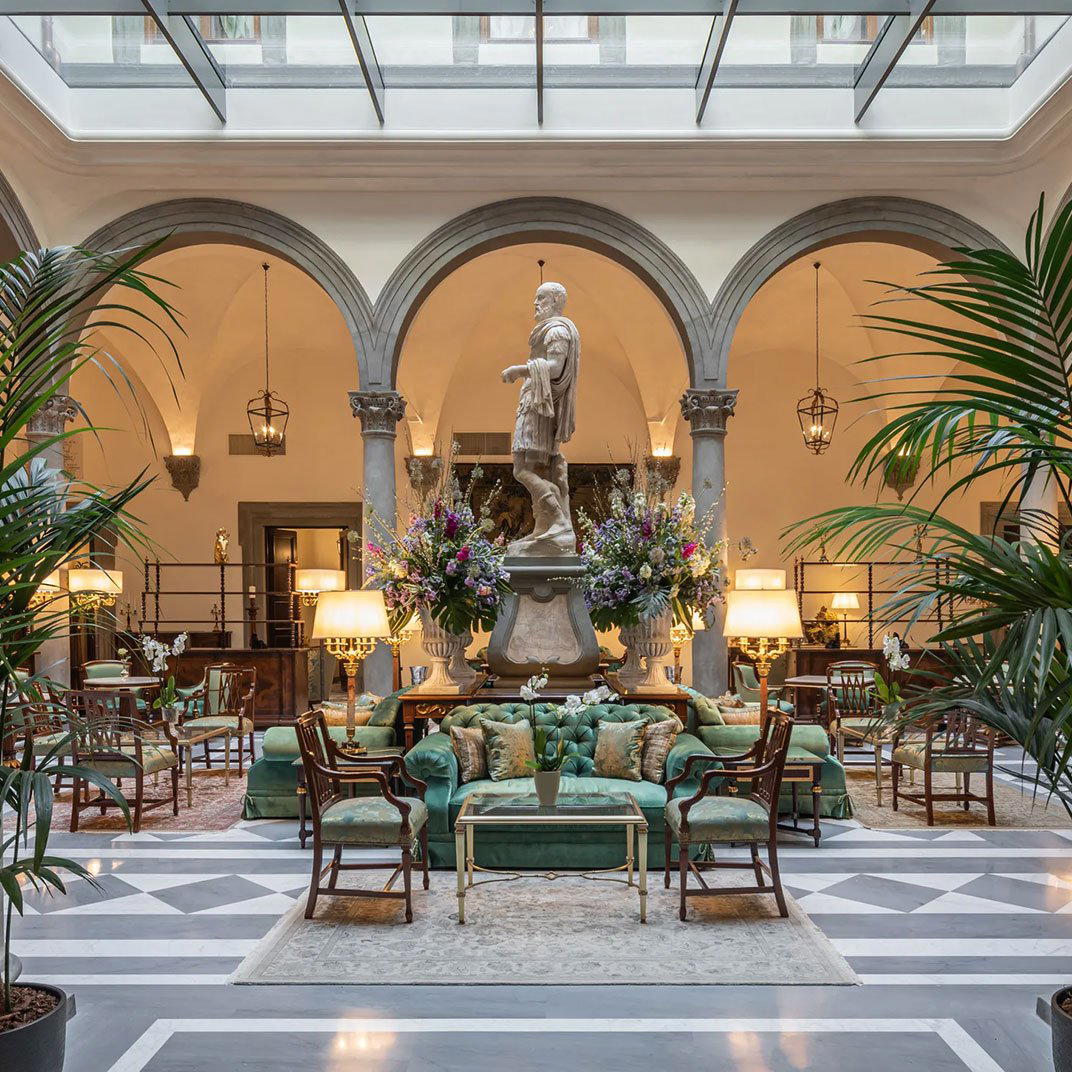
Bars in Prato
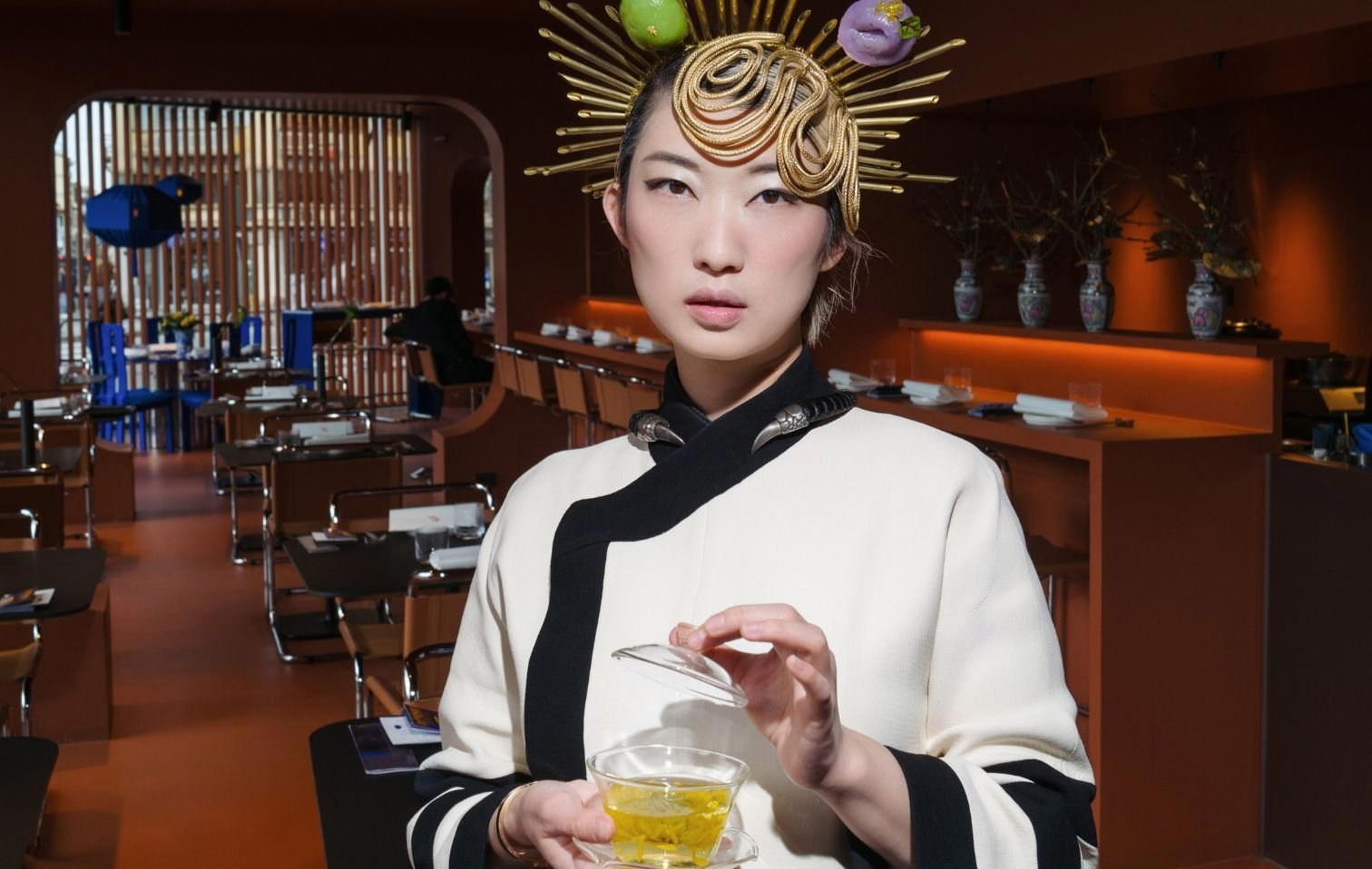
Browse all →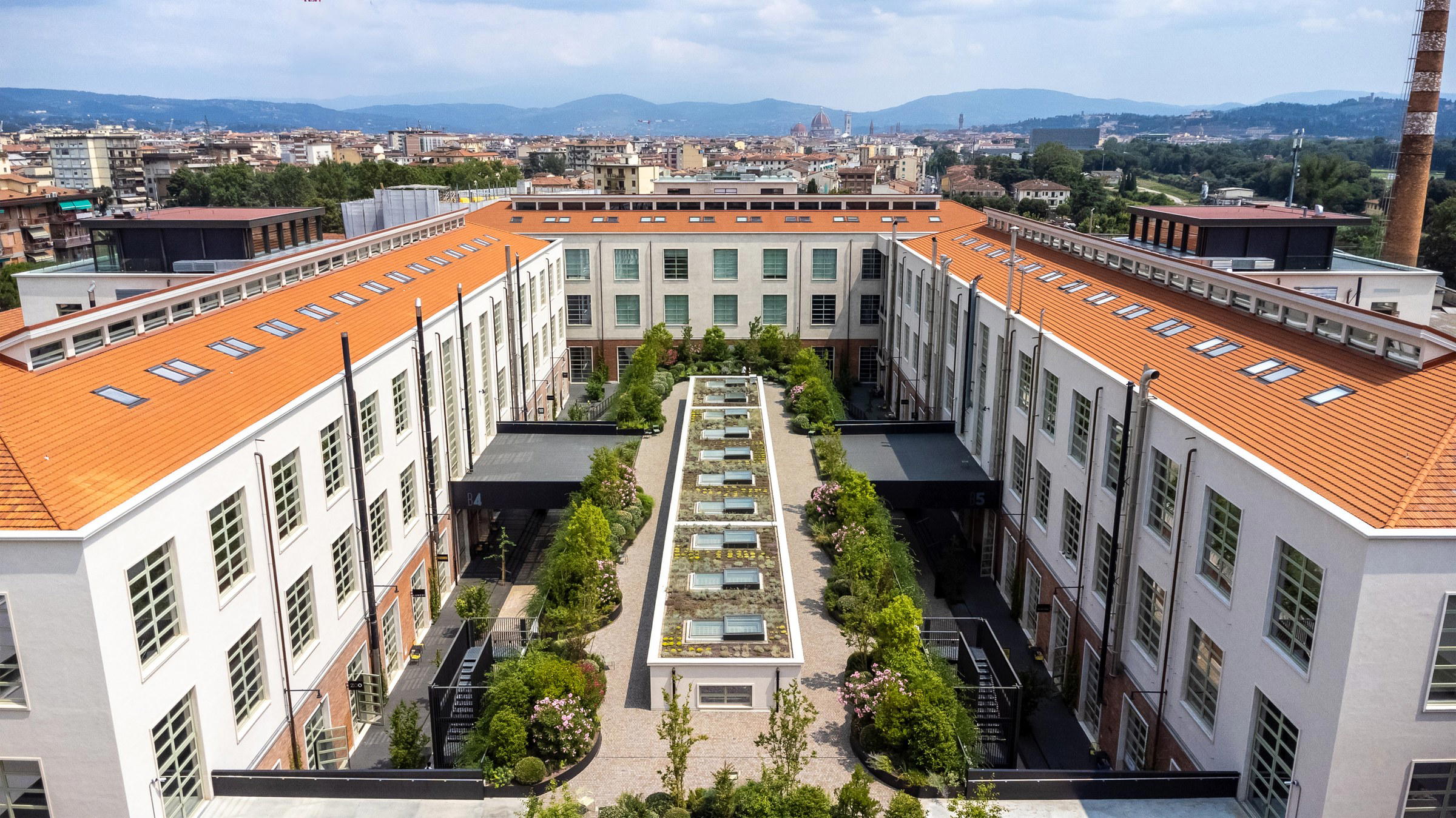
Hotels in Prato
Browse all →
Details
- Romantic
- Elegant
- Intimate
- Sophisticated
- Trendy
- Date Night
- Special Occasion
- Celebration
- Open Kitchen
- Standalone
- Sommelier Led
- Farm To Table
- Local Sourcing
- Tasting Menu
- Prix Fixe
- Wine Pairing
- Vegetarian Friendly
- Vegan Options
- Allergy Accommodating
Current opening hours
- Monday
- Closed
- Tuesday
- 7:30–11 PM
- Wednesday
- 7:30–11 PM
- Thursday
- 7:30–11 PM
- Friday
- 12:30–3 PM, 7:30–11 PM
- Saturday
- 12:30–3 PM, 7:30–11 PM
- Sunday
- Closed
Hours can change for holidays and private events. Last verified .
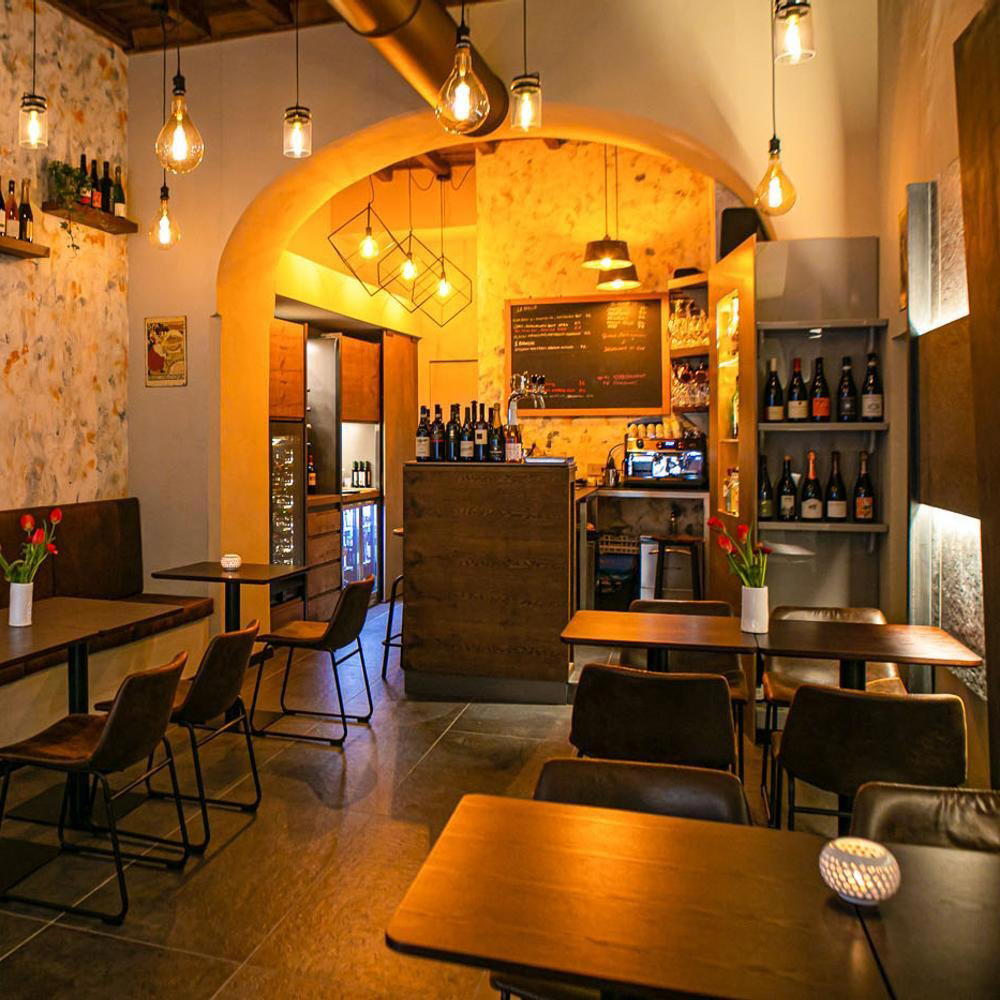
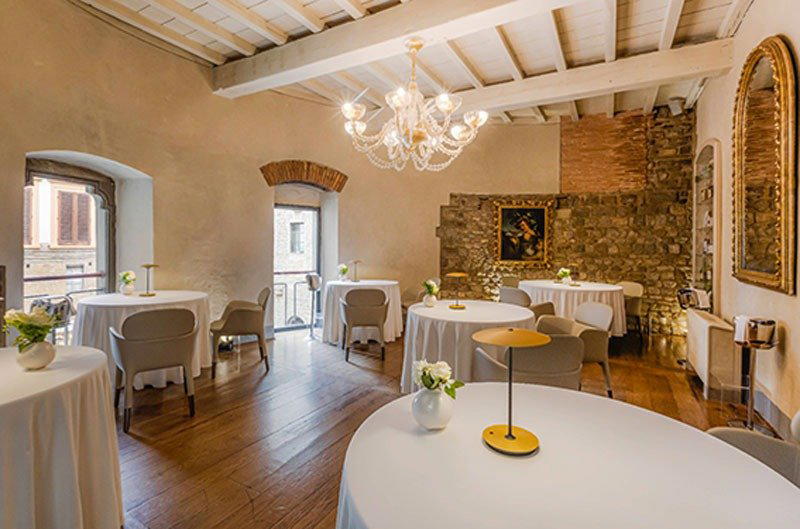
Familiar, intimate, and peaceful atmosphere with careful attention to presentation and theatrical elements; elegant yet approachable fine dining environment.