Quattro Passi






3 Michelin Stars · World's 50 Best #38 · La Liste Top Restaurants
Our verdict
Three Michelin stars in a village that requires genuine commitment to reach: Quattro Passi in Marina del Cantone has grown from a beachside pizzeria into one of Campania's most decorated restaurants over four decades. Chef Fabrizio Mellino works Mediterranean ingredients, Amalfi lemons, San Marzano tomatoes, Sorrento coastline seafood, through a technique-driven lens that earned a La Liste score of 97 points in 2026 and an Opinionated About Dining Classical Europe ranking of 52nd in 2025.

Pearl is the En Primeur Club membership app, where members save venues, book tables and use the concierge.
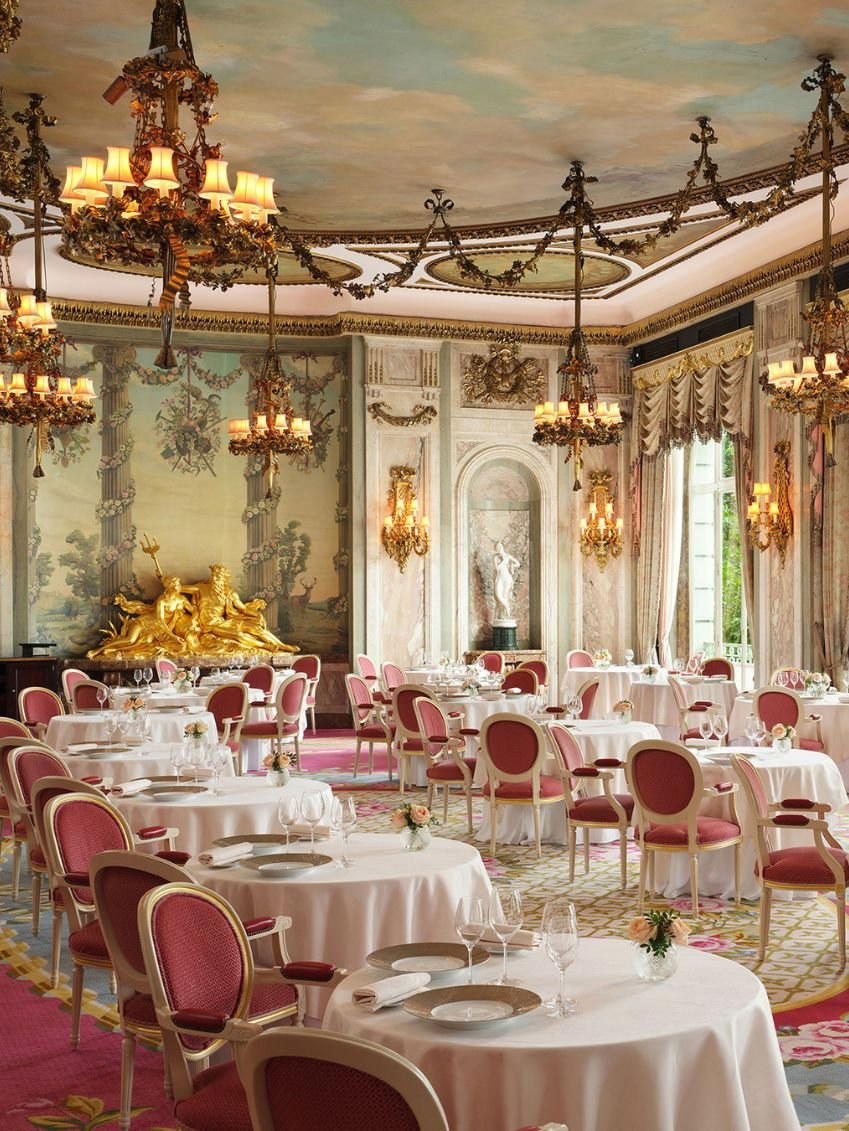
The menu
What to order
- Linguine alla Nerano
- Squid Bouquet
The Road to Marina del Cantone
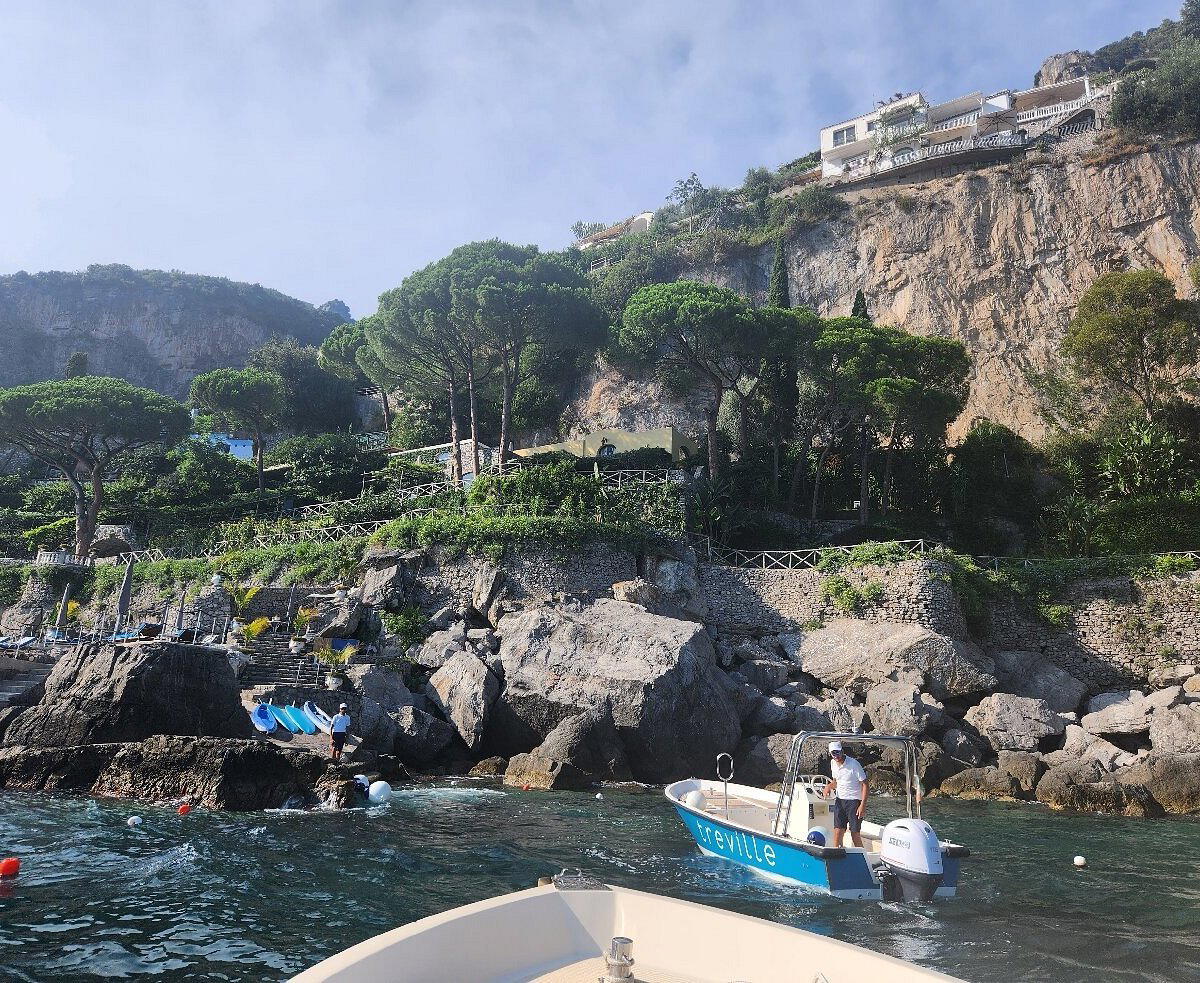
The Sorrentine Peninsula does not make things convenient. The road down to Marina del Cantone from Massa Lubrense involves a succession of tight hairpin bends above the Tyrrhenian, and the village itself sits at the end of that descent: a small bay, a handful of fishing boats, and a restaurant that has quietly become one of the most credentialed addresses in southern Italy. The approach is part of the experience. Arriving with effort changes how you sit down.
Quattro Passi occupies a position on that bay that the name has always described: four steps from the sea. What began three generations ago as a small egg-selling business, then a pizzeria, has been transformed across forty years into the kind of place that carries three Michelin stars, a 97-point La Liste score for 2026, and a ranking of 52nd in Opinionated About Dining's Classical Europe list for 2025. For context on where that sits among Italy's top tier, consider that Osteria Francescana in Modena, Enoteca Pinchiorri in Florence, and Enrico Bartolini in Milan represent the country's most discussed three-star tables. Quattro Passi sits in that conversation from a village most visitors have never heard of.
The Olive Oil Foundation: Campania on a Plate
Mediterranean cuisine at this latitude does not begin with protein or pasta. It begins with oil. The Campania region produces some of Italy's most expressive extra-virgin olive oils, largely from Ravece and Ortice cultivars grown in the Sannio and Irpinia hills inland from the coast. The flavour profile tends toward green, peppery, and herbaceous, with a bitterness that the local palate treats not as a flaw but as a structural element. At the level Quattro Passi operates, that oil is not a condiment applied at the end. It is the medium through which the kitchen's relationship with its ingredients is expressed, in crudi where the oil carries acidity from Amalfi lemons, in cooked dishes where it binds the aromatics of Campanian herbs, and in the simplicity that emerges when technique is confident enough not to overcrowd the plate.
This is not a cuisine that imports its identity from elsewhere. San Marzano tomatoes, grown in volcanic soil on the slopes south of Naples, carry a sweetness and low acidity that distinguish them structurally from tomatoes grown anywhere else. Amalfi lemons, large, fragrant, with a pith thick enough to candy and a juice that sharpens without harshening, appear across the menu from savoury preparations through to the kitchen's noted chocolate egg desserts, where roquefort, rocket, chilli pepper, and lemon are listed among the flavour variants. These are not decorative regional references. They are the primary materials the kitchen works with.
Chef Fabrizio Mellino's training included sustained time in France, which has inflected the technical vocabulary without displacing the regional foundation. Japanese influence also appears in the approach to seafood, where raw preparations and precise temperature management reflect techniques absorbed outside Italy. The result is a kitchen that reads as Mediterranean but moves with the fluency of a brigade that has processed other traditions critically rather than decoratively.
Three Generations, One Competitive Set
The transformation of a family business across three generations is less remarkable than what the transformation produced. Antonio Mellino, Fabrizio's father, took the pizzeria into serious Mediterranean territory and collected two Michelin stars. Fabrizio's arrival and subsequent work pushed that to three, making Quattro Passi, for a period, the first three-star restaurant in Campania in many years. The generational handover at the cooking level was accompanied by a parallel operation front-of-house: Raffaele Mellino, Fabrizio's brother, oversees the wine cellar and service. The result is a restaurant where family continuity functions as institutional memory rather than nostalgia.
Italy's three-star pool is not large, and the geography of that pool matters. The majority of the country's highest-rated tables cluster in northern and central Italy: Dal Pescatore in Runate, Le Calandre in Rubano, Piazza Duomo in Alba, and Reale in Castel di Sangro are geographically spread but none sit in a coastal village on the southern Sorrentine Peninsula. The Les Grandes Tables du Monde membership, awarded in 2025, places Quattro Passi in an international association that includes some of the most formally recognised restaurants in Europe. That credential matters less for what it signals to diners and more for what it confirms about where the restaurant positions itself across peer sets.
The World's 50 Best listing at number 38 in 2003 is worth noting as a historical data point. It indicates a restaurant that has been in serious international conversation for over two decades, well before the broader attention now directed at southern Italian fine dining.
The Campanian Coastline at This Price Point
The Sorrentine coast has no shortage of serious restaurants. Taverna del Capitano, also in Marina del Cantone, represents a different register of Neapolitan creative cooking and is worth including in any itinerary built around the bay. Further north along the Amalfi Drive, Rossellinis in Ravello operates at a comparable formal level in a dramatically different setting. In Rome, La Pergola anchors Italian-Mediterranean fine dining at three stars in the capital. And Uliassi in Senigallia offers the most instructive coastal comparison: another seafood-led three-star table on the Italian coast, operating with similar Italian-plus-international technique vocabulary, in a similarly unexpected geographic location.
What separates these tables is not format but emphasis. At Quattro Passi, the kitchen's identity is specifically Campanian. The olive oil is from these hills. The tomatoes are San Marzano. The lemons are Amalfi. The seafood comes from the Tyrrhenian water outside the window. At a €€€€ price point, that specificity of sourcing is table stakes rather than a distinguishing feature. What is distinguishing is the coherence: the way those ingredients appear as a system rather than a list of provenance notes.
The dish cited across multiple award-body descriptions, squid transformed into dozens of petal-like cuts, served with raw scampi tartare and caviar, illustrates the technique-to-ingredient relationship the kitchen has developed. The preparation is elaborate, the presentation is formal, but the base material is a squid pulled from local water. That relationship between technical ambition and ingredient specificity is the clearest summary of what three generations of this family has built.
Planning a Visit
Marina del Cantone sits at the southern tip of the Sorrentine Peninsula, approximately 50 kilometres from Naples by road and accessible via Sorrento with a connecting drive. The village is small and parking is limited in high season; arriving mid-morning and spending time at the bay before a lunch service is a sensible approach. The restaurant operates Tuesday, Thursday, Friday, Saturday, and Sunday from noon through midnight, with Wednesday closed. Booking in advance is advisable given the distance involved and the limited accommodation options in the immediate area. For a broader picture of the village's other options, the full Marina del Cantone restaurants guide covers the complete dining picture, while guides to hotels, bars, wineries, and experiences around Marina del Cantone round out the trip. For those extending the journey into the wider region, Atelier Moessmer Norbert Niederkofler in Brunico and Casa Perbellini 12 Apostoli in Verona complete a picture of how three-star Italian cooking operates across very different regional contexts.
Frequently asked questions
Is Quattro Passi more mid-range or high-end?
Pricing at Quattro Passi is listed as €€€€.
In Context: Similar Options
| Venue | Cuisine | Price | Awards | Notes |
|---|---|---|---|---|
| Quattro PassiThis venue (the venue you are viewing) | Modern Mediterranean Fine Dining | $300–500 | 3 Michelin Stars · World's 50 Best #38 | Not listed |
| Atelier Moessmer Norbert Niederkofler | Modern Alpine Fine Dining | $300–500 | 3 Michelin Stars · World's 50 Best #20 | Italian, Creative |
| Dal Pescatore | Classic Italian Fine Dining | $200–300 | 3 Michelin Stars · World's 50 Best #38 | Italian, Italian Contemporary |
| Enoteca Pinchiorri | Contemporary Italian Fine Dining | $200–300 | 3 Michelin Stars · World's 50 Best #32 | Italian - French, Italian Contemporary |
| Enrico Bartolini | Modern Italian Fine Dining | $300–500 | 3 Michelin Stars · World's 50 Best #85 | Creative |
| Osteria Francescana | Avant-Garde Italian Contemporary | $300–500 | 3 Michelin Stars · World's 50 Best #1 | Progressive Italian, Creative |
Recognition history
Dated appearances from independent guides and award organizations, with the underlying list record or original source where available.
Michelin 3 Stars
Michelin
World's 50 Best Restaurants #38
World's 50 Best
La Liste Top Restaurants
La Liste
Falstaff Restaurant - 99 Falstaff Points
Falstaff
Les Grandes Tables du Monde Member
Les Grandes Tables du Monde
Full recognition history (12 entries)
Opinionated About Dining Top Restaurants in Europe Ranked #97
Opinionated About Dining
La Liste Top Restaurants
La Liste
Michelin 3 Stars
Michelin
Opinionated About Dining Classical in Europe Ranked #52
Opinionated About Dining
Michelin 3 Stars
Michelin
Opinionated About Dining Classical in Europe Ranked #116
Opinionated About Dining
Opinionated About Dining Classical in Europe Ranked #128
Opinionated About Dining
Continue exploring
More in Massa Lubrense
Restaurants in Massa Lubrense
All restaurants in Massa Lubrense →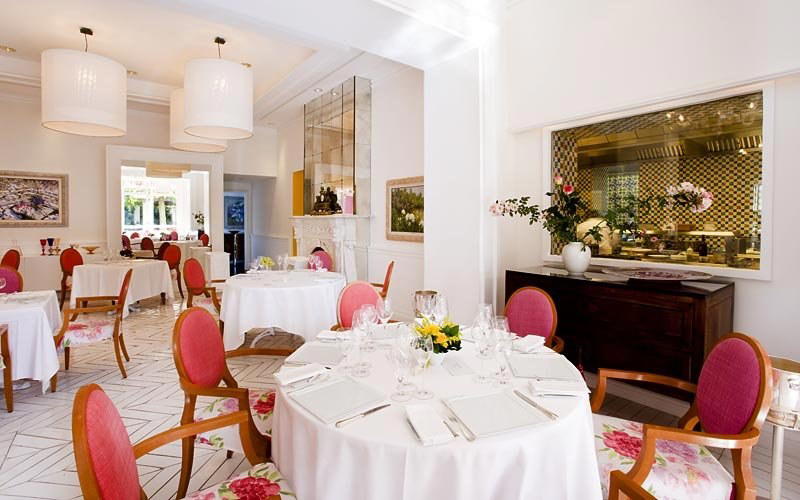
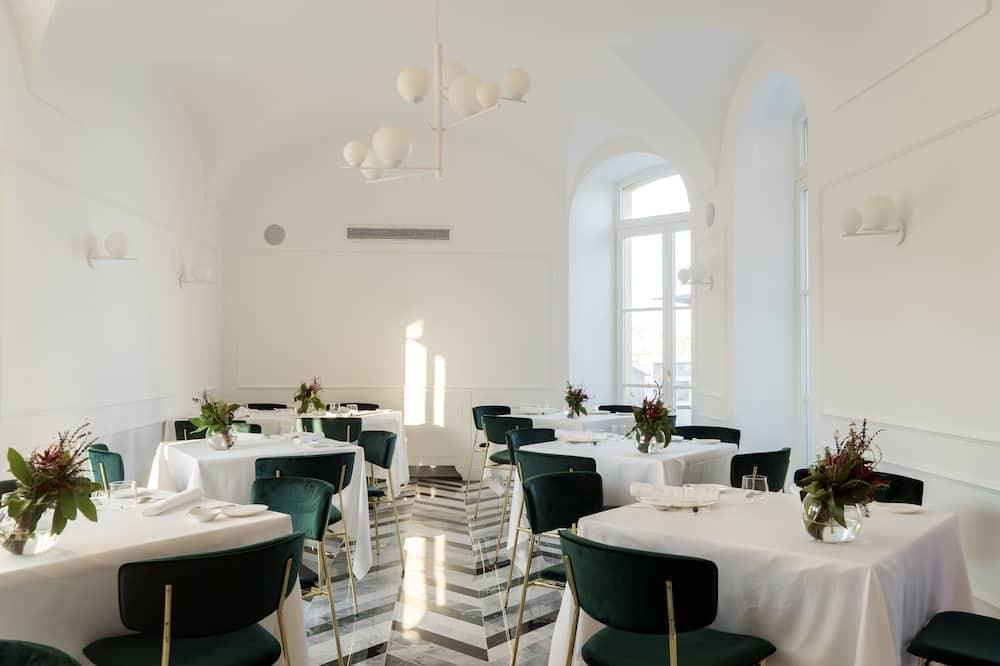
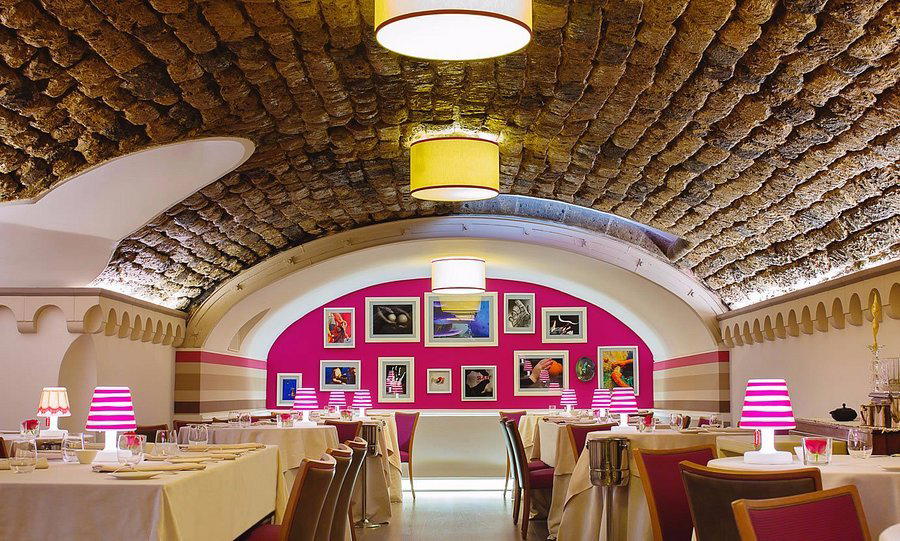
Bars in Massa Lubrense
Browse all →

Quattro Passi
The wine
- Wine program
- Deep wine list
- Extensive wine list
- Sommelier-led
Details
- Romantic
- Elegant
- Sophisticated
- Scenic
- Intimate
- Date Night
- Celebration
- Special Occasion
- Waterfront
- Private Dining
- Terrace
- Panoramic View
- Extensive Wine List
- Sommelier Led
- Local Sourcing
- Sustainable Seafood
- Waterfront
- Tasting Menu
- A La Carte
- Vegetarian Friendly
- Vegan Options
- Gluten Free Options
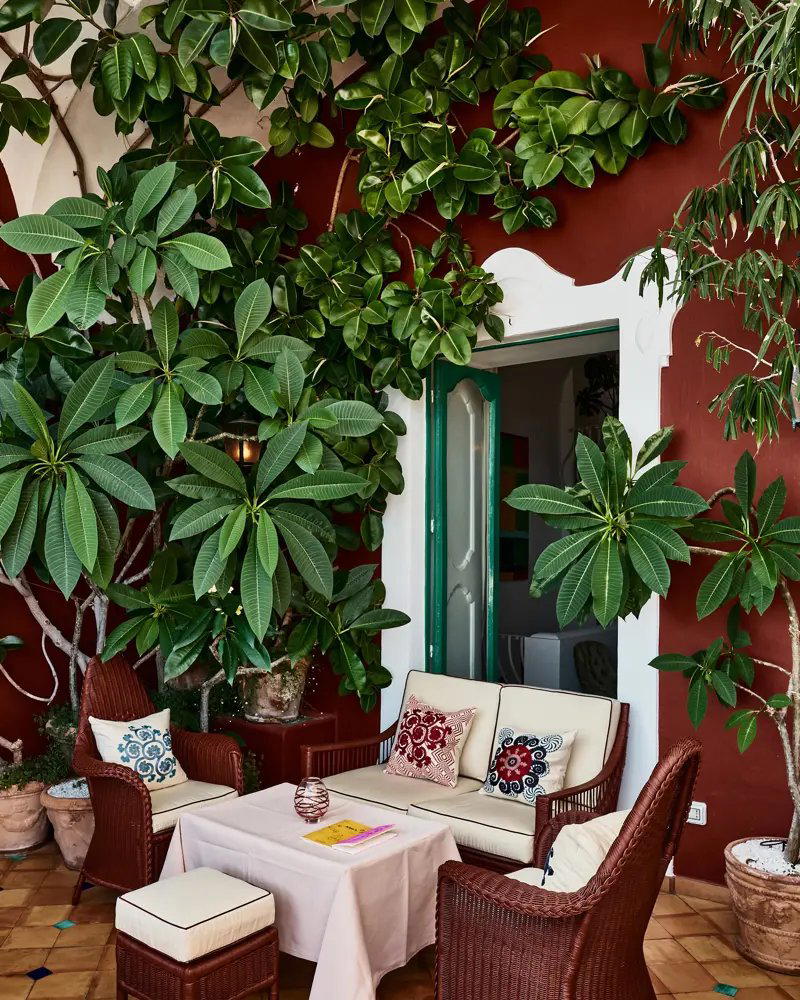
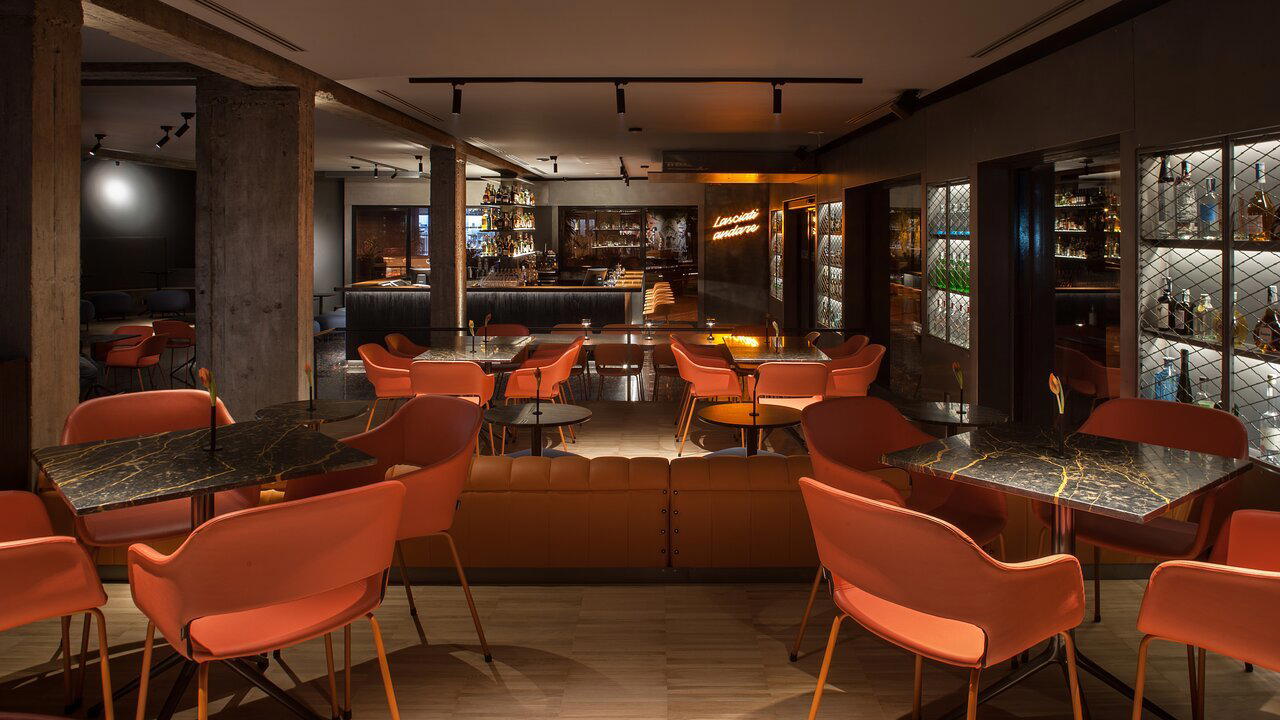
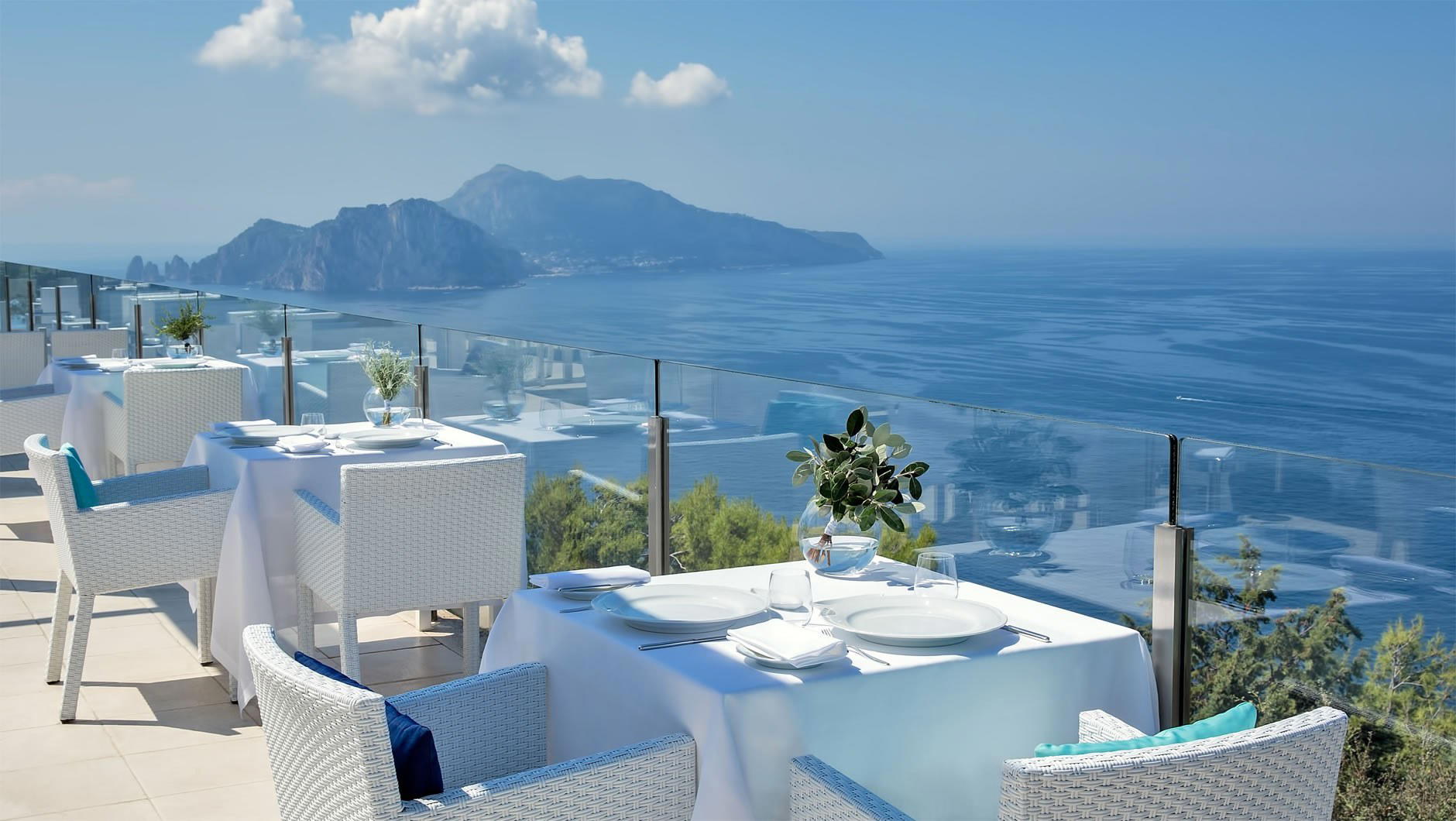
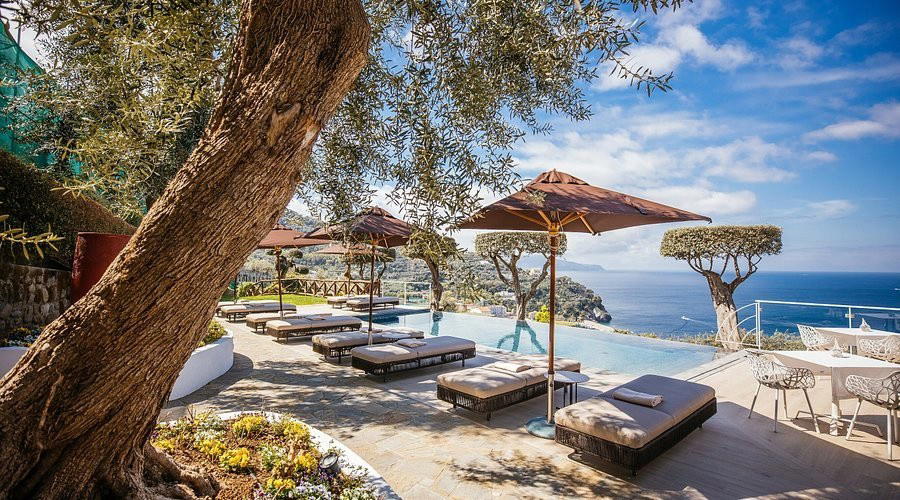
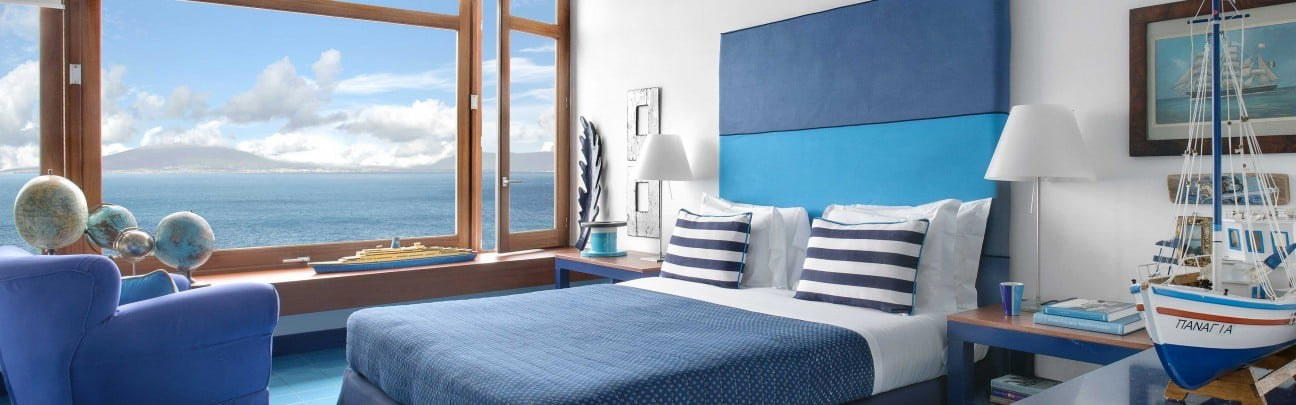
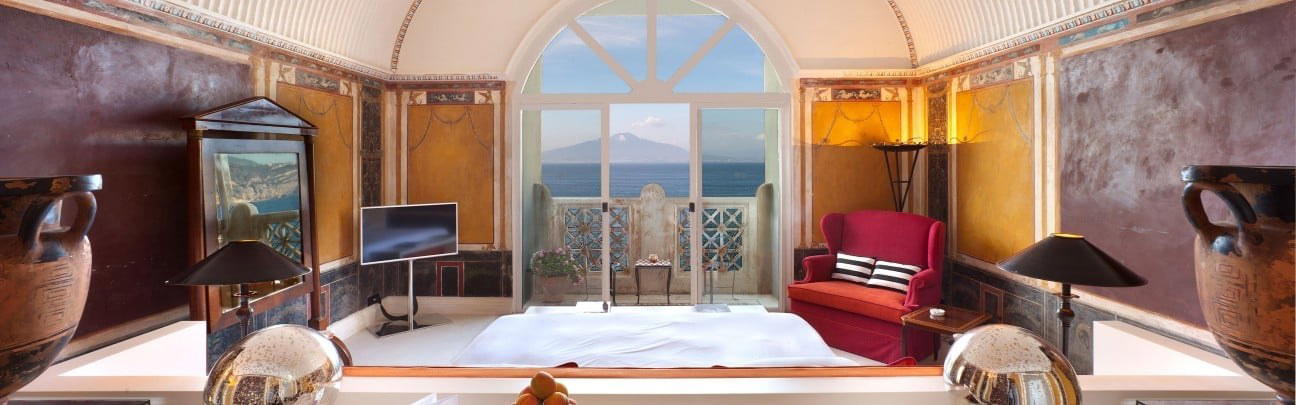
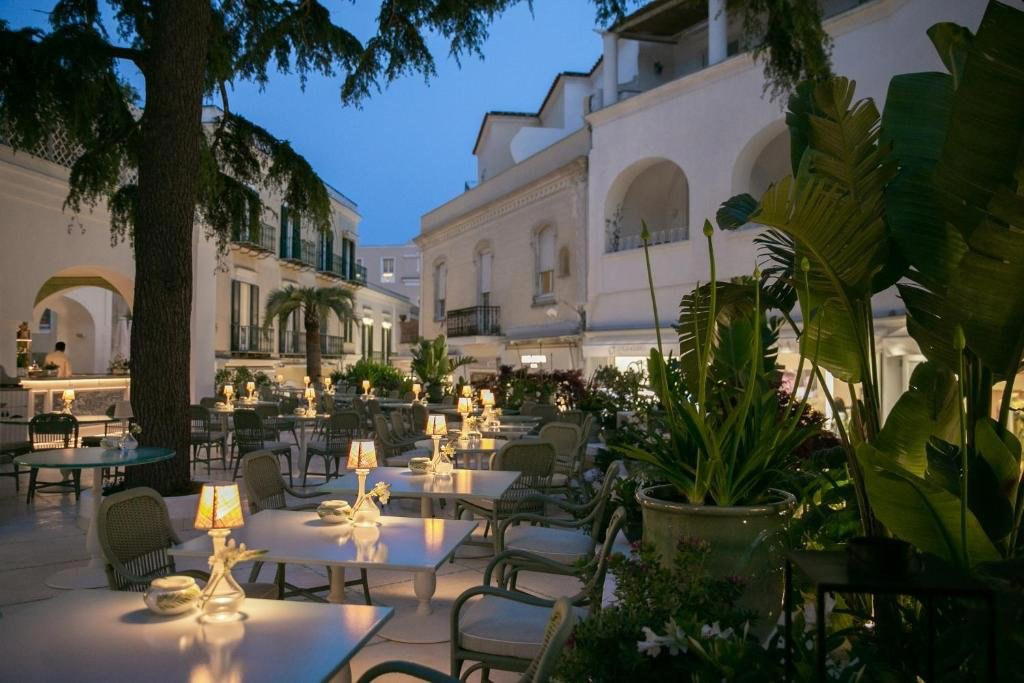
Elegant yet relaxed atmosphere with stylish contemporary decor, panoramic sea views, and warm hospitality.