Da Vittorio







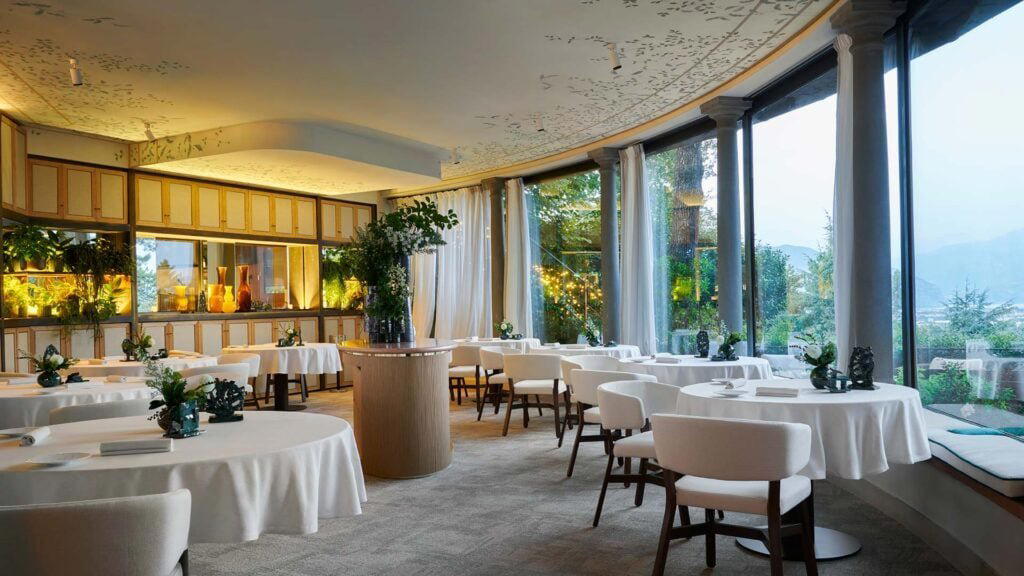
Three-Michelin-starred Da Vittorio Brusaporto represents Italy's leading family-run culinary dynasty, where the Cerea family has pioneered innovative Lombard cuisine since 1966. Set within a 25-acre Relais & Châteaux estate, this well-known restaurant offers four distinct tasting menus showcasing signature dishes like tableside Paccheri alla Vittorio.
Pearl is the En Primeur Club membership app — saves, bookings, and concierge access live there. Same editors, same standards.
- Address
- Via Cantalupa, 17, 24060 Brusaporto BG, Italy
- Phone
- +39 035 681024
- Website
- davittorio.com
- Directions
- Get directions
 Saves & bookings on Pearl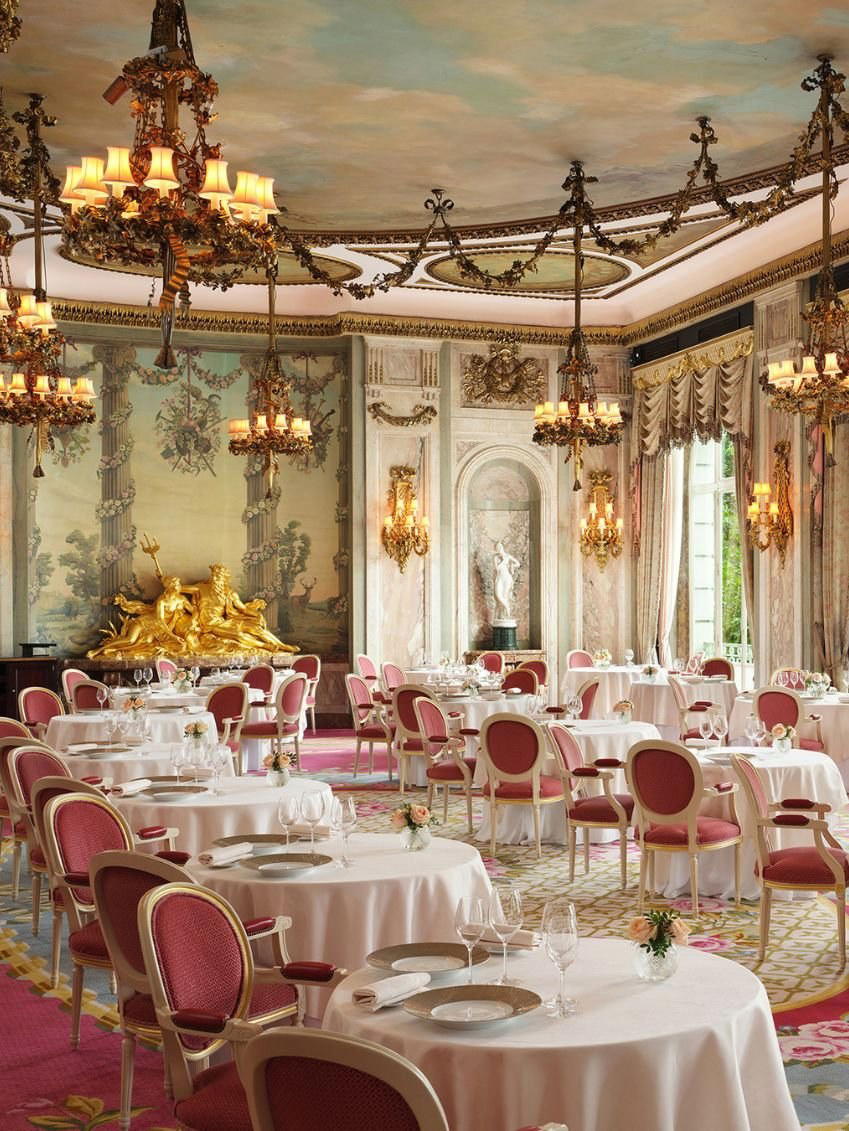
A Lombard Estate in the Shadow of Bergamo
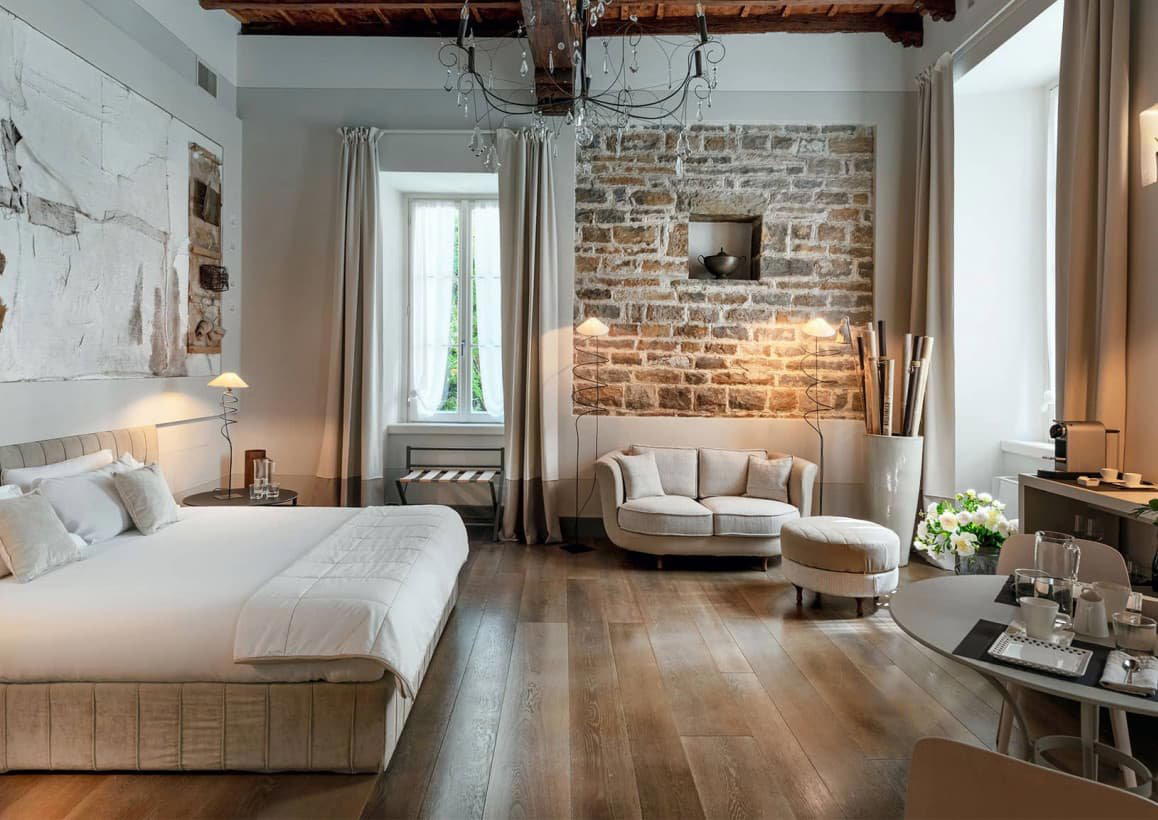
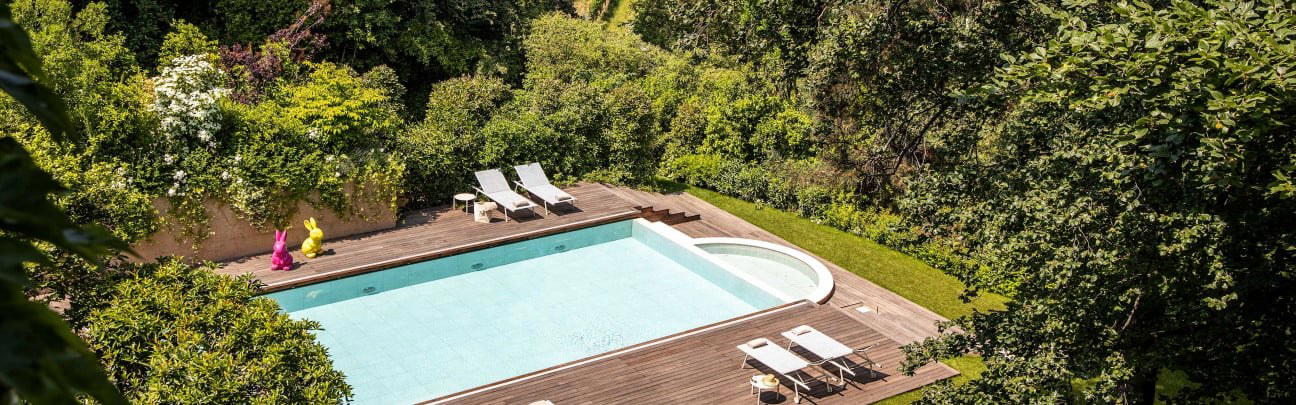
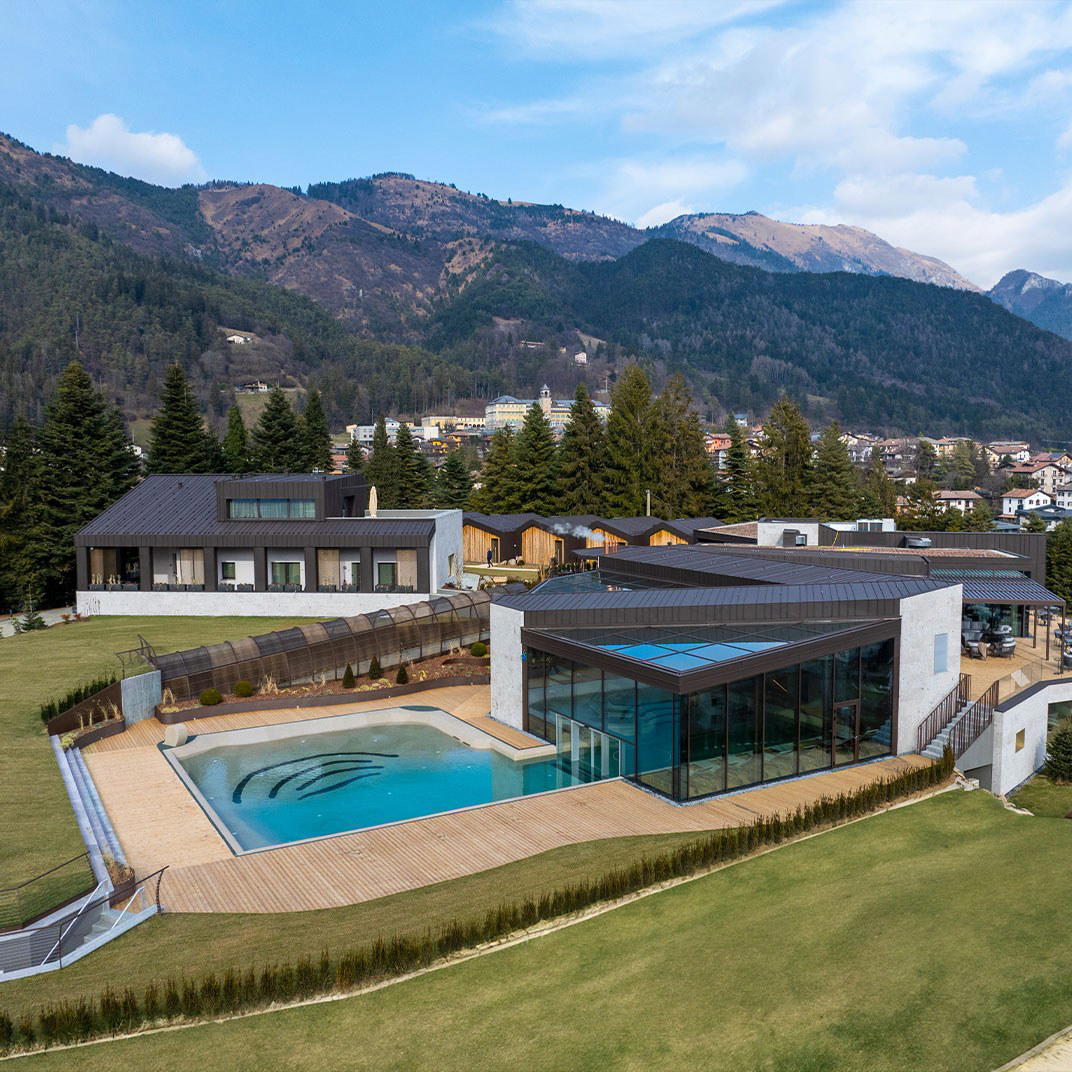
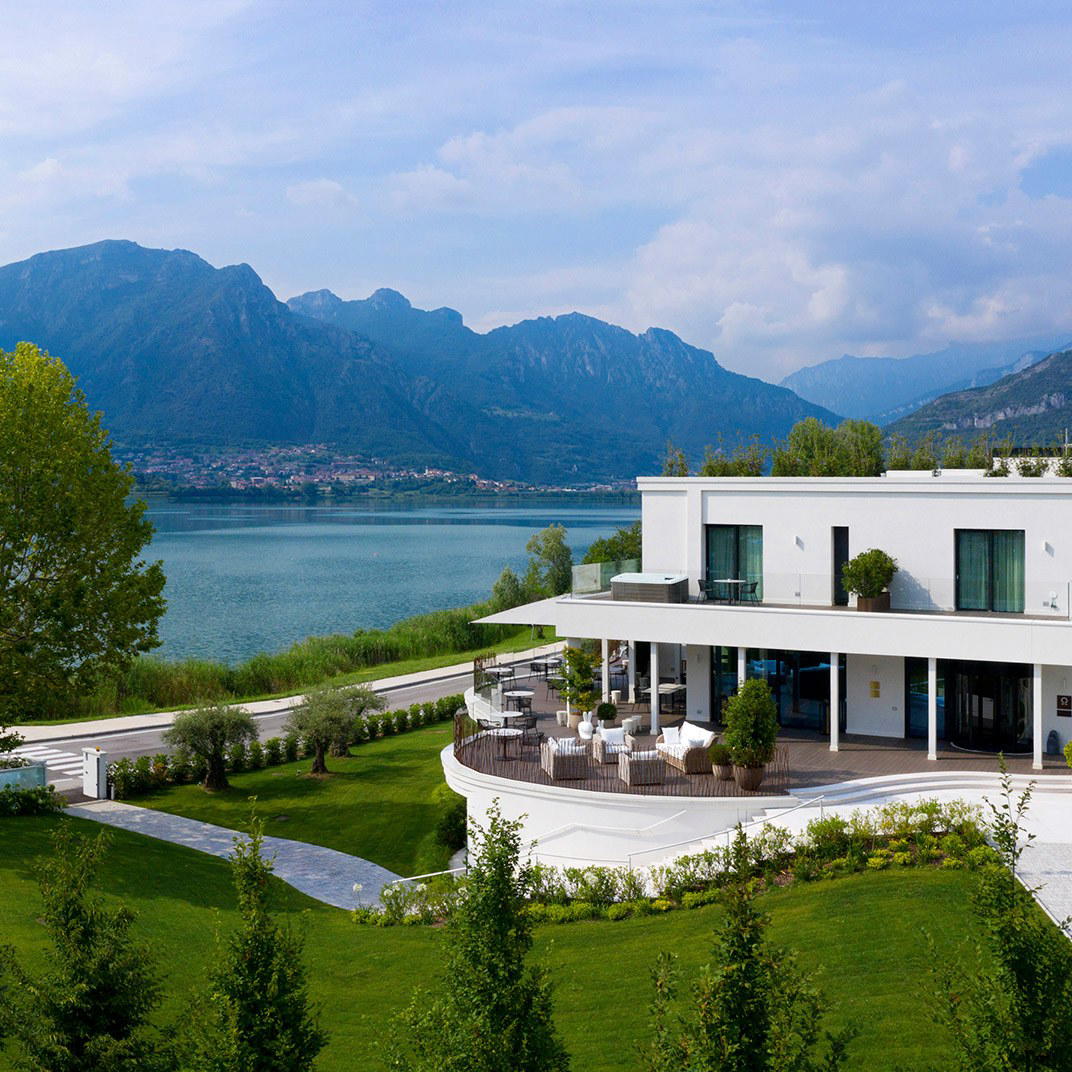
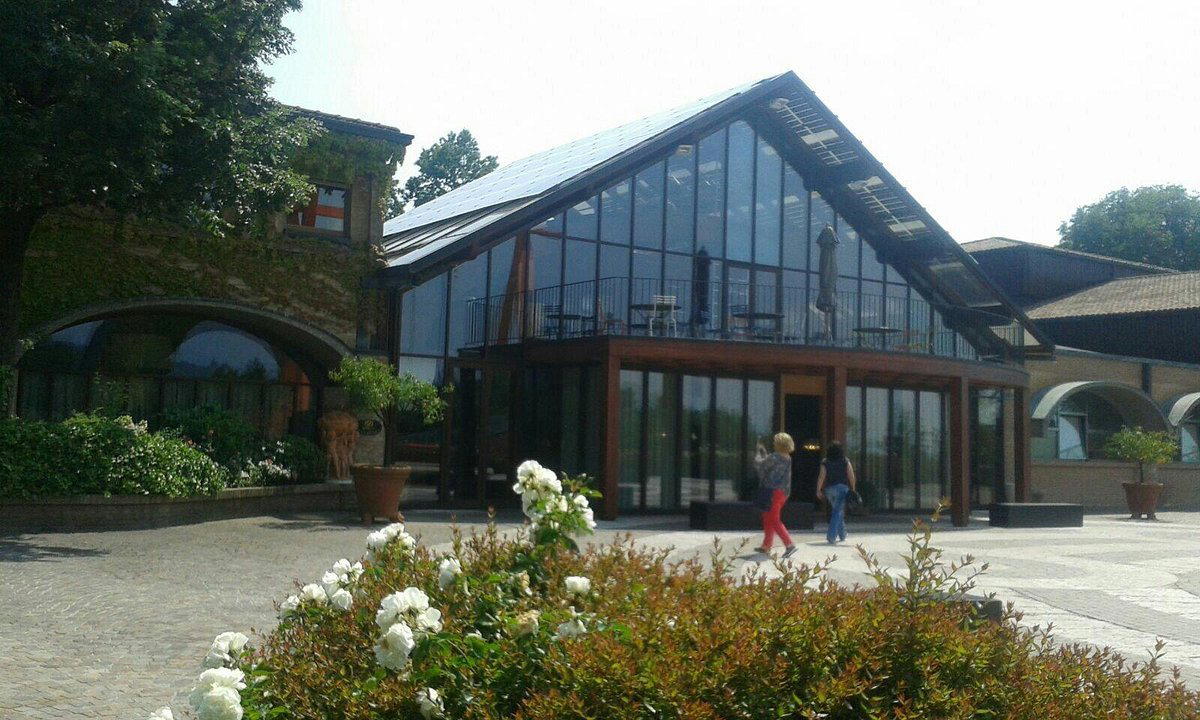
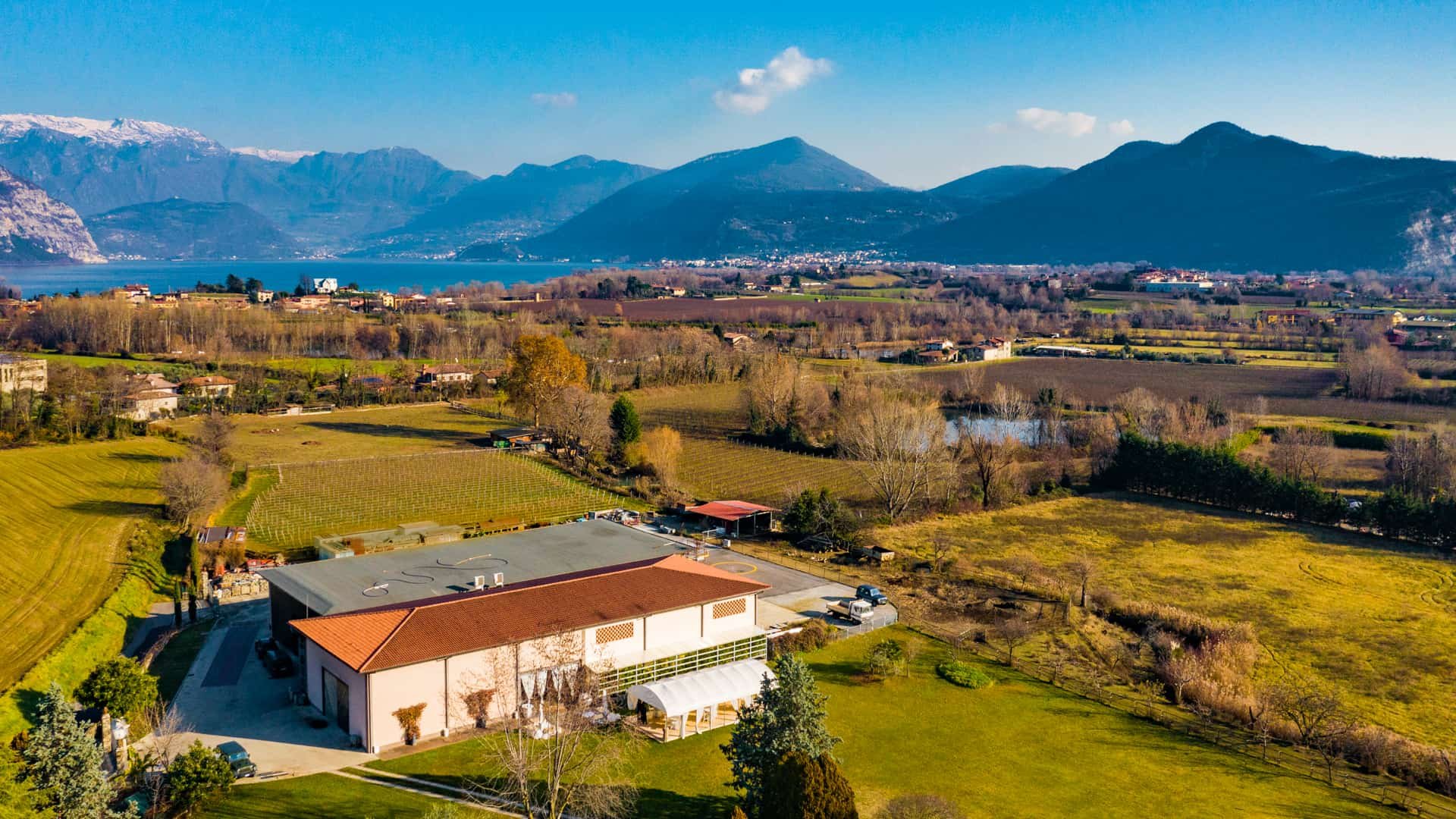
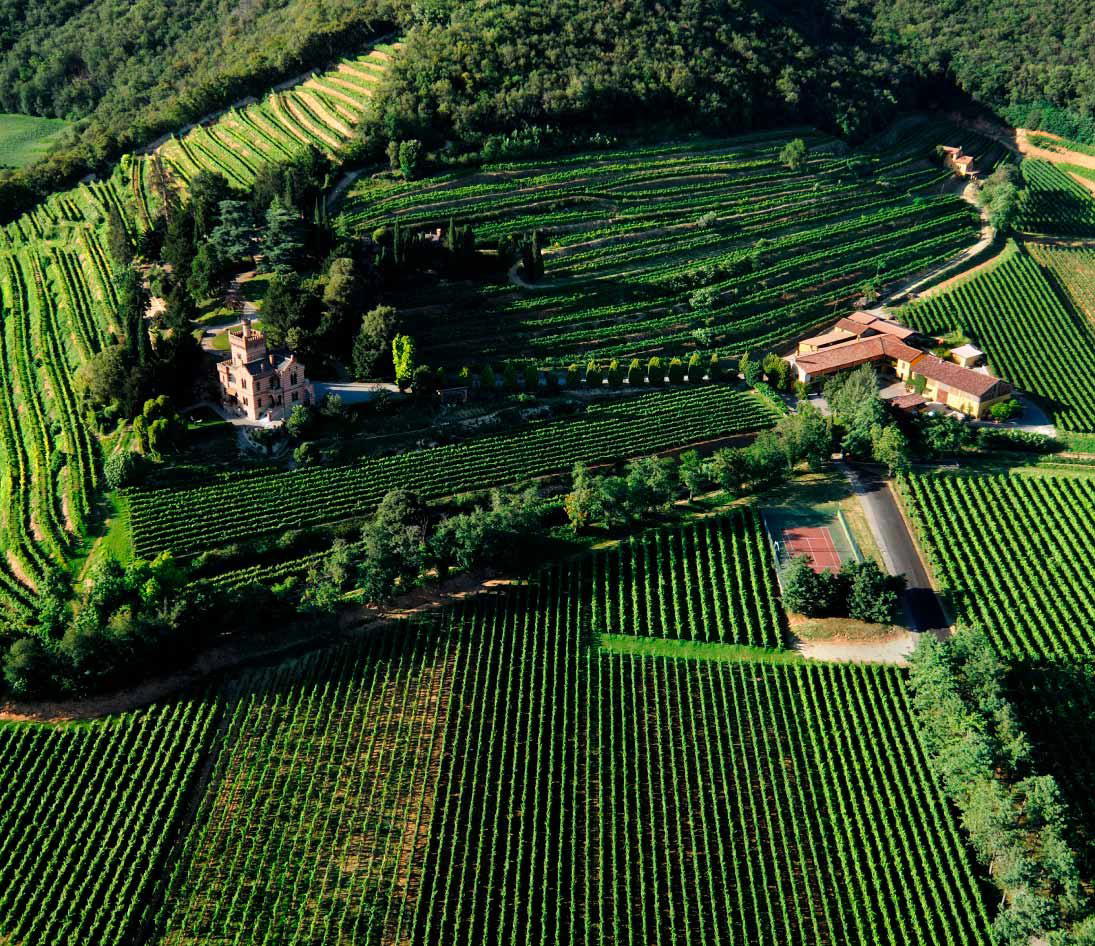
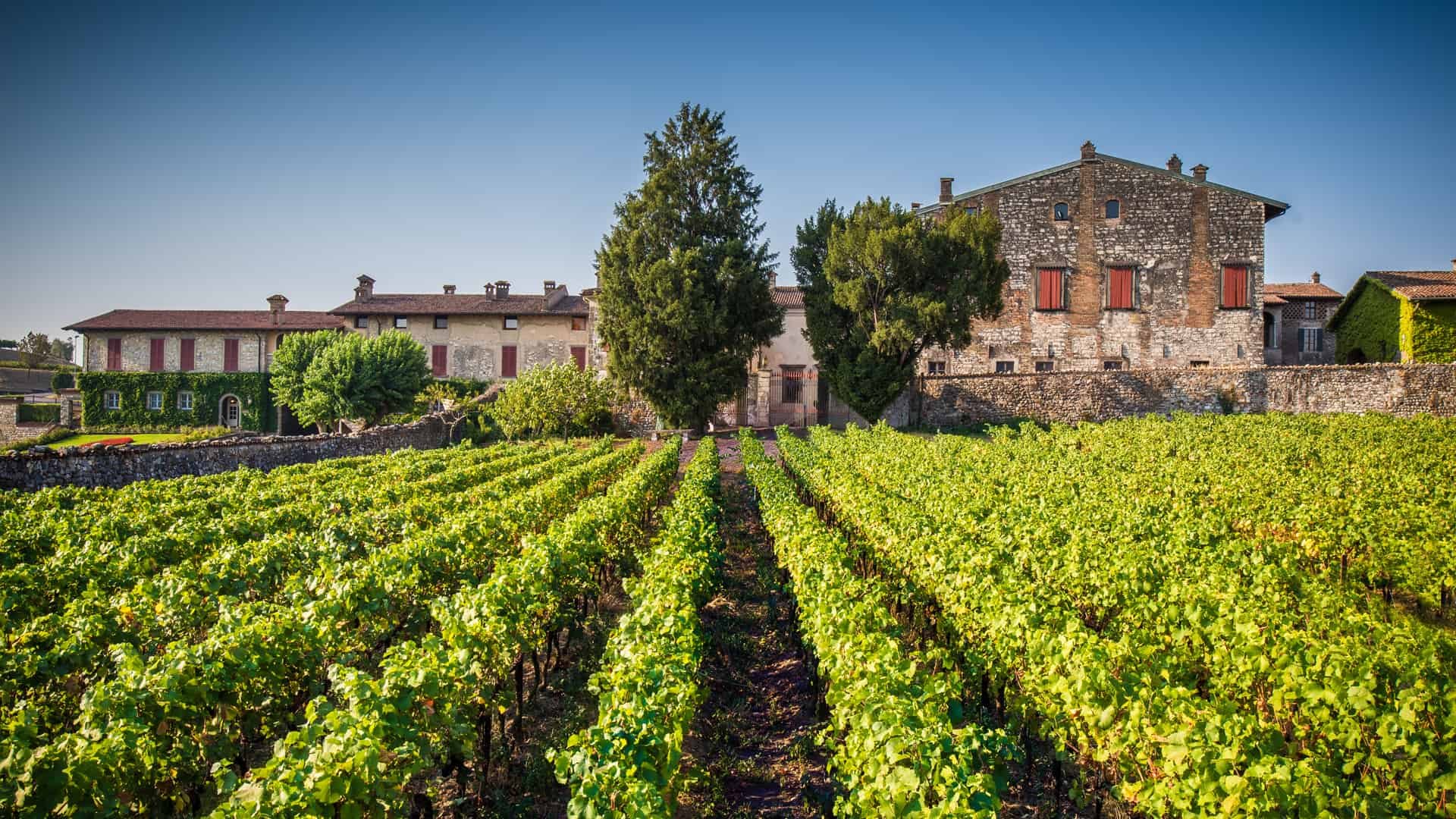
The approach to Da Vittorio prepares you for something different from the dense urban dining rooms of Milan or the tourist-polished trattorias of Florence. Brusaporto sits in the Bergamo hinterland, a quiet municipality where the pre-Alpine foothills begin their slow rise north, and the estate on Via Cantalupa reads more like a country house than a destination restaurant. The gravel, the gardens, the measured calm of the property all signal that this is a place where the transaction of fine dining has been deliberately slowed down. Northern Lombardy has a tradition of serious restaurants outside city centres, where space and land permit a hospitality format that a Milan townhouse simply cannot replicate. Da Vittorio is a three-Michelin-star restaurant in Brusaporto, Italy, with a price tier of €€€€ and a modern Lombard fine dining identity.
Regional Identity and the Ligurian Thread
Italy's three-star tier is defined by distinct regional vocabularies. Osteria Francescana in Modena operates through the intellectual grammar of Emilian cuisine, while Piazza Duomo in Alba is rooted in Piedmontese truffle and Langhe tradition. Da Vittorio sits in a different register entirely: its kitchen draws from Ligurian and Italian seafood traditions, an unusual positioning for a restaurant in landlocked Bergamo province. That tension between geography and kitchen identity is, in fact, the point. The Cerea family built the restaurant's reputation on sourcing fish and shellfish from coastal markets and transporting that produce into a Lombard setting with enough space, cellars, and service infrastructure to handle it at the level the ingredients demand. The result is a restaurant whose cuisine feels coastal in origin but distinctly Lombard in presentation and generosity.
That sense of generosity is structural, not incidental. The menu architecture at Da Vittorio spans four tasting formats alongside a full à la carte. One menu traces meat recipes from the founding era of the restaurant; another is built around vegetables from the property's own garden and a Planet Farm partnership. A third offers 16 courses under a creative, open-handed format the kitchen calls Carta Bianca, where the chefs set the agenda entirely. The fourth, the directly connected to the restaurant's seafood identity, runs eight courses of fish and shellfish sourced daily from market arrivals. The famous pacchero pasta appears there, among the more discussed dishes in the restaurant's long history. For context on how this compares to the seafood-focused end of Italian three-star cooking, Uliassi in Senigallia and Quattro Passi in Marina del Cantone occupy adjacent territory from their coastal positions. The restaurant does this from inland, which changes the logistics and, sharpens the sourcing discipline.
Where Da Vittorio Sits in the Italian Three-Star Tier
Italy currently has a small cohort of three-Michelin-star restaurants, and within that group, significant stylistic distance separates venues. The creative-avant-garde end of the spectrum, represented by places like Reale in Castel di Sangro, operates through a different logic than the classical-family end. The restaurant belongs to the latter. Its 2025 three-star retention and a 99-point score from La Liste in both 2025 and 2026 place it at the summit of the classical European restaurant category. La Liste's 2026 ranking positions it among the more referenced restaurants on the Italian peninsula, a standing reinforced by a #23 ranking in Opinionated About Dining's Classical in Europe category for 2025, up from #24 the prior year and #33 in 2023, indicating a consistent upward trajectory in critical recognition.
The Les Grandes Tables du Monde membership adds another layer of positioning. That association tends to skew toward family-owned, tradition-grounded establishments with long institutional memory, which describes the restaurant accurately. Among Italian peers in that world, Dal Pescatore in Runate offers the closest structural parallel: a family-run, countryside three-star with deep roots and classical orientation. Enoteca Pinchiorri in Florence and Enrico Bartolini in Milan are also three-star properties, but their orientations diverge: Pinchiorri into wine-library grandeur, Bartolini into creative progressivism. The restaurant's comparable set is the more conservative, hospitality-heavy, family-continuity strand of Italian fine dining. Le Calandre in Rubano and Atelier Moessmer Norbert Niederkofler in Brunico operate in the same price tier, though with creative and alpine profiles respectively that diverge from the restaurant's coastal-classical approach.
Globally, the combination of family management, classical seafood, and three-star standing invites comparison to Le Bernardin in New York City, though the French-American context of that kitchen produces a different register of precision. Atomix in New York City and Casa Perbellini 12 Apostoli in Verona represent opposite ends of the innovation-vs-classicism dial that also defines the restaurant's positioning.
The Family-Run Model at Three-Star Level
The family-run format in Italian fine dining carries specific implications. At three-star level, family continuity tends to mean that service protocols and kitchen standards have been refined across generations rather than reinvented by successive head chefs. The Cerea family's involvement across both kitchen and dining room functions as a management philosophy as much as a hospitality gesture. Chef Ornella Contin leads the kitchen within a house framework shaped by that family tradition. La Liste's assessors specifically noted the warmth of the family-run management as a differentiating quality, distinct from the more formal institutional service standards of comparably starred urban rooms. For a restaurant at this price tier, that distinction matters to a specific kind of guest.
The wine program is another marker of the family-custodian model. Long-standing Italian fine dining establishments tend to accumulate depth across decades rather than curating a contemporary list from scratch. The cellar at the restaurant reflects that accumulation. The cheese trolley service signals the same institutional conservatism: a commitment to the full classical format over the abbreviated contemporary tasting experience.
Getting There and Planning a Visit
Brusaporto is accessible from multiple entry points. Bergamo's Orio al Serio airport sits approximately 7 kilometres from the restaurant, making it one direct arrival option for international visitors. Milan Linate is around 45 kilometres away; Milan Malpensa is approximately 100 kilometres. By car, the approach follows the Milan-Venice motorway via the Seriate exit toward Bagnatica and Brusaporto, with the restaurant at Via Cantalupa 17. The nearest train station is Albano Sant'Alessandro at 0.8 kilometres. GPS coordinates for navigation are 45.6929, 9.6722.
Service runs at lunch and dinner most days. Wednesday dinner only; all other days operate 12:30 to 14:30 for lunch and 19:30 to 22:00 for dinner. Given the multiple tasting menu formats, including the 16-course Carta Bianca option, dinner is the more considered slot for a full exploration of what the kitchen offers.8 rating across 2,759 submissions, suggesting consistent guest satisfaction across a broad sample.
In Context: Similar Options
Comparable venues nearby, for context on price, style, and recognition.
| Venue | Cuisine | Price | Awards | Notes |
|---|---|---|---|---|
| Da VittorioThis venue — the venue you are viewing | Modern Lombard Fine Dining | $$$$ | Michelin 3 Star | Not listed |
| Villa Crespi | Modern Italian Fine Dining | $$$$ | Michelin 3 Star | Orta San Giulio |
| Cracco in Galleria | Modern Italian Fine Dining | $$$$ | Michelin 1 Star | Duomo |
| La Rei Natura by Michelangelo Mammoliti | Modern Piedmontese Fine Dining | $$$$ | Michelin 3 Star | Serralunga d'Alba |
| La Pergola | Modern Italian Fine Dining | $$$$ | Michelin 3 Star | Monte Mario |
| Lido 84 | Contemporary Italian Fine Dining | $$$$ | Michelin 1 Star | Fasano del Garda |
Recognition history
Dated appearances from independent guides and award organizations, with the underlying list record or original source where available.
Falstaff Restaurant - 100 Falstaff Points
Falstaff
La Liste Top Restaurants
La Liste
Les Grandes Tables du Monde Member
Les Grandes Tables du Monde
Michelin 3 Stars
Michelin
Opinionated About Dining Classical in Europe Ranked #19
Opinionated About Dining
Opinionated About Dining Top Restaurants in Asia Ranked #95
Opinionated About Dining
Relais Chateaux Award
Relais Chateaux
La Liste Top Restaurants
La Liste
Michelin 3 Stars
Michelin
Opinionated About Dining Classical in Europe Ranked #23
Opinionated About Dining
Relais Chateaux Award
Relais Chateaux
World Culinary Awards World's Best Italian Cuisine Restaurant 2025 #1
World Culinary Awards
World Culinary Awards Europe's Best Italian Cuisine Restaurant 2025 #1
World Culinary Awards
Michelin 3 Stars
Michelin
Opinionated About Dining Casual in Europe Ranked #135
Opinionated About Dining
Opinionated About Dining Classical in Europe Ranked #24
Opinionated About Dining
Opinionated About Dining Top Restaurants in Asia Ranked #174
Opinionated About Dining
Opinionated About Dining Classical in Europe Ranked #33
Opinionated About Dining
Continue exploring
More in Brusaporto
Restaurants in Brusaporto
Browse all →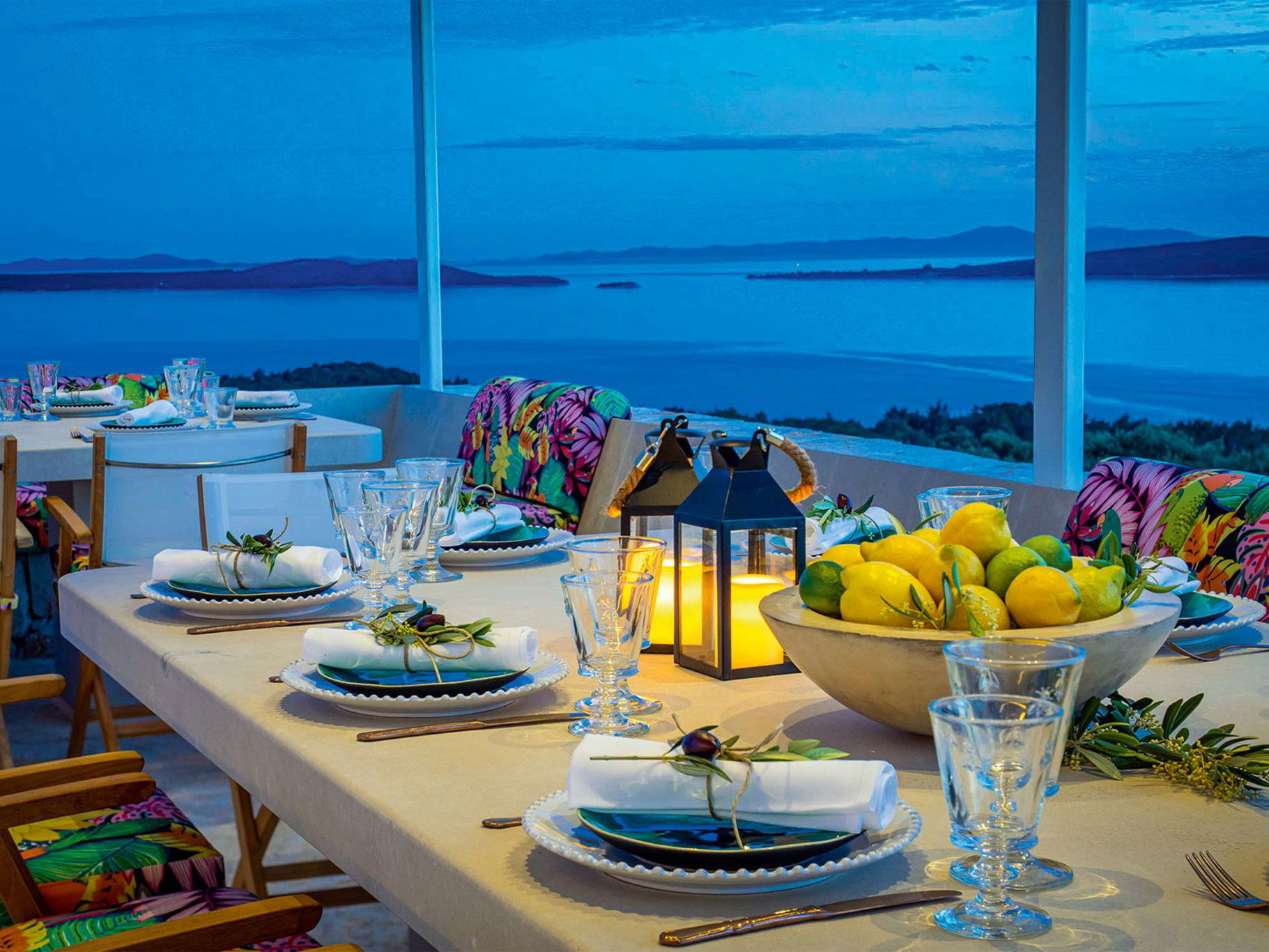
Bars in Brusaporto
Browse all →
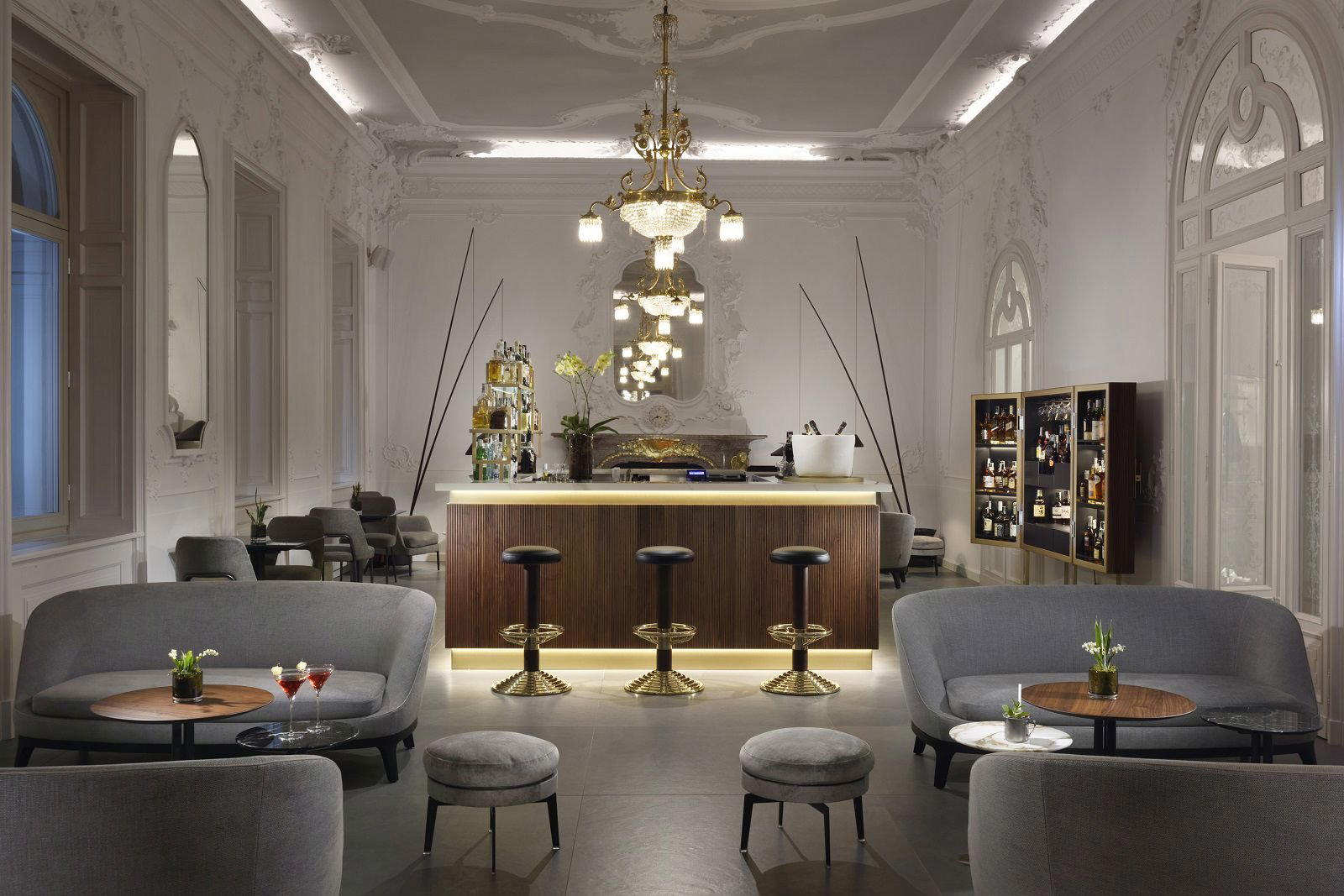
Hotels in Brusaporto
Browse all →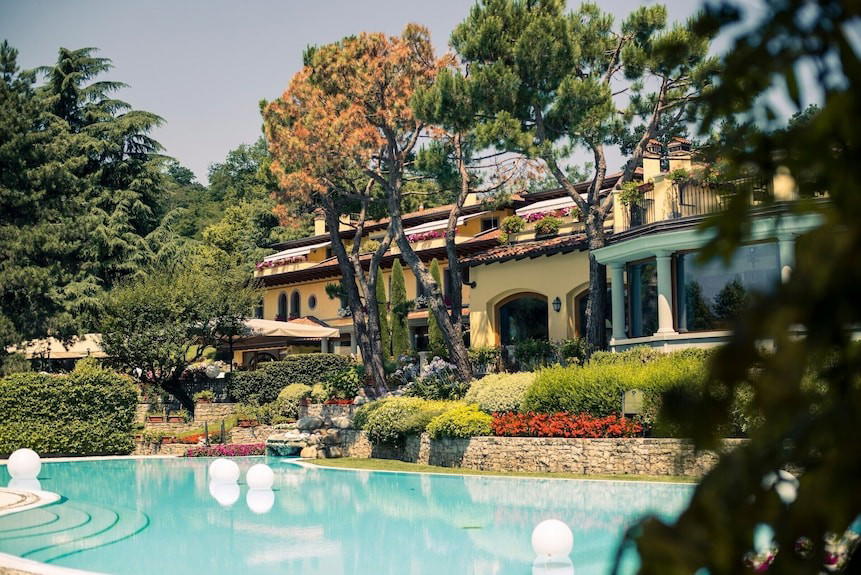
At a Glance
- Elegant
- Sophisticated
- Well Known
- Romantic
- Special Occasion
- Celebration
- Date Night
- Open Kitchen
- Wine Cellar
- Private Dining
- Garden
- Extensive Wine List
- Sommelier Led
- Farm To Table
- Local Sourcing
- Organic
- Garden
Current opening hours
- Monday
- 12:30–2:30 PM, 7:30–10 PM
- Tuesday
- 12:30–2:30 PM, 7:30–10 PM
- Wednesday
- 7:30–10 PM
- Thursday
- 12:30–2:30 PM, 7:30–10 PM
- Friday
- 12:30–2:30 PM, 7:30–10 PM
- Saturday
- 12:30–2:30 PM, 7:30–10 PM
- Sunday
- 12:30–2:30 PM, 7:30–10 PM
Hours can change for holidays and private events. Last verified .
Refined, elegant, and lived-in luxury atmosphere with beautiful location; refined but not intimidating, with natural light and sophisticated décor that balances formality with warmth.